REVIEW · ANGKOR WAT
Prasat Thom, Koh Ker Group & Beng Mealea Full-Day Tour
Book on GetYourGuide →Operated by Angkor Transport Services · Bookable on GetYourGuide
Koh Ker feels like a time jump. This full-day tour sends you on a 130-kilometer ride through Cambodian countryside to the Koh Ker temple group, tied to the Khmer capital period (928–944 A.D.). I love that the day isn’t just about one famous ruin—it’s about following the Khmer story across two very different temple sites.
I also really liked getting to explore Beng Mealea, where a sprawling late-11th-century temple has been largely swallowed by vegetation. It’s the kind of place where the scale hits you fast: more than a square kilometer of stone, corridors, and sun-splashed doorways.
One possible drawback: even though the guide is listed as English-speaking, not every group experience is equally easy to follow in real time—so come prepared to ask questions and speak up if anything is unclear.
In This Review
- Key things I’d plan for
- The 130-kilometer Siem Reap to Koh Ker ride
- Prasat Thom and the Koh Ker temple group: a Khmer capital you can feel
- Beng Mealea: late-11th-century stone taking back its own space
- The private 8-hour flow: how to make the day feel efficient
- Price and logistics: what $109 covers, and what to budget
- Dress code and comfort: the rules that actually affect your day
- Who should book this Koh Ker and Beng Mealea day trip?
- Should you book this tour?
- FAQ
- How long is the Prasat Thom, Koh Ker Group & Beng Mealea full-day tour?
- How much does the tour cost?
- Where do they pick you up and drop you off?
- Is lunch included?
- Do I need a temple pass?
- Is the guide English-speaking?
- What clothing is allowed?
Key things I’d plan for
- A long countryside drive (130 km one way) that makes the temples feel like a destination, not a quick stop.
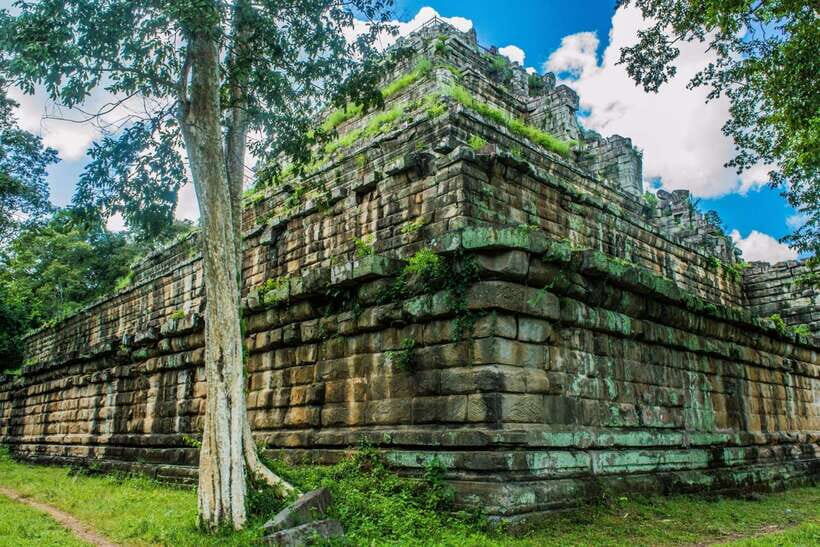
- Prasat Thom / Koh Ker’s capital-era context (928–944 A.D.)—you’ll see why this site mattered to the Khmer empire.
- Beng Mealea’s jungle-temple layout (more than a square kilometer) gives you room to slow down and wander.
- Fewer detailed carvings at Beng Mealea compared with other Angkor-style temples, which changes what you’ll notice as you walk.
- A temple pass isn’t included, so you’ll want to budget that up front.
- Dress code matters: trousers or knee-length skirts/dresses, plus comfortable walking shoes.
The 130-kilometer Siem Reap to Koh Ker ride
You start from Siem Reap, with pickup and drop-off from hotels in the city area. Then you’re in an air-conditioned vehicle heading north-east toward Koh Ker, and that’s a big part of the experience. The drive takes you through Cambodian countryside, and after a while the road makes you feel like you’re leaving the tourist core behind.
I like this kind of day-trip structure because you don’t just “add temples.” You actually get a sense of distance—how far Khmer-era power and pilgrimage routes reached. You’ll also have cool drink water along the way, which helps when you’re walking later in the heat.
Because this tour runs in all weather conditions, the practical takeaway is to dress for whatever the day gives you. The vehicle will be comfortable, but once you’re out at the temples, you’ll rely on your own clothing and shoes.
Other Beng Mealea tours we've reviewed in Angkor Wat
Prasat Thom and the Koh Ker temple group: a Khmer capital you can feel
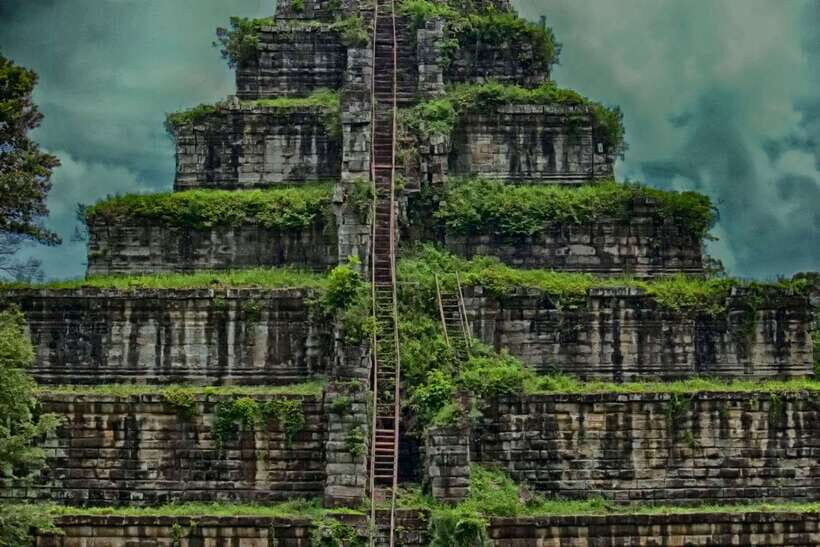
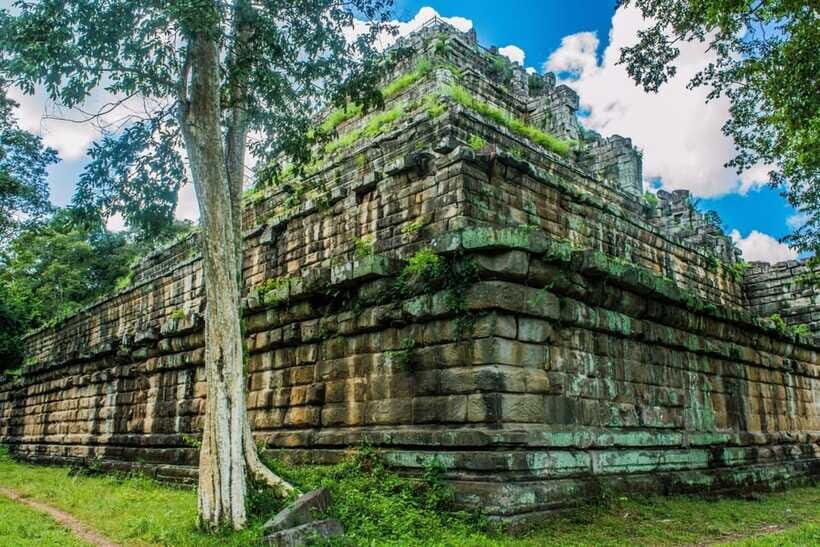
The main draw is the Koh Ker temple complex—often associated with Prasat Thom—part of the remnants of the Khmer empire’s capital. The site is linked to the period when Koh Ker functioned as the capital from 928–944 A.D. That date range matters, because it reframes what you’re looking at. You’re not only seeing old stone; you’re seeing a place that once carried political weight.
Koh Ker is often described in terms of ruins, but the way you experience it is more physical than academic. Expect to walk among temple structures and courtyards where the scale and layout communicate importance. Even without perfect restoration, there’s enough to understand that this was built to last and to project power.
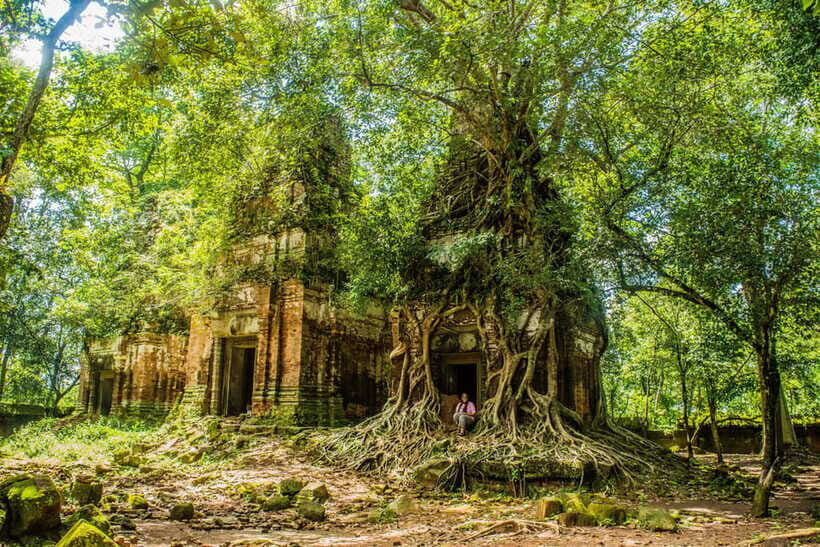
What I like about pairing Koh Ker with later Beng Mealea is how your attention changes. At Koh Ker you’re more likely to focus on temple form—line, tower shapes, and the way spaces guide you. It’s a different kind of “reading” than you’ll do at Beng Mealea, where vegetation becomes part of the architecture.
Practical note: this is still a temple visit, so plan for steady walking. Wear shoes you trust on uneven ground. You’ll be on your feet long enough that comfort beats style by a mile.
Beng Mealea: late-11th-century stone taking back its own space
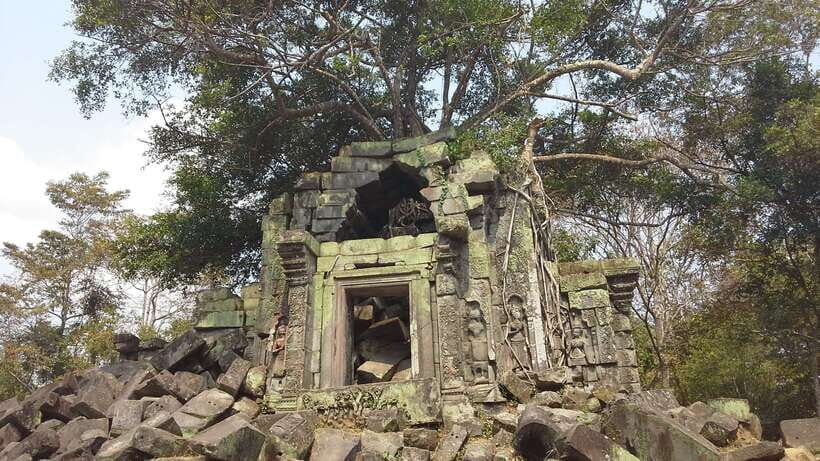
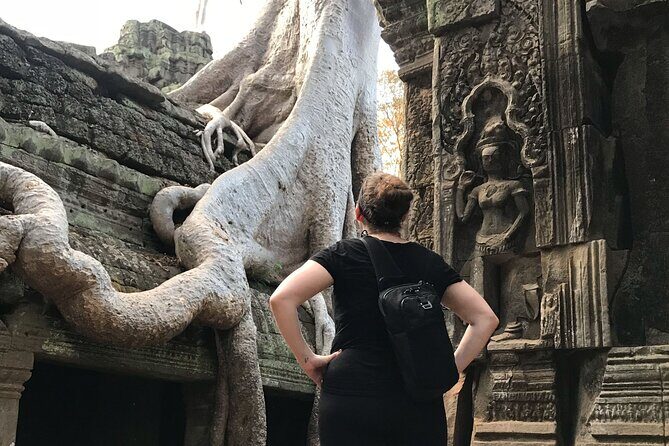
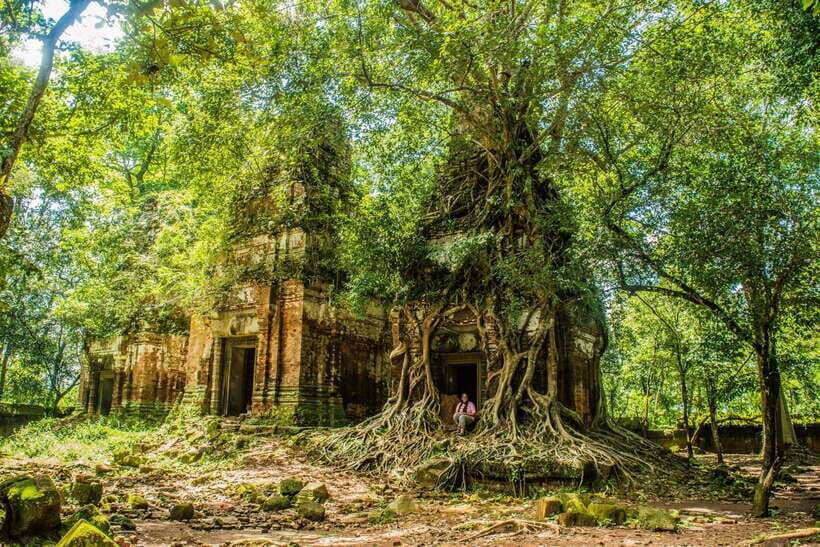
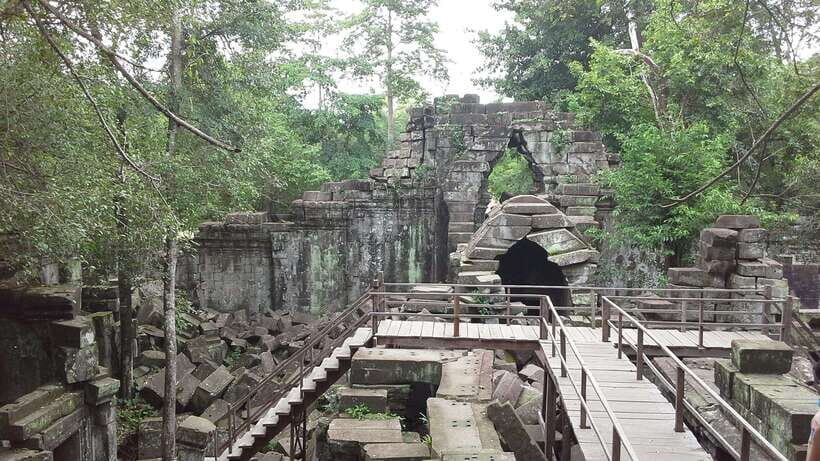
Next comes Beng Mealea, a huge temple complex constructed at the end of the 11th century. The first thing to understand is scale. You’re dealing with an area of more than one square kilometer, and vegetation now covers much of it. When you arrive, it can feel almost like the temple is in a slow tug-of-war with the jungle.
Architecturally, Beng Mealea is in an Angkor Wat style, and it’s attributed to the same king who built Angkor Wat. That connection is fascinating because it helps you see Beng Mealea not only as a standalone site, but as something closer to a possible model or working step in temple design.
Here’s the difference that makes Beng Mealea its own experience: the temple has no bas-reliefs, and carvings are relatively scarce. So if you love statue details and wall narratives, you’ll still find some carvings (including lintel carvings), but the bigger story is texture and structure. The “art” is often the volume of the ruins themselves—the way doorways frame light, and the way corridors shift your perspective.
Also, the temple’s original appearance likely didn’t look like it does now. When it was active, its walls may have been covered, painted, or adorned with frescoes. In other words, you’re seeing the aftermath, not the fully dressed version.
One more historical detail that makes the walk more meaningful: Beng Mealea sat at the crossroads of major routes running to Angkor, Koh Ker, and Preah Vihear. Even if you can’t map every road in your head, knowing it was a hub changes how you interpret what’s in front of you. This place wasn’t just decorative—it was on the move-path of people and power.
The private 8-hour flow: how to make the day feel efficient
This is designed as a single full-day block—about 8 hours total—so the schedule is meant to fit into one coherent arc: Siem Reap pickup, drive to Koh Ker, temple time, then Beng Mealea, and back to your hotel.
The fact that it’s a private group matters more than it sounds. In a shared group tour, you often get pulled by everyone else’s pace. With a private setup, the day tends to feel more adjustable. One booking specifically described being able to modify the itinerary to suit their liking—so if you have a strong preference for extra time in one area, this format is the easiest way to ask.
English support is included, with an English-speaking guide. One useful caution from real experience: for at least one group, the guide’s English was difficult to understand, and the person stopped trying to listen early. That doesn’t mean the guiding is always a problem, but it is a reminder to stay active with questions rather than waiting passively for explanations. If something isn’t landing, ask again. Private tours make that easier.
Timing-wise, the tour is built for temple visits rather than long museum-style stops. That’s ideal if you want momentum and you like seeing a couple of sites deeply enough to remember them, without turning it into an all-day marathon with too many locations.
Price and logistics: what $109 covers, and what to budget
At $109 per person for the day, you’re paying for a full package rather than just transportation. What’s included is the hotel pickup and drop-off in Siem Reap, an air-conditioned vehicle, an English-speaking guide, cool drink water, and local taxes.
What’s not included is a temple pass and lunch at a local restaurant (plus personal expenses). For value, the key is planning ahead so you don’t get surprised mid-day. Temple passes are often a separate purchase, and if you arrive without cash or clear instructions, you lose time.
There’s also a small mismatch worth noting. One experience account said lunch and a park entrance fee were included in the price, while the standard details say lunch and temple pass aren’t included. Since both pieces of information are part of the available picture, the smartest move is to confirm what’s covered by your exact booking: ask what entrance fees are included and whether lunch is truly handled for your group.
A quick practical value test: you’re not paying extra for each leg of the day, like separate transfers. The A/C van and guided stops do add real comfort and time savings, especially given the distance involved.
Dress code and comfort: the rules that actually affect your day
Cambodian temple rules can be strict in the moment, so I treat the dress code as part of logistics, not just etiquette. For this tour, the rule is trousers or knee-length skirts/dresses are permitted. Long days plus heat mean your clothing should also feel breathable, not just compliant.
Comfortable walking shoes are strongly recommended. That’s not a throwaway line—Beng Mealea especially can mean uneven ground and surfaces that look stable until you’re standing on them. If your shoes feel good on day one, you’ll enjoy the rest of the day more.
No smoking is allowed in the vehicle. It’s a small rule, but it keeps the ride pleasant for everyone.
Who should book this Koh Ker and Beng Mealea day trip?
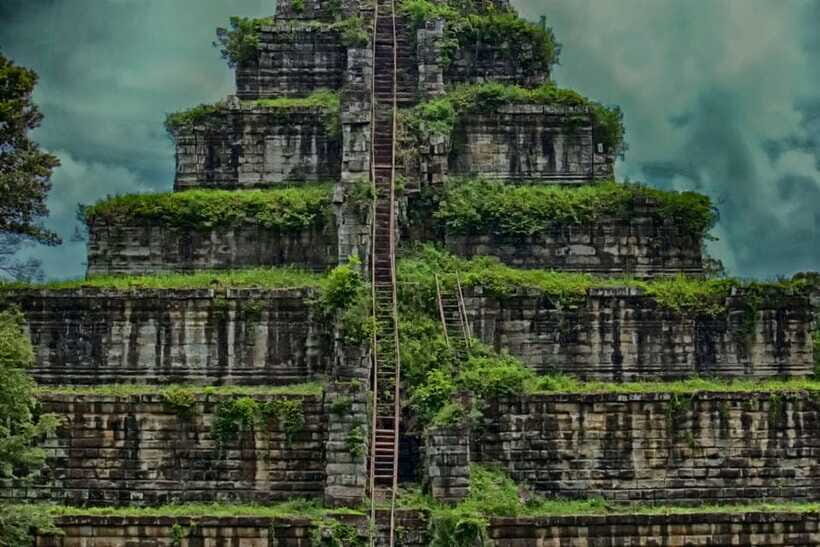
I’d recommend this tour if you want a temple day with a strong sense of place and scale. Koh Ker gives you the political-capital connection (928–944 A.D.), while Beng Mealea gives you the sprawling late-11th-century “ruins in the wild” feeling—more than a square kilometer of temple space now overtaken by vegetation.
It also fits you if you like guided interpretation but don’t need every sentence to be perfect. If you’re the type who enjoys asking questions as you walk, a private setup helps you get answers that match your pace and interests.
I’d think twice if:
- You hate long drives and prefer a shorter day.
- You’re counting on highly detailed wall carvings at every stop—Beng Mealea has scarcer carvings and no bas-reliefs, so the appeal shifts to structure and atmosphere.
Should you book this tour?
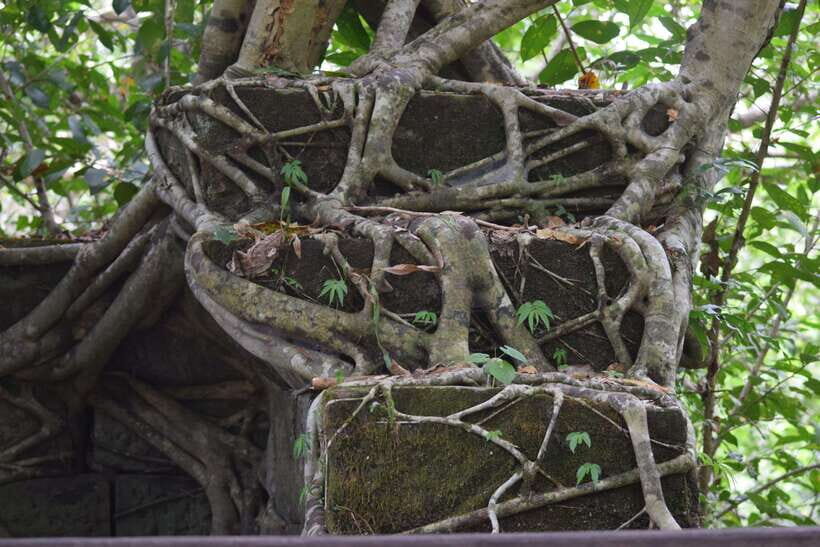
If you want one day that stretches beyond the usual temple circuit and gives you two very different ruins—capital remnants at Koh Ker and a vast jungle-temple at Beng Mealea—then yes, I think this is worth booking. The included A/C transfer, guide, and water make it easier to manage a long route, and the two-site contrast gives you a stronger memory of the Khmer world than a single stop would.
Just do two things before you go: confirm exactly what’s covered by your booking for temple passes and any meal plans, and plan your outfit around the knee-length / trousers rule and solid walking shoes. Get those right, and the day should feel smooth.
FAQ
How long is the Prasat Thom, Koh Ker Group & Beng Mealea full-day tour?
The tour duration is listed as 8 hours.
How much does the tour cost?
The price is $109 per person.
Where do they pick you up and drop you off?
Pickup and drop-off are from hotels in Siem Reap City.
Is lunch included?
Lunch at a local restaurant is listed as not included.
Do I need a temple pass?
A temple pass is listed as not included.
Is the guide English-speaking?
Yes. The tour includes an English live tour guide.
What clothing is allowed?
Only trousers or knee-length skirts or dresses are permitted, and comfortable walking shoes are recommended. Smoking is not allowed in the vehicle.