REVIEW · ANGKOR WAT
Angkor Temples Highlights Tour: 2 Days with Sunrise
Book on GetYourGuide →Operated by BAYON GUIDES · Bookable on GetYourGuide
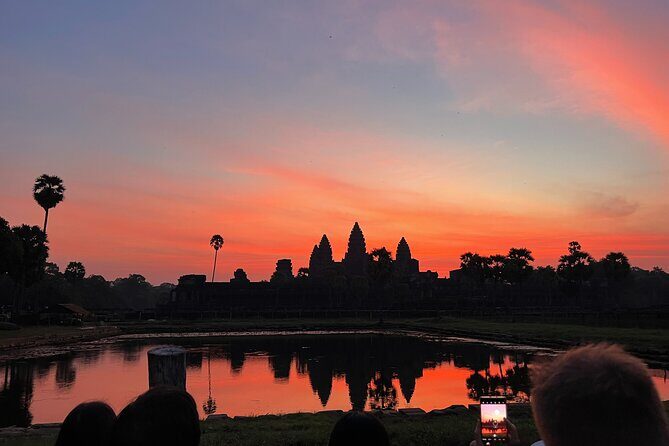
Waking up at 4:00 AM has a point here. This 2-day Angkor Temples sunrise tour mixes big icons with a lot of guided context, so you don’t just walk around guessing. I especially like the chance to see Angkor Wat at sunrise and the way the tour’s English guides connect what you’re seeing to the Khmer story.
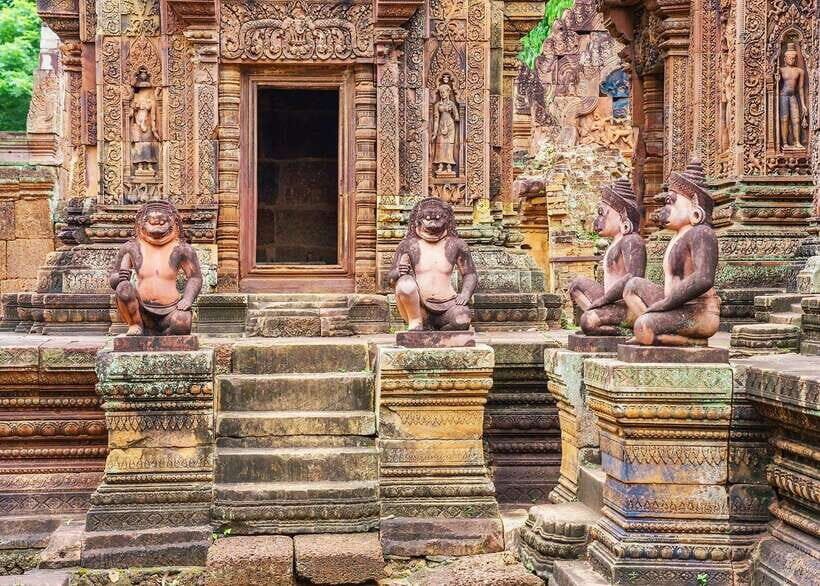
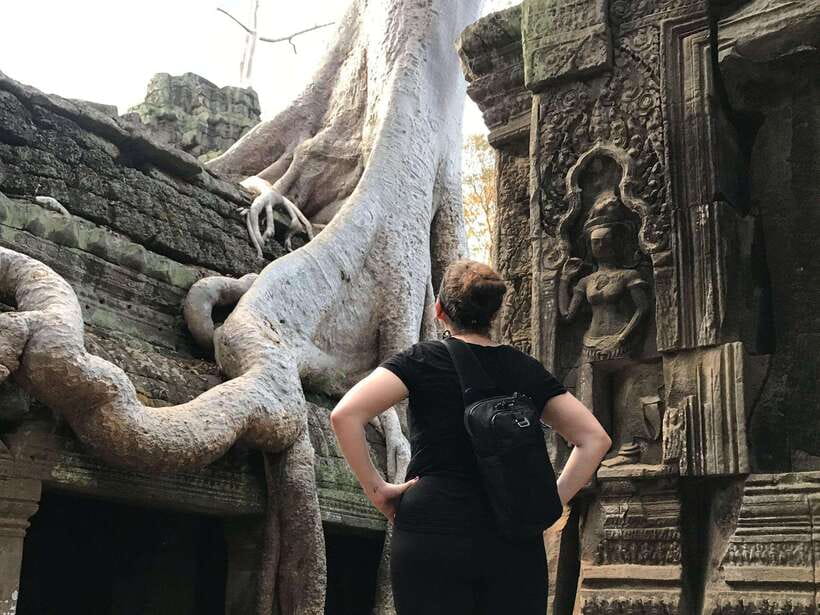
You’ll also get Ta Prohm with its massive tree roots wrapped around stone, plus the ultra-detailed pink carvings at Banteay Srei. One drawback to plan for: the famous early start can mean heavy crowds and heat, so you’ll want water and a flexible attitude.
In This Review
- Key highlights worth your energy
- A sunrise schedule that actually makes sense
- Angkor Wat: the light, the lines, and the why behind the walls
- Angkor Thom and Bayon: the last Khmer capital, in stone
- Ta Prohm: where the trees grab the spotlight
- Ta Keo: a supporting actor you shouldn’t skip
- Day 2 on the Grand Circuit: temples with less pressure
- Preah Khan and Neak Pean: carvings plus a calmer setting
- Ta Som and East Mebon: the “less famous” payoff
- Banteay Srei: why this is the detail-lover’s favorite
- Beng Mealea: the last stop that keeps the day from feeling repetitive
- Price and Pass reality: why $39 can still be a bargain
- What the guide quality looks like in real life
- Transport, timing, and your comfort breaks
- Optional sunset extension and early-start flexibility
- Who this tour fits best (and who should tweak the plan)
- Should you book this sunrise Angkor Temples tour?
- FAQ
- Does the price include the Angkor Temple Pass?
- What temples are included over the two days?
- When do you get picked up for sunrise?
- Is the tour guide English-speaking?
- Can I stay later until sunset?
- Are meals included?
Key highlights worth your energy
- Angkor Wat sunrise timing that turns the temple’s reflection into the main event
- Real guided storytelling from English-speaking guides like Leang, Sam, and Steve
- Ta Prohm’s tree-root drama plus other key stops on both days
- Angkor Thom and Bayon’s smiling stone faces in a focused, walkable route
- Banteay Srei’s pink sandstone detail (the tour calls it the Citadel of Women)
- Optional sunset extension if you want extra temple time after the main schedule
A sunrise schedule that actually makes sense
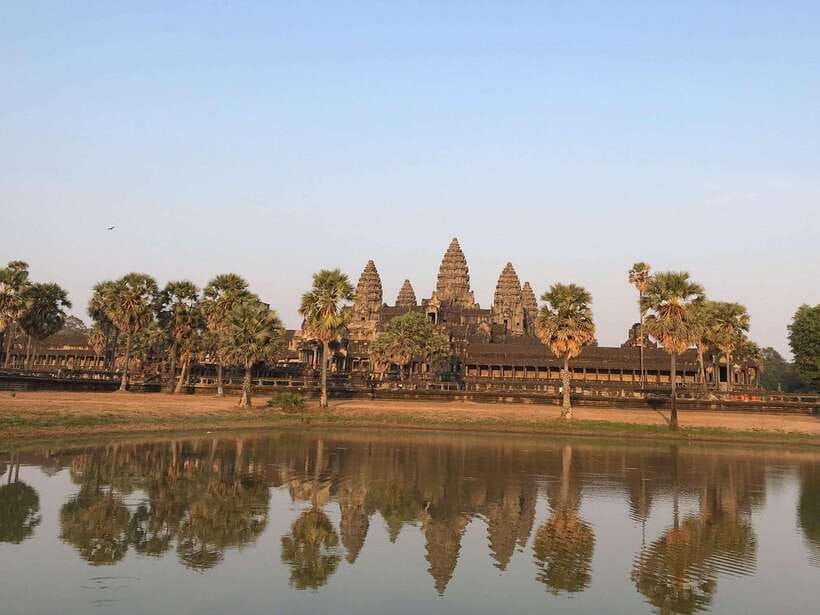
If you’re thinking about doing Angkor “one day and move on,” this tour is a better fit for your time. The big reason is the very early pickup for sunrise—listed at 4:00 AM—because that’s when Angkor Wat feels most cinematic.
You’ll start with pickup from your hotel in Krong Siem Reap (they ask you to be ready about 5 minutes before the start). Then you go straight into the day’s first target—Angkor Wat—with a guided sightseeing block of about 2 hours.
What I like about this approach is that it doesn’t treat sunrise as a gimmick. You get to see the temple when the air is cooler and the light is dramatic, and your guide can point out what you’re looking at before the crowds fully thicken.
If you're still narrowing it down, here are other tours in Angkor Wat we've reviewed.
Angkor Wat: the light, the lines, and the why behind the walls
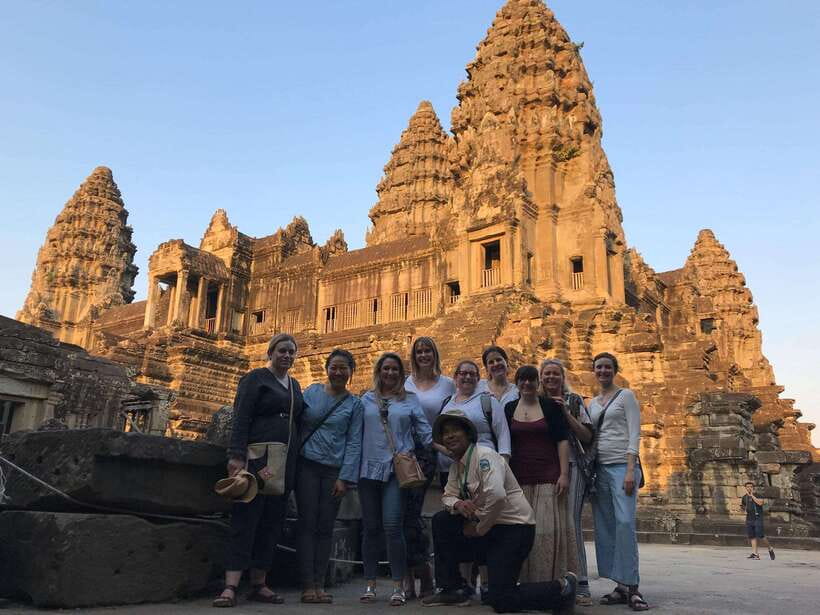
Angkor Wat is the headline for a reason. On this tour, you’re not just stamped with a checkmark—you’re given a structured guided experience timed around dawn.
The sunrise part is described as golden rays illuminating the temple and its reflection, and that matches what you’ll feel the moment you’re there: the geometry looks sharper, and the whole site feels more alive. The guide’s job here is to translate the stones into meaning—why this place mattered and what you’re seeing as the sun rises.
You’ll also notice something practical: 2 hours is enough time to take photos without turning your whole morning into a camera marathon. If you’re prone to photographing everything, a good guide keeps you moving just enough to see more than one “angle of wow.”
Angkor Thom and Bayon: the last Khmer capital, in stone
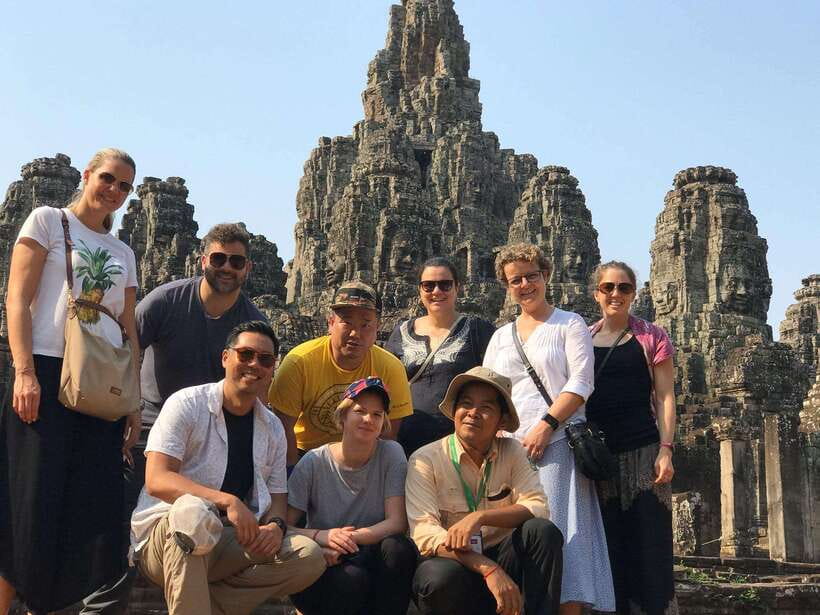
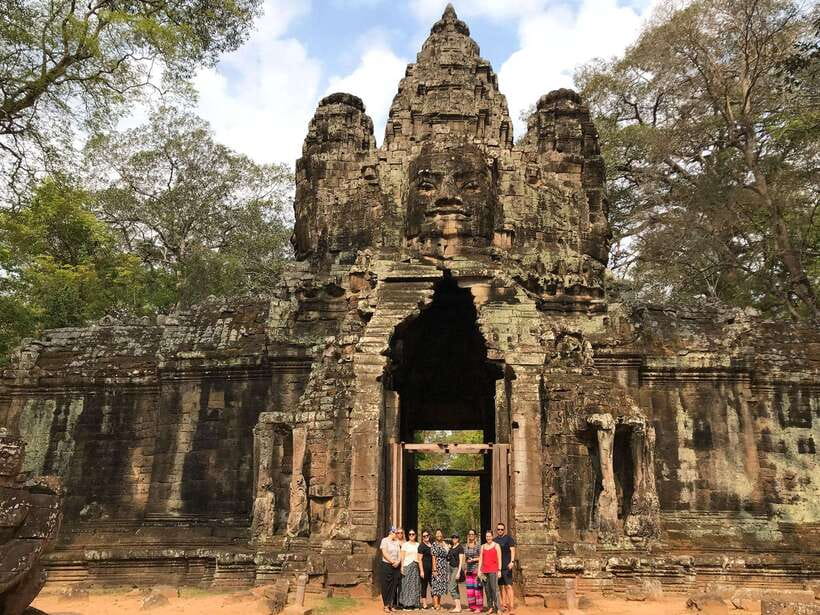
After Angkor Wat, the tour shifts from the headline temple to the bigger “city” experience. You’ll head to Angkor Thom, described as the last capital of the Khmer Empire, and your route includes Bayon Temple.
The famous detail here is Bayon’s serene, smiling stone faces. With a guided walk, those faces stop being just creepy-cool scenery and start feeling like a message—especially when your guide explains the context and layout.
The sightseeing time listed here is about 1 hour. That’s important. In Angkor Thom, you can get lost if you’re drifting. A guided plan keeps you from wandering into empty corridors while the best viewpoints are just a short walk away.
Also, several guides referenced in the reviews are praised for being good at framing the sights in their original context. If you end up with someone like Leang, you’ll likely get that same “this means something” feeling rather than a rapid-fire tour of names.
Ta Prohm: where the trees grab the spotlight
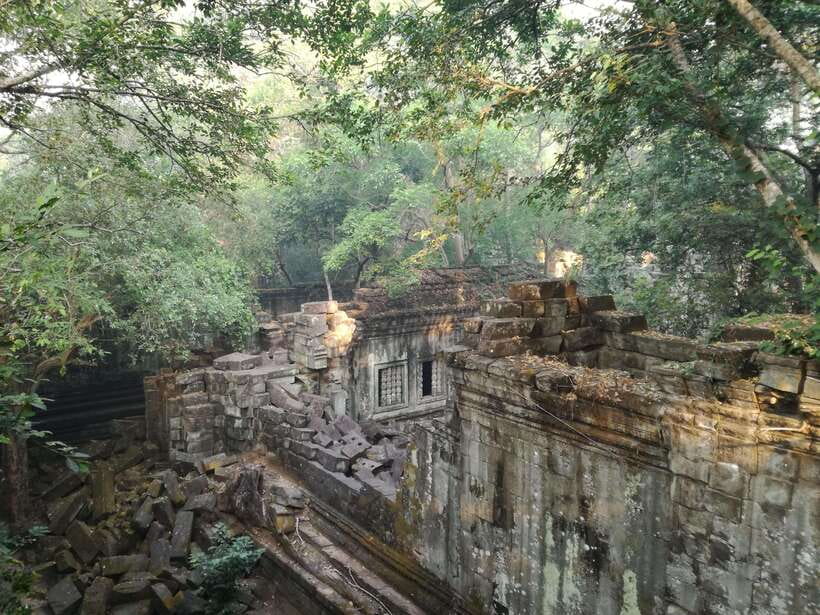
Then comes Ta Prohm, the jungle temple the tour highlights as embraced by trees. This is where Angkor stops being only “architecture museum” and turns into something more cinematic.
The tour schedule gives you about 1 hour at Ta Prohm, and that’s a smart amount for this kind of site. You want enough time to walk the key areas slowly, notice how tree roots entwine centuries-old stones, and still have enough energy for what’s next.
One honest caution: sunrise or mid-day crowds can cause a fast-moving vibe. In a review, the first temple visit felt a bit rushed for one group—something the guide may have had to manage because of high tourist flow. If you care most about taking in details (not just ticking boxes), ask your guide how they’ll manage the timing and where they want to slow down.
Ta Keo: a supporting actor you shouldn’t skip
After Ta Prohm, the itinerary includes Ta Keo with about 1 hour of guided sightseeing. You don’t get a lot of description beyond it being part of the temple circuit, but the point is clear: this tour isn’t only about the most Instagram-known locations.
Why that matters for you: Angkor can feel repetitive if every stop is a carbon copy of the last one. A site like Ta Keo adds variety to the story your guide is building—especially if you’re interested in how different Khmer-era designs and sacred spaces evolved.
Even if Ta Keo isn’t your favorite in the photo gallery, it can be the stop where the guide’s explanation makes the whole day click. It’s also a breather after the intense Ta Prohm visuals.
Day 2 on the Grand Circuit: temples with less pressure
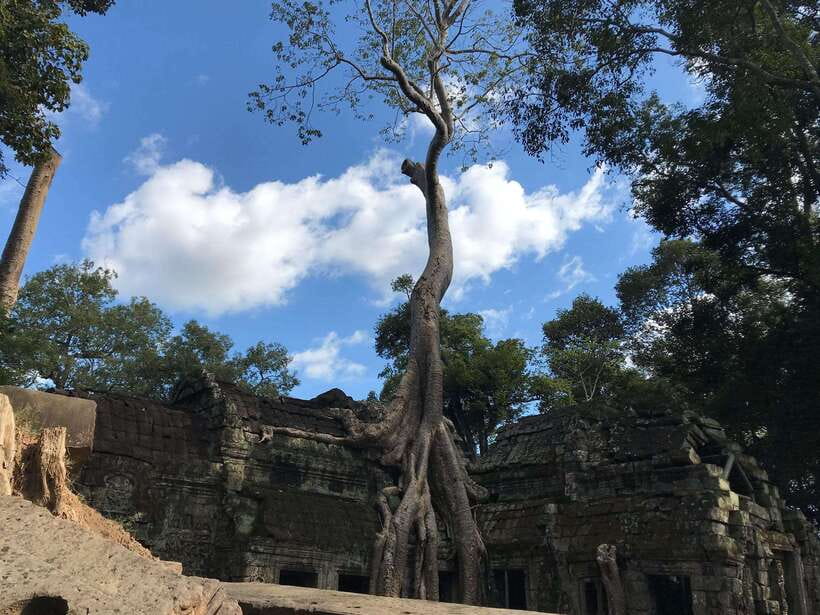
Day 2 is where the tour shifts from the “icon run” into the Grand Circuit. The tour describes this as a scenic route showing Cambodia’s history and temple gems, and the stops are spread in a way that keeps the story moving.
You’ll start with Preah Khan, described as a sprawling temple complex full of history and intricate carvings. Then you head to Neak Pean, highlighted as a unique temple on an island with spiritual significance. Next up are Ta Som and East Mebon, listed as lesser-known but breathtaking, then you end with Banteay Srei and also include Beng Mealea later in the sequence.
This is one of those days where the guide really matters. A strong guide makes the Grand Circuit feel ordered, not like a checklist. Reviews repeatedly mention guides who help you avoid getting stuck in the mass crowd flow and who know where to stand for better pictures—sometimes without you even asking.
Preah Khan and Neak Pean: carvings plus a calmer setting
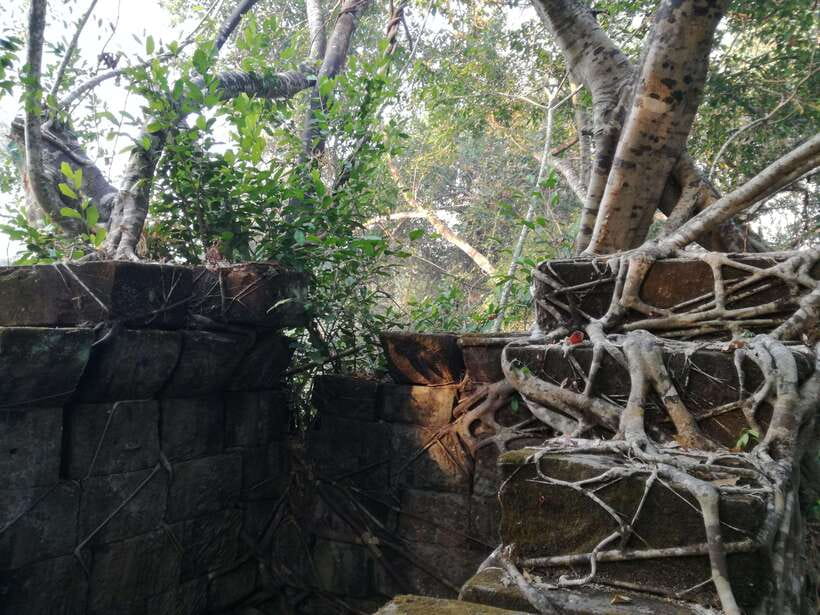
Preah Khan is your “stay sharp” temple. It’s described as having intricate carvings, and sprawling sites usually reward slow walking. With guided time listed at about 1 hour for each stop across the day, you’ll have enough time to see key areas without burning your whole afternoon.
Then Neak Pean adds a different kind of atmosphere. Because it’s described as being on an island and tied to spiritual meaning, it tends to feel more contemplative than the big yard-like complexes.
Practical tip: bring the same mindset you’d use at a quiet museum—give your eyes time to adjust to detail. Neak Pean works better when you’re not rushing from one photo to the next.
Ta Som and East Mebon: the “less famous” payoff
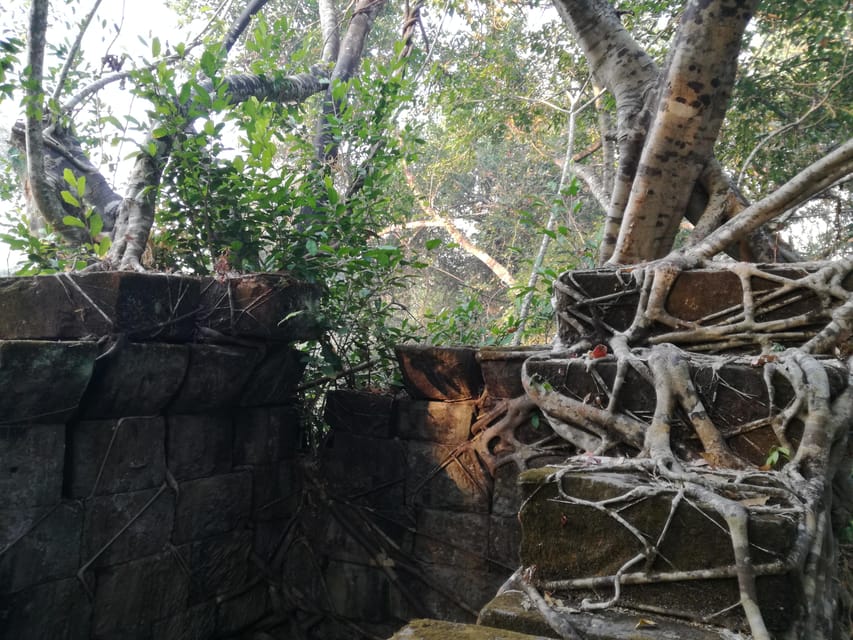
The tour highlights Ta Som and East Mebon as lesser-known but breathtaking. That wording matters. On the main Angkor sites, crowds can take over your attention. On these more secondary stops, you’re more likely to notice carving patterns, the way stone ages, and the overall feel of a place rather than only the highlights that the crowds travel for.
Each stop gets around 1 hour of guided sightseeing, which is enough time for a first pass and a few key details. If you’re the type who likes to move at a steady pace and still have energy for good photos, this structure works.
Banteay Srei: why this is the detail-lover’s favorite
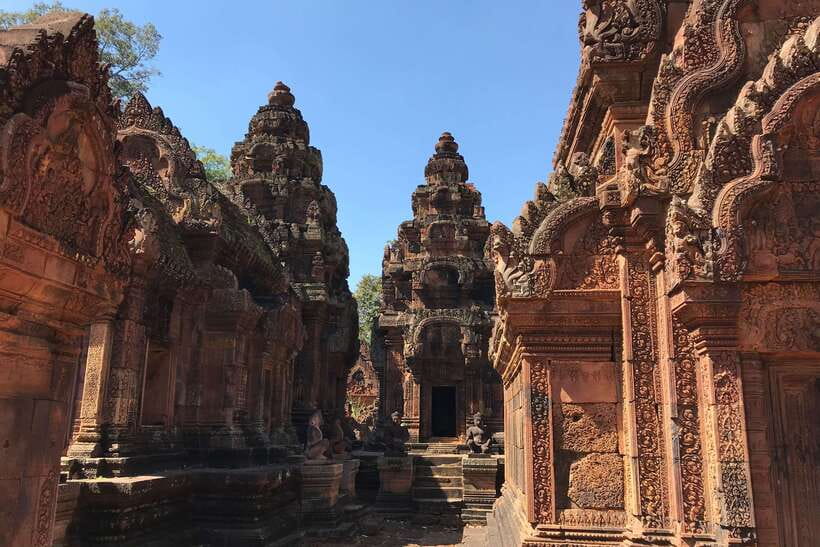
If Angkor Wat is the wide-angle dream, Banteay Srei is the detail dream. The tour calls it the “Citadel of Women,” and highlights delicate pink sandstone carvings with intricate artwork.
That pink color matters because it changes what your eyes focus on. Instead of massive shapes dominating the scene, you look for the fine edges and the patterns. You’ll spend about 1 hour here, which is enough time to see the carving zones without feeling like you’re trapped in a long line.
One reviewer thread praises guides for picking good picture angles and making the route work without you needing to micromanage. For a site like Banteay Srei, those small decisions can make a big difference—because the art is all about close attention.
Beng Mealea: the last stop that keeps the day from feeling repetitive
Your itinerary also includes Beng Mealea before you return to Krong Siem Reap. The provided info doesn’t add extra description here, but the value is still clear: the tour doesn’t end at the most famous temple and send you home.
Adding Beng Mealea gives you one more guided temple experience to round out the Grand Circuit day. It’s also a good choice for you if you like variety—especially after spending Day 1 on the big-name sites and tree-root drama.
Price and Pass reality: why $39 can still be a bargain
The tour price is listed at $39 per person for 2 days, and that’s the part that looks surprisingly affordable. But here’s the key detail: the Angkor Temple Pass (2–3 Day) is not included, and it’s listed as USD 62 per person.
So how do you judge value? You compare what you’re paying for: a professional English-speaking guide, transport (private air-conditioned car or small-group bus), and included extras like drinking water and cold towels. With those basics covered, your main separate cost is the temple pass.
If you’re someone who would otherwise wander around without a guide, the math shifts fast. Angkor is easier to enjoy when you understand what each site represented and what to notice as you walk.
What the guide quality looks like in real life
Across the reviews, the loudest praise isn’t just friendliness—it’s English ability and context. People specifically name guides like Leang, Sam, and Steve/Steven for being well-prepared and for explaining the religious and historical layers behind what you see.
You also see practical “how they run the day” praise. One review notes that their guide helped plan the route to reach sunset without turning it into chaos, including time spent on a hill earlier and waiting for light. Another review mentions avoiding crowds as best as possible, which is a big deal at Angkor.
Even small moments show up: one group says their guide offered help when someone got sick, even taking them to a local pharmacy for medicine. That’s not guaranteed, but it’s a strong signal of how some guides operate—responsibly, not just as a driver-with-a-mic.
Transport, timing, and your comfort breaks
Your comfort matters on a two-day temple plan.
You have hotel pickup from Krong Siem Reap, transport in either a private air-conditioned car or a small-group bus, and you’ll get drinking water and cold towels during the day. That’s not just nice—it helps you stay functional when you’re walking in open-air sun.
Also, pay attention to the pacing. Some stops can feel crowded, and at least one review mentions a bit of rushing at the first temple, likely due to high tourist numbers around famous spots like Ta Prohm.
If you’re prone to heat fatigue, consider asking your guide how they’ll manage shade breaks. The tour is structured for sightseeing blocks, but a good guide adjusts the order within the day when possible.
Optional sunset extension and early-start flexibility
Two helpful extras are mentioned.
First, the tour notes you can get an extension until sunset at the temple without extra charge if you request it. That’s ideal if you love the golden-hour look but don’t want to commit to a full extra day.
Second, there’s an option to arrange an early start for sunrise upon request, with an extra charge. If you’re the type who wants the quietest light and earliest atmosphere, it’s worth asking.
Who this tour fits best (and who should tweak the plan)
This tour is a strong fit if you want:
- Two days so you don’t feel like you’re sprinting through Angkor
- Guided context, not just photo stops
- A mix of big-name temples and supporting sites on the Grand Circuit
It may not be perfect if you:
- Hate early mornings and crowds at sunrise
- Want a very relaxed “wander without schedule” style day
- Expect meals to be provided (meals are not included)
Should you book this sunrise Angkor Temples tour?
Yes, if you want the best trade-off between major Angkor icons and a guided structure that helps you understand what you’re seeing. The sunrise Angkor Wat timing is the big selling point, and the tour’s balance—Angkor Thom and Bayon, Ta Prohm, then a full Grand Circuit day ending at Banteay Srei—means you get variety in two days.
Book with extra thought if you’re very sensitive to crowds early in the morning. If that’s you, ask your guide how they plan to manage busy periods and whether you can time your visits for the calmer windows.
FAQ
Does the price include the Angkor Temple Pass?
No. The tour price doesn’t include the 2–3 Day Angkor Temple Pass, which is listed as USD 62 per person.
What temples are included over the two days?
You’ll visit Angkor Wat, Ta Prohm, Ta Keo, Angkor Thom (including Bayon Temple), Preah Khan, Neak Pean, Ta Som, East Mebon, Banteay Srei, and Beng Mealea.
When do you get picked up for sunrise?
The tour description lists a hotel pick-up at 4:00 AM for the sunrise experience, and pickup is from your hotel lobby.
Is the tour guide English-speaking?
Yes. The tour includes a live English-speaking guide.
Can I stay later until sunset?
Yes. The tour notes that an extension until sunset can be provided without extra charge upon request.
Are meals included?
No. Meals are not included, though drinking water and cold towels are provided.