REVIEW · ANGKOR WAT
Two Days Angkor Wat Park-Beng Mealea and Kampong Phluk Village
Book on Viator →Operated by Toptrip Inspire Cambodia · Bookable on Viator
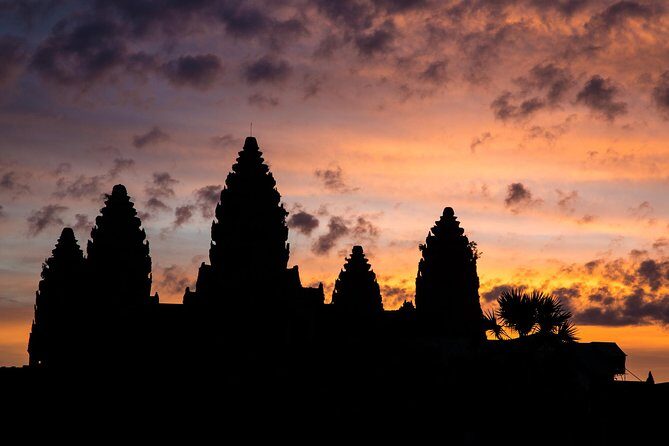
Sunrise hits different at Angkor Wat. This two-day tour is built around an early start that helps you see the key sights with way less crowd pressure. You’ll roll through Angkor Wat, Angkor Thom, and Ta Prohm on Day 1, then shift gears to the jungle-temple mood at Beng Mealea and everyday lake life at Kampong Phluk on Day 2.
I especially like the pacing. Day 1 is a smart hit list: Bayon, Baphuon, the Terrace of the Elephants, and Ta Prohm, all with time to stop for photos and reset your brain between sites. And the guide side matters here too—feedback calls out Thom for making the temples feel understandable, not just scenic.
One thing to plan for: the tour price does not include temple fees, and the boat at Kampong Phluk costs $25 per person. Also, you’re up early for dawn, so pack for a long day before the heat fully arrives.
In This Review
- Key things you’ll notice on this 2-day Angkor route
- Sunrise at Angkor Wat: the early start you’ll thank yourself for
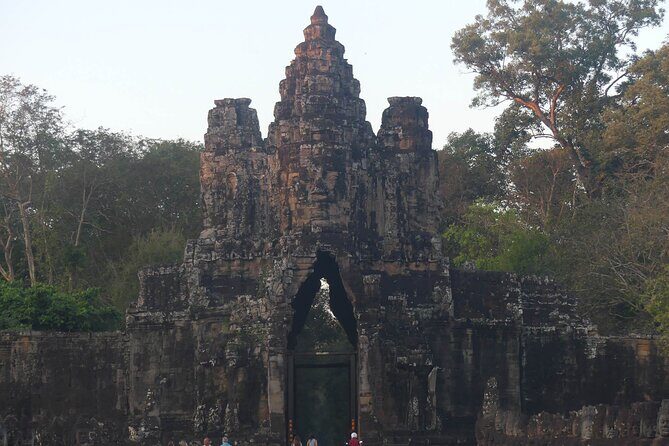
- Day 1 in Angkor Thom: from South Gate photos to Bayon’s faces
- Terrace of the Elephants and Phimeanakas: details you’ll miss if you rush
- Ta Prohm: the jungle temple that actually changes your mood
- Day 2: Beng Mealea’s jungle setting (and why it feels different)
- Kampong Phluk floating village and the $25 boat reality
- Banteay Srei: the pink sandstone stop with serious carving detail
- Guide Thom and what you should look for during the storytelling
- Price and value: what $260.69 per group buys (and what it doesn’t)
- Logistics that help you enjoy the trip instead of manage it
- Who this tour is best for
- Should you book this two-day Angkor Wat, Beng Mealea, and Kampong Phluk tour?
- FAQ
- What’s included in the tour price?
- Are temples fees included?
- Do I need to pay for a boat at Kampong Phluk?
- How many people are in the group?
- Is pickup provided?
- How does the tour handle tickets?
- What time does the Angkor Wat part start?
- What’s the total duration of the tour?
- What’s the cancellation policy?
Key things you’ll notice on this 2-day Angkor route
- 5 AM Angkor Wat start that reduces crowd stress while the stone is still cool
- Day 1 temple sequence that connects Angkor Thom’s big landmarks without whip-fast rushing
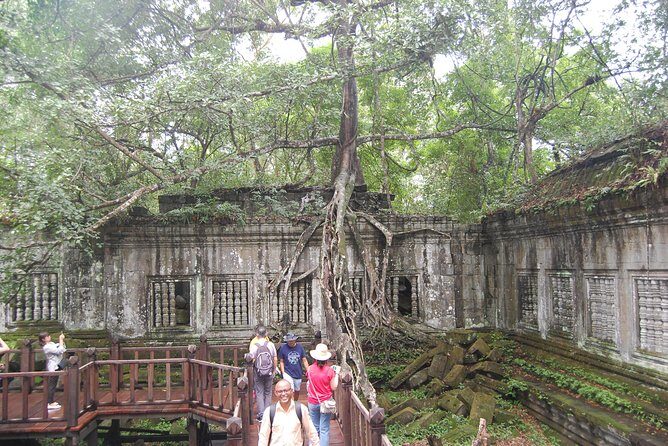
- Beng Mealea’s jungle feel with a temple that looks less restored than the headline sites
- Kampong Phluk lake life by boat option with a clear budget note of $25 per person
- Banteay Srei pink sandstone for strong carving detail after the bigger Angkor stones
- Private group energy so you’re not squeezed between strangers
Sunrise at Angkor Wat: the early start you’ll thank yourself for
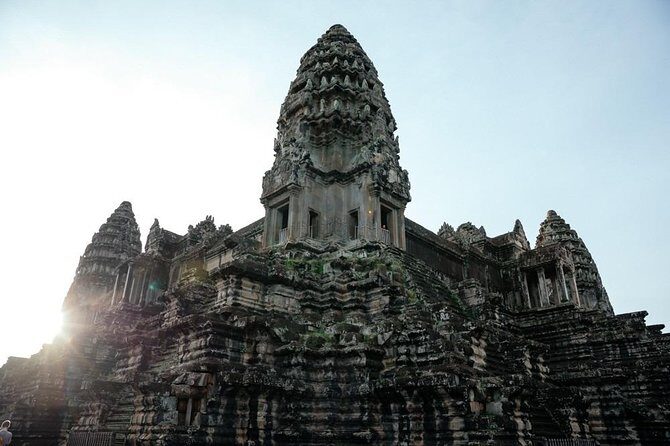
Angkor Wat is famous for a reason, but the timing is where this tour earns its keep. You start in the early hours—around 5 AM—so you’re watching dawn at the sanctuary while the crowds are still thinner. That matters. Late mornings mean hotter light, more bodies in your frame, and more waiting around for the next good photo spot.
The tour’s flow also keeps you moving with purpose after sunrise. Rather than treating Angkor Wat as a stand-alone stop, you transition into Ta Prohm next, which is a nice contrast: crisp, iconic temple geometry at first, then the dramatic root-and-stone look of Ta Prohm. If you’ve ever visited one “big” site and then felt too tired to care about the next one, you’ll appreciate how the day is staged.
Practical tip: pack something for dawn chill. Even in Cambodia, early morning can feel cooler than the afternoon. A light layer and a hat go a long way.
If you're still narrowing it down, here are other tours in Angkor Wat we've reviewed.
Day 1 in Angkor Thom: from South Gate photos to Bayon’s faces
Day 1 is the densest temple stretch of the trip, and it’s set up to help you see the logic of Angkor Thom. You begin with the Angkor Thom South Gate, which is a classic photo moment. You get about 20 minutes there, enough to grab the angles without turning it into a long detour. The best use of that time is simple: stand, look up, and enjoy the scale. Angkor Thom is about structure and power, and the gate sets that tone.
From there you head into the heart of the city at Bayon Temple. Bayon is the one with all the big faces, and your visit is timed for around 1 hour. What makes this stop worthwhile on a guided route is that you don’t just look at the carvings—you get context for what you’re seeing and why it mattered to the people who built and used these spaces. It’s the difference between a quick photo stop and actually understanding the place a little.
Next comes Baphuon Temple, a pyramid-style standout. Expect about 45 minutes here. This site has a different visual rhythm than Bayon: more upward massing, more structure feeling like a stepped mountain. It’s also a good mental break because you’re shifting from face-focused detail to architecture-and-proportion focus.
Terrace of the Elephants and Phimeanakas: details you’ll miss if you rush
Two parts of Day 1 reward slow attention: Terrace of the Elephants and Phimeanakas.
At the Terrace of the Elephants, you get around 20 minutes. You’ll walk past the Terrace of the Leper King as part of the stop. The terrace carvings can be easy to skim if you’re moving too fast, so it helps that the schedule gives you enough time to step back and actually read what’s carved into the stone. Even if you’re not a history nerd, you’ll likely notice how the art is organized like a story.
Then Phimeanakas brings you to a compound that includes the former royal place and smaller temples. The visit is about 30 minutes. This stop is a nice change because it’s less about one signature view and more about feeling the layout. If you like to understand how spaces connect—who would have walked where, what likely happened inside—you’ll appreciate this.
Ta Prohm: the jungle temple that actually changes your mood
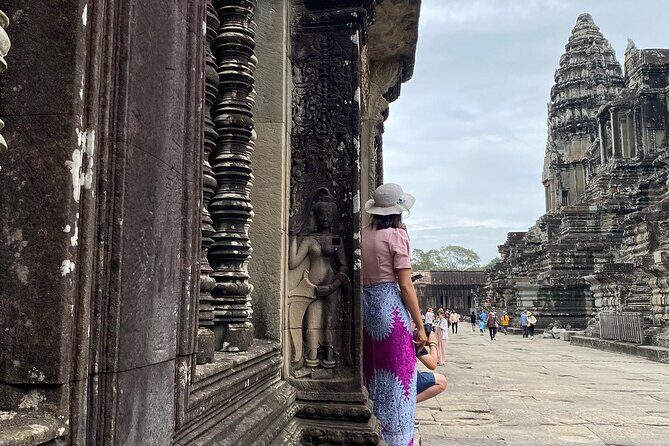
Ta Prohm is the emotional pivot of the first day. It’s also the stop many people remember most. Here you get about 1 hour, and that time is the right length for both photos and a calmer look at the temple’s relationship with the trees.
This is the famous “roots in the stone” experience. The main thing to watch for is how the temple’s layout frames the jungle around it. If you only do a quick pass for pictures, you’ll miss that the whole place feels like it’s been paused mid-transformation.
Photo tip: mornings are your friend. That early start means the light is gentler and you’re less likely to fight glare across stone textures.
Day 2: Beng Mealea’s jungle setting (and why it feels different)
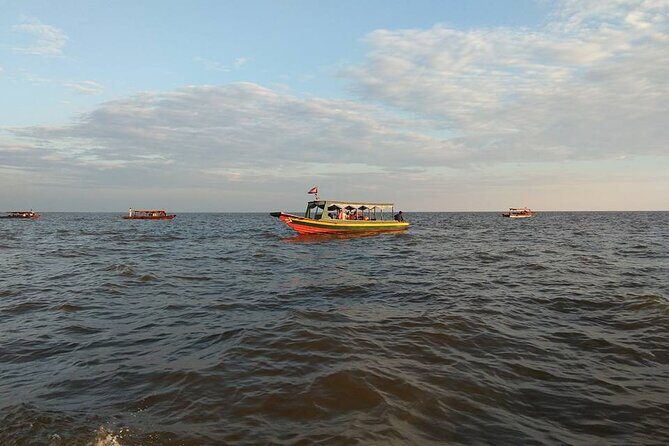
After the big Angkor day, Day 2 slows things down in a good way. First up is the Kampong Phluk floating village at around 2 hours. More on that in a moment, but it’s worth knowing that this half of the trip is about daily life on the water, not temple sightseeing nonstop.
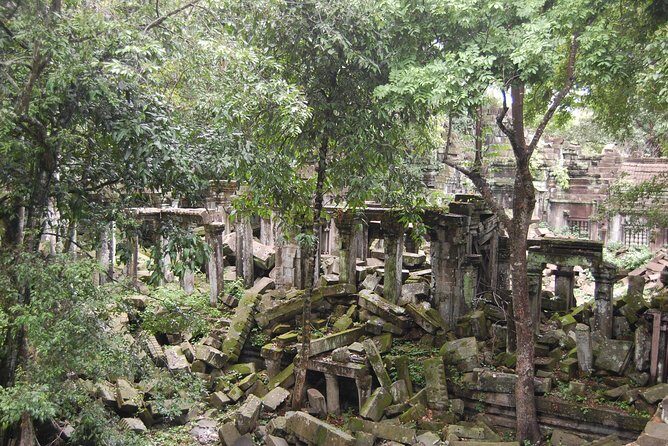
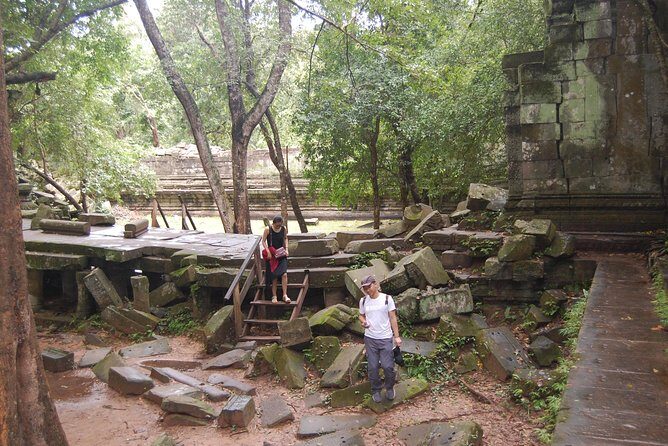
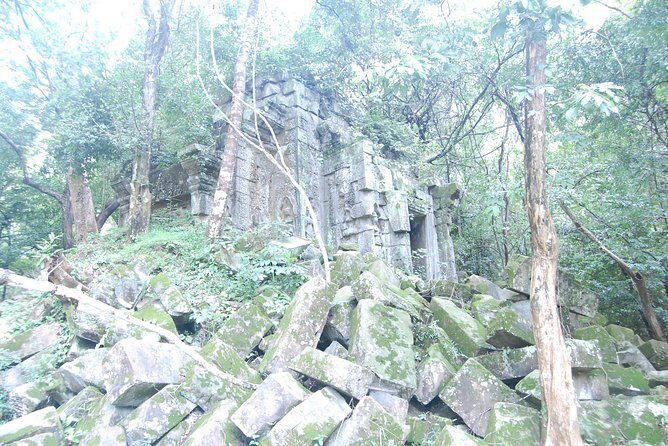
Then you move to Prasat Beng Mealea. This is where the tour switches from temple crowds to a more untamed atmosphere. Beng Mealea is described as a jungle sanctuary that is 100% not revamped yet, which is a big deal for how it feels when you’re standing there. You’re seeing ruins that haven’t been smoothed into a polished, showpiece version. The result is a more rugged sense of place—less managed, more real.
The visit is about 1.5 hours. That’s long enough to wander and short enough that you’re not completely cooked in the heat. Beng Mealea is the kind of stop that rewards sturdy shoes and patience with uneven ground. If you don’t love walking on rough surfaces, take it slow and let the guide set the pace.
Other Beng Mealea tours we've reviewed in Angkor Wat
Kampong Phluk floating village and the $25 boat reality
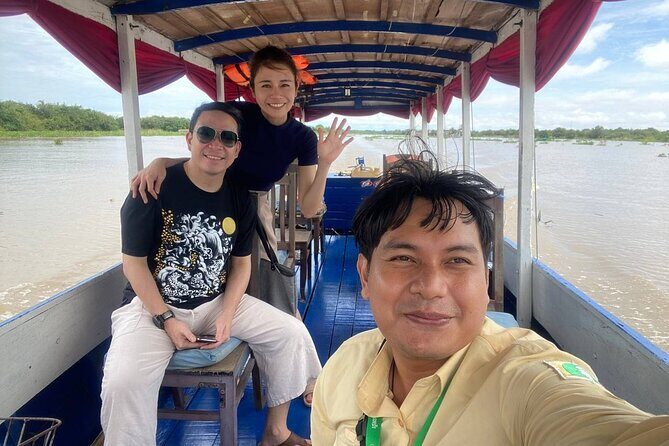
Kampong Phluk is one of those trips that makes Angkor feel less like a bubble. Instead of stone monuments, you’re seeing the Tonle Sap lake world and how people live along the water.
This part runs about 2 hours. The tour includes time to investigate the nearby way of life, and the village setting gives you a sense of daily rhythm—homes and paths shaped by the waterline. It’s not about a single landmark. It’s about observing how life works when water is part of the environment.
Boat note: the boat fee is $25 per person, and it is not included. That price matters because it can change your whole experience—if you want the truest sense of the floating village, plan to budget for it. One practical approach is to carry small cash for any additional payments and keep your schedule flexible. If you’re the kind of person who hates being rushed, this is where you’ll want a calm moment to choose the boat option rather than treating it like an afterthought.
Banteay Srei: the pink sandstone stop with serious carving detail
Day 2 also includes Banteay Srei, about 1 hour. This is the pink sandstone temple that people often compare for carving quality—carvings that feel impossibly delicate once you’re up close.
The reason it fits this tour is simple: after the massive Angkor Thom energy and the rugged feel of Beng Mealea, Banteay Srei adds refinement. You’re not looking for scale so much as detail—fine stone work and decorative emphasis. It’s a strong ending point because it gives your eyes something different to focus on, which helps your photos (and your memory) feel varied instead of repetitive.
Guide Thom and what you should look for during the storytelling
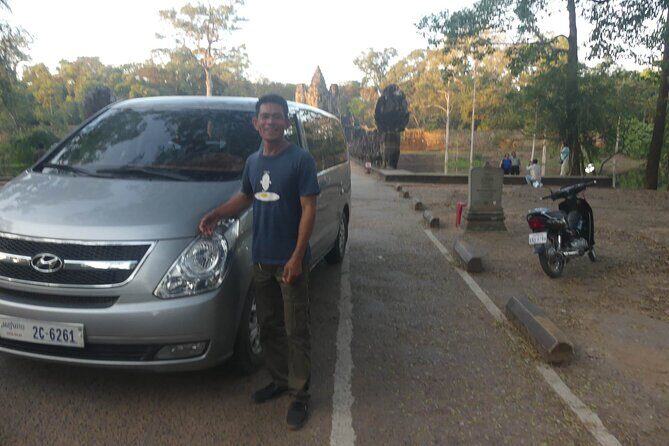
A great guide can turn temples into a “what am I looking at?” slideshow—or into a place that makes sense. This tour’s best feedback highlights Thom for being exceptionally skilled at moving people through the temples with stories and explanation, plus practical management over two full days.
I like that this kind of guiding style usually shows up in small ways:
- You get a sense of what each site represents, not just what it looks like
- You’re more likely to notice key details because someone has pointed out what matters
- The pace feels controlled, which helps if you’re not moving fast
One review specifically mentions a group member with a slight walking disability who still had a wonderful experience. That’s a good sign that the guide can work with the group’s needs and keep things comfortable. Still, you should expect some walking at multiple temple sites. Plan for uneven stone and stairs as part of the package.
Price and value: what $260.69 per group buys (and what it doesn’t)
The price is $260.69 per group, up to 3 people. On paper, that can look “high” until you line it up with what’s included and what you’d usually pay on your own.
What’s included:
- Air-conditioned vehicle
- English-speaking tour guide
- Drinking water
- Pickup offered
- Mobile ticket
What’s not included:
- Temples fee
- Boat fee of $25 per person
Here’s the real value math: if you want two full days with an organized route, a guide to explain what you’re seeing, and transport between far-flung sites, this is often cheaper than piecing together separate day tours plus local guides plus multiple tickets. The group size detail matters too. Up to three people means couples and small groups can split the cost and still get private, non-crowded attention.
Just don’t forget that temple fees and the boat add to the final spend. If you’re budget-minded, estimate those costs upfront so you don’t get surprised mid-trip.
Logistics that help you enjoy the trip instead of manage it
This is a private tour/activity, so only your group participates. That’s a real quality-of-life upgrade in Cambodia. It means fewer waiting games, easier timing for photos, and a smoother match between your pace and the guide’s plan.
It also starts in Krong Siem Reap, and you get pickup. If you’re staying in central Siem Reap, this is usually the least stressful option. The tour uses a mobile ticket, which helps if you hate last-minute paper juggling.
Timing note: because you’re doing sunrise and then a full day of temples, you’ll feel the schedule. I recommend planning low-effort activities for your first evening after arrival, and keeping your next-day plans flexible.
What to pack (based on the realities of these stops):
- Comfortable shoes for stone and uneven ground
- Hat and sunscreen for midday exposure
- A light layer for early morning dawn
- Some small cash for the boat fee since it’s not included
Who this tour is best for
This works especially well if you want:
- A structured two-day temple plan that covers big names without feeling like a race
- A shift from Angkor monuments to real village life at Kampong Phluk
- A chance to see Beng Mealea with its less-restored jungle vibe
- Private-group comfort with an English guide
If you like the idea of a faster Angkor overview but still want time to look closely at details, this hits the sweet spot. If you hate early mornings, the sunrise start might be a tough sell, even though it’s the reason the crowds are thinner.
Should you book this two-day Angkor Wat, Beng Mealea, and Kampong Phluk tour?
I’d book it if you want a plan that feels balanced: temples on Day 1, nature-and-ruins on Day 2, and lake life mixed in so you don’t leave feeling like you only saw stone. The standout strengths are the early 5 AM pacing, the smooth Day 1 sequence through Angkor Thom sites, and the guide-driven learning—especially when the guide is Thom, who gets praised for knowledge and smooth stewardship.
I would hesitate if you’re traveling strictly on a tight budget, because the temple fees plus the $25 boat per person can change your total. Also, if your mobility is limited, the temples will still involve walking on uneven surfaces and stairs in places—talk to the operator about what to expect for your needs.
If your main goal is a smart, organized two-day Angkor experience without feeling crushed by crowds, this is a strong fit.
FAQ
What’s included in the tour price?
The tour includes an air-conditioned vehicle, an English-speaking tour guide, and drinking water. Temples fees and the boat fee are not included.
Are temples fees included?
No. Temple fees are not included in the tour price.
Do I need to pay for a boat at Kampong Phluk?
Yes. The boat fee is $25 per person, and it is not included.
How many people are in the group?
This is a private tour/activity. Only your group participates, and the price is listed up to 3 people per group.
Is pickup provided?
Yes. Pickup is offered, and the tour starts in Krong Siem Reap.
How does the tour handle tickets?
You’ll have a mobile ticket.
What time does the Angkor Wat part start?
The tour is designed for sunrise viewing, with an early start around 5 AM.
What’s the total duration of the tour?
It runs for 2 days (approximately).
What’s the cancellation policy?
You can cancel for a full refund up to 24 hours in advance of the experience start time.