REVIEW · ANGKOR WAT
2-Days in temples and other areas
Book on Viator →Operated by ASEAN Adventure · Bookable on Viator
Two days here is enough to feel the scale of Angkor. This private Siem Reap plan strings together big icons like Angkor Wat and Bayon with quieter temple complexes, guided by Narin, who sets a comfortable pace and adjusts on the fly to your interests. I like that you’re not stuck in a rigid, one-size group schedule, and you also get room for smart extras like great lunch choices and even an added stop such as a landmine museum when time allows.
One thing to plan for: you’ll pay separately for temple tickets, food, and the Tonle Sap boat, and Angkor Wat asks for covered knees and shoulders. That’s easy to fix, but it can catch you off guard if you show up in shorts without a backup layer.
In This Review
- Key highlights you’ll care about
- Why this 2-day Angkor temples plan works (and where it doesn’t)
- Day 1: Angkor Wat plus Angkor Thom sights with breathing room
- Lunch at Angkor Archaeological Park, then back to your hotel
- Day 2: Preah Khan and the island-and-water temples of Jayavarman VII
- Lunch on Day 2, then Tonle Sap floating villages by boat
- What the guide adds beyond tickets and driving
- Price and value: what $261 covers, and what to expect to pay on top
- Practical tips for Angkor: clothing, comfort, and timing
- Who this tour is best for
- Should you book this 2-day Angkor temples experience?
- FAQ
- What’s included in the price?
- Do I get picked up from my hotel?
- What’s the dress code for Angkor Wat?
- What temples are visited on Day 1?
- What temples are visited on Day 2?
- Is the Tonle Sap boat ride included?
- Is this tour private?
- What’s the activity level like?
Key highlights you’ll care about
- Private group only means no waiting for other people’s photos and fewer time sinks.
- Guide flexibility with Narin helps you match your pace and interests, including earlier starts to dodge the hottest hours.
- Two very different temple days: classic Angkor core on Day 1, then Preah Khan and other temple sites on Day 2.
- Less-crowded temple options can fit into the schedule better than the usual rush-only routes.
- Tonle Sap floating villages are included in the plan, but the boat is paid by you.
- Dress-code help: if you show up with the wrong clothes, a good guide can help you get sorted.
Why this 2-day Angkor temples plan works (and where it doesn’t)
Angkor looks effortless on postcards. In real life, it’s a lot of stone, a lot of walking, and a lot of heat—so the best value isn’t just “more temples,” it’s the order and pacing. This tour is designed as a private, 2-day temple circuit that groups key areas together so you spend less time in transit and more time actually seeing what you came for.
I also like that the guide experience is the centerpiece. With Narin, the tour is built to be flexible: he can adapt to your interests, keep things moving, and even start earlier than the plan when it helps you avoid the worst sun.
The main drawback is the add-on costs. Temple entry fees, meals, and the Tonle Sap boat ride aren’t included, so your final total will depend on what you choose to pay for each day.
If you're still narrowing it down, here are other tours in Angkor Wat we've reviewed.
Day 1: Angkor Wat plus Angkor Thom sights with breathing room
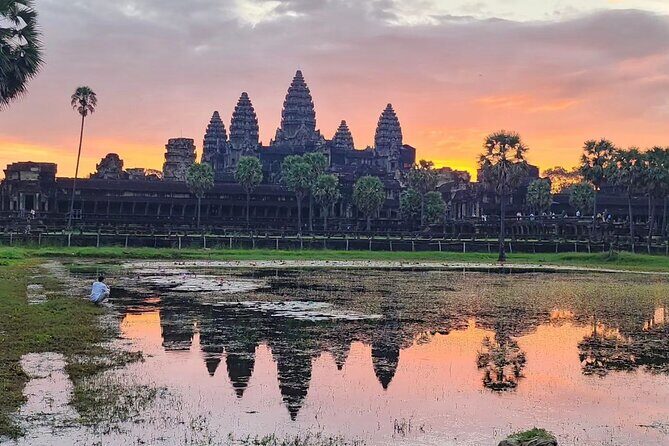
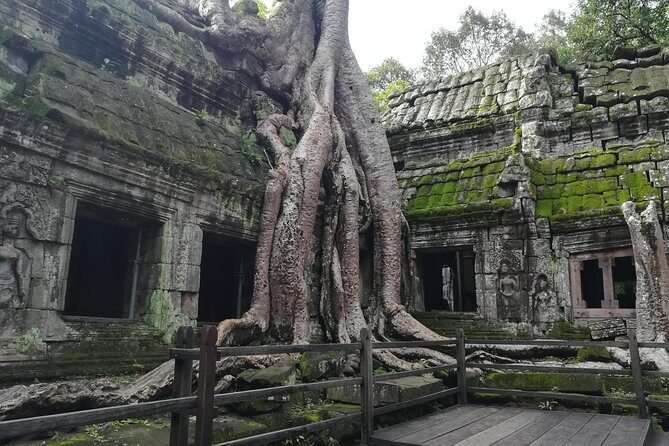
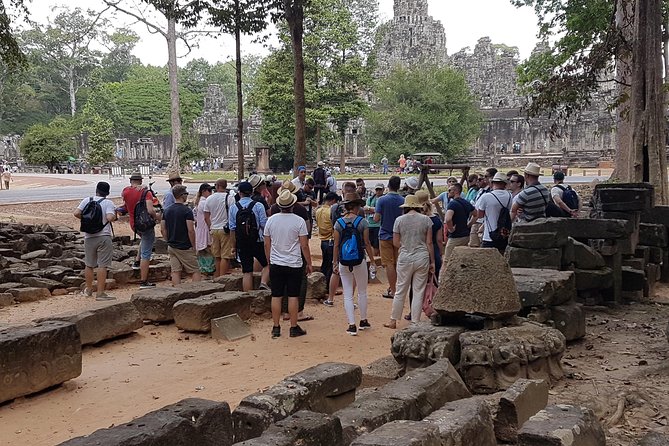
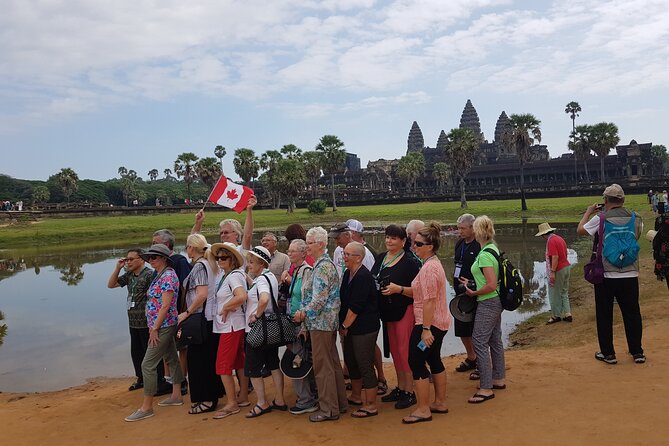
Day 1 starts with hotel pickup in Siem Reap. You then head into the Angkor complex zone for the classic highlights: Angkor Wat, the Bayon complex, and Ta Phrom. This is the day most people think of when they picture Angkor, and that makes it a great first day because you’ll understand the style before you move into the deeper cuts on Day 2.
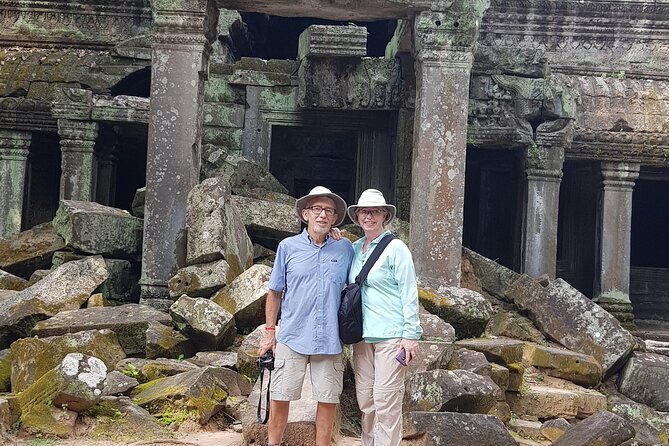
What makes Day 1 work well is the logic of moving through the core areas rather than hopping randomly. Even without exact timing details, the tour structure keeps you concentrated on the biggest visual payoff zones. Bayon’s stone faces and the dense temple layouts tend to reward time and a steady pace, and Ta Phrom’s dramatic tree roots are famous for a reason: it’s not just a photo spot, it’s a mood.
A practical plus: you’re traveling with a car/van and a guide, plus water. That matters because Angkor days are long and you’ll want the basic comfort while you focus on the temples.
Lunch at Angkor Archaeological Park, then back to your hotel
After morning temple time, you stop for lunch in the Angkor Archaeological Park area. Lunch is not included, so you’ll pay on your own, but having a planned stop helps keep the day sane—especially when heat, crowds, and walking start to stack up.
Once you finish, you’re dropped back at your hotel. That matters because the Angkor day loop can tire you out fast, and you’ll want energy for the evening.
If you want to round out the day with something cultural, the tour recommends a traditional Khmer dancing show or Khmer circus in the evening. It’s not necessary, but it’s a nice contrast to stone ruins: different kind of performance, same sense of Khmer creativity. The plan also nudges you toward local restaurants afterward, with the expectation that you’ll pay there as well.
Day 2: Preah Khan and the island-and-water temples of Jayavarman VII
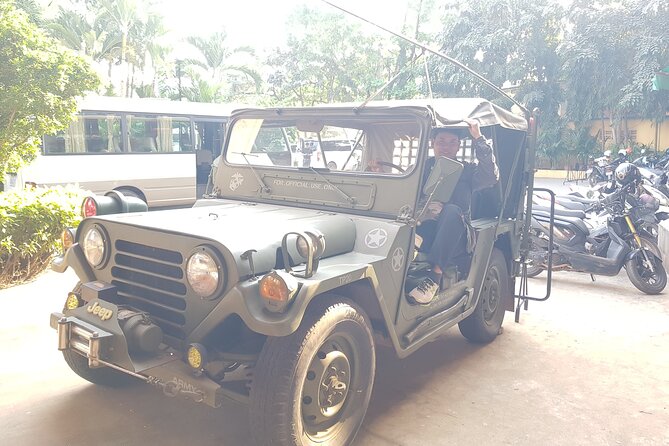
Day 2 begins with temple sites that feel different from the Day 1 crowd magnets. You start with Preah Khan, a 12th-century complex built by King Jayavarman VII to honor his father. The temple sits northeast of Angkor Thom, and the central sanctuary was dedicated in AD 1191—a detail that helps you read the place with more meaning as you walk through the ruins.
Next come the temples tied to water and layout. You’ll visit Neakphoan (Neak Pean), an island temple located in the center of the Jayatataka baray. Even if you’ve never heard of Neak Pean before, this stop is the kind of place that makes Angkor feel clever rather than just grand: the setting is part of the design, and the island concept gives you a different viewpoint as you approach.
Then the tour includes Preruk, a Hindu temple built as the state temple of Khmer king Rajendravarman. It’s dedicated to Shiva and Parvati (as the tour describes) and dated to 961 or early 962. After that, you visit Banteay Srey, a 10th-century temple dedicated to Shiva and Parvati.
Why this combination is valuable: it shows you how Angkor works on multiple levels—royal power, religious purpose, and architecture tied to water systems and sacred space. If Day 1 is where you recognize the famous images, Day 2 is where you start to see the logic.
Lunch on Day 2, then Tonle Sap floating villages by boat
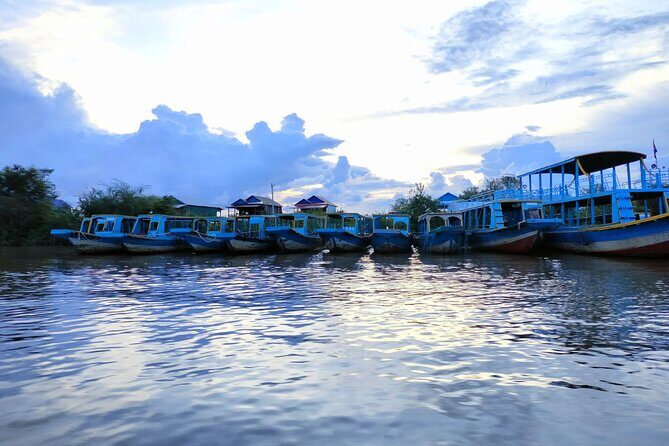
After finishing the temple circuit, the plan includes lunch where you pay yourself. Then you head to Tonle Sap Lake and the floating villages.
The big practical point: the boat is paid by you. So don’t assume the Tonle Sap portion is all included. Still, it’s a powerful contrast to temple stone—Tonle Sap shows how Cambodians live with water every day, not just as an architectural theme.
Plan for the usual comfort needs for a lakeside stop: sun protection, breathable clothing, and shoes you’re happy to walk in. Even if you’re not doing anything strenuous, moving between sites around the water can feel warmer and more humid than the temples.
What the guide adds beyond tickets and driving
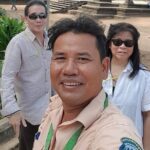
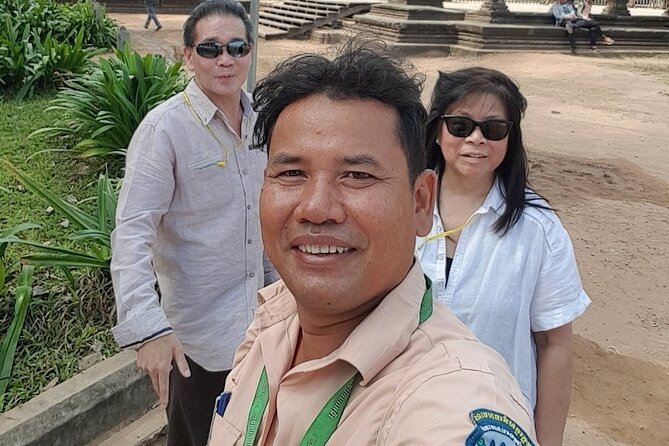
This is one of those tours where the guide can quietly make it better—without adding big drama. One standout from the experience is that the guide didn’t just rattle off names. He’s described as knowledgeable, friendly, and genuinely helpful, and he also adjusts the itinerary to your pace instead of forcing you through a checklist.
I also love the flexibility angle. One big example from the experience: when you’re on a tight schedule and the heat spikes, starting earlier helps. Another example: if you show up in shorts, you might run into Angkor Wat’s clothing expectations for covered knees and shoulders. In that case, a good guide can help you sort it out—one account notes the guide arranged a loan to fix the outfit issue on the spot.
A less obvious value: eating well without spending ages searching. There were restaurant recommendations tied into the tour, including lunch choices that fit the day’s rhythm. Since food isn’t included, that kind of local advice can save you time and help you avoid the “random choice that disappoints” problem.
Price and value: what $261 covers, and what to expect to pay on top
At $261 for roughly 2 days, the math comes down to what’s included versus what’s extra. This tour includes a guide, car/van, and water. It’s also a private tour, meaning only your group participates, and that usually translates to fewer delays and less wasted time.
What’s not included is where your budget should flex:
- Temple tickets
- Food
- Boat for Tonle Sap
So is it a good value? For me, it usually is if you care about comfort and efficiency, not just hitting famous landmarks. If you’re traveling with family or you prefer a quieter pace, the guide + transport combination can reduce a lot of hassle. If you’re the type who enjoys planning and you’re comfortable paying on your own for everything, a cheaper DIY approach might work. But Angkor is the one place where a good route and pacing often feel worth paying for.
Also note: the tour uses paper tickets. That’s a small detail, but it’s worth keeping in mind so you don’t arrive with the wrong expectations.
Practical tips for Angkor: clothing, comfort, and timing
Angkor punishes sloppy planning—gently, at first, then all at once. A key item here is the dress code. Angkor Wat requires covered knees and shoulders. If you forget and show up in shorts, you may be able to borrow something through your guide, but don’t rely on that. Bring a light layer: a scarf, a wrap, or clothing that covers what temples ask for.
Your feet matter too. Even when a guide sets a good pace, temple areas still involve uneven stone and lots of steps. The tour notes moderate physical fitness is recommended, which is a good signal to choose comfortable walking shoes and plan slower breaks.
Heat is another reality. The guide can shift the schedule earlier to avoid the worst hours, and that’s often the difference between enjoying temples and feeling like you’re just surviving them.
Who this tour is best for
This experience is a strong fit if you:
- Want a private Angkor plan instead of a big group
- Care about both the major sights and additional temple complexes
- Appreciate a guide who adjusts pace and order to your interests
- Prefer having a local plan for lunches rather than improvising all day
It may be less ideal if you:
- Want everything fully included (temple tickets, meals, and boat are separate)
- Have very limited mobility, since the sites involve walking and uneven surfaces
- Travel only with light, no-spare-clothes plans and don’t want to manage the dress code
Should you book this 2-day Angkor temples experience?
If you want Angkor Wat plus a second day that meaningfully expands your view—Preah Khan, Neak Pean, Preruk, Banteay Srey, and Tonle Sap—this is the kind of schedule that makes the trip feel complete without turning it into a sprint.
I’d book it if you value a flexible private guide and you’re happy to handle temple entry fees, meals, and the Tonle Sap boat yourself. I’d pause if you’re trying to build the lowest possible all-in cost, because the exclusions can add up.
If you do book, prepare for the two big practical points: bring clothing that meets Angkor’s expectations, and budget extra for tickets, food, and the boat. That’s when the tour turns into a smooth, satisfying two days instead of a frustrating pile of separate payments.
FAQ
What’s included in the price?
The tour includes a guide, car/van transport, and water. Temple tickets, food, and the boat for Tonle Sap are not included.
Do I get picked up from my hotel?
Yes, pickup is offered from your hotel area in Siem Reap.
What’s the dress code for Angkor Wat?
Angkor Wat requires covered knees and shoulders. If you arrive dressed incorrectly, the tour’s guide can help you sort it out.
What temples are visited on Day 1?
Day 1 focuses on the Angkor core area, including Angkor Wat, the Bayon complex, and Ta Phrom. The day also includes a planned lunch stop.
What temples are visited on Day 2?
Day 2 includes Preah Khan, Neakphoan (Neak Pean), Preruk, and Banteay Srey, followed by lunch and a visit to Tonle Sap Lake.
Is the Tonle Sap boat ride included?
No. The boat is paid by the client.
Is this tour private?
Yes. It’s a private tour, and only your group participates.
What’s the activity level like?
The tour suggests travelers have a moderate physical fitness level, since you’ll be walking around temple sites and moving between several locations over two days.