REVIEW · SIEM REAP
Tuk Tuk Journey: Exploring Rural Life and Silk Farm Craftsmanship
Book on Viator →Operated by Join Me Cambodia · Bookable on Viator
A quiet countryside drive can refresh your whole Siem Reap trip. This half-day outing pairs a local village visit in Krabei Reil with a hands-on look at Cambodian silk production at Angkor Silk Farm, plus a brief stop at a Buddhist pagoda. I like the practical pacing and the sense of calm, and I also like that the learning is specific and hands-on rather than just sightseeing. One thing to think about: you start early and there’s no included meal, so you’ll want to plan for snacks and lunch after.
You’ll be picked up from your hotel and driven in an air-conditioned vehicle, with cool water and towels ready to go. The route is built for comfort without losing the rural feel, and it works well as a break after temple days. Also, it’s set up as a private tour, so you won’t be stuck with random strangers doing stop-and-go photo lines.
Expect a structured timeline: a couple hours in the commune market area, a couple hours at the silk farm, and about 30 minutes at the pagoda on the return. If you’re hoping for long, wandering time with no schedule at all, this is more of a guided “see and learn” tour than a loose roam.
In This Review
- Key highlights to look for
- A 4–5 hour rural reset from Siem Reap
- Hotel pickup and the calm drive to Krabei Reil
- Krabei Reil commune: market time and village-life observation
- What to do while you’re there
- Buddhist culture stop at a local pagoda (and why 30 minutes works)
- Angkor Silk Farm: from silkworm work to weaving garments
- Why this silk farm stop feels like real value
- What to keep in mind before you go
- Price and logistics: is $45 actually good value?
- Who should book this tour (and who should pass)
- Should you book Tuk Tuk Journey?
- FAQ
- What is the starting time for the tour?
- How long is the tour?
- Where does the tour take place?
- What stops are included in the tour?
- Is admission included for the stops?
- What’s included in the price?
- What is not included?
- Is it a private tour?
- Can I cancel and get a refund?
Key highlights to look for
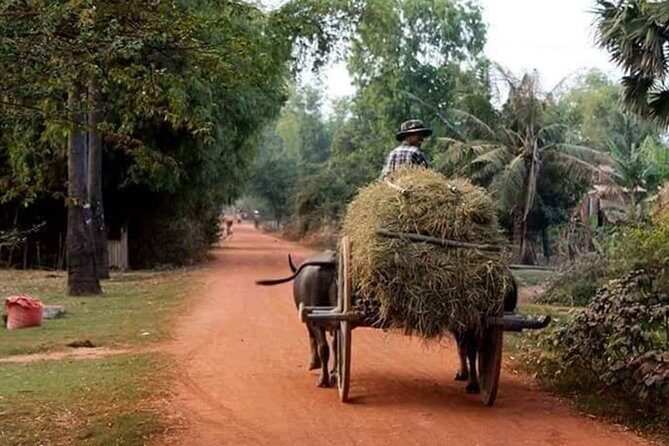
- Serene pace on the drive that feels like a real change from temple crowds
- Krabei Reil village time with a chance to observe everyday life
- Pagoda visit with Buddhist culture context in a short, respectful stop
- Angkor Silk Farm learning from silkworm work to weaving garments
- Air-conditioned transport plus water and towels so you stay comfortable
A 4–5 hour rural reset from Siem Reap
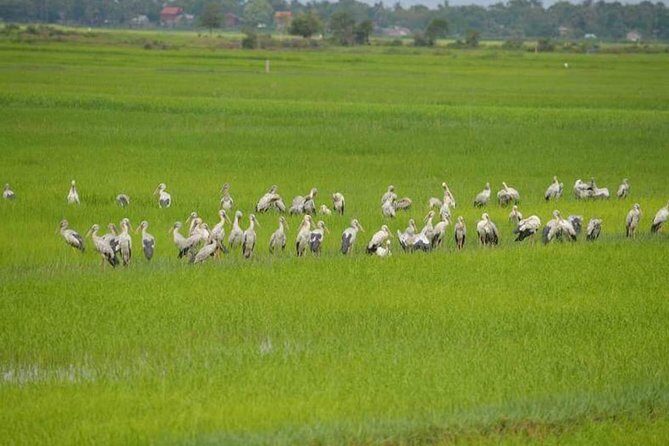
Siem Reap has a way of pulling you toward stone and sunrise. That’s great, but after a few days, your brain starts to crave something human-scale: daily life, local skills, and places that move at a slower rhythm.
This tour gives you that reset. You leave the city in the morning and head west toward Krabei Reil commune. Then you come back with new context for how people live, what matters spiritually, and how Cambodian silk actually gets made. It’s not a “big-ticket” experience type of day, and that’s exactly why it’s good value.
I also like the time balance. You’re in the countryside long enough to feel the change, but you’re not gone for a whole day. With a total duration of about 4 to 5 hours, you keep your afternoon free for whatever you want next.
Other tuk-tuk tours we've reviewed in Siem Reap
Hotel pickup and the calm drive to Krabei Reil
The tour starts early, with pickup beginning around 7:30 am and the morning departure around 8:00 am. If you’re used to temple starts, this won’t feel shocking, but it still helps to be ready at your hotel on time.
You ride in an air-conditioned vehicle and get cool water and towels, which is a surprisingly big deal in Cambodia’s heat and humidity. You’re also with an experienced English-speaking local guide, not just a driver who drops you at a gate.
The best part of this “getting out of town” step is the pace. The experience has a reputation for a serene country drive, which matters because rural routes feel much more enjoyable when you’re not rushing. You don’t want to turn your day into a constant sprint between stops.
Practical tip: If you’re sensitive to morning light, bring sunglasses and a hat. You’ll be outside more than you might expect once you reach the market and the commune.
Krabei Reil commune: market time and village-life observation
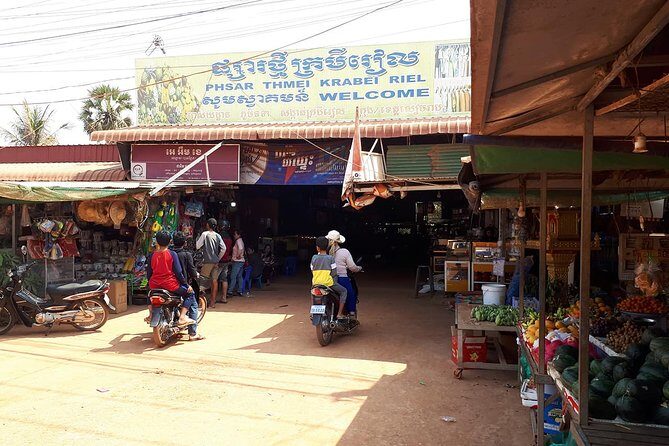
In Krabei Reil commune, the main activity is a visit to a small local market and time in the community area. You get about 2 hours here, which is enough to look around, ask questions, and get a feel for daily routines without it turning into a whirlwind.
I like that this isn’t presented as a “performance.” It’s more about you walking through a living place and learning how locals go about their day. Your guide’s job is to help you connect what you see with the broader picture, like how community life is organized and how religious and cultural values show up in everyday behavior.
A market stop also helps you understand Cambodia beyond temples. You see a different kind of economy: smaller-scale, local, and practical. Even if you don’t buy anything, it’s a strong way to ground your trip in real life.
Possible drawback: A market visit can feel a bit chaotic if you hate crowds or unpredictable foot traffic. This is described as a small local market, but it still helps to move slowly and keep your expectations flexible.
What to do while you’re there
- Ask your guide what you’re looking at before you start snapping photos.
- Keep your interactions respectful and brief if people are busy.
- If you do want to shop, plan to spend time comparing rather than rushing.
Buddhist culture stop at a local pagoda (and why 30 minutes works)
On the way back to Siem Reap, you’ll stop at a local pagoda, with about 30 minutes allotted. It’s a short visit, but that’s also what makes it practical. You’re not stuck for hours in one place, yet you still get a chance to learn the Khmer way of life with a focus on Buddhism.
This stop includes an opportunity for a blessing from a local (the exact form isn’t described in detail, so just be ready to follow your guide’s lead). Even in a short window, a pagoda visit can change how you interpret everything you’ve seen earlier in your trip—especially the symbolism you noticed at temples.
I’d treat this as the “culture connector” part of the day. The silk farm shows labor and craft. The market shows daily life. The pagoda stop puts a spiritual lens on why people build, work, and live the way they do.
Quick note: Pagodas are active places. Dress modestly, move quietly, and don’t treat it like a photo booth.
A few more Angkor & Siem Reap tours and experiences worth a look
Angkor Silk Farm: from silkworm work to weaving garments
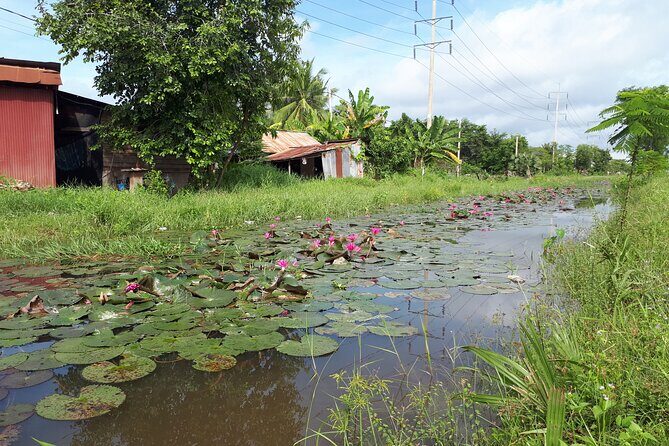
The big craft portion of the tour is Angkor Silk Farm, again with about 2 hours on-site. This is where you get the most “how it’s made” learning.
You’ll be guided through the process of Cambodian silk production, starting with cultivating silk worms, then moving through the steps that lead to weaving garments. That’s valuable because you’re not just seeing finished fabric behind a shop counter. You’re learning the chain of work that turns living process into thread and then into cloth.
I also appreciate that the farm time is long enough to make it feel educational rather than rushed. Two hours gives you space to ask questions and watch the workflow as it changes from stage to stage.
Why this silk farm stop feels like real value
Craft demonstrations can become sales pitches. Here, the focus is described as learning the full process. That changes the vibe. You’re leaving with context—so if you later shop for silk, you’ll know what you’re actually buying and why it takes time.
Also, silk is deeply tied to regional identity. Even if you don’t plan to buy anything, understanding the work behind the fabric helps you see Cambodia as a place with living industries, not just heritage buildings.
Possible consideration: If you’re expecting a hands-on workshop where you make something yourself, the details aren’t specified. You should expect guided learning and viewing of the production process, plus time around the farm area.
What to keep in mind before you go
- Plan to spend some extra time looking at fabric and garment samples, especially if you care about quality.
- If you’re buying silk, ask questions about what you’re getting rather than relying on size-based guesses.
- Bring a light layer even if it’s warm outside. Indoor areas can feel cooler, depending on how the farm is set up.
Price and logistics: is $45 actually good value?
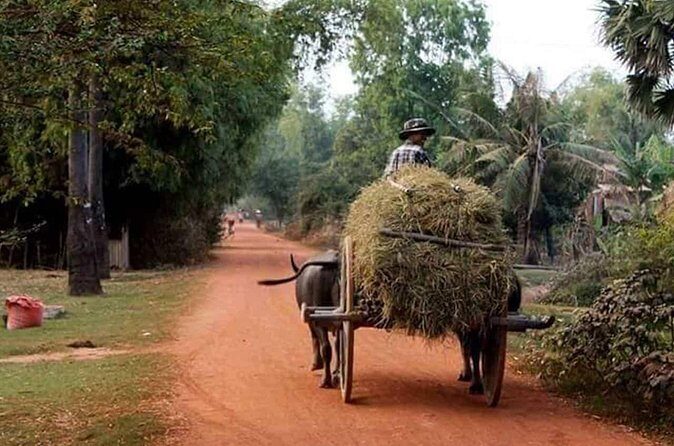
At $45 per person for about 4 to 5 hours, this isn’t a bargain “grab-and-go” experience, but it also isn’t inflated by the kind of high-cost, full-day tour that empties your schedule.
Here’s why it can feel like good value:
- You get hotel pickup and drop-off, which costs time and money on your own.
- You ride in an air-conditioned vehicle and you’re provided with cool water and towels.
- You have an experienced English-speaking local guide managing context and translation.
- You visit multiple stops: a commune market area, a pagoda, and the silk farm, with admission tickets listed as free for those segments.
The day is also positioned as a counterbalance to temple time. If you’ve spent days climbing stone and reading history plaques, you’ll probably feel the value in the change of pace. That’s the “why” behind the strong satisfaction: it’s a different lens on Cambodia.
What’s not included matters too:
- No meals included, so you’ll want to bring a snack or plan to eat after the tour ends.
- Tipping and personal expenses aren’t included, so set aside a small amount if you want to reward great service.
- The tour doesn’t cover accommodation, obviously, but it’s also not designed as a “hang around town” day. It’s a structured half-day.
Book sooner than later if you have fixed plans. The average booking window is about 40 days in advance, which suggests it can get booked up around peak times.
Who should book this tour (and who should pass)
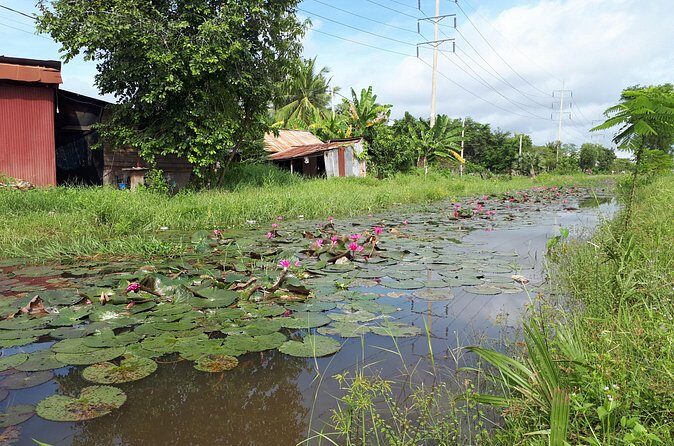
This is a strong fit if you want:
- A serene countryside change of pace after temple-focused days
- A mix of culture + craft, not just one theme
- Time in a local market and a Buddhist pagoda stop without a full day commitment
- A comfort-first route with AC transport, especially if you’re traveling during hot weather
It may be less ideal if you:
- Want a completely open itinerary with no structure at all
- Need guaranteed hands-on activities beyond guided viewing and learning
- Have dietary needs that require a meal during the tour window (since no meals are included)
Also, the tour notes that most travelers can participate, which implies it’s not overly technical. Still, consider your comfort with standing and walking through market areas and farm spaces.
Should you book Tuk Tuk Journey?
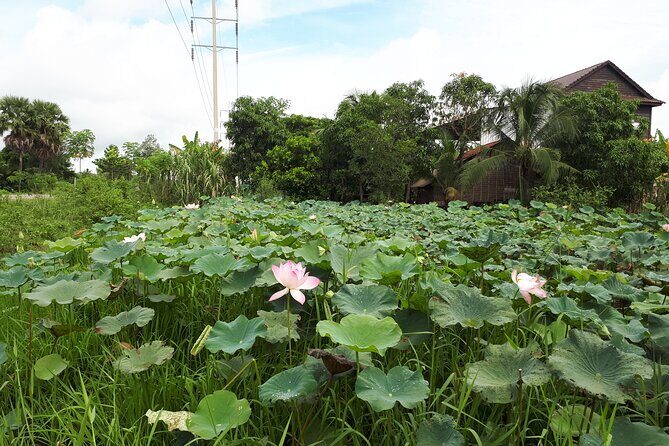
If your Siem Reap trip is getting temple-heavy, I think this is worth serious consideration. It gives you a calm country drive, a real sense of day-to-day village life in Krabei Reil, and a practical, specific look at how Cambodian silk moves from silkworm work to woven garments. For the money, the combination of transport, guide time, and structured learning is hard to beat.
Book it if you want something meaningful that still feels easy. Skip it only if you’re not into guided culture stops or you dislike early mornings. Otherwise, it’s the kind of half-day that makes the rest of your Cambodia trip feel more complete.
FAQ
What is the starting time for the tour?
Start time is 7:30 am, and hotel pickup is typically around 8:00 am.
How long is the tour?
The tour lasts about 4 to 5 hours.
Where does the tour take place?
It’s in Siem Reap, Cambodia, visiting Krabei Reil commune, Angkor Silk Farm, and a local pagoda on the way back.
What stops are included in the tour?
You visit a local market in Krabei Reil, spend time at Angkor Silk Farm learning the silk production process, and stop at a local pagoda for a Buddhism-focused visit.
Is admission included for the stops?
Admission tickets are listed as free for the stops included in the tour.
What’s included in the price?
Included items are air-conditioned vehicle, cool water and towels, an experienced English-speaking local guide, and pickup/drop-off from your hotel.
What is not included?
The tour does not include meals, tipping, or personal expenses.
Is it a private tour?
Yes, it’s described as private, meaning only your group participates.
Can I cancel and get a refund?
Yes. Free cancellation is available if you cancel up to 24 hours in advance for a full refund. If you cancel less than 24 hours before the start time, the amount paid is not refunded.