REVIEW · SIEM REAP
Siem Reap: Angkor Wat 2-Day Tour with Sunrise and Sunset
Book on GetYourGuide →Operated by Siem Reap Experiences · Bookable on GetYourGuide
Start with stars, end with temples. This two-day Angkor plan pairs a sunrise small-group morning at Angkor Wat with a sunset finish the next day, timed to help you see the big sights without spending every minute stuck behind crowds.
I love the way the tour uses your guide to turn stone and symbols into a clear Khmer storyline. I also like the practical comfort perks, including cold bottled water and wipe towels at stops, which matter a lot when you’re walking in the heat.
The only real catch is the pace. Day 1 starts early and both days are long and hot, so bring a steady plan for breaks and take steps at your own speed. Early starts are the trade-off.
In This Review
- Key points worth packing your morning for
- Value Check: what you’re really paying for
- Logistics that matter: temple pass, clothing, and start times
- Why the day-1 sunrise plan works so well
- Day 1: Angkor Wat sunrise, Ta Prohm, Bayon, Ta Keo, and South Gate
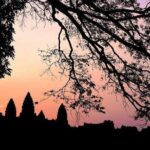
- Angkor Wat at sunrise
- Ta Prohm: the jungle temple moment
- Angkor Thom and Bayon: the smiling faces
- Ta Keo: a mountain temple walk
- South Gate and the naga bridge
- Day 2: Preah Khan, Neak Pean, Ta Som, East Mebon, Pre Rup, and Phnom Bakheang
- Preah Khan: a major temple on the loop
- Neak Pean: bathing water and health rituals
- Ta Som: the tree over the east gate
- East Mebon: the reservoir setting
- Pre Rup: the meditation stone structure
- Phnom Bakheang: hilltop towers and the last light
- Guides make the difference: Sary, Sayon, Sok, Sam, Pheap, Vone, Nick, and Heang
- Heat, timing, and comfort: your survival checklist
- What a well-run two-day loop looks like in real life
- Who should book this Angkor Wat sunrise and sunset tour?
- Should you book this 2-day Angkor Wat sunrise and sunset tour?
- FAQ
- Is Angkor Archaeological Park entry included in the tour price?
- What does the tour price include?
- What time does Day 1 start and end?
- What time does Day 2 run?
- Are meals included?
- What should I wear to visit the temples?
- Do you provide water and towels?
- Is hotel pickup included, and when should I be ready?
- Is the tour suitable for wheelchair users or seniors?
- Is free cancellation available?
Key points worth packing your morning for
- Small-group sunrise timing that gets you to Angkor Wat before the biggest waves.
- 11 temples across two loops with a mix of headline names and standout “next best” sites.
- AC minibus, cold water, and wipe towels to keep your energy up between walks.
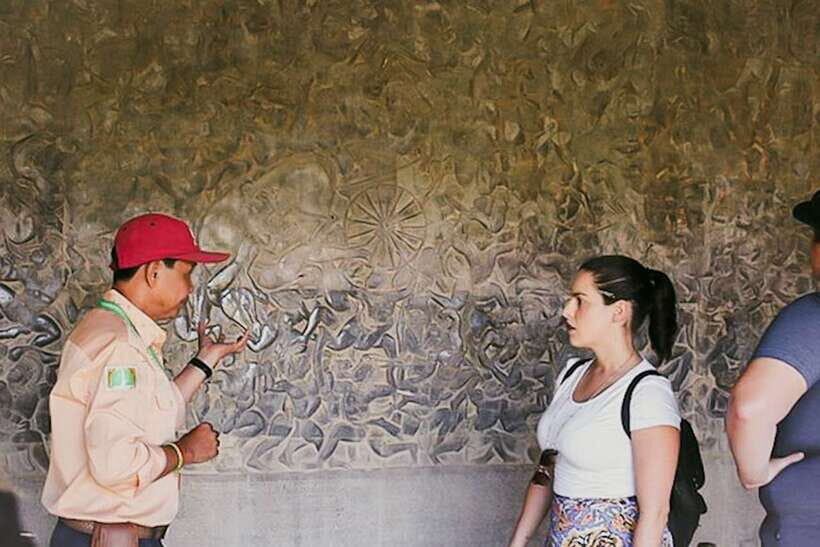
- Guides who spotlight details you’d miss on your own, from Bayon’s faces to the naga bridge at South Gate.
- Sunset on day 2, with an itinerary that keeps you in the right place for the light.
- A day 3 advantage, since you’ll learn enough to pick what to revisit with the remaining part of your temple pass.
Value Check: what you’re really paying for
At $34 per person for two days, this tour is all about leverage. You’re paying for hotel pickup, air-conditioned transport, an English-speaking guide, and entry to a well-shaped route through 11 key temples. Most importantly, you’re buying time and clarity. Angkor is huge, and without context you end up stuck doing guesswork: what matters, what you should photograph, and what each structure is actually trying to say.
What you don’t get is the temple pass entry itself, and meals. The price can feel low until you add the pass and decide how you’ll handle lunches. That’s the balance to watch. Still, for the amount of ground covered in two days—plus guided explanations and comfort stops—the overall value is strong.
The long days can turn a “cheap” plan into an exhausting one, so judge the $34 against how you like to travel. If you enjoy early mornings, dislike getting lost, and want your Khmer history in usable pieces, this can be a very good deal.
Other Angkor Wat sunrise tours we've reviewed in Siem Reap
Logistics that matter: temple pass, clothing, and start times
Two practical things shape the experience before you even reach Angkor.
First, you need to buy your Angkor Archaeological Park temple pass yourself (or online in advance through the government site: https://www.angkorenterprise.gov.kh/). The tour provides the route and the guide, not the pass. The guidance is clear: you can purchase online before you go, or buy after your guide collects you from your accommodation at the ticket office.
Second, you need to dress for temple rules. Shorts, short skirts, and sleeveless shirts aren’t allowed. That can be the difference between a smooth day and stopping to find something that covers you properly. Plan light, breathable long pants and a top with sleeves. Also remember: alcohol and drugs aren’t allowed.
Then there are the times:
- Day 1 small tour runs 4:30am to 1:00pm for the sunrise focus.
- Day 2 big tour runs 10:30am to 7:00pm and ends with sunset timing.
These hours are not casual. They are built to solve two problems: heat and crowds.
Why the day-1 sunrise plan works so well
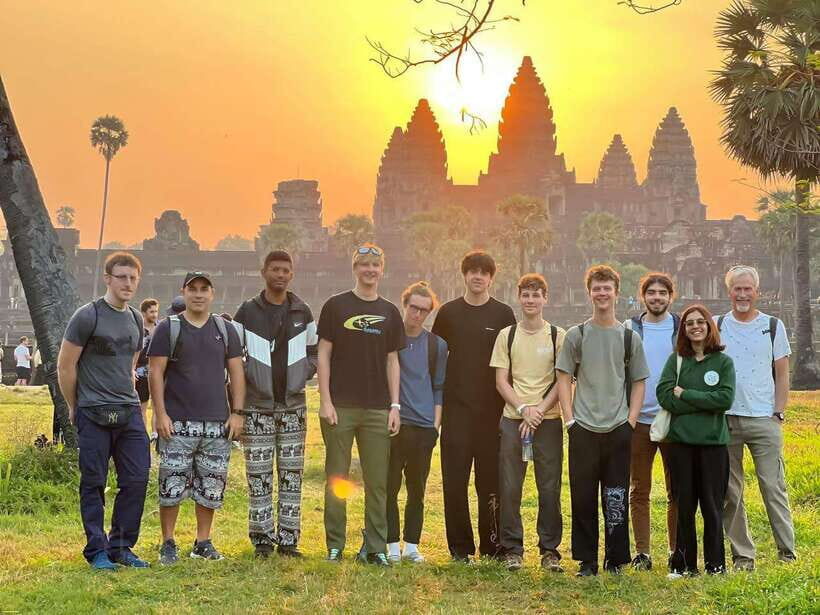
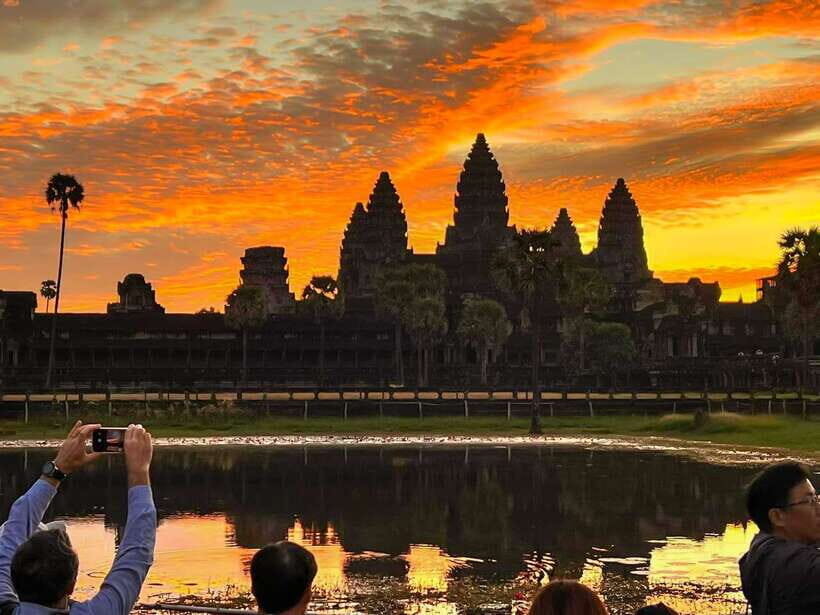
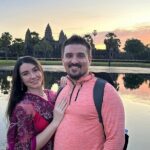
Angkor Wat at sunrise is the headline for a reason. But the real win here is how the tour handles timing. A sunrise visit in a crowded schedule often turns into chaos: too many people at the same viewpoints, frantic movement, and everyone trying to snap the same shot. This plan is designed as a small-group approach, which helps you move more calmly through the morning.
On day 1, you start with a guided sunrise at Angkor Wat, then you use the cooler morning hours to explore surrounding temples before the heat climbs. That’s not just comfort. It changes how temples feel. In the early morning light, carvings read differently, and the whole place feels quieter—more story, less stampede.
You’ll also get guide help with the specifics: where to stand, how to look for details, and what to notice as the light shifts. In real-world tours, guides like Sary and Sayon are the kind of people who point out aspects you’d likely miss: the “why” behind the angles, and the small visual clues that connect one temple to the next.
Tip: charge your smartphone and keep it ready. Photos are easy at Angkor, but timing and angles are the trick—and that’s what your guide helps with.
Day 1: Angkor Wat sunrise, Ta Prohm, Bayon, Ta Keo, and South Gate
Day 1 is a full “core hits” day, but it doesn’t feel like one endless sprint if you pace yourself. It’s structured to take you from the iconic moment into the dense heart of Angkor Thom and back out through major landmarks.
Angkor Wat at sunrise
You begin with Angkor Wat itself, then you get time to experience it as a living monument: not just a photo stop. The guide context matters here. Angkor Wat sits at the center of a wider Khmer story, and sunrise makes that center feel dramatic. After the morning peak, you move on while the temperature is still manageable.
One practical detail: this part works best if you’re comfortable standing early and dressing warmly enough for the morning start. Once the sun climbs, you’ll switch to heat management mode.
Other Angkor Wat sunset tours we've reviewed in Siem Reap



Ta Prohm: the jungle temple moment
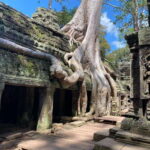
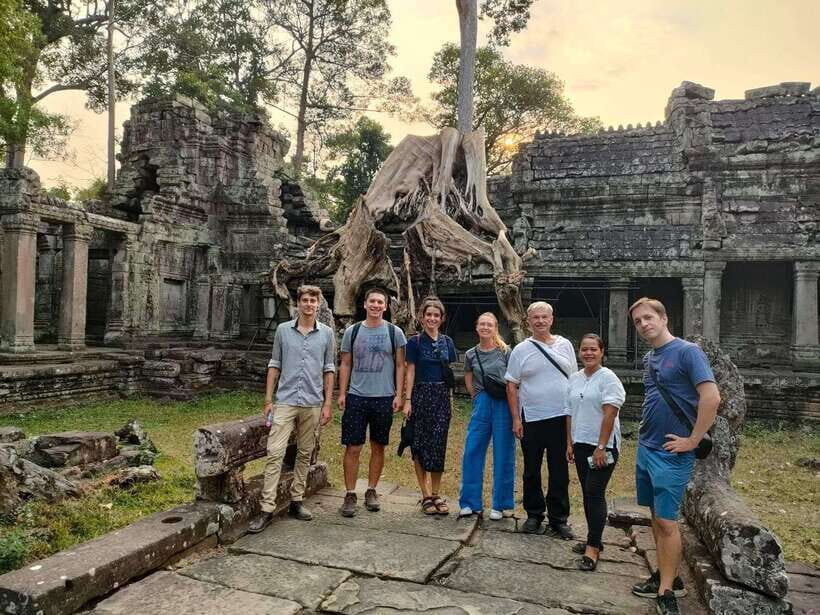
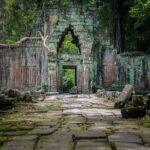
Next is Ta Prohm, famous for its “jungle temple” vibe and also known through popular culture. The point isn’t the movie connection. It’s the way roots and ruins together create a scene that looks like the past refusing to leave.
Also, this is often one of the most crowded stops. Getting there earlier than larger groups helps you see more calmly and gives you a chance to watch details rather than just move through.
Angkor Thom and Bayon: the smiling faces
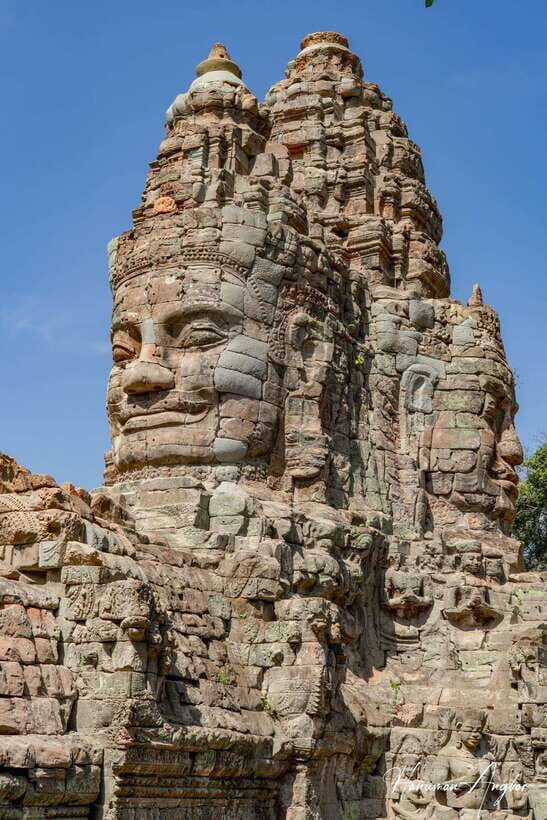
Then you head into Angkor Thom, with Bayon Temple as a centerpiece. Bayon is known for its large smiling faces, and it’s not just a visual gimmick. Your guide ties this temple to Jayavarman VII’s reign, including the fact that it’s the only Buddhist state temple mentioned in the route’s focus and was the last to be built in the Angkor empire.
This stop is where a guide’s storytelling makes a huge difference. You’ll spend less time wondering what you’re looking at and more time understanding why those faces, that arrangement, and that era matter.
Ta Keo: a mountain temple walk
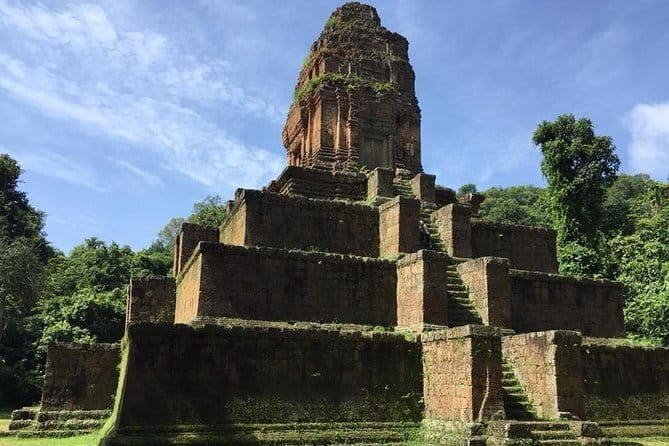
Ta Keo is next, and it’s the kind of temple that changes your perspective as you climb. It’s a 10th-century mountain temple, and you’ll walk up, step by step, in a way that links the ancient and the modern through the act of climbing itself.
Note the practical reality: you’ll be moving on uneven stone. Even if you’ve seen photos, the climb is different in person. Slow down. Take breaks when you need them. That’s one reason the tour includes water and wipes.
South Gate and the naga bridge
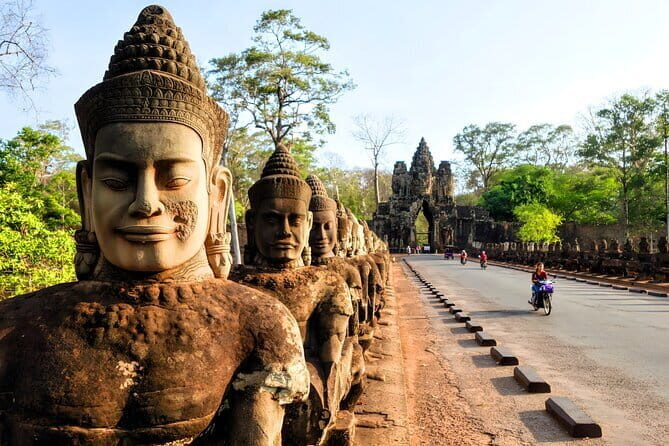
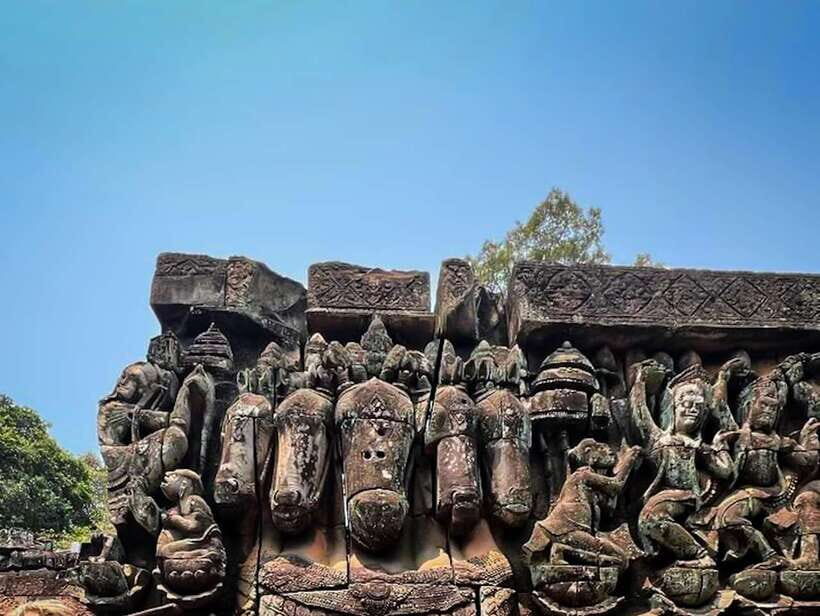
Day 1 ends with South Gate of Angkor Thom and the bridge of statues of gods and demons. Each side carries the body of seven-headed naga figures. It’s visually bold, and it’s also one of the clearest “myth meets architecture” moments of the whole route.
This is a good place to take your time and look around before the day finishes. If you rush, you miss what makes it special.
Day 2: Preah Khan, Neak Pean, Ta Som, East Mebon, Pre Rup, and Phnom Bakheang
Day 2 is longer in terms of total daylight hours, but it’s calmer in the sense that you’re not starting at 4:30am. It’s built as a big loop, and it’s packed with temples that still feel distinct after you’ve seen Angkor Wat and Bayon.
Day 2 also has another purpose: you get a new set of atmospheres. Some temples are grand and symmetrical. Others focus on quieter details—trees, water, rock layers, and the way a structure sits on a hill.
Preah Khan: a major temple on the loop
Preah Khan is the biggest stop on this day’s circuit. The guide route frames it as a temple built by King Jayavarman VII-era leadership for his father (as explained in the tour’s focus). That gives you a reason to look at the size and layout beyond the simple fact that it’s large.
Neak Pean: bathing water and health rituals
Then comes Neak Pean, with its island and water basin concept. The tour connects the water around the temple to bathing and health in the Angkor period. Even if you’re not thinking about ritual bathing in modern terms, the shape of the water features and the intention behind them become clearer once the guide explains the function.
Ta Som: the tree over the east gate
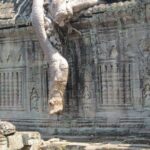
Ta Som is one of those stops where the visual immediately gives you a question: why is everything shaped this way? The route notes the big tree over the east gate and the dancers with long hair carved across sculptures. You’ll hear that it was built for the king’s sister, which makes the art feel less like decoration and more like identity.
East Mebon: the reservoir setting
East Mebon is built for the ancestors, and it used to be in the middle of a reservoir. The tour also highlights its early 10th-century construction timeline. Even without seeing the original water fully, you get the idea: this temple was meant to feel like it belonged to a specific sacred landscape of water and memory.
Pre Rup: the meditation stone structure
Pre Rup is described as being built by the king for himself, and it’s often mistaken for a crematorium. The route’s explanation points to a stone structure that looks similar to a coffin shape, and it notes that Hindus used a similar form for meditation within at full moon.
This is a great temple for slow looking. Your guide’s framing helps you notice how the form supports the intended experience.
Phnom Bakheang: hilltop towers and the last light
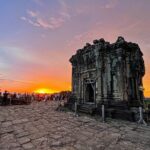
Finally, Phnom Bakheang sits on top of a hill, with 33 towers representing the heavens. The tour frames the message as life on earth being lived fully—an idea that matches the way Phnom Bakheang feels once the day stretches out and the sky starts shifting.
Day 2 includes the sunset moment. Even if the exact viewpoint depends on timing and the day’s light, your guide’s job is to get you to the best place to experience that last glow without losing the flow of the itinerary.
Guides make the difference: Sary, Sayon, Sok, Sam, Pheap, Vone, Nick, and Heang
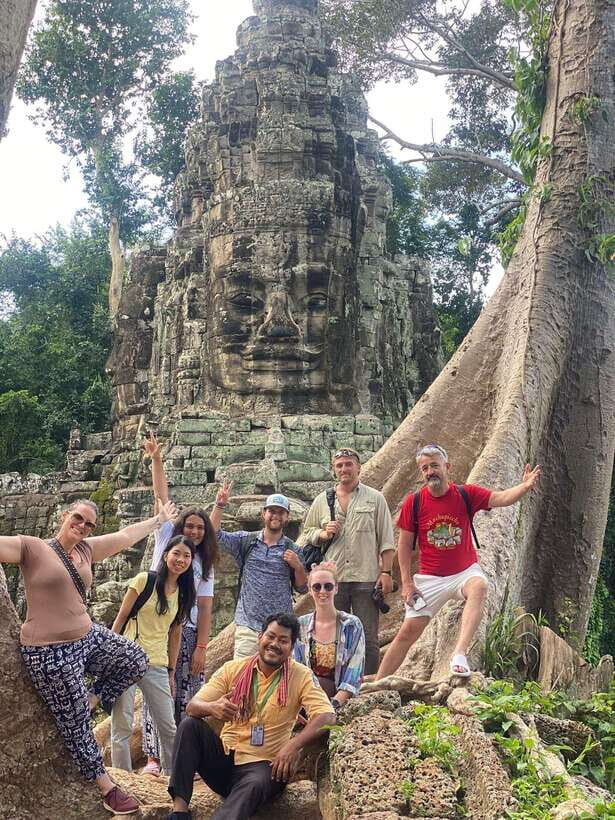
One theme pops up again and again in this kind of Angkor tour: the temples don’t change. What changes is whether you understand what you’re seeing.
This tour is designed around an English-speaking guide, and the routes are built so the guide can connect structures and symbols. Names you may see in guide assignments include Sary, Sayon, Sok, Sam, Pheap (Pip), Vone, Nick (Kosal), Heang, Simon, and John. The common thread is that guides point out details and explain the Khmer timeline in a way that makes the sites click.
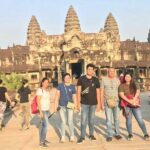
You’ll also notice guides doing the practical things that make photos work: picking spots away from the thickest crowd and helping you frame group shots at each major temple. Some guides are also the “ask me anything” type. When you stop and ask why a carving looks a certain way, you get a better memory later.
If you want the most value, come with one small goal. Ask for:
- the symbolism behind one temple you’re unsure about
- the difference between what you saw day 1 vs day 2
- the one viewpoint your guide thinks is best for your preferred photo style
You’ll get more out of the day than simply following the route.
Heat, timing, and comfort: your survival checklist
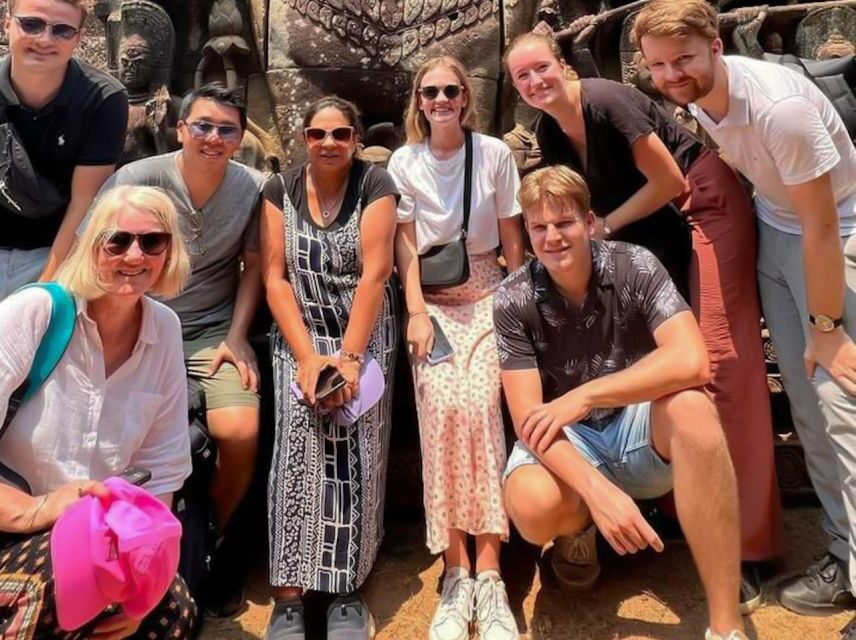
Angkor isn’t hard because it’s technical. It’s hard because it’s physical. You’ll walk, climb, and stand for views in bright sun. That’s why the tour includes cold bottled water and wipe towels, plus an air-conditioned minibus that cools you down between stops.
In practice, your comfort depends on how you handle three things:
- Sunscreen and shade breaks
Use the stops. Even a short pause helps your body reset.
- Hydration timing
Don’t wait until you’re thirsty. Drink when water appears.
- Footcare for steps
Temple steps and stone surfaces can be uneven. Wear shoes you trust.
What to bring (from the tour guidance) is simple:
- sunglasses
- sunscreen
- comfortable clothes that match temple rules
- a charged smartphone
What not to bring is equally important:
- alcohol and drugs are not allowed
- and yes, clothing restrictions apply
One more comfort tip: pack something small to keep your shoulders covered without getting sweaty. It makes a bigger difference than you’d think.
What a well-run two-day loop looks like in real life
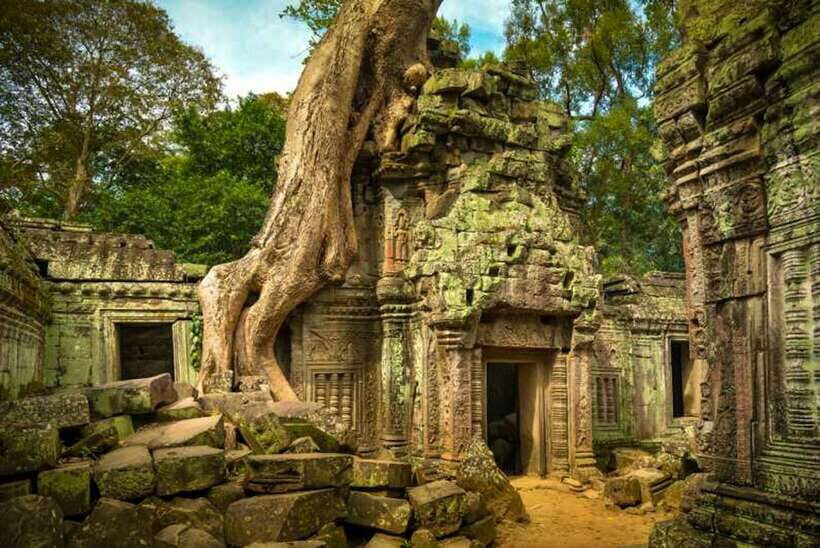
Angkor can feel like a blur if you treat it as a checklist. This tour works better if you treat it as a story told twice: first through the iconic and central spaces, then through a second circuit that shows how the Angkor world connects.
Day 1 gives you Angkor Wat sunrise, Ta Prohm’s jungle ruin drama, Bayon’s face-filled spiritual energy, Ta Keo’s climb, and South Gate’s myth bridge. Day 2 shifts to major temple scale with Preah Khan, then water and health themes with Neak Pean, then artistic motifs with Ta Som, then ancestral purpose with East Mebon, then meditative symbolism with Pre Rup, ending with hilltop towers and the sunset light at Phnom Bakheang.
Because it’s structured, you’re not spending your energy figuring out what matters. You’re walking the path and letting the guide connect the dots.
Also, there’s a smart bonus idea built into the tour design. You’re set up to use a multi-day temple pass effectively. That means on a day 3 you can choose: rest, revisit favorites, or add final stops in a private tuk-tuk without losing the context you gained on days 1 and 2.
Who should book this Angkor Wat sunrise and sunset tour?
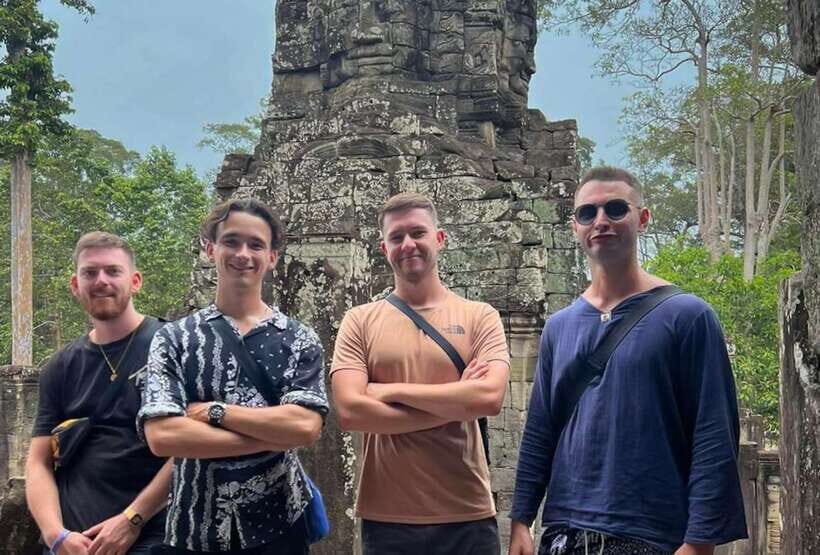
This is a strong fit for you if:
- you want a guided overview of the best-known temples plus several major “next” stops
- you like early starts when they buy you fewer crowds and better light
- you’d rather spend time learning than planning
- you appreciate AC transport and hydration support
It may not be the best fit if:
- you dislike long, hot days and early mornings
- you have mobility limitations, since walking and climbs are part of multiple temple visits
- you’re looking for a fully relaxed pace
The tour details also state it’s not suitable for wheelchair users and people over 70. You’ll also be dealing with temple step surfaces across the route, so if mobility is a concern, ask questions before you book.
Should you book this 2-day Angkor Wat sunrise and sunset tour?
If you’re in Siem Reap for a short stay and you want the “main circuit” done well, I think this tour is a smart choice. The value makes sense for what’s included: English guiding, hotel pickup, AC transport, 11 temple stops, and a planned sunrise/sunset experience. The temple pass and meals are the main extra costs, so plan for those up front.
Book it if you want structure, early timing, and a guide who helps you actually understand Angkor. Skip it if you want a slow stroll, zero schedule pressure, or a low-walking plan.
FAQ
Is Angkor Archaeological Park entry included in the tour price?
No. You need to purchase the temple pass yourself. You can buy it online through the government website or at the ticket office.
What does the tour price include?
The price includes hotel pickup and drop-off, an air-conditioned minibus, an English-speaking guide, two separate day tours, visits to 11 temples, sunrise on day 1 or sunset on day 2, chilled bottled water, wipe towels, and local tax.
What time does Day 1 start and end?
Day 1 is the sunrise small tour, running from 4:30am to 1:00pm.
What time does Day 2 run?
Day 2 is the big tour, running from 10:30am to 7:00pm, and it includes the sunset experience.
Are meals included?
Meals are not included. The tour includes rest and food breaks as the day progresses.
What should I wear to visit the temples?
Avoid shorts, short skirts, and sleeveless shirts. Plan comfortable clothes that follow temple dress rules.
Do you provide water and towels?
Yes. The tour provides chilled bottled water and wipe towels during the day.
Is hotel pickup included, and when should I be ready?
Hotel pickup and drop-off are included. Be ready at least 30 minutes before the tour start time and provide your hotel address correctly.
Is the tour suitable for wheelchair users or seniors?
The details say it is not suitable for wheelchair users and for people over 70 years. There is also a note saying wheelchair accessible, so if this affects you, confirm directly with the provider before booking.
Is free cancellation available?
Yes. Free cancellation is offered up to 24 hours in advance for a full refund.