REVIEW · SIEM REAP
Angkor Wat & Small Tour with Bonteay Srei Temples
Book on Viator →Operated by Angkor Visit Tour · Bookable on Viator
Angkor feels different when a guide steers. This private small tour strings together the key temples of the Angkor complex in a calm, logical order, with professional commentary so you’re not just staring at stone. You can also plan the day around your preferred sunrise or sunset timing for those big sky-and-temple moments.
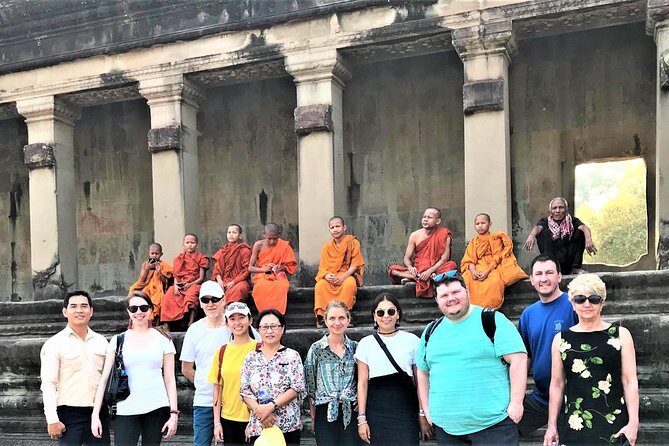
I love the way a guide turns the ruins into a story. With a pro like Phally leading the way, you’re guided through how the Khmer kings shaped the empire and what to look for in the carvings, not just where to walk next. I also like the comfort touches that keep a long day from feeling brutal: pickup and drop-off plus air-conditioned private transport.
One consideration: the entrance fees are not included, so your total cost will be a bit higher once tickets are added.
In This Review
- Quick hits: what makes this Angkor + Banteay Srei day tour work
- The private format: fewer headaches, better temple time
- Sunrise or sunset over Angkor Wat: choose your mood
- Angkor Wat: the giant that deserves context
- Bayon + Angkor Thom: Jayavarman VII’s political message in stone
- Ta Prohm: the jungle temple effect, roots and all
- Phnom Bakheng: a Shiva temple-mountain viewpoint
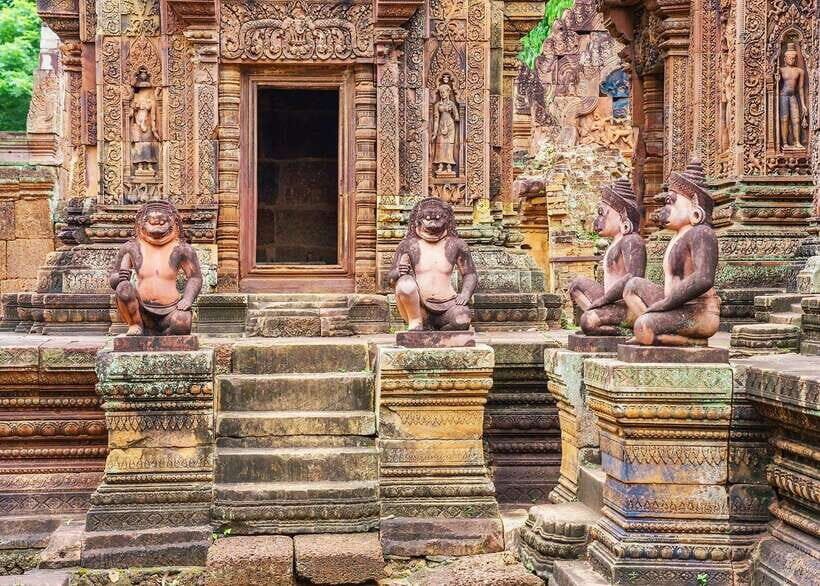
- Banteay Srei: Shiva focus and very fine carving
- Price and value: what $38 includes, and what it doesn’t
- How this itinerary fits different travelers
- Should you book this Angkor Wat + Banteay Srei small tour?
- FAQ
- FAQ
- How long is the Angkor Wat & Banteay Srei small tour?
- Is pickup and drop-off included?
- Do I need to buy entrance tickets separately?
- Is there a professional guide?
- What transport is provided?
- Can I choose sunrise or sunset timing?
- Is this a private tour or shared group?
- How does ticketing work?
- Is it refundable if plans change?
Quick hits: what makes this Angkor + Banteay Srei day tour work
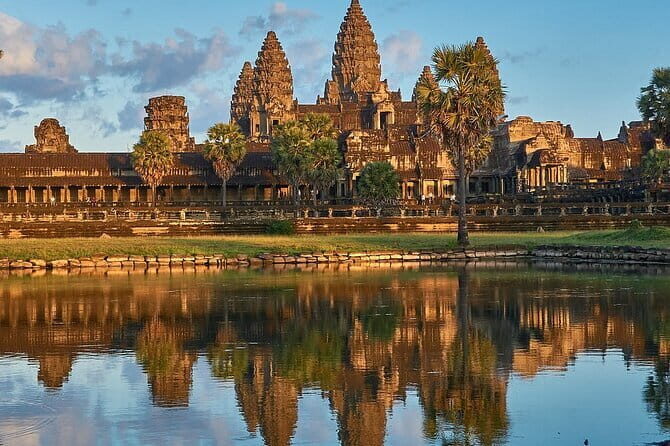
- Hotel pickup and air-conditioned private transport help you start with less hassle and fewer wasted minutes.
- Sunrise or sunset timing lets you choose the mood you want over Angkor Wat.
- Angkor Wat first gives you the classic light and the biggest temple complex in the region to anchor the day.
- Bayon’s Jayavarman VII context helps you read the fortified city of Angkor Thom, not just see stone faces.
- Ta Prohm’s trees and roots make the temple feel like a living, breathing ruin.
- Banteay Srei’s Shiva dedication and fine carving are a big change of pace from the mega-temples.
The private format: fewer headaches, better temple time
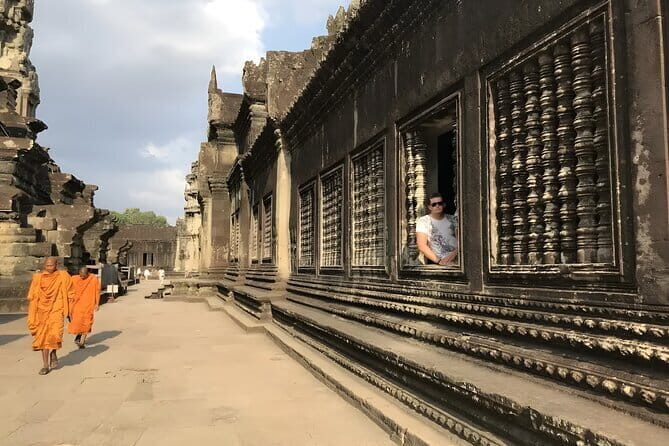
This tour is built as a private experience, meaning it’s just your group. That matters at Angkor, where crowds and logistics can turn a “sightseeing day” into a stress test. With a dedicated guide, you keep moving at a pace that actually fits your comfort level, which is especially helpful if you’re doing this as a one-day plan.
The practical side is solid too. You get pickup and drop-off from Siem Reap, and the transport is air-conditioned with cold water included. That simple combo can be the difference between feeling like you survived the day and feeling like you enjoyed it.
One detail I really like is how fast the communication tends to be. In a recent experience, the guide contacted the group on WhatsApp right after booking and arrived early, ready to go from the hotel lobby. Another traveler noted that the guide helped take care of tickets on the way, which can reduce the friction of your first temple morning.
If you’re the type who likes understanding what you’re looking at, this format is a good fit. If you only want quick photos with minimal talk, the “private guide” setup can feel like overkill. But the best thing about a private day is you can usually ask for the balance you want.
Other Angkor Wat temple tours we've reviewed in Siem Reap
Sunrise or sunset over Angkor Wat: choose your mood
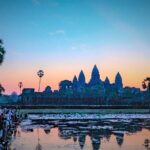
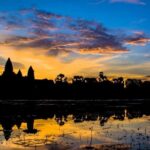
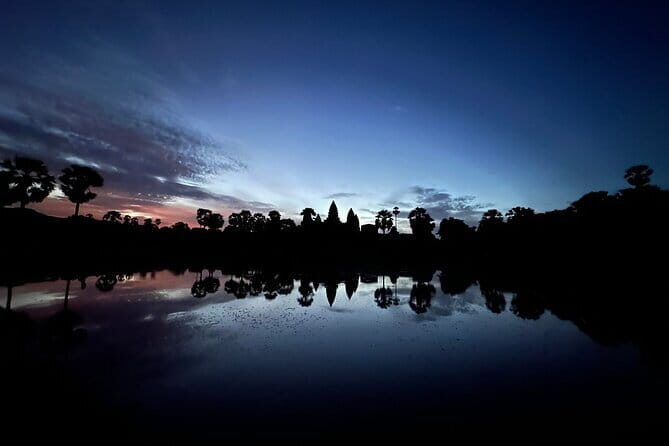
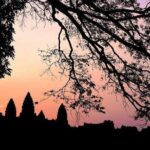
You can start early for sunrise viewing, or schedule the timing based on what you prefer. That’s a big deal because the temples change character fast as the light shifts. Sunrise tends to feel quieter and more cinematic. Sunset leans into softer tones and a different kind of atmosphere.
The itinerary is designed so Angkor Wat is the anchor early in the schedule. That positioning matters: it prevents the classic first-stop problem where you see the most famous place while you’re already tired, hot, and distracted by the rest of the day.
If you want the clean “wow” moment without rushing through everything, sunrise is often the easiest way to get it. If your legs or sleep schedule don’t love early starts, sunset can still deliver strong views—just expect the day to feel different.
Either way, having a guide telling you where to stand and what to notice can turn the sunrise from a checklist moment into something you actually remember.
Angkor Wat: the giant that deserves context
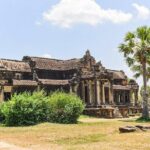
Angkor Wat gets about 3 hours here, which is long enough to do more than skim. It’s also described as the largest religious monument in the world, and that scale is hard to appreciate until you’re actually inside the complex. You’ll see how the temple works as a religious site, not just as a famous backdrop.
The temple’s story begins with its origins: it was originally constructed as a Hindu temple. That detail matters because later periods and later uses don’t erase the earlier design logic. Instead, you start noticing how the architecture and sacred layout helped shape spiritual meaning over time.
What I like about this stop in a guided format is how the guide can connect the stone to the people who built it. With commentary from your guide, you’re more likely to clock details like the way different sections feel more ceremonial and structured, rather than treating it all as one massive monument.
Potential drawback: Angkor Wat is popular, and even with early timing, it can be intense. If you prefer your travel slower and quieter, plan to take small breathing breaks between key viewpoints so you don’t end the day feeling overstimulated.
Bayon + Angkor Thom: Jayavarman VII’s political message in stone
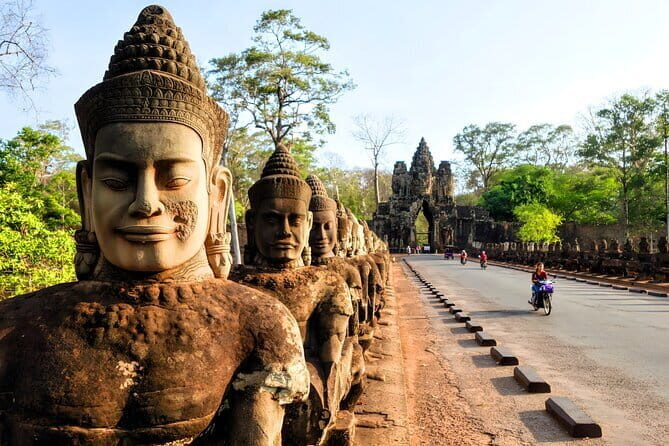
After Angkor Wat, the tour shifts to Bayon Temple, with about 1.5 hours. Bayon is part of Angkor Thom, a fortified city built between the late 12th and early 13th centuries by Jayavarman VII. The city is described as about 9 square kilometers, and that scale helps you understand why Angkor Thom was meant to function like a powerful capital, not just a ceremonial area.
Bayon is where your guide’s storytelling really pays off. You’ll get the religious and political context of why Jayavarman VII built the way he did, and you’ll likely be prompted to look past the obvious and notice how the layout supports the temple’s role in the larger city.
I also find this stop works as a palate cleanser after the immense sweep of Angkor Wat. Angkor Wat can feel grand and formal. Bayon feels more intimate in its stone detail—like the temple is watching you back.
Watch for one thing: since the day is packed, you’ll want to pace yourself so you don’t feel rushed while trying to absorb the details. The private setup helps here, because your guide can adjust tempo if you’re taking it in more slowly.
Ta Prohm: the jungle temple effect, roots and all
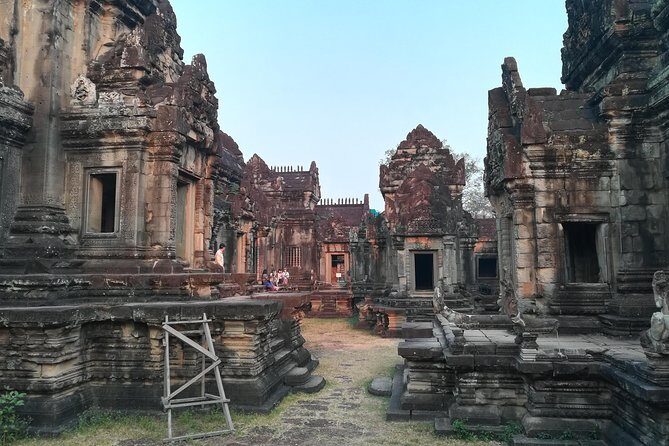
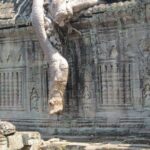
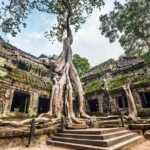
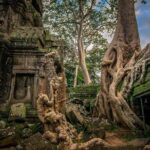
Next comes Ta Prohm, another 1.5-hour stop. This one is famous for huge trees and massive roots growing out of its walls. It’s often described as a jungle temple, and that’s exactly the point: it doesn’t feel like a clean, finished monument. It feels like nature and architecture are sharing the same space.
This stop is great for photos, but it’s also great for understanding how the site developed over time. When you have a guide with you, you’re less likely to see it as just “the temple with trees” and more likely to notice how the structure holds up around the intrusion of roots and growth.
The downside of Ta Prohm in any schedule is that it can be visually busy. If you go in thinking you’ll memorize everything, you may not. Instead, treat it like a sensory stop: look up at the roots, notice how they frame doorways and faces, and slow down enough to feel the “ruin in motion” vibe.
Other multi-temple archeological tours we've reviewed in Siem Reap


Phnom Bakheng: a Shiva temple-mountain viewpoint
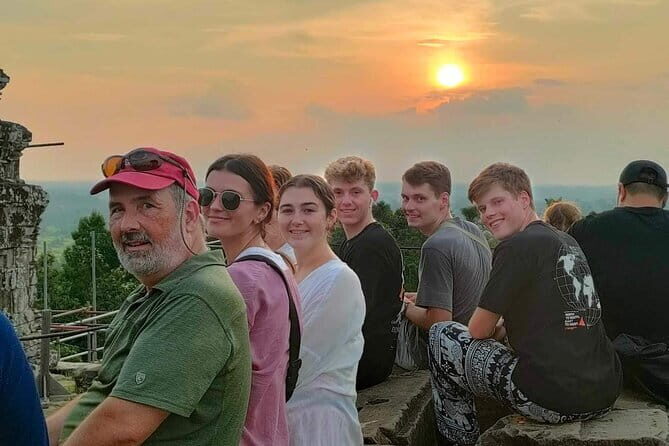
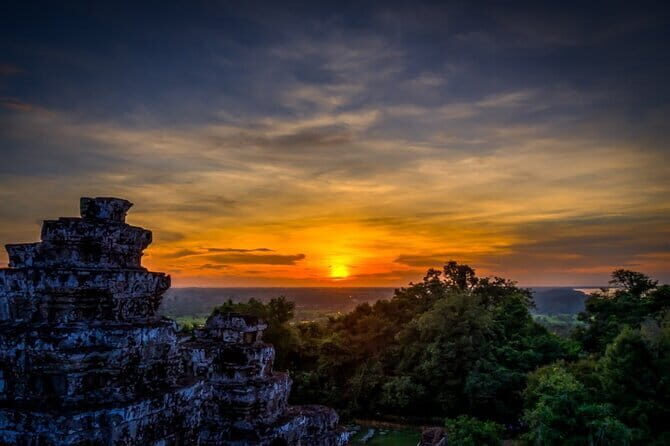
The tour then climbs to Phnom Bakheng, with about 1 hour. Phnom means hill or mountain, and that’s a key idea for how this temple reads in space. It’s described as a temple mountain dedicated to Shiva, built by King Yasovarman at the end of the 9th century.
This is an important change of pace. After walking through temple complexes at ground level, Phnom Bakheng adds the experience of being higher up, with a different kind of viewing perspective. It also helps tie the day together with a theme: different temples highlight different ways the Khmer builders expressed sacred meaning through geography—flat ceremonial spaces versus a purposeful ascent to a Shiva dedication.
One practical consideration: if you’re tired from earlier stops, this climb can feel longer than it looks on paper. The good news is that this is a shorter stop in the schedule, which helps you keep energy for the final temple.
Banteay Srei: Shiva focus and very fine carving
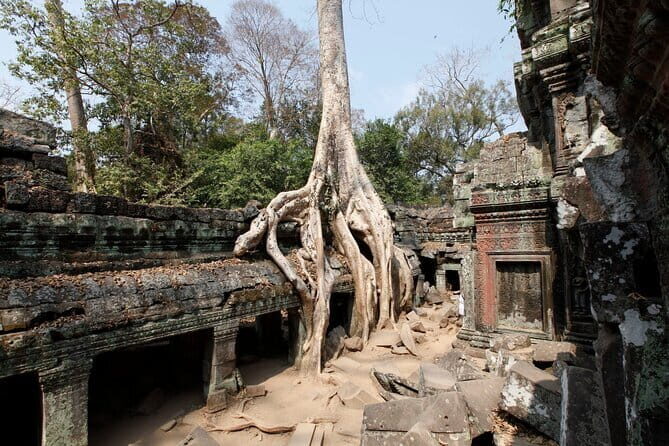
The day ends with Banteay Srei, around 1.5 hours. This temple is dedicated to Shiva, and it’s completed on 22 April 967 AD (as described in the tour notes). It also had an earlier name: Tribhuvanamahesvara.
What makes Banteay Srei special is the shift in feel. Compared with the heavier, larger-scale complexes, this one tends to reward careful looking. Your guide can help you interpret what you’re seeing in the carvings and explain why this temple’s style is such a distinctive part of the Angkor world.
The comments from the guide-led experiences point to this strength: when someone like Phally is explaining how kings shaped the empire and pointing out carving details, you spend less time guessing and more time appreciating the craftsmanship.
If you only do one “small temple with big detail” in your Angkor day, Banteay Srei is a strong candidate. It’s a satisfying finale because it feels more delicate and more human in its stone work.
Price and value: what $38 includes, and what it doesn’t
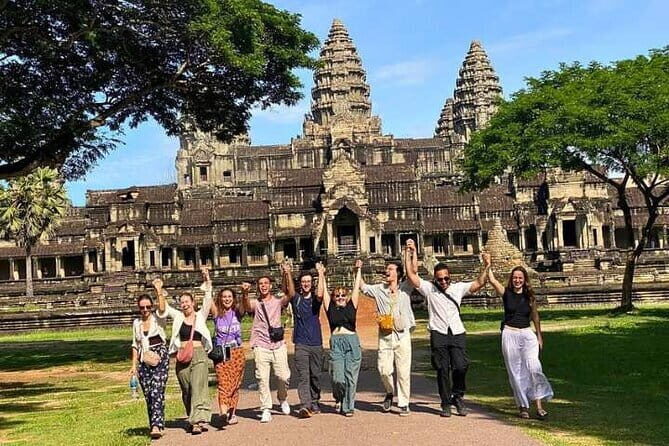
The tour price is $38 per person for a full day of private guiding. For that money, you get:
- a professional tour guide
- pickup and drop-off
- air-conditioned private transport
- cold water
- a mobile ticket
That’s meaningful value because Angkor isn’t just about entry gates. It’s about time, transportation, and interpretation. A guide helps you avoid wandering, and private transport helps you move between sites without losing hours to coordination.
The catch is the one thing you’ll need to budget for: entrance fees are not included, and food and tips are not included either. That means the total you pay at the end will be higher than $38. In practice, the guide may help you manage tickets (one traveler specifically mentioned tickets being bought on the way), but you should still expect that you’ll pay entrance fees separately.
Also note the booking pattern: this tour is commonly booked about 81 days in advance on average. If you’re traveling at a busy time or want a specific sunrise or sunset timing, booking earlier can help you avoid schedule compromises.
How this itinerary fits different travelers
This is a good match if you want a full Angkor day that covers major hits without feeling like you’re sprinting house to house. The schedule includes five temples, and with a private guide plus transport, it stays coherent rather than chaotic.
It also suits family-friendly needs and a flexible pace. That flexibility matters if someone in your group needs more frequent breaks, less walking, or extra explanation time.
If you’re a pure minimalist who just wants the “iconic photos” and hates talking, you might find the guiding time heavy. But if you’re the type who likes learning how rulers connected religion, politics, and architecture, this format is a strong way to get more from each stop.
Should you book this Angkor Wat + Banteay Srei small tour?
I’d book it if you want a structured Angkor day with a guide who explains what you’re seeing, plus the comfort of pickup, air-conditioned transport, and cold water. The best reason is simple: it saves you from piecing the day together yourself, and it helps you connect the temples to Khmer history and symbolism.
I’d hesitate only if you’re trying to keep your total cost as close as possible to the headline price, because entrance fees are separate, and you should plan for that. Also, if you dislike early mornings, you’ll need to be thoughtful about choosing sunrise versus sunset timing.
If you want a day that feels efficient, calm, and meaningful, this is a solid way to do it.
FAQ
FAQ
How long is the Angkor Wat & Banteay Srei small tour?
It runs for about 8 hours 30 minutes.
Is pickup and drop-off included?
Yes. Pickup and drop-off are included.
Do I need to buy entrance tickets separately?
Yes. Entrance fees are not included.
Is there a professional guide?
Yes. The tour includes a professional tour guide.
What transport is provided?
You’ll travel in air-conditioned private transport, and cold water is provided.
Can I choose sunrise or sunset timing?
Yes. The tour notes say sunrise or sunset can be arranged based on your preferred timing.
Is this a private tour or shared group?
It’s private, meaning only your group participates.
How does ticketing work?
A mobile ticket is offered.
Is it refundable if plans change?
The experience offers free cancellation, with a full refund if you cancel at least 24 hours in advance of the start time.
If you tell me your travel dates and whether you prefer sunrise or sunset, I can help you think through how the day’s pacing might feel and what to prioritize at each stop.