REVIEW · SIEM REAP
Angkor Wat Sunrise tour with Small – Group and Guide tours
Book on Viator →Operated by Angkor Wat Shared Tours · Bookable on Viator
Angkor Wat is better when you’re already there at first light. This small-group sunrise trip in Siem Reap lines up early temple access, guided context, and a tight circuit of four major sites so you’re not spending your whole day stuck on the road. I really like the small group setup and the hotel pickup option, which makes the morning feel less chaotic before the crowds even arrive. One thing to consider: you’ll need the temple pass separately, plus the pace can feel a bit tight if you prefer long, slow wandering.
I also like how the trip balances structured stops with time to look around. You’re not just herded through doorways; a good guide helps you understand what you’re seeing, from architecture and symbolism to the stories behind places like Ta Prohm and Bayon. And because the group max is 12 people, your questions and photo requests tend to actually get handled instead of getting lost in a bigger crowd.
The main drawback is practical, not dramatic: the early start means you’ll be moving in the dark, and a few people note that timing and communication can be uneven. If your English needs extra clarity, you may want to ask for slower explanations. And because some parts involve walking and stairs, plan for a bit of exertion.
In This Review
- Key things I’d bank on before you go
- Sunrise at Angkor Wat: the moment you’re really paying for
- Small-group comfort and pickup in Siem Reap
- The real cost: $14 tour price plus the temple pass you can’t skip
- Angkor Wat at first light: where the guide helps you see more
- Ta Prohm: jungle ruins and cinematic photo energy
- Ta Keo: the unfinished pyramid that changes the look of the day
- Angkor Thom and Bayon: south gate drama and the face-tower moment
- Walking stamina, stairs, and staying with the group
- Guides and the photo factor: it’s a big part of the value
- What to wear and bring for a 4:30am start
- How long it really takes and what the schedule feels like
- So, should you book this Angkor Wat sunrise tour?
- FAQ
- What time does the Angkor Wat sunrise tour start?
- How long is the tour?
- Is hotel pickup included?
- Is the temple pass included in the tour price?
- Which temples are included in this tour?
- What group size should I expect?
- What’s included in the ticket besides the guide?
- What should I wear to enter the temples?
- Can I cancel and get a full refund?
Key things I’d bank on before you go
- Sunrise access at Angkor Wat, before the thickest lines build up
- Small-group limit (12), which keeps the experience calmer and more personal
- Air-conditioned minivan plus bottled water and cool towels to reset between sites
- Four major temples in one morning-to-afternoon circuit: Angkor Wat, Ta Prohm, Ta Keo, Angkor Thom/Bayon
- Guides who help with photos, including guidance on where to stand when it’s busy
- Dress code matters: shoulders covered and trousers/long pants covering knees for temple entry
Sunrise at Angkor Wat: the moment you’re really paying for
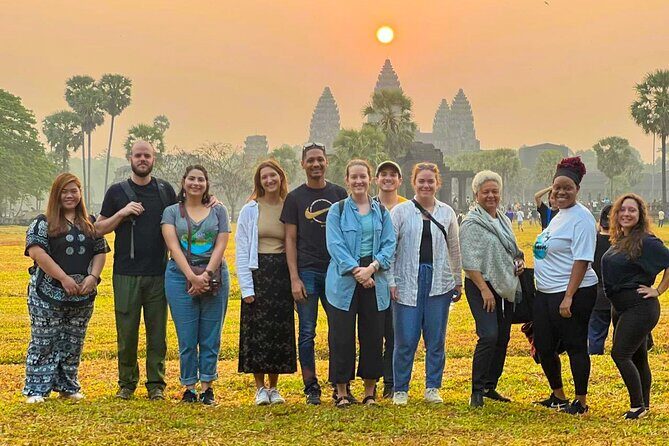
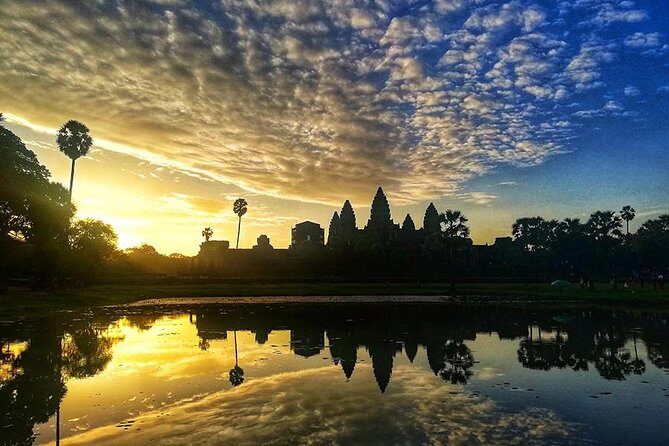
Angkor Wat is enormous, and sunrise is the trick that changes the whole mood. Even if you’ve seen photos, being at the complex at first light gives you something screen images can’t: shifting shadow lines on the towers, the slow reveal of the causeway, and that quiet feeling when you’re not yet surrounded by day-trippers.
This is also why an early tour is worth it. You spend less time waiting and more time looking with a clearer head. Many people plan Angkor Wat as a “one and done” temple, so squeezing it into the calm hours helps you see details you’d otherwise miss while everyone else scrambles for the same angles.
One practical reality: sunrise is weather-dependent. If it’s cloudy, you may not get the dramatic sunburst you hoped for. Still, you can usually get great light on stone textures—just adjust expectations. I’d treat sunrise as early atmosphere and good photo timing, not guaranteed sunshine.
Other Angkor Wat sunrise tours we've reviewed in Siem Reap
Small-group comfort and pickup in Siem Reap
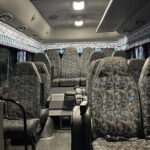
A big part of why this tour works is how it’s set up to reduce morning friction. The ride is in an air-conditioned minivan, and you get bottled water plus a cool towel, which is a nice buffer before and after walking. Those extras don’t sound exciting in a brochure, but early temple circuits can wear you down fast—so they’re genuinely useful.
Pickup is offered from select hotels. If you’re not picked up, the meeting point is the Siem Reap Pub Hostel area (behind Angkor Night Market). Either way, the goal is the same: get you moving quickly toward Angkor Wat while other plans are still waking up.
The small group max of 12 isn’t just a comfort perk. It matters for logistics: it helps your guide keep tabs on everyone at each stop and makes it easier to shift your route slightly when photo opportunities get crowded.
The real cost: $14 tour price plus the temple pass you can’t skip
The advertised price is $14 per person, which is strong value for a guided, multi-temple day with transport and included water and a cool towel. But you need to budget for the temple admission separately: the temple pass is not included and is listed as $37.
Here’s the math mindset I use before booking any Angkor tour: the tour fee is mostly about service (guide + transport + timing + basic extras). The temple pass is about access. If you want the best sunrise experience, plan on paying both, then decide if your “worth it” feeling comes from the early start and the guided context.
Also note: food and drinks are not included. One review mentioned a breakfast opportunity, but don’t count on a full meal being part of the price. Bring a water plan (water is provided), and expect you’ll either snack during breaks or grab something when the group stops.
Angkor Wat at first light: where the guide helps you see more
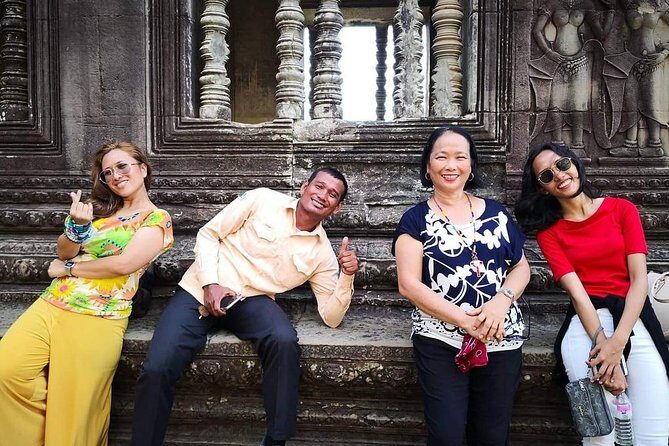
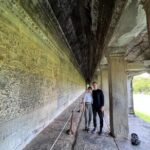
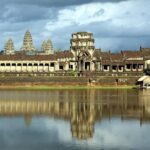
Angkor Wat is the headline, and this tour puts you there at sunrise with guidance. You’re visiting the largest religious monument in the world and the iconic setting for Angkor Wat sunrise photos. The key is timing: the earlier you’re there, the more room you get to move and frame shots.
Your guide’s role here is practical and visual. People reported guides helping with photo spots and taking photos of couples and families. That’s useful because, at sunrise, everyone wants the same perspective. A guide who knows where to stand can save you from standing in the wrong spot for 30 minutes while someone else gets the shot.
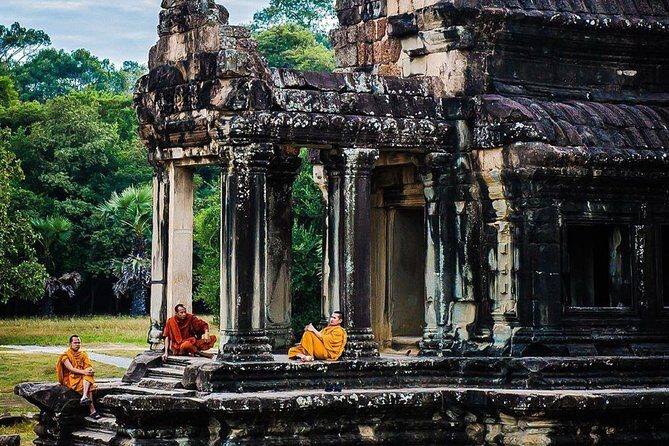
You’ll also get help reading what you’re seeing. Strong guides explain carvings, architectural symbolism, and how the complex was built and arranged. Even if you’re not a temple-history person, those pointers turn “pretty stone” into “oh, this means something.”
Big consideration: sunrise can be rushed. Some people felt the Angkor Wat segment moved quickly, especially on a tight schedule. If you’re the type who wants a long, slow sit with your sketchbook, you might feel the time limits. But if you want a guided jump-start and then a few good laps around the complex, this format is made for you.
Ta Prohm: jungle ruins and cinematic photo energy

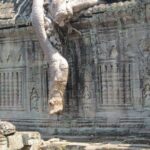
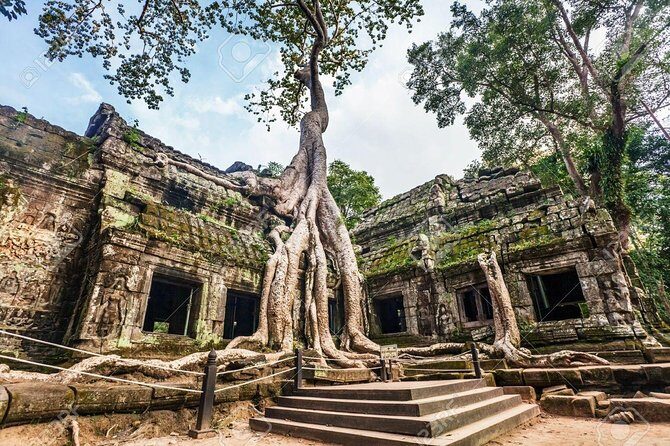
Ta Prohm is where Angkor gets dramatic. This is the famous ruin partially overtaken by jungle, often tied to the pop-culture nickname the Tomb Raider temple. Expect roots wrapping stones, branches reaching for openings, and that “someone dropped the world here” feeling.
What matters on this stop is pacing and attention. A guided walkthrough can point out details that you’d otherwise miss in the chaotic photo field. And because Ta Prohm is popular, going with a group that stays organized helps you avoid the common frustration of wandering alone in a busy ruin.
A practical tip for you: wear shoes with solid grip. Paths around ruins can be uneven, and early morning to temple touring means your legs are already awake but not fully warmed up.
If you care about photos, look for a guide who can help position you. Some guides are reported as being especially good at capturing photos and timing moments around other visitors.
Other Angkor Wat temple tours we've reviewed in Siem Reap

Ta Keo: the unfinished pyramid that changes the look of the day
Ta Keo is a different kind of temple stop. It was never finished, which makes it feel unlike many of the other Angkor structures. Instead of looking like a fully “completed” story, it reads like an interrupted ambition—layered, square, and visually dramatic.
This stop is worth it because it breaks the pattern. After Angkor Wat and Ta Prohm, Ta Keo gives your eyes a new shape to process. It also tends to feel less crowded than Angkor Wat, so you get a better chance to notice how the terraced pyramid design changes with the light.
Also, expect stairs. Reviews included notes that temples involve steps and narrow sections in places. If you’re sensitive to uneven steps or heights, go slower on the climbs and give yourself time at each level for photos and orientation.
Angkor Thom and Bayon: south gate drama and the face-tower moment
Angkor Thom is the later capital area, and the circuit usually includes the South Gate with gods and demons locked in a symbolic tug-of-war. It’s a strong visual entry point because you can see the theme right away: power, mythology, and order expressed through stone carvings.
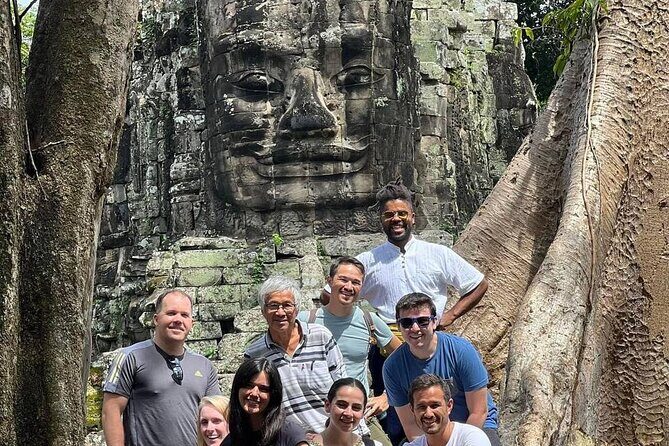
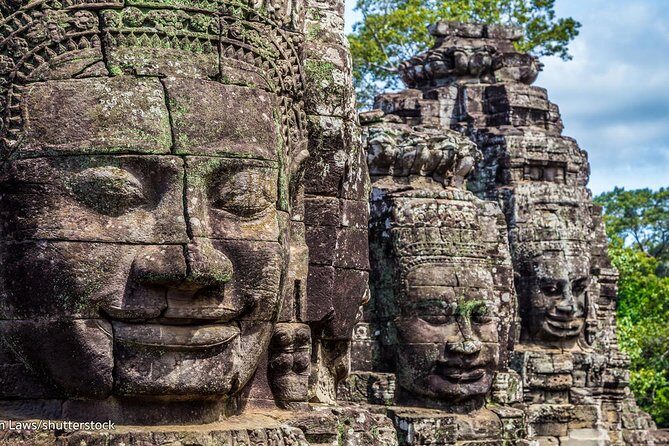
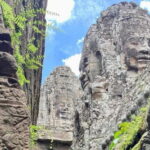
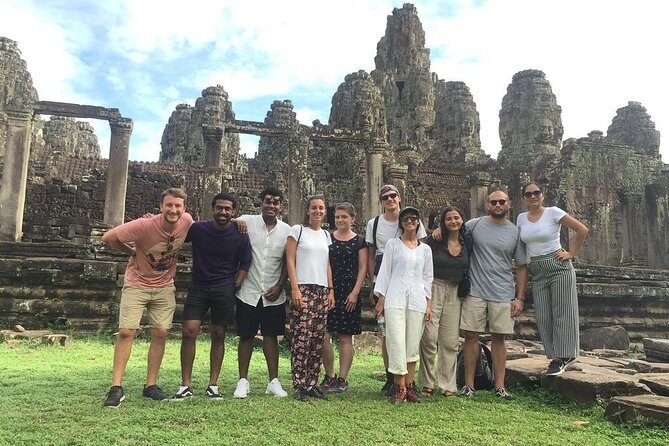
At the center is Bayon, famous for the face towers. This is the “tell me you went to Angkor without telling me” stop. The faces look different depending on where you stand, the angle of light, and your distance from the tower base. It’s one of those places where moving 10 steps can change the whole effect.
A good guide helps you understand what you’re seeing beyond the iconic image. People reported guides explaining the history and religion behind the sites and pointing out carvings and symbolism. That’s especially helpful here, because Bayon can feel like an overwhelming wall of faces at first glance. Guidance turns it into something you can actually navigate and appreciate.
Walking stamina, stairs, and staying with the group

This tour is not a sit-and-spectate experience. You’ll be walking between temples, climbing stairs, and navigating uneven stone floors. For most people, it’s fine, but you should be realistic: the temples include steps and can be narrow in spots.
If you’re traveling with limited mobility, you’ll want to plan carefully. The tour doesn’t mention accessibility support beyond “most travelers can participate,” and that phrasing usually means “you’ll likely manage it if you take your time.” I’d bring comfortable grip shoes and consider whether you want to climb when you’re already tired from an early wake-up.
One more practical note: organization matters at each stop. If you drift too far or don’t find your group quickly, you can lose time. A couple of people reported waiting or difficulty reconnecting at a temple stop. So my advice is simple: stay within the same cluster your guide is working with, and use a quick check-in before you step into a side area.
Guides and the photo factor: it’s a big part of the value
In this kind of tour, the guide can make or break the experience. The best guides do two things well: they explain what you’re looking at, and they help you get photos that don’t look like a crowd collision.
From the names mentioned, you’ll likely encounter guides such as Sok, Vone, Sam, Nick, John, Ho Heang, Pheap, Heann, Sayon, and Vin Sary. Even if you don’t get the same person, you can use those names as a hint of what this operator tends to hire: guides who can talk clearly about the temples and keep the group moving smoothly.
One practical strength people highlighted is photo support. Some guides are described as acting like your photographer, helping with angles and timing. If photography is a key part of your day, that matters more than most people expect.
The one caution I’ll repeat: language and pace vary. One review flagged difficulty understanding a guide and recommended slower delivery. If you’re watching closely for communication clarity, choose to ask questions and request repetition or slower explanations when needed.
What to wear and bring for a 4:30am start
You’re starting in the dark, and you’re heading into temples where entry rules are enforced. The dress code is straightforward: pants that cover the knee and a T-shirt that covers the shoulder are required for the temple site. It’s worth planning ahead so you don’t end up improvising at 5am.
Bring:
- Comfortable shoes with grip for stairs and stone surfaces
- A light layer for early morning air (it can feel cooler before sunrise)
- Your temple pass (since it’s not included)
- A small snack plan, because food isn’t part of the tour price
Also, because sunrise can be cloudy, don’t overpack your expectations for perfect sunlight. A cloudy morning can still be beautiful, especially for texture photos and serious stone-detail shots.
How long it really takes and what the schedule feels like
The tour runs about 8 to 9 hours, so it’s a full-day commitment even though you start at sunrise. That long day is the trade-off for seeing four major temples with minimal backtracking.
The benefit is efficiency. You’ll check off big names (Angkor Wat, Ta Prohm, Ta Keo, and Angkor Thom/Bayon) without needing to organize transport between them on your own. And because you’re in an air-conditioned minivan, the travel segments are less punishing than they would be with a warmer vehicle.
The potential downside is mental bandwidth. When the morning starts at 4:30am, you’ll move fast and be on your feet. If you’re not used to early starts or you hate time pressure, you might feel like you’re “working” during the best light. But if you want to maximize the Angkor day with guidance and clean logistics, this is built for that.
So, should you book this Angkor Wat sunrise tour?
Book it if:
- Sunrise is your priority and you want Angkor Wat before the biggest crowds
- You like having a guide explain carvings, symbolism, and architecture
- You prefer a small group (max 12) over a large bus crowd
- You want transport support plus water and cool towels to keep the morning manageable
Skip it or choose a different style if:
- You want lots of unscheduled time and no feeling of being on a set route
- You’re very sensitive to early mornings and physical steps
- You’re hoping food is included in the price (it isn’t)
If you’re a first-time Angkor visitor, this is a solid way to get your bearings fast: you see the big temples, you learn the key themes, and you do it with less stress than DIY. Just factor in the separate temple pass and wear shoes that can handle stairs, and you’ll set yourself up for an experience that feels worth the early alarm.
FAQ
What time does the Angkor Wat sunrise tour start?
It starts at 4:30am.
How long is the tour?
The duration is listed as 8 to 9 hours (approx.).
Is hotel pickup included?
Yes, pickup and drop-off are included from select hotels. If you’re not picked up, there’s a meeting point at the Siem Reap Pub Hostel area behind Angkor Night Market.
Is the temple pass included in the tour price?
No. The temple pass is not included and is listed as $37.
Which temples are included in this tour?
You’ll visit Angkor Wat, Ta Prohm, Ta Keo, and Angkor Thom (Bayon).
What group size should I expect?
The tour has a maximum of 12 travelers, which is the main reason it feels easier than bigger tours.
What’s included in the ticket besides the guide?
Included features are air-conditioned minivan transport, hotel pickup/drop-off, an English-speaking guide, bottled water, and a cool towel.
What should I wear to enter the temples?
You’ll need pants that cover the knee and a T-shirt that covers the shoulder.
Can I cancel and get a full refund?
Yes, you can cancel for a full refund up to 24 hours in advance of the experience’s start time.