REVIEW · SIEM REAP
2-Days Tour (The Best Historical of Khmer Empire)
Book on Viator →Operated by Hidden Angkor Tour · Bookable on Viator
This two-day private Khmer Empire tour is built around Angkor’s history and the right pacing between big temples and calmer moments. I like how you get a local driver and English-speaking guide who can connect the dots between sites, so the architecture feels meaningful instead of random. And the Pre Rup sunset idea adds a real change of mood after a temple-heavy day.
Two things I particularly like: the guide focus on stories and practical explanations, and the comfort touches like cool waters and cool wet towels. In some bookings, guides such as Veasna and Vutha are specifically described as passionate and helpful with questions, plus they’ll guide you to good viewing angles for photos. The service also has a personal feel since it’s private, so you can ask questions without competing with other groups.
One consideration: Angkor site entrance is not included. You’ll need to buy the Angkor Archaeological site pass at the main gate, and some temples have a strict dress code (shoulders covered and knees below). Also, lunch is on your own, so plan for breaks instead of expecting meals to be handled.
In This Review
- Key points worth knowing before you go
- Two Days That Feel Like More Than a Checklist
- Day 1 Inside Angkor Thom: Bayon and the Palace Terraces
- Banteay Srei and Banteay Samre: Delicate Carvings With a Different Feel
- Pre Rup Sunset: The One Moment to Time Properly
- Day 2: Angkor Wat and Ta Prohm in the Same Breath
- Roluos Group and Hariharalaya Roots: Bakong, Lolei, Preah Ko
- Psar Chaa and Artisans Angkor: A More Human Side of Siem Reap
- Price and logistics: what $145 really buys you
- Who this tour suits best
- Should you book this two-day Khmer Empire tour?
- FAQ
- How long is the tour?
- What does the price include?
- Is pickup from my hotel included?
- Is the Angkor entrance pass included?
- Does the tour include lunch?
- What temples do we visit for sunset?
- What should I wear to temple sites?
- Is the tour private?
- Is there walking involved?
- Are there tickets sent digitally?
Key points worth knowing before you go
- Private, English-speaking guide: you’re not stuck listening to a script—your guide can answer questions as you move.
- Pre Rup sunset is part of the plan: it’s marked as optional, but it’s the most “change of pace” moment on the tour.
- Angkor Thom depth on Day 1: Bayon plus the Elephant and Leper King terraces gives you classic Khmer art in one sweep.
- Angkor Wat plus Ta Prohm on Day 2: the famous pair of contrast—grand symmetry, then jungle reclaiming stone.
- A real Siem Reap cultural stop: Psar Chaa (Old Market) and Artisans Angkor add more than temple sightseeing.
- Entrance fees not included: budget for the Angkor pass, and bring clothes that meet the dress rules.
Two Days That Feel Like More Than a Checklist
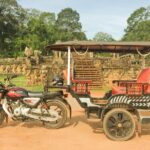
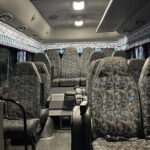
This tour is priced at $145 per person and runs for about two days, with pickup offered in Siem Reap. Because it’s private, the day doesn’t feel like you’re being herded through checkpoints—you can usually move at a pace that fits your group. The tour also includes air-conditioned transport, plus cool waters and cool wet towels, which matters a lot in Siem Reap’s heat.
What makes the experience work is the sequencing: you’re not only hitting the headline temples. You also spend time at major monuments inside Angkor Thom, then you add a mix of other temple groups and finally loop back toward Old Market and an NGO craft workshop. If you’re first-timing Angkor, this structure helps you get your bearings fast. If you’ve been before, it can still be satisfying because you get more than the two or three most famous names.
Other historical tours in Siem Reap
Day 1 Inside Angkor Thom: Bayon and the Palace Terraces
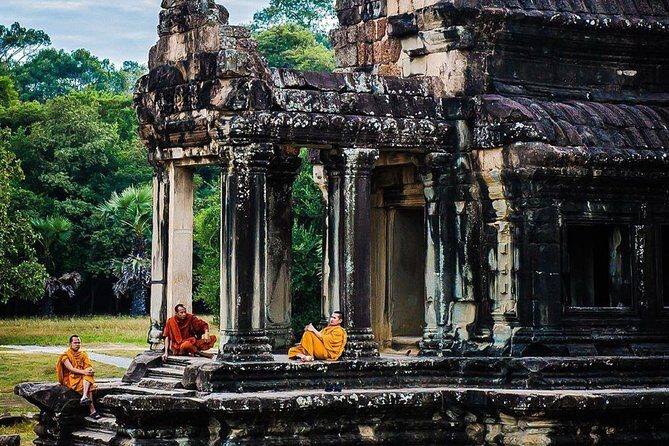
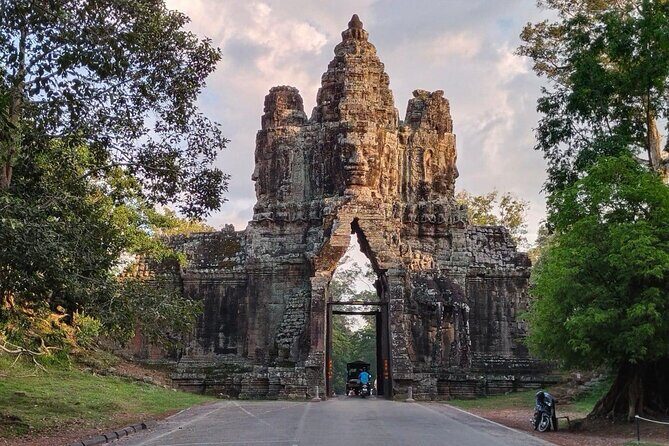
Day 1 leans hard into Angkor Thom, the walled city inside the broader Angkor complex. You start at Bayon Temple, known for its iconic stone faces. This is a strong opener because Bayon’s style is instantly recognizable, and it sets your visual theme for the rest of the morning.
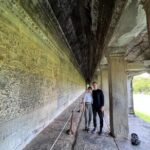
Next comes Baphuon, described here as a three-tiered temple mountain built as a state temple dedicated to Shiva. You then move through the Elephant Terrace and the Terrace of the Leper King, which are both long, richly carved stretches of wall—exactly the kind of detail that’s easy to miss if you’re just rushing for a photo.
A helpful part of this day is that the tour doesn’t treat Angkor Thom like one stop. It breaks it into elements: terraced carvings, gopura architecture (like Preah Palilay), and the royal enclosure area (including Phimeanakas). That means you can build a mental map of how the old Khmer royal space was organized.
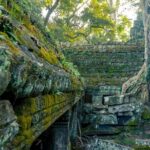
What to expect on the ground: some walking is required, and the tour notes they’ll take comfortable routes from one temple area to the next. You should still expect uneven surfaces and the kind of heat where that cool-water-and-towel routine becomes a big deal.
Possible drawback: this day is detail-heavy. If you’re the type who gets temple fatigue, you may want to make sure your guide is spacing out stops with short breaks, not just long photo sessions.
Banteay Srei and Banteay Samre: Delicate Carvings With a Different Feel
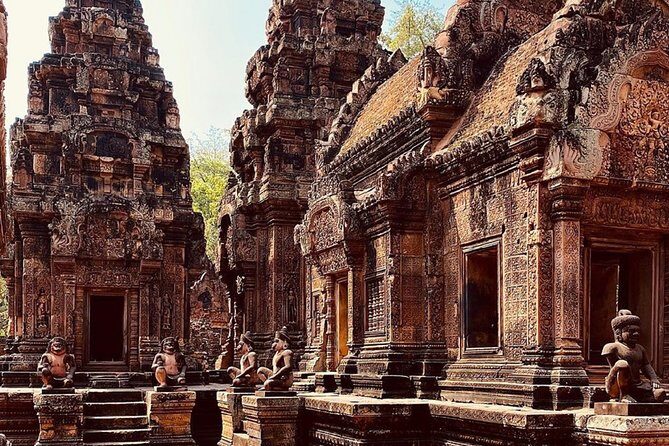
After the morning’s big Angkor Thom monuments, Day 1 shifts toward temples that feel more refined in their ornamentation. Banteay Srei—often described as the citadel of women—stands out in this plan for the delicate beauty of its carvings. It’s a different texture from Angkor Wat-style monumental scale, and it tends to reward slow looking.
You then visit Banteay Samre, a larger, flatter temple with Angkor Wat-style artistry. One of the interesting things here is that the tour frames it with a legend tied to naming and a farmer who made a serious mistake—legend aside, it’s a good reminder that these places weren’t just stone back then; they carried stories that people repeated.
Pre Rup Sunset: The One Moment to Time Properly
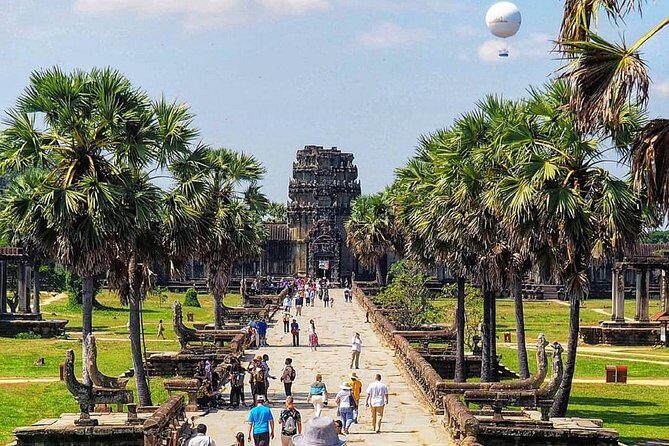
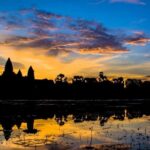
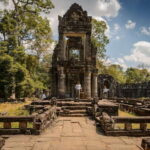
The tour includes an optional sunset at Pre Rup Temple, billed as architecturally and artistically superior, plus it offers excellent views of the surrounding area. If you’re trying to choose one “pay attention” moment on Day 1, this is it.
Pre Rup is also a nice contrast after carved terraces and indoor-or-shaded temple spaces. Sunset light changes what you notice: stone edges, false doors on upper levels, and those longer sightlines over the countryside.
Practical tip: this stop is timed for atmosphere, not speed. If you’re determined to catch it, keep your schedule flexible and don’t treat the day like a race.
Day 2: Angkor Wat and Ta Prohm in the Same Breath
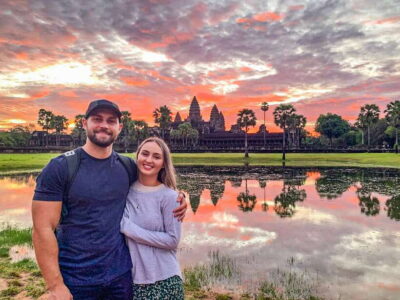
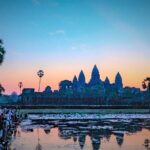
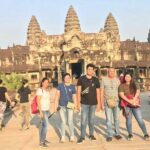
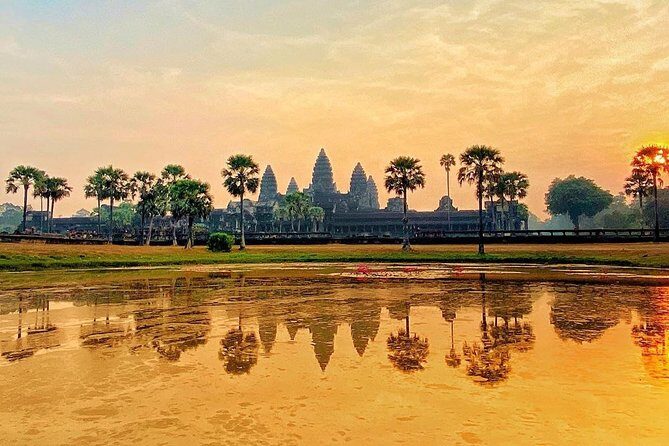
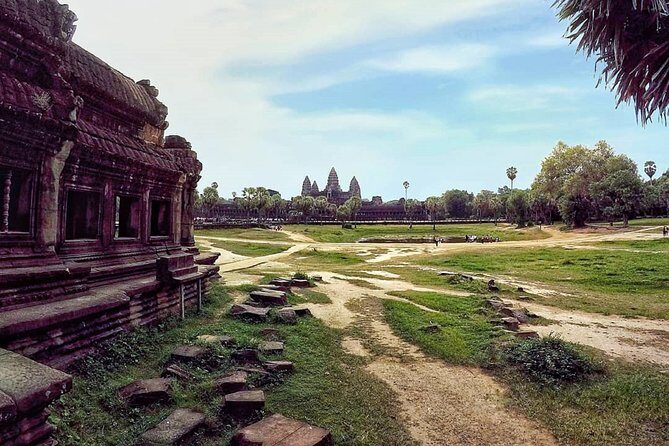
Day 2 starts with Angkor Wat, and the tour frames it as one of the wonders of the oriental world, with awe-inspiring ruins and decorative details. Even if you know the site name well, seeing it in person usually feels different because it’s both grand and precise. It’s also the kind of place where a good guide can point out what to look for beyond the obvious towers.
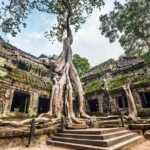
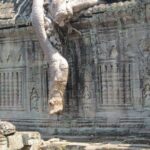
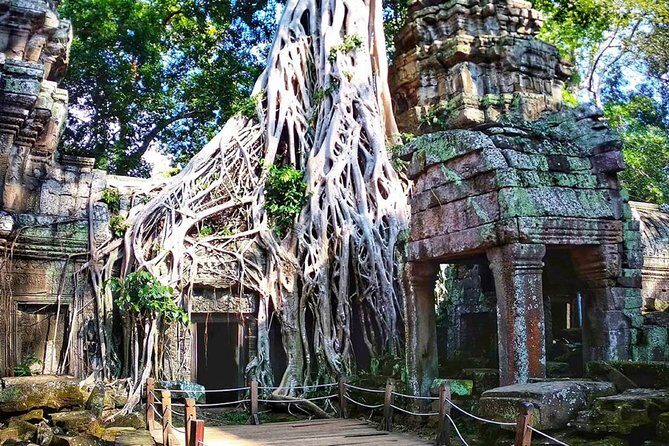
After Angkor Wat, you head to Ta Prohm, described as a quiet, sprawling monastic complex partially cleared of jungle overgrowth. This is where you get the famous tree-in-temple look—stone softened by nature, and a different kind of mood entirely.
The way this tour places these two sites back-to-back is smart: the geometry of Angkor Wat sets your sense of order, and Ta Prohm adds the sense of disruption and return. If your feet are tired by then, that’s okay—Ta Prohm’s scale is big, but it’s also visually forgiving because there’s always something to notice without needing to race to reach a single final viewpoint.
A few more Angkor & Siem Reap tours and experiences worth a look

Roluos Group and Hariharalaya Roots: Bakong, Lolei, Preah Ko
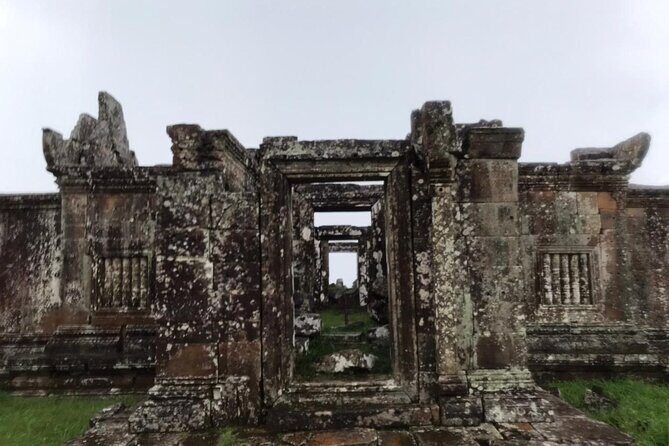
After the big hitters, the tour shifts to temples that help you understand the Khmer Empire beyond the peak era. You visit Bakong, described as the most impressive temple mountain of the Roluos Group and part of the first Angkorian capital. It’s presented as the first temple mountain of sandstone constructed by rulers of the empire, which gives you a “how it started” angle.
Then comes Lolei, an island-temple in a now-dry baray (Indratataka), framed as the first large-scale baray constructed by Khmer king Indratataka, plus Lolei’s 9th-century Hindu temple history.
Finally, you visit Preah Ko, presented as one of the first major temples of the empire, located in the early Khmer capital of Hariharalaya. That Hariharalaya mention is one of the tour’s key themes: you’re not only visiting monuments that look impressive—you’re visiting places tied to the early political and religious centers.
Psar Chaa and Artisans Angkor: A More Human Side of Siem Reap
Temple time is powerful, but this tour doesn’t end in stone. After the Roluos Group, you continue to Psar Chaa (Old Market). The tour describes it as the most visited traditional market with a deep selection of souvenirs and curios.
Then there’s a stop at Artisans Angkor, described as a training ground for unschooled rural youth learning handicraft skills to make a living. It’s a worthwhile pause because it puts your day in a modern context. You can turn a temple-culture day into something that also connects to local skills and livelihoods.
Price and logistics: what $145 really buys you
At $145 per person, this tour is positioned as a private, guide-led two-day program with transport and included comfort items. That’s the main value: you’re not only paying for a vehicle, you’re paying for an English-speaking guide, plus the guide-and-driver team that keeps the route moving across multiple temple areas.
Two costs to keep in mind:
- Angkor Archaeological site pass is not included. Entrance is charged in US dollars at the main gate, and the pass gives access to all sights in and around Angkor. If you’re traveling with kids, note that children under 12 are free of charge for entrance.
- Lunch is excluded. You’ll need to plan for a meal break during the day.
Also, this is described as a full private basis with only your group participating. If you’re traveling with family or a small group, that can be a great way to keep the experience flexible and less stressful than big-group tours.
Who this tour suits best
This is a strong match if:
- You want a private Angkor plan with an English-speaking guide and hotel pickup.
- You like history told through real site-to-site movement (especially Angkor Thom and early capital themes like Hariharalaya).
- You want one foot in temple wonders and one in modern Siem Reap through Old Market and Artisans Angkor.
It may be less ideal if:
- You want everything fully all-in with no extra purchases. You still need the Angkor pass at the gate.
- You have trouble with walking. The tour notes walking is required, even if they use the most comfortable routes.
Should you book this two-day Khmer Empire tour?
If you’re deciding based on value, I’d book when you want more than a bus-to-temples circuit. The mix of major icons (Angkor Wat, Ta Prohm), major Angkor Thom monuments (Bayon plus terrace carvings), an optional Pre Rup sunset, and a practical cultural pairing (Old Market + Artisans Angkor) gives you variety across two days.
I’d skip it (or at least think twice) if you’re trying to keep costs super tight, because the Angkor pass is an extra. And if you’re not prepared for dress requirements and some walking, you’ll want to plan your clothes and footwear before day one.
If you want a private Angkor plan that connects early Khmer capital context with the most famous sights, this is an easy choice to consider.
FAQ
How long is the tour?
It’s a 2-day tour, approximately.
What does the price include?
Transportation in an air-conditioned vehicle with a professional driver, an English-speaking guide, cool waters and cool wet towels, and applicable taxes and service charges.
Is pickup from my hotel included?
Pickup is offered. Return transfers are inclusive for customers staying in and inside Siem Reap.
Is the Angkor entrance pass included?
No. The Angkor Archaeological site entrance pass is not included. You buy it at the main gate, and it should be shown for access.
Does the tour include lunch?
No. Lunch is excluded and arranged on your own.
What temples do we visit for sunset?
Pre Rup Temple sunset is optional.
What should I wear to temple sites?
Some temples have a strict dress code. You need clothes that cover shoulders and fall below the knees.
Is the tour private?
Yes. It’s described as private, and only your group will participate.
Is there walking involved?
Yes, some walking is required. The tour notes they will take the most comfortable ways between entrance and sights.
Are there tickets sent digitally?
You’ll receive a mobile ticket.
If you tell me your travel dates and whether you’re visiting with kids or want a slower pace, I can help you sanity-check how many temple hours to expect and how to plan your Angkor pass timing.