REVIEW · SIEM REAP
Banteay Srei and Grand Circuit Heritage Tour from Siem Reap
Book on Viator →Operated by Journey Cambodia · Bookable on Viator
Angkor has a second face out in the villages. This full-day Heritage Tour from Siem Reap focuses on the temples most people skip, and it keeps things personal with hotel pickup/drop-off and a max 15 travelers.
My favorite part is how the day stays comfortable and guided, not rushed. Guides like Sak also look for good photo angles, and the tour keeps you cool with bottled water and those quick refresh towels between stops; the only real catch is that the main temple pass is not included and your Phnom Bakheng sunset may be affected by clouds.
In This Review
- Key things to know before you go
- A smart way to see Angkor’s quieter temples
- Meeting at 8:00 and riding in real comfort
- Pre Rup: a Hindu state temple built for Rajendravarman
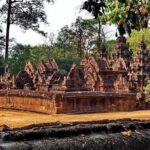
- Banteay Srei: the carving stop that changes how you see Angkor
- Neak Pean: an artificial island with a Buddhist temple
- Preah Khan: the contrast to the big Angkor icons
- Phnom Bakheng at sunset: the view, plus the weather reality
- Price and temple fees: the real budget check
- Who you’ll meet: guides like Sak, plus a safe driver
- Best for: your second Angkor day, or anyone who likes details
- Should you book this Banteay Srei Grand Circuit day?
- FAQ
- What time does the tour start?
- About how long is the day?
- Is the temple pass included in the $24 price?
- How much are temple entrance fees?
- Is hotel pickup and drop-off included?
- What is the maximum group size?
- What is the dress code?
- Is there a minimum age for the tour?
- Why do they ask for passport name and country at booking?
- Can I cancel and get a full refund?
Key things to know before you go
- Small group of up to 15 means you can ask questions without shouting.
- Pickup and drop-off at your hotel makes an early start much easier.
- You see five temple stops with time to actually look at carvings, not just pose.
- Climate-controlled transport helps you handle the heat between sites.
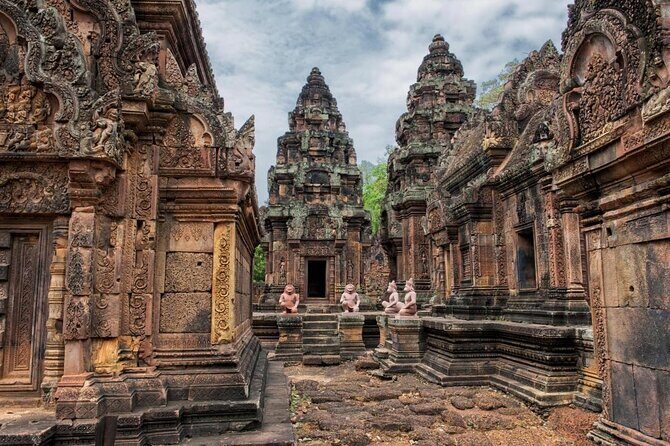
- Banteay Srei is the carving highlight with intricate reliefs on a smaller sandstone temple.
- Phnom Bakheng is for sunset views, but weather can change what you get.
A smart way to see Angkor’s quieter temples
If you’ve only done the classic Angkor Wat loop, this tour adds a second layer. The route mixes Hindu and Buddhist temple sites and includes both big-name Angkor-era places and smaller-scale ruins that still show off serious craftsmanship. The result is less about ticking boxes and more about noticing style: different eras, different religious symbols, and different building choices.
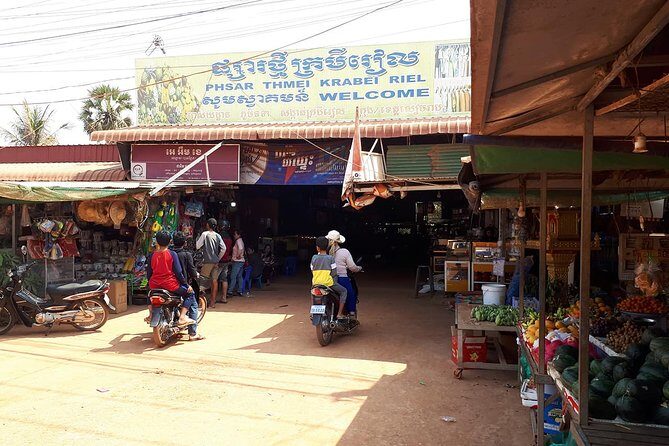
I like that the day doesn’t feel like one long bus ride to one photo spot. Between temples, you’re traveling through local areas on the way to Banteay Srei, and that shift from the main crowds changes the mood fast. You end up with a more varied day than the standard “big gates, big photos” plan.
Other Banteay Srei tours we've reviewed in Siem Reap
Meeting at 8:00 and riding in real comfort
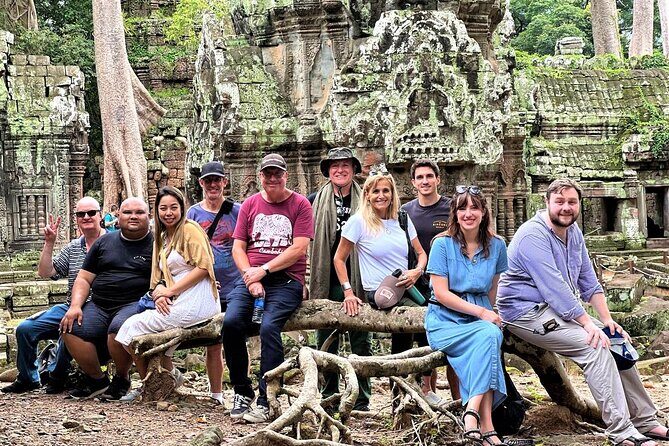
The tour starts at 8:00 am from your Siem Reap hotel area, with pickup and drop-off included. That matters because early starts are when the heat and crowds are lower, and the schedule gives you time to enjoy each stop instead of sprinting through.
You also move in an air-conditioned vehicle. Even if you’re okay with heat, Angkor days add up. Having a cool ride between Pre Rup, Banteay Srei, Neak Pean, Preah Khan, and Phnom Bakheng helps you stay focused on what you’re seeing rather than just surviving the day. Bottled water plus cool towels are included, so you can re-set your energy before the next walk.
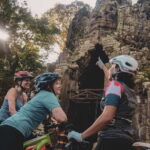
Bring comfortable walking shoes. You’ll be on stone paths and uneven ground, and temple steps are not the place for slippery footwear. Also note the dress code: knees and shoulders must be covered. If you forget, you may slow down the morning scramble.
Pre Rup: a Hindu state temple built for Rajendravarman
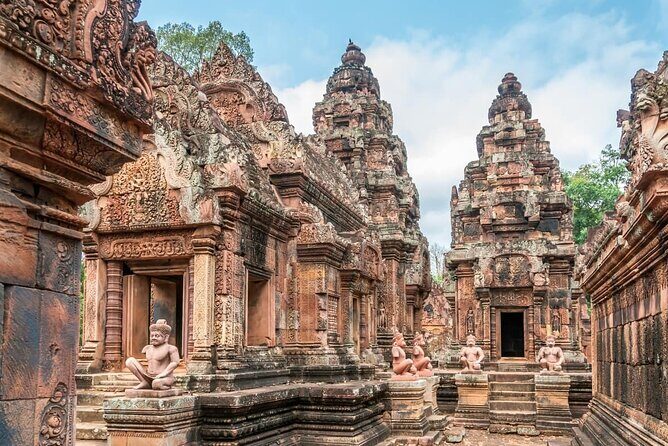
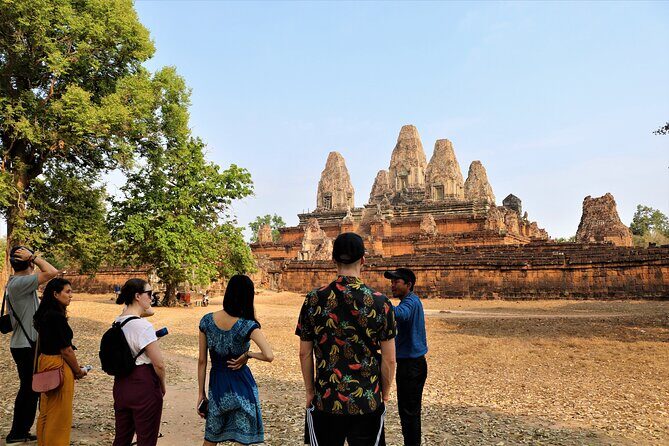
Pre Rup is your first stop, and it sets the tone with a strong Hindu temple feel. This site is associated with Khmer king Rajendravarm, and it’s a good choice to start the day because you get context early: how Khmer temple building reflected political power and religious ideas.
You’re there for about 1 hour 30 minutes, which is enough time to wander the grounds and notice layout details rather than just staring at one view. Pre Rup can also give you a sense of what makes the countryside circuit different from the main Angkor Thom area. It feels less like a single mega site and more like a series of distinct temple moments.
If you like history explained in plain language, this is a good place for it. A good guide can connect the design choices to the era, so the temple doesn’t stay “pretty ruins” in your head—it becomes a story you can track.
Banteay Srei: the carving stop that changes how you see Angkor
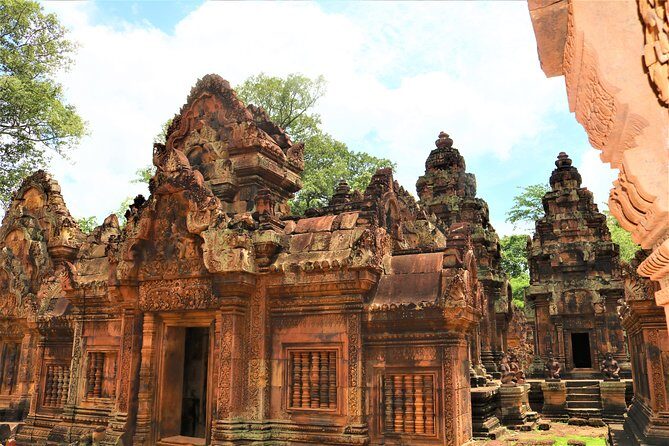
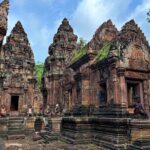
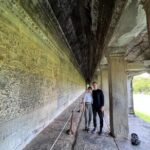
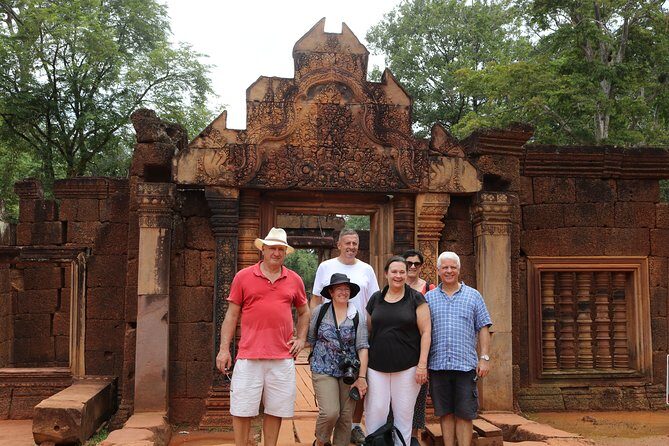
Then comes Banteay Srei, and this is the big reason many people do the Grand Circuit style day. It’s a smaller sandstone temple, but the reliefs are known for being especially intricate and well-preserved. In other words: you don’t just look at the whole building—you start looking at the details.
You’ll spend about 3 hours here, which is perfect. With that time, you can slow down and actually read the carvings with your eyes. The site’s style is lighter and more delicate than what many first-time visitors expect from Angkor. It can feel like someone built a mini museum out of stone.
One practical tip for this stop: plan on squinting a bit. The best carvings reward patience, and you’ll want moments where you can get close without rushing. If your guide is the type to point out where to stand for better angles, take those suggestions seriously—some spots make the reliefs look dramatically clearer.
Neak Pean: an artificial island with a Buddhist temple
Neak Pean is short and sweet, with about 40 minutes on the ground. It’s an artificial island and includes a Buddhist temple, so it acts like a palate cleanser between the bigger Hindu temple vibes of the morning.
This stop is valuable because it breaks the pattern. Instead of moving straight from one carved Hindu temple to the next, you get a different spiritual theme and a different setting. The island layout also changes your walking route and gives you a chance to reset your legs after longer stops like Banteay Srei.
Don’t expect this to be a replacement for the big named Angkor sites. It works best if you’re paying attention to how the layout supports the religious idea—water, enclosure, and the sense of a defined sacred space.
Other Grand Circuit tours we've reviewed in Siem Reap
Preah Khan: the contrast to the big Angkor icons
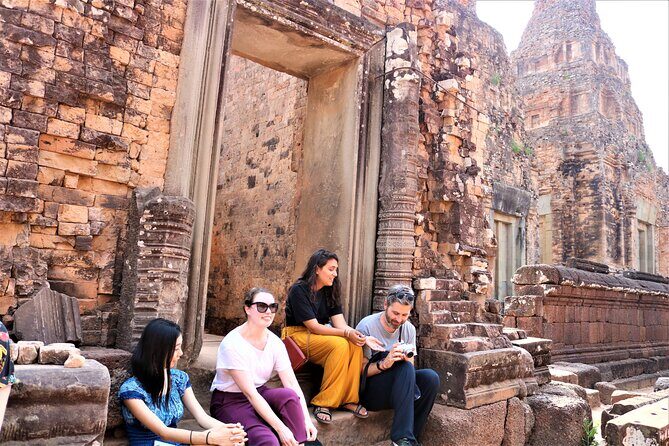
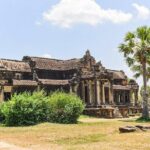
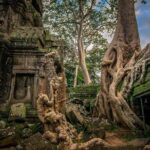
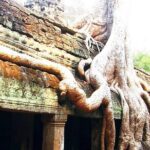
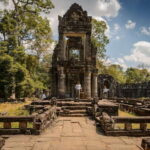
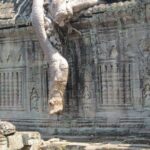
Preah Khan is next, with about 1 hour at the site. It’s commissioned by Jayavaraman VII, and it was built in honor of his father. This is one of those stops where the explanation helps a lot: even if the scale is smaller than the most famous Angkor temples, the place still feels intentional and powerful.
What I love about this stop is the contrast. If Angkor Wat style architecture is what your brain expects, Preah Khan pushes you to notice different choices. It’s not just “another ruin.” With the right guidance, you start comparing how different rulers and periods expressed ideas through architecture.
Also, the shorter time here keeps the day from dragging. After Preah Khan, you’re mentally ready for the final highlight: the view and the timing at Phnom Bakheng.
Phnom Bakheng at sunset: the view, plus the weather reality
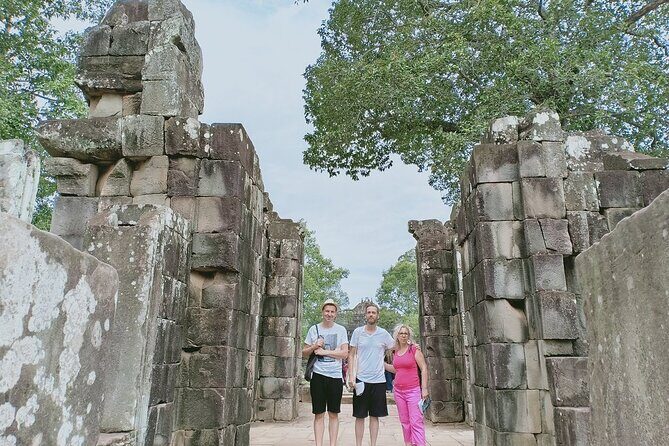
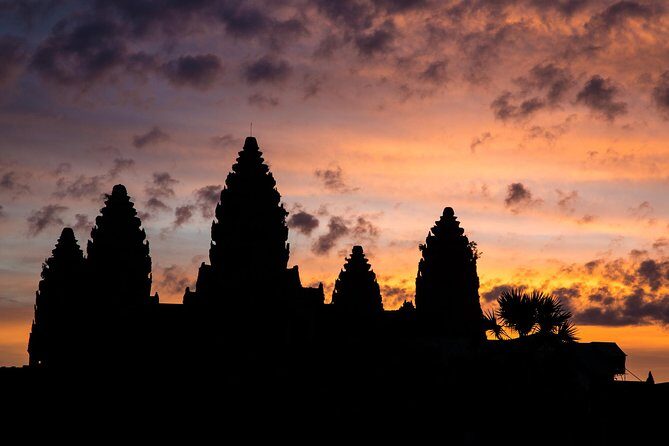
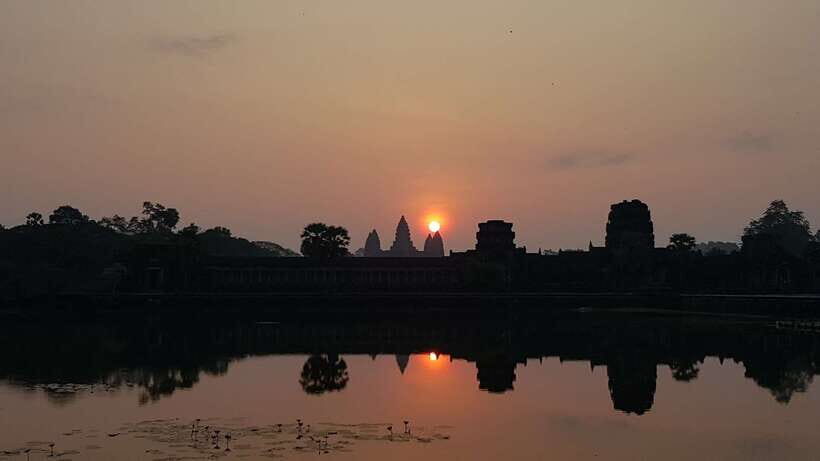
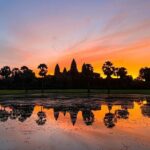
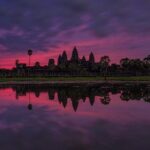
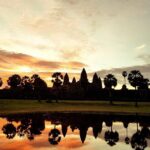
You end the day at Phnom Bakheng, aiming for that famous sunset viewpoint from temple ruins. The stop is around 1 hour, and this is where timing matters. You want to be in position without feeling frantic, and you want enough light to see details before the sky shifts.
Here’s the consideration: clouds can change what you get. Even if the place is perfect, weather decides how dramatic the sunset looks. That doesn’t ruin the site itself, but it does mean you should go with the right expectation. Treat it as a viewpoint experience first, and a sunset spectacle second.
If you’re sensitive to stairs and crowds, you’ll still want calm shoes and a steady pace. This is a popular area, and the last stretch of the day can feel busier than earlier stops.
Price and temple fees: the real budget check
The tour price is $24.00 per person, which sounds like a deal for a full day with hotel pickup, English-speaking guide support, and air-conditioned transport. But the key number is the temple pass, because it’s not included.
You should plan for a $37.00 per person temple entrance fee that you pay directly to the site. That puts your realistic total closer to $61 per person, before any meals, souvenirs, or tips.
Is it still good value? For me, it is, because the itinerary includes multiple stops with a guide who can explain what you’re seeing and a vehicle that keeps you comfortable between sites. If you already planned to buy an Angkor circuit day pass anyway, this tour feels like a smart way to spend that access on a mix of classic and less-visited temples.
Who you’ll meet: guides like Sak, plus a safe driver
This tour is built around small-group guiding, and the experience level shows in how guides describe temples. Guides such as Sak have been singled out for being engaging and for knowing good places for photos. Another guide name you might hear is Pi, also noted for keeping the group engaged with strong explanations.
The driving side matters too in a day like this. A safe, steady driver makes the ride feel shorter and more comfortable, especially when you’re heading into the countryside. Names like Mr. Black come up for that kind of calm, careful transportation.
One thing to keep in mind: service style can vary. In at least one case, a guide reportedly pressed for 5-star reviews during the tour and followed up later. If you’re not into that, it helps to mentally separate the temple experience from the feedback process. Focus on the sites and the guidance you need, and you’ll still get your money’s worth.
Best for: your second Angkor day, or anyone who likes details
This is ideal if you:
- Want Angkor temples beyond the most famous circuit
- Like carvings and architectural details, not just wide shots
- Prefer a small group capped at 15
- Appreciate comfort on long hot days (air-conditioning, water, cool towels)
- Are looking at a multi-day Angkor plan and want a complementary day
I’d skip it if:
- You want a purely iconic Angkor Wat-only style day
- You don’t want to deal with temple pass costs added at the gate
- You hate dress-code constraints and don’t want to manage shoulders-and-knees coverage
Should you book this Banteay Srei Grand Circuit day?
Yes—if you want a fuller Angkor story than the main highlight circuit gives you. The combination of Banteay Srei’s fine carvings, Hindu and Buddhist variety, and a small group you can actually talk with makes this a strong value use of your time in Siem Reap.
Book it with one clear expectation: you’ll pay extra for temple access, and the sunset at Phnom Bakheng depends on weather. If you’re fine with that, you’ll likely come away seeing Angkor in a more detailed, human way.
FAQ
What time does the tour start?
The tour starts at 8:00 am.
About how long is the day?
It runs about 8 hours (approximately).
Is the temple pass included in the $24 price?
No. Temple entrance fees are not included in the $24 price.
How much are temple entrance fees?
The temple pass is $37.00 per person, and you pay directly to the sites.
Is hotel pickup and drop-off included?
Yes. Pickup and drop-off at Siem Reap hotels is included.
What is the maximum group size?
The tour has a maximum of 15 travelers.
What is the dress code?
You need knees and shoulders covered.
Is there a minimum age for the tour?
The minimum age is 8 years old, and children must be accompanied by an adult.
Why do they ask for passport name and country at booking?
Passport name and country are required at the time of booking for all participants.
Can I cancel and get a full refund?
You can cancel for a full refund up to 24 hours before the experience start time. If canceled due to poor weather, you’ll be offered a different date or a full refund.