REVIEW · SIEM REAP
3-Day Angkor Wat with All Interesting Major Temples, Banteay Srei & Beng Mealea
Book on Viator →Operated by Happy Angkor Tour · Bookable on Viator
From sunrise to sunset, your camera never rests. This private circuit threads together iconic Angkor Wat classics, quieter temple stops, and a jungle-tangled finale at Beng Mealea. You’ll also get a licensed guide’s commentary as you move between sites, so you’re not just walking through stone.
Two things I really like: first, the hotel pickup and return each day keeps you focused on the temples, not Siem Reap traffic. Second, the pacing covers both the big hits and the less-crowded detours, including Ta Nei and the quieter Roluos group sites.
One thing to consider: sunrise and Phnom Bakheng timing can mean early mornings and a bit of waiting, plus temple entrance fees and lunch are extra.
In This Review
- Key Highlights at a Glance
- Why This 3-Day Angkor Route Feels Easier Than DIY
- Price and What You’re Actually Paying For
- Day 1: Angkor Wat Classics, Ta Prohm Roots, and a Phnom Bakheng Sunset
- Angkor Wat (morning focus)
- Ta Prohm (the tree-root temple moment)
- Ta Nei (smaller, calmer, and more forgiving)
- Angkor Thom core: Victory Gate, Bayon, and more
- Phnom Bakheng for sunset (and a timed reality check)
- Day 2: An Early Angkor Wat Sunrise Plus the Wider Circuit Temples
- Preah Khan (Buddhist temple with royal backstory)
- Neak Pean and Ta Som (small, specific, and photogenic)
- Eastern Mebon and Pre Rup (temple-mountain and Hindu funerary beliefs)
- Banteay Srei: the pink-sand “Ladies Temple”
- Banteay Samre and Banteay Kdei (Angkor styles in smaller doses)
- Day 3: Beng Mealea Jungle Chaos and the Roluos Group
- Beng Mealea (3.5 hours of jungle-taken stone)
- Lolei and Preah Ko (Roluos Group mini-hits)
- Bakong (first temple-mountain of the cluster)
- Lunch along the way
- Artisans Angkor (optional craft shopping stop)
- Psar Chaa (Old Market in the center of Siem Reap)
- Guides, Groups, and the Human Touch That Makes Ruins Feel Personal
- Who This Tour Fits Best (and Who Might Want Something Different)
- Should You Book This 3-Day Angkor Wat and Roluos Circuit?
- FAQ
- What’s included in the tour price?
- What’s not included for admission?
- Are meals included?
- Do you get hotel pickup and return each day?
- Does the itinerary include sunrise and sunset?
- Are any stops optional?
- Is the tour private or shared?
Key Highlights at a Glance
- Private guide + private car means less time figuring out roads and more time on temples
- Sunrise at Angkor Wat (day 2) and sunset from Phnom Bakheng (day 1) frame the whole trip with real wow moments
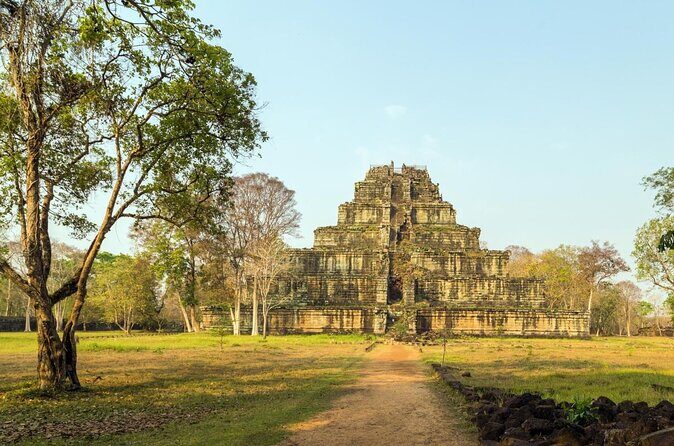
- A mix of restoration levels: famous, root-clad Ta Prohm plus smaller, calmer stops like Ta Nei
- Day 3 includes Beng Mealea (68 km away) and the Roluos temples for a change of scenery
- Craft stop and Old Market are optional if you’d rather spend time elsewhere
- Cold water and cool wet towel help during the hot in-between hours
Why This 3-Day Angkor Route Feels Easier Than DIY
Angkor is stunning, but it’s not built for casual wandering. Sites are spread out, crowds rise and fall fast, and the “right time to go” changes by temple. This tour tackles the hardest part for you: the logistics.
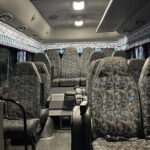
You’re picked up right from your hotel or guest house, then you return there at the end of each day. That matters more than people think. Instead of bargaining with maps, tuk-tuks, and uncertain timing, you’re working from a set plan with a driver and guide who handle the drive time. You also get cool water and a cool wet towel, which is a small thing until you’re sweating between stops.
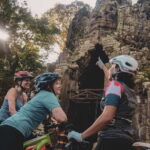
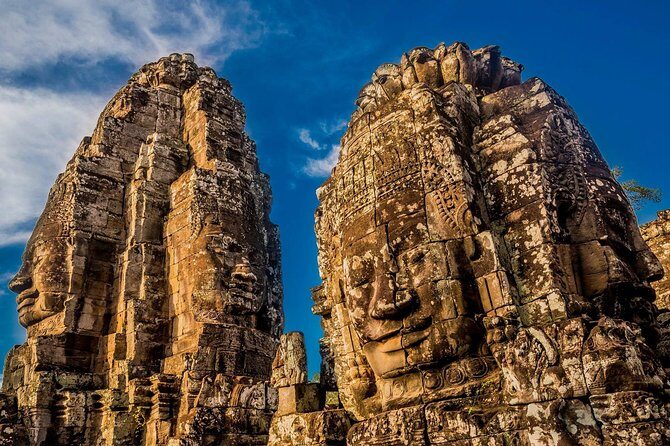
The other quiet win is the commentary. This is not just a driver dropping you off. Your guide explains what you’re looking at—like how Bayon’s 49 towers each show four faces—so you can “read” the temples rather than just admire them.
Other Angkor Wat temple tours we've reviewed in Siem Reap
Price and What You’re Actually Paying For
At $261 per person, this is positioned as a guided private experience across multiple major Angkor circuits over three days. What you’re paying for is transportation plus an English-speaking licensed guide, not only admission to the ruins.
Temple access is extra. The tour lists an admission fee of $62 per person for Angkor Wat plus all temples. Lunch is also not included; it’s listed as USD 5.00 per person depending on the menu. If you add the temple pass on top of the base price, you’ll want to budget around $323 per person before souvenirs and personal snacks.
If you were to DIY it, you’d still pay for a temple pass. The real value here is the time you save: fewer decision moments, fewer “where should we park” problems, and less energy spent on route planning.
Day 1: Angkor Wat Classics, Ta Prohm Roots, and a Phnom Bakheng Sunset
Day 1 starts at 8:00am. After pickup, you’ll buy your temples pass along the way to the sites. That’s helpful because the pass matters for everything you’ll do, and it keeps the first morning from turning into an admin task.
Angkor Wat (morning focus)
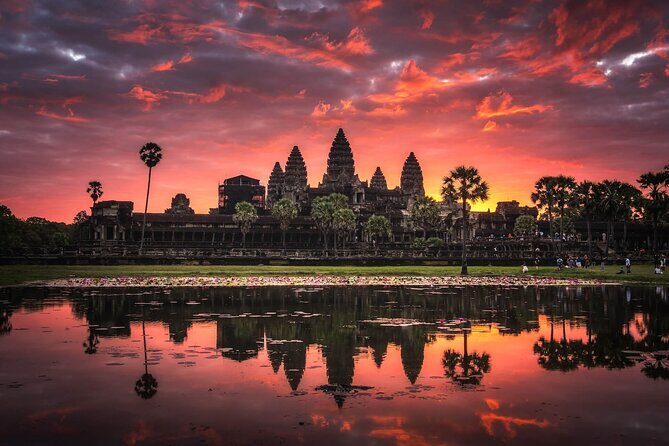
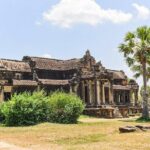
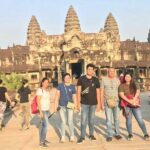
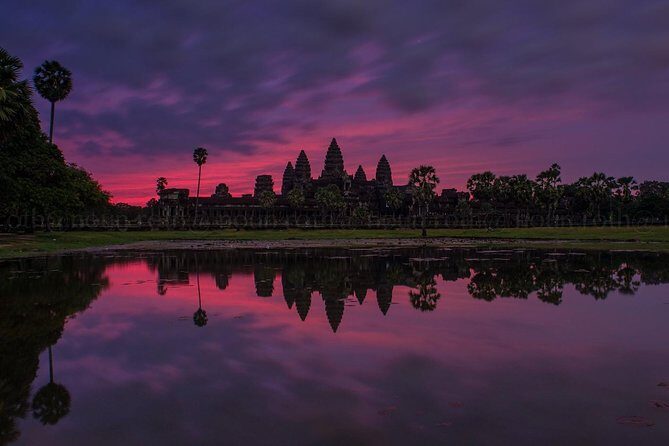
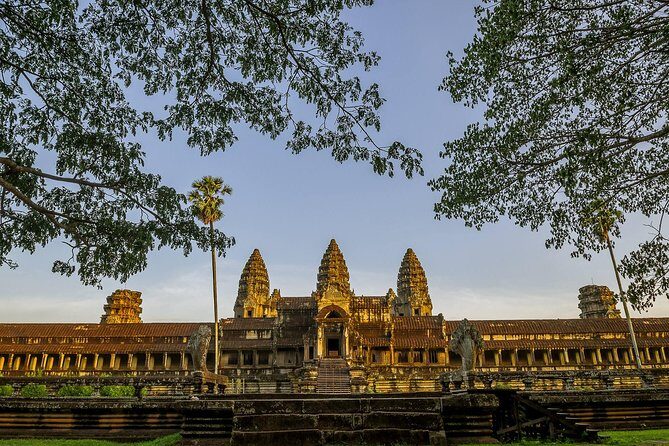
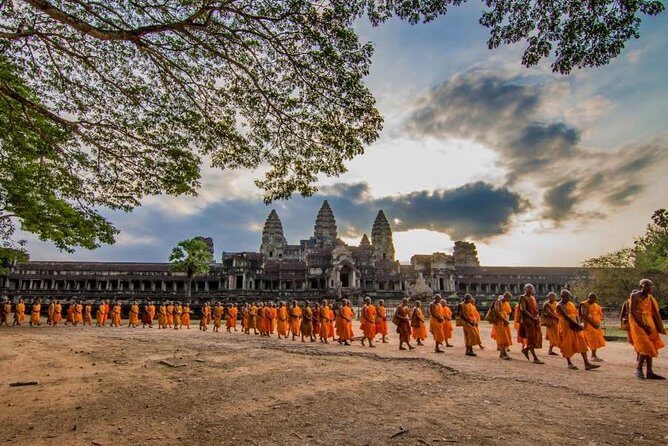
Angkor Wat is the anchor temple, and this schedule gives it proper time. Expect about 2.5 hours here, and plan to arrive ready to look closely, not just take a few quick photos. The tour’s later stops keep you building context—so you start with the most famous reference point.
Ta Prohm (the tree-root temple moment)
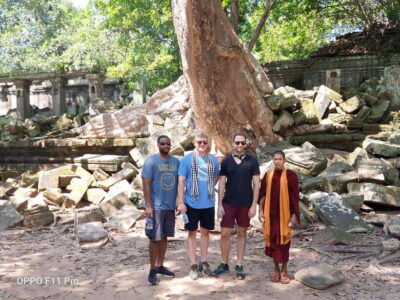
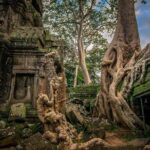
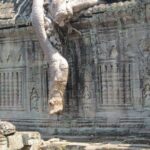
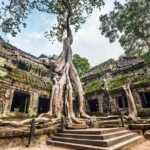
Next is Ta Prohm for about 2 hours. The big reason people remember Ta Prohm is right in the description: gigantic tree roots that wrap into the stone. It’s one of the most striking contrasts in Angkor—monument and nature acting like they share the space.
A practical note: root temples can be busy. If you like photos, keep an eye on foot traffic so you don’t get stuck waiting for a clear view.
Other Banteay Srei tours we've reviewed in Siem Reap
Ta Nei (smaller, calmer, and more forgiving)
Ta Nei is listed as 45 minutes and is described as smaller with less restoration, surrounded by large trees. This is a good break from the “big show” energy. If the first stops felt crowded, Ta Nei is the kind of stop that helps reset your attention.
Angkor Thom core: Victory Gate, Bayon, and more
You then move into the Angkor Thom area.
- The Victory Gate is a quick 10 minutes stop. It’s on the east side, and the tour includes a short photo pause before continuing.
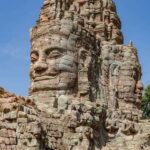
- Bayon Temple gets about 45 minutes. The most useful detail you’ll hear here is the structure: 49 towers, and each tower has four faces—a total of 196 faces of Avalokiteshvara. That’s the kind of fact that makes your visit feel like more than sightseeing.
- Baphuon is about 30 minutes. The description notes it’s a Hindu temple built in the 11th century, with a reclining Buddha behind it built in the 16th century.
- Phimeanakas is about 15 minutes, a pyramid Hindu temple built in the 10th century in the center of the old Royal Palace area of Angkor Thom.
- The Terrace of the Elephants (10 minutes) is tied to kings viewing returning victorious armies, with elephant carvings on the platform walls.
- The Terrace of the Leper King (10 minutes) is another nearby platform, listed on the north side of the Terrace of the Elephants.
These are relatively short segments, but they’re grouped well. You move through them like chapters, not random pages. If you’re the type who likes to connect details, this flow helps.
Phnom Bakheng for sunset (and a timed reality check)
The last stop is Phnom Bakheng for sunset views, with about 2 hours allocated. The description also flags a key constraint: limited number of tourists allowed. That’s why the timing matters. If you dislike waiting, the tour notes you can skip the sunset and still enjoy the climb and views at a less intense time.
Day 2: An Early Angkor Wat Sunrise Plus the Wider Circuit Temples
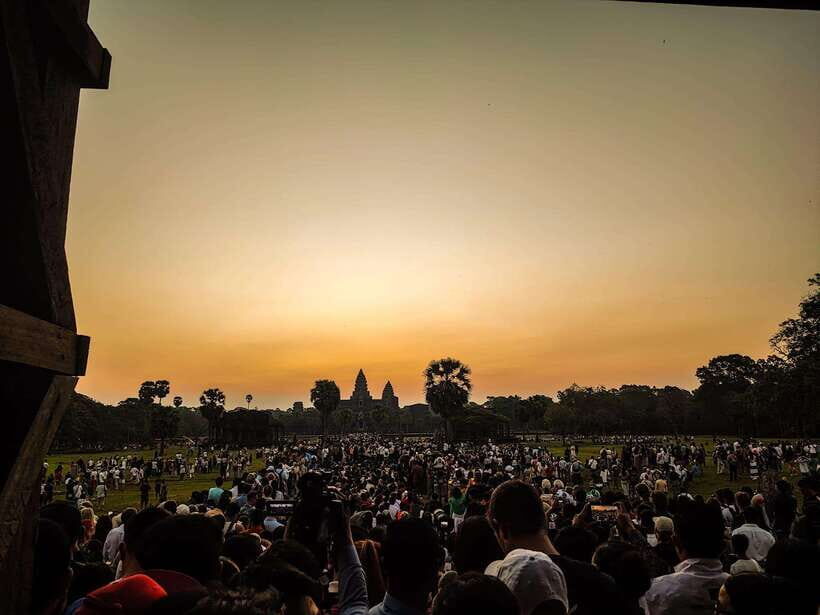
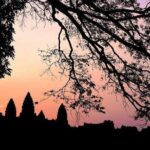
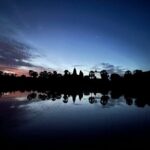
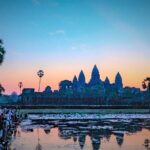
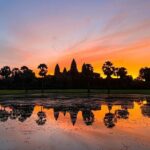
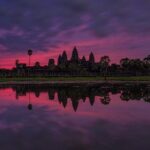
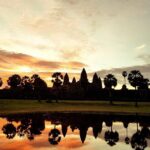
Day 2 begins even earlier. Pickup is 5:00am for sunrise at Angkor Wat. Expect about 1 hour 45 minutes. Sunrise visits are not just about the light. They also tend to change the crowd rhythm, so your guide’s timing and route control can really show here.
Preah Khan (Buddhist temple with royal backstory)
After sunrise and breakfast, you visit Preah Khan for about 1 hour. The tour description ties it to King Jayavarman VII, built as a Buddhist temple dedicated to his father. That story adds weight to what you see, especially if you’re noticing patterns in the layout.
Neak Pean and Ta Som (small, specific, and photogenic)
Then it’s Neak Pean for about 30 minutes. It’s described as a small island temple in the middle of the last Barray, constructed by a Khmer king. Ta Som follows for about 30 minutes as a small Buddhist temple on the east side of Neak Pean.
These stops can feel smaller after Angkor Wat, but that’s the point. They’re quiet anchors that let your eyes rest between bigger complexes.
Eastern Mebon and Pre Rup (temple-mountain and Hindu funerary beliefs)
Eastern Mebon is about 20 minutes. The description calls it a large temple-mountain-like ruin rising three levels, crowned by five towers, with elephant statues at corners.
Then you head to Pre Rup for about 1 hour. It’s described as constructed in the late 10th century, dedicated to Hindu gods. Your guide can help you make sense of the shapes and what the site was meant to represent.
Banteay Srei: the pink-sand “Ladies Temple”
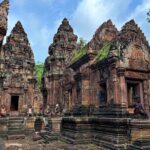
After lunch, it’s Banteay Srei for about 1 hour. The tour specifically points out its pink sandstone and that it was built in the half of the 10th century by Hindu King Rajendravarman II, dedicated to trinity gods.
If you like details, this is a temple where those “small carving moments” matter. Expect the guide to highlight why it’s considered special, and plan to take your time even if you feel tempted to rush to the next site.
Banteay Samre and Banteay Kdei (Angkor styles in smaller doses)
You’ll also visit:
- Banteay Samre (about 45 minutes): Hindu temple from the 12th century, and the architecture is described as similar in model to Angkor Wat.
- Banteay Kdei (about 45 minutes): Buddhist temple from the 12th century, with structures described as similar style to Ta Prohm and Bayon.
By the end of Day 2, you’ll have covered a wide sweep of styles—big-city Buddhist and Hindu temple-mountain thinking, plus smaller sites that help the circuit feel less repetitive.
Day 3: Beng Mealea Jungle Chaos and the Roluos Group
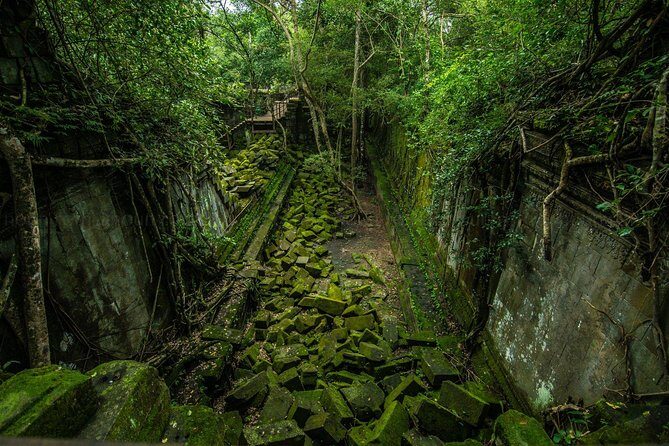
Day 3 is where the trip changes tone. Instead of only polished major complexes, you get the “nature fighting back” feeling.
Beng Mealea (3.5 hours of jungle-taken stone)
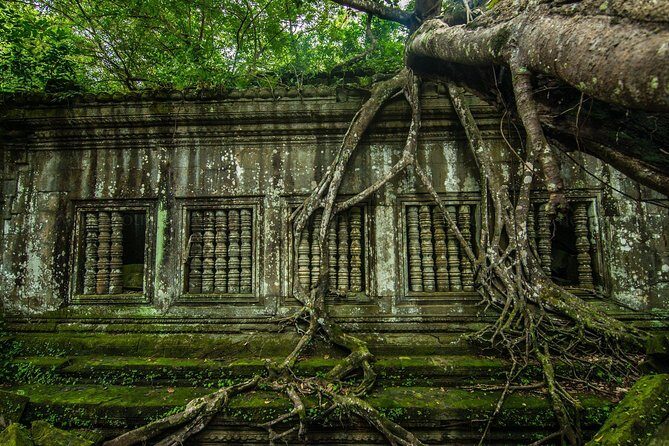
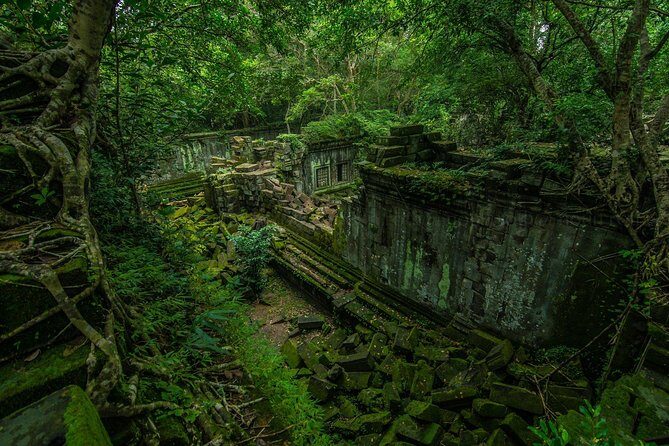
Beng Mealea is about 3 hours 30 minutes and located about 68 km northeast of Siem Reap. The description calls it one of the most mysterious temples at Angkor, with nature running riot. That’s exactly what you should expect: less perfectly staged, more wild and broken, and very different from Angkor Wat’s controlled grandeur.
Because it’s 68 km away, this is one of the stops where your energy management matters most. Wear shoes you trust on uneven ground, and keep water handy—your tour includes cold water and a cool wet towel earlier, but Beng Mealea is where you feel long-distance sightseeing.
Lolei and Preah Ko (Roluos Group mini-hits)
Then you visit the Roluos cluster:
- Lolei (20 minutes): small Hindu temple built in the 9th century.
- Preah Ko (20 minutes): the first temple built in Hariharalaya, now a defunct city, in the same Roluos cluster.
These can be brief but meaningful if you enjoy seeing how Khmer temple building evolved across regions.
Bakong (first temple-mountain of the cluster)
Next is Bakong. It’s described as the first temple mountain of sandstone constructed by rulers of the Khmer empire and the biggest temple in the Roluos group. Budget time here as the central “anchor” for this cluster so the earlier stops don’t feel random.
Lunch along the way
The schedule includes a break for lunch at a good restaurant along the way. Lunch is not included in the price, so keep some cash or card for that.
Artisans Angkor (optional craft shopping stop)
You’ll then stop at Artisans Angkor for about 30 minutes. It’s described as a place famous for traditional craft skills—stone carving, wood carving, lacquering, gilding, and silk processing. The tour also explicitly says you can skip this if you don’t want to see it.
Psar Chaa (Old Market in the center of Siem Reap)
Finally, there’s Psar Chaa – Old Market for about 30 minutes, described as a local market in the center of Siem Reap. Again, you can skip it if you’d rather end earlier or spend time on your own.
Guides, Groups, and the Human Touch That Makes Ruins Feel Personal
This tour is private, meaning it’s only your group. That’s a big deal at Angkor, where you don’t want to be trapped in a slow-moving herd while you’re trying to hear key details.
The guides listed in prior trips include people like Mony, Vanna, Mr. Khmer, Mr. Thou, and Mr Chen, each described as friendly and strong on temple context. Even if you don’t get the same name, you’re choosing a tour where the storytelling is part of the package, not an afterthought.
This is also one of the reasons the itinerary works. When the guide can point out why a face matters, why a terrace exists, or why the timing of sunrise can change your experience, you start seeing patterns instead of just stacking monuments.
Who This Tour Fits Best (and Who Might Want Something Different)
This tour is a strong match if you want:
- A structured, multi-day Angkor circuit without rental car stress
- Key temple coverage plus quieter stops that break up crowd intensity
- A guide who explains what you’re seeing and why
- A private format with hotel pickup and return
You might consider a different approach if you:
- Hate early mornings (Day 2 is pickup at 5:00am)
- Prefer fully independent wandering where you decide each turn
- Want zero extra costs beyond the listed price (temple pass and lunch are separate)
Should You Book This 3-Day Angkor Wat and Roluos Circuit?
I’d book it if you’re the kind of person who wants Angkor to feel organized and meaningful. The value is in the combo: private transport, licensed English-speaking guide, sunrise + sunset, and a Day 3 plan that goes beyond the most famous names to include Beng Mealea and the Roluos group.
If your priority is only “fast highlights,” you might feel the early starts and full days are more than you need. But if your goal is to see major temples with context and save your brain from navigation, this is a clean, practical way to do it.
FAQ
What’s included in the tour price?
The price includes an air-conditioned vehicle, an English-speaking licensed guide, pickup and drop-off at your hotel, cool water and cool wet towel, and parking fees and road tolls. It’s also described as a private tour with only your group participating.
What’s not included for admission?
Admission fees are listed as $62 per person for Angkor Wat plus all temples. Temple entrance is not included in the base price.
Are meals included?
Meals are not included. Lunch is listed as USD 5.00 per person, depending on the menu.
Do you get hotel pickup and return each day?
Yes. Pickup starts from your hotel or guest house lobby each morning, and the tour finishes by dropping you back at your hotel each evening.
Does the itinerary include sunrise and sunset?
Yes. Day 1 ends with sunset views from Phnom Bakheng. Day 2 includes a sunrise visit at Angkor Wat with pickup at 5:00am.
Are any stops optional?
Yes. The Artisans Angkor stop and the Psar Chaa Old Market stop can be skipped if you don’t want to see them.
Is the tour private or shared?
It’s a private tour/activity, so only your group participates.