REVIEW · SIEM REAP
2-Day Angkor Wat With Small, Big Circuit and Banteay Srei Tour
Book on Viator →Operated by Happy Angkor Tour · Bookable on Viator
Angkor hits hardest when you pace it right. This 2-day private plan links the small and big circuits with early access timing and a finish at Banteay Srei.
I love how your licensed guide keeps the story going temple to temple, not in rushed stop-and-sprint mode. I also like the practical comfort touches—air-con transport plus cold water and wet towels after walking. The one thing to consider: it’s a lot of walking and some stair climbing, so plan for big legs, not small ones.
In This Review
- Key points I think matter for your trip
- Why this 2-day Angkor plan feels more human than the usual sprint
- Price and value: what you pay, what you still need to budget
- Your Day 1 route: Small Circuit plus Angkor Thom highlights at a steady pace
- Angkor Wat (morning first stop)
- Ta Prohm: tree roots, stone, and cinematic drama
- Ta Nei: smaller, quieter, and good for a breather
- Angkor Thom east side: Victory Gate then Bayon
- Baphuon, Phimeanakas, and the Royal Enclosure wall areas
- Terrace of the Elephants and Terrace of the Leper King
- Phnom Bakheng: sunset option with limited capacity
- Your Day 2 route: Sunrise Angkor Wat then the Big Circuit, ending at Banteay Srei
- Sunrise Angkor Wat: calmer light, better energy
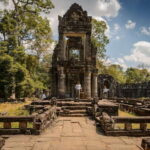
- Preah Khan: a huge monastic temple feel
- Neak Pean: temple on a small island
- Ta Som and Eastern Mebon: classic ruins with different vibes
- Pre Rup: “turn the body” and funerary temple logic
- Banteay Srei: pink sandstone and a calmer finish
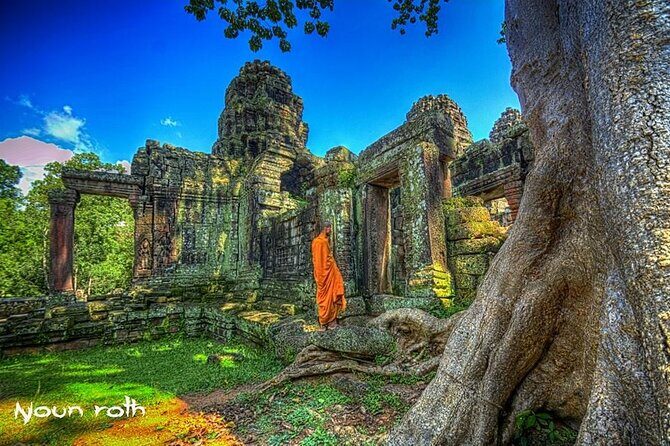
- Banteay Samre and Banteay Kdei: finishing with more variety
- What you’ll be doing with your time at each temple (and what to watch for)
- Guide and driver quality: what to expect and why it affects your photos
- Who this tour fits best (and who might want a different style)
- Should you book this 2-day Angkor Wat + Banteay Srei tour?
- FAQ
- What’s included in the tour price?
- Are temple admission fees included?
- What time do you do sunrise at Angkor Wat?
- What time does Day 1 start?
- Is Banteay Srei included?
- Do you visit Phnom Bakheng for sunset?
Key points I think matter for your trip
- Two circuits, spread across two days, so you’re not trying to “see everything” in one exhausting rush
- Private pickup and drop-off from your hotel in an air-conditioned vehicle, with cool water and towels ready
- Sunrise at Angkor Wat on Day 2 (start around 5:00am) for that calmer, softer light
- Story-first guiding at major sites like Ta Prohm, Bayon, and Pre Rup, with time to actually look
- Pink-sandstone Banteay Srei at the end, a temple that feels more delicate than the big Angkor icons
- Phnom Bakheng sunset is optional because of limited viewing capacity, so you can still get the timing without losing the whole day
Why this 2-day Angkor plan feels more human than the usual sprint
Most Angkor days are built like bowling games: lots of pins, no time to admire the ball. This tour tries a different approach. You do the small circuit on Day 1 (Ta Prohm, Ta Nei, Angkor Thom highlights), then you shift to the big circuit on Day 2 after an early sunrise at Angkor Wat. That pacing matters because Angkor rewards attention. You’re looking at stonework, layout, religious symbolism, and weathering that you’ll miss if you’re only trying to check boxes.
What also makes a difference is the “private” part in the real-world sense. You’re not trapped in a crowd stampede. Your licensed English-speaking guide can adjust how long you stay at each stop, and you can ask questions while the temples are still in front of you.
Also, the comfort setup is worth noting. You’re in an air-conditioned vehicle with a driver, and you get cool water and a cool wet towel during the tour. In Siem Reap heat and humidity, those small resets can be the difference between enjoying the next temple or feeling done.
Other Angkor Wat temple tours we've reviewed in Siem Reap
Price and value: what you pay, what you still need to budget
The tour price is $158.50 per person for a 2-day private experience. Admission is not included. You’ll pay for the Angkor + All Temples pass separately at $62.00 per person. Meals aren’t included either—lunch runs about $5.00 per person, depending on what’s on the menu.
So your realistic baseline budget is around $220+ per person before extra snacks or drinks. For what you’re getting—two full temple days, hotel transfers, a licensed guide, air-con transport, and repeated cooling breaks—that’s not an expensive way to see Angkor thoughtfully. The pass cost also works out well if you’re doing multiple sites across both circuits, because you’re using it for far more than just the “main poster” temples.
Your Day 1 route: Small Circuit plus Angkor Thom highlights at a steady pace
Day 1 begins with pickup at 8:00am. You’ll stop along the way to get your temples pass, so the morning starts efficiently. Then the route moves into the classic Small Circuit flow—where you’ll see a mix of signature Angkor icons and quieter ruins.
Angkor Wat (morning first stop)
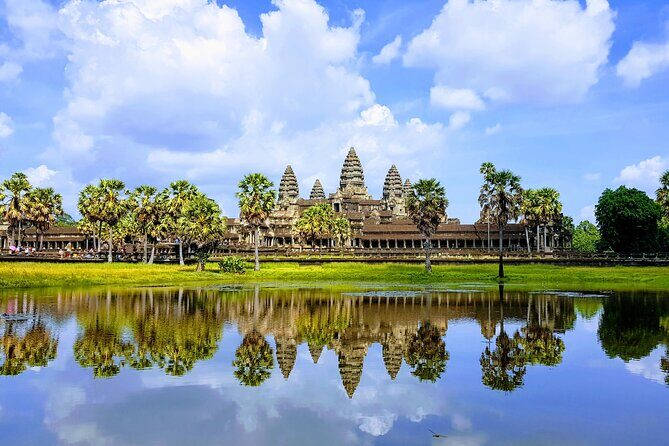
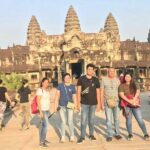
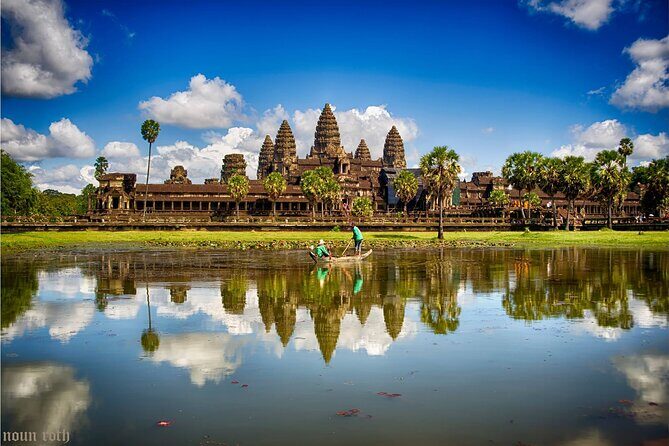
You start at Angkor Wat early enough to walk in before the heat ramps up. The key here isn’t just seeing the main causeway. It’s the chance to absorb how the temple’s layout is designed for movement—gate to courtyard to layers—so it feels less like a photo location and more like a planned space with rules.
A practical note: plan for sun exposure. The morning is cooler, but this is still open-air walking.
Ta Prohm: tree roots, stone, and cinematic drama
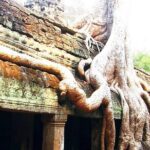
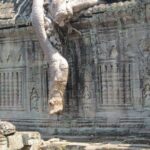
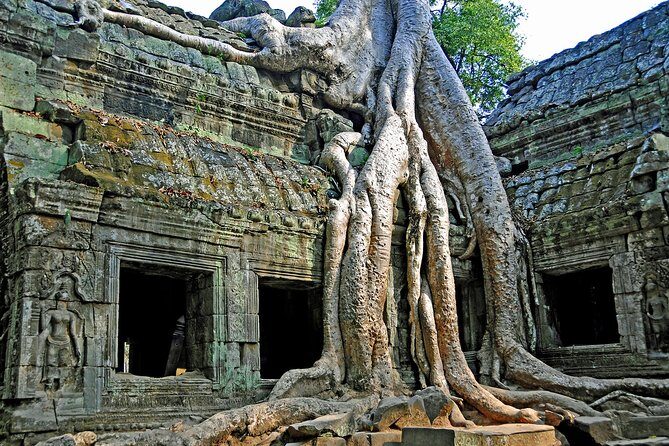
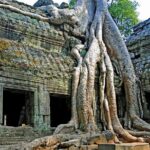
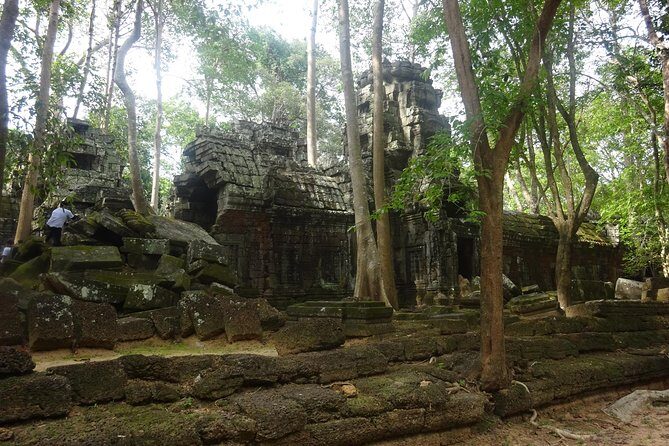
Ta Prohm is the temple most people recognize instantly, thanks to those massive tree roots blending into the masonry. It’s also one of those places where a guide helps a lot, because you can’t fully understand what you’re seeing from a quick glance. You’ll learn what the roots are doing over time and why this temple’s look feels dramatic even today.
Time-wise, you’ll have about a couple hours here, which is enough to wander slowly and still avoid that tired “we’re behind schedule” feeling.
Other Banteay Srei tours we've reviewed in Siem Reap
Ta Nei: smaller, quieter, and good for a breather
Ta Nei is smaller and less restored, which is exactly why it’s a win. You get a more weathered, less polished view of Khmer carving and construction than some of the heavier-restoration sites. It’s surrounded by large trees, so it often feels cooler and calmer than the big-name stops.
If you want a break from crowds and constant spectacle, this is where you’ll feel it.
Angkor Thom east side: Victory Gate then Bayon
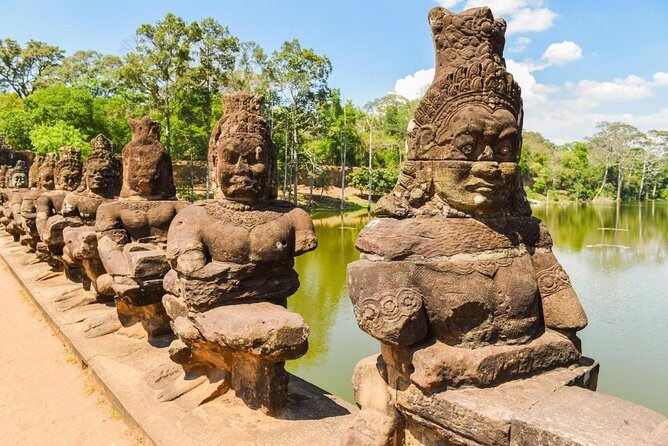
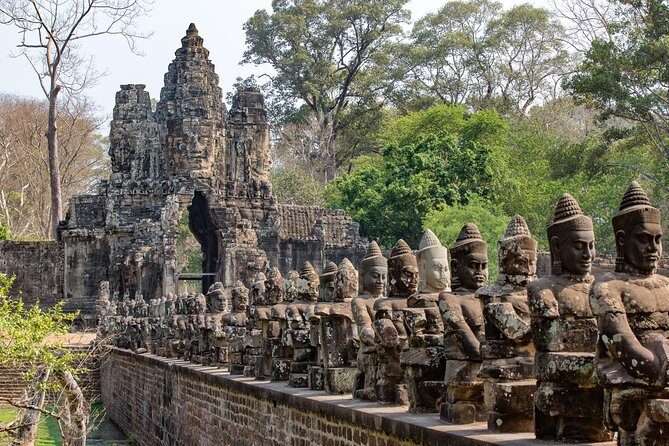
You’ll make a quick stop at the Victory Gate on the east side of Angkor Thom for photos and a look at the entry. Then you continue toward Bayon, the temple in the center of Angkor Thom.
Bayon’s claim to fame is its 49 towers with four faces each—so you’re looking at 196 stone faces of Avalokiteshvara. That’s the kind of detail I love because it stops Bayon from being just “cool architecture.” It becomes a system you can track as you walk through the courtyards.
Baphuon, Phimeanakas, and the Royal Enclosure wall areas
Next come several Angkor Thom structures in a loop:
- Baphuon: noted for an earlier Hindu temple foundation and a later reclining Buddha behind it
- Phimeanakas: a pyramid-style Hindu temple tied to the old royal palace area
- You also get time around the Royal Enclosure Wall context
Even when the stops are shorter, the guide’s job is to connect what you’re seeing to the story of how the royal area functioned. It helps you read the site instead of just photographing it.
Terrace of the Elephants and Terrace of the Leper King
These two terraces are often underestimated because people chase the biggest temples first. But the carving work on terraces rewards a patient look. The Terrace of the Elephants was used by kings to view troops returning in victory, and you’ll see elephant carvings built into the scene language.
The Terrace of the Leper King is another platform nearby, and it adds contrast—same walkable area, different mood and carving themes.
Phnom Bakheng: sunset option with limited capacity
Day 1 ends with Phnom Bakheng, where you can climb for a sunset view. Here’s the practical part: there’s a limited number of tourists allowed, so the timing and access can be a bit controlled. The good news is the tour explicitly offers the option to skip the sunset waiting if you’d rather avoid sitting around.
If you have knees that complain, think about how you’ll handle uneven stairs and packed viewing space.
Your Day 2 route: Sunrise Angkor Wat then the Big Circuit, ending at Banteay Srei
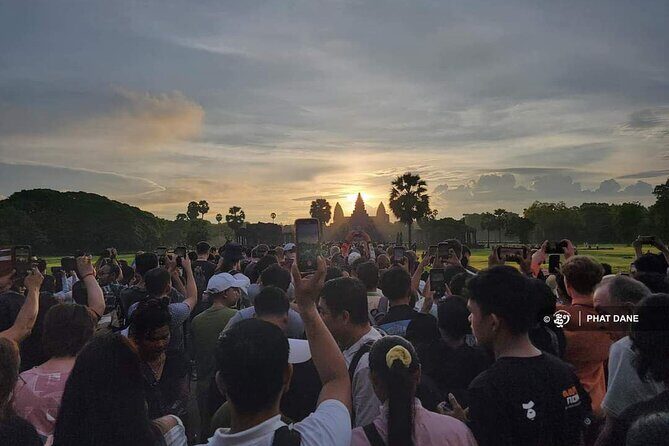
Day 2 starts seriously early. Pickup is around 5:00am for sunrise at Angkor Wat. That early start is the best “value add” of the tour because sunrise is usually either a big hassle or a missed opportunity on tight schedules.
Sunrise Angkor Wat: calmer light, better energy
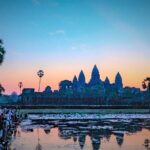
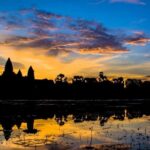
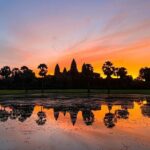
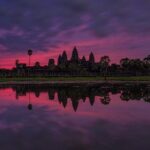
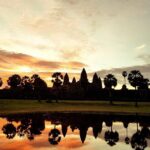
Sunrise at Angkor Wat changes the temple experience. Even if you already saw it on Day 1, the light is different and the crowds behave differently. You’ll get time to watch the sky shift, then return to continue the tour.
This is also a good day to notice details. When it’s cooler and less packed, it’s easier to look up at carvings, not just sideways at your camera.
Preah Khan: a huge monastic temple feel
After breakfast, you’ll head to Preah Khan, built by King Jayavarman VII and dedicated to his father. It’s described as a large, highly exportable monastic complex, and that’s what you’ll feel when you walk through—this isn’t one single “wow moment,” it’s a whole world.
Neak Pean: temple on a small island
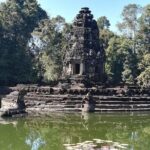
Then comes Neak Pean, a small island temple in the middle of the last baray (water basin). It’s short on time, but it’s a nice palette cleanser after larger compounds. The contrast of stone and water makes it an easy place to slow down and breathe.
Ta Som and Eastern Mebon: classic ruins with different vibes
You’ll stop at Ta Som, a smaller temple that still has that classic Angkor “collapsed patience” feel—enough structure to read the layout, enough wear to feel real.
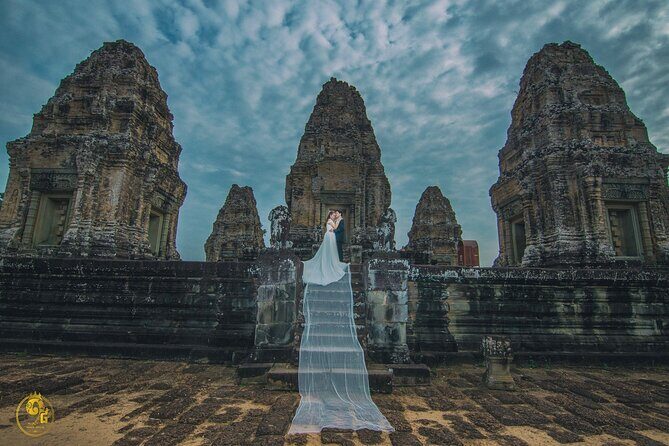
Then Eastern Mebon, a large temple-mountain ruin with three levels and five towers. It’s timed for the morning in this tour flow, so you get views and scale before the sun gets high.
Pre Rup: “turn the body” and funerary temple logic
Pre Rup comes next. The name points to turning—linked in Cambodian belief to funerals and the ritual positioning of the body. This is one of those stops where the guide’s explanations make a big difference, because you’re not just looking at a mound—you’re looking at a temple tied to how people understood death and the sacred.
Banteay Srei: pink sandstone and a calmer finish
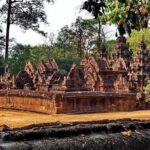
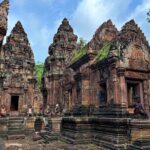
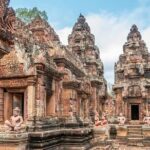
After lunch, the tour makes the big finale: Banteay Srei, also called the Ladies Temple, built from pink sandstone in the half of the 10th century by Hindu King Rajendravarman II. It’s dedicated to the trinity gods in Hindu tradition.
What makes Banteay Srei special for many people is that it feels more intricate than the grand central giants. The color helps too. Pink stone in daylight looks almost too clean, but the carvings are why you’ll end up slowing down again.
Banteay Samre and Banteay Kdei: finishing with more variety
To wrap up, you visit:
- Banteay Samre: a 12th-century Hindu temple with architecture thought to resemble Angkor Wat’s model
- Banteay Kdei: a 12th-century Buddhist temple with a style similar to Ta Prohm and Bayon
These ending stops are good because they show Angkor isn’t one single style or one single religion stage forever. It shifts over centuries.
What you’ll be doing with your time at each temple (and what to watch for)
This tour is built around a simple rhythm: walk, look, listen, cool down, repeat. That’s why the guide matters. If you’re into symbols, architecture, and how Khmer religion changed through time, you’ll feel a real payoff because the guide is explaining what you’re staring at.
Here’s what to watch for at each stop:
- At Bayon and Angkor Thom: focus on towers, faces, and how you move through space
- At Ta Prohm: look at the junctions between root growth and stone, not just the roots themselves
- At terraces: take time with carving storytelling—these aren’t random decorations
- At Phnom Bakheng: decide early if you want the climb and potential wait, because the sunset crowd flow can be tight
- At Banteay Srei: slow down and look for fine detail; the pink stone makes it easier to notice carving edges
And yes, wear shoes for uneven ground. Several people who did this kind of Angkor route mention lots of walking and stairs. You don’t need hiking boots, but you do need gym-shoe comfort and traction.
Guide and driver quality: what to expect and why it affects your photos
The tour includes an English-speaking licensed guide and a driver in an air-conditioned vehicle. In the way Angkor tours are judged, this team quality shows up fast.
Guides frequently praised on tours like this include names such as Jimmy, Chay, Vanna, Chandra, Thean, Choub, and Mao. The recurring theme is clarity—how they explain the meaning behind carvings, and how they point you toward photo angles and calmer viewing spots. The driver part matters too: you’ll want someone who keeps you on time, and who’s ready with cold water and wet towels when you get back from the heat.
If you bring a camera or phone, tell your guide what you like shooting—faces, doorways, stair lines, symmetry. A good guide turns “take more photos” into a smarter plan for where you stand and when you look up.
Who this tour fits best (and who might want a different style)
This tour is ideal if you want:
- Two full days rather than a single heavy day
- a private experience with time to ask questions
- a strong focus on temple meaning and layout, not only famous views
- a comfort setup that helps you keep going in heat
It may be less ideal if you need minimal walking or very limited stairs. Even with a flexible guide, the Angkor sites involve uneven ground and climbing at several points, including options like Phnom Bakheng.
If you’re traveling with kids who can’t handle long temple walks, you’ll need to judge your group’s stamina carefully.
Should you book this 2-day Angkor Wat + Banteay Srei tour?
Book it if you want Angkor to feel like a real itinerary, not a race. The big win is the structure: Small Circuit first, then sunrise Angkor Wat and Big Circuit, and finally the pink-stone payoff at Banteay Srei. Add in private transfers, cool water and wet towels, and a guide who explains what you’re looking at, and you’re set up for a smoother, more meaningful visit.
Skip it or rethink it if you’re only interested in a quick highlights tour, or if your group struggles with lots of walking and stairs. In that case, you’ll likely want a shorter, more concentrated plan.
If you’re the kind of traveler who likes to understand what the stones mean—rather than only what they look like—this is a strong match.
FAQ
What’s included in the tour price?
The tour includes an English-speaking licensed guide, pickup and drop-off at your hotel, an air-conditioned vehicle with a driver, and cool water plus cool wet towels.
Are temple admission fees included?
No. Admission fees are not included. You’ll need the Angkor + All Temples pass, listed at $62.00 per person.
What time do you do sunrise at Angkor Wat?
You’re picked up at about 5:00am for sunrise at Angkor Wat on Day 2.
What time does Day 1 start?
Day 1 pickup is at 8:00am from your accommodation.
Is Banteay Srei included?
Yes. Banteay Srei is included on Day 2 after lunch.
Do you visit Phnom Bakheng for sunset?
You can visit Phnom Bakheng for a sunset view, but the tour notes limited tourist access and also offers the option to skip the sunset waiting.