REVIEW · SIEM REAP
From Siem Reap: Banteay Srei and Kulen Waterfall Guided Tour
Book on GetYourGuide →Operated by Angkor Day Trip · Bookable on GetYourGuide
Kulen Mountain turns a regular day trip into something bigger fast, and this route covers both wild nature and Khmer sacred art. I love the mix of Phnom Kulen highlights (the reclining Nirvana Buddha and the River of 1000 Lingas) with Banteay Srei’s delicate pink-stone carvings. The drawback to plan for: you’re on your feet in hot weather, with some stairs and uneven ground, so limited mobility or joint issues can make this a tough day.
From the road, the payoff starts early: panoramic ridgeline viewpoints, then carvings that feel almost unreal up close, and finally a waterfall break that depends heavily on rainfall. I also like the human touches built into the day—palm cake tasting, seasonal fruit, and a quick stop in Preah Dak for village life and noodles. Still, the big extra costs to remember are the Kulen National Park entrance fee and the Angkor Pass for Banteay Srei.
If you want a day that feels organized without feeling rushed, this works well—especially in a small group. Just go in expecting a full, sun-heavy outing, and you’ll get a lot for your money.
Key moments to look forward to
- Peng Chrunh (Amazing Cliff) viewpoint: a ridge stop with strong scenery and a “this is why people come” feel
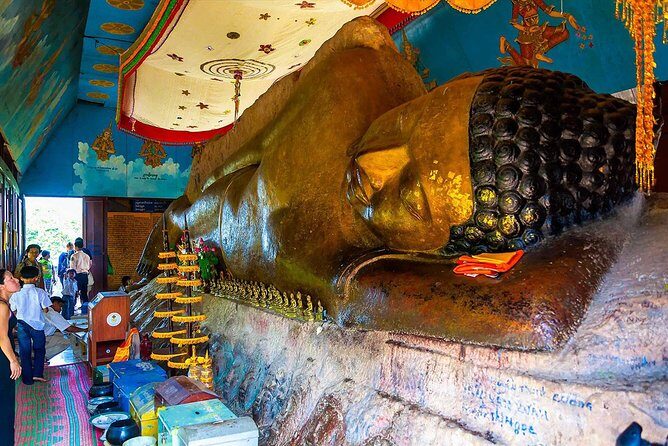
- Preah Ang Thom reclining Buddha: an 8-meter Nirvana statue carved into a huge natural sandstone boulder, now with a modern staircase and shelter
- Anlong Pong Phkay (River of 1000 Lingas): a 500-meter stretch of linga and yoni carvings, plus a Vishnu figure
- Phnom Kulen waterfalls: two possible falls whose height and width change with the rainy season
- Banteay Srei in pink stone: a 10th-century Shiva and Parvati temple near Phnom Dei (you need the Angkor Pass)
- Preah Dak village stop: nom ban chok noodles, basket making, and a “One Village, One Light Bulb” solar scheme
In This Review
- Kulen + Banteay Srei in one day: the value of this route
- Getting to the ridge: Peng Chrunh and panoramic stops
- Preah Ang Thom: the reclining Nirvana Buddha carved in sandstone
- River of 1000 Lingas (Anlong Pong Phkay): symbols you can actually see
- Waterfalls on Kulen: plan for seasonal size changes
- Lunch break and the palm cake/fruit you actually remember
- Banteay Srei: pink stone temple details and the Angkor Pass catch
- Preah Dak village: noodles, basket making, and a solar light initiative
- Price and logistics: what $49 covers, and what it doesn’t
- Heat, steps, and who should choose this day
- Should you book this Kulen and Banteay Srei tour?
- FAQ
- How long is the Siem Reap Banteay Srei and Kulen Waterfall guided tour?
- What is included in the tour price?
- What extra costs should I budget for?
- Do I need an Angkor Pass for Banteay Srei?
- Is lunch included?
- What kind of food tasting is included?
- Are pickup and drop-off included?
- Is this tour private or shared?
- How active is the day if I have joint issues or limited mobility?
- Can I cancel for a full refund?
Kulen + Banteay Srei in one day: the value of this route
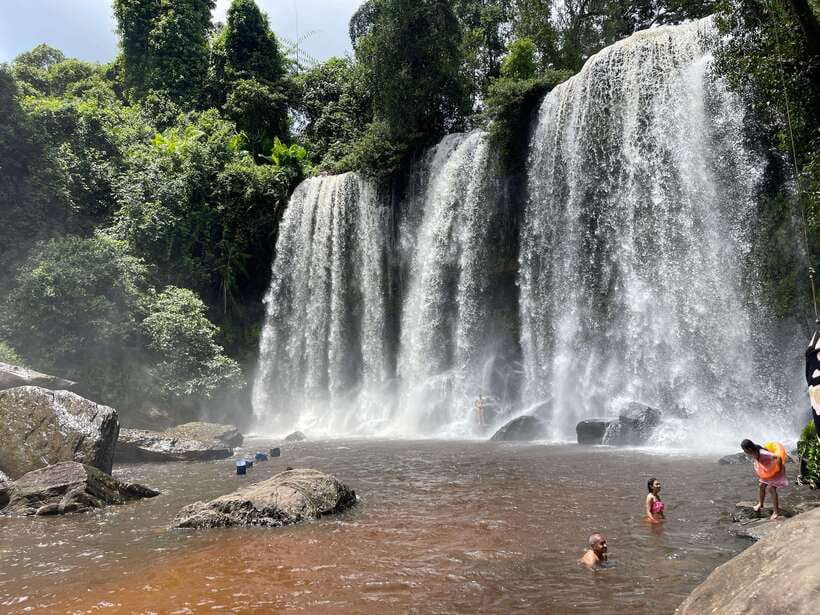
This is a long-but-sensible loop from Siem Reap that combines three different types of wow: natural views at Kulen, deep temple symbolism, and then the refined stonework of Banteay Srei. The pacing generally feels efficient—enough stops to feel like you covered ground, but not so many that you’re constantly rushing between sites.
The value is in the structure. You get air-conditioned transport, a guide who keeps the day moving, and small “local life” moments like palm cake and seasonal fruit tastings. For $49, you’re really buying access to a well-timed day and interpretation, not just transit.
Just keep your budget realistic. Two major things are not included: the Kulen National Park entrance fee (20 USD per person) and the Angkor Pass needed for Banteay Srei. Food and drinks are also on you, except for tastings. If you’re coming without the pass, your final total can jump more than you’d expect.
Getting to the ridge: Peng Chrunh and panoramic stops
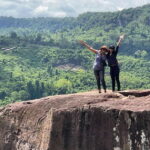
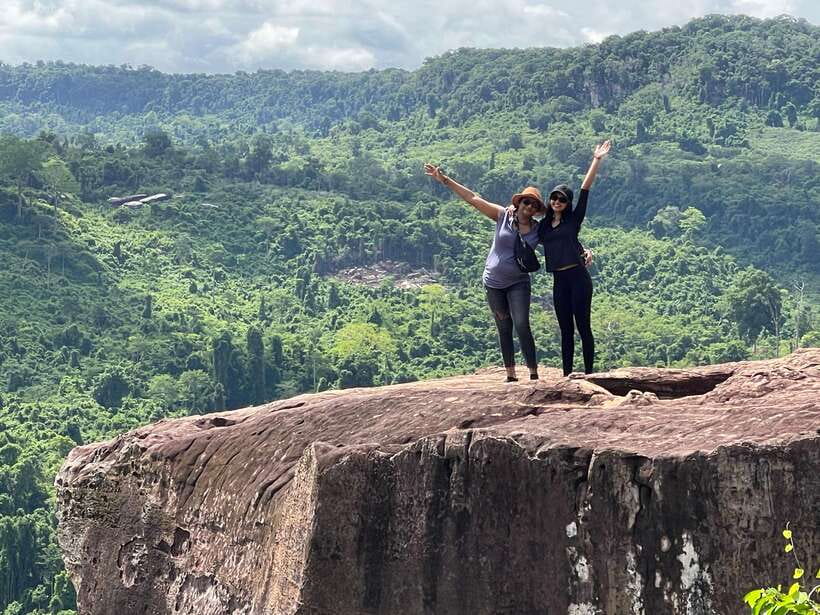
Your day gets going with a drive into Phnom Kulen National Park, then a viewpoint-style visit at Peng Chrunh, often called Amazing Cliff. What makes this stop special is the “you came all this way” setting. It’s located on the ridge of Kulen Mountain, so even without fancy architecture, the scenery does the heavy lifting.
You’ll arrive near the mountain base area, then follow the signage toward the ridgeline. The description notes a signpost you’ll see, and the viewpoint area is about 50 meters away from there—so it’s not a long trek, but you should still wear comfortable footwear.
Tip for your photos: the light can get harsh in the afternoon heat. If the guide adjusts the route to avoid the hottest hours (they often do), you’ll be happier with both your comfort level and your pictures.
If you're still narrowing it down, here are other tours in Siem Reap we've reviewed.
Preah Ang Thom: the reclining Nirvana Buddha carved in sandstone
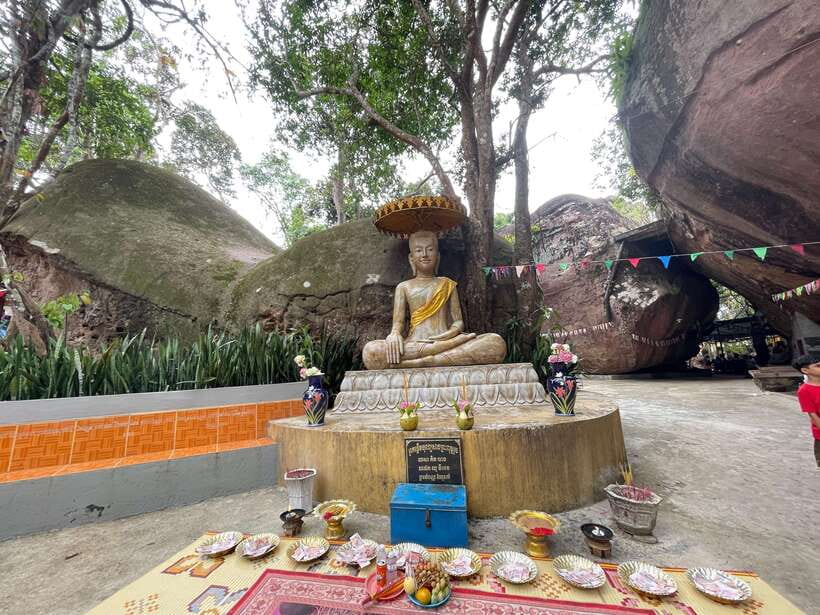
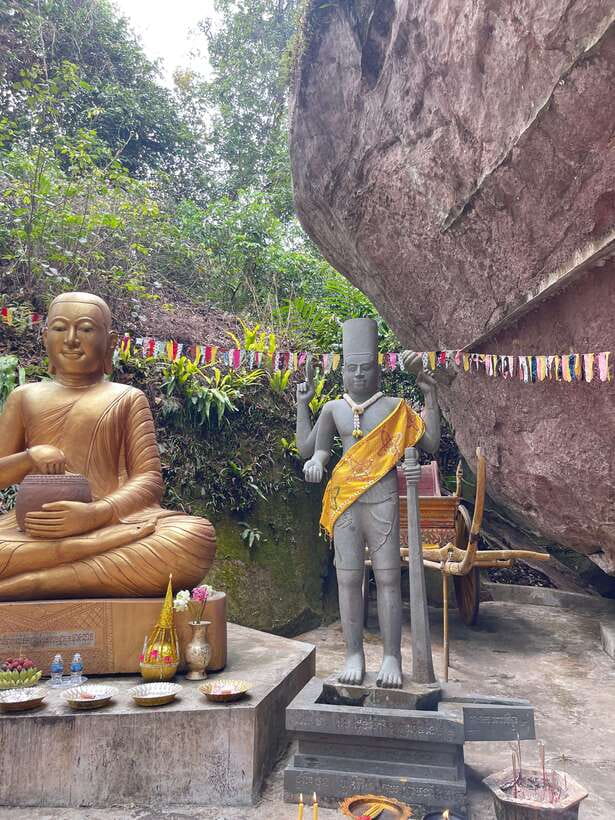
Next is one of the most striking religious landmarks in the area: Preah Ang Thom Pagoda, home to a reclining Buddha reaching nirvana. The statue is about 8 meters tall and is carved into a huge natural sandstone boulder. What you see today isn’t just ancient carving—there’s also a modern staircase added to reach it and a shelter covering the Buddha.
This matters because it changes the way you experience the site. You’re not only looking at a “statue in nature.” You’re walking into a built-up viewing area where Cambodians visit regularly, and it can get busy at times. That’s normal here—this is a living sacred space, not just an outdoor monument.
Practical advice:
- Wear something you can move in comfortably; you may climb stairs.
- Bring sunscreen and a hat—this area is sacred, but it’s still sun and stone.
- If it’s crowded, don’t fight for the perfect angle. Look from different spots and you’ll still get the full shape.
River of 1000 Lingas (Anlong Pong Phkay): symbols you can actually see
Then you shift from statue-viewing to “walk-and-look” history at the River of 1000 Lingas area, known locally as Anlong Pong Phkay. Along a stretch of the riverbed for about 500 meters, you’ll spot carvings of linga and yoni, plus a larger carving of Vishnu. There are also smaller carvings seen in the bedrock along the walls.
If you usually find temple sculpture too distant to understand, this stop helps. Because you’re physically close to the carvings, you start noticing patterns—how figures are placed, how the riverbed becomes a canvas, and how the sacred symbolism is scaled to human viewing distance.
What I like about this part of the day is the contrast with everything around it. Water isn’t always rushing here in the way you might imagine, but the rock carvings still feel like they’re meant to be discovered gradually. You’ll get the best experience if you slow down and let your guide point out details rather than trying to see everything at once.
Waterfalls on Kulen: plan for seasonal size changes
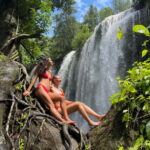
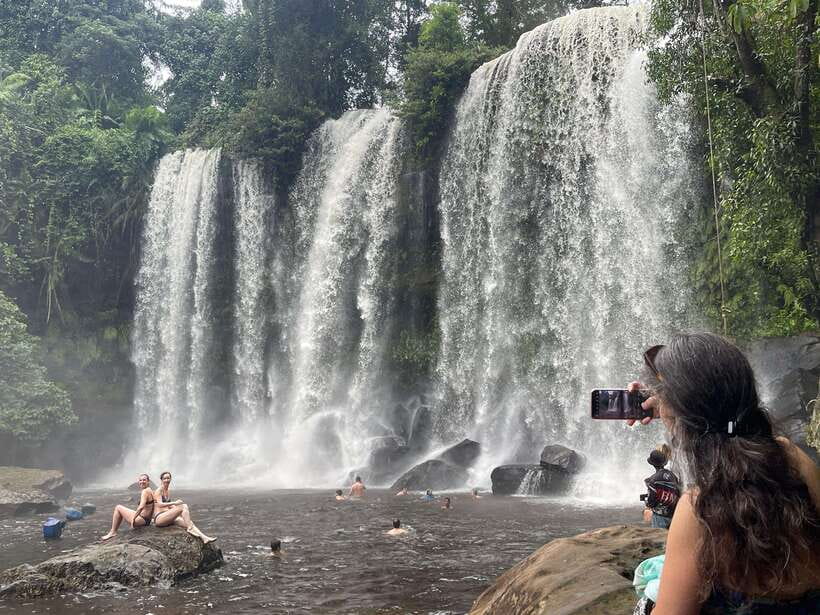
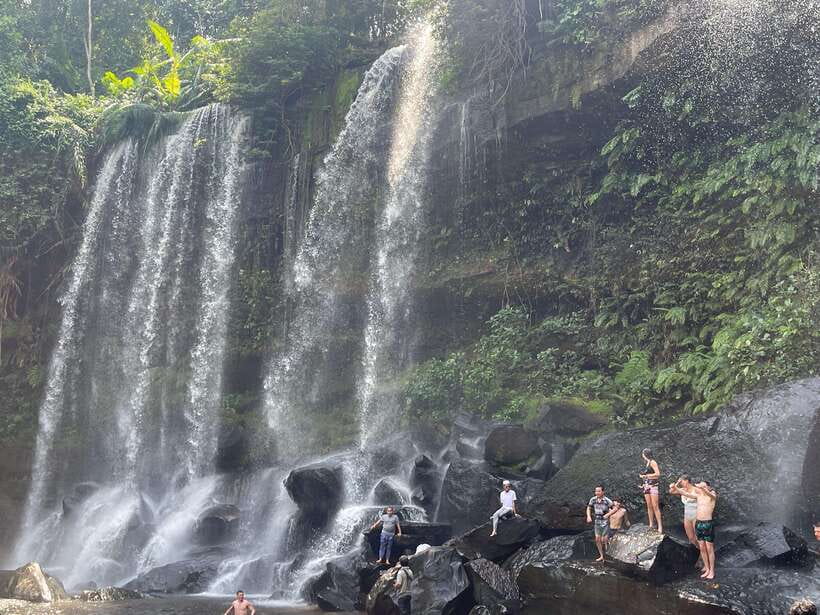
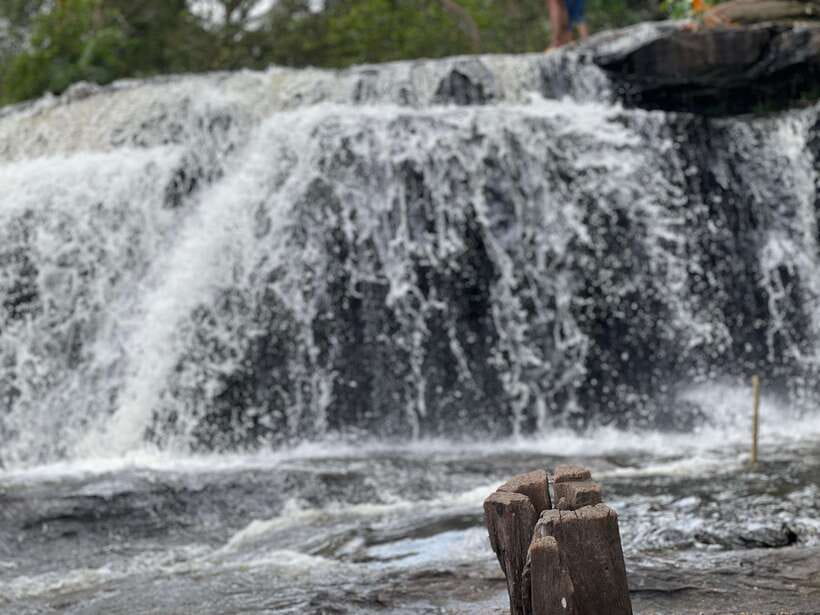
After the carvings, you head to the waterfalls, another highlight of the day. Phnom Kulen National Park has two main waterfalls, and the big truth is: their size changes with rain.
- First waterfall: about 4–5 meters tall and roughly 25 meters wide during the rainy season
- Second waterfall: about 15–20 meters tall and around 15 meters wide during the rainy season
So your waterfall experience depends on when you go. Even in better water conditions, the falls might not be as wide or tall as the rainy-season numbers. But the experience still works because:
1) you’re seeing a real natural feature from a sacred park, and
2) the cooling break is valuable after statue and stone.
Bring the right gear. If there’s runoff, the ground can be slippery. Wear shoes with grip, and expect you might get splashed.
Lunch break and the palm cake/fruit you actually remember
The day includes a lunch stop at a local restaurant, with about an hour allotted. Food and drinks aren’t included, so you’ll pay for your meal, but the timing gives you a chance to cool off and recharge.
Even better, you get two included “local taste” moments:
- Palm cake tasting
- Seasonal fruit tasting
These are small, but they matter because they break the day into real-life Cambodian eating, not only sightseeing. If you’re the type who skips snack stops, don’t here. The palm cake and fruit tastings give you something simple and local without turning the day into a food tour.
Order strategy: keep it light and practical if you’re continuing to temples afterward. You’ll still be walking, even if distances aren’t extreme.

Banteay Srei: pink stone temple details and the Angkor Pass catch
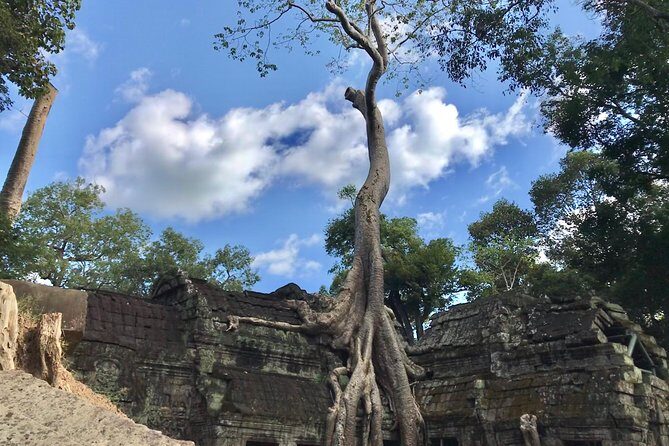
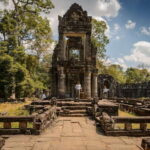
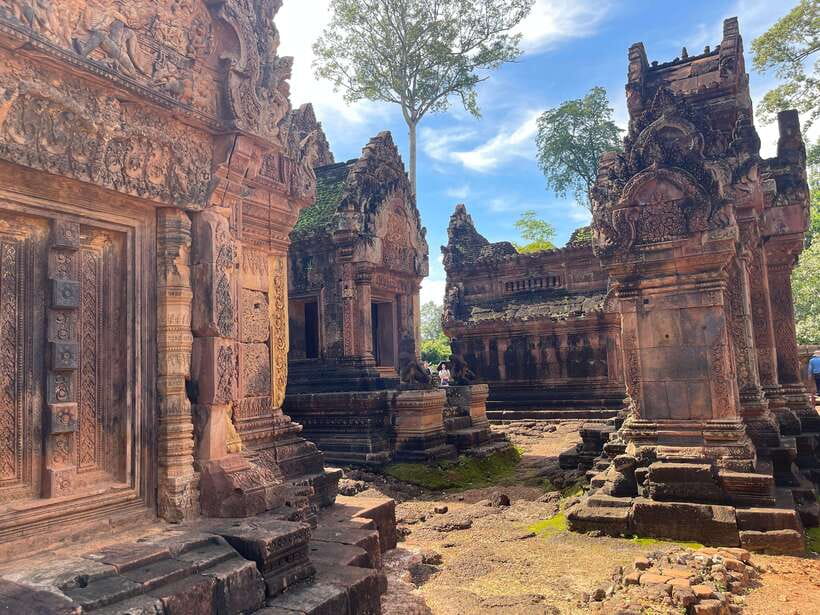
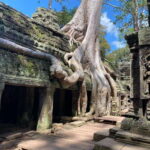
After Kulen, the day shifts into temple craftsmanship with Banteay Srei. This is a 10th-century CE temple dedicated to Shiva and Parvati. It’s near Phnom Dei, about 25 km northeast of the main cluster of Angkor-era temples, in the broader region linked with medieval capitals.
The standout feature is the color and precision: Banteay Srei is famous for its pink stone and for fine, detailed carvings. This is one of those places where slowing down pays off—look at the stonework and you’ll see why people call it special.
The practical catch: you’ll need an Angkor Pass to visit. That isn’t included, so make sure you have the pass before you show up. If you don’t, you’ll either need to get it arranged or accept you might miss key access.
Dress tip: temples still require respect in how you cover up. Loose, breathable clothing works well in Cambodia’s heat.
Preah Dak village: noodles, basket making, and a solar light initiative
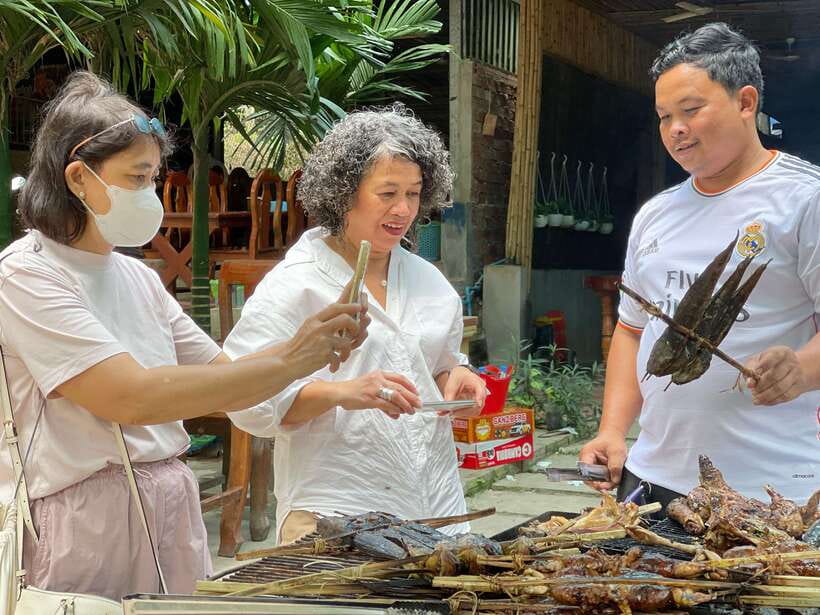
One quick stop rounds out the culture side: Preah Dak, a village near Siem Reap known for nom ban chok noodles. It’s also been used as a model village because of initiatives like One Village, One Light Bulb, a solar scheme aimed at improving daily life while keeping the community authentic.
You’ll get a short visit here—enough time to see the vibe and enjoy the food focus. Basket making is also mentioned, so if you want a look at hands-on village work, this is where you’ll see it.
This isn’t the longest stop of the day, but that’s part of the benefit. It keeps the trip from feeling like only temples and cliff views.
Price and logistics: what $49 covers, and what it doesn’t
At $49 per person and around 8 hours, the tour is mostly about convenience plus guided interpretation. You get:
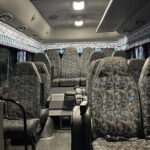
- air-conditioned vehicle transport
- bottled water and a towel
- free pickup and drop-off at city hotels
- a professional English-speaking guide
- palm cake and seasonal fruit tastings
You also get the sites included in the route: Peng Chrunh, Preah Ang Thom, River of 1000 Lingas, waterfall time, Banteay Srei, and the short village stop.
What costs extra:
- Kulen Mountain National Park entrance fee: 20 USD per person
- Banteay Srei: Angkor Pass required
- Food and drinks: not included
There’s also tipping guidance: tips for the guide and driver aren’t included.
So is it good value? Usually, yes—especially because it combines multiple far-apart sites into one day with transport and a guide. If you already have the Angkor Pass and you’re comfortable paying the park fee, the $49 feels fair for the full setup. If not, your “all-in” cost is likely higher than you first see.
Heat, steps, and who should choose this day
Let’s talk physical reality. This route isn’t a couch tour. Even if you’re not doing long hikes, you’re in:
- sun-heavy outdoor areas,
- sacred sites with stairs (notably around the reclining Buddha),
- natural terrain where footing matters.
One review warning is worth listening to: people with joint issues or limited mobility may struggle. That doesn’t mean you can’t go. It means you should plan for extra effort, consider asking for slower pacing, and be honest about your comfort level on stairs and uneven ground.
If you’re the type who enjoys views and can handle a full day in heat, you’ll likely love it. If you prefer totally flat, short stops, this may feel like too much.
Should you book this Kulen and Banteay Srei tour?
Book it if you want a single day that hits big variety: ridgeline scenery, sacred carvings on sandstone and riverbed rock, a chance to see waterfall conditions, and the refined temple art of Banteay Srei—plus a quick village taste of nom ban chok and daily life.
Skip it or choose a gentler alternative if:
- you have limited mobility or joint problems,
- you’re not comfortable with heat and walking between several stops,
- you don’t want to manage extra fees (park entrance + Angkor Pass + meals).
If you do book, I’d go in prepared for one thing: the day moves because the sites matter. Wear grip-friendly shoes, bring sun protection, and plan to pay the two main access fees so you can focus on what’s actually on the ground in front of you.
FAQ
How long is the Siem Reap Banteay Srei and Kulen Waterfall guided tour?
The tour lasts 8 hours.
What is included in the tour price?
Included are bottled water and a towel, free pickup and drop-off at city hotels, an English-speaking guide, sightseeing as described, air-conditioned transportation, palm cake tasting, and seasonal fruit tasting.
What extra costs should I budget for?
You should budget for the Kulen Mountain National Park entrance fee (20 USD per person) and the Banteay Srei Angkor Pass requirement. Food and drinks are also not included, and tipping for the guide and driver is not included.
Do I need an Angkor Pass for Banteay Srei?
Yes. Banteay Srei requires the Angkor Pass, and it is not included in the tour.
Is lunch included?
Lunch is scheduled for about one hour at a local restaurant, but food and drinks are not included, so you will pay for what you order.
What kind of food tasting is included?
The tour includes a local palm cake tasting and seasonal fruit tasting.
Are pickup and drop-off included?
Yes. The tour offers free pickup and drop-off at city hotels in Siem Reap.
Is this tour private or shared?
The tour offers private or small groups.
How active is the day if I have joint issues or limited mobility?
It involves walking between outdoor sites and includes stairs around the reclining Buddha area, so people with joint issues or limited mobility may find it difficult.
Can I cancel for a full refund?
Yes. You can cancel up to 24 hours in advance for a full refund.