REVIEW · SIEM REAP
Angkor Wat & Floating Village 3-Day Private Tour
Book on Viator →Operated by Bayon Guide · Bookable on Viator
Three days, and Angkor still feels unreal. This private tour strings together Ta Prohm and Kbal Spean trek (plus Angkor Thom and Angkor Wat) and ends with a wooden-boat look at Kampong Phluk on Tonle Sap. I love that you get an expert guide to make the temples make sense, and I love the small included comforts like cold tissues and bottled water. One possible snag: you’ll do plenty of walking, plus a trek that asks for some stamina.
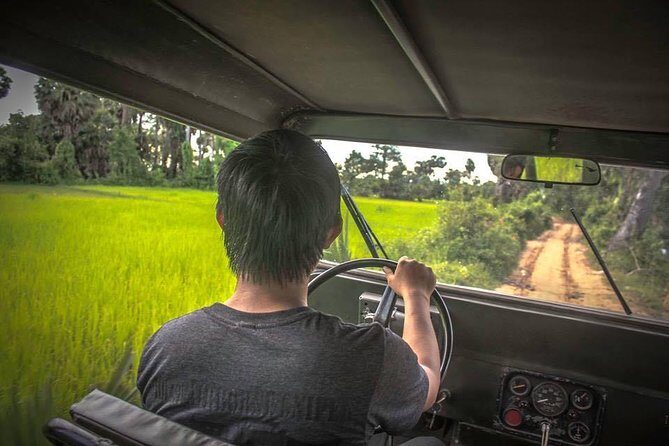
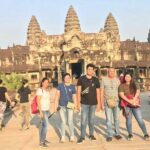
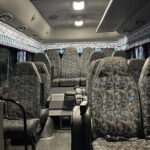
What makes this feel like a proper tour instead of a temple bus ride is the pace and flexibility. I like the private group setup, and I also like the air-conditioned vehicle between sites, which matters a lot in Siem Reap heat. Guides such as Sambath, Long, and Mork show up in the tour experience with the same pattern: clear explanations, helpful timing, and an effort to keep you comfortable.
Before you go, budget for tickets. The tour price ($198.98 per person) is only the tour itself, and you also need a 3-day Angkor Temple Pass (US$62/person, free for children under 12). Plan for lunch on your own during breaks, but dinner with a cultural performance is included on Day 1.
In This Review
- Why This 3-Day Angkor Wat Combo Works So Well
- Entering Ta Prohm: Tomb Raider II Roots and Real-World Jungle Drama
- Angkor Thom and the Victory Gate: Faces, Terraces, and Layout Clues
- Angkor Wat at Midday: Big Walls, Better Timing, and Lunch Reality
- Preah Khan: The Buddhist University Temple You Can Actually Follow
- Banteay Srei: The Women’s Citadel and Fine-Carving Payoff
- Kbal Spean Trek: One Thousand Linga and the Importance of Moderate Fitness
- Roluos Temples: A Sooner Khmer Capital Feel
- Kampong Phluk Floating Village: Wooden-Boat Views Through Flooded Forests
- Dinner with a Cultural Performance: A Good Way to End Day 1
- Price and Logistics: What $198.98 Covers, and What You Still Need
- Who This Tour Fits Best (and Who Might Want Something Else)
- Should You Book This Angkor Wat & Floating Village 3-Day Private Tour?
- FAQ
- What time does the tour start?
- Is hotel pickup included?
- What’s included in the tour price?
- Do I need to buy an Angkor Temple Pass?
- Are meals other than dinner included?
- Is the floating village boat ride included?
- Is this tour physically demanding?
- Is it a private tour?
Why This 3-Day Angkor Wat Combo Works So Well
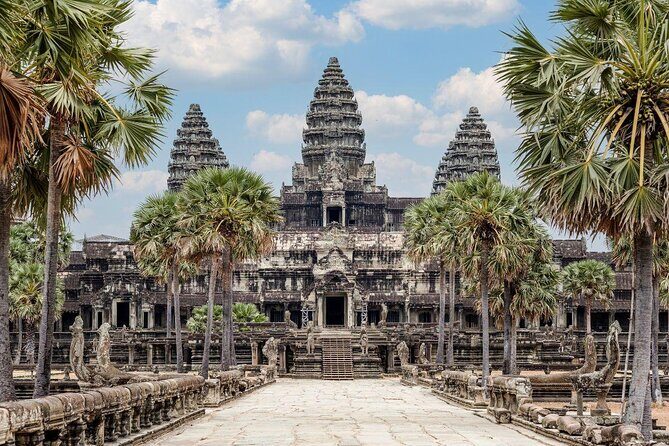
This is a smart “greatest hits” route that covers two sides of Angkor: the famous temple monuments and the lesser-known context around them. Day 1 focuses on the iconic Angkor core: Ta Prohm, then Angkor Thom, and finally Angkor Wat. Day 2 adds craftsmanship and a physical outing to Kbal Spean. Day 3 shifts away from the main Angkor circuit to the water world at Kampong Phluk.
The value here is not just the list of stops. It’s how the day is built around what you actually need: morning departures, time to move between sites in an A/C vehicle, and a guide who can point out what you should look at instead of guessing.
If you like photos, you’ll still get plenty of chances. Guides such as Visovitou, Chhoeum, and Mork are often praised for steering people to good viewpoints and helping you frame the temples well. Just remember: Angkor is huge, so some sights are better visited slowly rather than hunted at full speed.
Entering Ta Prohm: Tomb Raider II Roots and Real-World Jungle Drama
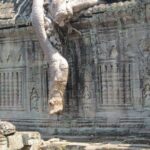
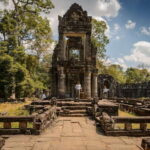
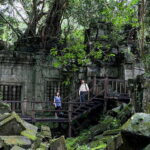
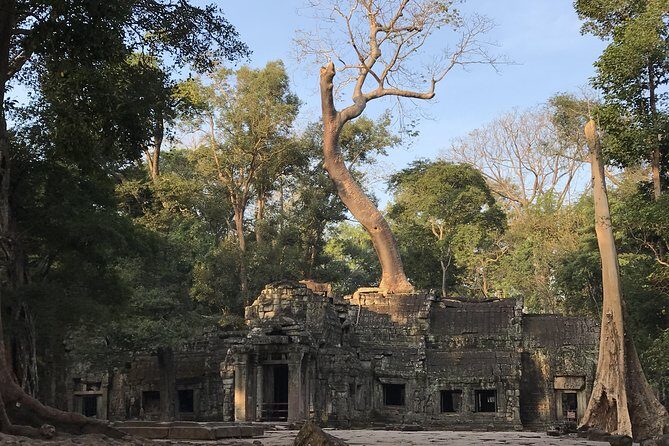
Day 1 starts at Ta Prohm, the temple many people connect with the Tomb Raider II filming story. What you’ll notice right away is the look of the place: enormous roots of strangler fig trees gripping stone, turning ruins into something closer to a living set than a static museum.
This is one of those temples where a guide earns their keep. Without help, you might admire the roots and miss the design logic behind the layout. With a guide, you can follow how the structure holds space, how doorways and galleries frame views, and why this temple became such a memorable symbol of Angkor’s overlap with nature.
You’ll spend about an hour here, and that’s enough time to see the big scenes without feeling rushed. The main thing to watch is footwear. Stone can be uneven, and roots don’t care if you wore the wrong shoes.
Other Angkor Wat temple tours we've reviewed in Siem Reap
Angkor Thom and the Victory Gate: Faces, Terraces, and Layout Clues
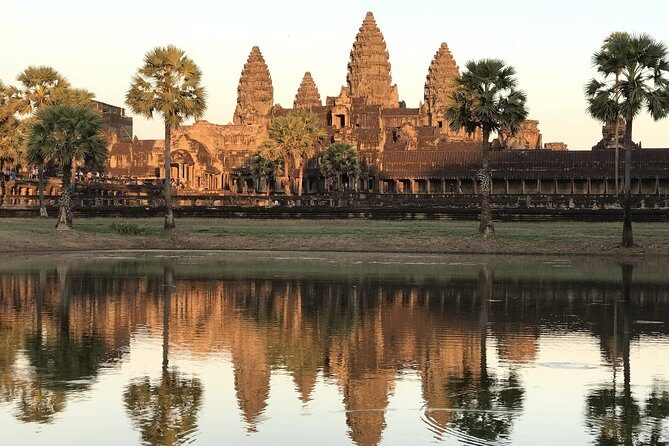
After Ta Prohm, you’ll drive to Angkor Thom, described as the last capital of the Khmer empire, entering through the Victory Gate. This is a big move from jungle drama into city-scale geometry.
In this stop, you cover several highlights in roughly two hours, including the Elephant Terrace, the Terrace of Leper King, the Royal Enclosure, Phimean Akas, and Baphuon. Even if you only remember a couple of names, the experience becomes clearer once you understand the role each area played in royal life and religious ceremony.
One practical tip: take a minute to step back and scan the whole area before focusing on details. Many of the most impressive carvings and structural cues are easier to appreciate once you see how the paths and walls line up.
And yes, you’ll likely do more walking here than you expect. Stone floors, steps, and frequent viewpoint changes are common in Angkor Thom, so keep water handy. The tour includes bottled water, which is a relief on long temple circuits.
Angkor Wat at Midday: Big Walls, Better Timing, and Lunch Reality
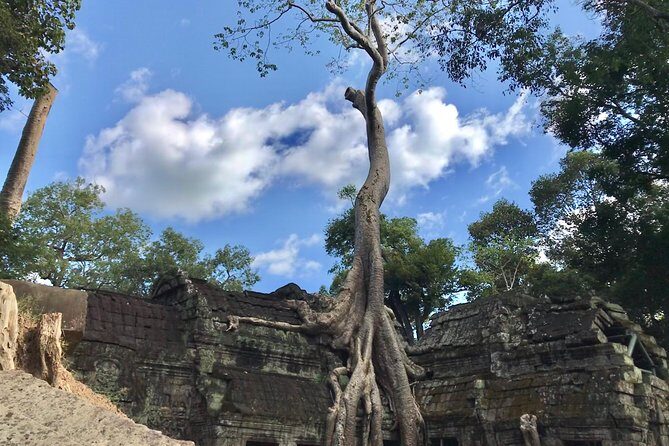
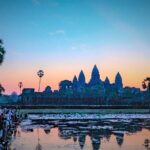
Then comes Angkor Wat, a world-class sight and the biggest religious site on the planet’s “most famous” list. In the schedule, you arrive around noon, with a lunch break in the middle of the day.
This timing is a trade-off. Midday light can be harsh, and the heat can hit harder than early mornings. The flip side is that the site still delivers. Scale is scale, and Angkor Wat’s geometry holds up under any sky.
Your best move here is to use the midday break wisely. Lunch is on your own, but the guide can recommend local places around the temples for local and Asian food. That matters because the most convenient stalls can be a real gamble on quality and hygiene when you’re tired.
If you want the most value from this stop, set a simple goal: pick one area to study for ten minutes instead of trying to read every wall in one pass. Angkor Wat rewards focus.
Preah Khan: The Buddhist University Temple You Can Actually Follow
Day 2 begins at Preah Khan, part of the Grand Circuit area. You’ll spend about an hour here, and you’ll hear it described as the ancient Buddhist university.
This is a great change of pace after Day 1. Preah Khan can feel calmer to navigate, and the theme of learning gives you a helpful lens: look for patterns that suggest community worship, study spaces, and ritual movement through the complex.
With a guide, you’ll get more out of it because the temple layout has a rhythm. You’re not just wandering from carving to carving—you’re moving through a designed space. Guides such as Long and Mork have a reputation for making explanations easy to follow, and that helps you feel grounded when the stones start to blur.
Banteay Srei: The Women’s Citadel and Fine-Carving Payoff
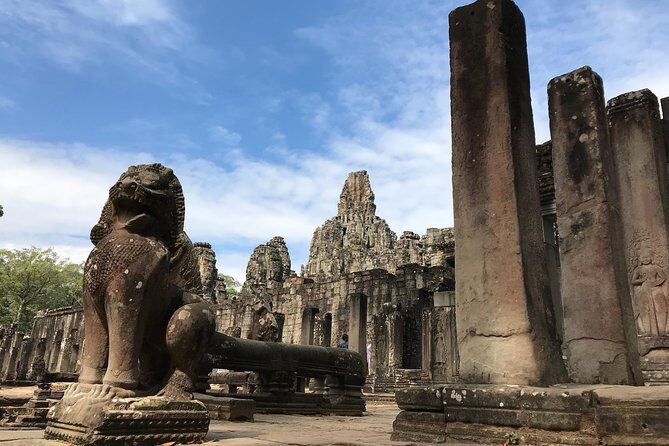
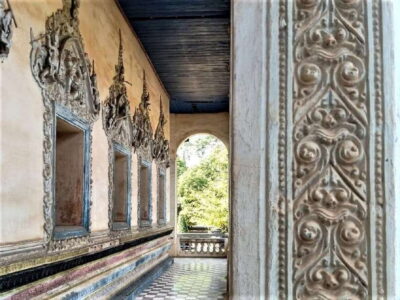
Next up is Banteay Srei, often called the Women’s Citadel. This is the stop where a lot of people feel the payoff for Day 2’s effort, because the carvings and detail are a different kind of experience than the giant gate-and-wall temples.
Admission is listed as free for this stop, which makes it a strong value moment in the itinerary. You’ll have about an hour, which is ideal for a detail-focused temple. Too little time and you miss key motifs; too much time and you risk getting “carved out.”
A practical note: fine carving usually means lots of close-looking. That can be tiring on your neck and feet, so take short pauses and keep your eyes level with the work rather than craning constantly.
Other Tonle Sap and floating village tours we've reviewed in Siem Reap
Kbal Spean Trek: One Thousand Linga and the Importance of Moderate Fitness
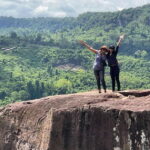
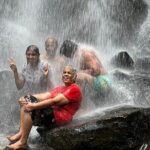
Then you’re heading to Kbal Spean, where the river area is known for carved linga figures—described in the tour notes as one thousands linga. This is the activity that turns a temple day into a real mini-adventure.
The schedule includes a trek, and the tour’s overall fitness note calls for moderate physical fitness. If you’re comfortable walking on uneven ground and climbing on paths, you’ll likely enjoy it. If not, plan for slower pacing and take breaks when needed.
Also, remember this is a river area. Wet stones and humidity can make surfaces slick. The tour includes mineral water, but you’ll want to bring what helps you personally—like a hat, sun protection, and footwear with good traction.
Why it’s worth it: Kbal Spean isn’t just “another temple.” It’s temple symbolism placed into nature, which makes the carvings feel like they belong to the water route and ritual landscape.
Roluos Temples: A Sooner Khmer Capital Feel
Day 3 begins at the Roluos group of temples, including Preah Ko and other three monuments described as tied to an earlier capital, Hari-Hara, dating in the 9th century.
This stop helps you broaden the timeline. It’s not only about the most famous Angkor core monuments; you also get a sense that Angkor’s influence and Khmer temple building developed through earlier phases. That context makes the bigger temples feel less like random masterpieces and more like an evolving tradition.
You’ll spend about two hours here. That’s enough time to see the main structures and absorb the different vibe. If you love architecture and stonework, this is a good day to slow down and watch how styles change over time.
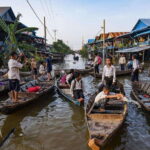
Kampong Phluk Floating Village: Wooden-Boat Views Through Flooded Forests
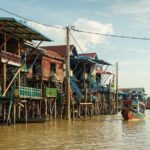
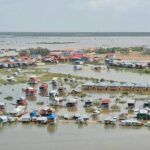
The final day’s signature moment is Kampong Phluk Floating Village on Tonle Sap Lake. After lunch on your own, you board a wooden boat for the included ride along flooding forests.
This is where the trip stops being only about Angkor stone and starts being about Cambodia’s water life. Tonle Sap communities rely on the lake and seasonal flooding, and the boat route gives you a front-row view that you can’t get from land.
You’ll spend about two hours on the boat experience. The tour includes the boat trip, which is a big help because Kampong Phluk activities can add up if you’re booking separately.
I also like that the tour includes a clear break for lunch before you go. That keeps you from showing up to the boat portion hungry and cranky, which is always a bad combo.
Dinner with a Cultural Performance: A Good Way to End Day 1
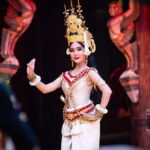
On Day 1, dinner with a cultural performance is included. This is a simple but smart inclusion. After a full day of temples, you want food and downtime, not another scramble to find a restaurant and a show.
I treat these cultural performance dinners as a chance to rest your brain. You’ve been looking at carvings all day; now you get a change of pace with music and dance. Keep expectations friendly and flexible—think of it as part of the evening rhythm in Siem Reap, not a world touring production.
Price and Logistics: What $198.98 Covers, and What You Still Need
Here’s the math in plain terms. The tour is $198.98 per person and includes pickup, an A/C vehicle, an expert tour guide, dinner (with cultural performance), bottled water and cold tissues, plus the boat trip to Kampong Phluk.
What’s not included: the 3-day Angkor Temple Pass is US$62/person (free under age 12). Lunch and other meals are on your own during breaks, and personal expenses and tips are extra.
So for an adult, you’re roughly looking at $198.98 + $62 = $260.98, plus lunch costs on two days. That can still be good value if you’re comparing the total cost of a guide, transport, and the boat experience.
The biggest logistic win is that a guide is handling transitions. Angkor days can drain you even when nothing goes wrong. Having the vehicle and guide setup ready means you spend your energy watching, not managing.
Also, you’ll get a mobile ticket, which can help if you dislike paper ticket chaos.
Who This Tour Fits Best (and Who Might Want Something Else)
This tour is ideal for you if:
- You want a private pace instead of joining a crowded group.
- You care about context (not just photos), especially for major Angkor sites.
- You want a balanced mix: major Angkor temples plus a nature + water day at Kbal Spean and Kampong Phluk.
It may feel like a stretch if:
- You want a low-walking itinerary. The Kbal Spean trek and general temple steps mean you should expect uneven ground and stairs.
- You hate midday heat. Angkor Wat is scheduled around noon, so plan shade breaks and keep moving calmly.
If you’re traveling as a couple, this format is also a good fit. The private setup can make the experience feel less like a checklist and more like a guided conversation.
Should You Book This Angkor Wat & Floating Village 3-Day Private Tour?
If you like guided pacing, this is an easy yes. The included boat ride on Tonle Sap is a real highlight, and the tour covers core Angkor without turning it into a blur. You also get thoughtful comfort items—cold tissues and bottled water—plus dinner with a cultural performance, which saves you energy on Day 1.
Before you book, do two quick reality checks:
- Budget for the Temple Pass (US$62) and plan to pay for lunch.
- Be honest about your comfort level with walking and the Kbal Spean trek. Moderate fitness is part of the deal.
If those two boxes are fine, you’ll likely enjoy this tour a lot. It hits the big icons—Ta Prohm, Angkor Thom, Angkor Wat—then adds the water and river world that makes the region feel bigger than one famous temple.
FAQ
What time does the tour start?
The start time is 8:00 am, with pickup from your hotel.
Is hotel pickup included?
Yes, pickup from your hotel is included.
What’s included in the tour price?
Included items are dinner, an air-conditioned vehicle, an expert tour guide, mineral water and cold tissues on tour, and the boat trip to the floating village on Tonle Sap Lake.
Do I need to buy an Angkor Temple Pass?
Yes. The 3-day Temple Pass costs US$62 per person and is not included. Children under 12 get free admission with the pass.
Are meals other than dinner included?
No. All other meals and beverages are not included, and lunch breaks are part of the day where you eat on your own.
Is the floating village boat ride included?
Yes. The Kampong Phluk floating village experience includes a boat trip on Tonle Sap Lake.
Is this tour physically demanding?
It calls for a moderate physical fitness level because there is walking through temples and a trek to Kbal Spean.
Is it a private tour?
Yes. It’s a private tour/activity, so only your group participates.