REVIEW · SIEM REAP
Cambodian Village Cooking Class
Book on Viator →Operated by beyond. unique escapes · Bookable on Viator
Khmer cooking starts at the market. You begin at Psar Chaa (Old Market) with a local guide, sorting through produce and Cambodian staples before heading out to the countryside with a small group for the cooking part.
I really like that the morning (or afternoon) feels practical, not staged. You’re guided through what locals buy and how ingredients are used, and you also get hands-on teaching from chefs like Sophia and chefs such as Sunat or Prey (names can vary by class).
One thing to consider: timing matters. If someone is late at the meeting point, it can slow down the market start, and that’s not what you want when you’re trying to fit everything into a tight 3-hour window.
In This Review
- Key highlights worth your attention
- A 3-hour Khmer food lesson in Siem Reap’s real places
- Psar Chaa Old Market: where ingredients make sense fast
- Lake-side cooking at the garden pavilion: class time, not chaos
- What you’ll cook: spring rolls, Cambodian curry, and palm-sugar bananas
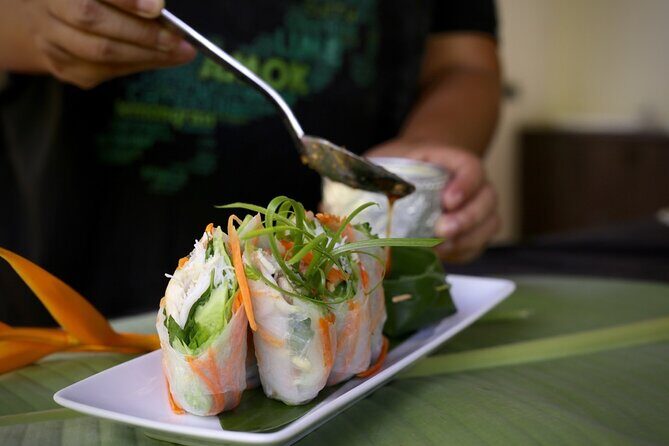
- Fresh rice paper spring rolls
- Cambodian curry
- Bananas in palm sugar
- The meal and drinks: a real sit-down, not a snack break
- How the tuk-tuk pickup and small group change the experience
- Value check: is $32 a fair price here?
- Who should book this class (and who might skip it)
- Practical tips to make your class day smoother
- Should you book the Cambodian Village Cooking Class?
- FAQ
- How long is the Cambodian Village Cooking Class?
- Is hotel pickup and drop-off included?
- What dishes are included in the cooking class?
- Can you accommodate dietary needs or allergies?
- What is the group size limit?
- Is there free cancellation?
Key highlights worth your attention
- Psar Chaa Old Market: a real local shopping route, not a tourist-only stop
- Small-group max 8: more attention while you’re chopping and cooking
- Lake-side garden pavilion: a calm place to cook and eat after the market walk
- 3-course Khmer menu: rice paper spring rolls, Cambodian curry, and bananas in palm sugar
- Hotel tuk-tuk pickup and drop-off: you don’t have to wrestle with transport plans
- Take-home recipe book: you get instructions you can actually use later
A 3-hour Khmer food lesson in Siem Reap’s real places
This is a half-day cooking class built for people who want more than a photo op. You’ll spend time with a guide, then cook three Cambodian dishes yourself, and finally sit down to the meal you made.
For $32, the value comes from what’s wrapped into the price: hotel tuk-tuk pickup and drop-off, market time, guided cooking instruction, your 3-course lunch (or meal), and a recipe book to take home. It’s not just “show up and watch.” You’re active the whole time.
The group stays small (up to 8 travelers), which matters because Khmer cooking is detail work—timing, mixing, and how you handle ingredients. If you like learning by doing, you’ll enjoy this format.
Other Khmer cooking class tours we've reviewed in Siem Reap
Psar Chaa Old Market: where ingredients make sense fast
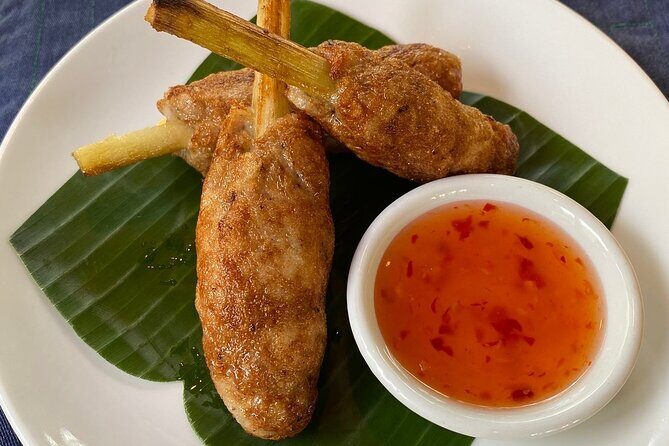
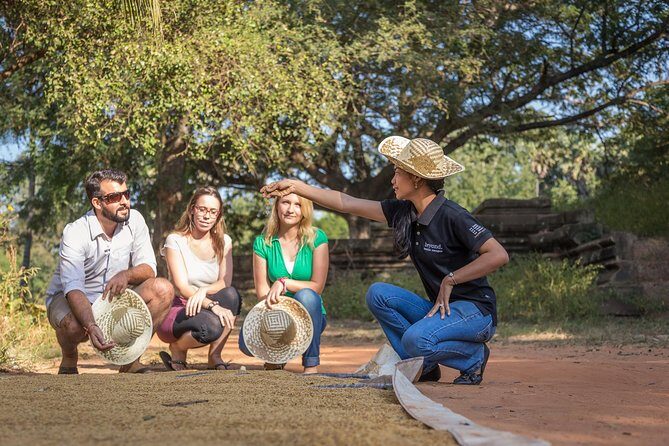
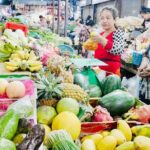
The first stop is Psar Chaa (Old Market), where your guide walks you through what locals buy. You’ll see colorful produce, fruit, and the ingredients that show up again and again in Cambodian kitchens.
What I like about this part is that it gives you context. When you later make rice paper spring rolls or curry, you’ll have already handled the components in the market—so the cooking isn’t random steps. It feels like a story with an ending.
In past classes, the guide has explained how items are prepared and used, and there’s often light sampling along the way. That’s a small thing, but it helps you build flavor memory before you start cooking.
Practical note: this portion happens in the real world, so plan for normal sun and humidity. Even if cooking usually happens with shade and support, you’ll still be walking and standing. A hat and sunscreen make life easier.
Lake-side cooking at the garden pavilion: class time, not chaos
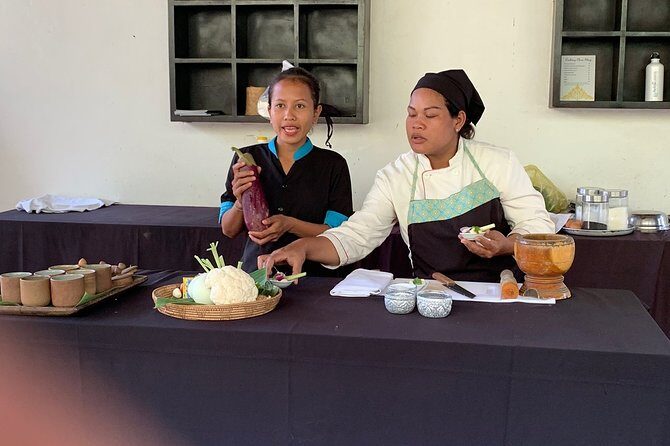
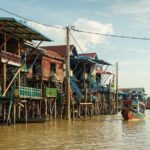
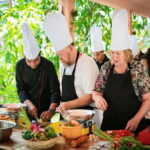
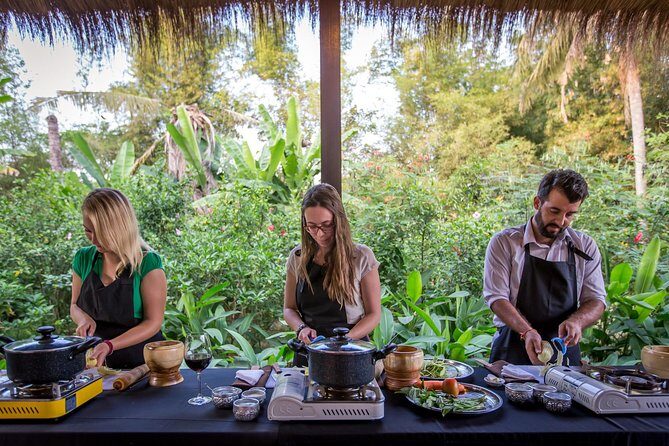
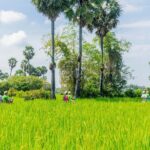
After the market, you head to a purpose-built garden pavilion at a rural village outside Siem Reap. This is where the vibe changes from street-level market energy to calm, teacher-led cooking.
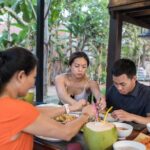
The setting is part of why this class feels special. Many descriptions highlight an airy, open setup with views by a lake, plus a clean, organized teaching space where you can focus on your station.
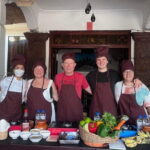
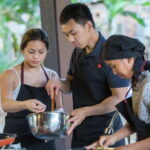
You’ll start cooking with a chef and small-group instruction, with teachers guiding step-by-step. That matters if you’re nervous about cooking in front of people. The teaching style described in the reviews is supportive and patient, and the pace is aimed at getting you to a good result, not testing you.
And you’ll have practical support during the lesson. The tour includes bottled water and a cold towel, which is a big deal when you’re doing hands-on work outside.
What you’ll cook: spring rolls, Cambodian curry, and palm-sugar bananas
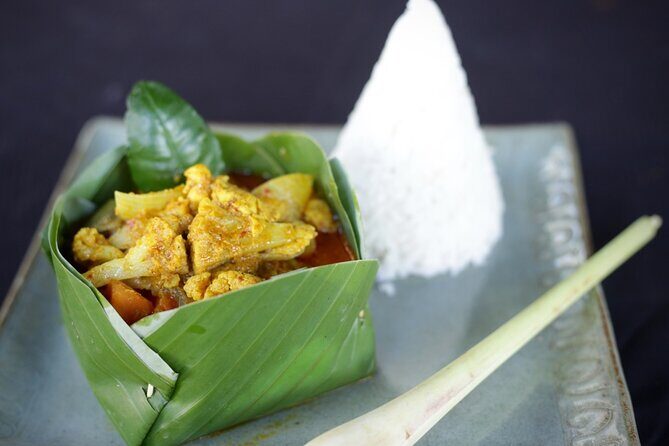
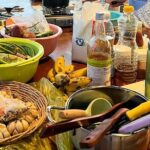
The menu is three dishes, designed to cover different Khmer cooking styles. You’ll work your way through fresh rice paper spring rolls, Cambodian curry, and bananas in palm sugar for dessert.
Fresh rice paper spring rolls
Rice paper spring rolls are a great first dish because they teach technique quickly. You’ll learn how to handle the rice paper and assemble the roll so it holds together. Expect lots of guidance on consistency and timing, because with rice paper, getting it right is the whole game.
Other Siem Reap city and countryside tours we've reviewed in Siem Reap


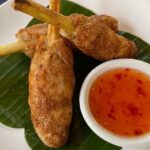
Cambodian curry
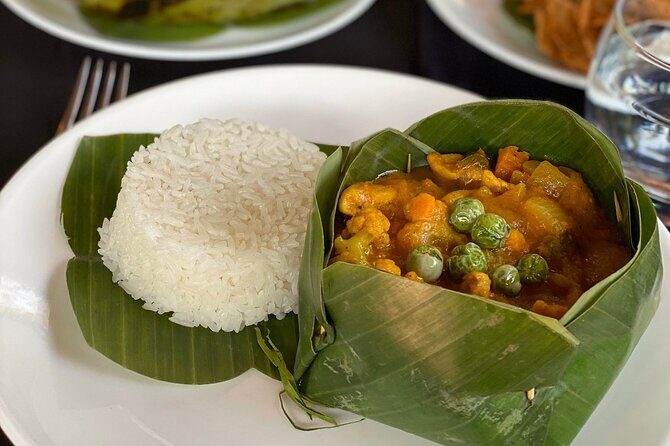
Then comes the curry, where you’ll learn how flavors come together. Curry can feel intimidating if you’ve only had it in restaurants, but the class format helps you understand the building blocks and workflow—mix, simmer, and adjust as you go.
If you’re a home cook, this is usually the dish you’ll remember most for later because it’s the easiest to recreate with pantry equivalents.
Bananas in palm sugar
Finally, you’ll make a dessert: bananas in palm sugar. This one is a nice contrast after savory dishes. You get a Cambodian sweet that isn’t overly complicated, but still tastes like you learned something genuinely local.
And yes, you’ll eat what you make—a proper end to the session, not a quick sampling while you’re still hungry.
The meal and drinks: a real sit-down, not a snack break
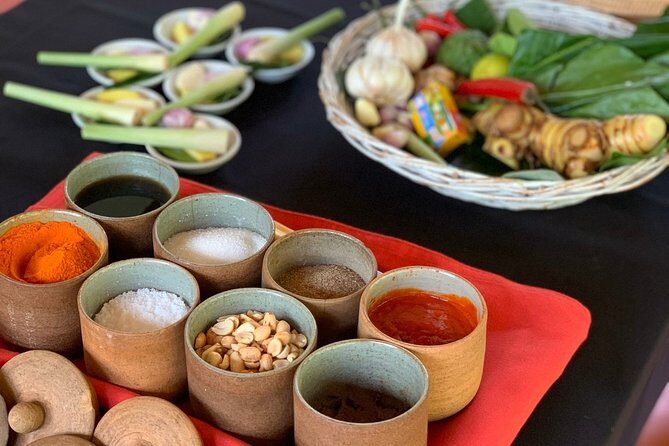
This class includes a 3-course meal made from the dishes you cook. You’ll get to enjoy the food after the work is done, usually in the same peaceful setting at the pavilion.
You’re also offered a local beer or a soft drink with your meal. That’s a simple inclusion, but it helps the whole experience feel like you’re eating like someone who belongs there—not rushing through “activity” mode.
How the tuk-tuk pickup and small group change the experience
Hotel pickup and drop-off by tuk-tuk is included, and it’s one of the smartest parts of the setup. Siem Reap traffic and timing can be unpredictable, so having transport handled lets you relax and stay focused on the class.
The small-group limit (up to 8 travelers) also affects how the day feels. You’re less likely to get stuck waiting while someone else catches up, and you’re more likely to get help at the exact moment you need it—like when a roll needs a quick correction or your curry needs a small adjustment.
If you’re traveling solo, this setup can feel especially good because you’re not stuck with a huge crowd. If you’re traveling with friends, it’s still intimate enough for real conversation.
Value check: is $32 a fair price here?
Let’s break down the value in plain terms. You’re paying for:
- Market guidance at Psar Chaa (Old Market)
- A hands-on cooking lesson with a chef
- Three dishes, plus the meal you eat
- Included drinks (beer or soft drink)
- Hotel tuk-tuk pickup and drop-off
- Bottled water and a cold towel
- A take-home recipe book
At $32 per person, that’s a lot of “included” for one half-day. If you’ve done cooking classes elsewhere, you know the hidden costs often add up fast: transportation, ingredients, and a meal you pay for separately.
Here, the pricing makes sense if your goal is skill + food + context in one go. If your only goal is to taste Cambodian food without cooking, you might find a restaurant meal more efficient. But if you want to leave with at least a couple dishes you can reproduce at home, this is strong value.
Who should book this class (and who might skip it)
I’d book this if you:
- Want an authentic Cambodia experience that starts with how locals shop
- Like learning by doing, not watching from the side
- Appreciate small groups and clear coaching
- Want a souvenir that actually helps later: the recipe book
It might not be the best fit if:
- You hate being outdoors for any part of the experience (the market walk and pavilion setup can be open-air)
- You’re only interested in temples and want zero “non-temple” time
It’s also a good match for families, including people with different cooking levels, since the class is structured for guided participation. You’ll still want to consider kids’ comfort with heat and active tasks, but the teaching style described is supportive.
Practical tips to make your class day smoother
A few simple things can make a big difference:
- Wear light clothes and comfortable shoes for the market walk
- Bring sunscreen and a hat, even if the pavilion area is calmer
- Tell the team about allergies or dietary needs when booking. The class can cater for most dietary and allergy requests.
- If you’re sharing the day with others, plan to arrive on time at the meeting point. One late start can affect the early rhythm of the market portion.
- If you care about taking the recipe book seriously at home, take notes during the cooking steps. The booklet is great, but your memory will fill in the gaps.
Also, expect the class to run around 3 hours total. It’s half-day friendly, but it’s not a “drop in whenever” activity—so treat it like a real appointment.
Should you book the Cambodian Village Cooking Class?
Yes, I think you should book this one if you want a real, hands-on Khmer food experience in Siem Reap. With a 4.9 rating from 265 reviews and a 99% recommendation, it clearly lands well for people who care about cooking, ingredients, and local context—not just checking a box.
I’d call it a “best use of time after temples” kind of activity. You get to learn, cook, and eat without needing extra planning. And the takeaway recipe book means you’re not just paying for a nice day—you’re paying for a skill you can use later.
If you’re on the fence, your biggest decision point is this: are you excited to cook? If yes, this is a strong match. If no, you may prefer a restaurant meal where the focus stays purely on eating.
FAQ
How long is the Cambodian Village Cooking Class?
The class runs for about 3 hours.
Is hotel pickup and drop-off included?
Yes. Hotel pickup and drop-off by tuk-tuk are included.
What dishes are included in the cooking class?
You cook three dishes: fresh rice paper spring rolls, Cambodian curry, and bananas in palm sugar.
Can you accommodate dietary needs or allergies?
Yes. Most dietary and allergies can be catered for, as long as you advise your requirements at the time of booking.
What is the group size limit?
This experience has a maximum of 8 travelers.
Is there free cancellation?
Yes. You can cancel for a full refund up to 24 hours in advance. Changes made less than 24 hours before the experience start time aren’t accepted, and refunds aren’t available within 24 hours.