REVIEW · SIEM REAP
Siem Reap: Khmer Cooking Class at a Local’s Home
Book on GetYourGuide →Operated by Angkor Wat Travel Tour · Bookable on GetYourGuide
A Siem Reap cooking class inside a real home. I love the hands-on format, because you’re not just watching from the sidelines. You’ll shop for ingredients with Kong and cook alongside Sivorn or Sorya, learning Khmer techniques as you go, with Fish Amok and Tom Yum right on the menu.
What really works here is the combo of market time and 4-course results in just 3 hours. You get to walk the local market, haggle a bit, and choose what you’ll cook for each course before you sit down to eat.
One thing to consider: this is an active class, and it’s not for everyone. It’s not suitable for kids under 8, wheelchair users, or people over 80, so plan your day with that in mind.
In This Review
- Key highlights you’ll remember
- Why This Siem Reap Cooking Class Feels Like a Real Home Meal
- Tuk-Tuk Pickup and the Simple Rhythm of a 3-Hour Class
- The Local Market Stop: Where Khmer Food Starts
- Shopping Smart: How to Choose Ingredients Without Getting Stressed
- Inside the Kitchen: Your Chef-For-a-Day Setup
- The 4 Khmer Dishes You’ll Cook (Including Fish Amok and Tom Yum)
- The Eating Part: Lunch/Dinner Is the Point, Not the Afterthought
- Price and Value: What $29 Buys in Real Food Terms
- Who This Class Suits Best (and Who Should Think Twice)
- Practical Tips to Make Your Cooking Day Smooth
- Should You Book This Khmer Cooking Class in Siem Reap?
- FAQ
- How long is the Siem Reap Khmer cooking class?
- What does the class cost?
- Where do you go during the experience?
- How many dishes will I cook?
- Which dishes are included?
- Can I do it if I’m vegetarian or vegan?
- What’s included in the price?
- Is alcohol included?
- What should I bring and wear?
- Is it suitable for children or seniors?
Key highlights you’ll remember
- Tuk-tuk pickup and city-to-home transport that feels properly local, not staged
- Local market shopping where you actually buy ingredients for your dishes
- Cooking 4 Khmer dishes including Fish Amok and Tom Yum
- Small group size (up to 6), so you’re not lost in a crowd
- English instruction plus a guide like Kong who explains ingredients and Khmer life
- You go home with recipes and photos, so you can repeat the dishes later
Why This Siem Reap Cooking Class Feels Like a Real Home Meal
Siem Reap is famous for temples, but the food is what keeps drawing you back. This class leans into that. You’re invited into a local kitchen setting, not a hotel classroom, so the experience feels grounded in everyday Khmer cooking.
The best part is that you’re not stuck with a fixed menu. You cook four dishes as a set meal, and you choose what you’ll make from the options given for your courses. That means you can steer toward your preferences—spice level, seafood vs. meat vs. vegetarian—while still ending with a full Khmer spread.
The guides (often Kong for the market and Sorya or Sivorn in the kitchen) bring the class to life with humor and clear step-by-step coaching. And because it’s small-group, the host can help you troubleshoot while you cook.
Other Khmer cooking class tours we've reviewed in Siem Reap
Tuk-Tuk Pickup and the Simple Rhythm of a 3-Hour Class
The day starts with pickup from your hotel. You’ll ride by traditional tuk-tuk, and your driver will be holding a sign with your last name. It’s scheduled pickup, but you’ll want to be ready slightly early—plan on waiting about 10–15 minutes in the lobby.
The time structure is built for momentum. Market first, then cooking at the home/chef’s base, then eating together, then drop-off back at your hotel. In practice, it means you won’t feel like you spent half your day traveling around.
This is ideal if you want a cultural activity that doesn’t swallow your whole day. If you’re also temple-hopping, this is a smart way to add variety without turning your schedule into a mess.
The Local Market Stop: Where Khmer Food Starts
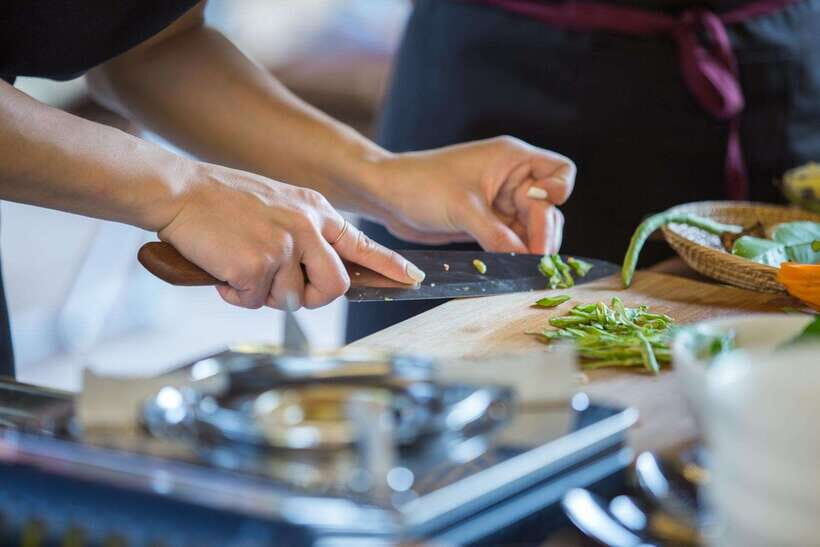
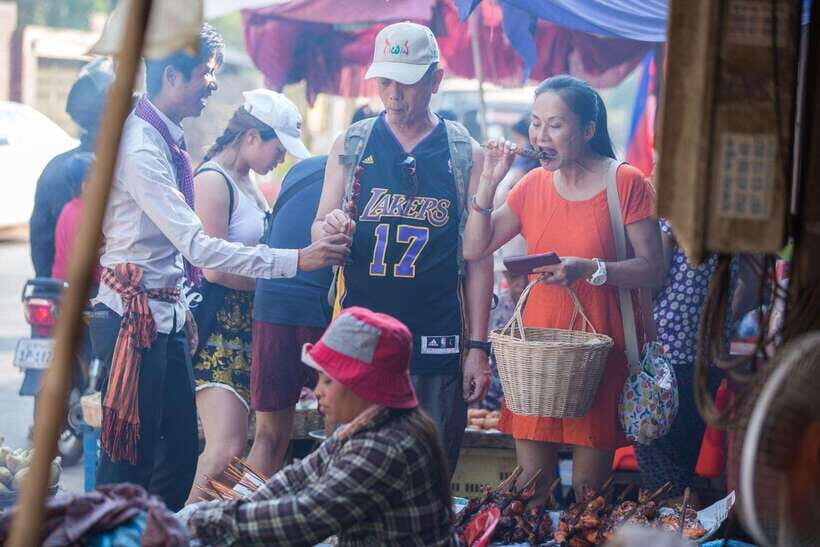
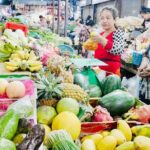
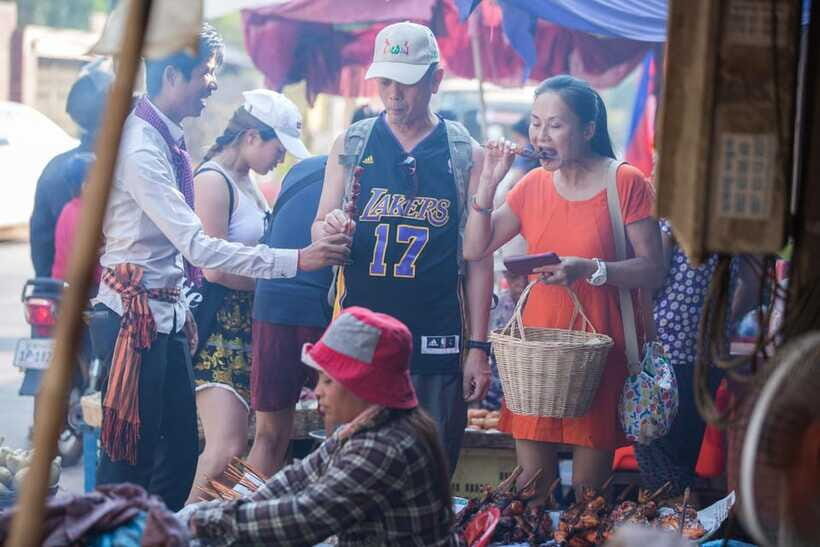
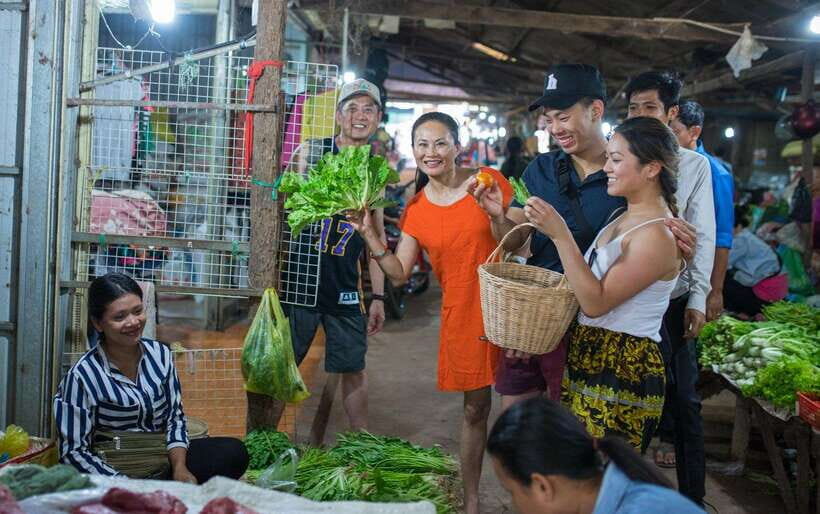
The market walk is one of the most useful parts of the class because it turns ingredients into context. You’re not just buying “stuff for cooking.” You’re learning what locals look for and why certain ingredients matter in Khmer dishes.
You’ll meet the guide and then shop for fresh items for the meal. Expect a bit of bargaining (your guide will help keep it fair), and expect to see ingredients that you might not recognize. This is where you learn how Khmer cooking thinks: balance of aromatics, herbs, and the sauces/spices that shape the final flavor.
A standout detail from the experience is how guides connect ingredients to daily life. Kong-style market storytelling helps you understand more than taste—like what different items are used for and how they relate to Khmer households.
Practical note: wear comfortable shoes. You’ll walk enough that you’ll be happy you did.
Shopping Smart: How to Choose Ingredients Without Getting Stressed
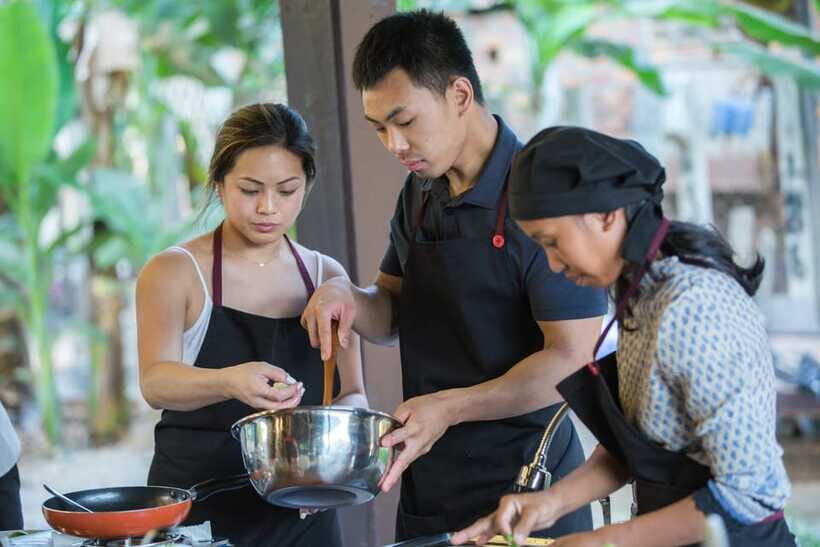
You’re likely to see a lot of produce, herbs, and seafood-based ingredients packed into the market lanes. The class setup helps because you’re shopping with a purpose: your purchases feed the dishes you’ll cook later.
When it’s time to choose courses, you’ll want to think ahead about what you can handle. If you’re spice-sensitive, it’s best to say it early during the class planning. The hosts can accommodate dietary restrictions—vegetarian and vegan options are available if you request them at booking.
Also, bring a camera if you like. Many people end up wanting pictures of ingredients and market scenes, and you’ll also get photos during the cooking day.
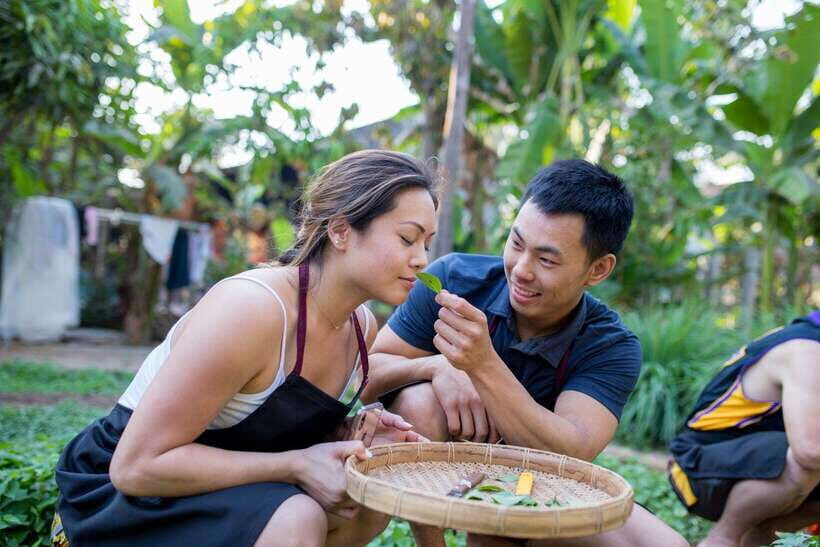
If you enjoy learning by doing, you’ll like the way this market stop trains your senses: smell, color, texture. It makes the later cooking steps feel less mysterious.
Inside the Kitchen: Your Chef-For-a-Day Setup
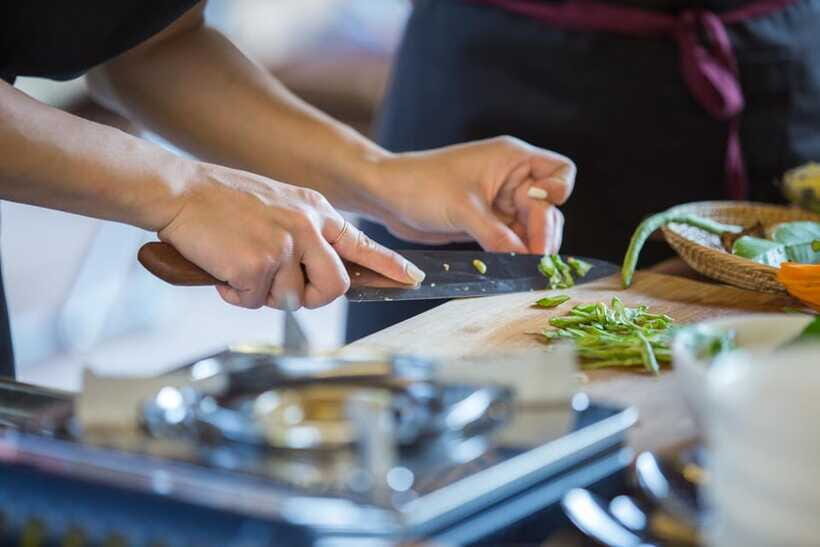
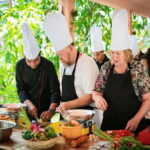
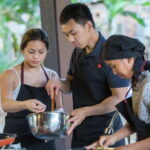
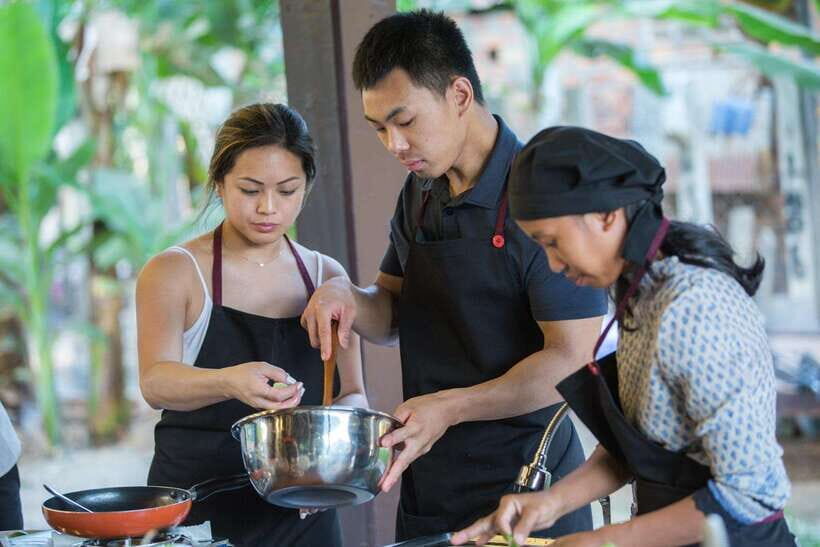
After the market, you head to the guide’s home base to cook. The class is structured so you’re working on real dishes with real timing. You’ll roll up your sleeves and get into the prep and cooking process, guided by your chef instructor.
The teaching style is practical. You’ll chop, mix, and cook alongside the group rather than just watching someone else work. Instructions are in English, and the guides are used to international groups—clear enough that you can keep up even if your Khmer food knowledge starts at zero.
One thing I like about the setup: you’re cooking multiple dishes rather than one “signature” item. That matters in Khmer cuisine, because flavors often depend on how herbs, aromatics, and sauces interact across courses.
And yes, it can be fast-paced. Not frantic, just efficient. That’s good for most people because it keeps the class from dragging. Just be ready to focus.
Other cooking classes in Siem Reap
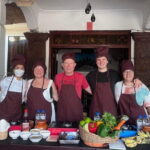
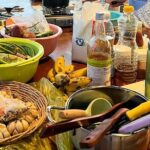
The 4 Khmer Dishes You’ll Cook (Including Fish Amok and Tom Yum)
You’ll cook four authentic Khmer dishes, and Fish Amok and Tom Yum are central to the experience. The menu choices for the other courses can vary based on what’s offered that day, but the format stays consistent: you end up with a complete meal, not random samples.
Fish Amok (often the headline dish) teaches you a key Khmer idea: rich flavor built through aromatics and a gentle cooking method that creates a fragrant, silky result. It’s not a “quick fry and done” dish, so you’ll learn why technique matters.
Tom Yum is another anchor. This is where you experience Khmer balance—sourness, heat, herbs, and that signature savory depth that makes the soup feel vibrant without needing complicated steps. You’ll learn how to time flavors so it tastes right, not just spicy.
Across the four courses, you’ll be taught ingredients and substitutions. One helpful touch from the experience is that guides show you what to swap if you can’t find a specific herb later at home. That makes your “cook it again” goal much more realistic.
For dessert and other courses, expect you’ll choose from a set of options. Some people describe the meal structure as salad/side, a soup or starter, a main dish, and then dessert—so you’ll get the full arc of Khmer flavors.
The Eating Part: Lunch/Dinner Is the Point, Not the Afterthought
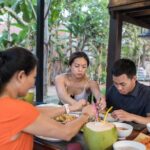
After cooking, you sit down and eat what you made. This matters more than it sounds. A class that sends you out to “taste later” usually wastes the learning. Here, you eat immediately, so the flavors you learned during prep become part of the memory.
You’ll also notice the class is built to keep you satisfied. Multiple guides and chefs adjust workflow so the whole group has food ready without one person getting stuck waiting forever.
And because this is a small group experience, you tend to share the meal in a friendly way. A few people even highlight that the guides handle photos and storytelling during the process, which makes it feel more personal than a standard cooking workshop.
If you’re the type who likes to eat first and understand later, this still works. The food gives you the “why,” and then the class explains the “how.”
Price and Value: What $29 Buys in Real Food Terms
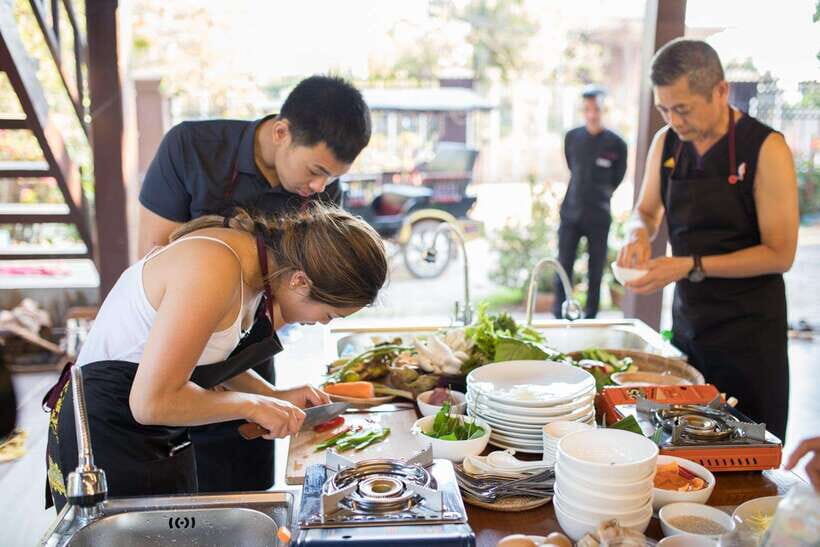
At $29 per person for 3 hours, the value comes from what’s included, not just the price tag. You get:
- Hotel pickup and drop-off
- An English-speaking local host/guide
- Ingredients for four dishes
- A full 4-course meal
- Bottled water
- A small group format (up to 6 people)
When you break it down, you’re paying for more than cooking instruction. You’re paying for market access, ingredient sourcing, transport, and a meal you can’t replicate from a supermarket shelf without some guidance.
Alcohol isn’t included, so if you want drinks, you’ll need to plan separately. Still, you’re not leaving empty-handed. You’ll eat what you cooked, and you’ll likely get recipes afterward and plenty of photos—helpful if your goal is to recreate Khmer dishes back home.
This is also one of the better choices if you want an activity close to where you’re staying. The class is based in Siem Reap, so you’re not losing the day to long transfers.
Who This Class Suits Best (and Who Should Think Twice)
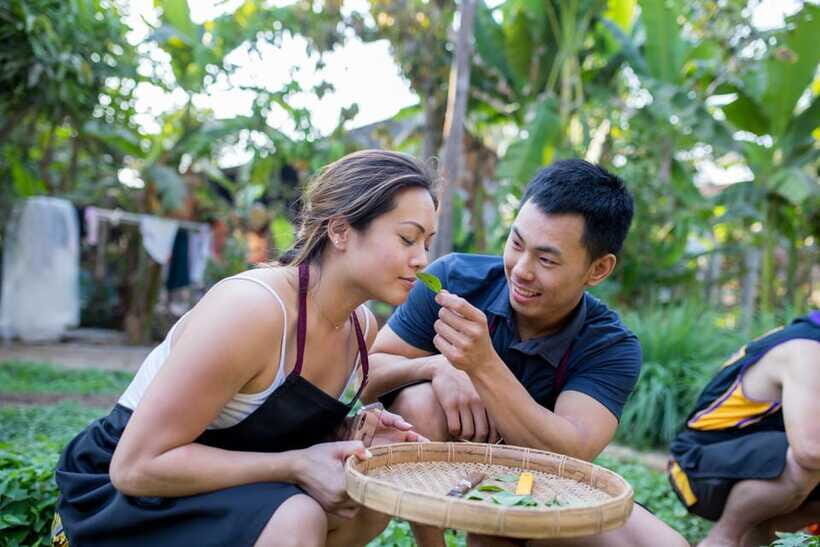
This class is a great fit if you:
- Want a hands-on cultural activity in Siem Reap City
- Like food learning that ends with a real meal
- Prefer smaller groups over big bus tours
- Want to cook Khmer classics like Fish Amok and Tom Yum
- Have dietary restrictions and want veg/vegan accommodation (just tell them when booking)
It may be a poor fit if you need full wheelchair accessibility or you’re traveling with kids under 8. It’s also not set up for people over 80.
The cooking part involves standing, moving around, and working with ingredients—so comfy shoes matter more than you think.
Practical Tips to Make Your Cooking Day Smooth
Here’s how to set yourself up for an easy, enjoyable class:
- Wear comfortable shoes (market walking + kitchen time)
- Bring a camera if you want ingredient and dish photos
- Tell the host about allergies or dietary restrictions before you arrive
- If you’re not confident with spice, speak up early so the chef can guide you
- Watch your timing and tastes as you cook—guides often tell you when to adjust
One smart strategy: before you begin cooking, take a moment to picture the final dish you want. If you’re aiming for a specific result, you’ll pay better attention to the steps that control texture and flavor balance.
Also, expect lots of chopping stations and multi-tasking. Your guide will keep things moving, so don’t be shy about asking for clarification while you’re working.
Should You Book This Khmer Cooking Class in Siem Reap?
Yes, if you want a high-value experience that mixes Khmer food culture with real cooking skills. This class gives you a full meal, ingredient shopping, and a focused 3-hour schedule—all in a small group setting with English instruction.
Book it when you:
- Want Fish Amok and Tom Yum in a learn-it-and-recreate-it format
- Like activities that end with eating your work
- Appreciate market context as part of the cooking lesson
Skip it if you’re not up for active participation, if you need wheelchair access, or if you want a slower, purely observational experience. This one is built for doing, not watching.
FAQ
How long is the Siem Reap Khmer cooking class?
It runs for about 3 hours.
What does the class cost?
The price is $29 per person.
Where do you go during the experience?
You’ll be picked up from your hotel, visit a local market to buy ingredients, then cook at the guide’s home, and finish by eating your meal before returning to your hotel.
How many dishes will I cook?
You’ll cook 4 traditional Khmer dishes.
Which dishes are included?
Fish Amok and Tom Yum are included as part of the 4-dish menu.
Can I do it if I’m vegetarian or vegan?
Yes. Vegetarian and vegan options are available, but you should inform them of your needs when booking.
What’s included in the price?
Hotel pickup and drop-off, an experienced local host/guide, ingredients, a 4-course meal, and bottled water are included.
Is alcohol included?
No. Alcoholic drinks are not included.
What should I bring and wear?
Wear comfortable shoes and bring a camera if you want photos.
Is it suitable for children or seniors?
Unaccompanied minors aren’t allowed. It’s not suitable for children under 8, wheelchair users, or people over 80.