REVIEW · SIEM REAP
Khmer Cooking Class at a Local’s Home in Krong Siem Reap
Book on Viator →Operated by Angkor Wat Travel Tour · Bookable on Viator
Khmer cooking starts at the market. This Siem Reap class has two things I really like: tuk-tuk door-to-door pickup and small groups of up to six so you’re not lost in a crowd. You also get a proper market and garden lead-in, then hands-on help while you cook a full four-course Khmer meal.
One consideration: the experience can feel less like a single private home kitchen and more like a shared open-air setup in a residential area. Instructors you may meet include Kong, Sorya (and sometimes Sky), and they’re part of why it stays fun, step-by-step, and easy to follow.
In This Review
- Quick hits before you go
- Getting There by Tuk-Tuk: Hotel Pickup and the Group Rhythm
- The Market Walk: Picking Khmer Ingredients You Can Actually Use
- Garden to Open-Air Kitchen: Learning What Grows and Why
- Cook Your Own 4-Course Meal: Tom Yam, Fish Amok, and Banana Leaf
- What cooking often feels like
- Your dish-picking tip
- Hands-On Instruction That Stays Friendly and Fixes Your Mistakes
- Recipes for later
- Eating the Results: Four Courses, Shared Tables, and Big Appetite Reality
- Extra Stops: Mushroom Farm and Crocodile Farm (With a Local Guide)
- Price and Value at $27: What You Get (and What to Bring)
- What’s not included
- What you should bring
- Who This Khmer Cooking Class Is Best For (and Who Should Think Twice)
- Should You Book This Khmer Cooking Class in Siem Reap?
- FAQ
- How long is the Khmer Cooking Class in Siem Reap?
- Is hotel pickup and drop-off included?
- How many dishes will I cook during the class?
- Can the class accommodate vegetarian diets or allergies?
- What is included in the meal?
- Do you include beer or wine?
- How large are the groups?
- Is free cancellation available?
Quick hits before you go
- Hotel tuk-tuk pickup and drop-off means you skip the hardest part of planning
- Up to 6 people keeps the cooking hands-on, not “watch from the sidelines”
- Market shopping + garden/herb context makes the dishes feel less like recipes and more like food culture
- Four dishes, cooked by you using classic Khmer flavors like tom yam and fish amok
- Included extra visits: a mushroom farm and a crocodile farm (with a local guide)
- Vegetarian and allergy options may be possible if you tell them ahead
Getting There by Tuk-Tuk: Hotel Pickup and the Group Rhythm
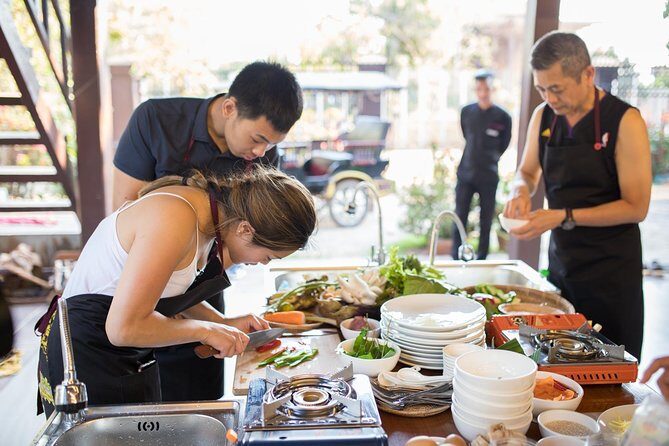
The day starts with the kind of logistics that actually matter in Siem Reap: door-to-door transfers by tuk-tuk. It’s not just a nice perk. It changes your energy level. You arrive ready to cook, not still figuring out where the bus stop is.
This class runs in a 3-hour window (approx.), with three different start times. Both lunch and dinner sessions are offered, which is helpful if your itinerary is tight around Angkor Wat or you just don’t want an early morning.
Group size caps at six travelers. That sounds small on paper, but in the kitchen it makes a difference. You get close guidance while you chop, mix, and taste. It’s also one reason the vibe stays social: you sit together, you talk food, and you compare notes after the meal.
Other Khmer cooking class tours we've reviewed in Siem Reap
The Market Walk: Picking Khmer Ingredients You Can Actually Use
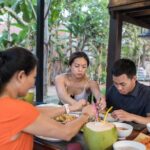
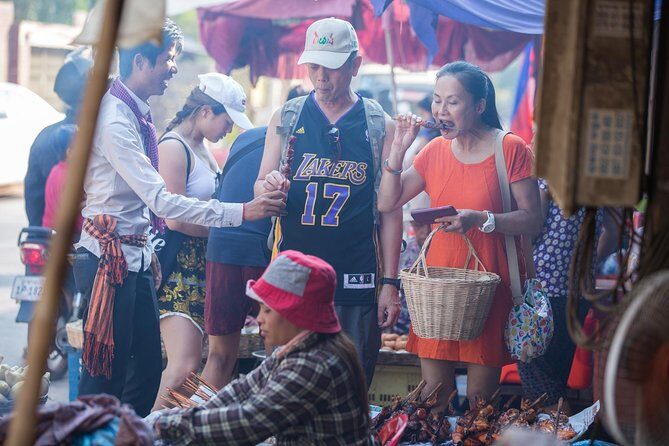
Before the stove, you’ll head to the local market to choose fresh ingredients. Even if you’ve cooked elsewhere, this part teaches you how Khmer cooks think about flavor and texture. The guide helps you recognize what to buy for the dishes you pick later, and why some ingredients show up again and again in Khmer cuisine.
Expect a guided ingredient hunt and a quick walk through stalls. One of the best practical bits: you’re not just buying items blindly. You’re learning what each ingredient is doing in the dish, so you can reproduce it at home without guessing.
If you’re vegetarian or have allergies, tell the provider before you go. They note that they can possibly make allowances. The earlier you communicate, the easier it is for them to adjust what you cook and what you sample.
Bring a little patience for humidity and crowds. Markets move fast. Your best strategy is to follow the guide’s lead and ask questions while you’re there, not later in the kitchen.
Garden to Open-Air Kitchen: Learning What Grows and Why
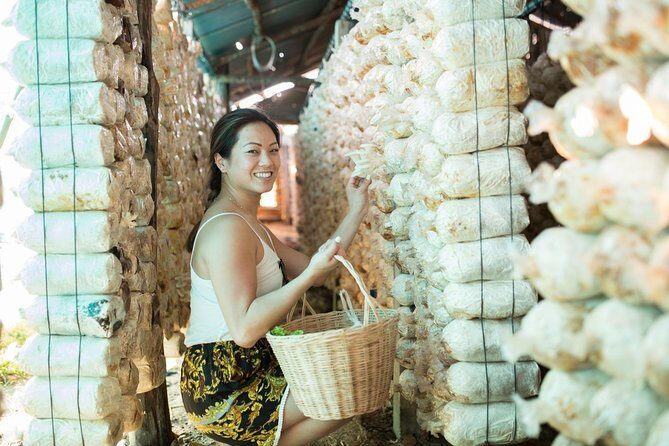
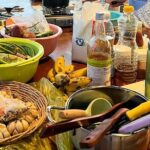
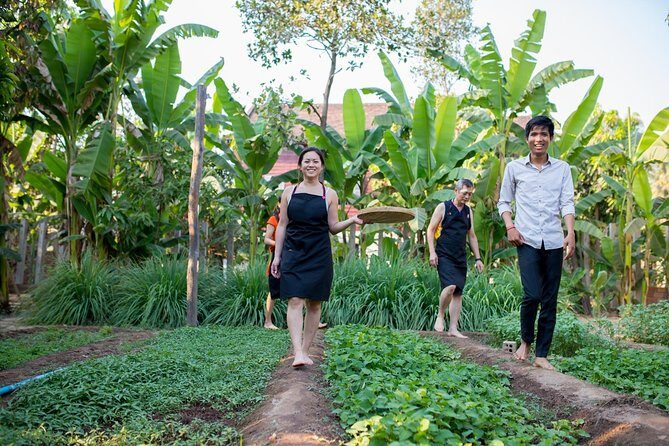
After the market, the class shifts to a cooking space where the focus stays on real ingredients. Many sessions include a look at a garden with herbs and produce, which is one reason the dishes taste so fresh and why the lesson has more depth than a “cook and leave” experience.
Then you cook in an open-air, shared setup. Some people expect a single private home kitchen based on the name. In practice, it’s often a residential-area cooking school feel, with several groups working at the same time. It’s still hands-on and taught closely, but it’s good to calibrate your expectations.
You might also see demonstrations like coconut milk preparation, which matters because coconut milk shows up in lots of Khmer dishes and changes both richness and balance. The guide will explain what’s happening and what you should watch for while cooking.
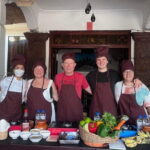
Instructors you may meet (and remember) include Kong and Sorya, and in some sessions Sky is the lead. Names matter here because the teaching style does: the guides are typically patient, step-by-step, and willing to help you fix a sauce or adjust seasoning before it goes “wrong.”
Cook Your Own 4-Course Meal: Tom Yam, Fish Amok, and Banana Leaf
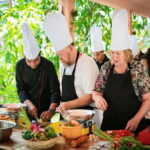
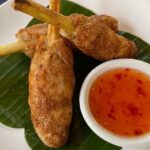
The headline is simple: you cook four authentic Khmer dishes. The menu is designed so you can pick options you’ll actually enjoy. Classic picks commonly include hot and sour tom yam, fish amok, and choices like fish cooked in banana leaf. You may also see other Khmer favorites depending on the session.
This is where the class becomes a real value for your money. At many cooking schools, you cook one dish and watch the rest. Here, your hands are busy for the full meal. If you like learning by doing, that’s the best kind of training.
What cooking often feels like
Expect a mix of chopping, mixing pastes or sauces, assembling, and cooking with clear instructions. Guides typically keep things practical, using shortcuts when helpful (like combining steps without turning the lesson into a math problem). You’ll likely taste along the way to learn what “right” feels like.
One more detail that’s worth knowing: you’ll finish with a full meal, not just a plate of samples. Portions can add up fast, especially if you’re comparing dishes with your group after cooking.
Other cooking classes in Siem Reap
Your dish-picking tip
When it’s time to choose, don’t pick only what you already recognize. Pick one “safe” dish (like tom yam if you want familiar heat) and then choose one you’re curious about (like fish amok). That gives you both comfort and a memorable new skill.
Hands-On Instruction That Stays Friendly and Fixes Your Mistakes
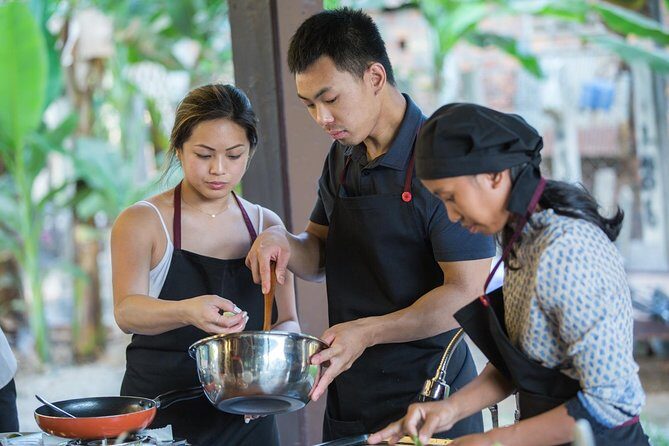
In a good class, the instructor notices your errors fast. This one is built around close attention. With a group of six, you’re not waiting your turn while others get help.
In practice, that means you can ask questions like:
- Is my paste the right texture?
- Do I add coconut milk now or later?
- How spicy should this taste before serving?
It also means the kitchen rhythm moves. One review-style theme that keeps showing up: instructors like Kong bring humor and keep the pace friendly, which helps if you’ve never cooked Khmer food before.
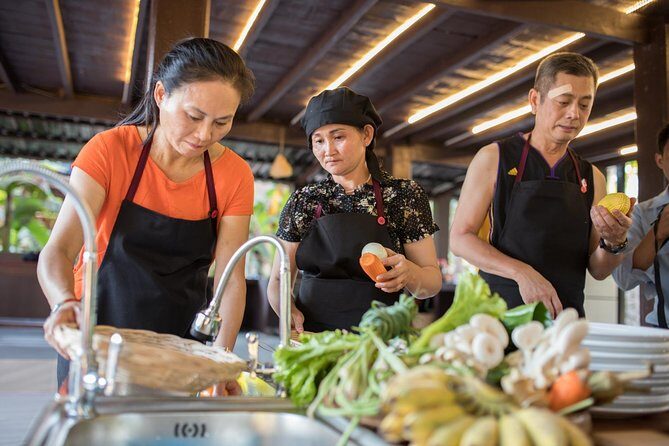
You may even get asked to participate in cleanup tasks (like washing components). It’s not glamorous, but it’s part of the hands-on feel and it helps you understand the full process, not just the fun steps.
Recipes for later
Some hosts share recipes afterward. It’s not guaranteed in the basic overview you’re given, but if they do send them, you’ll thank yourself later when you recreate dishes at home and wonder how they balanced the seasoning.
Eating the Results: Four Courses, Shared Tables, and Big Appetite Reality
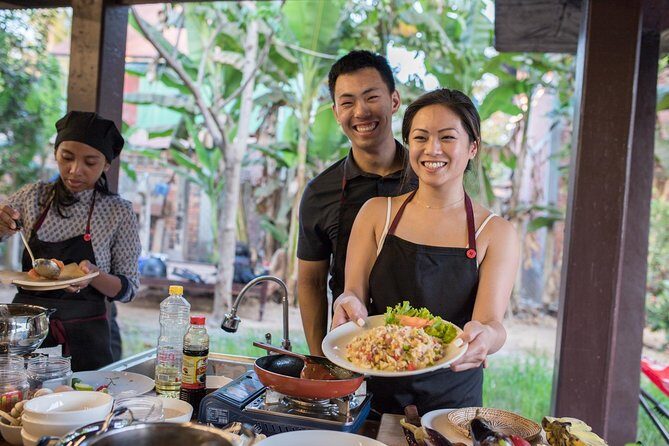
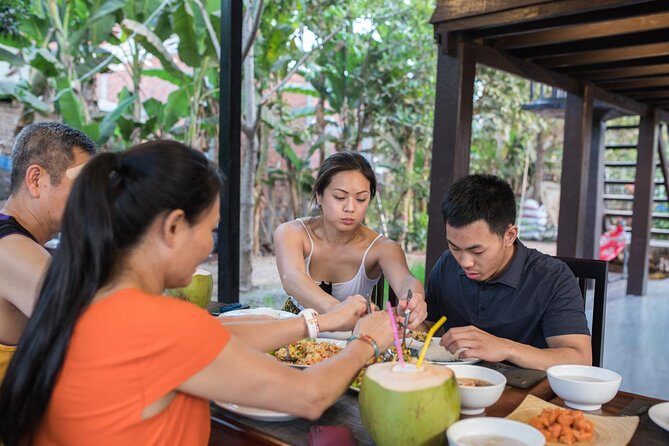
Once the cooking is done, you sit down and eat what you made. The meal is lunch included for lunch sessions, and it’s also the meal at the end of dinner sessions. Either way, it’s designed to be a four-course experience, not a snack.
You’ll likely feel full in a hurry. Between aromatic soups, creamy coconut dishes, and richly flavored fish preparations, it’s more food than you’d expect for a $27 class. That’s not a complaint. It’s part of the value.
One underrated benefit: sharing the table with people who picked different dishes. You’ll get more taste variety because everyone cooks a different set of four dishes. Even if your group members order the same dish options, you still learn through comparison.
Extra Stops: Mushroom Farm and Crocodile Farm (With a Local Guide)
Not every cooking class includes farming context, but this one adds two included side visits: a mushroom farm and a crocodile farm, each with a local guide.
Why this is worth it: Khmer cuisine doesn’t live in a vacuum. The farms connect food to place—how products are grown or raised and how local livelihoods relate to what ends up in the kitchen. It also stretches the experience beyond cooking, which helps if you’re not the type who wants only one activity.
Just keep an eye on how it affects your schedule. Since the total duration is about three hours, those stops are “included but focused,” not a half-day tour. You’ll get enough context to make the cooking meal feel more grounded.
Price and Value at $27: What You Get (and What to Bring)
At $27 per person, the biggest value isn’t the cooking itself. It’s the combination:
- Tuk-tuk hotel pickup and drop-off
- Market ingredient walk
- Ingredients included for the dishes you cook
- A full four-course meal you prepare
- Experienced local host/guide
- Extra visits to the mushroom farm and crocodile farm
- A maximum group size of six, which makes the instruction more personal
That’s a lot packed into one price.
What’s not included
- Beer and wine aren’t included. If you want an adult drink, you’ll need to arrange it separately.
What you should bring
Even though the class covers food, bring the comfort basics:
- Comfortable clothes you can get food splashes on
- Closed-toe shoes (kitchens and outdoor areas can be slick)
- Water or a way to stay hydrated (the schedule is active and Siem Reap heat can be real)
If you’re sensitive to spice, tell your guide when choosing dishes. You can usually adjust heat during cooking, but you need to say something early.
Who This Khmer Cooking Class Is Best For (and Who Should Think Twice)
This class fits best if you want an experience that’s practical, interactive, and culturally grounded. It’s great for:
- Couples and friends who want to cook together and eat right after
- First-timers who like step-by-step guidance
- Food lovers who want Khmer classics like tom yam and fish amok without mystery steps
- Anyone trying to balance Angkor days with something hands-on
The only real “think twice” category is expectation-setting. If your dream is a private home kitchen where you cook entirely alone with a host, you might feel a little let down. The experience often takes place in an open-air shared setup in a residential neighborhood, even if it’s still very much taught by local guides.
Should You Book This Khmer Cooking Class in Siem Reap?
Yes, if you want the kind of Siem Reap activity that’s actually useful when you get home. You’ll come away knowing how to pick ingredients, how Khmer flavors work together, and how to cook a full meal instead of just tasting.
I’d book it if:
- you like hands-on lessons more than museum-style sightseeing
- you want market time plus cooking plus eating in one neat package
- you’re traveling with someone who enjoys food as much as you do
I’d reconsider if:
- you need a quiet indoor private kitchen only
- you have complex allergies and didn’t plan to tell the provider ahead of time
- you’re not comfortable with outdoor/open-air kitchen conditions
If you do book, send your dietary needs early, arrive hydrated, and be ready to eat more than you think. That’s often the best part.
FAQ
How long is the Khmer Cooking Class in Siem Reap?
The class lasts about 3 hours (approx.).
Is hotel pickup and drop-off included?
Yes. You get hotel pickup and drop-off by tuk-tuk.
How many dishes will I cook during the class?
You’ll cook a four-course meal, meaning you’ll prepare four dishes.
Can the class accommodate vegetarian diets or allergies?
If you’re vegetarian or have allergies, you should let the provider know ahead of time so they can possibly make allowances.
What is included in the meal?
The meal is a four-course lunch meal for lunch sessions, and it’s the meal you eat after cooking for dinner sessions. Specific dish examples can include tom yam and fish amok, and there is fish cooked in banana leaf.
Do you include beer or wine?
No. Beer and wine are not included.
How large are the groups?
The experience is capped at a maximum of 6 travelers.
Is free cancellation available?
Yes. You can cancel for a full refund up to 24 hours in advance of the experience’s start time.