REVIEW · SIEM REAP
Angkor Wat Sunrise or Sunset Tour with Guide from Siem Reap
Book on Viator →Operated by Angkor Wat Travel Tour · Bookable on Viator
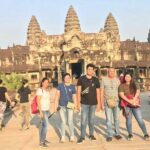
Getting to Angkor before the crowds changes everything. This small-group Angkor Wat tour from Siem Reap is built around a tight, early schedule, with pickup by air-conditioned vehicle, an English-speaking guide, and visits to major highlights like Angkor Wat, the South Gate of Angkor Thom, Ta Prohm, and more. I especially like the max 13-person setup (so you’re not stuck in a giant herd), and I like how the guides explain what you’re seeing in practical, human ways—history plus stories, delivered with energy.
The one trade-off: the headline price is low, but you still need to pay the Angkor admission fee separately for entry, and sunrise means an alarm-clock-level early pickup.
In This Review
- Key points I’d circle before you book
- Price and logistics: what the $18 really covers
- Sunrise vs sunset: how the timing changes the experience
- The Angkor Wat morning setup: what you’ll do and what to watch for
- Angkor Thom’s South Gate and Bayon towers: why this stop matters
- Ta Prohm tree roots: the photo stop that also tells a story
- Banteay Kdei: the calmer finale before you head back
- Why the guide’s style is a big deal here
- What to expect on the ground: walking, heat, and pacing
- Practical tips to make this feel easier
- Who this tour suits best
- Should you book this Angkor Wat sunrise or sunset tour?
- FAQ
- Is pickup included?
- How much is the tour and what’s included?
- Do I pay separate entrance fees for the temples?
- How long is the tour?
- Which temples are included?
- What time is pickup for sunrise?
- How big is the group?
- Is there a sunset option too?
- Can I cancel for free?
Key points I’d circle before you book
- Pickup at dawn (for sunrise departures it’s typically 4:15–4:40 am from your hotel)
- Small group, up to 13 guests, so photos and questions are easier
- 4 temple stops spanning the Angkor Wat complex and the wider Angkor Thom area
- English guide + cold water and cold towels at the stops
- Angkor admission ticket covers all temple admission for your visit (so you’re not buying lots of separate entries)
Price and logistics: what the $18 really covers
The tour price is listed at $18 per person, and what you’re buying for that cost is the structure: air-conditioned transport, pickup/drop-off, a guide in English, and those small comfort extras like cold water and cold towels. That matters on an 8-hour day in Cambodia heat, and it helps keep the experience feeling easy instead of chaotic.
Then there’s the part that often surprises people: temple admission is not included in the $18. The Angkor Wat admission fee is listed as $37 per person, and it’s said to cover all the temple admission for your visit. In other words, your realistic total usually comes out closer to about $55 per person once you add entry. That is still good value compared with tours that bundle inflated entry prices, but you do need to budget for it.
The tour also notes you’ll have a mobile ticket, and it runs as a small group with a maximum of 13 travelers. In practice, that usually means a tighter itinerary and quicker decisions at each stop—less time waiting, more time looking. Group discounts are mentioned too, so if you’re traveling with friends, there’s a chance the per-person cost drops further.
Other Angkor Wat sunrise tours we've reviewed in Siem Reap
Sunrise vs sunset: how the timing changes the experience
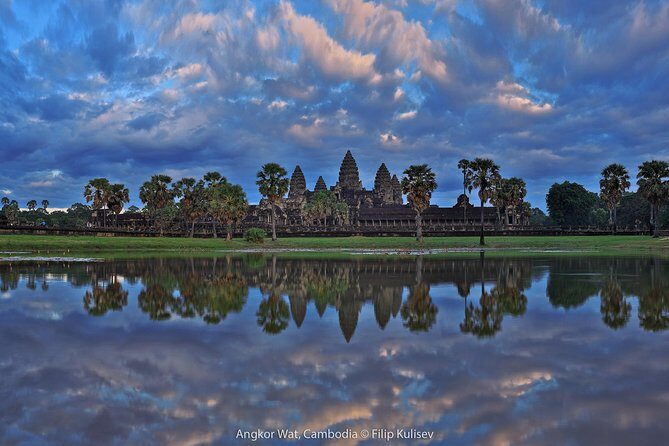
The title says sunrise or sunset, and the feel of the day depends on which option you choose.
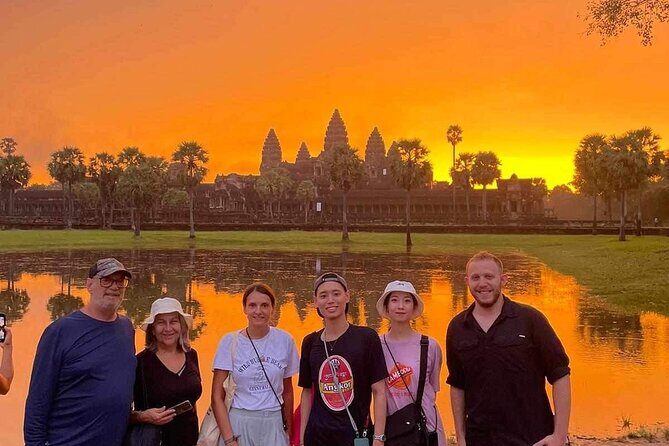
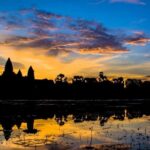
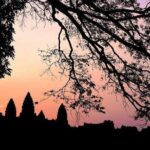
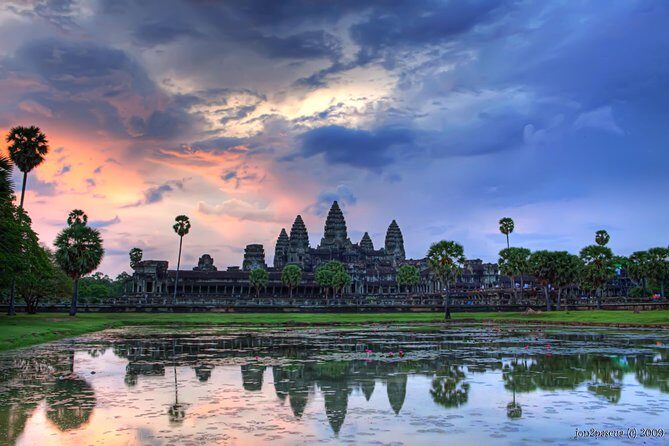
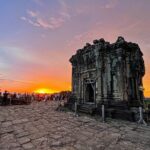
For sunrise, the early pickup range given—4:15 to 4:40 am—is real. You’re leaving while the world is still dark, which can feel intense if you’re not used to early starts. But sunrise has a payoff: cooler air, fewer people on the walkways, and the chance to watch the temple atmosphere shift as light spreads across stone and towers.
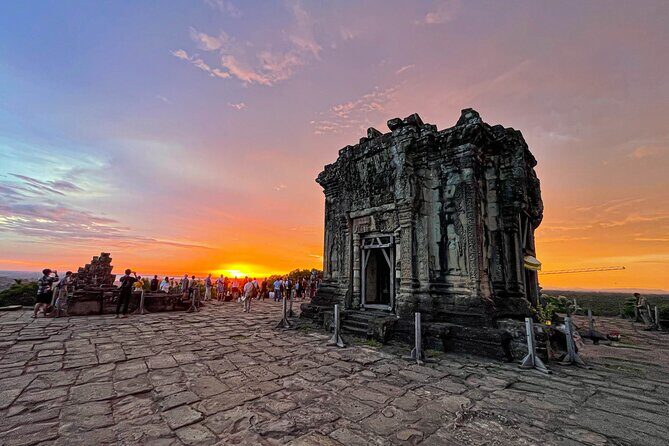
For sunset, you’re starting later in the day (and the tour still includes the temple circuit). The advantage is obvious: less sleep sacrifice. Reviews include people who did a sunset-style experience and praised their guides and timing, which suggests the operator aims to give you good viewing windows rather than just dropping you at a busy gate.
Either way, the tour is designed for a “see a lot, but don’t feel rushed” pace. You get a set number of hours at each stop, and the guide manages the group so you can still find time for photos and short self-exploration.
The Angkor Wat morning setup: what you’ll do and what to watch for
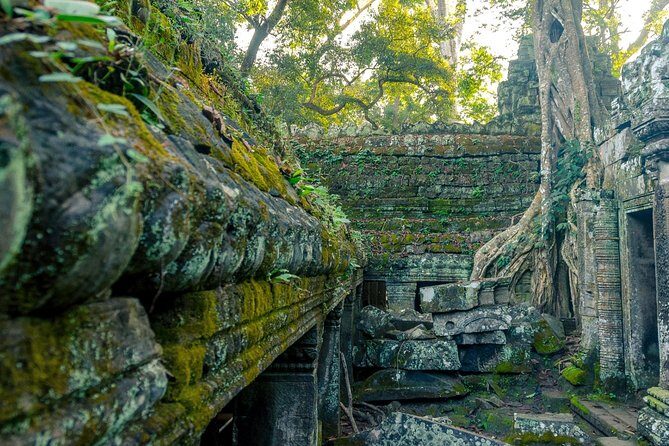
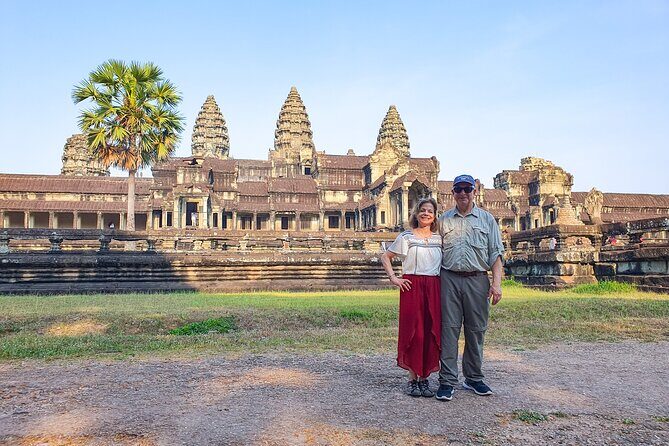
Your first major stop is Angkor Wat, and the schedule is set for the early part of the day. You get about 3 hours here, which is enough time to do two things well: (1) take in the big views and (2) actually walk enough to understand how the complex is laid out.
This is also where the tour’s “main highlights” show up: the circuit covers key parts of the Angkor Wat area, including references to the Terrace of the Elephants. Even if you only catch it briefly, it’s worth knowing it’s part of what you’re paying for, because it’s one of those features that makes Angkor feel like more than just a single postcard temple.
A practical note: sunrise crowds can be intense, but guides here are praised for helping the group find better photo timing and quieter angles. Some guides are specifically described as timing things so you beat the heaviest crush and still get time to look around on your own. That doesn’t mean you’ll have the place to yourself—Angkor is busy—but it suggests the tour doesn’t operate like a drop-and-vanish photo line.
If you’re booking sunrise, plan to dress for early hours. You’ll be walking before it fully warms up, then it can turn hot quickly once the sun climbs.
Angkor Thom’s South Gate and Bayon towers: why this stop matters
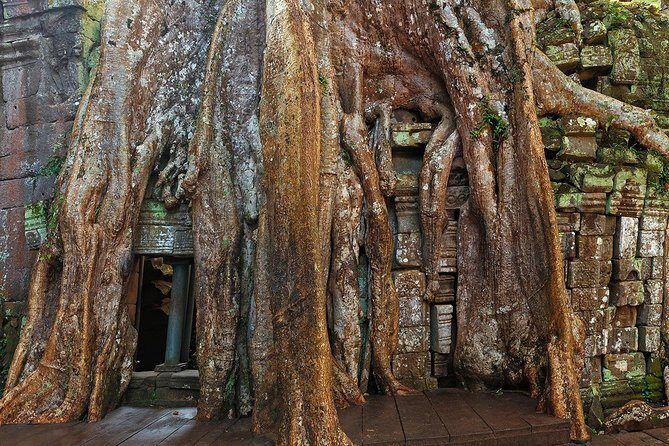
After Angkor Wat, the tour moves to the broader Angkor Thom area. The itinerary lists the path leading to the South Gate of Angkor Thom, with time to explore Bayon and Baphuon temples.
Here you get about 2 hours, which is a good slot for two reasons:
- The gates and main courtyards need time to absorb.
- The sculptural details reward slow walking, not just quick stops.
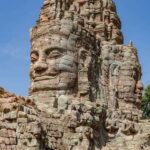
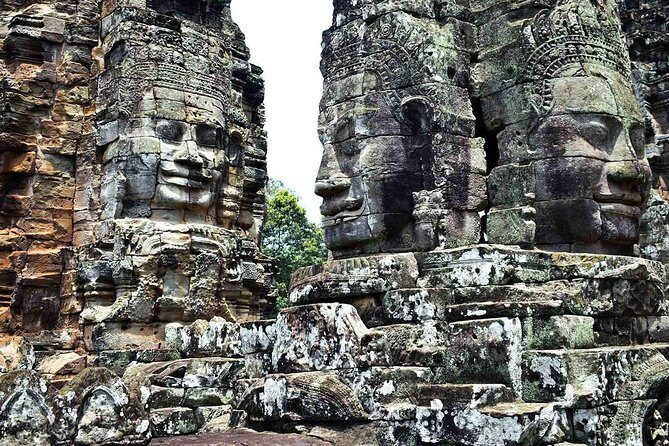
Bayon is famous for its 54 towers, and the stop description highlights that feature. The big deal with Bayon isn’t only the height—it’s the faces and the way they repeat across the towers. A good guide will help you interpret the scenes so it feels less like repeating decoration and more like an organized visual world.
One drawback to consider: Bayon and the surrounding areas can involve more walking and standing still while you look up. If you’re the type who hates waiting your turn, pick a time when you can stay patient. With this tour’s small group size, waiting is usually shorter than on larger coach tours, but it’s still a temple circuit.
Ta Prohm tree roots: the photo stop that also tells a story
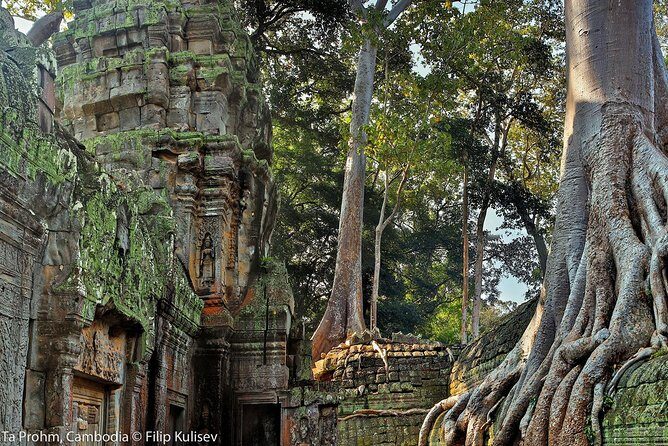
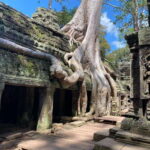
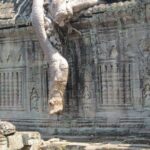
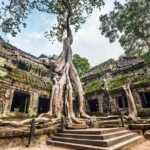
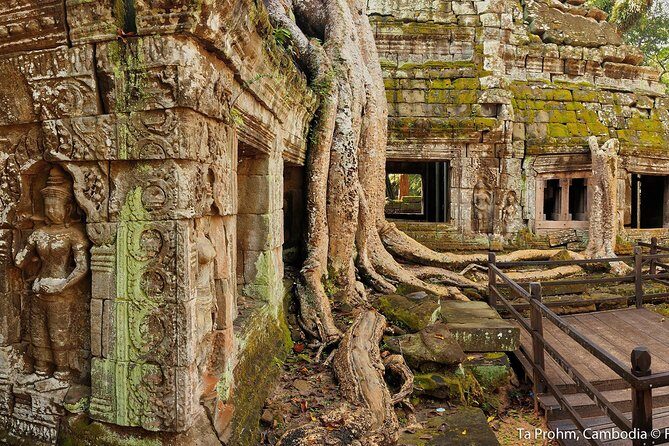
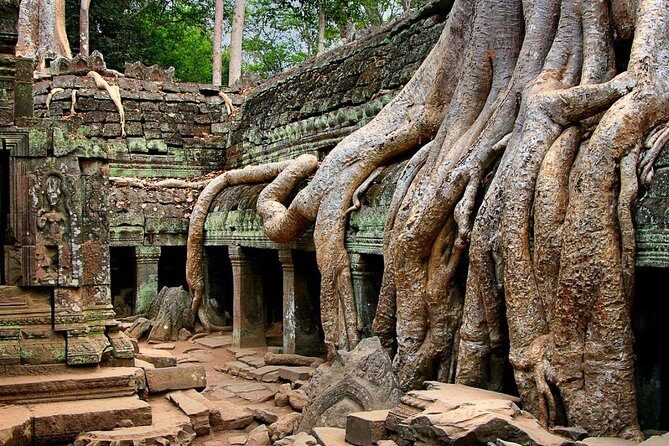
Then comes Ta Prohm, often called the jungle temple or tree temple because of the huge roots gripping the stones. You get about 2 hours at Ta Prohm, which is enough time to do the classic photo sweep without feeling like you’re constantly being ushered onward.
This temple is popular for a reason: the scene looks dramatic even when you’re not trying to find the perfect angle. But the most satisfying part is learning what you’re looking at—how the trees became part of the ruin’s identity, and how Angkor’s environment shapes the look of the stones.
The reviews you’ll see attached to this kind of tour frequently emphasize that guides mix history with storytelling and humor. That’s a real advantage at Ta Prohm because it’s easy to treat it like just a photo set. When a guide connects it to the bigger Cambodian and temple story, it becomes more meaningful, and you’ll remember it longer than a quick snap.
Other Angkor Wat sunset tours we've reviewed in Siem Reap




Banteay Kdei: the calmer finale before you head back
The tour includes one final temple stop: Banteay Kdei, described as a structure built by King Jayavarman VII in the late 12th century. You get about 1 hour here.
Short time on a temple can sound like a limitation, but it can also be smart. Banteay Kdei tends to feel less like a sprint and more like a slower, atmospheric finish to the day. If you’ve been walking steadily since the sunrise start, this stop gives you a chance to reset your legs and still close the day with something visually distinct.
If you’re sensitive to heat, this is where you’ll feel the fatigue most. The tour’s cold water and cold towel service helps, and the guide usually manages group movement so you’re not stuck waiting too long.
Why the guide’s style is a big deal here
With Angkor, the difference between a good and great tour is often the guide’s ability to make the temples readable. This tour’s reviews repeatedly mention guides who tell stories, use humor, and keep explanations from turning into lectures.
You’ll see names like Mr. T, Indiana Jones (Chanthy), David, Sen, Joe, and drivers referenced by playful names like James Bond and Michael Jackson. Even when the names differ, the pattern is consistent: guides are described as engaging, humorous, and attentive, and they aim to help you understand what’s in front of you without ruining the fun.
One of my favorite things to look for in an Angkor guide is the balance between group movement and personal time. Reviews describe guides making sure people can explore briefly on their own, then regrouping with clear timing for the next stop. That’s exactly what you want on a day with lots of stairs, lots of walking, and lots of photo moments.
What to expect on the ground: walking, heat, and pacing
This is not a “sit on a bus and point” tour. Even with only four main stops, you’re moving through different temple zones and doing a good amount of walking.
Expect:
- Early starts for sunrise options, with a pickup window around 4:15–4:40 am
- Time on uneven stone surfaces and some steps
- Heat management needs, especially midday after sunrise
- Photo breaks that are scheduled, not random
The included cold water and cold towels are more than a perk. They help you stay comfortable enough to keep walking and keep looking, which is the whole point of a temple tour. Reviews also mention drivers handing out cold water and towels at stops, reinforcing that this operator tries to keep basics covered.
Practical tips to make this feel easier
If you want the smoothest experience, pack and plan with these realities in mind:
- Wear light layers you can adjust early and later. Sunrise can be cool at first, then warms quickly.
- Bring good walking shoes. Angkor surfaces can be unforgiving.
- Carry sun protection. You’ll be outdoors for a long stretch.
- Think about your Angkor admission timing. Since the $37 ticket is separate, don’t let it become last-minute stress.
- If sunrise is your choice, accept that the day starts before you feel ready. It’s worth it for the atmosphere.
One more tip: pay attention to where your guide suggests you stand or walk for photos. Multiple reviews mention guides timing crowds and finding quieter spots. That skill can turn a stressful lineup into something calm and photo-friendly.
Who this tour suits best
This is a good match if you:
- Want a small-group Angkor day without getting lost in the back of a huge crowd
- Like history explanations told in a story-driven way (not just dates and names)
- Prefer a structured circuit with limited stops so you can actually look
- Plan to go sunrise if you’re chasing the cooler air and early-light magic
It’s also a fit for families. Reviews include a mention of a 12-year-old enjoying the sunrise experience. Still, know it involves walking and early hours. For kids, bring patience, water discipline, and realistic expectations.
Should you book this Angkor Wat sunrise or sunset tour?
If you’re trying to see the big hits—Angkor Wat at dawn or dusk, South Gate of Angkor Thom, Bayon, Ta Prohm, and Banteay Kdei—and you want that done with a small group, I’d say this tour is worth booking. The guides seem to be a major strength, especially when they manage timing to reduce crowd pressure while still giving you time to wander.
Book it if:
- You want pickup and transport handled
- You’d like an English guide who tells stories and keeps the day moving
- You’re okay paying the $37 Angkor admission on top of the tour price
Skip it (or look harder) if:
- You hate early mornings and the sunrise option will make you miserable
- You want to spend all day on one temple instead of moving through multiple sites
If you do book, choose sunrise if you can handle the early pickup. The reward is the calm start, cooler walking, and the kind of atmosphere that makes Angkor feel alive instead of just photographed.
FAQ
Is pickup included?
Yes. The tour includes hotel pickup and drop-off, using an air-conditioned vehicle.
How much is the tour and what’s included?
The tour price is $18 per person. Included are an English tour guide, air-conditioned vehicle, and cold water and cold towels.
Do I pay separate entrance fees for the temples?
Yes. Angkor Wat admission is listed as $37 per person, and it covers all the temple admission for your visit.
How long is the tour?
It runs about 8 hours (approx.).
Which temples are included?
The tour covers Angkor Wat, the South Gate of Angkor Thom with Bayon/Baphuon, Ta Prohm, and Banteay Kdei.
What time is pickup for sunrise?
For sunrise departures, pickup is typically between 4:15 and 4:40 am from your hotel.
How big is the group?
The maximum group size is 13 travelers.
Is there a sunset option too?
The tour is offered as Angkor Wat Sunrise or Sunset, depending on which option you select when booking.
Can I cancel for free?
Yes. Free cancellation is available if you cancel at least 24 hours before the experience’s start time.