REVIEW · SIEM REAP
Sunset Dinner Tour: Tonle Sap Lake Floating Village
Book on GetYourGuide →Operated by Tara Riverboat · Bookable on GetYourGuide
Tonle Sap sunsets feel like a secret world. I love how this Tonle Sap Lake floating village trip turns a simple drive out of Siem Reap into a slow-moving water scene, with real life on the water right in front of you. The Queen Tara dinner cruise is the payoff: you’re out on the lake at golden hour with a proper meal and unlimited drinks, plus time to relax and watch the village glow. One heads-up: the stop at the crocodile and fish farms can feel unsettling, especially if you’re sensitive about animal conditions.
This is also one of those tours where the small details matter. Pickup and drop-off are included, the group is limited to 10, and guides (I’ve seen names like An, Va, and Pol also known as Mr Friday) tend to make the story of the lake feel personal, not scripted. Timing matters, too. If the sky turns overcast, the sunset won’t disappear, but it can look less dramatic than a clear-day sunset.
In This Review
- Key things that make this tour worth your time
- Tonle Sap at sunset: a different side of Siem Reap
- Getting out to the lake: pickup, the 3:30 start, and why the ride matters
- The mini Tara cruise: what you’re really seeing on the water
- Lotus farm visit: the flower, the culture, and the why behind it
- Crocodile and fish farm stop: interesting trades, complicated feelings
- Floating villages up close: water-level reality and daily life
- Dinner on the Queen Tara: buffet, hammocks, and sunset setup
- How long it lasts, and how to make the most of your 4 hours
- What you’ll get from this tour (and who it’s best for)
- Should you book the Tonle Sap sunset dinner tour?
- FAQ
- How long is the Sunset Dinner Tour on Tonle Sap Lake?
- What does the tour cost?
- Are hotel pickup and drop-off included?
- What boat do you have dinner on?
- Are drinks included?
- Is there a lotus farm stop?
- Do you visit the floating villages and how does the location vary?
- Is there a crocodile and fish farm visit?
- How much do children pay?
- Can I cancel for a full refund?
Key things that make this tour worth your time
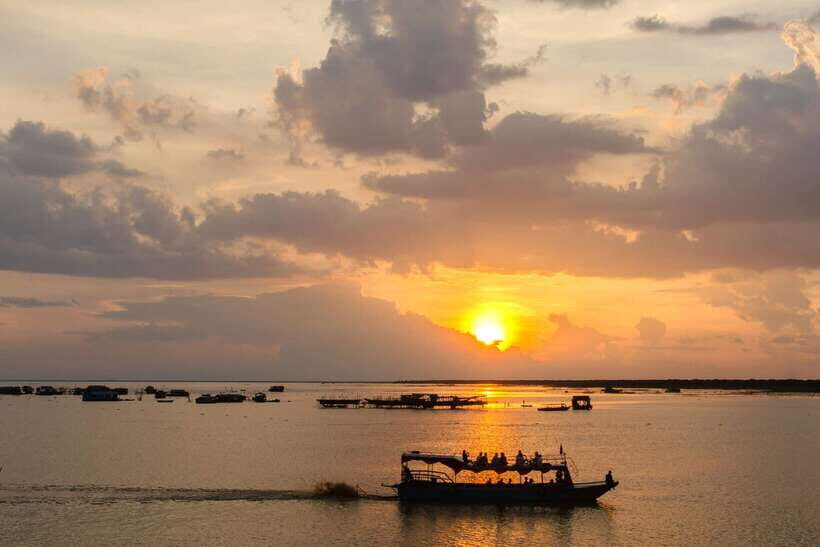
- Two boats, one viewpoint strategy: you zip around on a smaller mini Tara boat, then settle into the larger Queen Tara for dinner and sunset.
- Lotus farm stop with practical meaning: you learn why the lotus matters in Buddhist culture and how people use lotus in everyday life.
- Floating villages shaped by water levels: villages shift between canals and the lake proper depending on the season.
- A guided look at lake trades: you visit a crocodile and fish farm and learn what life on Tonle Sap revolves around.
- Time to chill, not just rush: hammocks, roof-deck seating, and a relaxed dinner flow help you actually watch the light fade.
- Small group energy: with up to 10 people, it’s easier to ask questions in English and keep the vibe calm.
Tonle Sap at sunset: a different side of Siem Reap
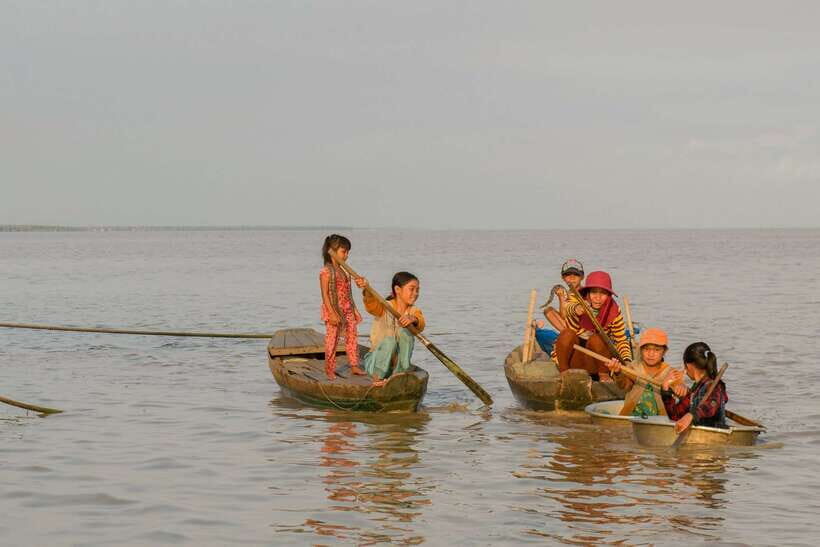
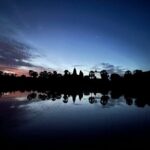
Siem Reap is famous for temples. This tour is the opposite mood. Instead of stone and towers, you get water and sound: the lapping against the boat, the smell of the lake, and that quiet sense that life here follows the rhythm of water, not roads.
What makes it special is that you don’t only photograph floating houses. You learn how people survive and work on Tonle Sap, and you see how the built environment changes with the seasons. The dinner angle helps, too. You’re not racing to catch one quick viewpoint; you’re on the lake long enough for sunset to unfold the way it should.
Other Angkor Wat sunset tours we've reviewed in Siem Reap
Getting out to the lake: pickup, the 3:30 start, and why the ride matters
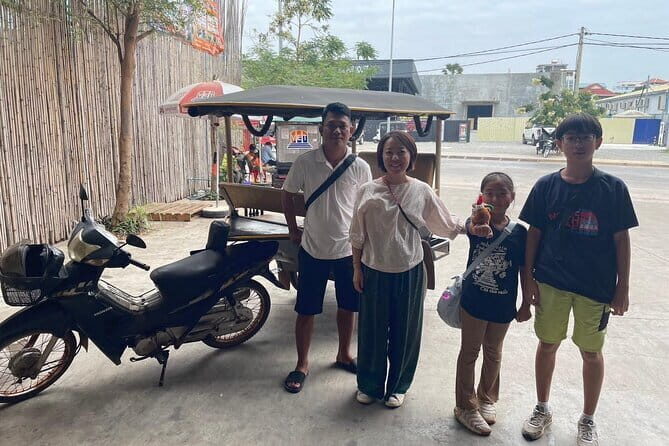
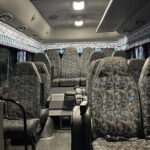
You’ll be picked up from your hotel or guesthouse around 15:30, then driven out toward Tonle Sap. The transfer is by air-conditioned vehicle or tuk-tuk, depending on what your departure uses, and your guide provides commentary along the way in English (with Khmer too, as you’d expect).
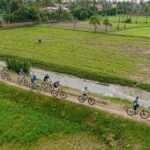
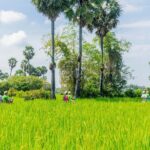
I like this part because it sets context. You pass rice paddies and lotus fields, and if the timing is right for the day and season, you may be able to pause for photos of lotus blooms. One review noted the views can vary with time of year, so don’t expect a single, guaranteed postcard image. Instead, look at this as your warm-up: you’re getting your bearings before the water tour begins.
Practical note: bring a light layer. Even when it’s warm, lake wind can cool you quickly once you’re cruising.
The mini Tara cruise: what you’re really seeing on the water
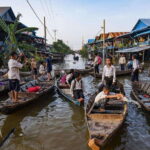
Once you reach the port, you transfer onto a smaller mini Tara boat. This is the part where the lake feels alive. You move closer to the floating village edges and get a better sense of scale: houses, walkways, and daily routines that don’t look like they were arranged for tourists.
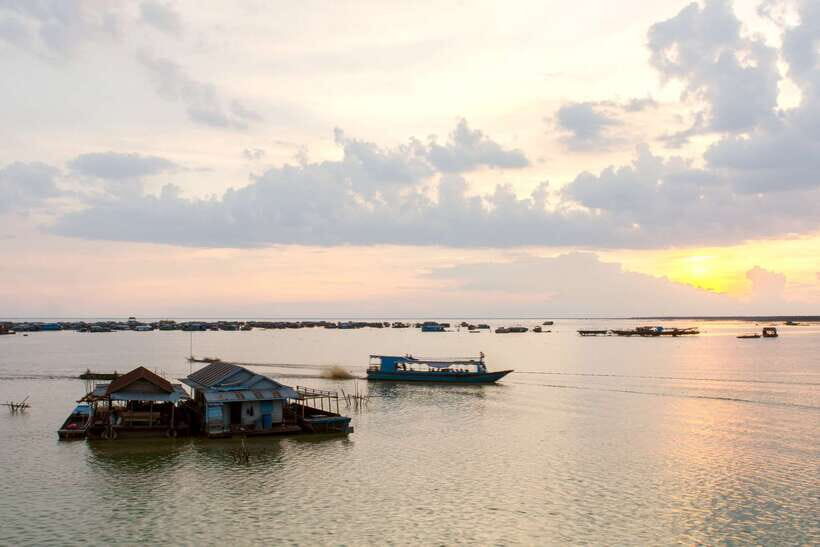
The route can change with water levels. At certain times of year, floating villages sit more in river canals; at other times, they’re more out on the lake proper. The good news is that your cruise is designed to take in the floating village area either way, so you’re not stuck in one narrow view.
Also, keep your eyes open for the details that don’t scream tourist. I’m talking about small decks, children’s routines, fishing work, and the way boats connect the spaces. One of the best descriptions of the experience is simple: you glide through the town and then you’re suddenly in it, surrounded by structures that seem to rise straight from the water.
Lotus farm visit: the flower, the culture, and the why behind it
Before dinner, you’ll stop at a lotus farm. This isn’t just a quick photo stop. You learn why the lotus flower is important in Buddhist culture and how it fits into daily life. People also explain how lotus parts are used, including what can be made from lotus stems.
From the way guides present it (I’ve seen comments mentioning lotus stem cloth), you’ll come away thinking of the lotus as a plant with jobs, not just pretty petals. If you like cultural stops that are more than a shopping-breathing exercise, this one usually lands well.
If you’re hoping for specific lotus blooming angles, remember views can vary with season. Still, the lesson is consistent: the lotus carries meaning, and the farm is where you see that meaning in practice.
Crocodile and fish farm stop: interesting trades, complicated feelings
Next comes the stop at the floating crocodile and fish farm. The exact layout can vary with current water levels, but you’re there to understand how some lake residents manage crocodiles and fish as part of their livelihood.
Here’s the balanced take. The visit can be fascinating because it shows the logistics of feeding, housing, and managing animals in a floating environment. At the same time, a few reviews describe the conditions at the crocodile farm as sad or at least emotionally uncomfortable. If you’re an animal lover, go in mentally prepared for that discomfort.
If you’d rather avoid any part of the experience that feels distressing, this might not be your favorite hour. But if your goal is real insight into lake trades, this stop gives a direct look at what people do to earn a living on Tonle Sap.
Other Tonle Sap and floating village tours we've reviewed in Siem Reap
Floating villages up close: water-level reality and daily life
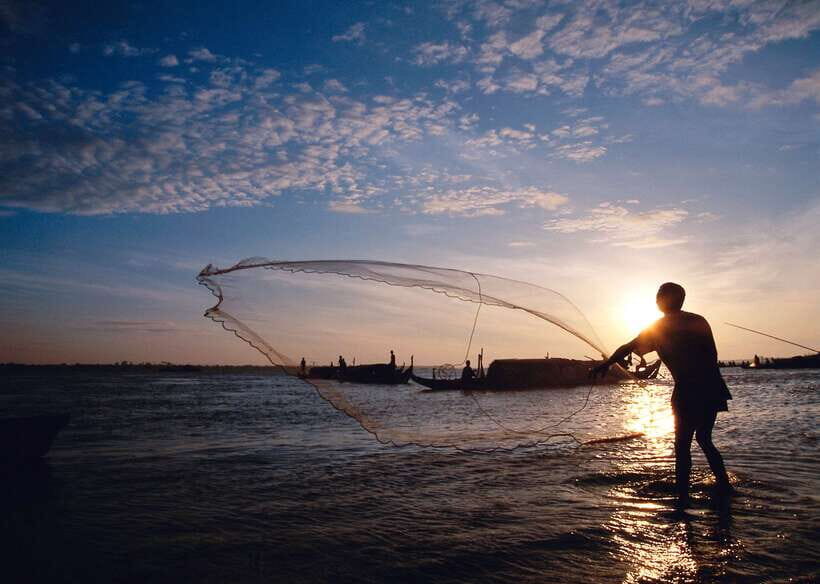
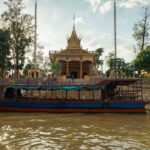
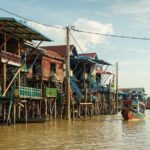
After the farm stop, you continue through the floating village zone and get a more direct look at community life. Houses, schools, churches, and other structures exist on stilts and platforms, and the whole area changes as the water rises and falls.
One review mentioned the floating villages move about seven times a year as water levels shift. Even if you don’t track the exact calendar, you’ll feel the system. Life here isn’t static. It expands, contracts, and adapts.
You may also stop briefly at a souvenir shop along the way. This can be useful if you want small gifts, but you’re not required to buy. The viewing deck time is typically the part people remember: you can watch boat traffic and take photos from a slightly higher angle.
Dinner on the Queen Tara: buffet, hammocks, and sunset setup
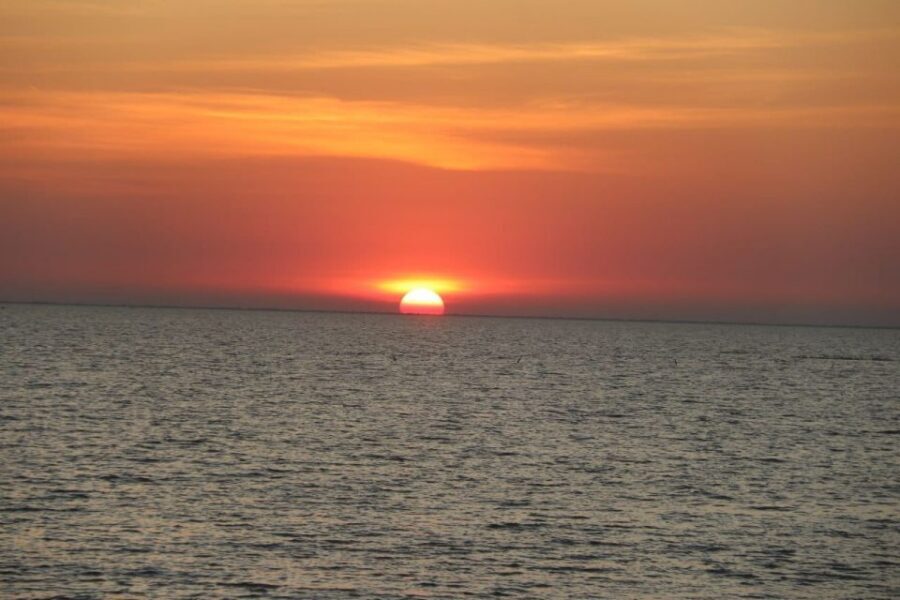
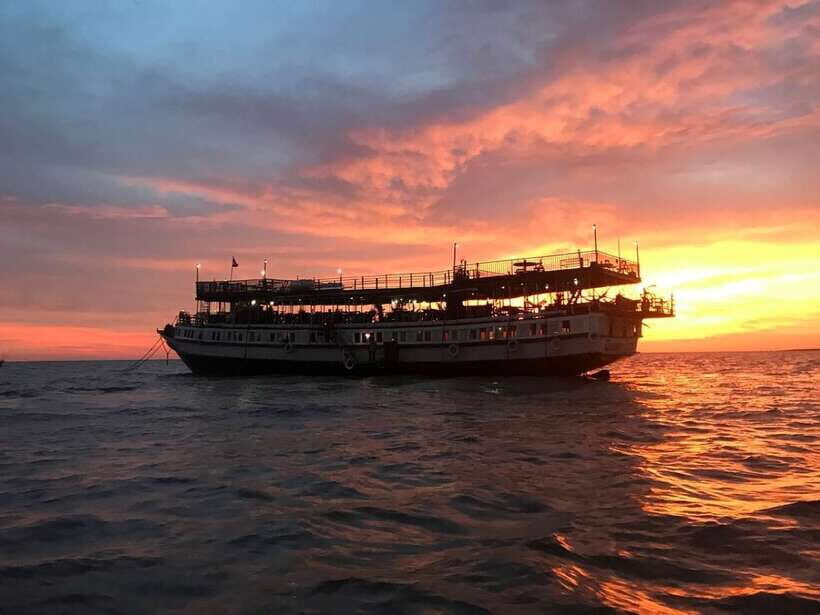
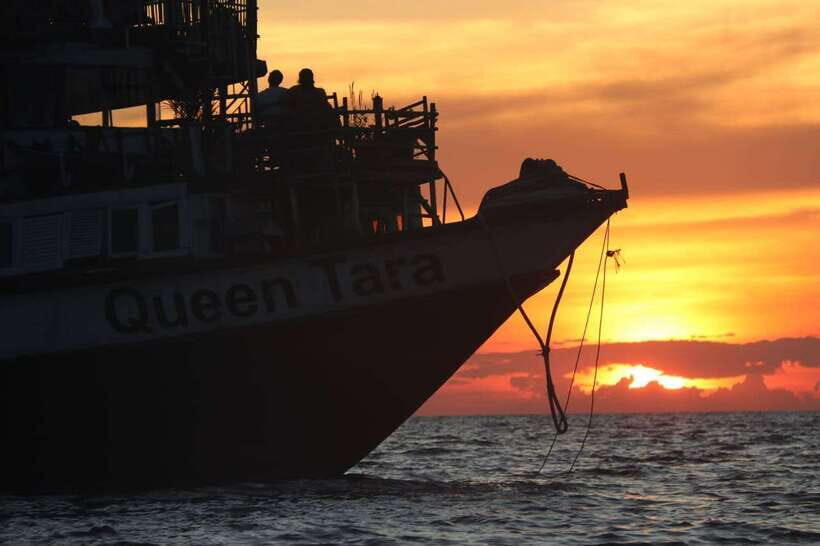
Now you arrive at the larger boat, Queen Tara, described as the biggest boat on the lake and the heart of the floating village area. This is where the experience softens from touring to simply hanging out.
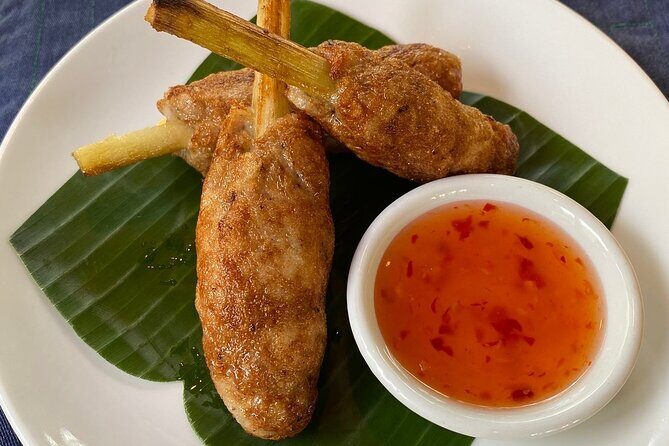
Dinner is served onboard. Depending on your departure group size and logistics, it’s either a buffet-style meal or a fixed menu. Expect Cambodian-style food described as simple but ample. It’s not fine dining. It’s comfort-meal energy: filling, drink-friendly, and designed to keep you on the water while the light changes.
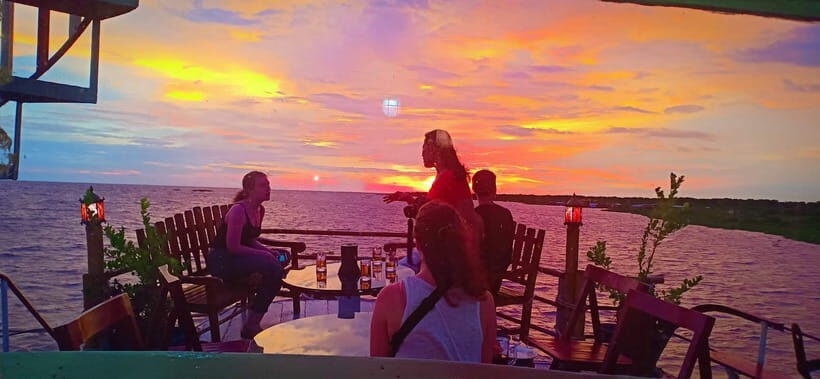
And then there’s the bar. Your tour includes unlimited drinks: beers, cocktails, wines, spirits, plus soft drinks and juices. This is a big value driver. For a $49 price point, what you’re paying for is not only the boat time and guided cruise. It’s the combination of sunset + dinner + an all-you-can-drink lake bar, with pickup and guide included.
If you’re the type who likes atmosphere, you’ll probably love the staging. People often comment on hammocks and finding comfortable spots. You may be able to sit on the roof deck, grab a cocktail, and watch the village dim into silhouette.
Weather can affect the sunset. If it’s overcast, the sunset can look muted rather than dramatic. Still, the experience is about being there during the transition from day to night. Even under cloud cover, the water scene and village lights can be memorable.
How long it lasts, and how to make the most of your 4 hours
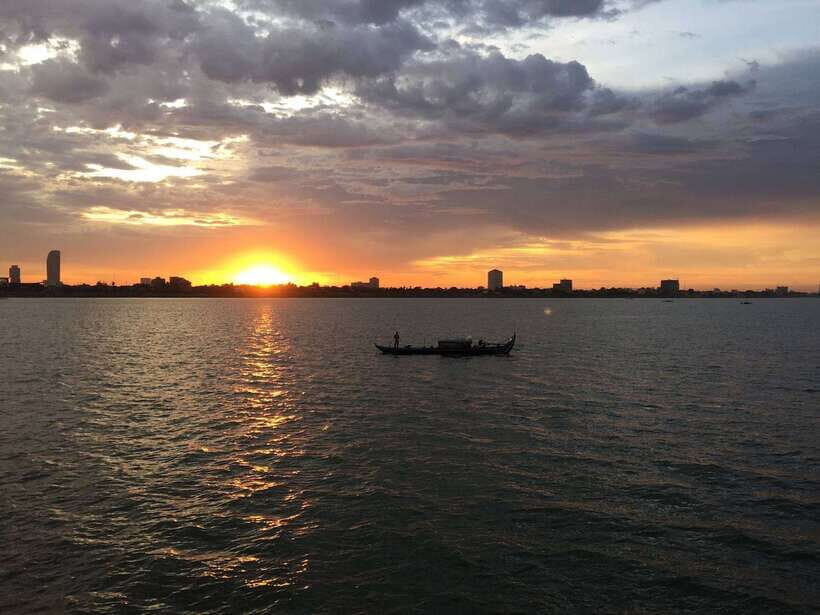
A 4-hour tour format is perfect for people who want something meaningful without sacrificing an entire evening. But you should know the pacing: it’s structured, with several segments moving you from land viewpoints to the floating village zones and finally onto the dinner boat.
What I recommend:
- Wear shoes you don’t mind getting a bit damp or dusty. You’ll be boarding and moving between boats and decks.
- Bring sun protection. Even if the evening feels cool, the earlier stops can be bright.
- Plan for wind. A light layer helps once you’re cruising at lake level.
- If you care about sunset photos, arrive at the Queen Tara deck early and pick a spot before you’re hungry and relaxed.
Also, vegetarian travelers should note something practical. Dinner is usually described as buffet/fixed menu, and at least one review mentioned vegetarian options can be limited. If you’re vegetarian (not just someone who avoids meat sometimes), consider eating lightly beforehand and be ready for limited choices onboard.
What you’ll get from this tour (and who it’s best for)

This tour shines if you want cultural context with a visual wow factor. It’s good for:
- couples and friends who want a calmer evening after temple crowds
- families who like boats and don’t mind learning about lake life
- anyone who’s tired of temple-only itineraries and wants a real-world Cambodian environment
It’s less ideal if:
- you strongly dislike animal-related attractions (the crocodile/fish farm can be a tough stop)
- you expect a high-end food experience (dinner is solid, but basic Khmer-style food is what to expect)
- you want a boat ride that feels like a constant high-speed cruise; sometimes the experience feels slow and floating, and the main payoff is the village and sunset rather than speed
One small-group detail matters here: the tour runs with limited participants (up to 10). That can help keep the vibe relaxed and the guide’s attention more usable. In the best cases, you might feel like you have room to spread out on the larger boat.
Should you book the Tonle Sap sunset dinner tour?
If your dream trip includes floating life + sunset + dinner + drinks, this tour is a strong buy for the money. For $49, you’re getting an English-speaking guide, hotel pickup and drop-off, lotus farm context, a floating village cruise on smaller boats, then a longer stay on the Queen Tara for sunset dinner and unlimited beverages. That combination is exactly what makes this feel worthwhile rather than just another sightseeing stop.
Book it if you want a story you can see, not just a view you can photograph. Skip it (or approach with caution) if the crocodile farm stop would put you off your whole evening.
If you do go, I’d book for a clear expectation: this is a practical look at how people live on Tonle Sap, served with sunset cocktails and a waterfront meal. That’s the deal.
FAQ
How long is the Sunset Dinner Tour on Tonle Sap Lake?
The tour lasts about 4 hours.
What does the tour cost?
It costs $49 per person.
Are hotel pickup and drop-off included?
Yes. You’re picked up from your hotel or guesthouse at the start time, and you’re also returned there after the tour.
What boat do you have dinner on?
Dinner is served aboard the larger boat called Queen Tara.
Are drinks included?
Yes. The tour includes unlimited beers, spirits, cocktails, wines, and soft drinks (plus juices).
Is there a lotus farm stop?
Yes. You visit the lotus farm and learn about the importance of the lotus flower.
Do you visit the floating villages and how does the location vary?
You do visit the floating villages by boat. Where they are located can vary depending on the time of year and water levels, with villages either in river canals or in the lake proper.
Is there a crocodile and fish farm visit?
Yes. The tour includes a stop at the floating crocodile and fish farm, depending on current water levels.
How much do children pay?
Children 10 and under pay half price, and children under 5 enter for free.
Can I cancel for a full refund?
Yes. You can cancel up to 24 hours in advance for a full refund.