REVIEW · SIEM REAP
Siem Reap Countryside Bike Tour / E-Bike or Tuk Tuk
Book on Viator →Operated by Siem Reaper Travel - Phnom Penh Day Tours · Bookable on Viator
Skip temple lines, pedal the real countryside. The Siem Reap countryside ride turns rice fields and village lanes into your morning walk, with an English-speaking guide and plenty of time to watch daily life. I love how rice fields sit right beside the road and how small villages feel close enough to hear.
Round-trip hotel pickup makes the whole thing easy to start, and you’ll get fitted with a mountain bike and helmet before you head out. I also like that snacks and bottled water are included, because cycling in Cambodia means you’ll want both from the first hour.
The only real drawback: the ride can be sweaty, and 15–20 km plus uneven farm paths may be a stretch if you’re expecting an easy cruise.
In This Review
- Key highlights you’ll actually care about
- Siem Reap countryside by bike: the contrast you didn’t know you needed
- Hotel pickup and a smooth start at 7:20 am
- Chreav: the first two hours of rice fields and village backroads
- The Wat Po Banteaychey stop: market life, mushroom farms, lotus areas, and temples
- Mountain bike vs e-bike: don’t guess—choose based on how you feel that day
- Snacks, water, and the market stop that actually feels local
- What to bring for cycling in Siem Reap’s humidity
- Group size, pacing, and why the day feels relaxed (even when it’s active)
- Price and value: is $35 really fair for this kind of access?
- Who should book this Siem Reap countryside bike tour
- Should you book it: my practical verdict
- FAQ
- How long is the Siem Reap countryside bike tour?
- What distance will I ride?
- Is hotel pickup and drop-off included?
- Are bikes and helmets included?
- Can I choose an e-bike instead of a regular bike?
- What stops are included near Wat Po Banteaychey?
- What should I bring for the ride?
- Is the tour suitable for kids?
- Can I cancel for a full refund?
Key highlights you’ll actually care about
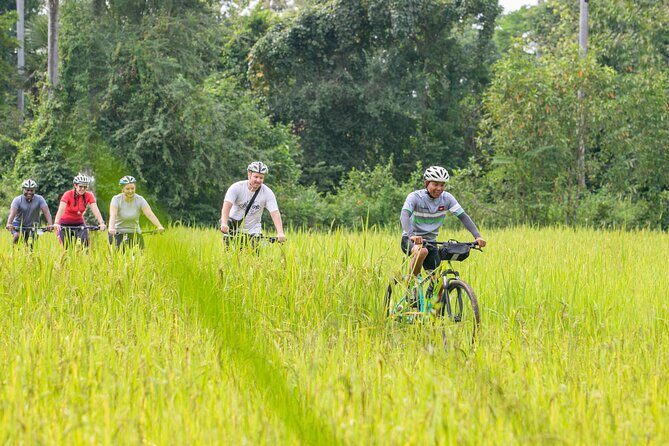
- Rice-field backroads near Chreav with real village moments, not just photo stops
- Wat Po Banteaychey area stops that mix daily life with farms, temples, and handicrafts
- A small group (max 12) with guides focused on keeping everyone together
- Mountain bikes plus helmets included, with an e-bike option when you book it
- Snacks, water, and market-time built into the schedule so you’re not scrambling
Siem Reap countryside by bike: the contrast you didn’t know you needed
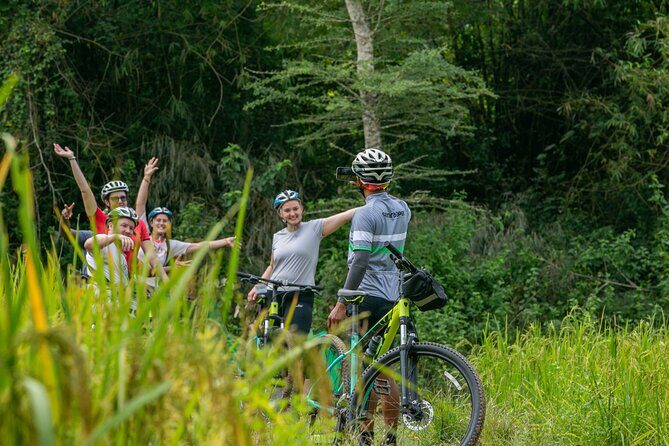
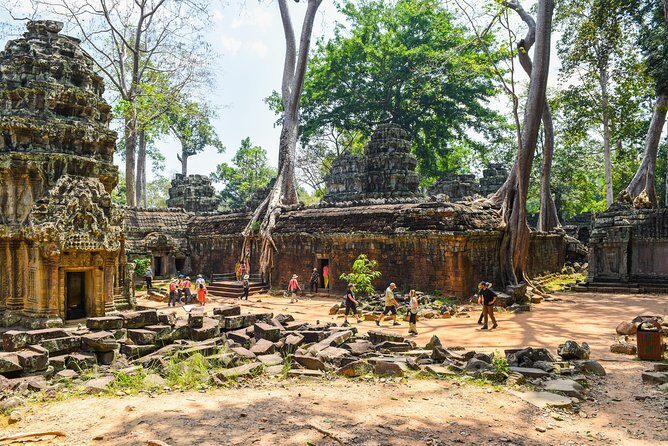
Siem Reap has one big magnet—temples. This tour is the antidote. Instead of chasing ruins, you pedal through villages, rice fields, and working farms around town. It’s a different kind of sightseeing: slower, quieter, and way more about how people live day to day.
You’ll also get a change of pace right after a long travel day or a first day in town. Many people love it on day one because it gets you moving and helps you read the region beyond the usual tourist bubble.
And the best part is that it’s not just scenery. Stops are tied to everyday food and local work—markets, mushroom farms, lotus areas, and even rice wine production—so you’re learning by seeing.
Other tuk-tuk tours we've reviewed in Siem Reap
Hotel pickup and a smooth start at 7:20 am
Most days start with a pickup from your Siem Reap hotel at 7:20 am. The goal is simple: get everyone fitted and rolling while the day is still manageable.
At the start point (Siem Reaper Travel), you meet your English-speaking guide, then get fitted with a Trek mountain bike and a helmet. One of the repeat themes in guide reviews is that teams are safety-minded and keep a steady pace so you don’t end up racing your group or guessing where to go.
This is also where you’ll want to think about shoes and comfort. Cycling in sandals can work for some people, but you’ll feel every bump more. Wear closed shoes or sturdy sandals with grip.
Chreav: the first two hours of rice fields and village backroads
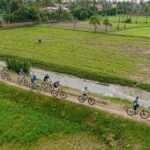
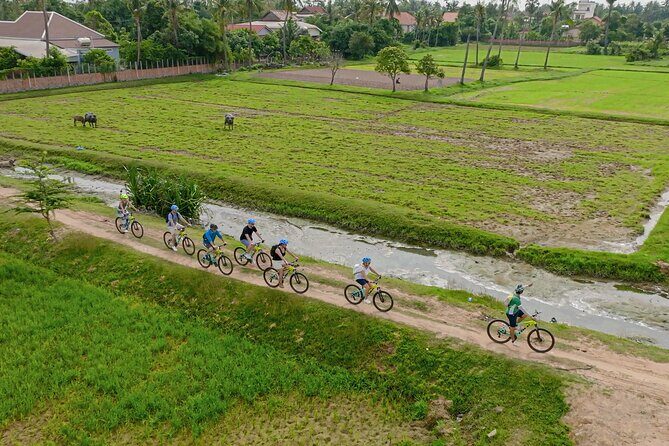
After bike fitting, the route heads toward Chreav, where you’ll spend about 2 hours riding. This is the core “get off the beaten path” part: back roads, rice fields, farms, and small local villages.
What makes Chreav worth your time is that it’s not staged. You’re not only stopping at landmarks. You’re moving through the spaces where people are planting, tending, and going about daily routines.
Even if you’re new to cycling, this part is typically approachable. One review notes the terrain is mostly flat and accessible for cycling levels, though another mentions that the ride can be bumpy. Translation: expect gentle grades, but still plan for uneven road surfaces and dusty or muddy patches after rain.
If you’re choosing between a regular bike and an e-bike, this is a good place to feel the difference. A lighter workload can mean you arrive at later stops feeling ready to walk around and look closely.
The Wat Po Banteaychey stop: market life, mushroom farms, lotus areas, and temples
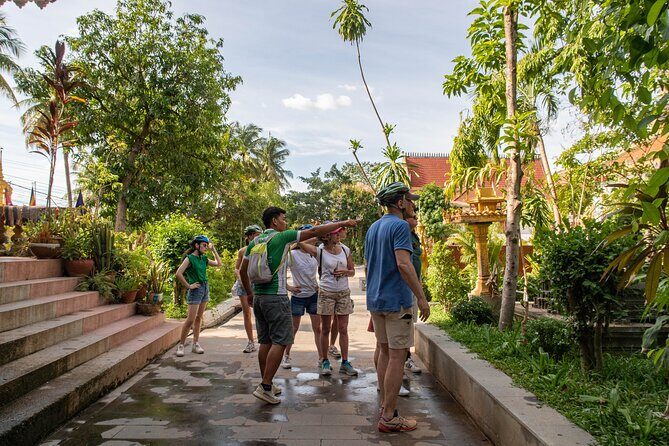
The second half is where the tour turns into a string of memorable stops near the Wat Po Banteaychey area. You’ll spend about 2.5 hours here, and the itinerary is packed with different types of local sights.
Here’s what you can expect to encounter along the ride and at stops:
- Rice fields and farmland views as you move between points
- A local market, where you can see how produce and everyday goods move through the area
- Mushroom farms, often a standout for people who like food or small-scale agriculture
- Rice wine distillation, with tasting opportunities mentioned in multiple guide experiences
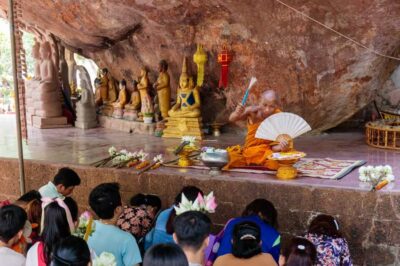
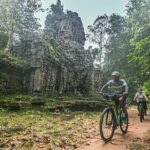
- Buddhist temples, giving you a spiritual and cultural anchor for the day
- Lotus farms, which many people highlight as a top moment
- Village handicrafts, where you can see what’s made locally and how it ties back to daily life
This is one of the smartest ways to do rural tourism: you don’t just visit one place, you get a chain of related experiences. Farms connect to food. Markets connect to livelihoods. Temples connect to community life. And handicrafts connect to what people make and sell.
One practical tip: bring your questions. Guides like Ron Roem, Vandy, Thanut, Bopha, Kong, and others (depending on your group) are a big reason this tour lands well. In reviews, English-speaking guides are consistently praised for safety, pacing, and explaining what you’re seeing in plain terms.
Mountain bike vs e-bike: don’t guess—choose based on how you feel that day
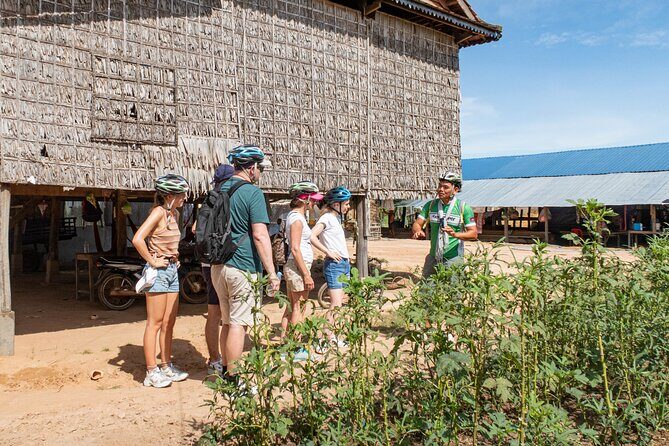
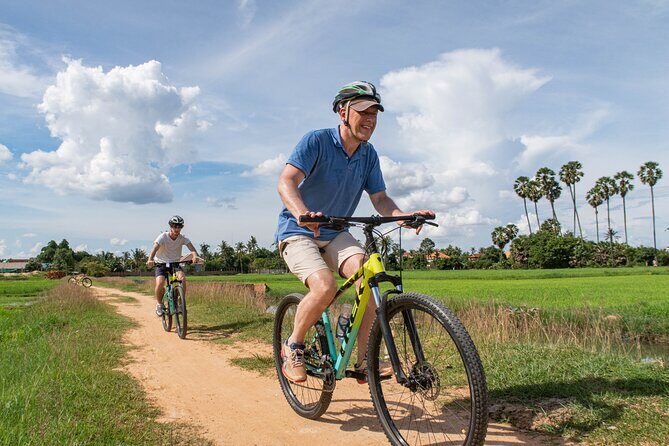
You’ll ride a Trek mountain bike with a helmet included. If you book the e-bike option, an electric bike is available, and it can be a real confidence boost in humidity.
Think about your day like this: the route is typically manageable, but the environment is not dry and cool. Heat and moisture make even flat rides feel harder than you expect. If you’re worried about stamina, an e-bike lets you keep the tour’s relaxed vibe and still enjoy all the stops.
If you pick a regular bike, you don’t need to be a cyclist. Just expect a bit of effort and plan for stopping often. Many tours keep a supportive pace so everyone can keep up, especially with a group size limited to 12 travelers.
Other Siem Reap city and countryside tours we've reviewed in Siem Reap


Snacks, water, and the market stop that actually feels local
You’ll get bottled water and snacks included. That’s essential on a countryside ride, because dehydration sneaks up fast when you’re sweating and looking around.
The market stop is where the day often gets extra interesting. Reviews mention highlights like sampling local fruit and enjoying treats arranged or pointed out by guides. Since this is a working market, you’ll see everyday life rather than a curated souvenir scene.
Also, the guide-led feel matters here. Some groups have described guides being careful about hydration and bringing people into the stops in a way that feels respectful. That’s not just nice—it makes your time smoother when you’re tired or dusty.
If you’re the type who likes to snack mid-ride, you’ll appreciate having calories built in rather than hunting for them later.
What to bring for cycling in Siem Reap’s humidity
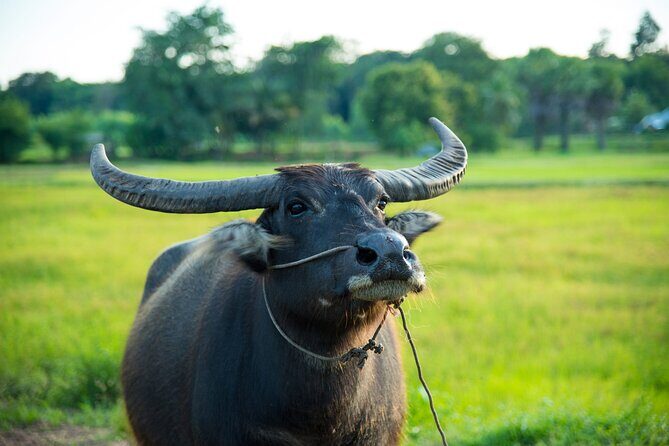
Even when the route is mostly flat, the weather can do the heavy lifting. Do your future self a favor and come prepared.
Bring:
- Sunscreen and sunglasses
- Comfortable cycling clothes
- Proper shoes with grip
A hat can help, even though it’s not listed in the main info. Also, if you hate sticky clothing, wear something that dries fast. You’ll thank yourself after the ride.
If you’re prone to motion discomfort, sit tall on the seat and keep a steady cadence. Your guide will set the pace, but you can still control how your body feels.
Group size, pacing, and why the day feels relaxed (even when it’s active)
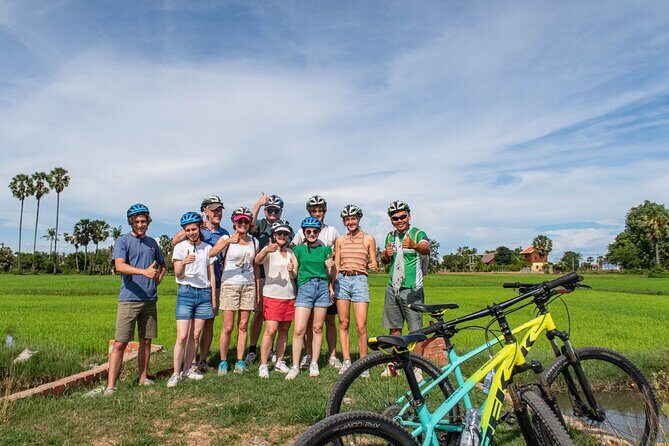
This tour caps at 12 travelers, which keeps things comfortable. You’re not stuck riding in a huge pack or waiting forever at each stop.
Pacing is a frequent theme in guide feedback. The best part is that guides are described as safety-conscious and attentive to hydration, so you won’t feel ignored if you slow down. That matters a lot when you’re riding countryside roads with uneven surfaces and occasional muddy stretches.
Bad weather also happens. One review mentions rain making trails muddy and the day still turning out great. In other words, if the sky threatens, expect some trail texture and bring a patient attitude. It’s still a countryside tour, not a showroom.
Price and value: is $35 really fair for this kind of access?
At $35 per person, this tour is priced as a value option for what you get: hotel pickup and drop-off, a guided ride, a bike and helmet, water and snacks, and multiple working countryside stops.
The “value” part isn’t just the ride. You’re paying for:
- Local access to villages and farms outside the main circuit
- Guided interpretation so the stops connect to culture and daily work
- Included support stops like market time and food-production sights
Could it feel expensive compared to a self-guided tuk-tuk day? Sure, especially if you only care about seeing one place. Some people in feedback did mention price as a concern.
But when you compare it to the cost of paying for transport, paying for an entry/experience sequence, and doing it without local context, the $35 becomes easier to justify. Also, you’re not just traveling—you’re moving through the countryside on two wheels, with stops that are part of the day.
If you’re splitting this between adults with different fitness levels, the e-bike option can also improve value by letting more people enjoy the same route without abandoning the tour.
Who should book this Siem Reap countryside bike tour
This works best for you if:
- You want a break from temple-only days
- You like markets, farms, and small village life
- You’re comfortable riding about 15–20 km with frequent stops
- You want a guided route so you don’t waste time figuring things out
It’s also a good first-day activity because it orients you to the wider region around Siem Reap. Reviews often call it one of the favorites on a trip’s early days.
It might be less ideal if:
- You’re expecting a short, effortless ride with no physical effort
- You strongly dislike hot weather conditions
- You want purely scenic viewpoints with minimal walking and farm stops
The good news: the e-bike option gives you a way to reduce the strain while keeping the same countryside experience.
Should you book it: my practical verdict
I think you should book this tour if your goal is to see rural Siem Reap in a way that feels personal and day-to-day. The mix of rice fields, market life, mushroom farms, lotus areas, and temple stops hits a nice balance: movement plus context.
Don’t overthink the fitness part, but also don’t ignore it. Plan for heat, wear good shoes, and bring sun protection. If you’re unsure you can handle a regular bike comfortably, choose the e-bike option.
If you’re the type who loves photos but also wants real context—this is the kind of day that turns into a memory you can explain.
FAQ
How long is the Siem Reap countryside bike tour?
It lasts about 5 hours.
What distance will I ride?
The route is about 15 km to 20 km.
Is hotel pickup and drop-off included?
Yes. Round-trip transfers from your Siem Reap hotel are provided.
Are bikes and helmets included?
Yes. You get a Trek mountain bike and a helmet included.
Can I choose an e-bike instead of a regular bike?
Yes. An e-bike is available when you book with the e-bike option.
What stops are included near Wat Po Banteaychey?
You’ll see several places, including rice fields, a local market, mushroom farms, rice wine distillation, Buddhist temples, lotus farms, and village handicrafts.
What should I bring for the ride?
Bring sunscreen, sunglasses, comfortable cycling clothing, and comfortable shoes for cycling.
Is the tour suitable for kids?
Kid-sized bikes, tag-alongs, and child seats are available.
Can I cancel for a full refund?
Yes, you can cancel up to 24 hours in advance for a full refund.