REVIEW · SIEM REAP
Bakong Temples & Floating Village Tour
Book on Viator →Operated by Easy Angkor Trip · Bookable on Viator
A temple mountain and a floating village in one day. I like the smart mix of Khmer temple design and everyday life on Tonle Sap, and the guides’ storytelling can turn ruins into something you can actually picture. One thing to plan for: admission fees are split, so the $45 price won’t be the full cost once you add the Angkor Pass items.
This tour starts with the quieter, earlier side of Angkor archaeology—temples you might miss if you only chase the biggest names. Then it shifts gears to Kampong Phluk, where you see how the village physically changes with the seasons. If you want a day that’s more than photos of stone, this is a strong pick.
In This Review
- Key things to know before you go
- Why Bakong comes before Angkor Wat in the story
- Roluos north: Lolei and Preah Ko in one sweep
- Prasat Bakong: the five tiers, moats, and guardian animals
- Kampong Phluk on Tonle Sap: floating homes that move with the seasons
- The pacing: a 6–8 hour day with pickup and AC rides
- Price and value: $45 plus the Angkor Pass parts you still pay
- Who this tour suits best (and who might want to rethink)
- Should you book the Bakong Temples and Floating Village Tour?
- FAQ
- What does the Bakong Temples & Floating Village Tour include?
- How long is the tour?
- Is pickup and drop-off included?
- What is the price per person?
- Are admission fees included?
- Is the tour private?
- What stops are part of the itinerary?
- Can I cancel for a full refund?
Key things to know before you go
- Bakong first: it’s treated as the prototype temple-mountain that later Khmer builders refined
- Real design details: you’ll hear how Mount Meru symbolism shows up in moats, walls, and tiers
- Two village styles: floating structures and high stilt buildings that rise in the dry season
- Boat time is likely: getting into the village area often involves water travel
- Admissions aren’t all included: some stops are free, others tie into the Angkor Pass cost
Why Bakong comes before Angkor Wat in the story
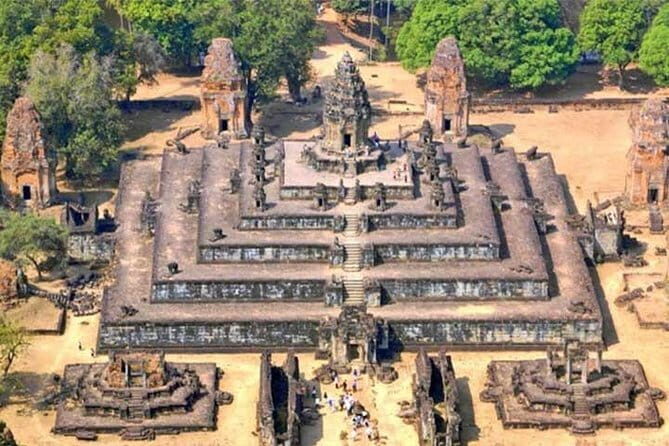
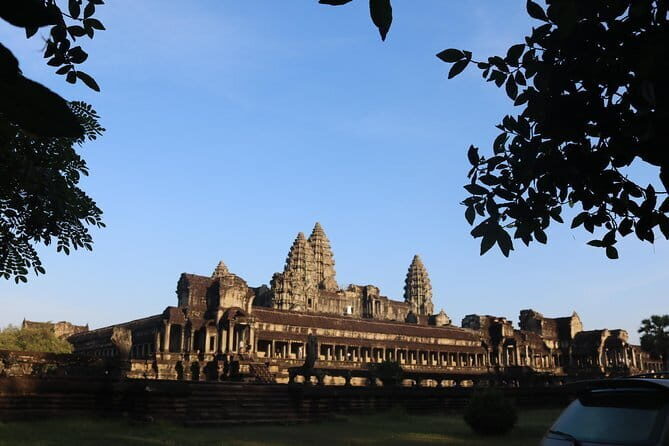
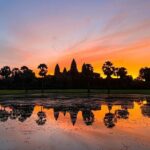
If you care about how Khmer temples evolved, Bakong is a big deal. This is described as the first temple-mountain of the Khmer Empire, built near modern Siem Reap. In simple terms, it’s an early “template” for the later temple-mountain look you’ll recognize around Angkor, including the famous logic of towers sitting on layered, sacred space.
You’ll also get the chance to understand the symbolism instead of just walking around blocks of stone. Bakong is linked to Mount Meru, the mythic mountain at the center of the Khmer universe. In temple-mountain architecture, that idea shows up through moats and enclosing walls, which are meant to represent boundaries around the sacred mountain.
And there’s one more design feature that makes Bakong feel unusually specific: it’s noted for an early Naga causeway—a decorated walkway concept tied to serpent imagery in Khmer art. It’s exactly the kind of detail that helps you read a site the way a guide reads it: not as random carvings, but as repeated visual language.
Other multi-temple archeological tours we've reviewed in Siem Reap


Roluos north: Lolei and Preah Ko in one sweep
Most days in Siem Reap hammer you with one highlight after another. Here, the first part slows you down and gives you context by stacking temples that belong to the same broad era and region.
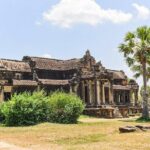
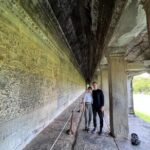
Lolei is the northernmost temple of the Roluos group, and it’s from the late 9th century Hindu temple set (the group that also includes Preah Ko and Bakong). It’s offered for about an hour, and it’s also flagged as an admission item not included in the tour price. If you’re trying to stretch your budget, this is where you’ll want to be clear about what you already hold—because the temple pass logic matters later in the day.
Preah Ko follows for about an hour and is listed as free. It’s tied to the defunct city of Hariharalaya, roughly 15 kilometers southeast of the Angkor main group. That distance detail is useful: you’re not just visiting “another temple,” you’re seeing part of the older urban footprint that existed before the Angkor hub became the big magnet.
What I like about this pair is the contrast. Lolei can feel more remote and spare. Preah Ko is a different stop in the same story thread, and together they give you a better sense of how temple building spread through the region over time.
Prasat Bakong: the five tiers, moats, and guardian animals
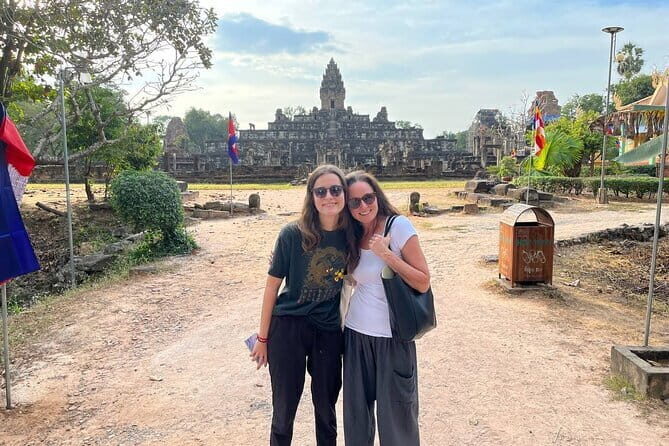
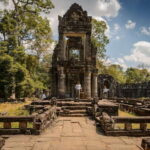
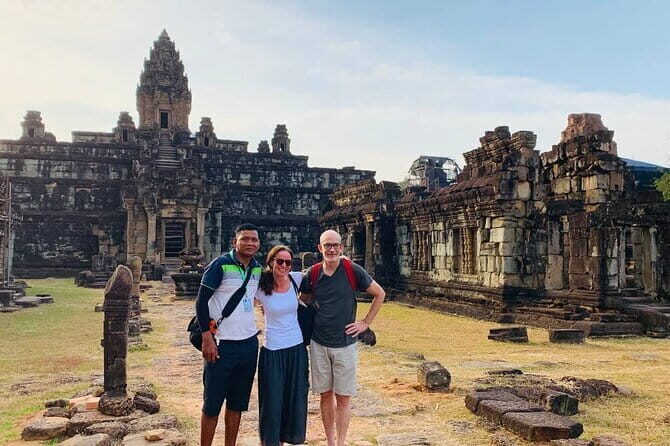
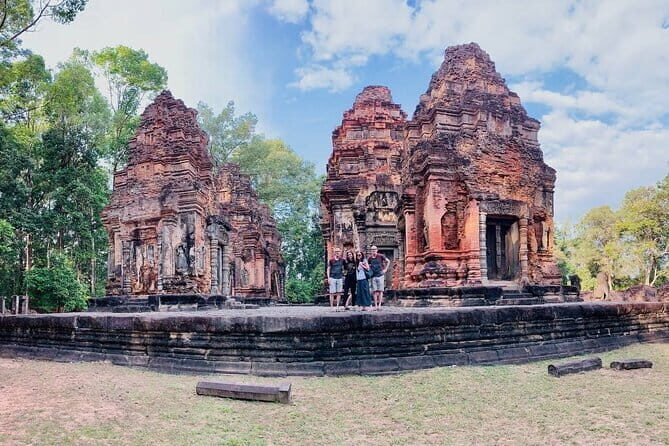
The main event is Prasat Bakong, scheduled for about two hours. This is where the day’s architecture talk really pays off—because Bakong isn’t just any temple. It’s tied to the reign of King Indravarman I and is dated to 881 AD.
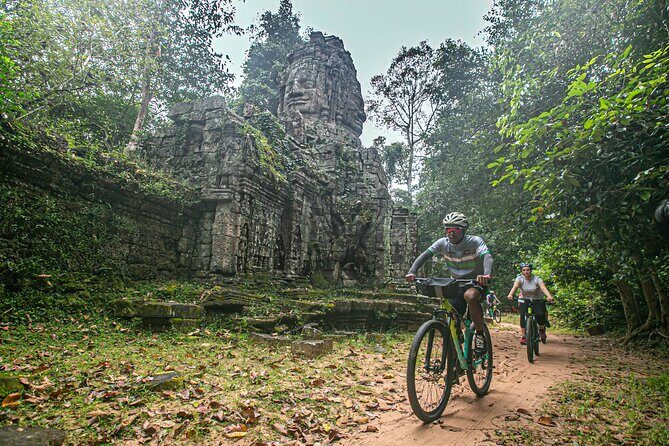
The famous look is the five-tiered sandstone pyramid. Even if you’re not an architecture nerd, you’ll find it easy to understand in person: it rises in steps, and those tiers connect directly to the idea of Mount Meru. The surrounding features matter too. Bakong is described as using moats and enclosing walls to reinforce the sacred mountain concept, so you’re reading a plan, not just a building.
Then there are the guardian statues. The lower levels preserve large stone figures of elephants and lions. These aren’t small background carvings. They’re major visual anchors that help you orient yourself as you move around the complex.
One practical note: two hours can feel just right at Bakong, but it depends on your pace and your photo habits. If you’re the type who stops constantly to read details, you’ll want that full time. If you prefer wide views and quick orientation, you might move faster and still feel satisfied.
Kampong Phluk on Tonle Sap: floating homes that move with the seasons
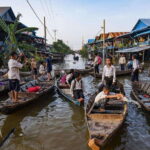
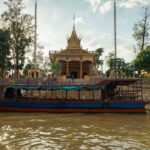
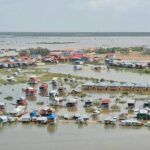
After temples, the switch to Kampong Phluk is one of the most interesting contrasts in the region. This village area sits on Tonle Sap Lake, described as the largest lake in South East Asia and spread across five Cambodian provinces.
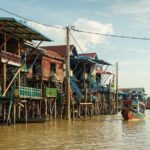
Here’s the key idea you’ll want to remember: the village isn’t just “on water.” It’s described as an entire community infrastructure built to match the changing water levels. In the dry season, some structures rise on stilts high above the ground. When water rises, other structures float directly on the lake.
This two-style setup makes Kampong Phluk easier to understand than many other water villages. You’re seeing engineering adapted to nature’s calendar. And that seasonal movement changes more than just where boats float—it changes how daily life works around walkways, access points, and building edges.
A highlight in the floating village portion is the human side. One strong theme from the experience is the chance to see children in a school setting where they learn English. It may not be the same at every run, but if your guide includes it, it’s the kind of stop that adds meaning beyond sightseeing. The goal isn’t to make you pity anyone; it’s to show you how education and daily routines fit into a water-based life.
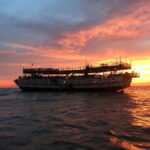
Also expect at least some water travel to reach the village area. In related experiences, getting there involves a boat ride along the river, which helps you shift from temple-ground mindset to water-life mindset fast.
The pacing: a 6–8 hour day with pickup and AC rides
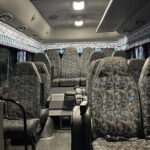
A day like this is built for people who want a lot, but not a full-on marathon. The schedule is roughly 6 to 8 hours, and it includes pickup and drop-off, an air-conditioned vehicle, and cold drinking water.
That matters more than it sounds. In Siem Reap, temple walking is sun-heavy even when things look shaded from a distance. The AC ride gives you a real reset between the stone stops and the lake stop. And cold water on hand keeps you from losing the afternoon to dehydration and crankiness.
The day is also a good fit for mixed interests: you get temple architecture in the morning/early part of the day, then a community visit later. If you’re bringing family or anyone who gets tired of temple photos, that structure helps.
One caution: the floating village part can be weather-sensitive. If conditions are rainy or rough, you might find it harder to enjoy the boat side and to take steady photos. Bring a light rain layer if the forecast looks uncertain.
Other Tonle Sap and floating village tours we've reviewed in Siem Reap
Price and value: $45 plus the Angkor Pass parts you still pay
The base price is $45.00 per person, and it’s positioned as good value for a tour that includes a guide, transportation, and temple/lake coverage. The big thing to understand is what’s included vs. what’s not.
Included in the tour:
- English-speaking tour guide
- Pickup & drop-off
- Cold drinking water
- Air-conditioned vehicle
Not included:
- Admission fees tied to Angkor Pass rules
- Specifically, the tour notes an Angkor Pass charge of $37.00 per person for admission items
- Some stops are listed as free (like Preah Ko and Bakong), while others are not included (like Lolei and Kampong Phluk)
So, the real value equation is this: if you already have the right pass, the $45 can feel like a bargain because the guide + transport do most of the heavy lifting. If you don’t have a pass, budget for admissions before you go, so the day stays pleasant and not stressful.
Also look at the tour format. It’s a private tour/activity, meaning it’s only your group. That usually improves how the day feels—you can ask questions without feeling like you’re squeezing into someone else’s schedule. If you care about better pacing, this matters.
Who this tour suits best (and who might want to rethink)
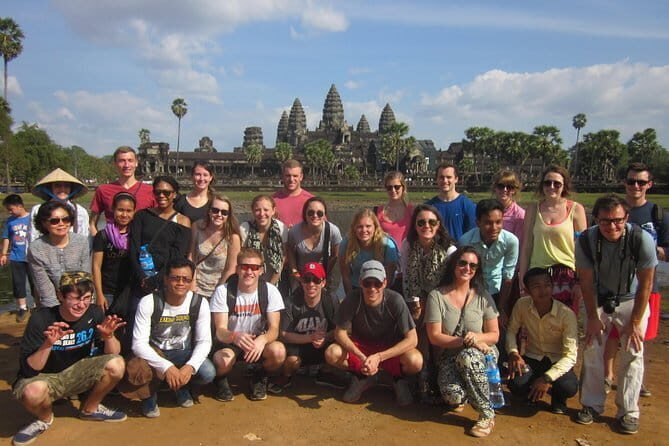
I’d point this tour at you if you want three things:
- You like temple architecture explanations, not just quick photo stops
- You want a day with a human-scale contrast after ruins
- You prefer time in one area rather than jumping between too many sites
It’s also ideal for couples and small groups because the private setup keeps the day more flexible. And if you’re the type who enjoys a guide’s style, this tour seems to deliver. One example guide name that came up in the experience is Mr Oun Kosorl, described as passionate about the temples. Another guide, often referenced as Mr K, is described as charming and insightful about Siem Reap history and the temples.
If you’re someone who only wants the biggest, most famous temples, you might find the earlier sites less immediately wow. But if you’re curious about how Khmer building ideas matured over time, Bakong plus the Roluos stops make a lot of sense.
Should you book the Bakong Temples and Floating Village Tour?
Yes, if you want a solid Siem Reap day that connects temple design to real life on the water. The best reason to book is the way the day doesn’t stay in one world. You get the sacred “mountain” concept at Bakong, then you shift to Kampong Phluk’s seasonal engineering and community routines.
I’d book it even more confidently if you:
- are okay paying admissions on top (especially the Angkor Pass items),
- like guided storytelling (you’ll get it in English),
- want a structured day around 6–8 hours rather than an endless temple crawl.
If you hate paying extra once you arrive, double-check what’s free at the stops you’ll visit and what requires the Angkor Pass cost. Do that once, and the rest of the day should feel straightforward.
FAQ
What does the Bakong Temples & Floating Village Tour include?
It includes an English-speaking tour guide, pickup and drop-off, cold drinking water, and an air-conditioned vehicle.
How long is the tour?
The tour lasts about 6 to 8 hours.
Is pickup and drop-off included?
Yes. Pickup and drop-off are included.
What is the price per person?
The tour price is $45.00 per person.
Are admission fees included?
No. Admission fees are not included. Some temples are listed as free, but other stops require additional admission tied to the Angkor Pass (the tour notes a $37.00 per person Angkor Pass cost for admission).
Is the tour private?
Yes. It’s private, and only your group participates.
What stops are part of the itinerary?
The stops include Lolei, Preah Ko, Prasat Bakong, and Kampong Phluk Floating Village.
Can I cancel for a full refund?
Yes. Free cancellation is available up to 24 hours in advance for a full refund.
If you want, tell me your travel dates and whether you already plan to buy an Angkor Pass—I can help you budget the likely total for this day.