REVIEW · SIEM REAP
Tonle Sap Lake and Kampong Phluk Village Private Half Day Tour
Book on Viator →Operated by Green Era Travel · Bookable on Viator
A floating village feels like a whole new world. On this private half-day trip, you’ll see Kampong Phluk up close, with stilt homes, schools, and daily life tied to Tonle Sap’s seasonal changes—and you’ll do it with the ease of a private air-conditioned vehicle plus an English-speaking guide who keeps the story clear and practical.
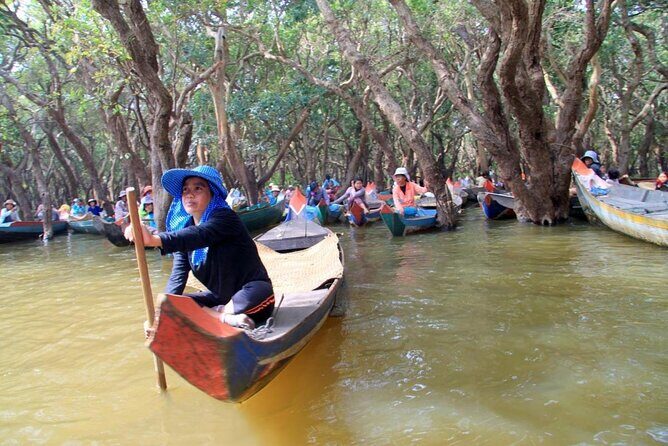
I also love the lake time: you’ll ride out by local boat, passing the kinds of flooded trees and rooflines you only expect to see in photos. One consideration: when water levels drop in the dry season, parts of the village aren’t truly floating in the dramatic way people expect, and the mangrove canoe add-on depends on season and weather.
In This Review
- Key points to know before you go
- Why Kampong Phluk feels different than the usual Siem Reap day
- Morning logistics: your 8 am start from Siem Reap
- Stop 1: Kompong Phluk area scenery and the setup for stilt living
- Stop 2: Kampong Phluk floating village views, schools, and everyday life
- Stop 3: Local boat ride on Tonle Sap Lake and flooded forest scenery
- Optional season-dependent extra: mangrove canoe time in Aug–Jan
- Stop 4: Return to Siem Reap and how to handle meals
- Price and value: what $59 covers and where spending can pop up
- Who this tour suits best (and who might not love it)
- What to ask your guide for once you’re on site
- Should you book this Tonle Sap and Kampong Phluk private half-day?
- FAQ
- FAQ
- How long is the Tonle Sap and Kampong Phluk private half-day tour?
- What time is hotel pickup?
- Does the tour include hotel pickup and drop-off?
- Is an English-speaking guide included?
- Is the mangrove canoe ride included?
- Is this tour private or shared?
Key points to know before you go
- Private pickup and drop-off means less waiting and more time actually on the water.
- Local, English-speaking guide helps you understand how people live in tight quarters and why the water level changes everything.
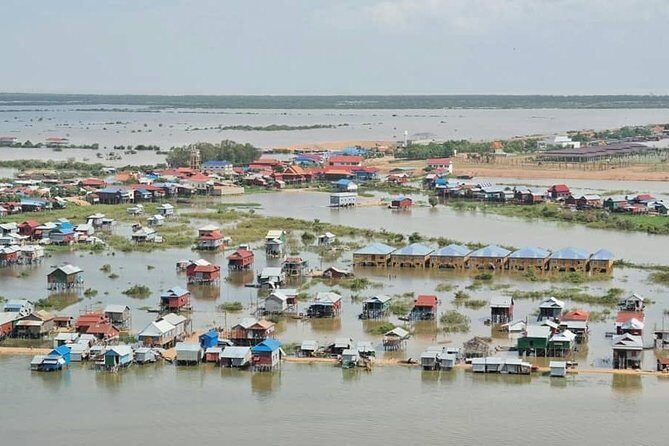
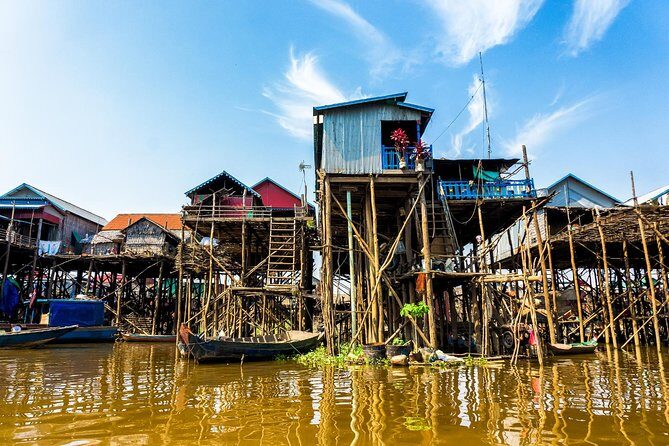
- Stilted township view: schools and government homes are built high off the ground to deal with flooding.
- Boat ride on Tonle Sap Lake gives you scale fast, with birds overhead and a flooded forest feeling.
- Season matters: dry vs wet season changes what you’ll see, including how Kampong Phluk appears.
- Optional mangrove canoe is not included in some months, so decide ahead if you want the extra quiet-time.
Why Kampong Phluk feels different than the usual Siem Reap day
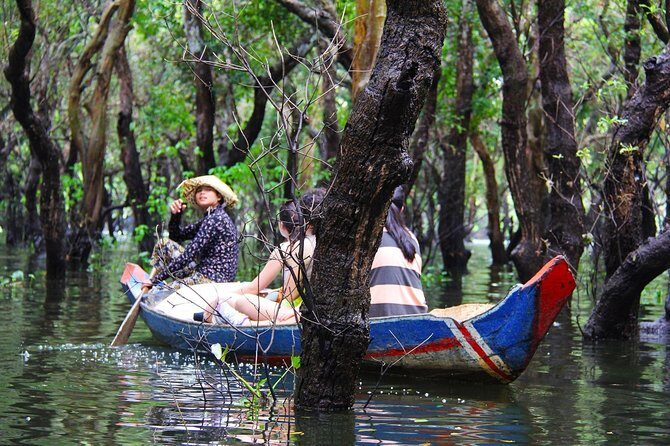
Kampong Phluk sits on the Tonle Sap system, where the lake’s water level can swing dramatically through the year. That’s the core reason this trip works: you’re not just visiting a “place,” you’re witnessing a living plan for living with water. Houses, walkways, and community buildings are built to handle flooding, and your guide can explain how families manage day-to-day life when the water rises and recedes.
What makes it special for me is the mix of human life and nature. You’ll spend time looking at stilted neighborhoods while also moving through water-in-forest scenery—often the kind of submerged landscape that doesn’t show up on typical day trips. It’s peaceful, but it’s not staged.
This is also a good value style of tour. At $59 per person for a private half-day, you’re paying for a full set of basics: hotel pickup, private transport, a local English-speaking guide, bottled water, and entry where included. The parts you add later (like a longer mangrove paddle when available) stay optional.
Other Tonle Sap and floating village tours we've reviewed in Siem Reap
Morning logistics: your 8 am start from Siem Reap
Most departures run with an 8:00 am hotel pickup, then a drive of about 45 minutes out into the countryside. That timing matters more than it sounds. Going early helps you get clearer light for photos and avoids some midday crowding around the lake areas.
The drive itself is also a soft warm-up. You’ll roll from Siem Reap into a less tourist-shaped world, and your guide can point out things you’d miss if you were trying to get there on your own. In practice, that’s why private guided tours are worth it here: Kampong Phluk isn’t a simple “grab a tuk-tuk and go” destination. Having a driver who knows the timing keeps the day smooth.
Practical tip: bring a light rain layer even if the forecast looks calm. This region can shift quickly, and wet gear is easier to handle than hoping you stay dry.
Stop 1: Kompong Phluk area scenery and the setup for stilt living
On the way out, you’re heading toward the fishermen’s area often referred to as Kompong Phluk, meaning harbor of the tusks. You may not see a lot of dramatic scenery yet, but this stage helps you mentally “set the frame” for what comes next.
Here’s what I’d pay attention to as you travel: look for signs of how high the built environment is going to be. When you later stand near the stilted homes, schools, and government buildings, you’ll understand it wasn’t built for decoration—it’s built because the water is the boss.
Also, if your guide is the chatty type (many guides are), this is when they’ll often explain the bigger picture: why Tonle Sap cycles, how people work and school changes with water, and what you should notice once you reach the village.
Stop 2: Kampong Phluk floating village views, schools, and everyday life
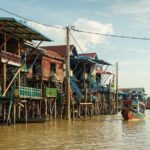
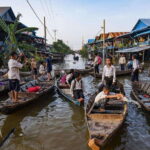
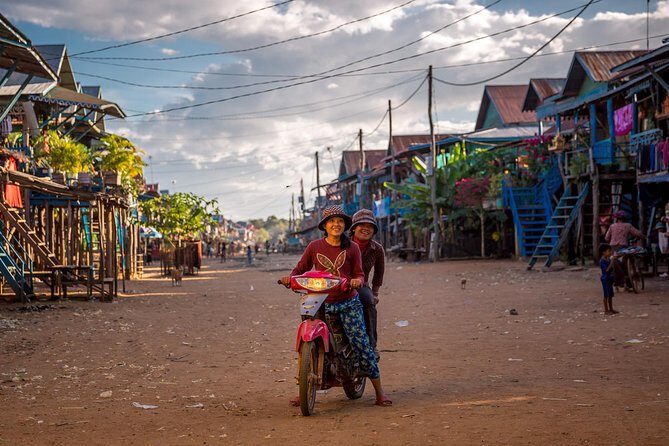
Once you arrive, you spend time in the village area, taking in what life looks like on stilts. The key idea: Kampong Phluk is a township, not a single postcard scene. As you walk along the stilted edges and vantage points, you’ll see homes built high off the ground, plus community buildings such as schools and government homes.
This stop is where the tour’s “culture” side comes through. Your guide isn’t just naming buildings. They’re explaining how villagers keep peace and routines while living close together in a place shaped by shared water access. You’ll also get time to absorb the quieter rhythms: birds moving overhead, boats and small routes connecting parts of the community, and the way people use the water for movement and work.
One reality check for your expectations: during the dry season (February through July), Kampong Phluk may be reachable by land/mini vehicle in a way that doesn’t feel like full-on floating village life. In that case, some areas won’t look like they’re floating above deep water. Still, it can be more comfortable for walking and observation, and you get a clear sense of the stilt architecture even without dramatic water coverage.
What I like about this stop is that it doesn’t rush. It gives you time to look slowly. If you’re the type who enjoys noticing small details—doorways, walkways, daily routines—this is the leg that rewards you.
Stop 3: Local boat ride on Tonle Sap Lake and flooded forest scenery
Next you board a local boat for about 1.5 hours on Tonle Sap Lake, with time to see the village from the water. This is the part that makes the trip feel bigger than Siem Reap’s temple circuit.
Tonle Sap has a strange, almost endless quality. You’ll get that feeling of no ends in front of you, plus birds overhead and a slow, relaxed rhythm on the water. More importantly, you’ll see the flooded forest logic—trees and greenery that look like they’re sitting in water, because for part of the year they literally are.
This leg is also where the tour becomes nature-meets-community. From the boat, you often catch rooflines and stilt structures in the same frame as the waterlogged landscape. It’s the kind of scene that makes you understand how “lake life” isn’t a metaphor here. It’s infrastructure.
Photo advice: bring your phone camera mindset down a notch. If you keep trying to shoot everything, you’ll miss how the light changes across water and how people move around the edges. Choose a few angles and linger.
Other Siem Reap city and countryside tours we've reviewed in Siem Reap

Optional season-dependent extra: mangrove canoe time in Aug–Jan
Your main tour includes the big lake boat ride. But the mangrove forest canoe add-on depends on season.
The tour data notes that canoe ride in the mangrove forest (Aug–Jan) is not included. In practice, this can mean you’ll have an opportunity to add a quieter paddle depending on the time of year and local conditions. A guide may offer it as an extra (and I’d treat it like a worthwhile add-on if you want slower, calmer water views).
One extra detail you can plan around: an optional row boat in the mangroves has been quoted at $12 for 2 people per canoe, so it’s usually priced as a small group add-on rather than a massive surcharge. If you’re traveling as a pair, it can be good value compared to booking a separate activity later.
If you hate surprises, ask your guide early in the day whether the mangrove option is operating that week and what it costs.
Stop 4: Return to Siem Reap and how to handle meals
After the lake and village time, you’ll return to Siem Reap with about a 50-minute ride back.
Meals are not included (other meals and drinks aren’t part of the package). So plan to eat after your return. If you get hungry mid-day, bring a small snack or water beyond what’s provided so you don’t have to search immediately once you’re back in town.
This matters because half-day tours can feel long in the best way. You’re moving between road, stilted village viewpoints, and water time. You’ll come back tired, not temple-tired—more like “eyes and ears full of new information” tired.
Price and value: what $59 covers and where spending can pop up
At $59 per person for a private half-day, this tour is priced for people who want comfort and guidance without ballooning costs. Here’s what the price is doing for you:
- Pickup and drop-off: you’re not negotiating transport for a less-simple destination.
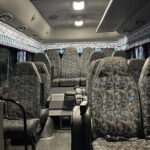
- Private air-conditioned vehicle: it’s hot work in Cambodia, and you’ll likely appreciate climate control after lake time.
- Private live English-speaking guide: the explanation is part of the experience, especially with seasonal water changes.
- Bottled water: small, but helpful.
- Tickets where included: the tour handles the entry piece instead of you managing it on the fly.
Where your wallet might flex:
- Mangrove canoe/paddle when operating in Aug–Jan (not included).
- Meals and drinks (not included).
- Tipping/gratuities (recommended, as with any guided service).
- Cash purchases: if your guide suggests buying small items like stationary or supporting specific local moments, having small USD bills helps.
I usually recommend bringing cash in small denominations for exactly this kind of day—things are simple, but they’re not always set up for card payments when you’re near village-level activities.
Who this tour suits best (and who might not love it)
This is a strong match if you want a day outside the Angkor focus without losing comfort. It’s especially good for:
- People who like real daily life scenes, not just landmarks
- Travelers who prefer guided context (seasonal flooding makes the difference)
- Couples and small groups who want a private schedule rather than squeezing into larger tours
It’s also a good fit for families in many cases. The tour data says children must be accompanied by an adult, and most travelers can participate. Still, if your group has anyone who struggles with boat boarding or time on the water, ask your operator ahead so you can judge comfort in advance.
Who might hesitate: if you’re chasing only the most dramatic floating-village visuals, plan around season. In the dry months, Kampong Phluk may not look like a full float-on-everything fantasy. You’ll still get stilt life and the lake story, but the look changes.
What to ask your guide for once you’re on site
To get the most out of the time, I’d go into the day with a few simple questions in mind:
- How does water level change schooling and daily routines?
- Which parts of the community are built higher because flooding is frequent?
- What should I look for from the boat that explains how this works?
- Is the mangrove paddle available on your dates, and how much time would it add?
The guides running these tours often focus on how villagers keep peace and manage life in close quarters, and they can connect what you’re seeing to the Tonle Sap cycle fast. If you ask good questions, you’ll leave with more than photos.
Should you book this Tonle Sap and Kampong Phluk private half-day?
If you want one worthwhile break from temples, I’d book this. The value is clear: private transport, a proper guide, time in the village, and a boat ride on Tonle Sap Lake—all in about four hours. It’s also a day that feels authentically tied to place, not just another checklist stop.
Book it especially if you care about understanding how people live with water, and if you’re happy to let the season shape the look of what you see. If you’re visiting in the dry season and are expecting floating-village drama everywhere, mentally adjust: you’ll still get the stilt architecture, school/community buildings, and the lake-scale experience that makes Tonle Sap feel huge.
FAQ
FAQ
How long is the Tonle Sap and Kampong Phluk private half-day tour?
The tour lasts about 4 hours.
What time is hotel pickup?
Pickup is typically at 8:00 am from your hotel in Siem Reap.
Does the tour include hotel pickup and drop-off?
Yes. Hotel pickup and drop-off are included.
Is an English-speaking guide included?
Yes. You’ll have a private local live English-speaking guide.
Is the mangrove canoe ride included?
No. The canoe ride in the mangrove forest (Aug–Jan) is not included.
Is this tour private or shared?
This is private. Only your group will participate.