REVIEW · SIEM REAP
Kulen Mountain with Beng Mealea and Tonle Sap Small Group Tour
Book on Viator →Operated by Asean Angkor Guide · Bookable on Viator
Kulen, temples, a waterfall swim, and a stilt village—this day has variety. You get small-group attention plus the kind of practical comforts (air-conditioning, cool water, wet towels) that keep a long day from turning into a punishment. What I like most is how the route mixes Khmer spirituality with real countryside scenes and ends on Tonlé Sap life. The only real drawback is the physically active parts—there’s trekking, some steep climbs, and you’ll want to pace yourself.
You’ll start early (hotel pickup around 7:30–8:00), then spend the day bouncing from mountain views to jungle temples to a floating village. Guides in the rotation—people like Mony, Sam, Jan, Dara, Selia/Seila—show up repeatedly in customer stories, and the vibe is consistently: clear English explanations, good photo help, and a laid-back day-plan. Dress for it too: shoulders and knees need to be covered, and shorts aren’t allowed.
In This Review
- Key Highlights I’d Plan Around
- Kulen Mountain, Beng Mealea, and Tonlé Sap: What You Get Beyond Angkor
- Srah Srang and Rice Paddy Morning: Start Like a Local
- Cliff Views and the Rock-Reclining Buddha at Phnom Kulen
- Preah Ang Thom and 1,000 Lingas: Sacred Symbols in Plain Sight
- Phnom Kulen Waterfall Picnic and the Swim Reality Check
- Beng Mealea Temple: When Stone Meets Jungle
- Kompong Phluk Floating Village Boat Ride, Mangroves, and Stilt Life
- Price, Comfort, and the Small-Group Advantage for $54
- What to Bring, Dress for, and Pace Yourself on Steep Bits
- Should You Book This Full-Day Outing?
- FAQ
- What time does the tour pick me up?
- How long is the tour?
- Is lunch included?
- Are admission tickets included?
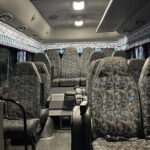
- Will I travel in an air-conditioned vehicle?
- How big is the group?
- Is hotel pickup and drop-off included?
- Is there a dress code?
- What should I bring?
- Is free cancellation available?
- Should You Book This Full-Day Outing?
Key Highlights I’d Plan Around
- A tight circuit beyond Angkor Wat: Kulen Mountain, Beng Mealea, and Tonlé Sap in one day.
- Cold-water and cool-towel comfort on the long route (you’ll feel this after the midday heat).
- Phnom Kulen climbing + rock carvings: views, then a reclining Buddha carved into the mountain.
- A real waterfall break with a picnic lunch on the ground near the pools, plus a chance to swim.
- Kompong Phluk floating village with a boat ride through mangroves and stilt-life.
Kulen Mountain, Beng Mealea, and Tonlé Sap: What You Get Beyond Angkor
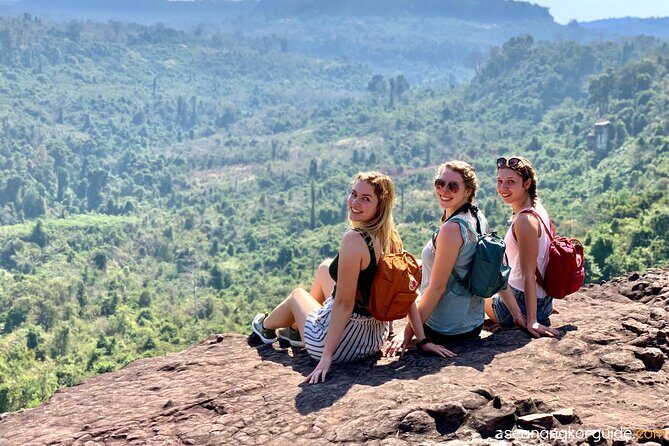
If your Siem Reap plan is mostly Angkor temples, this tour adds three big “Cambodia” layers you don’t always get in the same day: mountain terrain, a temple swallowed by jungle, and daily life on water. It’s the kind of trip that makes a single day feel like a mini road-trip—without the hassle of arranging rides and tickets yourself.
What makes it work is the balance. You’re not only looking at statues; you’re also seeing how people live around these places, from morning countryside routines to fishing village life. And because it’s limited to a small group (max 15, with 14 mentioned as the tighter group size), your guide can slow down when someone needs time, translation, or an extra photo angle.
The day is long—about 10 hours—but the stops are chosen to keep variety high. If you like a packed day with breaks that actually feel like breaks, you’ll probably love this format.
Other Beng Mealea tours we've reviewed in Siem Reap
Srah Srang and Rice Paddy Morning: Start Like a Local
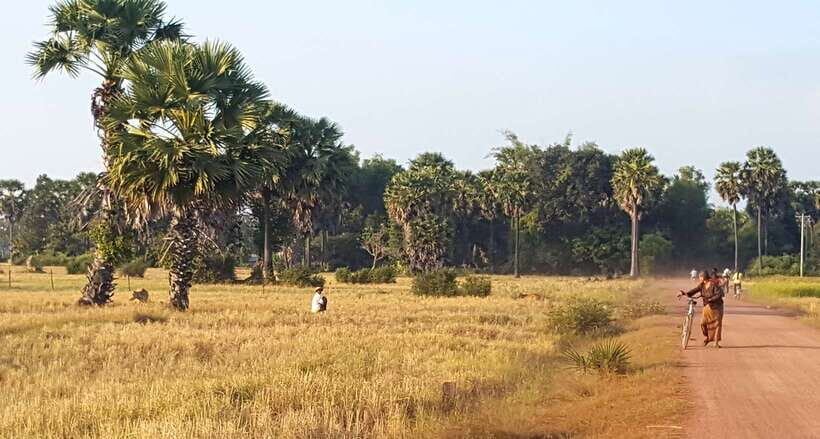
The day starts early, and that matters. Before the temples and the big-name sights, you get a calmer look at Cambodia in motion: locals doing morning routines, stretched-out rice paddies, and those classic wooden houses on stilts. Even though it’s only a short stop, it’s a good reset from the Angkor-area crowds.
You’ll be out in the countryside while it’s still cooler, then rolling onward toward Kulen. This section also sets expectations for the rest of the day: the tour isn’t just “see ruins, move on.” It’s designed to show how the region functions day-to-day.
Practical note: bring a little patience here. Early stops are part of the plan, not delays. If you’re the type who gets grumpy waiting for the main event, know that the waterfall and bigger scenery moments come later.
Cliff Views and the Rock-Reclining Buddha at Phnom Kulen
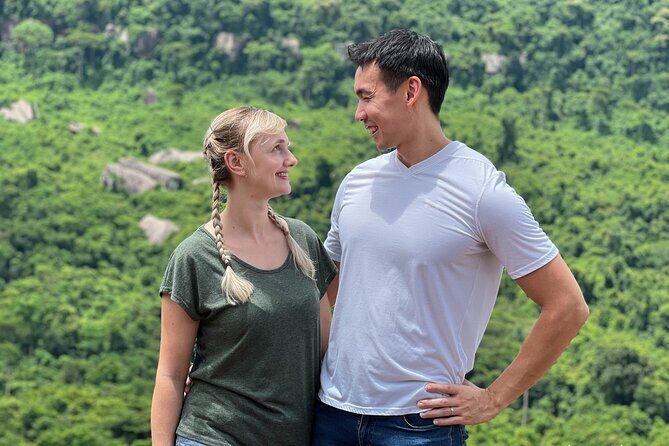
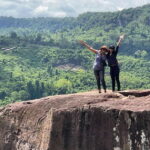
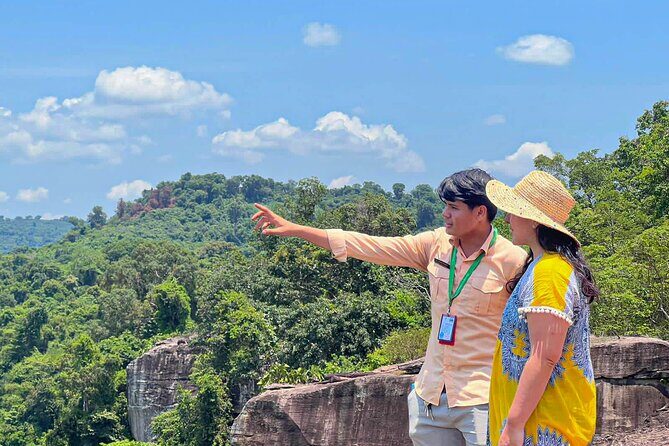
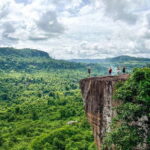
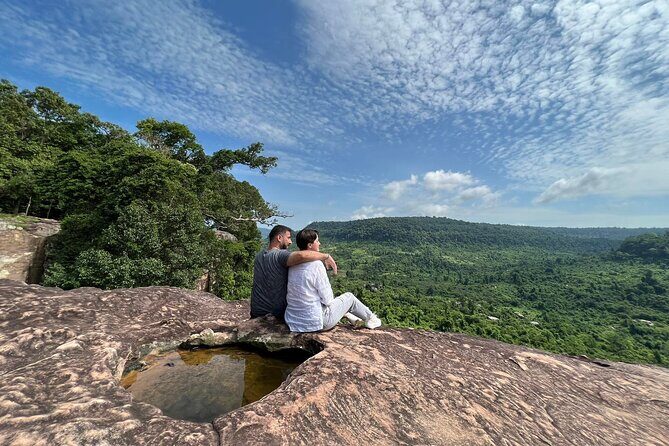
Phnom Kulen is where the trip starts to feel dramatic. You’ll climb to the summit area for jaw-dropping views, then visit the massive reclining Buddha carved right into the rock. This is one of those sights that feels different from the flat, courtyard-style temples around Angkor because it’s literally part of the mountain.
One of the smartest things about this tour is timing the mountain moment. If you’re going to do a climb in Siem Reap area heat, you want it earlier in the day—and this schedule pushes that.
Also, expect a mix of stairs and uneven ground. Some parts are straightforward, but it’s still trekking. If you’re not used to humidity plus walking uphill, plan to slow down on climbs, take water breaks, and use the moments where you can catch your breath—your guide can usually help you pace the group.
Preah Ang Thom and 1,000 Lingas: Sacred Symbols in Plain Sight
After the big reclining Buddha experience, the route keeps pressing into Kulen’s sacred side. You’ll visit Preah Ang Thom, where there’s an 8-meter reclining Buddha carved into the mountainside. The tour also describes local incense lighting and quiet prayer moments from families and monks—these are small, human scenes that make the stone feel alive.
Then comes 1000 Lingas, a stop that’s easy to overlook if you only want mega-famous temples, but it’s worth it. You’ll see thousands of sacred fertility symbols carved into the riverbed, tied to the idea of transforming flowing water into holy water for the Angkor kingdom.
Here’s the balancing point for this stretch: it’s spiritual and a little rugged. You may not get the big “wow” skyline feeling at every single stop, but you do get context—why this area mattered, and why people still treat it with seriousness.
Phnom Kulen Waterfall Picnic and the Swim Reality Check
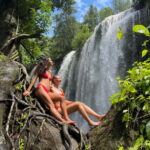
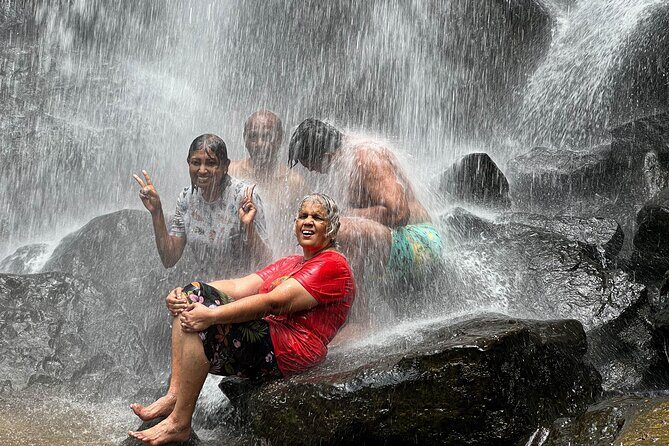
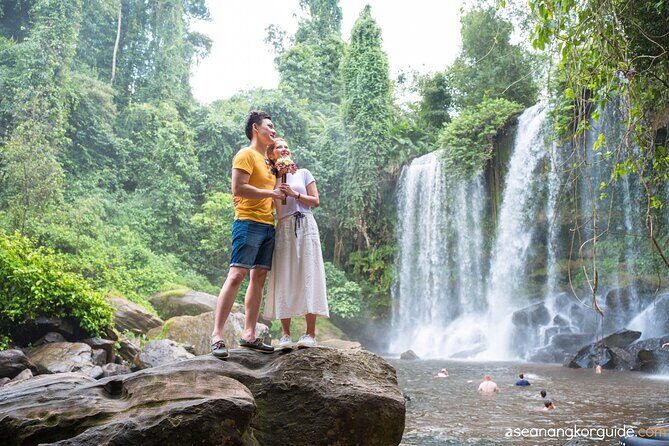
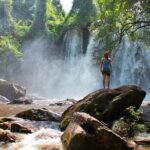
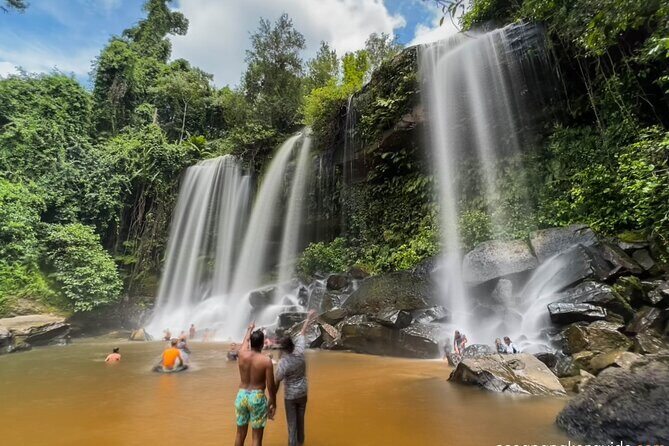
This is the day’s mood shift. The Phnom Kulen waterfall stop is described as crystal-clear pools fed by limestone-filtered mountain water, with a picnic lunch laid out on smooth rocks. If you like your breaks to be scenic (not just “sit in a hot car”), you’ll appreciate this.
Then there’s the swim option. The water is cold, and that’s the point—it’s refreshing, and it gives you something active to do instead of just sightseeing. If you’re not into swimming, even watching and cooling off in the pool edges can be a win.
Bring practical expectations: you’ll likely get splashed, and footwear matters on slippery surfaces. You’ll have cool towels as part of the tour comforts, but don’t count on them replacing the need for basic water-and-dirt planning.
Other Kulen Mountain and waterfall tours we've reviewed in Siem Reap
Beng Mealea Temple: When Stone Meets Jungle
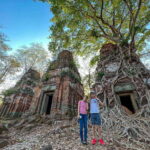
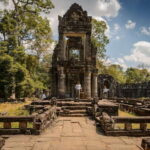
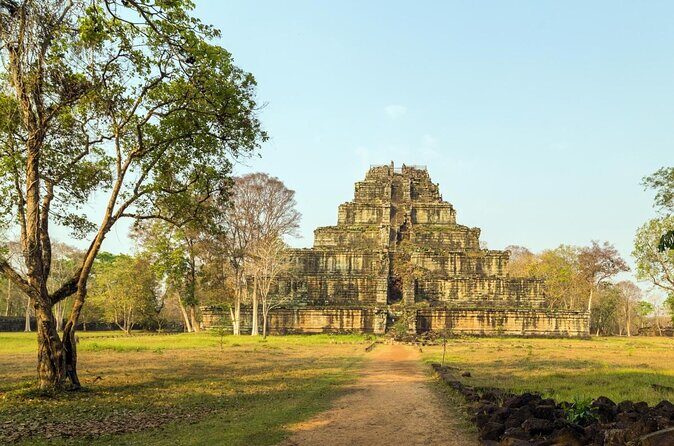
After lunch, the route heads to Prasat Beng Mealea, a temple where nature has reclaimed the space around it. The description is exactly the right vibe: it’s what Angkor Wat might look like if you left it to the jungle for a long time. Built in the 12th century, the temple is wrapped in vegetation and feels wilder, less polished, and more atmospheric than the “restore-and-retain” feel you might get elsewhere.
This is one of those stops where your guide’s approach really matters. People like Sam, Mony, and Dara show up repeatedly in stories for photo help and clear explanations. That can turn Beng Mealea from wandering around into an understanding of what you’re seeing—where the pathways likely once led, why some stone remains scattered, and how the jungle growth shapes your view.
Drawback to note: it’s not a quick photo shoot. It’s active exploring on uneven ground, and if you’re tired from the morning climb, take your time. Slow down, pick a few angles, and enjoy the “lost-in-the-jungle” feel rather than trying to rush every corner.
Kompong Phluk Floating Village Boat Ride, Mangroves, and Stilt Life
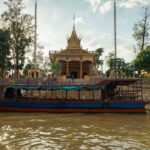
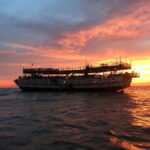
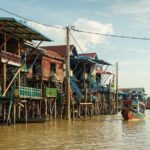
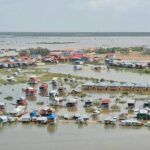
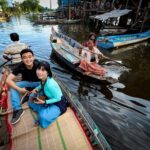
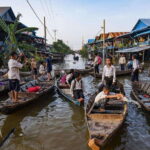
The day ends with Tonlé Sap life at Kompong Phluk, a floating village built around stilt houses and mangrove forests. The tour includes a boat ride, giving you a look at mangroves from the water rather than only from shore. This is usually the part that people remember most because it looks like a place where daily routines run on a different clock.
One seasonal detail is crucial for planning your expectations. From the end of March through the end of June, water levels start to recede. That can change the look of the village and reduce the postcard-perfect views. It may also mean some boats become stuck and smaller canoes can’t travel through the jungle forest as easily. On the flip side, this dry-season period can show day-to-day village life in a way you don’t typically see—more rooted, more practical, and more intimate.
So if your goal is dramatic scenery photos, timing matters. If your goal is a closer look at how people actually live, this timing can be surprisingly rewarding.
Price, Comfort, and the Small-Group Advantage for $54
At $54 per person, the value is mainly in what’s bundled. You’re getting hotel pickup and drop-off, a professional English-speaking guide, air-conditioned transport, cool bottles of water and cool towels, a picnic lunch with grilled chicken and jasmine rice, plus all admission tickets. That combination matters in Cambodia because “small” add-ons (tickets, entry fees, bottled water for a hot day) can creep up fast.
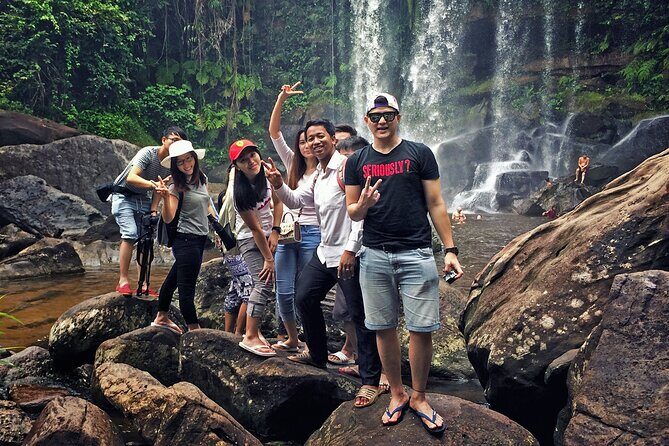
The other value is pacing. A group of around 14–15 people usually means fewer delays at ticket points and more attention at stops. From the guide stories, people repeatedly mention guides like Mony or Sam explaining clearly and keeping the day moving without feeling rushed.
Comfort details you’ll actually use:
- Cool bottles of water and cool towels at intervals
- Air-conditioned vehicle for the long road time
- Enough time at each sight to actually look, not just point and go
One practical caution: on some buses, there may be limited storage for drinks or small bags. If you bring your own snacks or a water bottle beyond what’s provided, keep them secured in your bag so they don’t become a rolling problem when the road gets rough.
What to Bring, Dress for, and Pace Yourself on Steep Bits
This tour mixes smooth sightseeing with physically active sections. You’ll climb on Kulen Mountain, and you’ll explore in temple areas where paths can be uneven. Many people can handle it, but go in with the mindset of a long day that includes trekking, not a casual stroll.
You also have a clear dress rule: no shorts, and your knees and shoulders must be covered. Bring lightweight clothing you can tolerate in heat because the day starts early but still gets warm.
What to pack based on the tour guidance:
- insect repellent
- sunscreen
- a sun hat
If you’re planning to swim at the waterfall, pack a small, quick-dry setup if you can (and expect wet conditions underfoot). You’ll get cool towels from the tour, which helps, but planning ahead still makes the experience easier.
Should You Book This Full-Day Outing?
Book it if you want one day that genuinely goes beyond Angkor Wat: mountain carvings, a temple reclaimed by jungle, and Tonlé Sap stilt-life with a boat ride. The $54 price works best if you’d otherwise be paying for tickets, guide time, and transport separately.
Skip or rethink if you hate long days, don’t handle climbs well, or want a relaxed “one big sight per half-day” style. If you’re willing to walk, follow the dress code, and accept that the day is busy but well organized, this is one of the best ways to see more Cambodia in the time you have.
FAQ
What time does the tour pick me up?
Pickup is scheduled between 7:30–8:00 am. You should wait in your hotel lobby by 7:30 sharp.
How long is the tour?
It runs for about 10 hours and returns to Siem Reap by around 6:30 pm.
Is lunch included?
Yes. The picnic lunch includes grilled chicken with jasmine rice. There’s also a vegetarian option (fried rice with vegetables and eggs, plus fried spring rolls). No vegan option is listed.
Are admission tickets included?
Yes. All admission tickets are included in the price.
Will I travel in an air-conditioned vehicle?
Yes. The tour uses a comfortable air-conditioned minivan or minibus.
How big is the group?
It’s a small group. The tour lists a maximum of 15 travelers, and also notes small-group capacity is limited to 14 to keep the experience more personal.
Is hotel pickup and drop-off included?
Yes. The tour includes hotel pickup and hotel drop-off.
Is there a dress code?
Yes. Shorts are not allowed. Your knees and shoulders must be covered.
What should I bring?
You should bring insect repellent, sunscreen, and a sun hat.
Is free cancellation available?
Yes. Free cancellation is available up to 24 hours before the experience starts for a full refund.
Should You Book This Full-Day Outing?
Book it if you’re aiming for variety and value in one long day: Kulen Mountain, Beng Mealea, and Tonlé Sap without the hassle of arranging it all. If you can handle climbing and want a clear, organized route with comfort items like cool water and towels, it’s a strong pick. If you prefer slow travel with minimal walking, you may find the packed schedule a bit much.