REVIEW · SIEM REAP
Phnom Kulen Waterfall & the Sacred 1000 Lingas (with Lunch)
Book on GetYourGuide →Operated by Siem Reap Shuttle · Bookable on GetYourGuide
Waterfall swim meets sacred history. This Phnom Kulen tour in Siem Reap swaps temple crowds for a holy mountain, with a cool dip at the Phnom Kulen Waterfall and a close look at the riverbed 1000 Lingas. I like how the day mixes real spirituality with a nature reset.
One thing to plan for: swimming safety. The waterfall area can have slippery footing and stronger flow depending on the day, so wear proper footwear and don’t treat the water like a lazy pool.
I also like the small-group pace, plus the fact that guides such as Nara or Chenda keep you moving without rushing. You get thoughtful guidance, a proper lunch, and those small extras like cold towels and bottled water that make a long ride feel manageable.
In This Review
- Key things that make this Phnom Kulen day tour worth your time
- Phnom Kulen: the sacred mountain beyond Angkor
- The ride from Siem Reap: comfortable, but start early
- Phnom Kulen National Park: the holy mountain atmosphere
- River of a Thousand Lingas: sacred carvings you can actually see
- Preah Ang Thom Pagoda and the Reclining Buddha viewpoint
- Kulen Waterfall: two tiers, real swimming time, and photo angles
- Lunch at Phnom Kulen: where the day feels most local
- Walking level and what to pack for comfort
- Price and value: why $48 can make sense here
- Who should book this tour (and who may want a different plan)
- Should you book Phnom Kulen Waterfall & the Sacred 1000 Lingas?
- FAQ
- How long is the Phnom Kulen Waterfall and 1000 Lingas tour?
- What time do you get picked up from Siem Reap hotels?
- What’s included in the $48 price?
- Is swimming available at the waterfall?
- How much walking is involved?
- Is this tour suitable for kids or people with mobility issues?
Key things that make this Phnom Kulen day tour worth your time
- Two-tier Kulen Waterfall breaks up the day with real cooling-off time, not just a photo stop
- Riverbed 1000 Lingas puts you close to Hindu-Buddhist sacred carvings you’d likely miss on your own
- Quick mountain-top walk leads to the world-famous Reclining Buddha and big valley views
- Lunch actually feels local (rice, fried chicken legs, seasonal fruit) instead of a tired tourist meal
- Small-group size keeps the day calm, with chances for photos and extra questions
Phnom Kulen: the sacred mountain beyond Angkor
Phnom Kulen is one of those places that makes Siem Reap feel bigger than Angkor Wat. Instead of focusing only on grand temple ruins, this day trip takes you to Cambodia’s holy mountain—important to both Hindu and Buddhist traditions. And because it sits in Phnom Kulen National Park, you’ll feel the switch from busy roads to forest paths, with the sound of birds and water instead of tour-van chatter.
What I find most compelling is the way the day connects themes. You start with Cambodia’s legendary origins linked to the Khmer Empire, then move to sacred stone carvings (the 1000 lingas), then to a revered pagoda and the Reclining Buddha, and finally to the waterfall where people come for refreshment and ritual life. It’s a full loop: story, site, belief, and nature.
If you only do one “non-temple” excursion while you’re in the area, this is the kind that gives you variety without feeling random. You’re not hopping between far-apart stops just to fill time. The sites all belong together on the same mountain.
Other Kulen Mountain and waterfall tours we've reviewed in Siem Reap
The ride from Siem Reap: comfortable, but start early
The tour leaves from Krong Siem Reap, with hotel pickup starting around 7:40am–8:10am, and you’ll need to be ready at your lobby to keep the schedule smooth. The driving time is about 1.5 hours each way.
Why you’ll care: Phnom Kulen day trips work best when you get there earlier, especially if you want easier access and a calmer rhythm at each site. Morning light also looks better for photos at the mountain viewpoint.
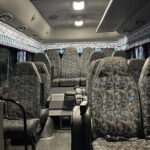
The transport is air-conditioned and uses an air-con van/minibus setup, and the experience is built around not having to think about logistics. You just show up, meet your guide and driver, and let them manage the driving, the stop timing, and the ticketing. In a place where traffic and navigation can be unpredictable, that matters.
One practical note: if you miss the pickup, you’re expected to get yourself to the company’s waiting lounge. So set a reminder and don’t treat 7:40am like it’s theoretical.
Phnom Kulen National Park: the holy mountain atmosphere
Once you arrive at Phnom Kulen National Park, you’re not just entering a viewpoint area. You’re stepping into a living sacred landscape where locals still visit, walk, and worship.
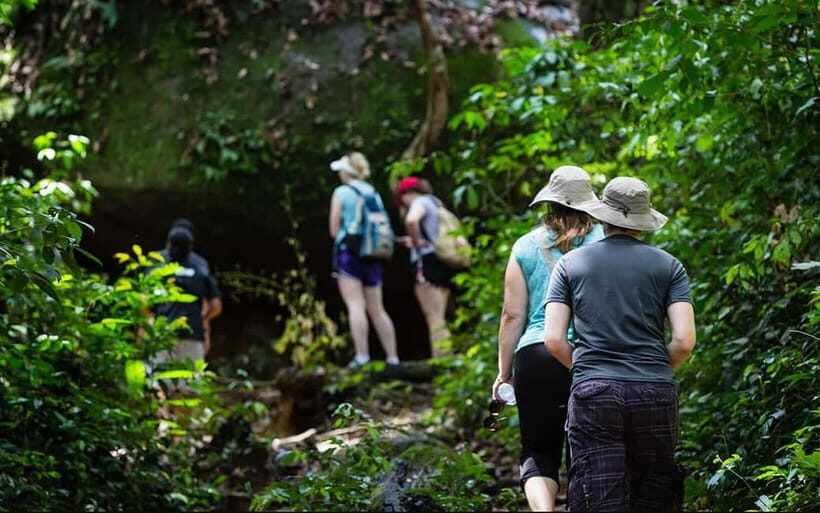
You’ll have about an hour here for sightseeing and hiking on well-maintained jungle trails. The route is described as gentle and accessible for a wide range of fitness levels, not a grueling climb. Still, it’s a real walk: you’ll want shoes with grip.
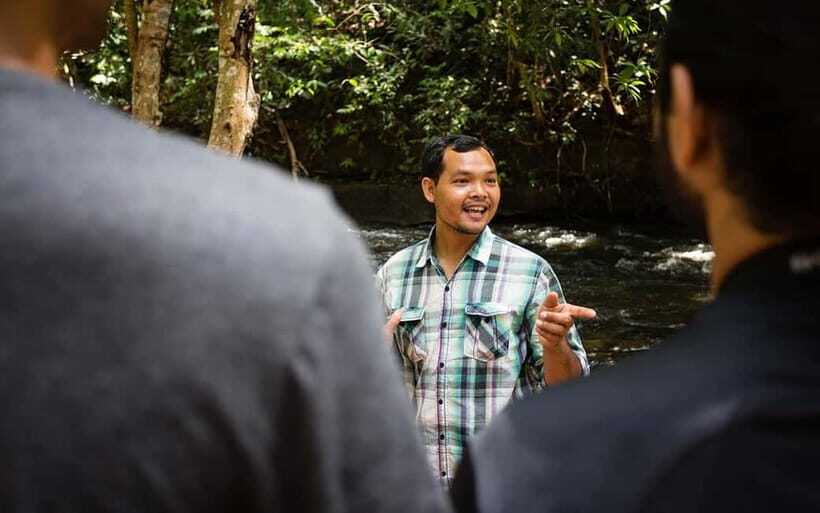
What you’ll notice quickly is the change in pace. The guide’s job here is important—because a holy mountain isn’t just a backdrop. People come for a reason, and once you understand the religious significance of the sites you’ll see later, the day clicks into place. Your guide will also help you stay respectful in the right spots (dress and behavior matter here).
River of a Thousand Lingas: sacred carvings you can actually see
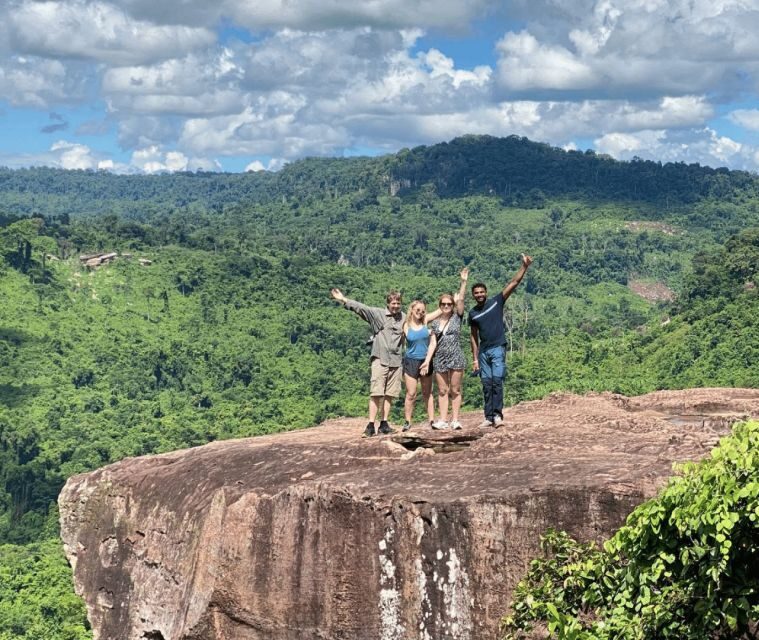
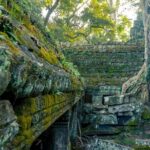
Next comes one of the most distinctive stops on the day: the River of a Thousand Lingas. These are intricate stone carvings of Shiva lingas set into the riverbed, and they’re famous for good reason.
You’ll get about an hour for guided exploration and walking here. The walking is not presented as extreme, but it’s done at ground level, which means you’ll want shoes you don’t mind getting dusty. This is also the part of the day where you’ll appreciate having a guide, because it’s easy to see the carvings as random decoration if nobody explains what you’re looking at.
A particularly meaningful moment is the traditional blessing with holy water from the sacred site. Even if you don’t participate, you’ll see how seriously people treat the area. That’s one of the ways this tour feels more human than many “big ticket” sightseeing days.
What I’d watch for: time on your feet. This section is short enough that you don’t feel drained, but it’s still outdoors. If you’re the kind of person who gets tired in heat, bring water and pace yourself.
Preah Ang Thom Pagoda and the Reclining Buddha viewpoint
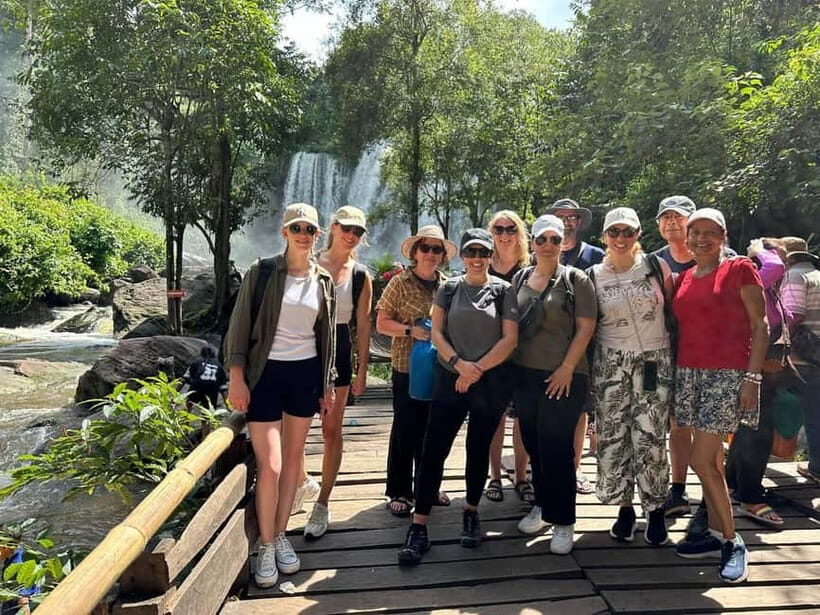
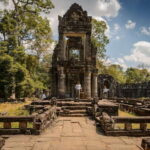
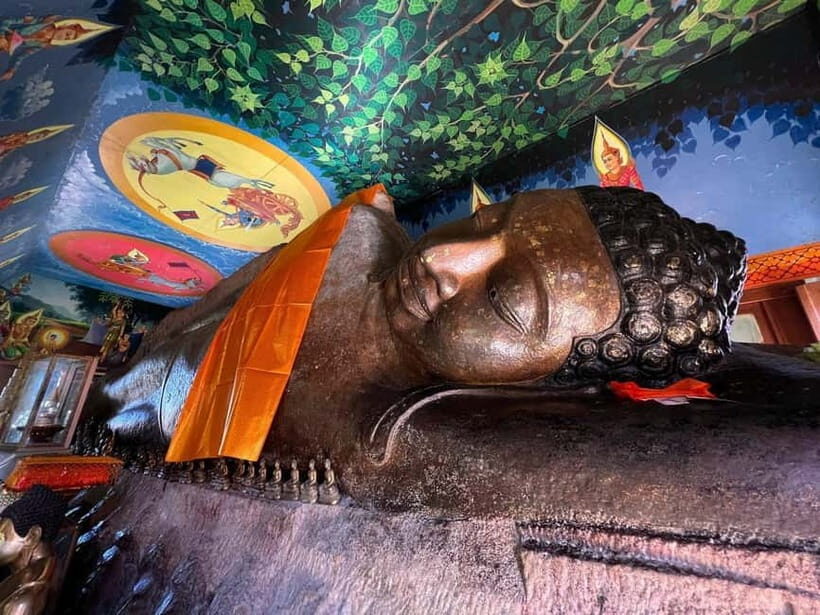
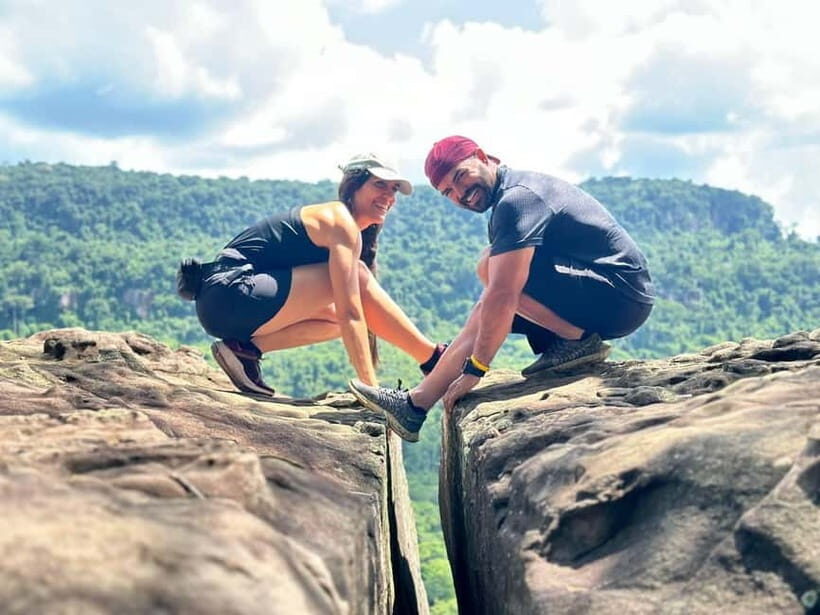
After the lingas, you’ll continue up to the summit area around Preah Ang Thom pagoda. This is the stop most people remember, mainly because the Reclining Buddha is so well-known and so visually striking.
Expect about one hour for visits and guided sightseeing here. There’s also a short walk involved. It’s quick by hiking standards, but it’s enough to get your legs working while you take in the view.
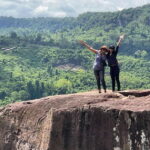
Why the viewpoint matters: the panorama gives you a sense of how this mountain sits above the surrounding valley. Phnom Kulen feels like a place chosen on purpose—elevation, water, forest, and sacred structures all working together.
Also, this is where guides often help you spot what you might miss. The details are in the layout and symbolism, not just in one single photo angle. If you’re lucky, you’ll get a guide who’s good at pausing at the right moments so you can look around instead of rushing from spot to spot. People have specifically highlighted guides such as Nara and Chenda for doing exactly that, plus for helping with photos when you want them.
A few more Angkor & Siem Reap tours and experiences worth a look
Kulen Waterfall: two tiers, real swimming time, and photo angles
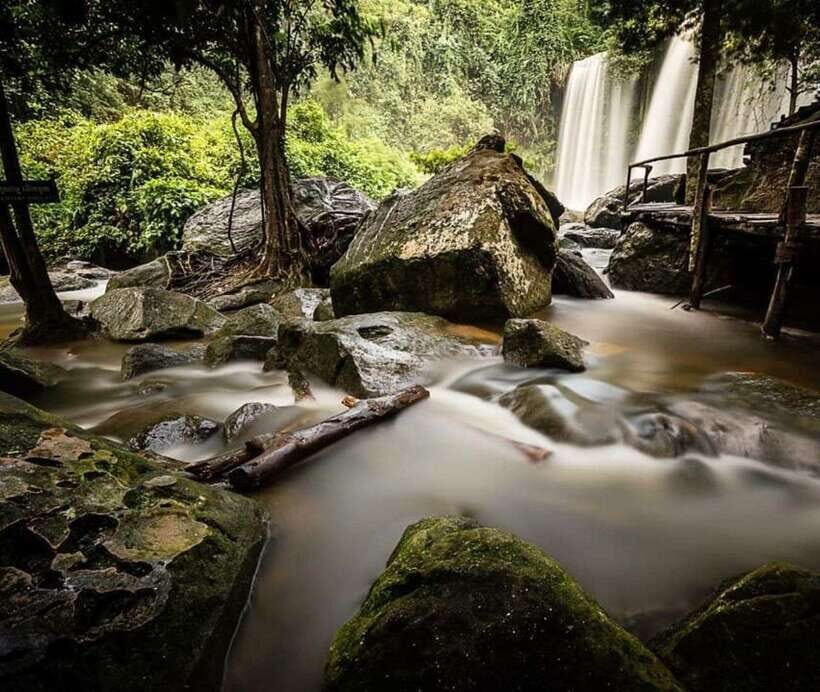
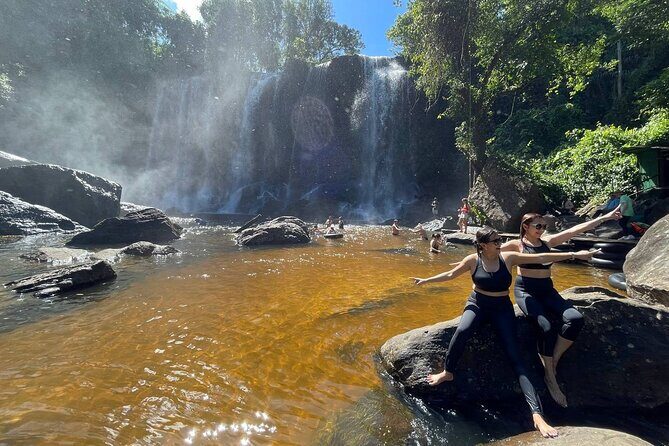
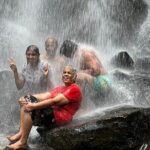
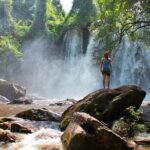
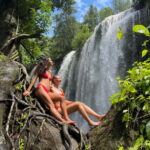
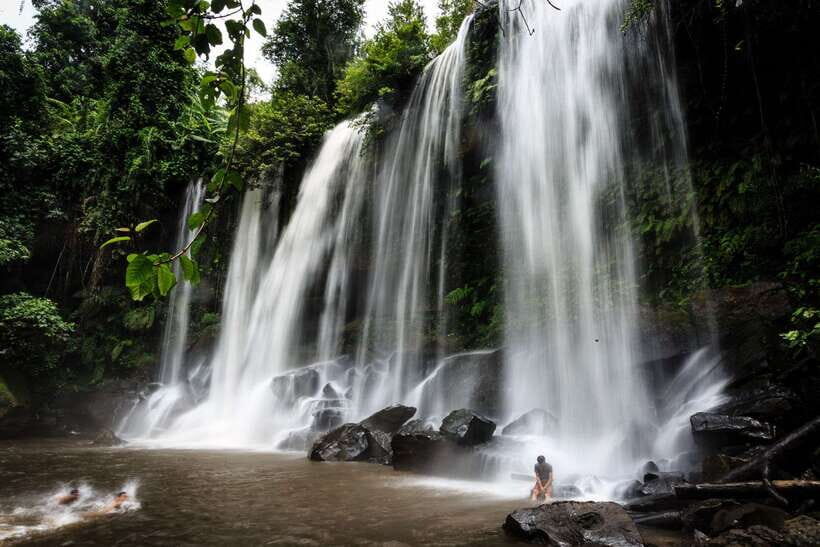
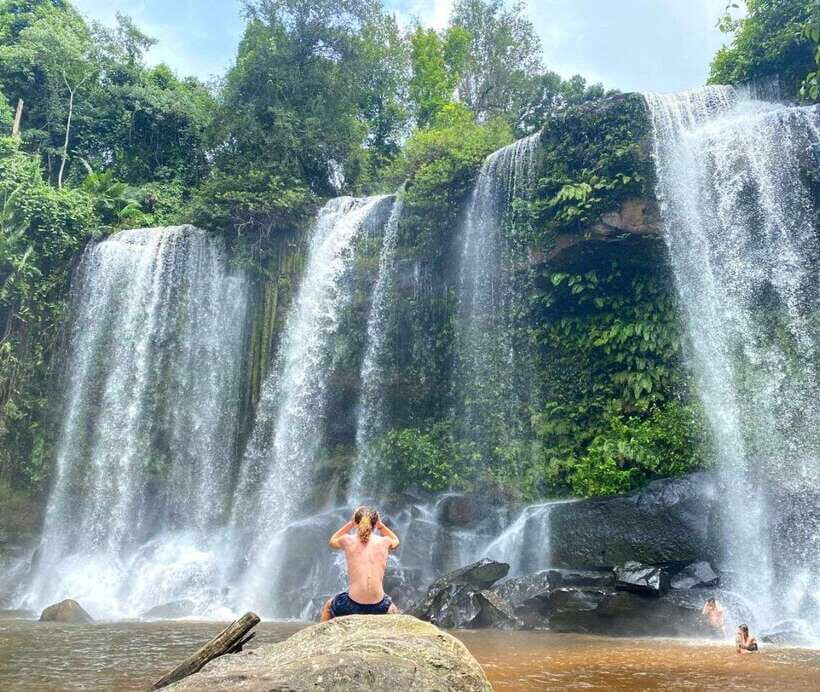
Then comes the reason many people book this tour: Kulen Waterfall. You’ll have about 1.5 hours for guided time and free time here, including the option to swim.
This waterfall is described as two-tiered, with cascading water plunging into a natural pool. In practical terms, it’s one of the few places around Siem Reap where you get a chance to leave the heat behind and actually cool down.
A few details that help you enjoy this part:
- You’ll want swimwear under your clothes, since you’ll have time to change and get in.
- Bring a towel, because you’ll likely spend more time wet than you expect.
- Expect uneven rocks and slippery spots. One review flagged that rocks can be spiky in places and to be careful about downstream flow.
If you’re worried about swimming, don’t be. The day still works even if water conditions limit how far you can go. Still, you’ll have the refreshing sound of the falls, time to relax at the pool area, and plenty of places for photos.
What I like most is that the waterfall time isn’t just a single viewpoint. You can usually find quieter areas for photos and a calmer soak, as opposed to feeling trapped in a crowd-only scene.
Lunch at Phnom Kulen: where the day feels most local
Lunch is included, and it’s more substantial than you might expect from a day trip.
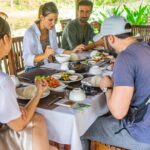
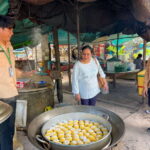
You’ll get about one hour break time and lunch service. The lunch described is fragrant rice with fried chicken legs, plus fresh seasonal fruits. Some guides have offered menu variations, including chicken cashew options, but the core idea stays the same: a hearty Cambodian-style meal that matches the setting.
Why lunch placement matters: eating here before you swim helps you enjoy the day without feeling rushed. It also gives you shade and recovery time. This is a long day with walking and heat, so a real meal keeps the mood up.
Practical tip: if you’re sensitive to spicy food, tell your guide quietly. You’ll likely be able to find a comfortable option, and since the lunch is prepared locally, the staff can often adjust within reason.
Walking level and what to pack for comfort
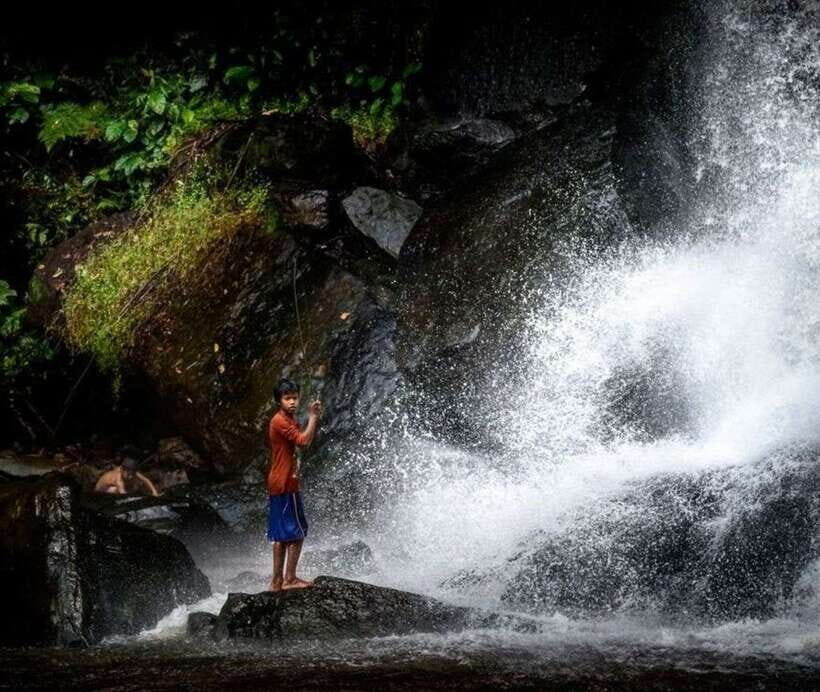
This is not a hardcore trek. The tour routes are described as gentle walking along maintained trails, and the overall pace is set for small-group comfort. Still, you’re doing several outdoor segments, including riverbed-style walking and a short mountain-top climb.
Here’s what I’d pack for a smooth day:
- Hiking shoes with grip (rocks and wet surfaces are common)
- Swimwear and a towel
- Sunscreen and insect repellent
- Light clothing that dries fast
- Cash (handy for any small purchases)
- If you have them: water shoes or something you can use for splashy areas
Cold towels and bottled water are included, which is a big help in the heat. But you’ll still want to be responsible for your own comfort and rehydration.
One more small note: the tour asks for respect at ancient religious grounds. Dress code is comfortable and casual, with light clothing and good walking shoes recommended. That’s not just etiquette—it helps you feel comfortable too.
Price and value: why $48 can make sense here
At $48 per person, this tour looks like more than a solo driver day at first glance. But the value is in what’s bundled together.
You’re getting:
- Hotel pickup and drop-off
- Air-conditioned transportation
- A professional guide
- Phnom Kulen entrance ticket
- Lunch with seasonal fruits
- Cold towels and bottled water
If you tried to do it on your own, the cost quickly shifts into separate parts: entrance tickets, transport, and a guide (especially if you want to understand the lingas and what you’re seeing at the pagoda). Then there’s the time cost. Phnom Kulen isn’t hard to reach, but it is hard to make satisfying without some explanation.
Where your money really pays off is at the sacred stops. The 1000 lingas and the pagoda areas aren’t just scenic. They’re meaningful, and a guide helps you see what matters and how to move through respectfully. People also mention guides helping with photos, which is a small thing, but it’s one less hassle during a day where you’ll otherwise be juggling camera and movement.
The only add-on people usually think about is extra drinks. Otherwise, the essentials are handled.
Who should book this tour (and who may want a different plan)
This fits best if you want:
- A day that’s beyond temples, focused on Phnom Kulen’s sacred sites and nature
- A manageable walking day with enough structure to avoid guesswork
- A guided experience where you learn what you’re seeing at each stop
It may not be ideal if you’re:
- Under 12 years old
- Using a wheelchair or having mobility impairments
- Dealing with recent surgeries
- Older than 95 years
- Traveling with pets or needing strollers or large luggage (those aren’t allowed)
If you’re unsure about swimming, go anyway for the scenery and the sacred stops. The waterfall time is the highlight, but the day isn’t built only around getting in the water.
Should you book Phnom Kulen Waterfall & the Sacred 1000 Lingas?
I’d book it if you want a single, well-paced day that combines Cambodia’s spiritual side with a real nature break. The tour makes the long drive feel organized, the stops connect logically, and lunch plus cold towels take the edge off.
Skip it (or look for another option) if swimming conditions make you uneasy, or if walking on uneven surfaces is a problem for you. Also, if you’re expecting an ultra-fast sightseeing spree, this isn’t that. It’s designed for comfort and understanding, not a sprint.
If you’re in Siem Reap and you’ve already done the headline temple circuit, this is a strong way to see what the countryside and sacred mountains feel like. You come away with cooler water in your memories, carvings you’ll remember, and a better sense of why Phnom Kulen matters.
FAQ
How long is the Phnom Kulen Waterfall and 1000 Lingas tour?
The tour lasts about 9 hours total.
What time do you get picked up from Siem Reap hotels?
Pickup starts between 7:40am and 8:10am, and you’re expected to be ready at your hotel lobby from 7:40am.
What’s included in the $48 price?
The price includes hotel pickup and drop-off, air-conditioned transportation, a professional guide, Phnom Kulen entrance ticket, lunch with seasonal fruits, cold towels, and bottled water.
Is swimming available at the waterfall?
Yes, there is free time at the Kulen waterfall that includes swimming.
How much walking is involved?
The day includes gentle hiking and guided walks at multiple stops, including about an hour at Phnom Kulen National Park and about an hour around the 1000 lingas area.
Is this tour suitable for kids or people with mobility issues?
It’s not suitable for children under 12. It’s also not suitable for people with mobility impairments, wheelchair users, or those with recent surgeries.