REVIEW · SIEM REAP
Kulen Waterfall & 1000 Linga River Small-Group Tours
Book on Viator →Operated by Green Era Travel · Bookable on Viator
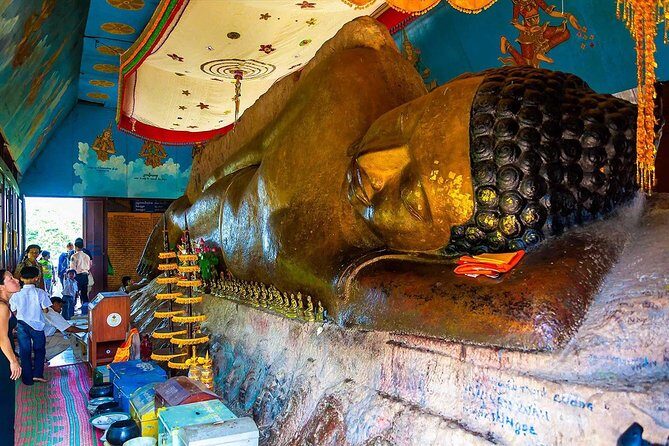
That first climb up to the Reclining Buddha is worth it. On this Phnom Kulen day trip, I especially like seeing the giant Reclining Buddha carved in sandstone and standing at the River of a Thousand Lingas, where the riverbed itself is carved with Shiva-linked symbols. It’s one of those trips that mixes big sacred moments with real nature time, and it also pulls you away from the crowds of Siem Reap.
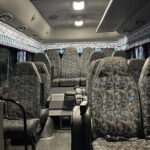
You’ll get an English-speaking guide with insightful commentary, plus hotel pickup and drop-off in a shared air-conditioned van (small group, up to 12). One possible drawback: this is not a sit-and-snap photo tour—expect a lot of walking, and the waterfall area can feel hot if you’re not used to it.
In This Review
- Key highlights to know before you go
- A day trip that swaps Angkor crowds for sacred nature
- Morning start: air-conditioned pickup to Phnom Kulen
- The Reclining Buddha: stairs, sandstone, and a big focal point
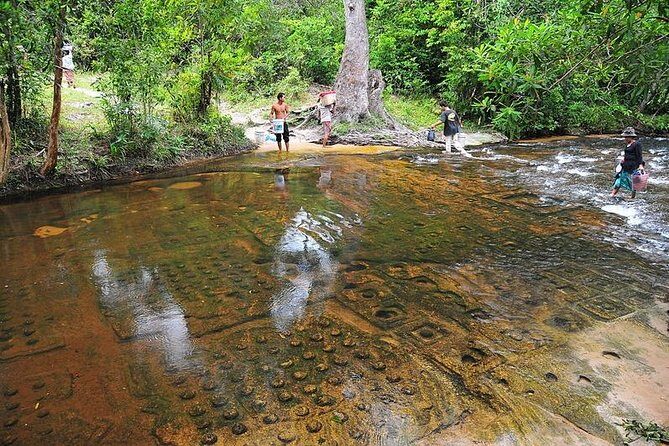
- River of a Thousand Lingas: sacred symbols carved into the riverbed
- Khmer boulder carvings: the details that make the day click
- Phnom Kulen Waterfalls: swim time, but yes, plan for walking
- Lunch in the national park: built-in time, but bring your appetite and cash
- Guide impact: small group, big difference (Voath and Marin stand out)
- Price and what you really pay: $59 plus the waterfall fee
- Who this tour fits best (and who should skip it)
- Quick practical tips so your day runs smoothly
- Should you book the Kulen Waterfall and 1,000 Lingas tour?
- FAQ
- What time does pickup happen and when does the tour depart?
- How long is the tour?
- Is the Phnom Kulen Waterfall entrance fee included in the price?
- Is food included?
- How big is the group?
- What is the cancellation policy for a full refund?
Key highlights to know before you go
- Small group (max 12): You’ll move at a comfortable pace and still hear your guide clearly.
- Reclining Buddha on a sandstone hill: Stairs are part of the experience, not optional.
- River of 1,000 Lingas: You’ll see carved riverbed symbols tied to Shiva.
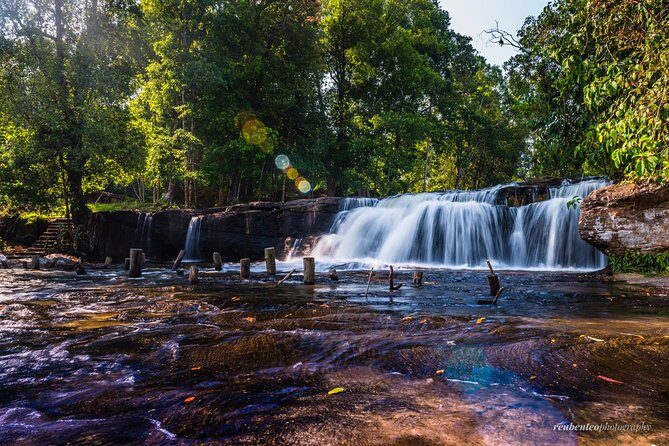
- Kulen Waterfalls pools you can swim in: Bring swim-ready gear if that’s your plan.
- Entrance fees are extra: Phnom Kulen Waterfall is $20 per person, so budget ahead.
A day trip that swaps Angkor crowds for sacred nature
Siem Reap has its own rhythm, but this tour changes the scene fast. You start early, ride north in a shared air-conditioned vehicle, and then spend the day in a more rural, forested area. The best part is that the day doesn’t only feel like sightseeing; it feels like a short escape into Khmer sacred landscape and then back into the outdoors.
The timing matters. The tour departs around 8:30 am, with pickup from about 7:30 to 8:30 from your hotel lobby. That early start helps you avoid the worst heat and gives you more relaxed time at the first major stop.
You’re also not flying solo. This is a small-group tour run by Green Era Travel, and the cap is 12 travelers. In practice, that means less shuffling and more time actually looking at what your guide is pointing out, instead of constantly waiting for people.
Other Kulen Mountain and waterfall tours we've reviewed in Siem Reap
Morning start: air-conditioned pickup to Phnom Kulen
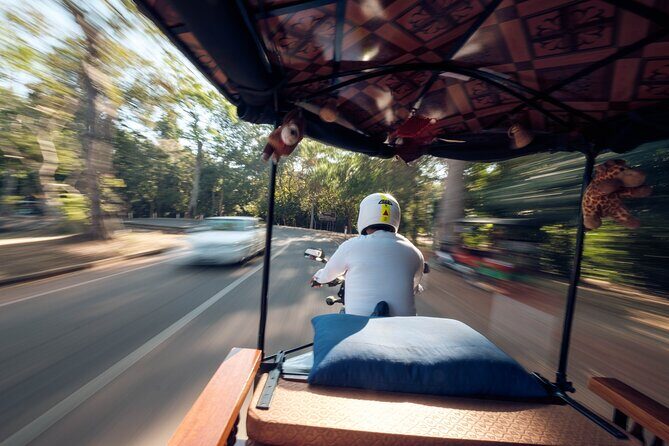
Getting out of town is usually the least interesting part of a day trip. Here, it’s at least comfortable. You’ll ride in a shared A/C van, and bottled water is included, which sounds basic but really helps when the morning turns into midday sun.
Because it’s pickup from your hotel lobby, you don’t have to figure out transport or meeting points on your own. That’s a real value for a $59 tour price—especially if you’d rather spend your energy on temples and waterfalls instead of logistics.
One thing to plan around: the day is roughly 5 to 7 hours total. That usually means a tight but manageable schedule—enough time to see the major sacred highlights and still get lunch time, but not enough slack for lots of extra stops on the spot.
The Reclining Buddha: stairs, sandstone, and a big focal point
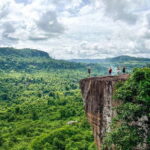
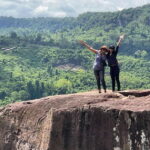
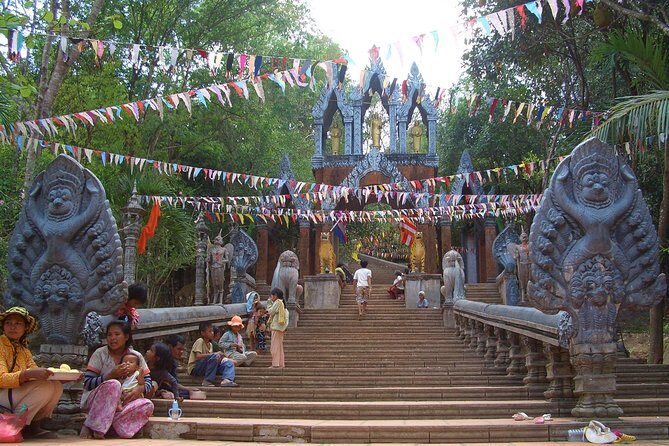
Your first major stop is the Phnom Kulen area and Cambodia’s biggest Reclining Buddha. The statue is carved on sandstone and sits on top of a hill. Translation: you’ll climb stairs to get up there, so wear shoes you trust.
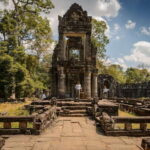
This is one of those moments where the scale hits you quickly. It’s not just a small temple detail—it’s a central landmark, and it’s placed to be seen from a distance. Your guide’s commentary helps you understand why the site matters, and you’ll also get context that connects the temple to the wider Khmer sacred landscape you’ll see later.
Practical tip: if you’re the type who likes to linger at viewpoints, give yourself time at this stop. The stairs can slow people down, and once you’re up there, you’ll want a few minutes to look, not just pass through.
River of a Thousand Lingas: sacred symbols carved into the riverbed
After the Buddha, the tour heads to the sacred river area known as the River of a Thousand Lingas. This is the kind of place where your guide’s explanations turn random rocks into something meaningful.
Here’s what you’re seeing: the riverbed has lots of carved lingas, which are phallic symbols associated with Shiva. Your guide will point out the carvings and help you interpret what you’re looking at, including how these symbols fit into the Khmer sacred tradition.
What I like about this stop is that it’s tactile and natural. You’re not just looking at a polished monument behind glass. You’re in and near a landscape where the carvings are part of the environment. It feels older and more grounded than a lot of staged temple-photo stops.
Khmer boulder carvings: the details that make the day click
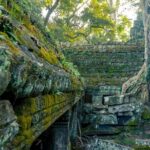
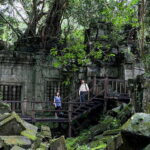
The tour doesn’t only rely on the two headline sights. One of the cooler aspects is that your guide shows you river boulders with intricate carvings made during the Khmer Empire. That’s where the day gets more interesting for people who like details.
These carvings can be easy to miss if you treat the stop like a fast checklist. With a small group, you’re more likely to have time to look closely and ask questions. And in the better-guided days, the guide will connect what you see here to what you saw on the hilltop temple—so the day becomes a story instead of separate stops.
If you’re picky about photographs, this is a good time to slow down. Shade can shift, and the carvings sometimes look best from an angle where the texture catches the light.
Phnom Kulen Waterfalls: swim time, but yes, plan for walking
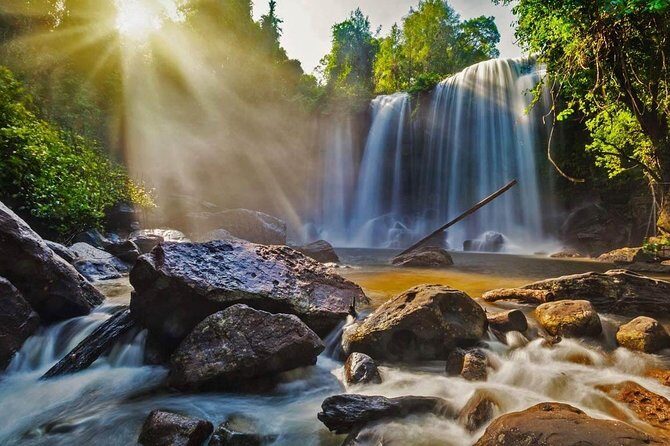
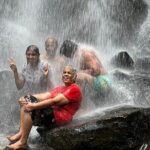
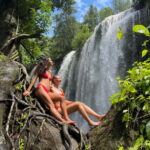
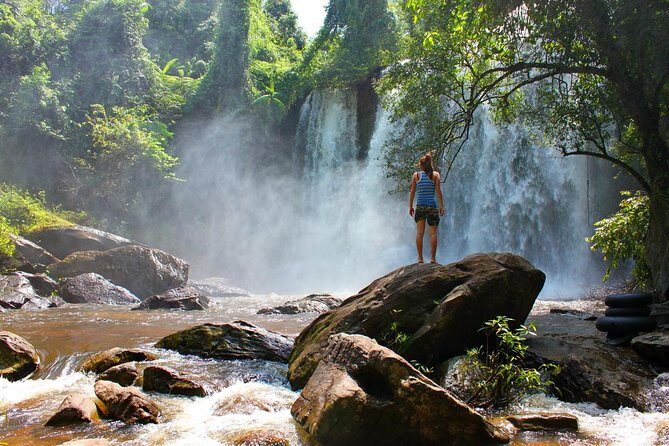
Then comes the payoff for nature lovers: Phnom Kulen Waterfalls. You’ll visit areas with natural pools where you can swim. That’s not just a nice-to-have; it’s one of the reasons this tour is more fun than a pure temple circuit.
But here’s the practical reality: some people found that the waterfall portion involved more walking than they expected, especially in high heat. The tour also calls for moderate physical fitness, which is your hint that this day has movement, not just sightseeing.
How to handle it:
- Wear shoes that don’t mind uneven ground and wet patches.
- Bring or plan to buy water and take breaks in shaded areas when possible.
- If swimming is your goal, keep in mind you may need to walk to reach the pools.
Also, plan for the extra cost here. The Phnom Kulen Waterfall entrance fee is $20 per person and is not included. So budget for it upfront rather than treating it as a surprise.
Lunch in the national park: built-in time, but bring your appetite and cash
You’ll have time to purchase lunch in the national park. Food and drinks are not included, so you’ll decide what to eat on-site. This is one of the smartest parts of the schedule because it gives you time to refuel without rushing immediately after a swim.
Because you’re buying lunch yourself, you should expect a limited menu compared to the sit-down places you know in town. It’s also a good moment to hydrate again—especially if you’ve been climbing stairs and walking in warm weather.
If you have dietary limits, I’d still come prepared with a simple mindset: choose what looks clearly cooked and straightforward, and don’t wait until you’re starving to figure it out.
Guide impact: small group, big difference (Voath and Marin stand out)
The tour is rated highly overall, and one repeated theme is the quality of the guide. In particular, names like Voath and Marin showed up in strong ways, with people praising how kind and courteous they were and how much helpful information they shared.
Even if you don’t get those exact guides, the format matters: an English-speaking guide plus small-group size is exactly what helps you connect dots. Without that commentary, you’d still see Buddha and carvings—but you might miss why the symbols matter or what the carvings represent.
If you care about understanding more than just taking pictures, this is a tour style that tends to pay off.
Price and what you really pay: $59 plus the waterfall fee
At $59 per person, this is priced like a mid-range day trip. The value is in the included basics:
- small-group tour structure (max 12)
- English-speaking guide
- shared air-conditioned van
- bottled water
- hotel pickup and drop-off
- mobile ticket
What’s not included is also important:
- Phnom Kulen Waterfall entrance fee: $20 per person
- food and drinks
So a realistic planning number is $59 + $20 for the main entrance cost, then whatever you spend on lunch. For many people, that still feels reasonable because you’re not arranging your own transport and entry costs, and you’re getting a full structured day.
Also note: average booking time is about 26 days in advance, which suggests this isn’t always a same-week “walk-up and hope” kind of trip. If your dates are fixed, booking earlier is a smart move.
Who this tour fits best (and who should skip it)
This tour fits you well if you want:
- Khmer sacred sites plus real nature time in one day
- a small-group experience instead of a big bus crowd
- the chance to swim in natural pools
- a guide who explains what you’re seeing
You might want to rethink it if:
- you strongly dislike walking in heat
- you’d rather do only low-effort temple viewing
- you want food included and don’t want to buy lunch on-site
The good news: “moderate physical fitness” doesn’t mean you need to be an athlete. It mainly means you should be comfortable with stairs and outdoor walking.
Quick practical tips so your day runs smoothly
A few things I’d do before you go:
- Wear comfortable, grippy shoes for stairs and uneven ground.
- Pack swim basics if you want the pools: a change of clothes helps.
- Bring sun protection. Even with early timing, the day can get warm.
- Plan your lunch budget since food and drinks aren’t included.
- If you’re sensitive to heat, take your time at the waterfall areas and don’t rush from pool to pool.
One more small strategy: keep your camera and phone ready, but don’t spend the whole day filming. These stops reward still time—especially at the carvings and riverbed symbols.
Should you book the Kulen Waterfall and 1,000 Lingas tour?
I’d recommend booking if you want a day outside Siem Reap that still feels meaningful, not just scenic. The combination is the draw: the Reclining Buddha, then the River of a Thousand Lingas, and finally the chance to cool off at Phnom Kulen Waterfalls.
Book it if you’re okay with stairs and walking, and if you can plan for the $20 waterfall entrance fee plus lunch. If you’d rather avoid extra walking or you’re very heat-sensitive, you may find the waterfall portion more work than you want.
If you’re flexible and want a well-run, small-group day with guides like Voath or Marin impressing people with their care and explanations, this is a strong choice.
FAQ
What time does pickup happen and when does the tour depart?
Pickup is scheduled from about 7:30 am to 8:30 am, and the tour departs at 8:30 am.
How long is the tour?
The tour runs about 5 to 7 hours.
Is the Phnom Kulen Waterfall entrance fee included in the price?
No. The Phnom Kulen Waterfall entrance fee is $20 per person and is not included.
Is food included?
No. Food and drinks are not included, but the schedule includes time to purchase lunch in the national park.
How big is the group?
This is a small-group tour with a maximum of 12 travelers.
What is the cancellation policy for a full refund?
You can cancel up to 24 hours in advance for a full refund. If you cancel less than 24 hours before the experience starts, the amount paid isn’t refunded.