REVIEW · SIEM REAP
Full-Day Angkor Wat Sunrise Private Tour with Guide from Siem Reap
Book on Viator →Operated by Angkor Wat Travel Tour · Bookable on Viator
Sunrise at Angkor Wat hits different. This private sunrise tour gets you to the UNESCO site early, with hotel pickup and an English guide who explains what you’re seeing. The air-conditioned transport and small, focused stops make it feel far less rushed than doing the temples on your own.
What I like most is the way the guide turns the big sights into a story you can actually follow. On tours run by guides such as Sa, Sopha, Se, Curly, Chen, and Paul, you’re not just looking—you’re learning why Bayon and Ta Prohm look the way they do, and you’ll get help spotting better photo angles.
One drawback to plan for: entrance tickets and meals are not included, and the start time is very early (4:30am). Also, if the morning sky is cloudy, you may not get the full sun show—still beautiful, but not guaranteed.
In This Review
- Key points worth getting excited about
- Why Angkor Wat Sunrise Feels Like a Once-in-a-Lifetime Moment
- 4:30am Logistics That Actually Make Sense (Not Just “Early”)
- Angkor Wat: Sunrise Views Plus Time to Explore the Main Entrance
- Bayon Temple in Angkor Thom: 54 Towers and 216 Faces
- Ta Prohm: The Fig Trees Make the Stones Feel Alive
- Banteay Kdei: A Quieter Late-12th/Early-13th Century Break
- Why the Guide Matters More Than You Think
- What You Actually Get for Your Money: Price and Value at $60
- Timing Strategy: How to Make the Day Feel Less Like a Sprint
- Weather Is Part of the Deal (Clouds Can Change the Mood)
- Who Should Book This Private Sunrise Tour?
- Should You Book This Angkor Wat Sunrise Private Tour?
- FAQ
- What time does the sunrise tour start?
- How long is the full-day tour?
- Is this tour private?
- What’s included in the price?
- Are entrance tickets included?
- Are meals included?
- Do you offer hotel pickup and drop-off?
- Can I cancel for a full refund?
Key points worth getting excited about
- 4:30am start for the best chance at sunrise lighting and low-crowd viewing
- Private pacing with an English guide focused on context, not just directions
- Four major temple stops across the Angkor complex: Angkor Wat, Bayon, Ta Prohm, Banteay Kdei
- Comfort perks during a long morning: air-conditioned vehicle plus cold towel and cold water
- Plan extra budget for entrance tickets and meals (they’re not included)
Why Angkor Wat Sunrise Feels Like a Once-in-a-Lifetime Moment
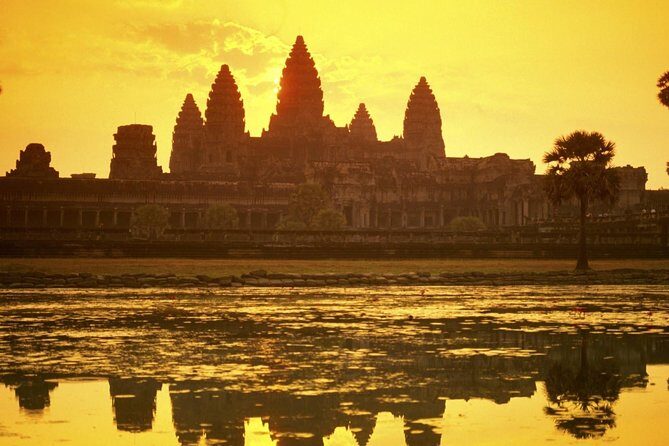
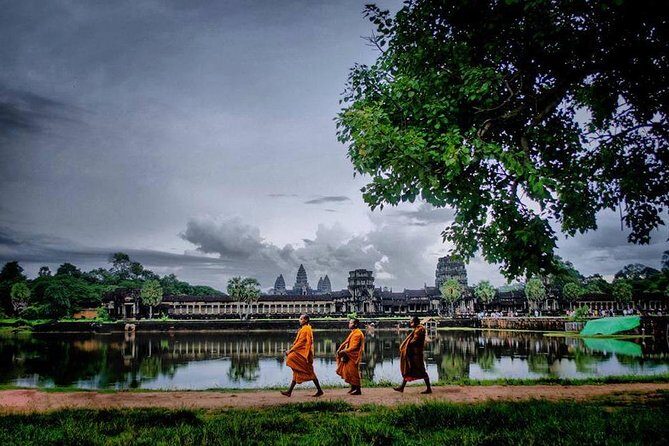
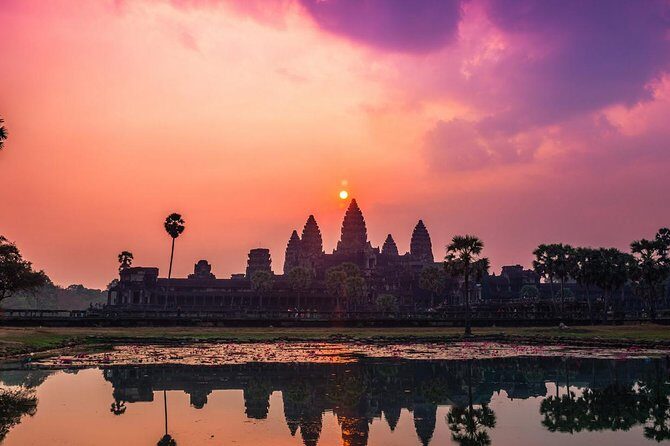
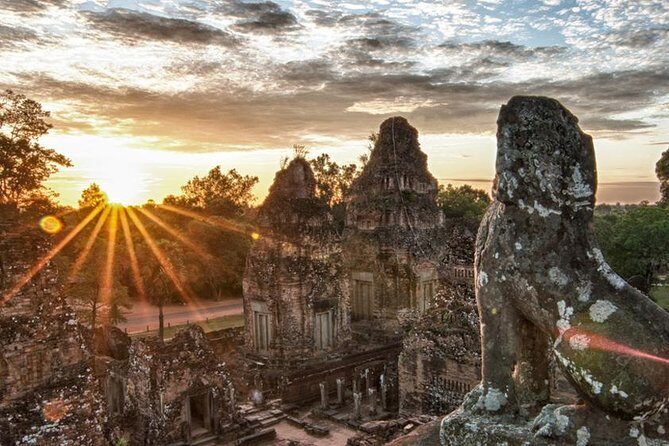
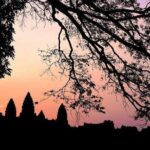
Angkor Wat at sunrise isn’t just a photo stop. It’s the moment the whole site goes from dark silhouettes to carved details you can finally read—columns, causeways, and the temple’s long geometry.
This tour is built around that timing. You start at 4:30am, when the world is quiet and the sky is doing its color shift. Even if you’ve seen pictures before, you’ll notice how the light changes the stone—soft at first, then sharper as the morning builds.
And because it’s private, you’re not stuck moving with the loudest group or the fastest walker. You can slow down, ask questions, and take a breather without feeling like you’re holding everyone up.
Other Angkor Wat sunrise tours we've reviewed in Siem Reap
4:30am Logistics That Actually Make Sense (Not Just “Early”)
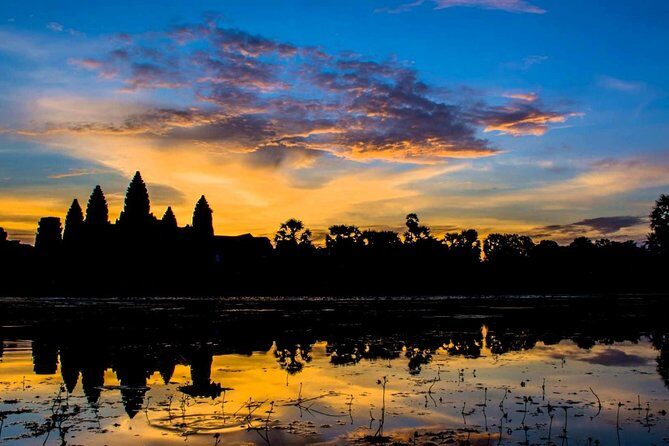
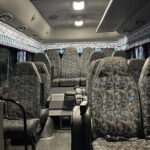
The tour begins at 4:30am and includes hotel pickup and drop-off in Siem Reap, plus an air-conditioned vehicle. That matters more than it sounds. Long temple days in Cambodia can get hot fast, so being comfortable on the road helps you save your energy for the walking and stairs.
You’ll also get cold towel and cold water during the day. It’s a small thing, but sunrise to midday is long, and you’ll appreciate any reset you can get.
One practical note: the morning is dark when you’re traveling to the temples. That atmospheric pre-dawn walk through the area is part of the experience—but it also means your camera setup, shoes, and bug spray (more on that later) are worth getting sorted before you leave.
Angkor Wat: Sunrise Views Plus Time to Explore the Main Entrance
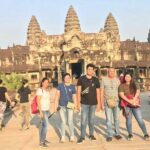
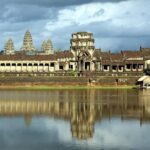
Your first major stop is Angkor Wat, with about 3 hours to explore. This is the headline temple, and the goal here is twofold: you’ll catch sunrise, then you’ll have time to actually roam the temple rather than just sprint for a single viewpoint.
You’ll also climb up to the main entrance. That climb is where the temple’s scale becomes real. From up there, you’re better positioned to see how Angkor Wat sits within its surrounding layout, and you’ll understand why people describe it as perfectly “set up” for visitors who arrive at just the right hour.
Two things to plan around:
- Entrance tickets are not included, so budget for them ahead of time.
- Sunrise doesn’t always mean a clear sunrise. If the sky is cloudy, you can still have a magical moment, just with less dramatic sun rays.
Bayon Temple in Angkor Thom: 54 Towers and 216 Faces
After Angkor Wat, you move to the heart of Angkor Thom: Bayon Temple. This stop takes about 2 hours, and it’s one of those places where your brain starts matching faces to angles.
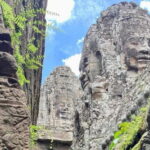
Bayon is famous for its 54 towers and 216 faces of Avalokesvara, and your guide helps you see more than just the symbolism. You’ll learn what was going on during the reign of King Jayavaraman VII, and why Bayon looks the way it does.
Practical tip: Bayon involves lots of stair steps and changing viewpoints. A good private guide makes this easier by helping you choose routes based on your comfort level. On similar private outings, guides have been known to adjust pacing and offer assistance on stairs when someone needs it.
Also, bring patience for photo moments. The best shots often require you to wait for a brief lull in crowd flow—sunrise sets you up for that earlier timing.
Ta Prohm: The Fig Trees Make the Stones Feel Alive
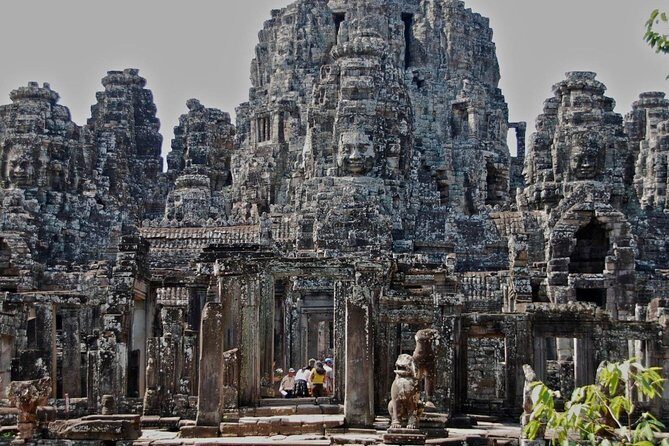
Next comes Ta Prohm, with about 2 hours here. If Angkor Wat is about perfect order, Ta Prohm is where nature interrupts the story.
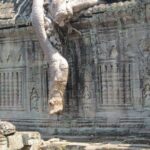
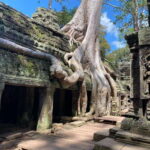
This temple is known for the enormous fig trees that embrace the ruins, and it has a preserved look—left in a similar condition to when it was found. That means you’ll see a more “messy” relationship between stone and roots, like the site is frozen mid-transformation.
This is also a great stop for “slow watching.” Spend time looking up from ground-level corners. The trees create shadow pockets, and the carvings become easier to notice when the light hits at the right angle.
One very practical consideration: bug spray. Mosquitoes are present by water and around temple areas, and having bug spray on hand can save your day. Sunrise morning plus humid walking is not the time to find out you forgot it.
Other Angkor Wat temple tours we've reviewed in Siem Reap
Banteay Kdei: A Quieter Late-12th/Early-13th Century Break
The final temple stop is Banteay Kdei, about 1 hour. It’s built in the late 12th century into the early 13th century under King Jayavarman VII, and it’s described as a sprawling, largely non-restored monastic complex.
This one works well as a wind-down after the more famous crowds and photo magnets. You’ll likely feel the change in pace: fewer “rush here” vibes, more time for wandering and noticing how the temple complex sits in its setting.
If you’re a first-timer, this stop is useful because it rounds out your understanding of Angkor beyond the headline names. If you’re a repeat visitor, it still feels like a nice change because it doesn’t demand the same exact photo checklist.
Why the Guide Matters More Than You Think
Yes, you’re going to see four temples. But the real value of a private sunrise tour is what you do while you’re looking.
An English guide helps you connect details you’d otherwise miss: why Bayon’s faces appear the way they do, what King Jayavarman VII’s building program meant, and how Ta Prohm’s trees changed the way the ruins feel. Many guides also point out special spots for pictures—where the light hits better and where you can avoid the busiest angles.
Names you might run into include Sa, Sopha, Se, Curly, Chen, Paul, Mare, David, Keo Sieng, and Samuth. Even if you don’t get the same person, the pattern is similar: these guides treat the day like a guided walk through history, not a bus tour with facts you forget in an hour.
This is also where private pacing shines. If you prefer a slower rhythm, a good guide can adjust. One reason people love this kind of sunrise tour is that you can ask questions without feeling like your time slot is up.
What You Actually Get for Your Money: Price and Value at $60
The price is $60 per person for this full-day private sunrise tour, typically running around 8 hours. What you’re really paying for is:
- private pickup and drop-off from your hotel area
- an air-conditioned vehicle for long distances and early mornings
- an English-speaking guide
- the included comfort items like cold towel and cold water
Entrance tickets and meals are not included, so your total trip cost will be higher once you add those. Still, for many people, the math works because the tour saves you from figuring out timing, transport, and temple sequencing at 4:30am.
Also, sunrise tours have a built-in advantage. You’re arriving early enough to see the temple without the worst crowd crush, and that changes how much you enjoy the experience. For first-timers, that alone can feel like good value.
Timing Strategy: How to Make the Day Feel Less Like a Sprint
An Angkor day can be brutal if you start late and then try to cram everything in. Here, the structure is designed around efficiency:
- sunrise at Angkor Wat
- then a logical route through Angkor Thom and nearby temple sites
- ending with Banteay Kdei before it gets too hot for lingering
The tour ends around midday (about 8 hours total). That’s important because the real “temple fatigue” often hits later in the afternoon. By planning your day like this, you get the best light for photos and still leave yourself enough energy for lunch and recovery after.
Weather Is Part of the Deal (Clouds Can Change the Mood)
Even with the best planning, sunrise depends on the sky. If it’s cloudy, you may not see the sun break dramatically. You can still get a peaceful, misty feel and beautiful lighting on the stone, but you’ll want to accept that the exact moment of sunlight is not guaranteed.
The good news: Angkor Wat is stunning in low light too. The carvings still read, and the sunrise atmosphere still does its job.
Who Should Book This Private Sunrise Tour?
This is a smart choice if you:
- are visiting Angkor for the first time and want a guided orientation fast
- care about sunrise timing and better photo positioning
- want private pacing rather than hopping along with a large group
- like history context and not just the “what to photograph” checklist
It’s also a solid family option. A private setup can be easier with kids because you can slow down and stop as needed, and guides have been known to support visitors of different ages and comfort levels.
Two limits to keep in mind:
- children must be accompanied by an adult
- the day involves walking and stairs, so plan accordingly if mobility is a concern
Should You Book This Angkor Wat Sunrise Private Tour?
If sunrise is your priority, I’d book this. The early 4:30am start, private guide, and hotel pickup are the combo that makes Angkor Wat feel special instead of chaotic. For $60, you’re not just buying entry to temples—you’re buying time, comfort, and interpretation.
Do it with your expectations set correctly:
- entrance tickets and meals are extra
- sunrise can be cloudy
- you’ll start very early, so you’ll want to be rested the night before
If you want the smoothest first-day Angkor experience, this is one of the clearest choices in Siem Reap.
FAQ
What time does the sunrise tour start?
The tour start time is 4:30am.
How long is the full-day tour?
The duration is approximately 8 hours.
Is this tour private?
Yes. It’s a private tour/activity, and only your group will participate.
What’s included in the price?
Included are an air-conditioned vehicle, an English tour guide, cold towel and cold water, and private transportation.
Are entrance tickets included?
No. All entrance tickets fee are not included.
Are meals included?
No. Meals (Breakfast, Lunch and Dinner) are not included.
Do you offer hotel pickup and drop-off?
Yes. Convenient hotel pickup and drop-off in Siem Reap are included.
Can I cancel for a full refund?
Yes. Free cancellation is available up to 24 hours in advance of the experience start time for a full refund.