REVIEW · SIEM REAP
4-Day All Major Temples & Kulen mountain & Koh Ker & Beng Mealea
Book on Viator →Operated by Happy Angkor Tour · Bookable on Viator
Four days of Khmer stone, then jungle silence. This private tour takes you far past the Siem Reap streets and strings together Angkor’s big icons with remote ruins that most schedules skip. You get an English-speaking guide, a private AC vehicle, and a full day-by-day structure that keeps things moving without feeling rushed.
What I like most is the mix of temple styles and time periods. You’ll see the grand symbolism at Angkor Wat and Bayon, then you’ll trade the crowds for quieter stops like Ta Nei and the Rolous group sites. I also love that the trip is set up for comfort in Cambodia’s heat with cool drinking water and wet towels during long drives.
One consideration: you’ll pay extra for entrance fees and you’ll do some early mornings. The tour price is the service and transport, but admissions add up fast once you factor in Angkor passes, Kulen, and Koh Ker. Plan your budget before you go.
In This Review
- Key things to know before you go
- Temples, Jungle Waterfalls, and a Khmer Capital Far From Siem Reap
- Two Ways Through Angkor Wat: Sunset Hill and a 5:00am Sunrise
- Angkor Thom and the Tree-Root Spectacle at Ta Prohm
- Kulen Mountain National Park: The 1,000 Lingas and a Waterfall Swim
- Banteay Srei, Banteay Samre, and Pre Rup: Why Smaller Stops Feel Better
- Preah Khan to Bakong: A Day That Connects Khmer Power to Everyday Spirit
- Koh Ker and Beng Mealea: The Indiana-Jones Day Most Plans Skip
- Price and Logistics: Is $389.25 Good Value?
- Who This Tour Fits Best (and Who Might Want a Different Plan)
- Should You Book This 4-Day All Major Temples & Kulen & Koh Ker & Beng Mealea Tour?
- FAQ
- Do I need separate tickets for the temples?
- Does the tour include hotel pickup and drop-off?
- What’s included in the tour price?
- What time is the sunrise visit at Angkor Wat?
- Are meals included?
- Is it a private tour or shared group?
- What’s the cancellation window?
Key things to know before you go
- Private AC vehicle with hotel pickup and drop-off means less hassle and more time actually seeing temples
- Two different Angkor mornings: a sunset-focused day plus a 5:00am sunrise day
- Phnom Kulen includes the River of a Thousand Lingas and time for a waterfall swim (weather and conditions permitting)
- Koh Ker is a real detour: it’s over 150 km northeast of Siem Reap and was briefly a Khmer capital
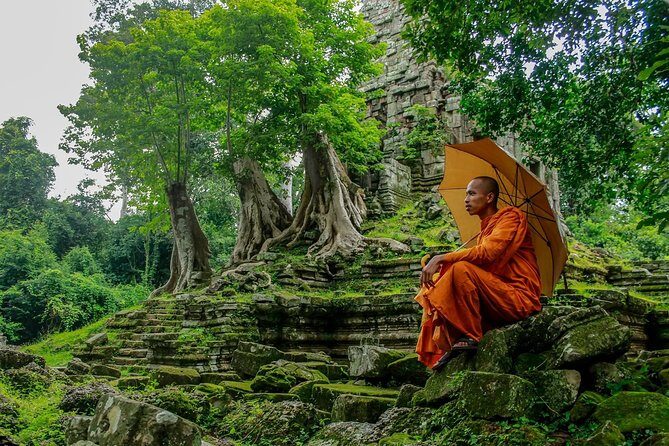
- Beng Mealea is the wild-card: nature is heavily in control of the ruins, so expect a more rugged feel
- Entrance fees are not included, so the final cost depends on the exact tickets you buy
Temples, Jungle Waterfalls, and a Khmer Capital Far From Siem Reap
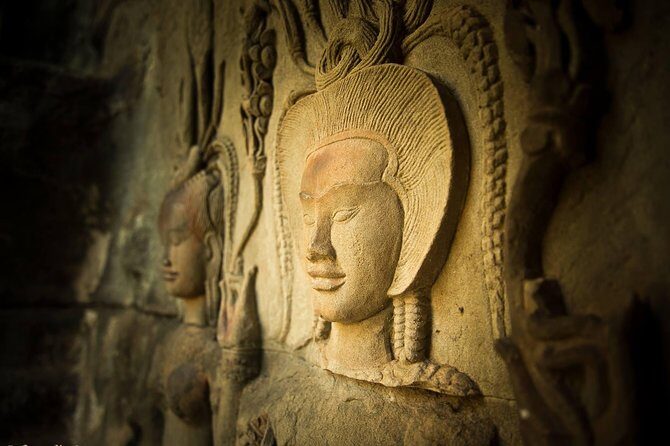
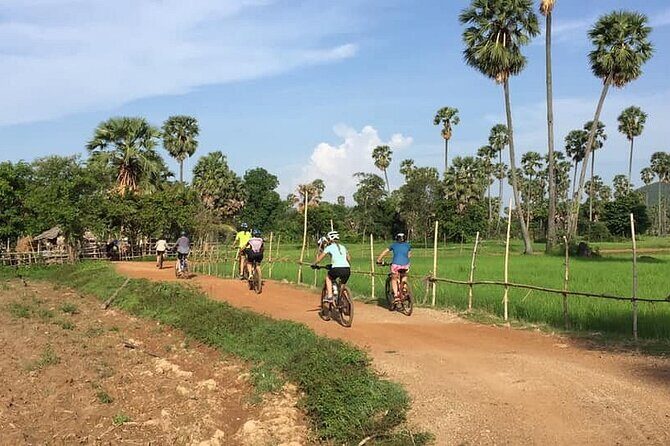
This is a temple tour with two personalities. Day 1 and Day 3 lean heavily into classic Angkor, with the big recognizable faces and the famous stonework you’ve probably seen in photos. Day 2 and Day 4 change the rhythm: you leave the core Angkor area, drive through countryside, and visit places where the jungle has a stronger grip.
That shift is where you get value. If you only do the main Angkor circuit, you end up “collecting” temples. Here, you get contrast. Angkor shows Khmer royal power through scale and symmetry, while Kulen, Koh Ker, and Beng Mealea add a different mood: pilgrimage landscapes, broken capitals, and ruins that feel less curated.
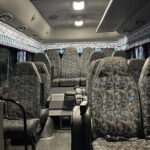
The private setup matters, too. Your vehicle can move between clusters without the stop-and-go frustration you’d expect from shared transport. In hot weather, air-conditioning plus cold water can be the difference between “I’m glad we came” and “I’m too tired to care.”
Other multi-temple archeological tours we've reviewed in Siem Reap
Two Ways Through Angkor Wat: Sunset Hill and a 5:00am Sunrise
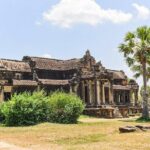
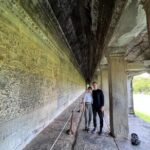
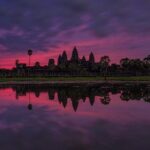
Angkor Wat is the star here, and the tour treats it like more than one photo opportunity. On the sunrise day, pickup is scheduled at 5:00am, then you’ll spend time at Angkor Wat in the cool, early light. Sunrise at Angkor Wat tends to reward patience: the temple’s long geometry reads differently when the heat hasn’t kicked in yet, and the stone looks more dimensional.
On the other Angkor-heavy day, the schedule builds toward a sunset view from Phnom Bakheng. You can skip the wait for sunset if you want to avoid a long climb and crowded viewpoints, but the plan gives you that option. One practical note: access and timing can be limited because the number of visitors allowed up there is restricted, so it’s smart to listen closely to your guide about when to go and what to expect.
Between these two Angkor moments, you also cover several key temples that help the story make sense. You’ll move through Angkor Thom with stops like Victory Gate and Bayon, plus nearby structures such as Baphuon and Phimeanakas. That cluster is useful because it turns “random temple photos” into a connected walk through the old royal city layout.
Angkor Thom and the Tree-Root Spectacle at Ta Prohm
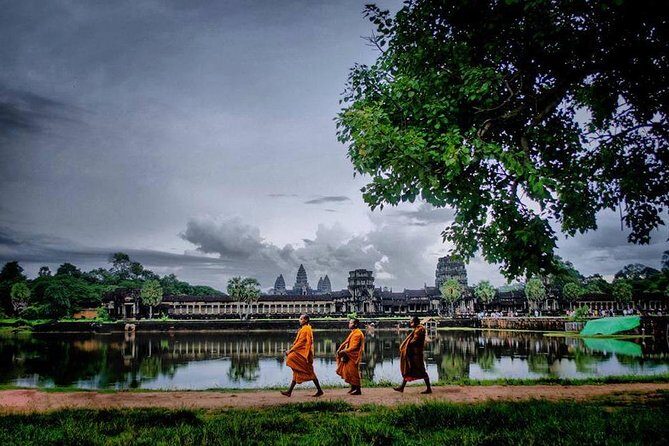
Day 1 is built around walking the main circuit style route, but it adds variety so you don’t feel like you’re stuck in only one temple type.
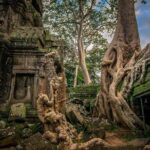
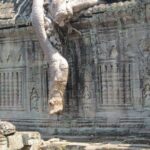
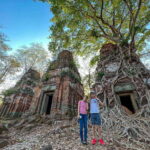
- Ta Prohm is the big atmospheric stop. The defining look is the massive tree roots wrapped through the temple structures—an effect that’s dramatic in person and oddly calming once you slow down and just watch the shapes.
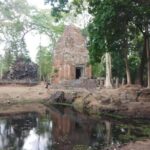
- Ta Nei is the quieter contrast. It’s smaller and less restored, and the surrounding trees make it feel more tucked away. This is one of those stops where you can breathe, take fewer photos, and actually study carvings and doorways.
- Bayon gives you the face-on-faces experience at the heart of Angkor Thom, with its many tower faces. Even if you’ve seen it before, being there in daylight makes the repetition hit harder.
A small practical consideration: this is a day with many stops. You’ll want sunscreen, a hat, and comfortable shoes you can trust. Also, temple time often includes uneven ground and steps—so move at your pace, not the pace of the group photo line.
Kulen Mountain National Park: The 1,000 Lingas and a Waterfall Swim
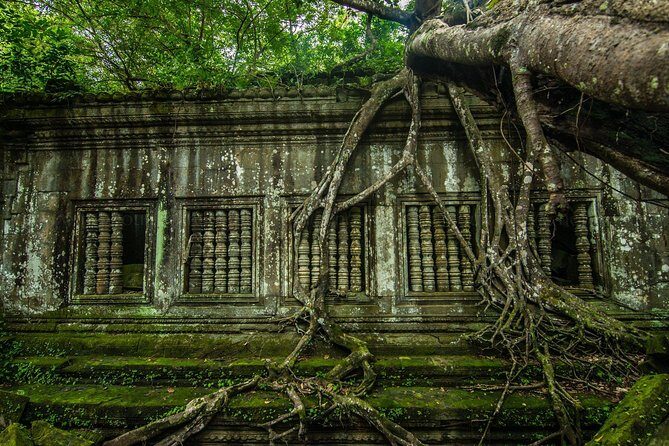
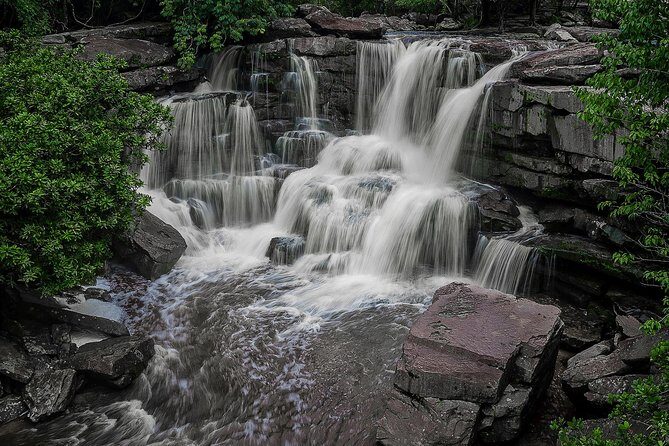
Day 2 takes you out into the Phnom Kulen region, over 60 km from the Angkor area. This matters because Kulen isn’t about one main temple you stamp and move on. It’s about a landscape of stone and water—specifically a riverbed covered with carved lingas, often referred to as the River of a Thousand Lingas.
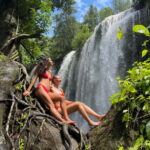
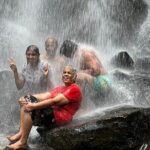
What makes this stop special is the setting. You’re not only looking at temple architecture; you’re reading a sacred place marked into the geology. It’s also the most “different” day in the sense that you’ll feel the outdoors more. The itinerary also mentions a chance to swim in a waterfall, which adds a refreshing reset from temple walking. If you plan to swim, bring something you can rinse afterward and a dry bag if you have one.
After Kulen, you return to temples that are less massive than Angkor Wat but still memorable.
Banteay Srei, Banteay Samre, and Pre Rup: Why Smaller Stops Feel Better
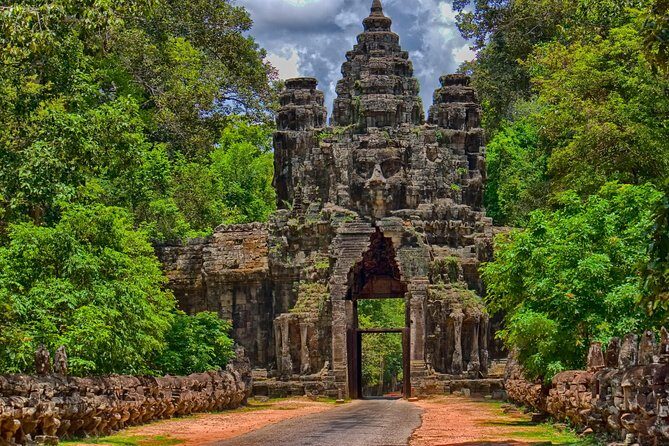
If Day 1 and Day 3 are about iconic monuments, Day 2 is where the tour adds craftsmanship and atmosphere.
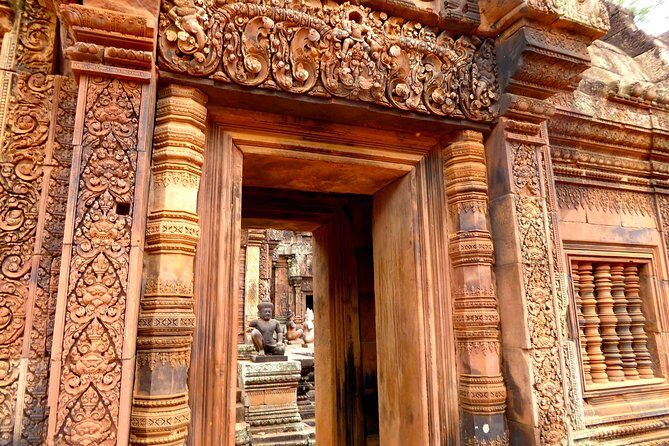
- Banteay Srei (often called the Ladies temple) uses pink sandstone and is tied to trinity gods dedicated to Hindu tradition. The color alone makes it feel different, and you’ll usually get better enjoyment by slowing down and studying details rather than rushing for the wide shot.
- Banteay Samre is more understated. The architecture here is described as less visually obvious, but the design is believed to follow a model similar to Angkor Wat. For me, that’s a good reminder: not every temple “hits” instantly. Some do best when you look for symmetry and plan rather than only surface drama.
- Pre Rup is short but meaningful. It’s a late 10th-century Hindu temple tied to funeral beliefs, with the sense that people viewed ceremonies as part of the temple experience. Even with less time, it gives you a “religion and ritual” anchor for the days you’ve been spending on stone.
This day is also useful for your energy. You still get a full schedule, but the stops don’t all feel like you’re climbing the tallest structure in Cambodia.
Other Beng Mealea tours we've reviewed in Siem Reap

Preah Khan to Bakong: A Day That Connects Khmer Power to Everyday Spirit
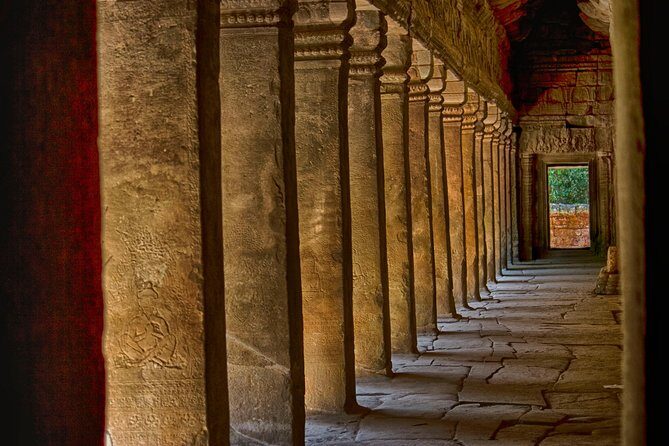
Day 3 starts early again, but it’s the after-sunrise pacing that makes it interesting. After breakfast, you visit a chain of sites that feel connected rather than just scattered.
- Preah Khan is described as a huge Buddhist temple built by King Jayavarman VII, dedicated to his father. A temple like this works because it’s not only about what you can see; it’s also about scale and how the space would have supported community life around it.
- Neak Pean stands out for being a small island temple in the middle of a baray (a water reservoir). The idea of water shaping sacred space is something you’ll keep noticing across Khmer sites.
- Ta Som is close by and helps fill the walk with a smaller, calmer feel.
- Eastern Mebon is described as a temple-mountain with three levels and five towers, plus elephant statues at corners. Even if you’re not an art historian, these kinds of elements help you map “theme” across the empire.
Then you head toward the Rolous area, including stops like Lolei, Preah Ko, and Bakong. Bakong is described as the first temple mountain of sandstone rulers built, and it’s the biggest in the Rolous group. This set is a strong move because Rolous gives a sense of the empire’s earlier temple grammar.
You’ll also have a lunch break planned along the way, which is one of the best opportunities to cool down and regroup.
Koh Ker and Beng Mealea: The Indiana-Jones Day Most Plans Skip
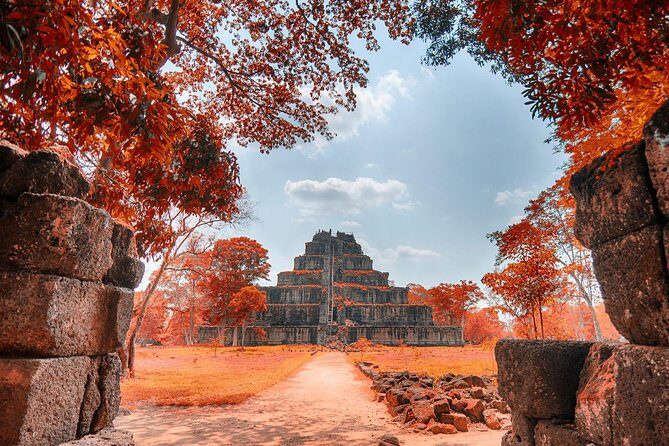
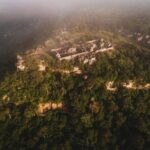
Day 4 is the “go big, go remote” finale. You’ll drive more than 150 km northeast of Siem Reap to Koh Ker, the brief Khmer capital between 928 and 944. That time period detail matters: this isn’t just a random ruin stop. It’s a place tied to the idea of the empire shifting its center.
Koh Ker is described as the Koh Ker group with multiple temples, including Prasat Thom and others listed in the program. The key experience here is distance. Travel time is part of the adventure, because you’re trading day-after-day Angkor crowds for a different feel: fewer people, more open sky, and a stronger sense of “you are really out here.”
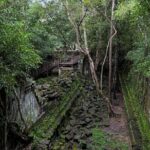
Then comes Beng Mealea. This is where the tour leans into the adventurous side of temple visiting. The ruins are jungle-clad, with nature taking over the spaces between stone blocks. The program frames it as a “mysterious” temple and suggests it shares the same floor plan concept as Angkor Wat. In practice, this means you can walk, compare, and feel how the structure connects—even while it looks completely untamed.
If you like ruins where the world feels rough around the edges, Beng Mealea is the highlight type you remember later. If you prefer perfectly restored monuments, it may feel less “polished.” Either way, it’s a great contrast to the restored Angkor sites.
Price and Logistics: Is $389.25 Good Value?
The tour price is $389.25 per person for the service: private AC vehicle, English-speaking licensed guide, bottled water, wet towels, and transportation from your hotel to your hotel.
The important part is what’s not included. You’ll pay separately for:
- Angkor + all temples pass: $72.00 per person
- Kulen mountain ticket: $20.00 per person
- Koh Ker group ticket: $15.00 per person
- Meals (a lunch cost is listed as $5.00 per person, depending on the menu)
If you ballpark the base admissions from the numbers given, you’re looking at an additional $107.00 in tickets, plus lunch costs. That puts the all-in minimum in the rough neighborhood of $496.25, not counting any extra snacks, drinks, or extra meals beyond what’s planned.
Is that good value? For many people, yes—because you’re not just paying for entry. You’re paying for private transport and a guide over a multi-day route that includes long drives like Kulen and Koh Ker. That’s hard to replicate on your own without major planning, and the private setup saves time and confusion.
One more practical point: tickets matter. Since entrance fees aren’t included, you should budget time and attention for the exact passes you’ll need. The schedule also mentions you’ll buy the temple pass along the way for Day 1, so you’ll want to have everything confirmed ahead of time.
Who This Tour Fits Best (and Who Might Want a Different Plan)
This tour fits well if you want a temple-heavy trip with real variety and you don’t want to spend your vacation logistics hunting for transport and tickets.
You’ll likely enjoy it if:
- You like seeing the “major hits” and the less-restored side of Khmer ruins
- You’re okay with early starts like 5:00am pickup for sunrise
- You want a private plan that stays flexible inside the schedule
You might consider a different option if you:
- Hate adding separate ticket costs at every turn
- Prefer only fully restored monuments and don’t enjoy jungle-grown ruins
- Want a lighter day with fewer long drives
Also, the tour is described as a private tour/activity—so it’s tailored for your group rather than a large bus crowd. That generally makes the pacing and photo stops easier to handle.
Should You Book This 4-Day All Major Temples & Kulen & Koh Ker & Beng Mealea Tour?
If your dream trip is “Angkor, plus,” I’d say this is a strong choice. You get the big iconic temples, a guided story of Khmer religious and royal themes, and a smart detour into places like Koh Ker and Beng Mealea where the experience feels less predictable.
The decision comes down to two things. First, budget for entrance fees and plan for the extra ticket costs. Second, be ready for long days with early mornings, including a sunrise start at Angkor Wat. If that sounds fun rather than tiring, you’ll probably love how much ground this covers without turning into a rushed checklist.
FAQ
Do I need separate tickets for the temples?
Yes. Entrance fees are not included. You’ll need an Angkor + all temples pass ($72 per person), a Kulen mountain ticket ($20 per person), and a Koh Ker group ticket ($15 per person).
Does the tour include hotel pickup and drop-off?
Yes. Pickup starts at your hotel and the tour finishes with drop-off back at your accommodation.
What’s included in the tour price?
The price includes a private AC vehicle with driver, an English-speaking licensed guide, cool drinking waters and wet towels, plus parking fees and road tolls.
What time is the sunrise visit at Angkor Wat?
On the sunrise day, pickup is scheduled at 5:00am and you’ll go to watch the sunrise at Angkor Wat.
Are meals included?
No. Meals aren’t included. Lunch is listed as about $5 per person depending on the menu.
Is it a private tour or shared group?
It’s a private tour/activity. Only your group participates.
What’s the cancellation window?
Free cancellation is available up to 24 hours in advance for a full refund.