REVIEW · SIEM REAP
Siem Reap: Koh Ker, Beng Mealea, & Banteay Srei Join-in Tour
Book on GetYourGuide →Operated by ASEAN ANGKOR GUIDE · Bookable on GetYourGuide
Three temples, one quiet kind of day. This 10-hour small-group tour from Siem Reap takes you outside the usual Angkor rush to Koh Ker and Beng Mealea, with an English-speaking guide who puts the architecture in context. I like how the story of Prasat Thom and its 7-tier pyramid links to King Jayavarman IV, and I like that these sites are generally calmer than the big-name complex. The only real catch is the day is built around driving, including long stretches between stops on rural roads.
At Preah Dak, you watch palm-cake making and get to taste the result, then the crew keeps you going with unlimited bottled water and cool towels during the hot, humid hours. Wear insect repellent, bring sunscreen, and follow the no-shorts and no-sleeveless-shirt rule so you can move comfortably at the temples.
In This Review
- Key Things I’d Target on This Day Trip
- Koh Ker, Beng Mealea, and Banteay Srei: a different side of Siem Reap
- Morning pickup, the Preah Dak palm cake stop, and why it matters
- Beng Mealea: when a temple grows wild again
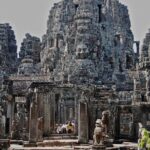
- Koh Ker’s Prasat Thom: a remote pyramid with real drama
- Lunch near Banteay Srei: refuel, then slow down for carvings
- Banteay Srei: sandstone reliefs that reward close attention
- Price and temple passes: what the $69 covers, and what you should budget
- Comfort, heat, and what to bring (and what not to wear)
- Who should book, and who should skip this day
- Should you book this tour?
- FAQ
- What is the duration of the Siem Reap: Koh Ker, Beng Mealea, & Banteay Srei join-in tour?
- Where does hotel pickup happen?
- What’s included in the $69 price?
- Do I need to pay for temple passes separately?
- If I already have an Angkor pass, do I still need to buy one?
- Is palm cake tasting part of the tour?
- What food options are provided for lunch?
- What should I bring with me?
- What clothing is not allowed?
- Who is this tour not suitable for?
Key Things I’d Target on This Day Trip
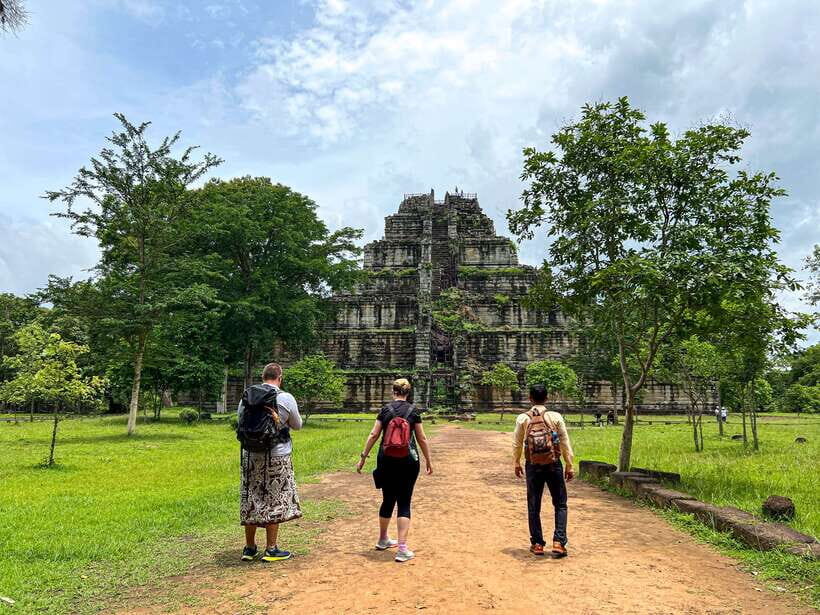
- Prasat Thom’s 7-tier pyramid at Koh Ker: dramatic stepped layers and lots of shrines tied to Jayavarman IV
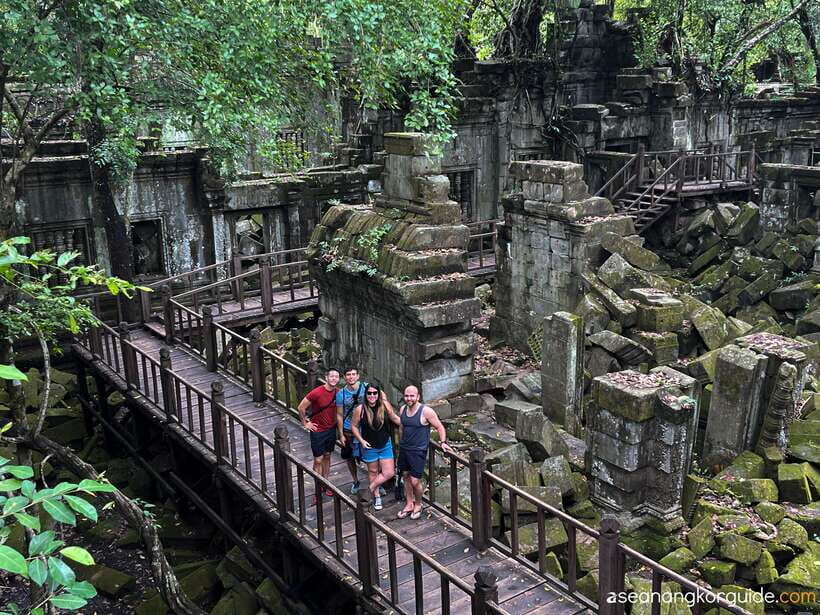
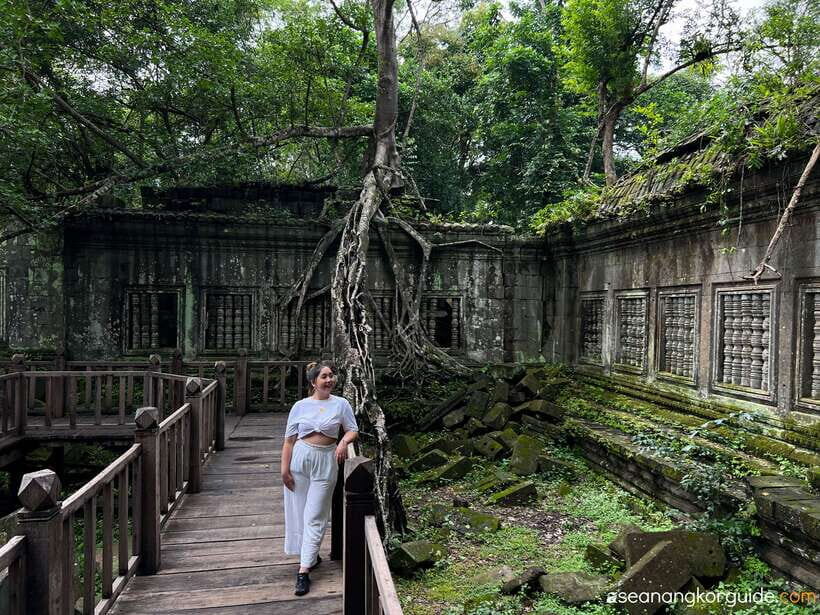
- Beng Mealea’s overgrown temple walk: moss, lianas, trees, and a ruin that feels reclaimed by the jungle
- Banteay Srei’s sandstone carvings: detailed reliefs that stay sharp and well-preserved
- English guide + photo help: guides such as Seila, Dara, Mony, Kim, Raman, Sam, Jan, and August are repeatedly praised for clear temple storytelling and getting good angles
- Heat management that’s actually built in: cool towels and unlimited water during the day
- Smart pass strategy can save money: a valid Angkor pass can cover Beng Mealea and Banteay Srei; Koh Ker has its own pass
Koh Ker, Beng Mealea, and Banteay Srei: a different side of Siem Reap
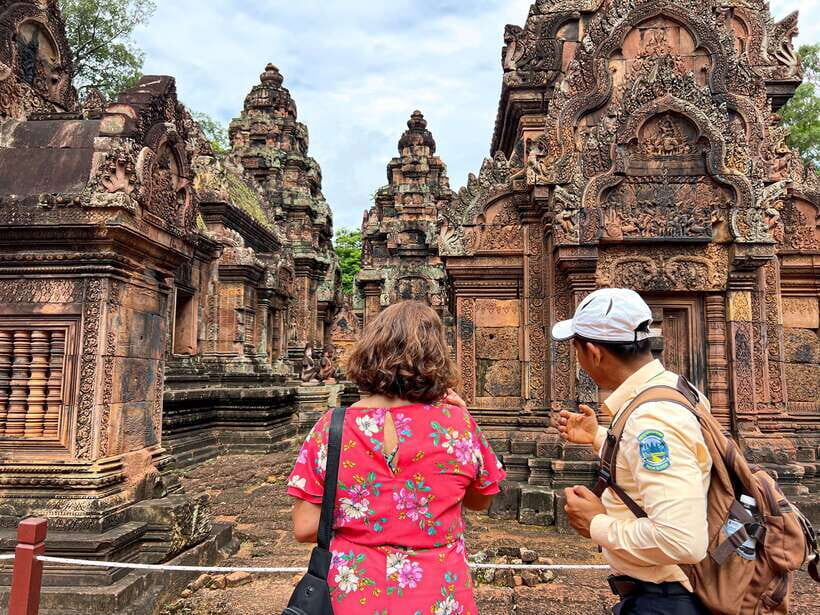
If you’ve already done Angkor Wat or you’re aiming to avoid crowds, this route feels like a palate cleanser. You’re not just hopping between ruins—you’re seeing three temples with very different “personalities,” from a jungle-choked complex to a remote pyramid site and then intricate carving work at Banteay Srei.
What I like best is how the day is paced to keep things interesting even though you’re driving for much of it. Guides—often named Seila, Dara, Mony, or Kim—tend to explain what you’re looking at in plain language: what the design suggests, why certain structures were built, and how the Khmer world connected sites across regions. That makes the temples easier to read as more than pretty rocks.
The trade-off is simple: the tour runs 10 hours and includes travel time between far-flung spots. You’ll spend real hours in the car, and some roads can be bumpy. If you’re the type who needs frequent breaks from sitting, this is the part to plan for.
Other Banteay Srei tours we've reviewed in Siem Reap
Morning pickup, the Preah Dak palm cake stop, and why it matters
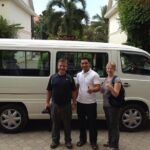
Your day begins with hotel pickup in Krong Siem Reap, with the guide meeting you in the lobby about 10 minutes before scheduled pickup. From there, the drive takes you through rural Cambodian villages with rice paddies and traditional dwellings outside the main tourist zone.
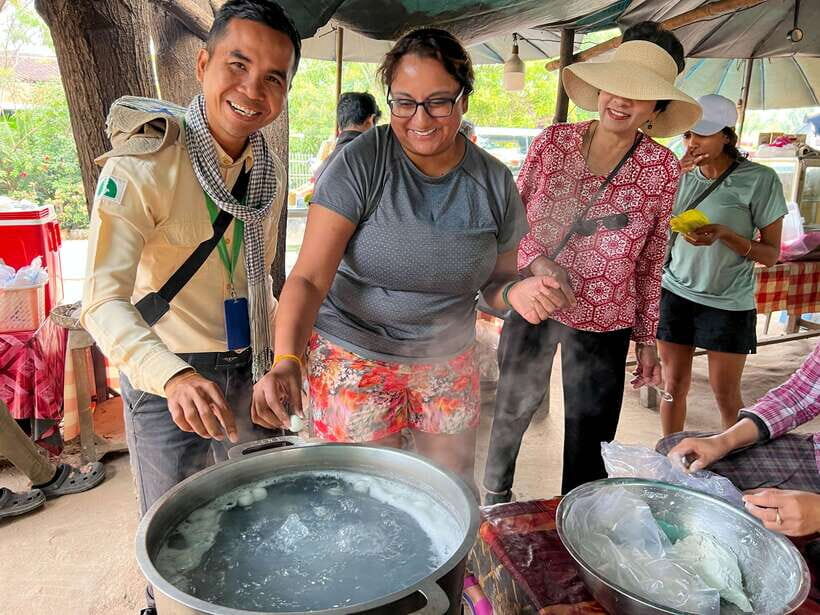
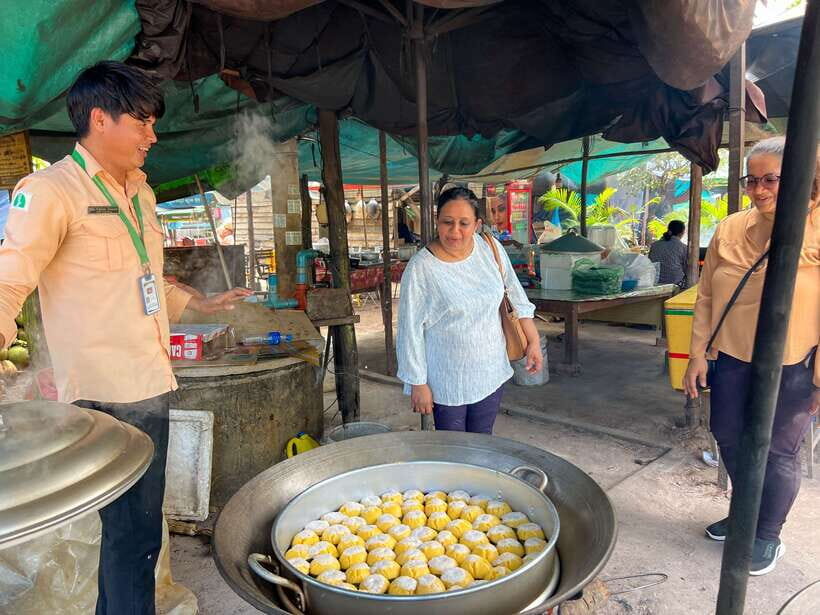
One of my favorite “small” moments is the stop at Preah Dak. It’s short—about 20 minutes—but it’s focused: you get a guided peek at how palm cakes are made, and you can taste the dessert right there. It’s not a souvenir trap. It’s a quick cultural pause that helps set the tone before you walk into temple history.
This is also a practical checkpoint. You’re stretching your legs before the longer stretches of temple time, and you’re starting the day with something local in your stomach. With heat and humidity in the mix, that kind of early fuel helps more than it sounds.
Beng Mealea: when a temple grows wild again
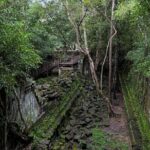
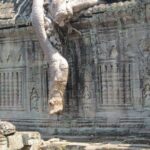
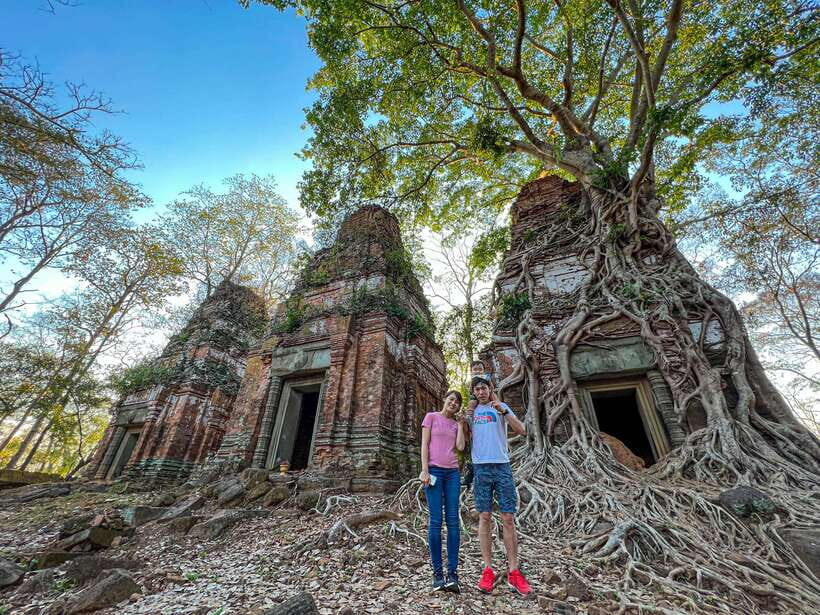
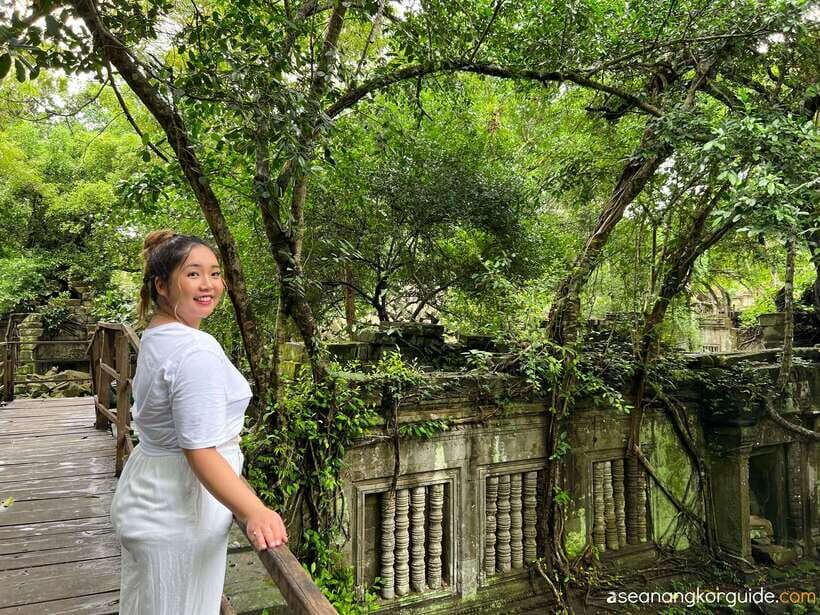
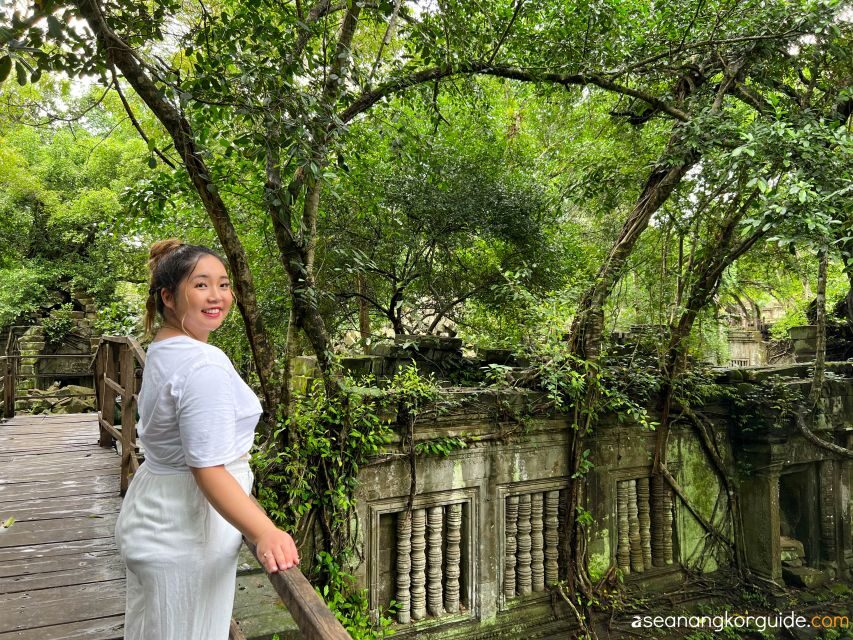
Beng Mealea is the stop that often makes people slow down—because you can’t help it. The ruins sit in a jungle setting, and nature has taken over in a visible, dramatic way. During your visit (about an hour with walking and a guided portion), you’ll move through thick vegetation, with trees and lianas entwined around stonework, plus moss and small plants covering surfaces.
That “overgrown” look isn’t just for photos. It changes how you experience the scale. Without crowds pressing in, you can see the temple’s structure more clearly—what’s intact, what’s broken, and what parts feel swallowed by the landscape. A good guide will point out Khmer design elements so you can still recognize the temple’s original plan, even when most of the surrounding area looks like it’s turning back into forest.
This is also the area where insect repellent earns its spot on your checklist. You’re outdoors and walking, so dress appropriately and protect yourself before you step in.
A possible drawback: because the setting is so natural and the ground can be uneven, you’ll want to stay mindful while walking. The ruins can look stable, but you’re moving through real terrain, not museum pathways.
Koh Ker’s Prasat Thom: a remote pyramid with real drama
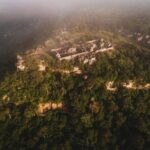
Koh Ker is the big “get out of town” moment. It’s described as a remote archaeological site in northern Cambodia, which is exactly why it feels different from the standard Angkor route. After travel time, you arrive for a guided visit and walk that lasts around 2 hours.
Your anchor point here is Prasat Thom, famous for its 7-tiered pyramid shape and many shrines. The guide connects this temple to the state temple of King Jayavarman IV. When someone explains why that matters, the pyramid stops being just a steep pile of stone and becomes evidence of how power and belief were organized in the Khmer era.
Koh Ker tends to feel spacious. Even with other tour groups, it often doesn’t have the same press of people you see closer to Siem Reap’s main temple circuit. That quiet can make architecture feel more personal—you can stand back and study how each tier steps upward, then come closer to notice details you might otherwise miss.
One consideration: this is the day’s longest walk after Beng Mealea, so plan your energy. Also, expect more time on the road. The tour’s overall structure intentionally balances driving with temple time, but you still need to accept that the schedule includes frequent sitting.
Lunch near Banteay Srei: refuel, then slow down for carvings
After Koh Ker, you get local lunch in the area of Banteay Srei, with about an hour set aside. Lunch is included, and there’s a vegetarian option if you request it in advance. The meal itself is one of those practical “keeps the day smooth” parts of the plan: you’re not hunting for food after long drives, and you can reset before the final temple.
Lunch timing also matters. Banteay Srei’s carvings reward patience, and a good guide will often guide you to viewing spots where reliefs are easiest to see. If you show up tired, you’ll rush. If you show up fed and hydrated, you’ll actually notice the craftsmanship.
In past experiences described for this tour, the included meals have been described as tasty and with both Khmer and Western options at the restaurant. Even when the food isn’t the headline, it helps you stay focused on what comes next.
Other Beng Mealea tours we've reviewed in Siem Reap
Banteay Srei: sandstone reliefs that reward close attention
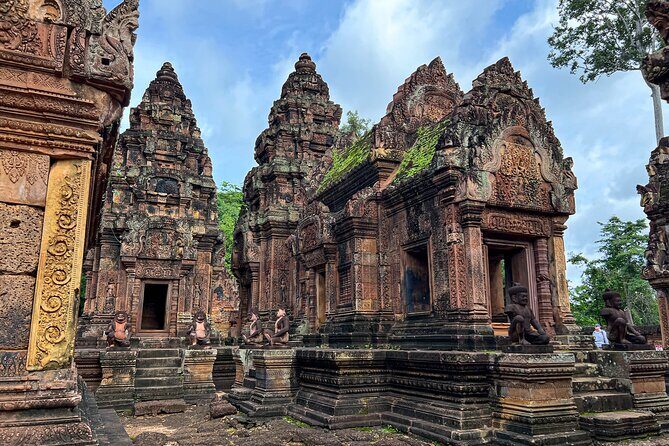
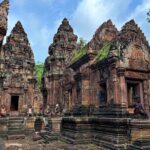
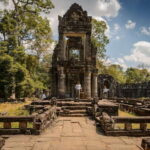
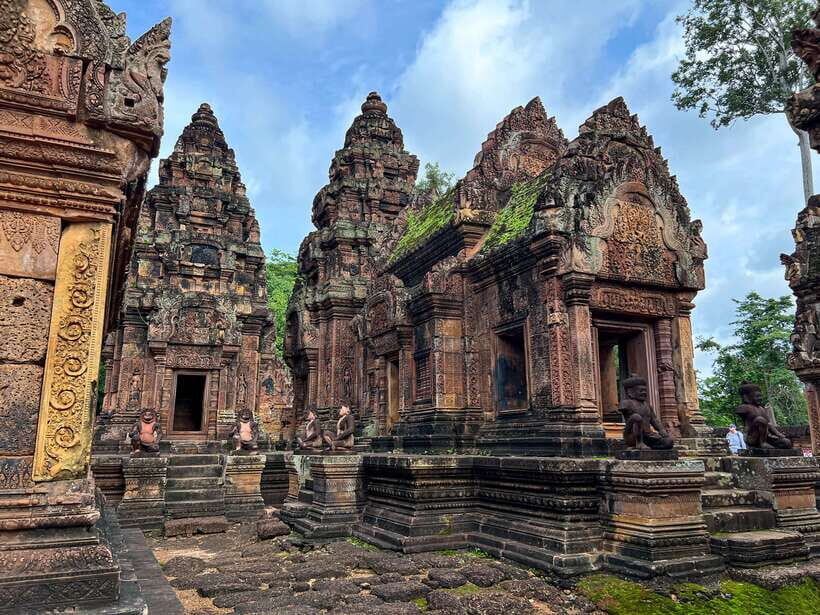
Banteay Srei is often the “wow” temple for people who like details. It’s known for intricately carved sandstone reliefs, and it’s treated as some of the finest and most skillfully crafted temple art in Cambodia.
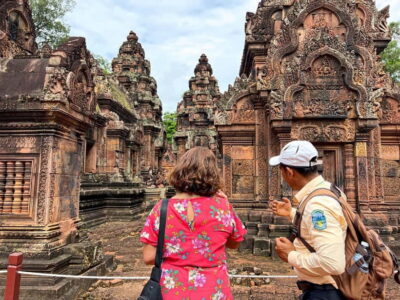
Your visit is about an hour with a guided portion and walking. What you’ll likely feel here is the contrast with Beng Mealea. Instead of stone overtaken by greenery, you get sharp, delicate carving work that looks made for the human eye. The reliefs show figures and scenes with a fine touch, and when your guide points out themes or design choices, you’ll understand what you’re seeing rather than just looking at pictures.
This is where the value of an English-speaking guide becomes obvious. Without interpretation, carvings can blur into decoration. With clear explanation, they become a story you can follow—one panel at a time.
One more practical note: Banteay Srei is still a temple site. Dress code matters here too. No shorts and no sleeveless shirts, so plan your outfit before you leave your hotel.
Price and temple passes: what the $69 covers, and what you should budget
The headline price is $69 per person for a 10-hour guided, small-group day trip that includes hotel pickup/drop-off, an English-speaking guide, transport, unlimited bottled water, cool towels, lunch, and palm cake tasting at Preah Dak.
The key add-on is the temple passes. Koh Ker has its own pass costing $15 per person, and that’s not included. On top of that, Beng Mealea and Banteay Srei use Angkor admission rules: if you already have a valid Angkor pass, you can use it for those stops. If you don’t, you’ll need an Angkor pass for $37 per person (1 day).
So your realistic budgeting math looks like this:
- With a valid Angkor pass already: $69 + $15 for Koh Ker = about $84 per person
- Without an Angkor pass: $69 + $15 + $37 = about $121 per person
Soft drinks aren’t included either, so if you drink more than just water, keep that in mind. Still, compared to paying separately for transport and entrance access, the structure is usually good value—especially because the guide handles routing and timing so you can focus on temples instead of logistics.
Comfort, heat, and what to bring (and what not to wear)
This is a long day in a warm, humid climate. The tour builds in comfort supports: unlimited bottle of water and cool towels during the excursion. That sounds basic, but on a temple day it changes the whole experience, because you can keep moving instead of stopping every hour to find shade.
The company also gives you a list of what to bring: sunglasses, sunscreen, and insect repellent. I’d treat those as non-negotiable, especially with Beng Mealea’s jungle setting.
You also have a clear dress rule: no shorts and no sleeveless shirts. It’s not about style. It’s about temple access and showing respect, and you’ll save time if your outfit already follows the rules before pickup.
One last practical consideration: long drives. Expect a lot of time in the vehicle, and some people have noted bumpy roads. If you’re sensitive to motion or you hate sitting for extended periods, pack accordingly and keep your expectations realistic.
Who should book, and who should skip this day
This tour fits best if you want temples outside the big Angkor circuit and you like guided context. It’s also a solid pick if you want a day that balances “quiet” ruins with interpretive storytelling—because a strong guide can make each stop feel connected rather than random.
I’d also say it’s a good match for people who don’t mind walking at each temple. Beng Mealea includes a walk of about an hour, Koh Ker about two hours, and Banteay Srei about one hour. You’ll be outside for long stretches, so you should be comfortable with heat and uneven ground.
It’s not suitable for people over 95 years. Beyond that age cutoff, your fit likely comes down to your comfort with driving time and walking.
Should you book this tour?
Yes, if your goal is to see three very different temples in one day without turning it into a self-made routing puzzle. The price works out better than it looks once you account for included transport, an English-speaking guide, hotel pickup/drop-off, lunch, water, and cool towels. If you already have an Angkor pass, the entrance math is even stronger.
I’d hesitate only if you hate long car days or you need minimal walking. Koh Ker and Beng Mealea both take time on foot, and the schedule is built around travel between sites in a 10-hour window.
If you do book, do two things that pay off immediately: pack insect repellent and sunscreen, and plan your outfit for the no-shorts/no-sleeveless rule. Then you can spend the day doing what this route is best at—walking into quieter ruins, with a guide who makes the stones make sense.
FAQ
What is the duration of the Siem Reap: Koh Ker, Beng Mealea, & Banteay Srei join-in tour?
The tour lasts 10 hours.
Where does hotel pickup happen?
Pickup is included from your hotel in Krong Siem Reap, and you meet your guide in the lobby about 10 minutes before pickup.
What’s included in the $69 price?
It includes an English-speaking tour guide, transportation with an experienced driver, hotel pickup and drop-off, unlimited bottled water and cool towels, lunch (with a vegetarian option if requested in advance), and palm cake testing.
Do I need to pay for temple passes separately?
Yes. Koh Ker pass costs $15 per person and is not included. Beng Mealea & Banteay Srei require an Angkor pass.
If I already have an Angkor pass, do I still need to buy one?
If your Angkor pass is valid, you can use it for visiting Beng Mealea and Banteay Srei. If you don’t have one, you’ll need to buy the 1-day Angkor pass for $37 per person.
Is palm cake tasting part of the tour?
Yes. There is palm cake testing included at the Preah Dak stop.
What food options are provided for lunch?
Lunch is included, and there is a vegetarian option if requested in advance.
What should I bring with me?
Bring sunglasses, sunscreen, and insect repellent.
What clothing is not allowed?
Shorts and sleeveless shirts are not allowed.
Who is this tour not suitable for?
It’s not suitable for people over 95 years.