REVIEW · SIEM REAP
2-Day Angkor Wat Tour with Banteay Srei and Floating Village
Book on Viator →Operated by Asean Angkor Guide · Bookable on Viator
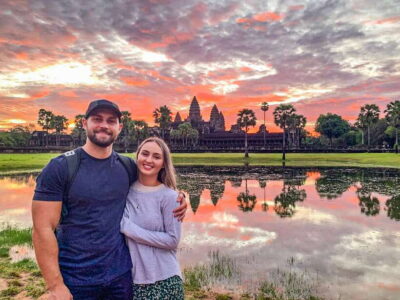
Sunrise at Angkor Wat changes the whole mood. This private 2-day plan is built around the big moments you came for, plus the stuff people often skip. I like that you move in air-conditioned comfort with a professional guide, and that the route hits both headline temples and quieter corners of Angkor in a way that feels organized, not rushed.
My second favorite part is how the guide approach tends to matter. Names like Sean, Seila, Saylor, Raman, Makara, and Kamsan Sreng show up again and again in standout service stories, and the common thread is attention to pacing and photo-friendly viewpoints. One drawback to plan around: you’ll have extra costs for entry tickets at key places, plus the Tonle Sap pass and boat ride for Kampong Phluk.
This is also a two-day commitment with early starts. Day 2 has hotel pickup before sunrise at 4:40 AM, and the schedule stacks temples back-to-back. If you want a slow, sit-down vacation, Angkor will probably feel like a lot.
In This Review
- Key Things I’d Bet On Before You Go
- Two Days in Angkor: The Real Value of This Private Route
- Day 1: Angkor Thom Landmarks and the Sunset Option at Phnom Bakheng
- Bayon Temple (45 minutes)
- Baphuon Temple (30 minutes)
- Terrace of the Elephants (15 minutes)
- Terrace of the Leper King (10 minutes)
- Angkor Archaeological Park + lunch break (about 1 hour total)
- Angkor Wat (about 1 hour 30 minutes)
- Phnom Bakheng sunset (45 minutes, if weather allows)
- Day 2: Angkor Wat Sunrise, Ta Prohm’s Roots, and the Pre Rup to Preah Khan Circuit
- Angkor Wat sunrise viewing (with early pickup)
- Ta Prohm (about 1 hour)
- Pre Rup (about 40 minutes)
- Eastern Mebon (about 30 minutes)
- Ta Som (about 30 minutes)
- Neak Pean (about 30 minutes)
- Preah Khan (about 1 hour)
- Lunch break + Angkor Archaeological Park stop (about 1 hour total)
- Banteay Srei: Why This Sandstone Temple Earns Its Attention
- Kampong Phluk on Tonle Sap: Floating Village, Boat Cost, and Season Reality
- Tonle Sap pass and private boat ride cost (extra)
- What the water season changes (dry season vs receding water)
- Price and Tickets: What You’re Paying For (and What You’ll Pay Separately)
- The Guide Effect: Why These Tours Get Such Strong Praise
- Practical Tips to Make the Two Days Feel Easier
- Who This Tour Suits Best (And When It Might Not)
- Should You Book This 2-Day Angkor Wat + Banteay Srei + Floating Village Tour?
- FAQ
- How long is the tour?
- Where does pickup happen?
- What does the tour include?
- Are admission tickets included?
- How much is the Tonle Sap pass and boat ride?
- Is Banteay Srei admission free?
- Are meals included besides breakfast?
- Does the tour include Angkor Wat sunrise?
- Is Phnom Bakheng sunset included?
- What is the cancellation policy?
Key Things I’d Bet On Before You Go
- Sunrise timing is part of the design (Day 2 pickup at 4:40 AM for Angkor Wat).
- You’re not navigating alone with a private English-speaking guide and air-conditioned transport.
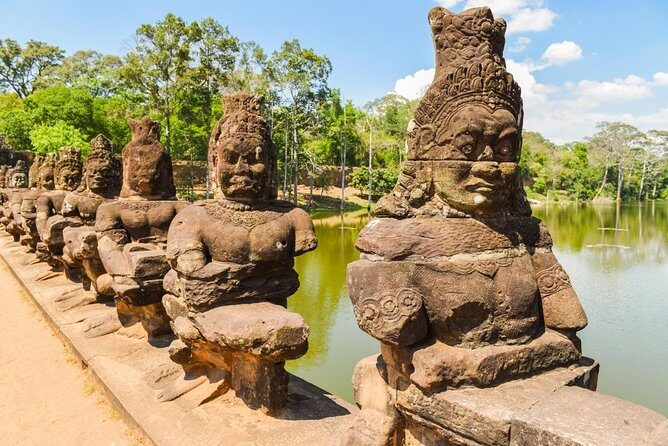
- Angkor Thom gets its due: Bayon, Baphuon, and both major terraces.
- Ta Prohm is your jungle reset after a long Day 1.
- Banteay Srei is the fine-detail break and its admission is listed as free.
- Floating village depends on the boat add-on: Tonle Sap pass and private boat ride cost extra.
Two Days in Angkor: The Real Value of This Private Route
Angkor isn’t one temple. It’s a whole temple universe, and the hardest part is turning that into a day you can actually enjoy. This tour’s value is that it bundles a lot of the highest-demand sights into a private itinerary with smart breaks for meals and a vehicle that keeps you moving when the heat hits.
You’ll also get a guide who can connect the dots as you walk. That matters at Angkor because the carvings, layouts, and temple purposes can feel random if you’re just watching stone from the sidelines. When the guide is good, you start noticing why Bayon’s faces look the way they do or why Ta Prohm feels like the jungle is “holding” the ruins.
The itinerary covers major sites in Angkor Wat, Angkor Thom, and the surrounding circuit, then finishes with Banteay Srei plus Kampong Phluk on Tonle Sap Lake. That mix is ideal if you want the headline temples and also a local, water-based way of life.
Other Angkor Wat temple tours we've reviewed in Siem Reap
Day 1: Angkor Thom Landmarks and the Sunset Option at Phnom Bakheng
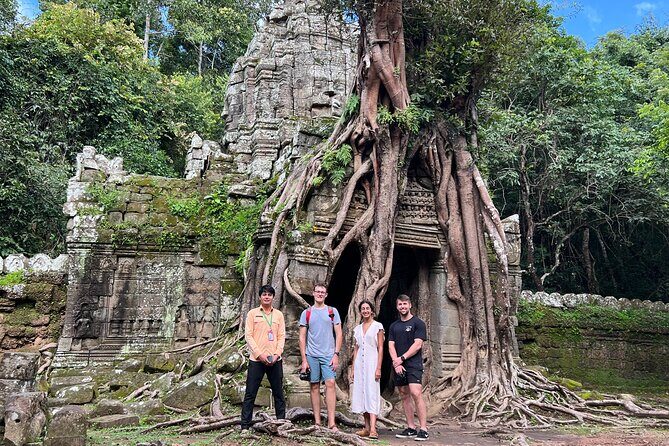
Day 1 is focused on Angkor Thom and the most recognizable features of that walled city. It’s a heavy lineup, but the private vehicle and guided flow make it feel workable.
Bayon Temple (45 minutes)
Bayon is the temple most people remember for its dense, face-like carvings. Built in the late 12th or early 13th century as the state temple linked to King Jayavarman VII, it sits at the center of Angkor Thom. The guide-style value here is simple: you learn what to look for, and you don’t waste time guessing where the “important” angles are.
Baphuon Temple (30 minutes)
Baphuon lies northwest of Bayon inside Angkor Thom. It’s a three-tiered “temple mountain” style structure and tied to an earlier reign (mid-11th century) as a state temple of Udayadityavarman. This stop works well after Bayon because it shifts you from faces and decoration toward temple structure and scale.
Terrace of the Elephants (15 minutes)
This terrace is part of the Angkor Thom complex. It was used as a viewing platform connected to Jayavarman VII’s rule. Even when you only have 15 minutes, you should still be able to spot how the site functioned: it wasn’t just decorative; it supported ceremony and power display.
Other Banteay Srei tours we've reviewed in Siem Reap
Terrace of the Leper King (10 minutes)
This is a shorter stop, but it’s one of those places where having context pays off. It’s built in the Bayon style and later earned its modern name from carvings that became associated with a legend. For a quick hit, it’s a good use of time.
Angkor Archaeological Park + lunch break (about 1 hour total)
Then you’ll pause for lunch at a local restaurant for roughly 45 to 60 minutes. Food and drinks are on you here, so keep that in mind when budgeting. The Archaeological Park stop is also your chance to regroup before heading into Angkor Wat.
Angkor Wat (about 1 hour 30 minutes)
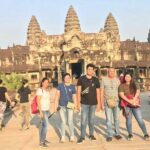
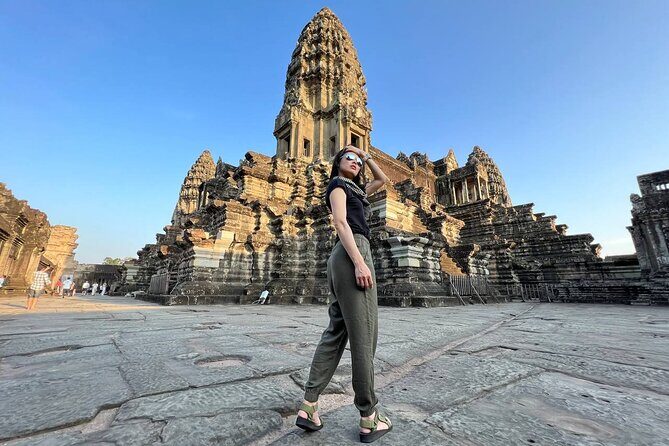
Angkor Wat is the big one: the largest religious monument in the world by the tour’s description, originally constructed as a Hindu temple dedicated to Vishnu. You’ll have enough time here to actually notice details rather than just rush through. And because it’s coming after Angkor Thom, you’ll better appreciate the “city versus statement” feeling of the two temple zones.
Phnom Bakheng sunset (45 minutes, if weather allows)
If conditions allow and you’re not too tired, you’ll head to Phnom Bakheng for sunset views. This is a classic add-on moment, but it’s conditional. If it’s not possible, the rest of Day 1 still covers enough that you won’t feel like you missed the core experience.
Day 2: Angkor Wat Sunrise, Ta Prohm’s Roots, and the Pre Rup to Preah Khan Circuit
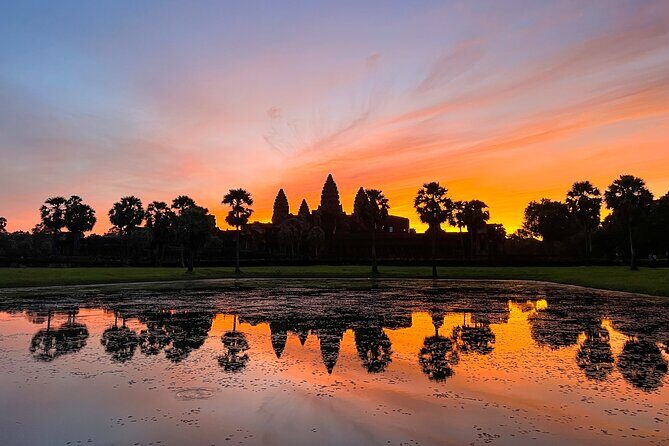
Day 2 is longer in terms of effort because it starts before sunrise. Your pickup is listed as 4:40 AM from your hotel lobby, and breakfast is included on Day 2.
Angkor Wat sunrise viewing (with early pickup)
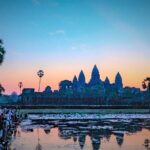
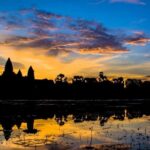
This is the headline payoff. I like that the tour is explicit about timing, because sunrise at Angkor rewards planning. The earlier you arrive, the more relaxed you feel when you’re waiting for the light shift.
Ta Prohm (about 1 hour)
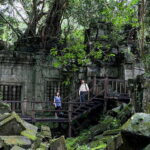
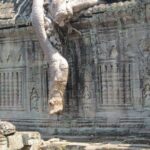
After breakfast, you’ll go to Ta Prohm, the jungle temple left in its original state, with huge tree roots wrapped around parts of the structures. This stop is different from the “perfect geometry” feeling you get at other sites. Here, the mood is about contrast: stone and roots, age and chaos, and the sense that nature is actively in the scene.
Pre Rup (about 40 minutes)
Pre Rup is a Hindu temple and connected to Khmer King Rajendravarman. The tour lists it as built in 961 or early 962. It’s a solid checkpoint temple because it helps connect the earlier religious purpose of Angkor with the later layers you’ll see across the circuit.
Eastern Mebon (about 30 minutes)
Eastern Mebon is described as a 10th-century temple built during Rajendravarman’s reign and set on what used to be an artificial island in the now dry East Baray reservoir. This matters because Angkor wasn’t only about temples; it was also about engineered water worlds.
Ta Som (about 30 minutes)
Ta Som was built in the late 12th century during Jayavarman VII’s reign, and the tour frames it as a Mahayana Buddhist building connected to Lord Svara. It’s a good stop if you want a temple that’s known, but not as crowded as the absolute top tier.
Neak Pean (about 30 minutes)
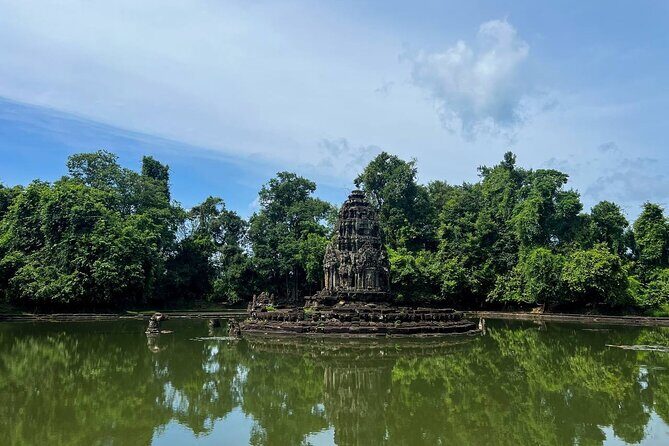
Neak Pean is set in Leang Dai area and is tied to Jayavarman VII (the tour mentions 1191). It’s another stop that helps you understand that Angkor’s “temple network” included water-related symbolism and spaces for reflection.
Preah Khan (about 1 hour)
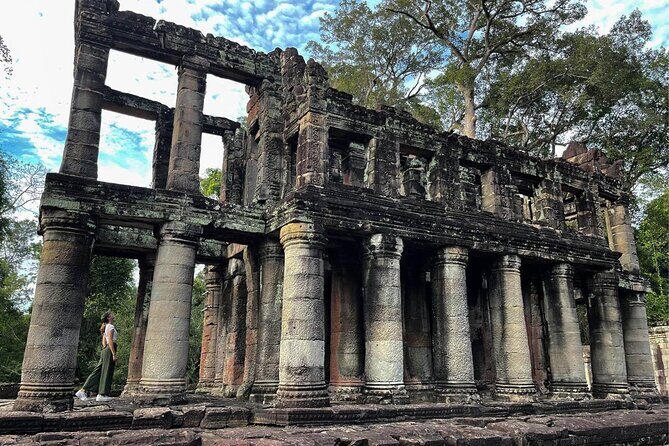
Preah Khan is the final big temple stop before lunch. It’s a 12th-century temple built by Jayavarman VII to honor his father. This one tends to feel spacious compared to some tighter stops, and it’s a good place to slow down for a moment without the day losing momentum.
Lunch break + Angkor Archaeological Park stop (about 1 hour total)
You’ll stop for lunch again at a local restaurant before continuing. Admission tickets here are listed as not included, so plan on paying for your own entry where required.
Banteay Srei: Why This Sandstone Temple Earns Its Attention
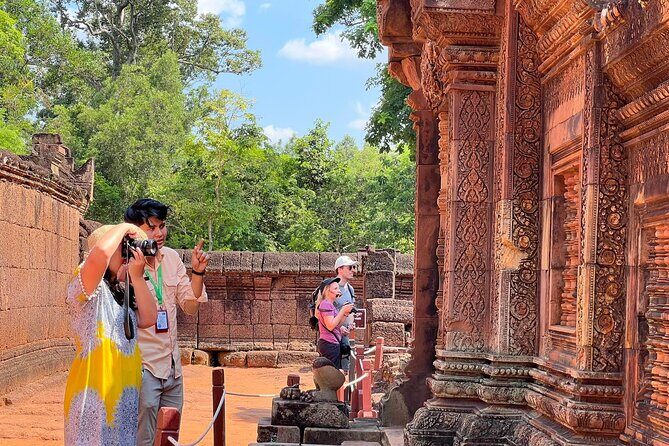
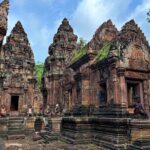
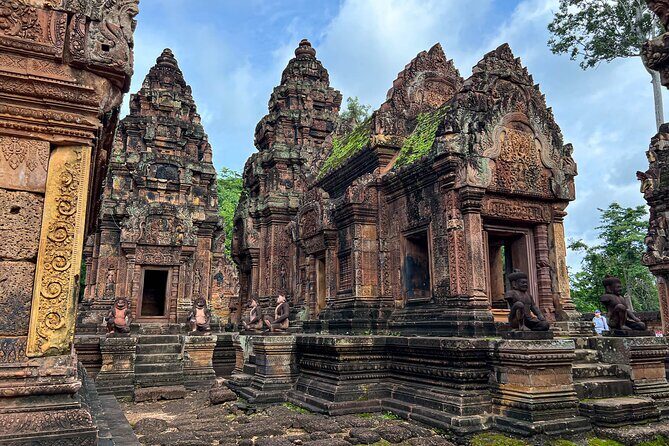
In the early afternoon, you’ll drive to Banteay Srei, a smaller sandstone temple known for intricate reliefs. The tour describes it as well-preserved with some of the finest and most skillfully crafted detail in the region. You get about 45 minutes here.
One practical advantage: the tour lists Banteay Srei admission as free. That can help balance out the fact that other entry fees are not included.
This is also the right time of day to switch gears mentally. After a morning of sunrise and a long chain of temples, Banteay Srei’s carved surfaces reward careful looking. If you like details, you’ll probably find yourself walking slower and noticing patterns instead of just trying to “see everything.”
Kampong Phluk on Tonle Sap: Floating Village, Boat Cost, and Season Reality
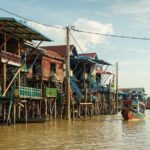
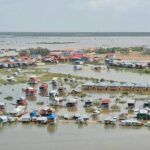
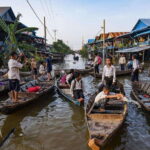
After lunch, you go to Kampong Phluk, described as a flooded and fishing village on Tonle Sap Lake about 21 kilometers from Siem Reap town. You’ll have time on land first, then take a local boat.
Tonle Sap pass and private boat ride cost (extra)
The tour lists Tonle Sap pass and the boat ride as $15 per person, not included. That means you should treat the floating village as partly an add-on, even though it’s a core part of the tour theme.
What the water season changes (dry season vs receding water)
The tour notes that from the end of March to the end of July, water levels start to recede. That can mean fewer postcard-perfect images of fully flooded stilt villages. The tradeoff is that you get a different angle on daily life when the environment has changed: some boats can get stuck, and smaller canoes may not move through jungle forest areas.
If you’re someone who thinks a “less perfect” view can still be a real one, this season note is your friend. It’s also a reminder to bring a flexible mindset. The point here isn’t only scenery; it’s seeing how people live with the lake’s rhythm.
Price and Tickets: What You’re Paying For (and What You’ll Pay Separately)
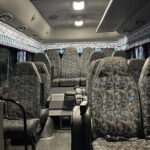
At $130 per person, this tour price is mainly covering two big things: a private English-speaking guide/driver and private air-conditioned transport, plus cool towels and water during the day. That’s not a small value in Siem Reap because it removes the hassle of lining up guides, timing routes, and bouncing between temple zones.
What’s not included is where budgeting surprises often happen:
- Admission fees are not included for several stops, and the tour specifically lists the Angkor Thom South Gate admission as $62 per person.
- For the floating village, the Tonle Sap pass and private boat ride are $15 per person.
Banteay Srei is an exception in the tour details, since its admission is listed as free.
If you’re doing Angkor in a short window, this pricing usually makes sense. You’re paying for a structured plan that hits sunrise and several major sites without you stitching the day together yourself.
The Guide Effect: Why These Tours Get Such Strong Praise
The most consistent theme in the strong feedback is not the list of temples. It’s the way the day gets managed. Guides like Mr. Veesna, Phanne, Sean, Saylor, Mr Sa, Raman, Makara, and Kamsan Sreng are repeatedly described as helpful, organized, and tuned into the group’s needs.
Here’s what that typically looks like in practice:
- They keep the pace realistic across long temple days.
- They help you find better spots for views and photos, instead of you wandering until you hope for the best.
- They handle details like water and cold towels returning you to comfort between stops.
- They explain what you’re seeing so temples don’t turn into random stone monuments.
You’ll notice this most during sunrise and sunset moments, when lighting and crowd movement can make or break your experience. A good guide doesn’t just know temples; they also know the timing in between.
Practical Tips to Make the Two Days Feel Easier
The tour itself gives you a shopping list for success. Bring:
- insect repellent
- sunscreen
- a sun hat
- comfortable shoes
I’d add one more rule: treat early mornings like a real plan. Day 2 starts with pickup at 4:40 AM, so you’ll want to be ready the night before.
Also, wear shoes that handle a lot of walking. Temple sites in Angkor can mean uneven ground and long periods outside. Even with an air-conditioned vehicle between stops, you still spend hours on foot.
Finally, pack for heat and small surprises. Even when you’re moving efficiently, you’ll feel the sun on your face and shoulders. Sunscreen and a hat do more than you think, especially during sunrise when you’re still exposed while everyone waits for the light shift.
Who This Tour Suits Best (And When It Might Not)
This tour fits you if:
- You want a structured 2-day Angkor plan with sunrise at Angkor Wat and a sunset option at Phnom Bakheng.
- You want Angkor Thom plus the modern crowd favorites like Ta Prohm, but still get time for Banteay Srei’s fine carvings.
- You like adding a local lake-life experience with Kampong Phluk and you’re okay paying the boat add-on.
It may not fit you as well if:
- You hate early starts or long temple days.
- You’re on a tight budget and want entry fees fully included (this tour lists multiple exclusions, including Angkor Thom South Gate).
- You want a totally flexible, slow-moving “choose-your-own” day with no set sequence.
Should You Book This 2-Day Angkor Wat + Banteay Srei + Floating Village Tour?
If you’re weighing “see the highlights” versus “spend extra days,” I’d lean toward booking this. It’s built to cover major Angkor zones efficiently, includes a guide and private transport that saves time, and adds two standout experiences: sunrise at Angkor Wat and Kampong Phluk by boat.
My final advice is simple: budget for the extra tickets you’re told about, especially the Angkor Thom South Gate admission and the Tonle Sap pass/boat ride. If you do that, you’ll have a smooth route that lets you focus on the places, not the logistics.
FAQ
How long is the tour?
It’s a 2-day experience, listed as approximately 2 days.
Where does pickup happen?
Pickup is offered. On Day 2, you’re picked up from your hotel lobby before sunrise at 4:40 AM.
What does the tour include?
It includes a professional English-speaking tour guide and driver, private air-conditioned transport, free cool towels during the tour, and breakfast only on Day 2.
Are admission tickets included?
No. Admission tickets are listed as not included for multiple stops, including Angkor Thom South Gate ($62 per person). You may also need to pay for other admissions not listed as free.
How much is the Tonle Sap pass and boat ride?
The Tonle Sap pass and the private boat ride are listed as $15 per person and not included.
Is Banteay Srei admission free?
The tour details list Banteay Srei admission as free.
Are meals included besides breakfast?
Breakfast is included only on Day 2. Lunch breaks are scheduled, but for food and drink you need to pay yourself.
Does the tour include Angkor Wat sunrise?
Yes. Day 2 includes sunrise at Angkor Wat with pickup before sunrise at 4:40 AM.
Is Phnom Bakheng sunset included?
It’s included as an option if the weather allows and you are not too tired.
What is the cancellation policy?
Free cancellation is offered. You can cancel up to 24 hours in advance for a full refund.