REVIEW · SIEM REAP
From Siem Reap: Angkor Wat Full-Day Private Tour & Sunrise
Book on GetYourGuide →Operated by Siem Reap Private Tour. · Bookable on GetYourGuide
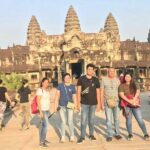
Angkor Wat before the day starts sounds romantic. In real life, it’s smart planning: a 5:00 am pickup, prime sunrise viewing spots, and a guide who helps you understand what you’re seeing. I especially like the small-group feel (limited to 8) with room to ask questions, and the fact that you’re not just rushing from photo to photo. One drawback to plan around: it’s an early start, and the day can get hot—so bring your patience (and sunscreen).
This tour is built for comfort and value. You get an English-speaking guide, a private air-conditioned vehicle, plus breakfast and lunch. You’ll also hit three major temple stops—Angkor Wat, Angkor Thom (including the Ancient Gate and Bayon), and Ta Prohm—without having to coordinate transport yourself.
In This Review
- Key things to know before you go
- Sunrise at Angkor Wat: why the 5:00 am start is worth it
- Angkor Wat’s central complex: more than a pretty silhouette
- Angkor Thom’s Ancient Gate and Bayon: stone faces and big meanings
- Ta Prohm’s jungle ruins: the best photos come with heat realities
- Food and breaks: value you feel, not just a line on paper
- Guides who turn ruins into a story you can follow
- Price and what you should budget (Temple Pass matters)
- Who this tour fits best (and who should skip it)
- Should you book this Angkor Wat Full-Day Private Tour & Sunrise?
- FAQ
- What time do we meet the guide and driver?
- What is included in the tour price?
- Do I need an Angkor Temple Pass?
- How many people are in the group?
- Does the tour run rain or shine?
- Can I get a refund if I cancel?
Key things to know before you go
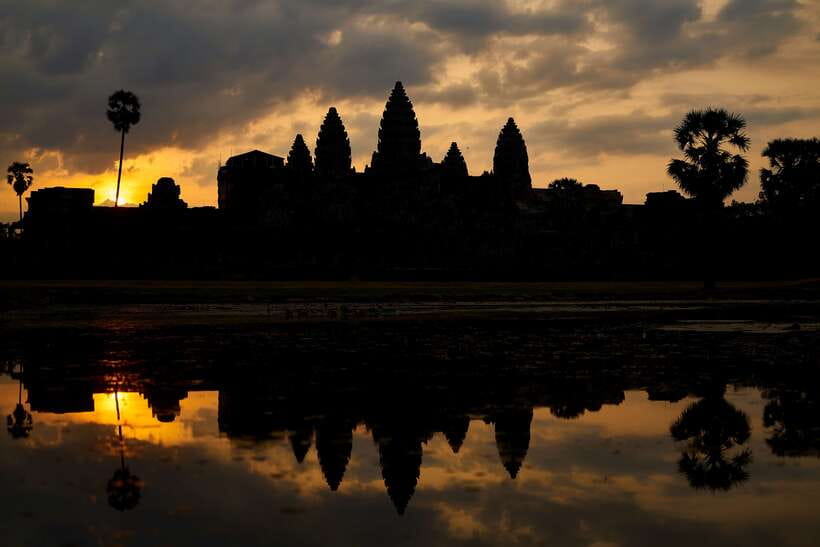
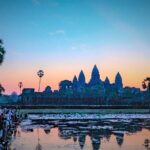
- 5:00 am start for sunrise at Angkor Wat, with your guide steering you to the best viewing spots
- Private air-conditioned vehicle to move between temple areas and cool down when needed
- Breakfast and lunch included, plus bottled water and local snacks to keep you going
- Angkor Thom highlights: the Ancient Gate with elephants and four giant faces, then Bayon’s face towers
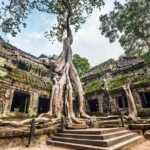
- Ta Prohm’s jungle ruin vibe: trees and vines over stone, with parts crumbling where they were found
- Small group size (up to 8) helps you go at a steadier pace, especially if you’re traveling with kids
Sunrise at Angkor Wat: why the 5:00 am start is worth it
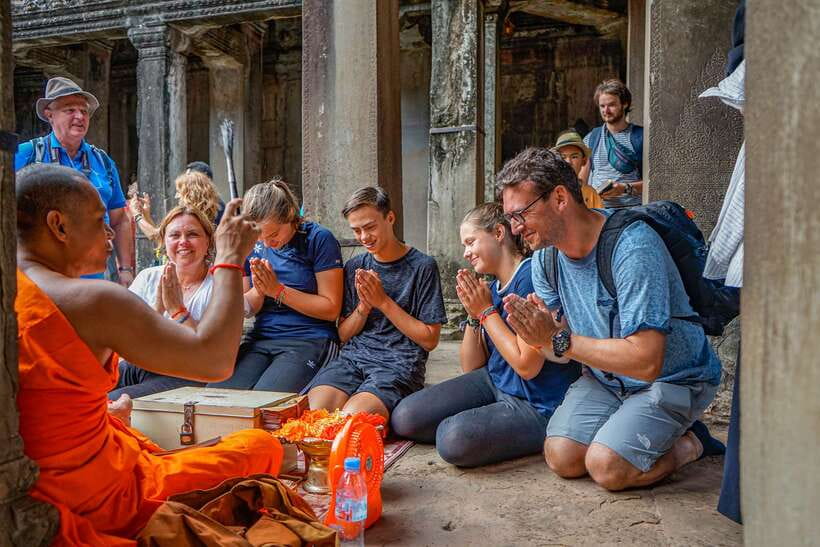
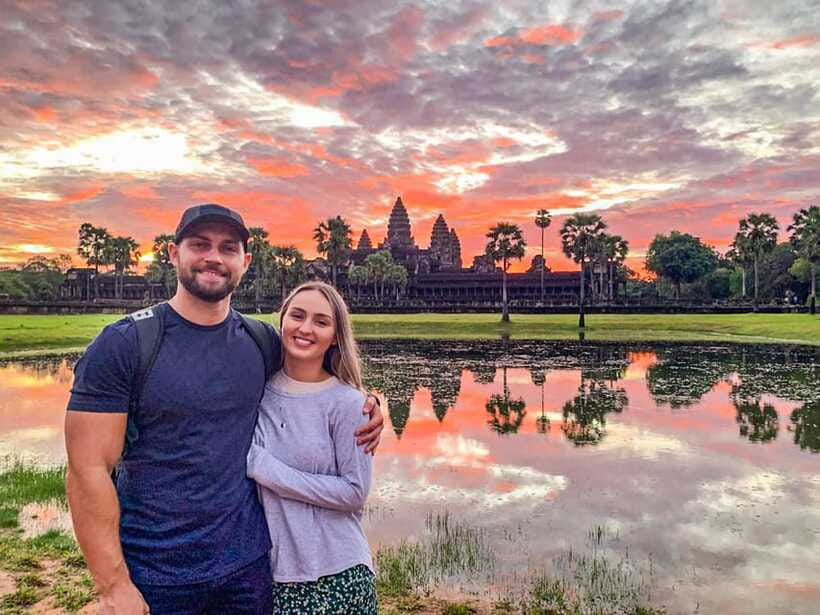
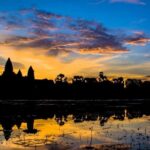
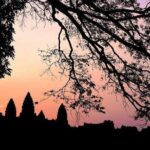
Waking up before most people’s alarms is not fun. But sunrise at Angkor Wat is one of those rare moments where timing actually changes everything. You’re set up to watch the sky shift while the temple sits in that early light—cooler air, calmer atmosphere, and fewer people around your viewpoints than later in the morning.
The schedule also matters. You meet your guide and driver at 5:00 am at your hotel, then you drive to the best spots so you’re not scrambling on arrival. That’s a big deal when you’re dealing with darkness, changing weather, and crowds forming in real time. A good guide keeps the plan simple: arrive, get the view, then explain what you’re looking at while it’s still fresh in your mind.
If you’re sensitive to mornings or heat, this is the one consideration to take seriously. The day doesn’t stay cool forever, and even the tour plan acknowledges that by building in breaks and a return to your hotel as it heats up.
If you're still narrowing it down, here are other tours in Siem Reap we've reviewed.
Angkor Wat’s central complex: more than a pretty silhouette
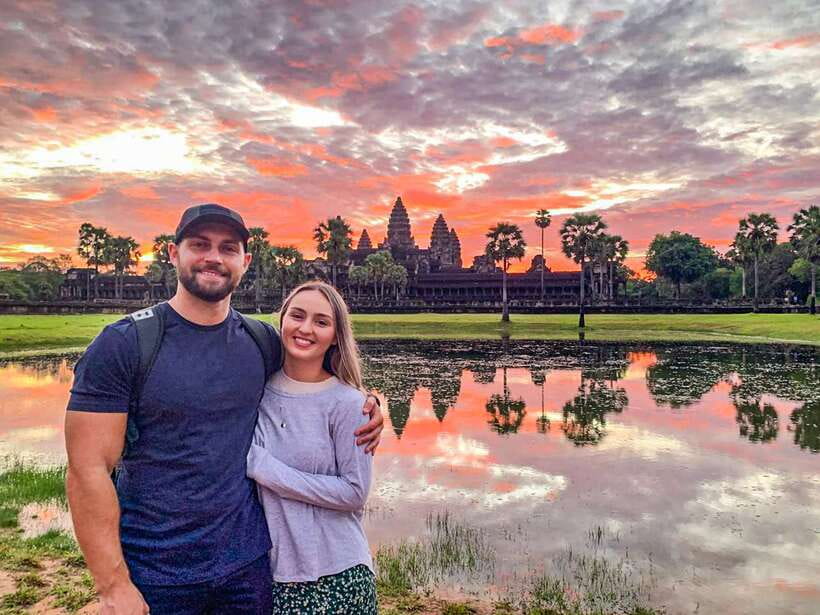
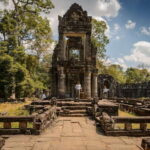
Angkor Wat is famous for a reason, but the real payoff comes when you understand the structure you’re standing in. After sunrise viewing, you’ll spend time exploring the Angkor Wat central complex, and your guide is there to connect details you might otherwise miss.
Here’s what I’d pay attention to: symmetry, layout, and symbolism. Angkor isn’t just one building—it’s a carefully arranged temple city. With a guide, you can translate the patterns into something meaningful instead of just collecting angles for photos. Even better, the experience is paced so you can ask questions and look around at your own speed rather than feeling trapped in a fast-moving checklist.
Practical tip: bring your camera and sunglasses, and don’t wait until you’re already squinting to protect your eyes. Between early light and later brightness, you’ll thank yourself.
Angkor Thom’s Ancient Gate and Bayon: stone faces and big meanings
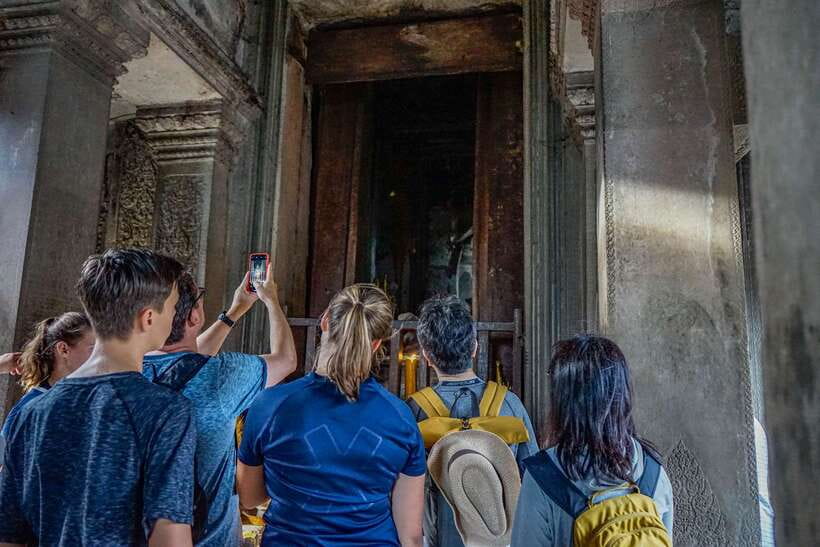
After breakfast time, the tour shifts gears to Angkor Thom. The move itself helps: you’re not staring at one temple all day. You pass through the Ancient Gate, a stone entrance carved with elephants and four giant faces. It’s dramatic in photos, but standing at the gate is different. You feel how the Khmer designers used scale to control how you enter and where your attention goes.
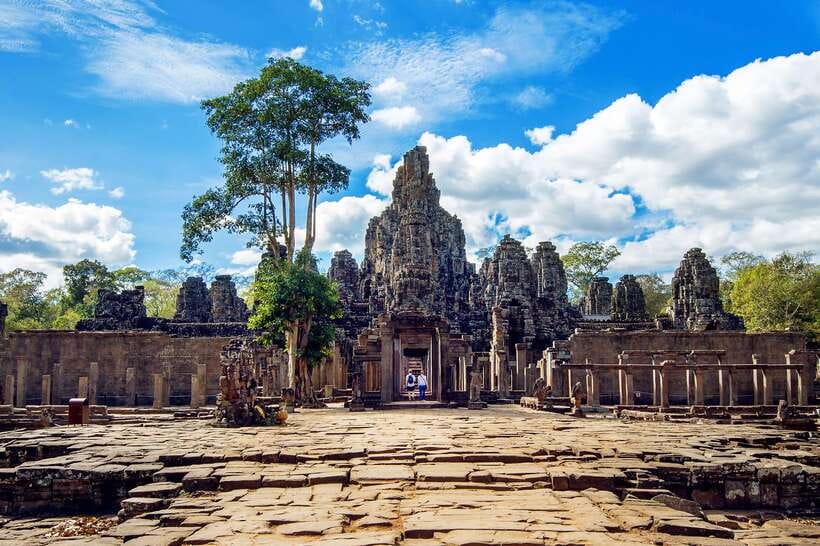
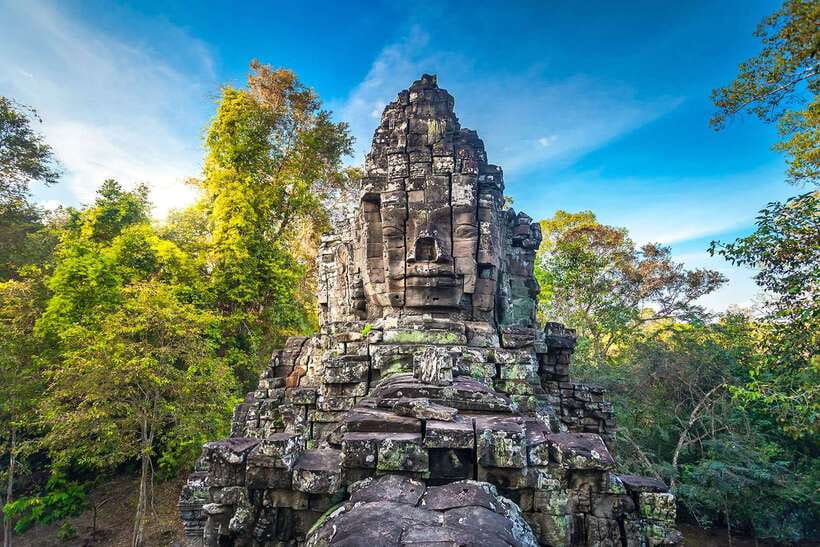
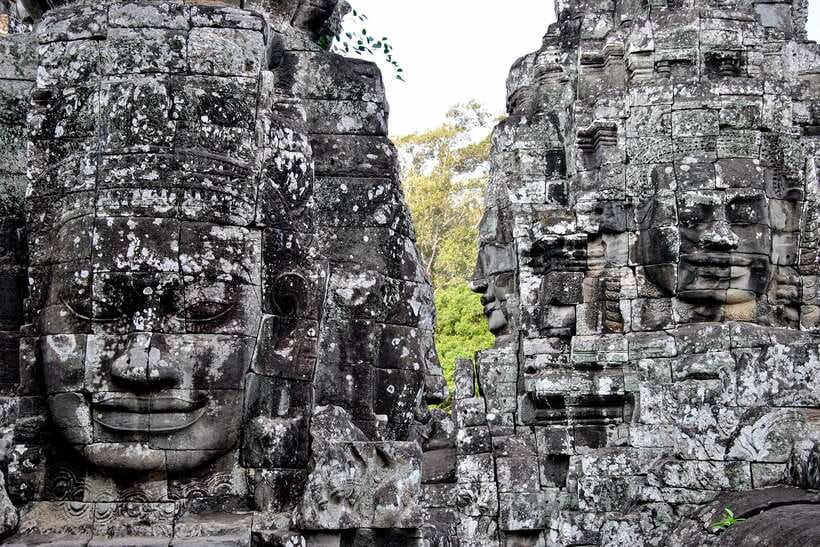
From there you reach Bayon Temple in the center of the city. Bayon is famed for its enigmatic stone faces, often described as representing the 54 provinces of the Great Khmer Empire. That detail changes the way you see the temple. Instead of thinking you’re just looking at faces, you start noticing how the faces are placed across the structure, guiding where you move and what you notice next.
The timing is also smart. This leg happens before the hottest stretch of the afternoon, which means it’s easier to enjoy the walking circuits and actually take your time. Your guide can help you focus on the temple parts that give the strongest photo angles and the clearest context.
Ta Prohm’s jungle ruins: the best photos come with heat realities
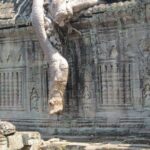
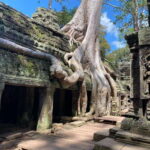
Ta Prohm is the temple most people picture when they imagine Angkor. It’s unique because it’s been left largely as it was found, with jungle trees and vines wrapping the stone. Parts have crumbled down over time, creating that slightly wild, atmospheric look that makes it such a photographer’s stop.
What you should know going in: it’s photogenic, yes, but it’s also a place where light and shade can be unpredictable. Your guide’s role here is practical—pointing out good spots, helping you avoid backtracking for pictures, and keeping the flow moving so you don’t spend the hottest part of the day frustrated.
The tour plan includes time for you to slow down a bit after Ta Prohm. And once lunch arrives, the day shifts from exploration mode to fuel-and-refresh mode. The itinerary also makes room for the reality of heat by returning toward your hotel as temperatures climb.
If you’re traveling with kids, this part can be tough—one of the reviews highlighted how the private setup helped the family manage it, including letting children cool down in the car at times. That’s a real benefit of going private versus fighting through everything as a large group.
Food and breaks: value you feel, not just a line on paper
It’s easy for tour ads to list meals and sound generic. Here, the meals are built into the day in a way that helps you keep moving.
You get breakfast after the early Angkor Wat time. In at least one past experience, breakfast happened at a small local restaurant, and the emphasis was on keeping you fueled before the more demanding temple legs. Later, you’ll have lunch with a large spread of local dishes. That matters more than it sounds. You’re out all day, and you’ll do better with a meal that offers options when energy dips.
Between meals, you’re not just left to fend for yourself. The tour includes bottled water and local snacks, and some guides also make sure you have drinks and fruit during the day. That small touch can be the difference between a day you tolerate and a day you actually enjoy.
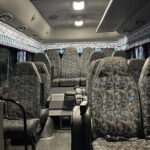
Also, the private air-conditioned vehicle is not a luxury detail. It’s a pressure release valve. When the sun hits hard, being able to cool down while traveling between temples makes the next stop feel less exhausting.

Guides who turn ruins into a story you can follow
A temple tour can go two ways: fast and forgettable, or thoughtful and satisfying. This tour is positioned for the second one because the guide is actively part of your experience—answering questions, explaining symbolism, and helping you find good viewpoints.
The guide names mentioned in past tours include Bopha, Makarab, Chum, and Chen. Each brought something useful:
- Bopha was praised for being highly knowledgeable and letting people explore at their own pace.
- Makarab was praised for strong storytelling and helping with toll-safe photos, with even families finding the pacing manageable.
- Chum received compliments for English that’s easy to follow, plus an active effort to make sure people never stayed hungry.
- Chen was noted for knowing best photography spots for the sunrise and angles.
If you want to get the most out of the day, don’t be shy with questions. The tour is set up so you can ask as much as you want, and the guide can connect temple details to the bigger Khmer story—like why Bayon’s faces are linked to the provinces of the empire.
And yes, the driver matters too. One review specifically mentioned a calm, careful driving style that helped everyone feel safe while moving between sites.
Price and what you should budget (Temple Pass matters)
The tour price is $80 per person for one day, and that includes more than most people assume at first glance: hotel pickup/drop-off, an English-speaking guide, a private air-conditioned vehicle, breakfast and lunch, plus bottled water and local snacks.
The part that trips people up is the Angkor Temple Pass, which is $37 and not included. So if you’re budgeting, plan on adding the pass to the tour cost.
Is it good value? For me, the case is that you’re paying for convenience plus two proper meals, not just for “someone to point at things.” A private vehicle and a guide who helps you understand what you’re seeing can save you time, stress, and guesswork—especially if you’re doing Angkor for the first time.
If you’re the type who enjoys structure and interpretation (rather than pure wandering), this pricing makes a lot of sense.
Who this tour fits best (and who should skip it)
This works well if you want:
- A sunrise start with help finding strong viewpoints
- A small group where you’re not constantly stuck behind strangers
- Clear explanations of key sites like Angkor Wat’s layout, Bayon’s face symbolism, and Ta Prohm’s jungle ruin setting
- Comfort upgrades like a private air-conditioned vehicle and meals included
It may not be the best match if you’re pregnant, since the tour is explicitly listed as not suitable for pregnant women.
If you’re traveling with kids, the private setup is a practical advantage. Reviews mention that having a private tour helped with heat management—children could rest in the vehicle when needed, while adults stayed on track with the day’s temple highlights.
Should you book this Angkor Wat Full-Day Private Tour & Sunrise?
Book it if sunrise is your priority and you like the idea of getting more meaning (not just photos) from each temple. The combination of early timing, a guide who explains symbolism, and included meals makes the day feel organized and fair, not like you’re constantly waiting or paying for basics.
Skip it only if you know you can’t handle early mornings or you want a fully independent day with no structure at all. Also factor in the Temple Pass cost, so there are no budget surprises.
If you’re aiming for a first-time Angkor day that’s efficient, comfortable, and actually informative, this is a strong choice.
FAQ
What time do we meet the guide and driver?
You meet your guide and driver at 5:00 am at your hotel. The pickup team will have you wait in the lobby 15 minutes before your scheduled pickup time.
What is included in the tour price?
The tour includes hotel pick-up and drop-off, an English-speaking guide, a private air-conditioned vehicle, breakfast and lunch, plus bottled water and local snacks.
Do I need an Angkor Temple Pass?
Yes. The Angkor Temple Pass costs $37 and is not included in the tour price.
How many people are in the group?
This is a small group limited to 8 participants.
Does the tour run rain or shine?
Yes. The tour takes place rain or shine.
Can I get a refund if I cancel?
Yes. You can cancel up to 24 hours in advance for a full refund.