REVIEW · SIEM REAP
Siem Reap: Full-Day Angkor Wat Guided Tour with Sunset
Book on GetYourGuide →Operated by Siem Reap Experiences · Bookable on GetYourGuide
Angkor feels bigger when someone explains it. This full-day guided tour from Siem Reap strings together five standout temples and then closes with sunset views from Phnom Bakheng. You’ll move through the Angkor Archaeological Park with an English-speaking guide who helps you read what’s in front of you, not just pose in front of it.
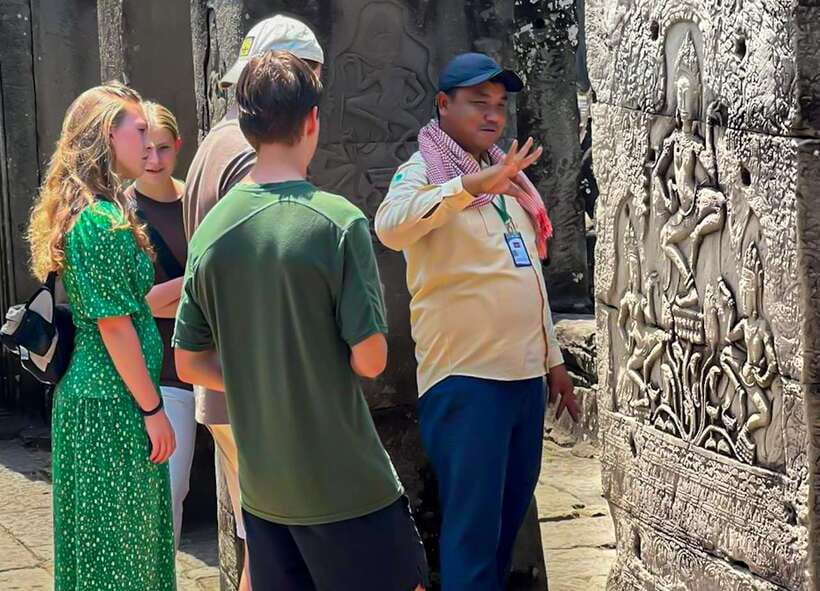
I love how the guide experience shows up in the details—stories about Khmer kings, Hindu and Buddhist influences, and what certain carvings and layouts were meant to communicate. I’ve seen this style work especially well with guides like Nick and Vone, who keep the day funny and clear while you walk. I also like the practical comfort: an air-conditioned minibus, chilled bottled water, and cool towels, plus enough pauses that the heat doesn’t bully you the whole time.
One consideration: it’s a long 9–10 hour day with plenty of steps and uneven ground, and Phnom Bakheng adds a proper climb near the end. If your legs are fragile, plan accordingly and bring the right shoes.
In This Review
- Key points to know before you go
- How This Angkor Wat Day Works (and Why a Guide Matters)
- Temple Pass Rules, Dress Code, and What You Can Skip
- Siem Reap Pickup, AC Minibus Comfort, and the Pace of the Day
- Angkor Wat: The Grand Start and What to Actually Notice
- Angkor Thom and Bayon: Royal Gate Figures and Smiling Faces
- The Terrace Highlights: Elephants and the Leper King
- Ta Prohm’s Jungle Ruins: Walking Among Trees and Stone
- Phnom Bakheng Sunset: Steps, Views, and the Finish Line
- Price and Value: $15 Tour Cost vs. the Temple Ticket
- Who Should Book This Tour (and Who Might Not Love It)
- Practical Tips That Make a Real Difference at Angkor
- Should You Book This Siem Reap Angkor Wat Sunset Tour?
- FAQ
- What temples are included in this guided day trip?
- How long is the tour?
- When do you get picked up in Siem Reap?
- Is hotel pickup and drop-off included?
- Do I need an Angkor temple pass, and where can I get it?
- How much is the Angkor Archaeological Park entry ticket?
- Is lunch included?
- What should I wear and bring?
- Is this tour good for kids or older adults?
- Is the tour cancellable and can I pay later?
Key points to know before you go
- Small group size (up to 13 people) keeps the day friendly and manageable
- English-speaking guide makes carvings and temple symbolism make sense fast
- Five temples + time to wander helps your one-day ticket feel truly worth it
- Ta Prohm’s jungle setting is perfect for slow walking and shade-hunting
- Phnom Bakheng sunset rewards the stairs with a classic Angkor view
How This Angkor Wat Day Works (and Why a Guide Matters)
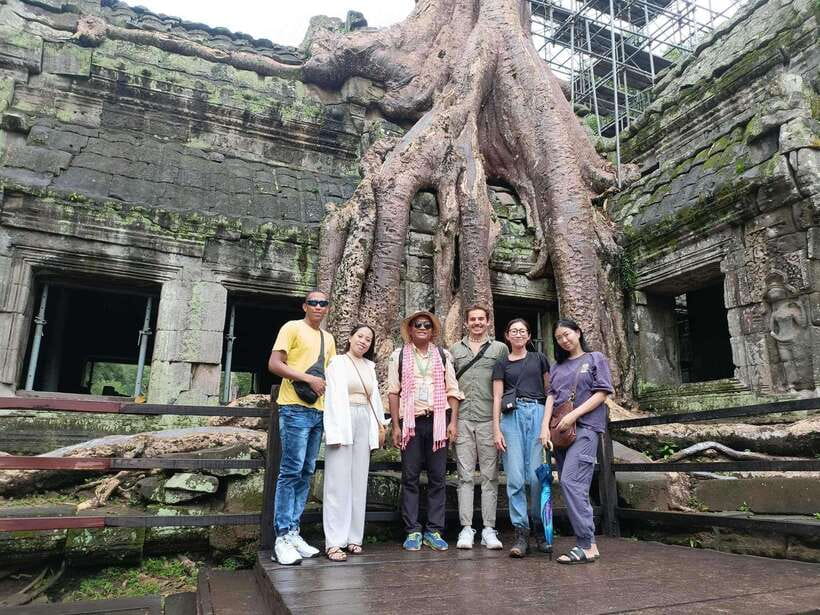
Angkor’s temples can feel like a puzzle when you’re staring at stone. The best part of this tour is that the guide gives you the picture behind the picture—so you know what you’re looking at and why it mattered to the Khmer world. You’re not just moving between photo spots. You’re learning the logic of the complex while you walk its paths and stairways.
The tour keeps group size tight, never more than 13 people, so questions don’t disappear into the crowd. That matters at Angkor, where “quick look and off we go” can turn your day into hurried photos and confusion. Here, you get time to go inside and walk around, with explanations along the way.
You’ll also notice how the guides in this tour tend to blend facts with personality. Names that pop up across bookings include Nick, Vone, Heang, and Thom—each described as energetic, helpful, and focused on making the temples understandable. In other words, the guide isn’t just reading dates; they’re turning the place into a story you can follow.
If you're still narrowing it down, here are other tours in Siem Reap we've reviewed.
Temple Pass Rules, Dress Code, and What You Can Skip
Before you worry about anything else: plan for the temple pass. Entry to Angkor Archaeological Park is separate from the tour price. The pass can be for 1 day or 3 days, and you can buy it online or have your guide take you to the ticket office before the tour begins.
The entry ticket cost listed here is $37 for a 1-day pass (and the 3-day option exists, since passes come in more than one length). Since this tour covers multiple major temples in a single day, the 1-day pass is often the cleanest match—your time gets “spent” well instead of wasted.
Dress code is strict enough to matter:
- Cover knees and shoulders at temples
- No shorts, short skirts, or sleeveless shirts
Also:
- You don’t need a passport for this tour.
- Kids under 12 do not require a temple ticket.
- Bring a charged smartphone; you’ll want it for photos and navigation moments.
This is one of those days where showing up a bit underprepared can cost you time. So it’s worth getting the outfit right and making sure you’ve got your ticket squared away early.
Siem Reap Pickup, AC Minibus Comfort, and the Pace of the Day
The tour picks you up from Krong Siem Reap in the morning. Pickup time falls between 9:10 am and 9:30 am, and you should be ready about 30 minutes before the scheduled pickup in your hotel lobby. You’ll ride in an air-conditioned minibus—nice when you’re stepping out into warm air and bright sun.
The schedule is built to move efficiently but not at sprint speed. Expect a couple short bus drives between temple clusters, then guided walking time at each stop. The total day runs about 9–10 hours, with an arrival back at your hotel around 6:30 pm to 7:00 pm.
Included along the way:
- Chilled bottled water
- Cool towels
- Local tax
- English-speaking guide
And there are occasional food and rest breaks (lunch happens during the Ta Prohm portion). That’s important because Angkor days aren’t just sightseeing—they’re walking days. You’ll appreciate the small comforts once you’ve been in direct sun for a while.
Angkor Wat: The Grand Start and What to Actually Notice
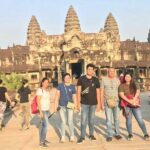
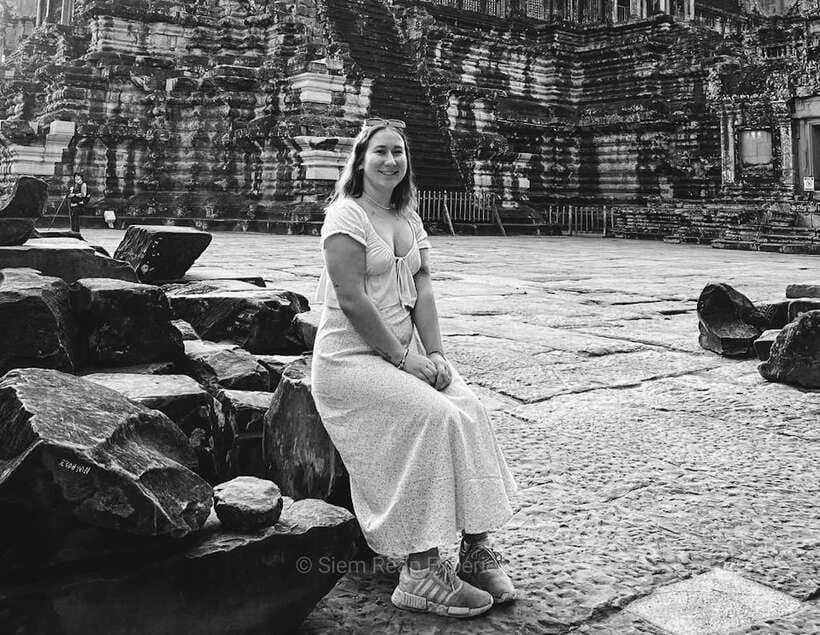
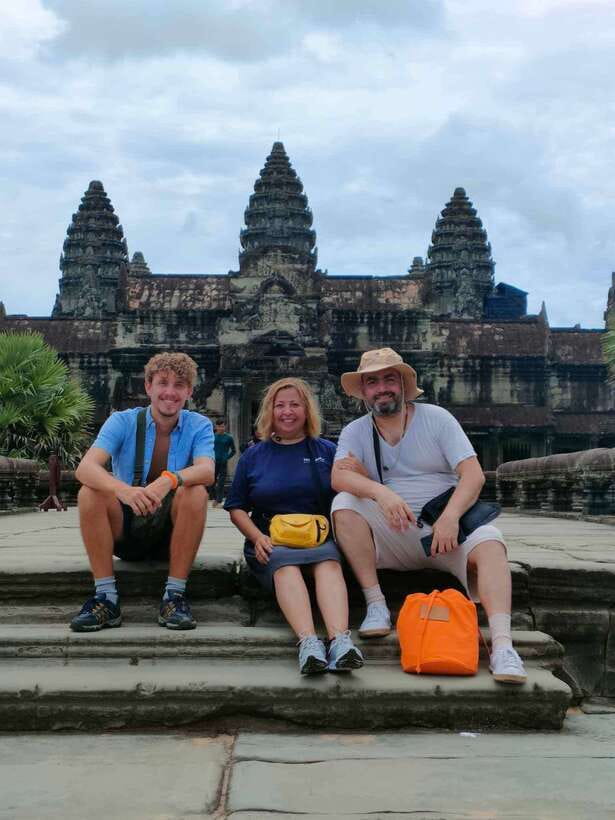
Angkor Wat is the headline for a reason. It’s the largest religious structure in the world, and walking into it feels like stepping into a different scale of time. This tour gives you about 2.5 hours here with guided time, so you’re not stuck doing a rush-walk of highlights.
What makes a guided visit useful at Angkor Wat is how the guide helps you read the site:
- how the temple’s layout relates to religious ideas
- why certain carvings and figures are placed where they are
- what different areas are meant to communicate
You also start learning the bigger story of Angkor—holy Hindu men, Buddhist rulers, and Khmer kings shaping what the complex became over time. That background helps you stop seeing everything as just decorative stone. Instead, you begin spotting themes.
A practical tip: if you want photos, plan for the time you’ll spend inside and in shaded courtyards. Angkor Wat has both bright open angles and darker interior spaces, so your phone battery will likely work harder than you expect. Keep your power topped up.
Angkor Thom and Bayon: Royal Gate Figures and Smiling Faces
From Angkor Wat, the tour moves to Angkor Thom, with about 30 minutes there for guided viewing. Even in a short window, this stop matters because it changes the mood. Angkor Thom feels like the city-level world of Angkor—the political and ceremonial heart around the temples.
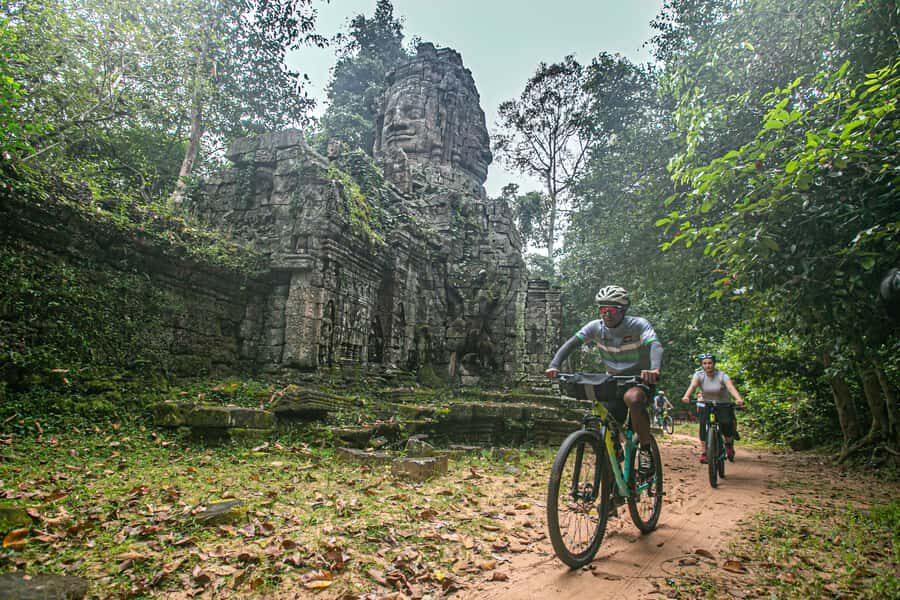
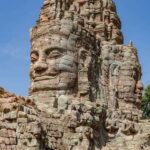
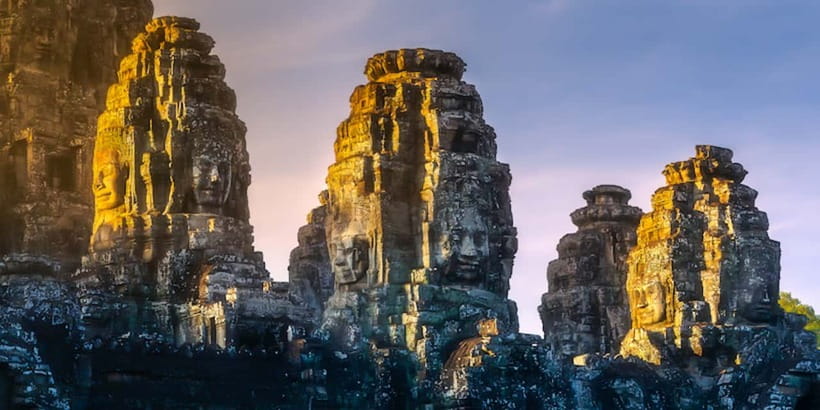
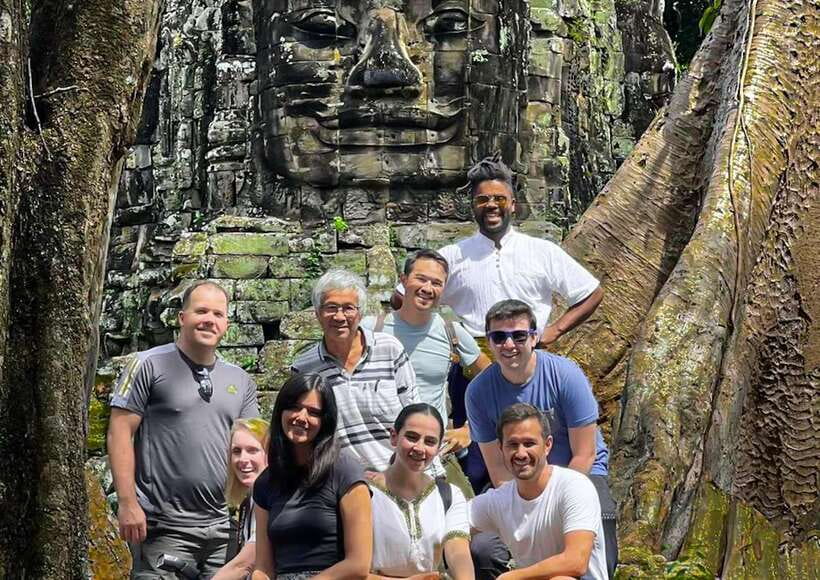
One of the big “you’ll remember this” moments happens around the southern gates. You’ll see stone figures at the gates and then walk toward Bayon Temple, famous for its central peak and the smiling faces that look in every direction.
Bayon gets about 1.5 hours, which is a solid chunk for a single temple stop. This is where your guide’s explanations really pay off. The smiling faces aren’t just cute carvings. With the right context, you start to understand why the temple was designed the way it was and how it fit into the Khmer worldview.
This is also a good place to slow down and pick out details—gates, corridors, and reliefs. If you rush, Bayon can feel like a wall of stone art. If you pace yourself, it becomes a puzzle with answers.

The Terrace Highlights: Elephants and the Leper King
During the middle of the day, you’ll also visit the terrace areas tied to famous sculptures and names: the Terrace of the Leper King and the Terrace of the Elephants. Even if you’ve heard the titles before, being inside the setting makes the stories feel more grounded.
These terraces are a good reminder that Angkor wasn’t only built for grand ceremonies. It was also carved for observation—places where visitors moved through and saw symbols at close range. A guide helps you connect those symbols to the broader mix of Hindu and Buddhist influences, plus how Khmer kings used art to project authority.
Time here can be short depending on crowds and your walking pace, so it helps to stay present. Don’t just grab a picture. Look for the patterns, not only the big figures.
Ta Prohm’s Jungle Ruins: Walking Among Trees and Stone
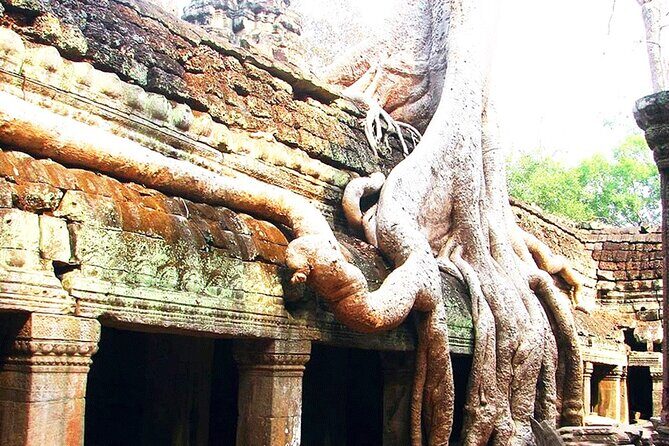
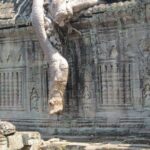
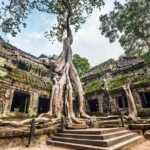
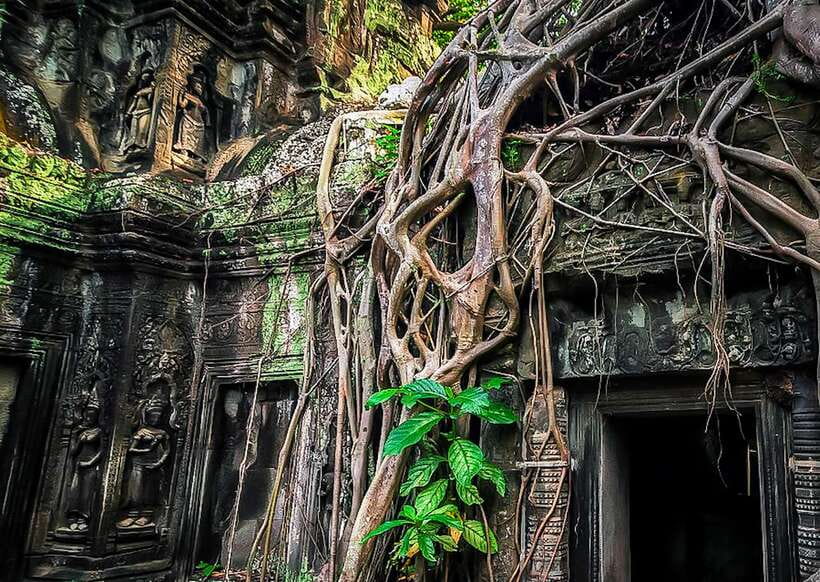
Next up is Ta Prohm, the temple most people associate with jungle-growth visuals—roots and trees making the ruins feel alive. You’ll get a break and lunch here (about 1 hour total for lunch and time to reset), then continue with about 1.5 hours of walking and guided exploration.
Ta Prohm’s best trait is the atmosphere. The combination of jungle surroundings and temple structure turns it into something different from the more formal, geometric temples. The guide’s job is to keep you from just staring and snapping photos. You learn what you’re seeing and why the temple’s character looks the way it does today.
Another practical point: Ta Prohm involves uneven ground and lots of foot traffic. Wear shoes you trust. You’ll likely spend more time on your feet than you planned, especially if you linger for shade or better angles.
If you get heat-sore, Ta Prohm is still a good stop to slow down. Jungle edges can offer brief pockets of cooler air while you catch your breath.
Phnom Bakheng Sunset: Steps, Views, and the Finish Line
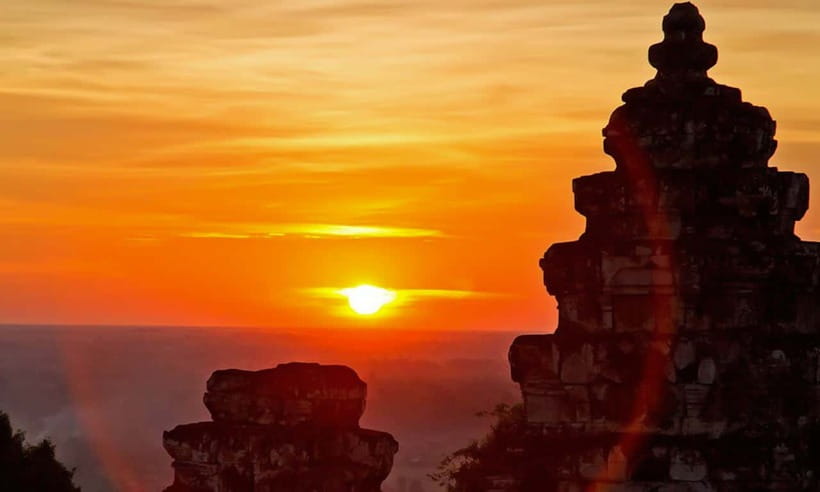
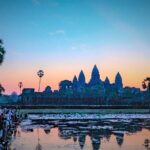
After a full day of temples, you’ll climb to Phnom Bakheng for sunset. This part is scheduled from the East entrance, with about 1.5 hours dedicated to visiting and watching the light change over Angkor.
Phnom Bakheng is described as the state temple of the first Khmer capital in the region. Climbing to a temple mountain at the end of an already long day is a commitment, but the payoff is the kind of view people talk about for a reason. The sky shifts, shadows stretch across stone, and the entire complex feels larger and more layered.
This is the section where comfort matters most:
- You’ll be tired.
- Your legs will feel the day’s uneven walking.
- The stairs can feel relentless when you’re running on low hydration.
You’ll have water and cool towels earlier in the day, which helps set you up for this finale. But still, pace yourself on the climb. If you rush to reach the top, you’ll spend the best part of sunset feeling more exhausted than impressed.
Price and Value: $15 Tour Cost vs. the Temple Ticket

Let’s talk money without the math fog.
The tour price is listed at $15 per person, which is low for a full-day circuit that includes hotel pickup/drop-off, an air-conditioned minibus, an English-speaking guide, chilled bottled water, cool towels, and guided visits to multiple temples. That’s where the value shows up: a lot of the “cost” you normally face in Cambodia tours is time and labor. You’re paying for the day to run smoothly.
But the big separate line item is the temple pass—$37 for a 1-day ticket. Food and additional drinks are not included.
So your realistic day budget is closer to:
- $15 for the guided tour
- $37 for the temple pass (for 1 day)
- plus lunch and drinks, since food isn’t included
Even with that, the structure makes sense. You’re using the temple pass for several major sites in one day and ending with sunset at Phnom Bakheng. If you planned to go on your own, you’d still face transport, timing chaos, and the learning curve of interpreting what you see.
Given the guide-led format and the included comfort items, this tour is a strong value play—especially if you want to do Angkor without turning the day into a stress test.
Who Should Book This Tour (and Who Might Not Love It)
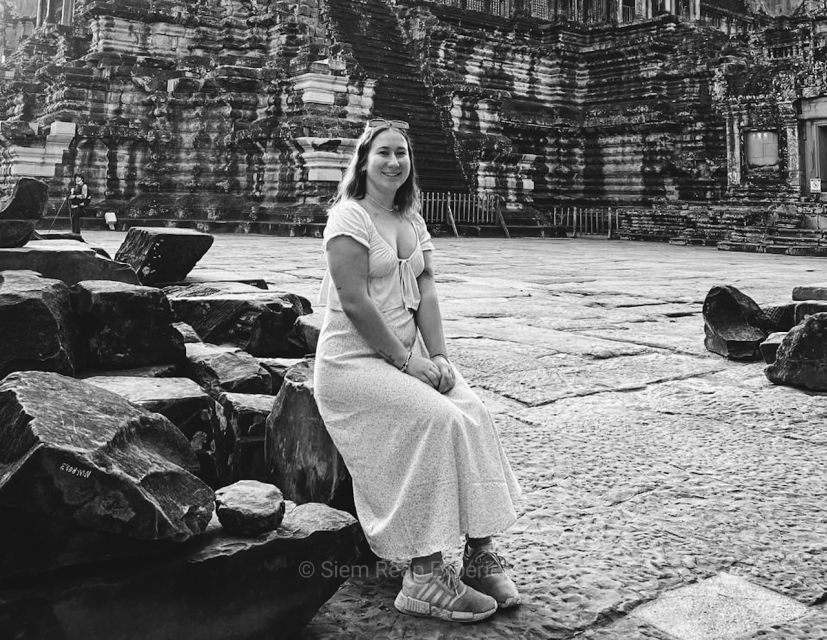
This tour is a good fit if you:
- want a guided Angkor day with time to walk inside temples
- prefer a small group vibe (up to 13 people)
- appreciate stories and context, not just monument sightseeing
- plan to finish with a sunset climb at Phnom Bakheng
It might be less ideal if you:
- struggle with stairs and uneven ground
- need very slow pacing all day
- are very sensitive to heat and long walking stretches
Also, it’s listed as not suitable for babies under 1 year and people over 70 years. If you fall into the “walking limited” category, it’s worth thinking carefully about the Phnom Bakheng climb and how tiring the day could feel.
Practical Tips That Make a Real Difference at Angkor
A few small steps can make the whole experience smoother.
1) Bring the right shoes. Angkor is uneven. Even with rest breaks, you’ll rack up serious walking. One booking mentions the joy of handling roughly 17k uneven steps, which tells you the scale of movement you’ll likely face.
2) Follow the dress code early. Cover knees and shoulders. If your outfit is close but not compliant, you may waste time fixing it on-site.
3) Charge your phone before you leave. You’ll take photos all day, and sunset is your biggest “memory moment.”
4) Hydrate even when you feel okay. It’s hot and you’re walking. Use the bottled water and take cool towel moments when offered.
5) Use your guide for navigation. At Angkor, being pointed to the right viewpoint or the right angle can change your photos and your understanding of what you’re seeing.
Should You Book This Siem Reap Angkor Wat Sunset Tour?
If you want the classic Angkor highlights in one day with a guide who helps you understand the stonework, this is an easy yes. The combination of Angkor Wat, Angkor Thom, Bayon, Ta Prohm, and a sunset finish at Phnom Bakheng is a smart use of your temple pass, and the added comfort (AC transport, water, cool towels) makes the long day feel more manageable.
I’d book it especially if you like structure but still want time to wander. The small group size and the guided inside-temple experience are the big selling points.
If stairs and long walking are a challenge, you should think harder. But for most people who can handle a full day on their feet, this is one of the most straightforward ways to experience Angkor without getting lost in the details.
FAQ
What temples are included in this guided day trip?
You’ll visit Angkor Wat, Angkor Thom, Bayon Temple, Ta Prohm, and Phnom Bakheng for sunset.
How long is the tour?
The duration is 9 to 10 hours.
When do you get picked up in Siem Reap?
Pickup is scheduled between 9:10 am and 9:30 am. You should be ready about 30 minutes before pickup in your hotel lobby.
Is hotel pickup and drop-off included?
Yes. The tour includes hotel pickup and drop-off, with return arrival at your hotel around 6:30 pm to 7:00 pm.
Do I need an Angkor temple pass, and where can I get it?
Yes. You need a temple pass (1 or 3 days), which you can buy online or have your guide take you to the ticket office before the tour begins.
How much is the Angkor Archaeological Park entry ticket?
The entry fee listed is $37 for 1 day (temple pass price is not included in the tour price).
Is lunch included?
Lunch is not included as part of the tour price. The day includes a lunch break during the Ta Prohm part.
What should I wear and bring?
Wear clothing that covers knees and shoulders. Bring comfortable shoes and a charged smartphone.
Is this tour good for kids or older adults?
Kids under 12 do not require a temple ticket. The tour is listed as not suitable for babies under 1 year and people over 70 years.
Is the tour cancellable and can I pay later?
Yes. It offers free cancellation up to 24 hours in advance for a full refund, and you can reserve now & pay later.