REVIEW · SIEM REAP
3-D Angkor Temples With One Sunrise
Book on Viator →Operated by Happy Angkor Wat Tour · Bookable on Viator
Sunrise at Angkor is a real wake-up punch. This 3-day Siem Reap plan is built around seeing Angkor Wat at first light, plus a day out toward Tonle Sap for lake-village life. It is a smart option if you are coming to Angkor for the first time and want the big moment without overplanning your whole trip.
What I like most is the way the schedule protects your mornings. You’ll get an early start for the sunrise so you can enjoy the temple when crowds are thinner, and you won’t burn your whole trip on dawn after dawn. I also like that you travel with an English-speaking guide in an air-conditioned vehicle, which makes the long days feel more manageable.
The main catch is budget math. Temple entry for three days is not included ($62 per person), and the boat trip has its own ticket price ($30 per person). Also, early starts mean you should plan for tired feet and not just tired eyes.
In This Review
- Key things to know before you go
- How the one-sunrise plan changes your Angkor Wat trip
- Day 1 temples: Ta Prohm, Pre Rup, and the smaller stops that add variety
- Day 2 at 5am: Angkor Wat sunrise without the all-day grind
- Day 3 to Tonle Sap: Kompong Kleang and the boat trip feel
- Beyond temples: market time, Killing Fields museum, and artisan stops
- Comfort, tickets, and what to pack for early mornings
- Price and value: $150 sounds simple, but plan for add-on tickets
- Who this tour fits (and who should reconsider)
- Guides like Bunleat, Sonoth, Borey, and Jimmy: why it matters
- Should you book this one-sunrise Angkor tour?
- FAQ
- What is the tour price per person?
- How long is the tour?
- Do they pick you up in Siem Reap?
- What’s included in the $150 price?
- Are Angkor temple tickets included?
- Is the Tonle Sap boat trip included?
- Is this tour private or shared?
- What time does the Angkor Wat sunrise start?
- Is cancellation free?
Key things to know before you go
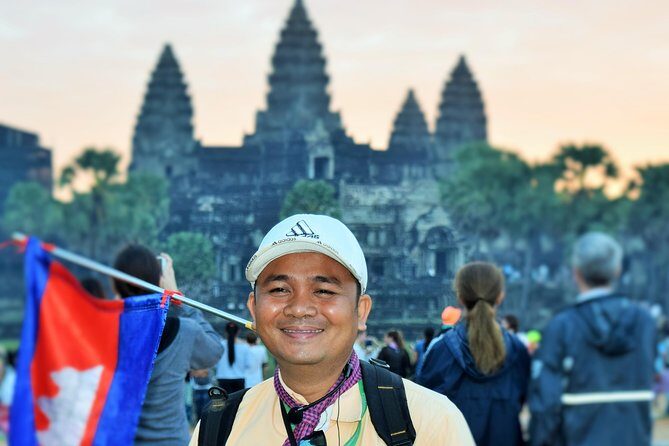
- One sunrise, not three: you get the Angkor Wat early-light payoff while keeping the rest of the days at a more human pace
- AC rides + cold water: comfort is built in for the long transfers between temple zones
- Ta Prohm roots and view temples: you will hit the iconic overgrown feel on Day 1, plus other stops that keep changing the scenery
- Kompong Kleang and the Tonle Sap boat: stilted/lake life is a different kind of Angkor story
- Guides can tailor the pace: guides you may meet include Bunleat, Sonoth, Borey, and Jimmy, and the service pattern described is flexible for families and mixed ages
- Community-minded framing: the tour description says profits support local families and give back to the community
How the one-sunrise plan changes your Angkor Wat trip
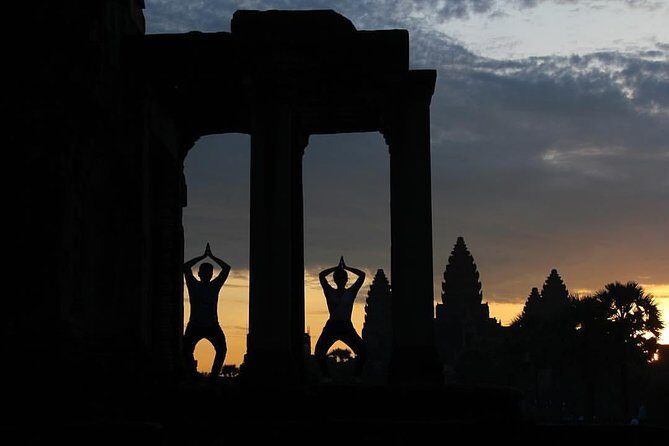
Angkor is not a place you “see” in the casual sense. It is a place you absorb in chunks—light, stone, faces, carvings, and then suddenly the heat hits and you just want shade and a cold drink.
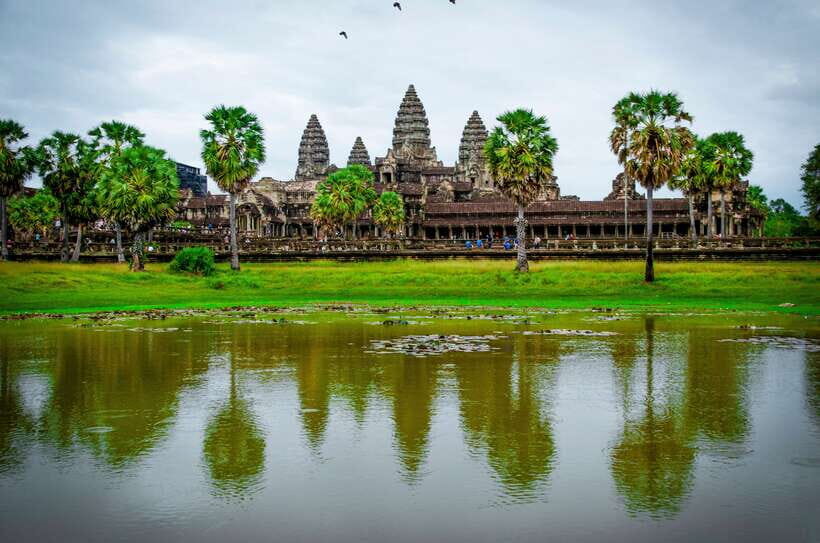
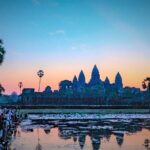
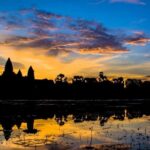
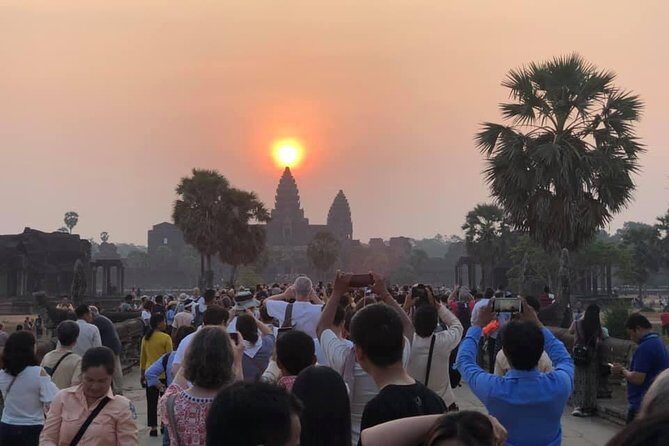
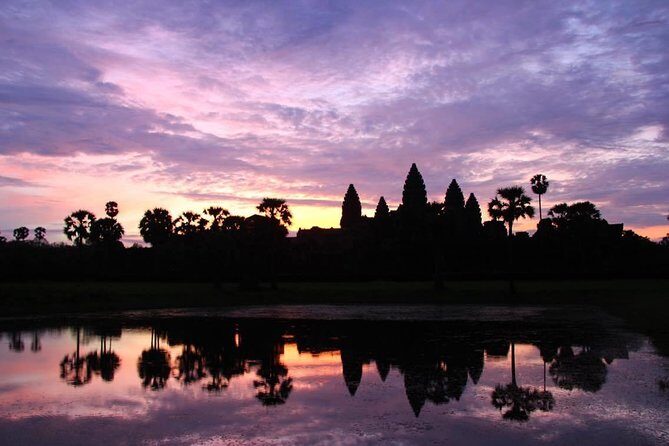
This tour’s big idea is simple: one sunrise at Angkor Wat. Day 2 starts with transport at 5:00am, which is early enough to beat the worst crowd crush. That matters because sunrise is not just for photos. It changes the mood of the whole site. The stone looks different. The air feels cooler. And you get that rare moment when the temple feels less like a theme park and more like a living, breathing complex.
Then, instead of repeating dawn every day, you move through other temple groups during daylight hours. You still get a lot—Ta Prohm style jungle energy on Day 1, and additional main temples on your first full day—without turning your whole trip into a sleep-deprivation contest.
If you are short on time in Siem Reap, this “one big sunrise” strategy is also a good value play. It lets you spend your limited hours on the essential stuff: Angkor Wat’s light and symbolism, plus the wider Angkor archaeological park experience.
Other Angkor Wat sunrise tours we've reviewed in Siem Reap
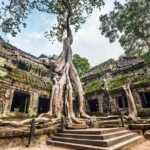
Day 1 temples: Ta Prohm, Pre Rup, and the smaller stops that add variety
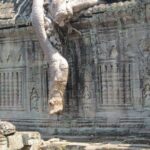
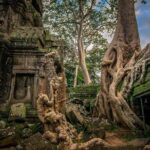
Day 1 is a long temple day—about 7–8 hours—and it starts at Ta Prohm (the famous “tree root” temple). The point of Ta Prohm is the visual chaos: thick roots grabbing stone, and the whole place feeling like it is being slowly reclaimed. If Angkor Wat is the grand, perfect composition, Ta Prohm is the wild side.
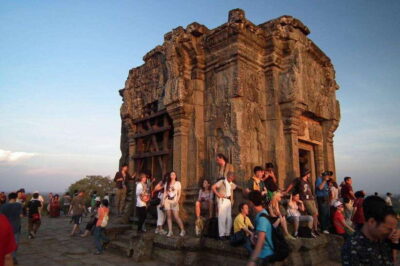
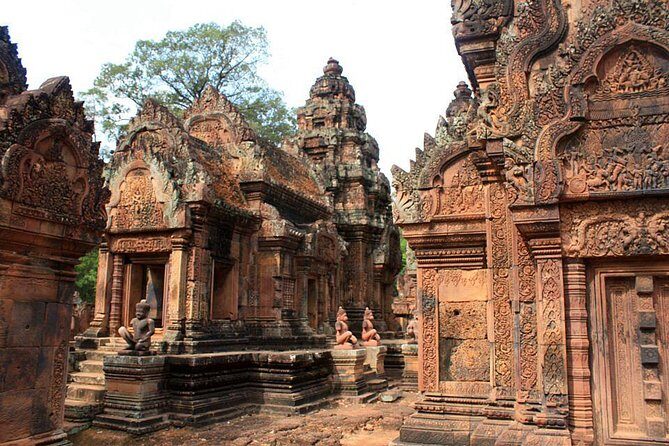
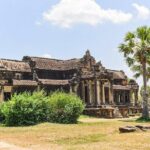
From there, the route moves through Pre Rup, plus Banteay Samre and Banteay Srey. This is where you start to feel why a guide matters. Even within the same park, temples can feel completely different. Some are all symmetry. Some look softer from certain angles. Some reward you for climbing to get your bearings and spotting view lines.
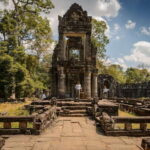
Pre Rup, in particular, is one of those “stand here and look” temples. It’s a stop that helps you connect the dots between different temple clusters across the archaeological park. You also get a break from the heavy Ta Prohm vibe, so the day does not blur together.
Two practical notes for Day 1:
- Admission tickets are not included, so build that into your plan (more on costs later).
- Even with an air-conditioned vehicle, you are still walking on stone paths and climbing temple steps. Wear shoes you trust, not shoes you hope will become comfortable.
Day 2 at 5am: Angkor Wat sunrise without the all-day grind
Day 2 is the centerpiece. You will be taken to the Angkor Wat complex at around 5:00am so you can watch sunrise over the main temple. The tour description also frames this timing as a way to see the site with minimal crowds during that early window.
This is the day you should treat like a mission, not a casual stroll. If you want the full effect—cool air, soft light on carvings, and that quiet awe—show up ready to move. Once the sun climbs, the crowds and heat build quickly, and the experience shifts from magical to practical.
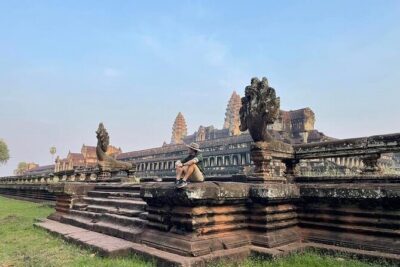
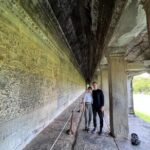
What I like about this setup is how it balances “big moment” with real touring time. You’re not just dropped off for sunrise and sent away. The plan gives you about 8 hours total on the day, which helps you see more than one angle of the temple complex. That’s also where you start to appreciate the scale. From the inside of the moat and across galleries, Angkor Wat can feel like it goes on forever.
A small tip: sunrise is bright even when it is cool. Sunglasses, sunscreen, and a hat aren’t optional comfort items. They are photo tools and sanity tools.
Day 3 to Tonle Sap: Kompong Kleang and the boat trip feel

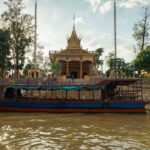
Day 3 shifts gears on purpose. Instead of more stone temples all day, you go toward Kompong Kleang, a stilted and floating village area associated with Tonle Sap. You head out around 8:00am for this remote look at how people live by the lake.
The tour description highlights that in rainy season, the water level changes how the village looks. You do not need to know every Khmer weather term to understand why this matters. Higher water changes access points, how structures appear, and how the boat segment feels in practice. So the season you travel in can influence your experience here.
The big “different kind of Angkor” piece is the boat time on Tonle Sap. The boat ticket is not included (it is listed as $30 per person), so you’ll want to plan for that cost when you budget. When people picture Angkor, they think temples. This stop adds the human geography around the temples—waterways, livelihoods, and daily rhythm.
After Kompong Kleang, you also have Roulous group temple on the schedule. That blend works well because it gives you a reset. You get lake life visuals, then you return to stone and carvings with fresh eyes.
Beyond temples: market time, Killing Fields museum, and artisan stops

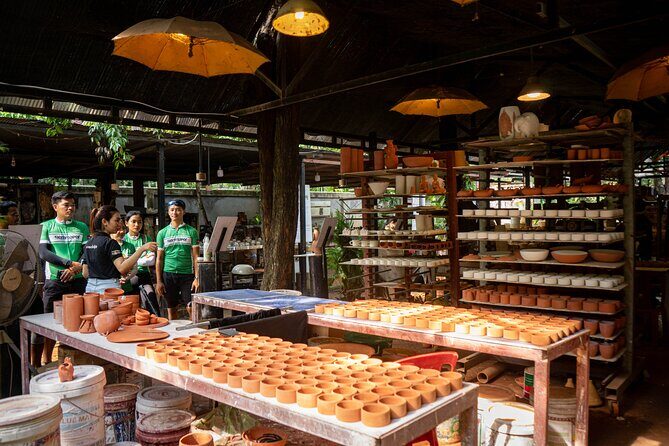
The program description says the rest of the time beyond the big temples can include a local market, the Killing Fields museum, and an artisan visit focused on stonework—specifically learning how artisans make stones smile.
That last phrase is not just poetic marketing. It points to a real craft tradition: stone carving with attention to faces and expression, where the final look depends on technique and patient repetition. Even if you are not shopping, watching how items are made gives you a more grounded sense of why people care about preserving these skills.
The market stop can also be useful for practical reasons. It’s a place to grab snacks, refill water, and get a quick feel for day-to-day commerce in Siem Reap rather than only the tourist circuit.
And the Killing Fields museum stop is important for another reason: Angkor is awe-inspiring, but it is not the only story Cambodia tells. If this stop is on your route, approach it with extra mental space. It is reflective. It is heavy. You will likely want a slower pace afterward.
Other multi-temple archeological tours we've reviewed in Siem Reap


Comfort, tickets, and what to pack for early mornings

This tour is physically reasonable, but it is still long days. The tour info states moderate physical fitness is recommended. Translation: you should be comfortable walking, climbing temple steps, and spending hours in warm weather, even if you are taking breaks and using the vehicle between stops.
What is included that helps:
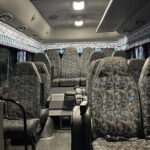
- Air-conditioned vehicle
- English-speaking guide
- Cold waters
What is not included (and will affect your budget):
- Three-day temple ticket: $62 per person
- Boat tour ticket: $30 per person
- Meals
- Accommodation
- Travel insurance
What to pack (simple, practical):
- Comfortable walking shoes with grip for stone steps
- Hat + sunscreen (sunrise still hits you with UV)
- Light layers for cool mornings and warm afternoons
- A small towel or wipes for sticky temple days
- Cash or a card for meals and any extras, since meals aren’t included
- A refillable water bottle, even though you’ll get cold water on the ride
Also, the timing matters. Day 2’s 5:00am transport means you should plan an early night before. If you show up still half-asleep, you will still see the sunrise—but you’ll miss some of the calm feeling that makes it worth it.
Price and value: $150 sounds simple, but plan for add-on tickets
At $150 per person, the headline price looks like a budget-friendly way to cover a lot of ground. But you should price it as a package with add-ons, not as a fully inclusive deal.
Here’s the straightforward math based on what’s listed:
- Tour price: $150
- Temple ticket (three days): $62
- Boat ticket: $30
- Estimated total for the core sights: $242 per person, before meals and accommodation
That still can be good value if you want:
- An English-speaking guide (so temple carvings and layout make sense)
- Air-conditioned transport between far-flung temple zones
- The structure of a multi-day route, including one sunrise
The tour description also notes you can ask about changing transport when booking, and it mentions a car with A/C could involve extra money. Since air-conditioned vehicle is listed as included, what that likely means in practice is that your group can request a specific vehicle type, and any upgrade depends on what’s available for your date and group size.
My advice: when you confirm, ask what exact vehicle you’ll use for your group and whether any A/C upgrade changes the price. Then you can stop worrying and start focusing on temples.
Who this tour fits (and who should reconsider)
This tour is a strong fit if:
- You want Angkor Wat sunrise but do not want to turn your entire trip into early mornings
- You care about getting temple context, not just walking from one photo spot to the next
- You want a mix of Angkor archaeology and the Tonle Sap lake experience
It can also work well for families and mixed ages. In the guide pattern shown by past service examples, different guides have supported everything from young children to elderly travelers, often by keeping the pace realistic and helping with practical needs.
Who should reconsider?
- If you hate early mornings, Day 2 will feel demanding. Sunrise at 5:00am is not optional.
- If you have very limited mobility, you may find temple steps and uneven stone paths tough. The tour says moderate fitness is best, so be honest with yourself.
Guides like Bunleat, Sonoth, Borey, and Jimmy: why it matters
In Siem Reap, a guide can make or break the day. The service descriptions tied to this tour suggest a few names that people associate with great experiences: Bunleat (and the shorter form Bun), Sonoth, Borey, and Jimmy.
The common thread in those examples is that guides are responsive and can tailor the experience. One thing I really appreciate is the focus on religion and history as it relates to what you’re standing in front of—not just dates, but why the carvings and layouts feel the way they do.
If you want to get more value from your guide, tell them two things on day one:
- What you care about most: sunrise photos, temple symbolism, or practical layout help
- What your group needs: bathroom breaks, slower pace, or extra time for viewpoints
With private-only group participation, you have more room to adjust on the fly.
Should you book this one-sunrise Angkor tour?
Book it if you want a practical, high-payoff Angkor plan: one sunrise at Angkor Wat, major temple highlights across the park, and a Tonle Sap day that adds something beyond stone.
Don’t book it (or at least reconsider) if you are trying to keep total costs strictly under the base tour price, because temple and boat tickets add up quickly. Also think hard about the early start if you are traveling with kids or you struggle with jet lag.
If you do book, you’ll get the best experience by showing up prepared: sleep the night before Day 2, wear shoes you trust, and treat the sunrise as a moment, not a checklist.
FAQ
What is the tour price per person?
The price is $150.00 per person.
How long is the tour?
It’s listed as approximately 3 days.
Do they pick you up in Siem Reap?
Yes, pickup is offered.
What’s included in the $150 price?
The included items listed are an air-conditioned vehicle, an English-speaking tour guide, and cold waters.
Are Angkor temple tickets included?
No. The three-day temple ticket is listed as $62.00 per person.
Is the Tonle Sap boat trip included?
No. The boat tour ticket is listed as $30.00 per person.
Is this tour private or shared?
It’s private. Only your group participates.
What time does the Angkor Wat sunrise start?
The plan says transport to the temple complex starts at 5:00am for sunrise on Day 2. The listed start/meeting time is 7:00am, but the sunrise day begins earlier.
Is cancellation free?
Yes. Free cancellation is available up to 24 hours in advance for a full refund. The experience also requires good weather, and if it’s canceled due to poor weather you’ll be offered a different date or a full refund.