REVIEW · SIEM REAP
Siem Reap: Bike the Angkor Temples – Full-Day 30km Tour
Book on Viator →Operated by Discova Southeast Asia · Bookable on Viator
Cycling into Angkor feels like cheating. This full-day 30km bike route mixes the headline temples with back-road village lanes you do not get from a car. I love the way the day gives you room for photos and real temple time, not just quick stops. I also like that you ride at an unhurried pace with planned snack breaks. One catch: it is an active day in hot weather, and a few dirt stretches can be tough if you’re brand-new to biking.
You meet your guide at ផ្ទះគ្រូ Café at 7:30am, get a solid mountain bike and helmet, then start with a safety briefing before pedaling toward Angkor. The tour keeps group sizes small (up to 10), which makes the history talks and route tweaks feel personal. Still, plan ahead for temple dress rules: sleeveless tops and see-through shirts are not allowed, and shorts/pants must be at least knee length.
In This Review
- Key highlights worth planning for
- Meeting at ផ្ទះគ្រូ Café and starting your day at 7:30am
- Angkor Pass, Angkor Wat first, and how you avoid the biggest headaches
- Bayon and Angkor Thom terraces: the smiling faces and the lunch break zone
- Srah Srang to Ta Prohm: water history, then roots and ruins
- The ride itself: 25–30 km of mostly flat biking, plus some sandy reality
- Staying hydrated and fed: water, snacks, Khmer lunch, and heat control
- Temple dress rules and how not to get turned away
- Price, value, and the real cost of a bike day at Angkor
- Who this bike tour fits best in Siem Reap
- Should you book this Siem Reap bike-and-temple day?
- FAQ
- How long is the bike tour and when does it start?
- Where do I meet the guide, and does the tour end there too?
- What does the tour price include?
- What about the Angkor temple entrance fees?
- What clothing do I need to enter the temples?
- Is there free cancellation, and how late can I cancel?
Key highlights worth planning for
- Full-day 25–30 km ride with mostly flat roads and some dirt
- Angkor Wat, Bayon, and Ta Prohm plus terraces and viewpoints around Angkor Thom
- Guide helps with the Angkor Pass you purchase at the park entrance
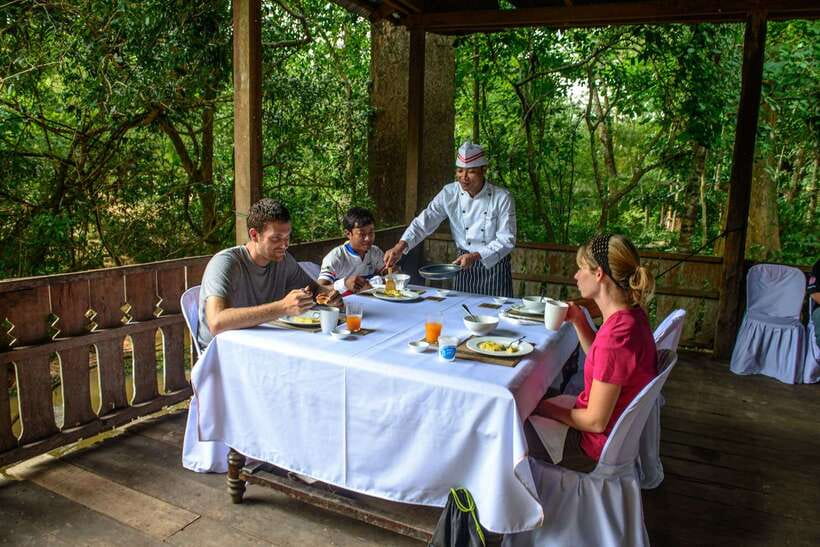
- Bottled water, snacks, fruits, and optional lunch included
- Small group size (max 10) for a calmer, safer ride
- Strict temple clothing rules that can affect what you pack
Meeting at ផ្ទះគ្រូ Café and starting your day at 7:30am
This is a bike tour where you make your own way to the meeting point, so you’ll want to stay near Siem Reap’s central area. The start is 7:30am at ផ្ទះគ្រូ Café (the tour ends back there too). No hotel pickup is part of the package, so budget a bit of time to get there early and relaxed.
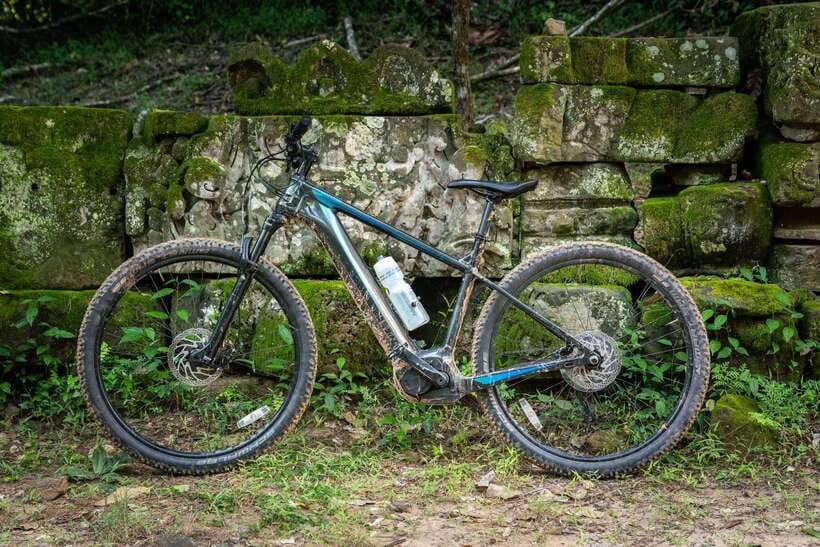
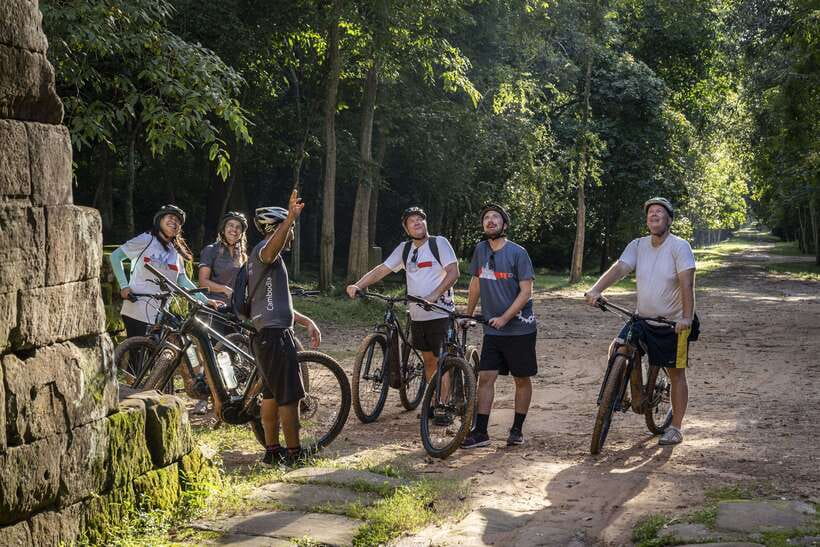
Once you arrive, you’ll be outfitted with a mountain bike and helmet, then get a safety briefing. From there, your English-speaking cycling guide leads the group toward the Angkor entrance. Expect the first part of the day to feel like setup plus momentum: bikes fitted, route explained, and then off.
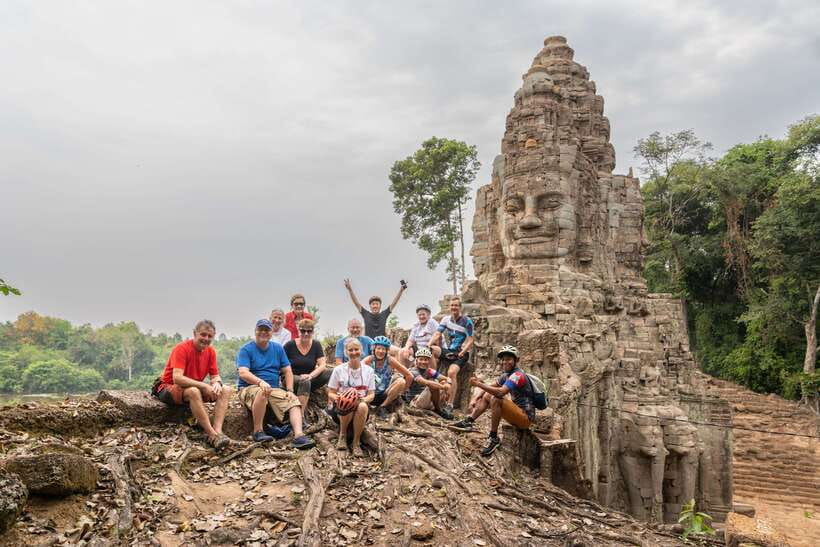
Why I like this structure for first-timers: you’re not trying to figure out transport, where to buy tickets, or which roads to take. Your guide handles the start-of-day flow, and you get a clear plan for temples and breaks. Also, you’re not stuck with a huge bus crowd. With a maximum of 10 travelers, you can hear explanations and keep up without constant regrouping.
The tour runs about 8.5 hours total. That includes cycling between temple zones, plus time for walking around inside each site.
Other multi-temple archeological tours we've reviewed in Siem Reap
Angkor Pass, Angkor Wat first, and how you avoid the biggest headaches
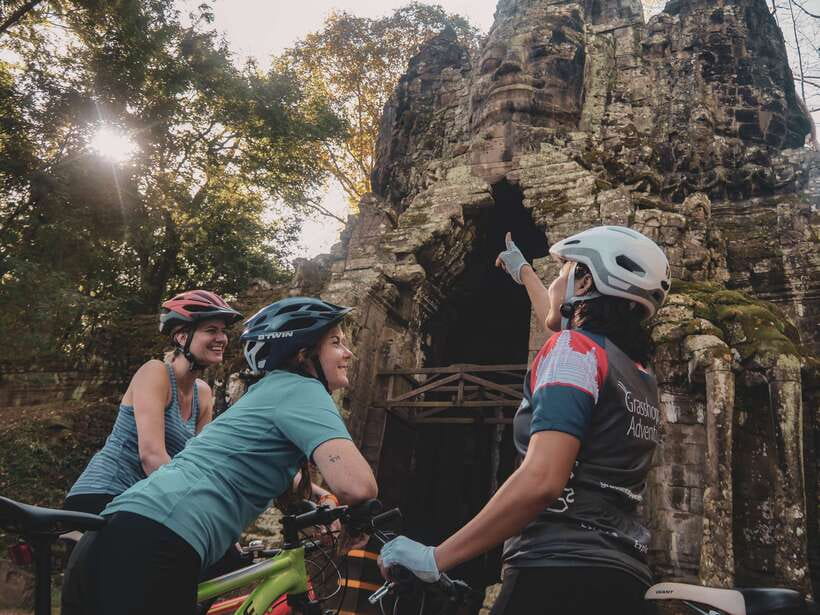
Before you see temples, you’ll buy the Angkor Pass at the park entrance with your guide’s help. Temple entry fees are not included in the tour price, and the single-day entry cost is listed as USD $37. Think of the day as two parts: the cycling experience (included) plus the official temple access (paid separately on-site).
Why this matters for your planning: Angkor Wat and the rest are not just “wander whenever.” You want that pass sorted early so your morning isn’t slowed down by ticket lines or confusion about where to go.
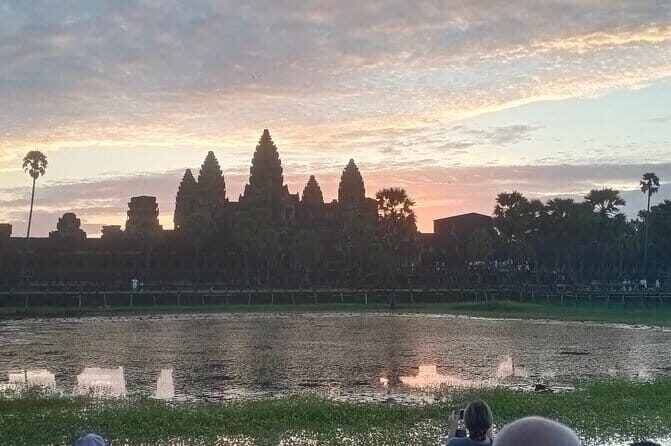
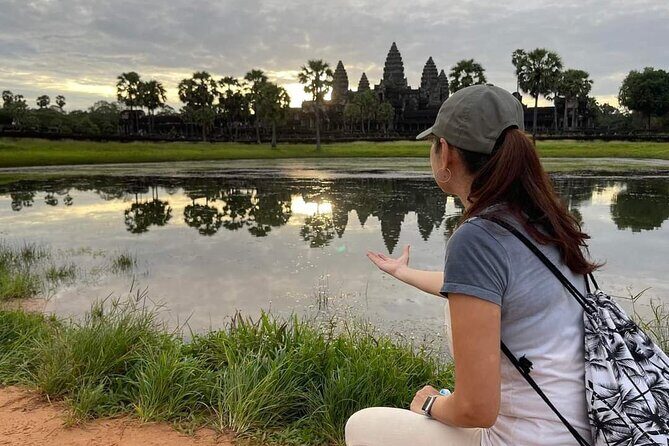
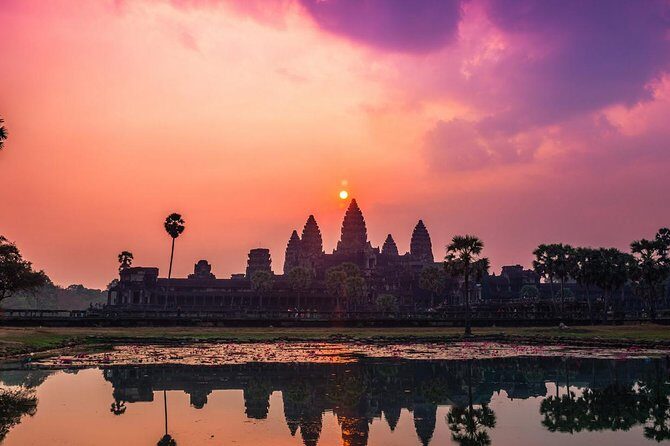
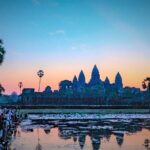
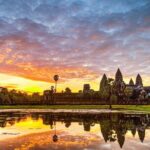
Then comes Angkor Wat, where you begin at the iconic complex and spend about an hour exploring. You’ll move through wide galleries and carved bas-reliefs tied to Hindu epics like the Ramayana. Starting here also gives you the best shot at seeing it before the day fully turns hot and busy.
From a cycling standpoint, starting with Angkor Wat makes a lot of sense. It’s the most famous stop, and your legs and attention are freshest in the morning. Later, after lunch and more temple walking, you’ll still appreciate the architecture, but you won’t want to do the longest walk right away.
One practical note: your guide will keep you on a route meant for bikes, but you should still expect some mixed surfaces and transition from roads to quieter paths as the day goes on.
Bayon and Angkor Thom terraces: the smiling faces and the lunch break zone
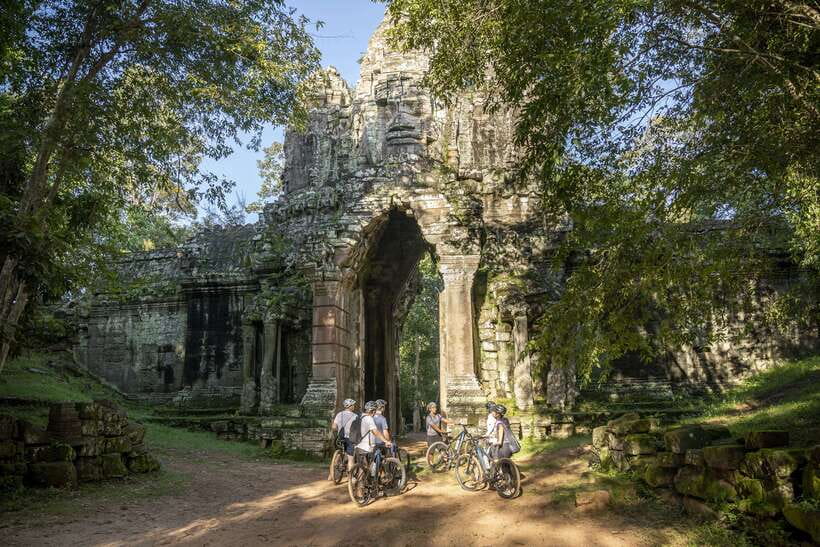
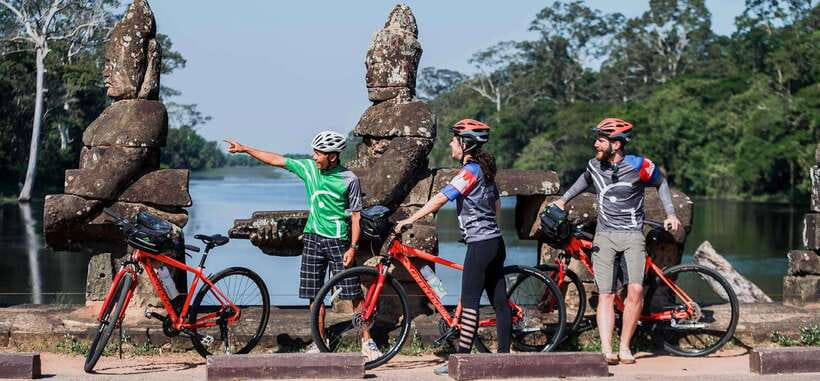
After Angkor Wat, you cycle toward Angkor Thom, the fortified center of the Angkor kingdom. The route passes stone sculptures of expressive divinities and demons, which is a fun moment because you’re not just arriving at a gate—you’re rolling through it.
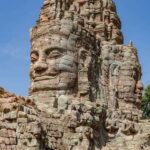
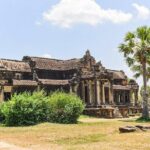
The big highlight next is Bayon Temple, with its many towers topped by smiling bodhisattva faces. Your time here is about one hour, and you’ll approach through a mix of trees and ruins. Bayon has a way of changing as you walk around it. From a bike tour, you also get to stop where it feels right for photos, rather than feeling pulled along like a checklist.
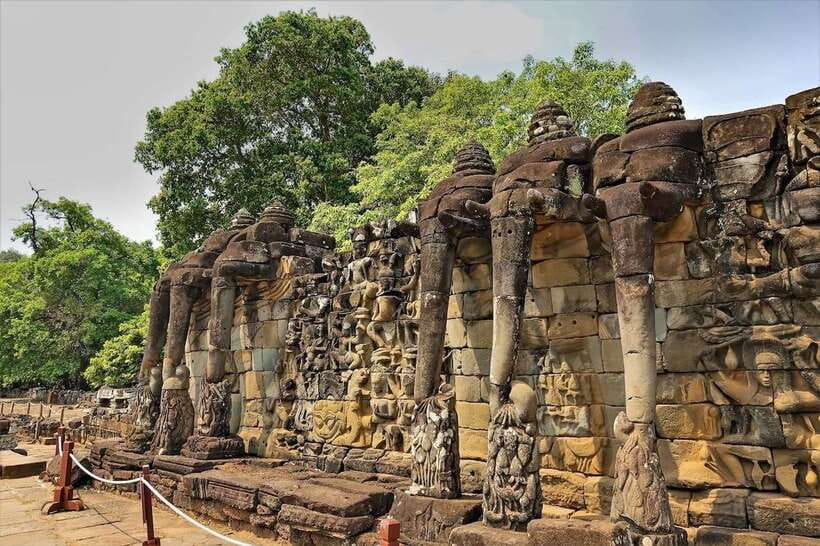
You’ll also visit key sights associated with Angkor Thom, including the Terrace of the Elephant and the Royal Enclosure. These areas are especially interesting if you like the “in-between” spaces—the platforms, steps, and bas-relief zones that help you understand how people moved through ceremonies.
Lunch timing can feel like the middle of the day, and the itinerary places food breaks around this general phase. The tour includes a tasty lunch of Khmer cuisine if you choose the lunch option. Even if you’re not a big foodie, Khmer lunch is a real energy reset when the heat is climbing.
I also like that the day doesn’t treat lunch as a random detour. It’s positioned so you can refuel, rehydrate, and then head back into temple exploration without feeling like you missed momentum.
Srah Srang to Ta Prohm: water history, then roots and ruins
Between the major temple stops, you’ll spend time at Srah Srang, a site tied to water and reservoirs in the Angkor landscape. Your visit there is about two hours, and this is where food and snacks get fully built into your day. It’s a smart move: Srah Srang is a good place to slow down, eat, and refocus before the afternoon temple leg.
If you’re the type who likes meaning behind the scenery, Srah Srang also helps connect dots. Angkor isn’t only about single buildings. It’s a whole system—water management, religious space, and city planning. This stop gives you context without turning the day into a lecture.
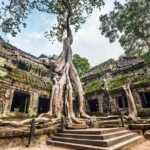
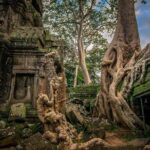
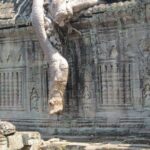
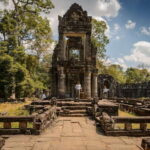
Then comes Ta Prohm, usually the temple people remember because of the dramatic setting—tall trees and spreading root systems over the ruins. Your time there is about one hour.
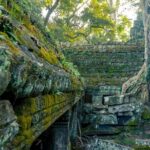
Afternoons can be intense at Angkor, but Ta Prohm offers a payoff that feels visual from every angle. You’ll see mossy stones and that famous “nature taking over” look, and your guide should help connect what you’re seeing to why it matters.
A bike tour also changes how Ta Prohm feels. You are not only walking through a single courtyard. You arrive after cycling through quieter roads and greenery, which makes the temple appear more like a destination than a stop on a crowded route.
The ride itself: 25–30 km of mostly flat biking, plus some sandy reality
This is not a spin-class challenge, but it is not a stroll either. You’ll cover about 15–18 miles (25–30 km) across the day, mostly on flat paths and small roads. That sounds easy on paper, and for many people it is manageable.
The key word is manageable, not effortless.
The tour notes that some dirt trails are unsuitable for beginning riders. In practice, that usually means you should be comfortable riding on uneven ground and handling a bike that might shift on sand or bumpy stretches. One recurring theme in feedback is that the day can include rougher segments in forested or trail sections. That matters if you’re expecting smooth pavement the whole time.
For your planning, aim for a “moderately fit” day. One or two hours into the ride you may feel the heat more than the distance, especially in warmer seasons.
What makes this tour work anyway is pacing and support:
- You ride at a leisurely pace with photo stops and temple exploration breaks.
- There are guides positioned to keep the group together safely.
- Your route is designed to minimize heavy road time.
If you are worried, do this simple check: can you comfortably ride 10–15 km on a mixed surface at home? If the answer is no, you might still enjoy the temples, but you may want to choose a different Angkor tour format.
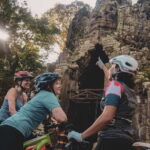
Other cycling tours in Siem Reap
Staying hydrated and fed: water, snacks, Khmer lunch, and heat control
Angkor in the daytime is hot. So this tour’s built-in hydration rhythm is one of its real benefits.
Your package includes:
- Bottled water
- Snacks and fruit
- Lunch (if you choose the lunch option)
That combo is more than convenience. It’s how you keep your energy steady so the temple stops still feel fun, not painful. You also get planned pauses rather than “guessing” when you’ll find food or shade.
I especially like that the lunch is Khmer cuisine and is arranged in advance when you select the lunch option. It reduces uncertainty and helps you avoid the trap of arriving at lunch time hungry and stressed.
What to bring for comfort:
- Sunscreen and a hat
- A shirt that follows temple rules (more on that next)
- Closed-toe or sturdy biking shoes
- Water discipline in your head: don’t wait until you feel thirsty
Some days also end with extra small cooldown touches like a cold drink or towel based on what people report. Those details are not guaranteed in the core inclusions list, so treat them as a bonus, not a promise. Still, it’s a good sign that the operator pays attention to recovery.
Temple dress rules and how not to get turned away
Temple entry in Cambodia comes with clear clothing rules, and this tour follows them. Plan your outfit before you leave your hotel room.
For temple access, you must avoid:
- Sleeveless shirts
- See-through shirts
- Shorts or pants that are not at least knee length
That means you’ll want lightweight long pants or knee-length shorts, plus a breathable top that covers your shoulders. In a hot climate, this is the main practical challenge.
Here’s the simple tactic I recommend: pack one temple-ready outfit that you can stand in for an hour. Don’t rely on a quick purchase once you’re at the gate. If you show up dressed wrong, you lose time.
Also remember that you’ll be riding a bike and then walking. So your clothing should be both temple-appropriate and comfortable for movement—no tiny hems that catch on your bike, no fabric that sticks to sweat.
Price, value, and the real cost of a bike day at Angkor
The tour price is $35.00 per person, which includes a lot of the expensive travel friction:
- Bike and helmet
- English-speaking cycling guide
- Snacks, fruits, and bottled water
- Lunch if you choose that option
The extra cost you must plan for is the Angkor Pass, listed at USD $37 for single-day entry. Add that to your $35 and you’re looking at roughly $72 total per person, assuming you buy the single-day pass and choose the lunch option only if you want it.
So is it good value? For the kind of day you get, yes, especially if you want:
- temple access without hiring a private driver all day
- active sightseeing that includes countryside roads
- a guided route that reduces wasted time
If you’re on a super tight budget, the separate temple fee will always matter. But compared to doing temples “freestyle,” this bike format gives you structure, transport, and stops built into one day.
Who this bike tour fits best in Siem Reap
This tour is aimed at first-time visitors and outdoor adventurers, and the vibe matches that. You get major temples like Angkor Wat, Bayon, and Ta Prohm, but you also ride through local villages and back roads, so the day feels bigger than just a temple circuit.
Best fit:
- You like biking and want an active day
- You can handle heat and some uneven ground
- You want an explanation-focused visit, not silent sightseeing
- You enjoy slower pacing with photo stops
It also works for groups because it stays under 10 travelers, which helps with logistics and keeps the ride calm.
If you’re traveling with kids, child seats are available upon request, but they note a weight limit of 14kg for the child seat. For younger children or anyone who cannot handle a longer biking day, you’ll want to consider other tour types.
Should you book this Siem Reap bike-and-temple day?
Book it if you want Angkor in a way that feels grounded in daily life, not only carved stone. The route is built around the big-name temples, but the ride between them is part of the experience: countryside lanes, village glimpses, and the sense of moving through the region instead of being dropped at one gate after another.
Skip it (or at least think twice) if you are a true beginner on bikes or you don’t want to deal with the reality of hot weather plus some dirt trail riding. This tour is mostly flat, but it is not all pavement.
If you’re somewhere in the middle—ready for moderate effort and excited to see Angkor Wat and Ta Prohm in a fresh way—this is a strong, practical choice.
FAQ
How long is the bike tour and when does it start?
The tour starts at 7:30am and runs for about 8 hours 30 minutes.
Where do I meet the guide, and does the tour end there too?
You meet at ផ្ទះគ្រូ Café (9VH7+X7G, Krong Siem Reap, Cambodia). The tour ends back at the same meeting point.
What does the tour price include?
The price includes the bike and helmet, an English-speaking cycling guide, snacks, fruits, bottled water, and lunch if you select the lunch option.
What about the Angkor temple entrance fees?
Entrance fees are not included. You’ll need an Angkor Pass for Angkor Archaeological Park, listed as USD $37 for single-day entry. Your guide helps you purchase it at the entrance.
What clothing do I need to enter the temples?
Sleeveless shirts and see-through shirts are not allowed. Shorts and pants must be at least knee length.
Is there free cancellation, and how late can I cancel?
Cancellation is free up to 24 hours in advance for a full refund. If you cancel less than 24 hours before the experience starts, the amount you paid will not be refunded.