REVIEW · SIEM REAP
Siem Reap: Angkor Wat Sunrise Bike Tour & Jungle Breakfast
Book on GetYourGuide →Operated by Discova Southeast Asia · Bookable on GetYourGuide
Angkor Wat at sunrise is one of those rare sights that still feels unreal. Add a bike ride through shaded park roads and forest paths, and you get a morning that moves fast but stays relaxed. I especially like the sunrise timing and the way the day slows down for a proper jungle breakfast. One thing to consider: this is a long day and the cycling can include rougher sand and dirt patches.
The temple route is smart, not just busy. You start with a guided look around Angkor Wat in soft morning light, then you’ll keep rolling to Bayon and Ta Prohm, with a guide who points out architecture and symbolism as you go. I also like that the team uses a support minivan when you want a break, which makes the ride feel doable even if you’re not an all-day cyclist.
The main caution is ride comfort. Terrain is often gentle, but it’s not a smooth bike path the whole time, and one stretch of small sand can catch you by surprise. If you’re sensitive to heat, bring your best hydration mindset, because early starts still mean you’ll be outside for hours.
In This Review
- Key things to know before you go
- Sunrise at Angkor Wat: a photo-worthy start with a guided pace
- Chef-prepared jungle breakfast: the calm break that makes the day feel worth it
- Riding through Angkor’s forest trails: easier than you fear, with a few real bumps
- Bayon Temple: stone faces, city-center energy
- Terrace of the Elephants: viewpoints and a slower look before Ta Prohm
- Ta Prohm: the roots-through-the-ruins atmosphere everyone came for
- Bikes, helmets, and the van team: what makes the day smooth
- Price and what’s actually included for $75
- Who should book this sunrise bike tour, and who might want a different day
- Should you book this Siem Reap sunrise bike tour?
- FAQ
- How long is the tour?
- What does the $75 per person price include?
- Is the Angkor Wat Pass included?
- What temples are included?
- Is breakfast included, and what is it like?
- Are there any clothing restrictions?
- Is the tour suitable for everyone?
Key things to know before you go
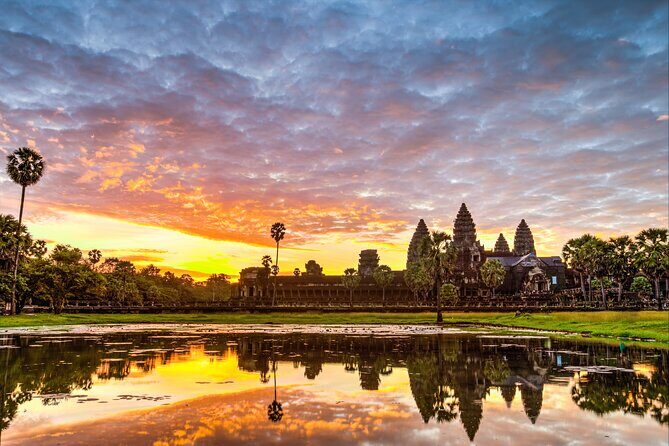
- Sunrise first, crowds managed: you’re there early enough to watch the lotus-shaped towers emerge in silhouette.
- Chef-prepared jungle breakfast: a private picnic setup in a calm forest spot after Angkor Wat.
- Forest-and-gate routing: cycling connects ancient gateways and quieter temple areas you may miss on standard tours.
- Bayon + Ta Prohm: expect the stone-face centerpiece of Angkor Thom and the tree-wrapped Ta Prohm look.
- Van support on demand: you can hop into the air-conditioned minivan whenever you want to rest.
- Good bikes and helmets: equipment is set up for you, with assistance from the driver and guide team.
Sunrise at Angkor Wat: a photo-worthy start with a guided pace
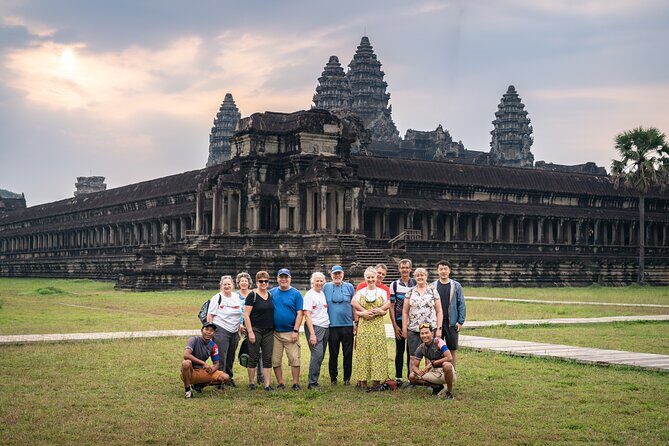
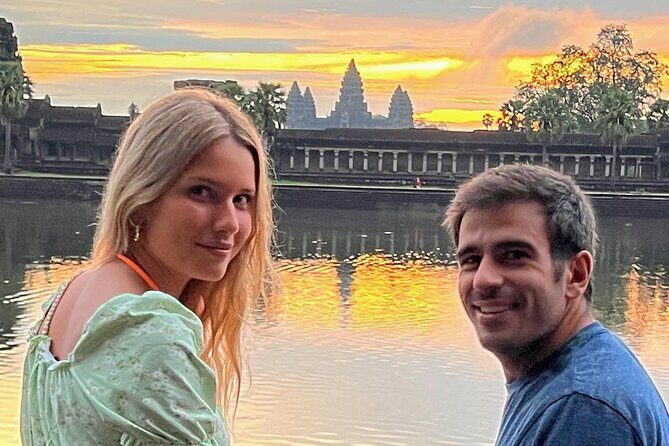
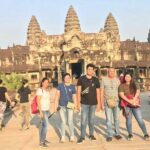
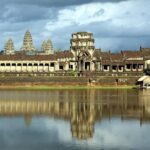
The day starts early in Siem Reap, with hotel pickup in Krong Siem Reap and a short ride toward the Angkor Wat area. The tour is built around that “dawn moment” when the first light hits the temple and the overall scene turns from dark outlines into full detail. You’ll see those iconic structures shift from silhouette to gold as the sky lightens.
Once you’re there, you’re not just wandering. A guide leads you through the corridors, galleries, and courtyards of Angkor Wat, built in the 12th century by the Khmer Empire and dedicated to Vishnu. What makes this part work is the timing plus the guidance. The early hours help your eyes adjust, and the guide’s explanations help you understand why certain carvings face the way they do and how the complex is laid out.
A small practical detail that matters: you’ll likely be walking and standing around for a while, so arrive dressed for early outdoor time and be ready for the contrast between cool dawn and warmer daytime weather that follows.
Other Angkor Wat sunrise tours we've reviewed in Siem Reap
Chef-prepared jungle breakfast: the calm break that makes the day feel worth it
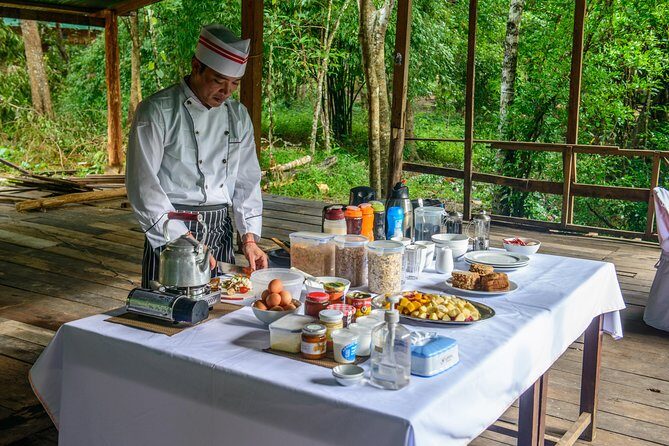
After Angkor Wat, you transfer to a quieter spot within the Angkor complex for the breakfast. This is not a rushed, cafeteria-style stop. The team sets up a private jungle breakfast picnic for the group, served in a peaceful natural setting where you can actually slow down.
A recurring theme in guide performance is attention to food quality and timing. Breakfast tends to include items like omelettes made to order, plus fruit and a meal that feels “proper,” not just a snack. You’re also given time to sit, eat, and reset before you get back on the bikes.
Why I think this stop is a big deal: Angkor days can start to feel like a checklist. This meal breaks the rhythm. It gives you a mental pause, which makes the afternoon temples feel fresher, not like you’re just trying to get through.
Riding through Angkor’s forest trails: easier than you fear, with a few real bumps
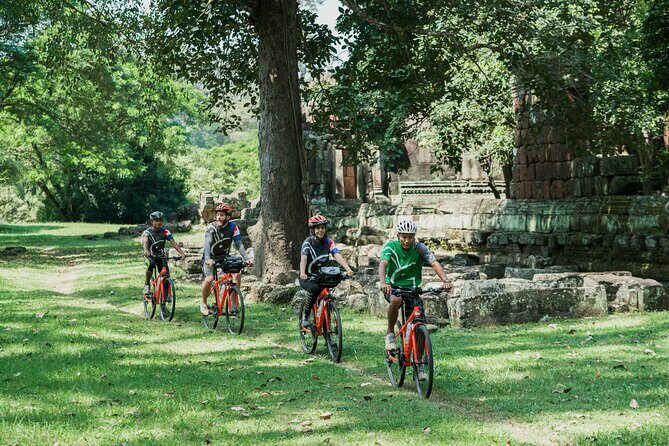
After breakfast, you switch to bike mode. The route is designed to avoid heavy traffic and to include shaded paths and gentle park roads where possible. The idea is simple: use cycling to reach areas with less noise and fewer interruptions, so you can see more without feeling packed in.
Most stretches are manageable, and the terrain is often described as flat or mostly easy. One rider even noted cycling felt about 20 km for the day’s riding, though your exact pace will depend on how often you stop for photos and guidance.
That said, don’t expect an obstacle-free ride. You might hit small sand sections, and at times you may see off-road elements like roots, mud, or uneven ground. It’s usually part of the fun—forest riding does not feel staged—but it does mean you should be comfortable balancing on a bike for longer stretches.
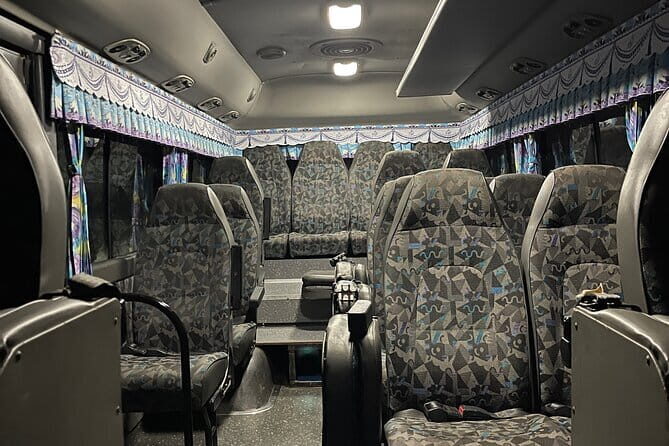
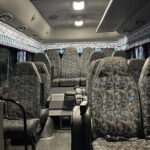
The best part is that you’re not stuck committing the whole time. The tour includes air-conditioned minivan support for breaks. You can keep cycling when you feel good, and you can ride in the van when you want the sun off your shoulders or your legs need a breather.
Bayon Temple: stone faces, city-center energy
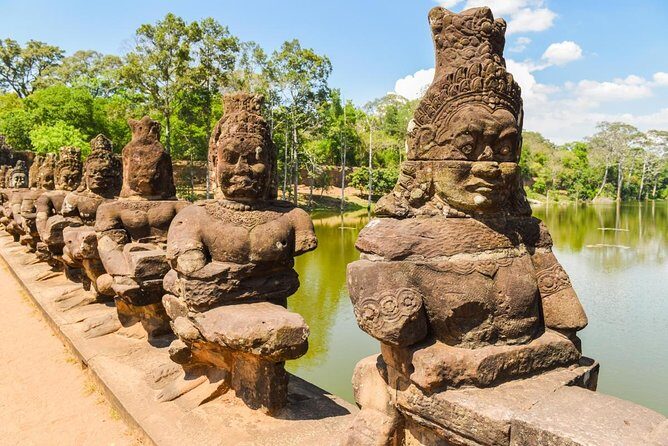
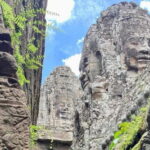
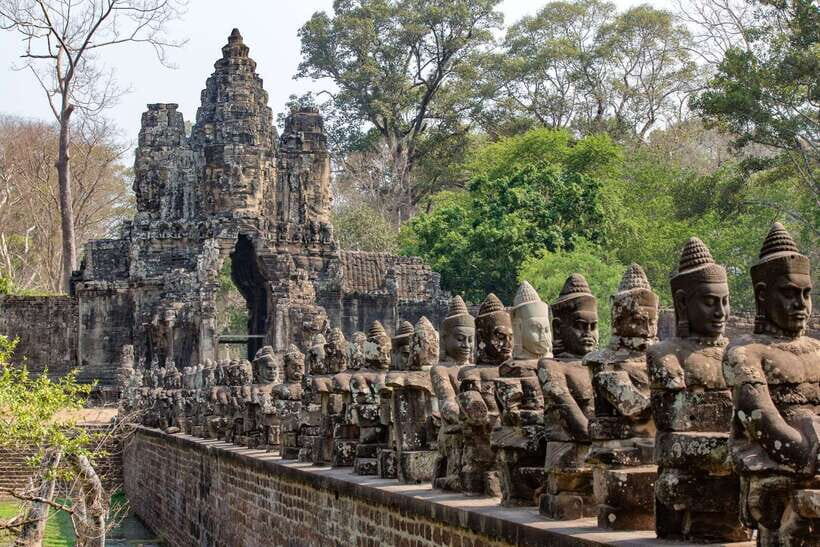
Bayon is the next major temple stop, and it brings a different mood than Angkor Wat. Here you’re at the center of Angkor Thom, and you’ll see the famous 54 towers carved with hundreds of serene stone faces. The guide explains how these faces are often associated with King Jayavarman VII and the compassionate Buddha Avalokiteshvara, giving the carvings meaning beyond their obvious visual appeal.
What makes Bayon special on this tour is how you arrive. You’re not just chauffeured up and dropped off. You’ve already biked through quieter stretches, so the shift from forest path to temple density feels more dramatic—in a good way. You also tend to spend time enough to notice details, not just collect a fast set of photos.
If you like architectural storytelling, Bayon is a strong match. The guide connects symbolism to real design choices—how the city was meant to function, why certain places feel more enclosed, and how the faces act like watchers over the complex.
Terrace of the Elephants: viewpoints and a slower look before Ta Prohm
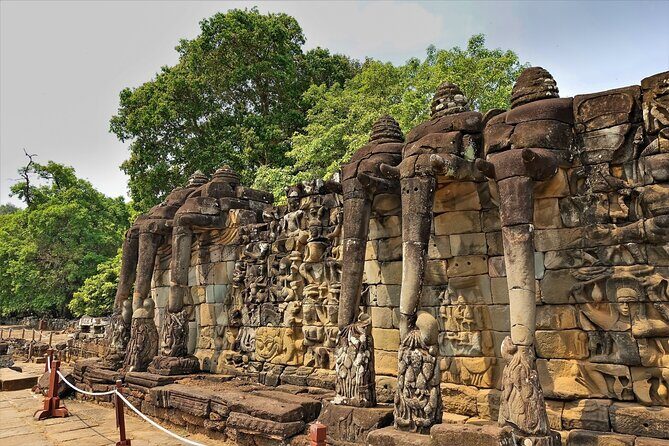
Between Bayon and Ta Prohm, you’ll stop at the Terrace of the Elephants, where you get more sightseeing with a guided explanation. This is one of those stops that helps you build a fuller picture of the Angkor city layout. You’re not only jumping between headline temples; you’re also getting a sense of how ceremonies, movement, and power were staged in stone.
This portion of the day is also useful if you’ve been biking. It gives your body a chance to reset while you still feel like you’re “in the action” of Angkor exploration. You’re guided through what to look for and why it matters, so it doesn’t feel like standing around.
Other Angkor Wat temple tours we've reviewed in Siem Reap
Ta Prohm: the roots-through-the-ruins atmosphere everyone came for
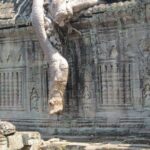
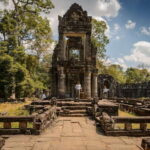
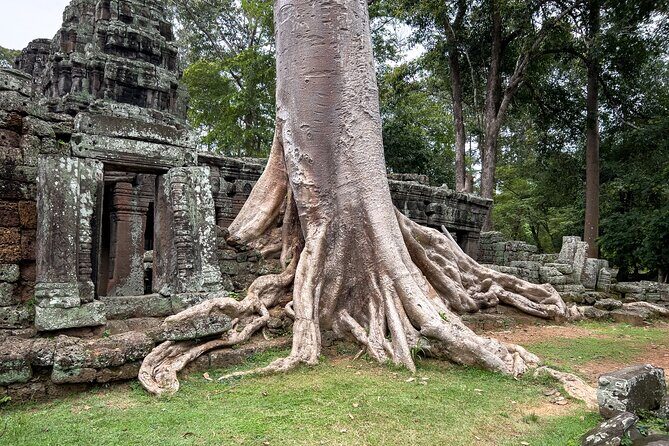
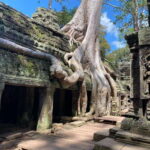
Then comes Ta Prohm—often called the Tomb Raider Temple. It’s easy to see why. The mass of silk-cotton and strangler-fig trees has taken hold in the walls, with roots threading through doorways and stone corridors. The effect is a mix of architecture and nature that feels cinematic without needing any special effects.
On a tour like this, Ta Prohm can feel even better because it’s not the very first stop. You’ve already started with sunrise magic at Angkor Wat, spent time learning the Khmer context, and then you’ve built momentum with Bayon. When you arrive at Ta Prohm, it hits as a contrast—more ruin, more growth, more “alive” feeling.
You’ll likely spend about 1.5 hours here with guided time to look closely. The guide typically helps with photo pacing, including where to stand for better angles, and that matters at a site like this where everyone is trying to shoot the same iconic frames.
Bikes, helmets, and the van team: what makes the day smooth
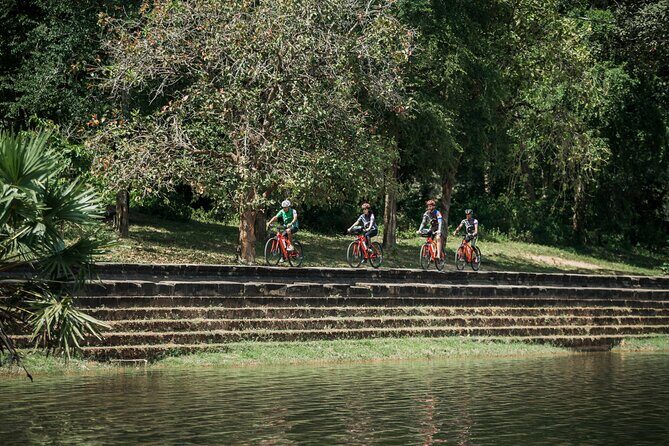
For a day that includes sunrise, biking, and multiple temple tours, logistics can make or break it. This one does well because it’s set up like a system.
You get a bike and helmet on hand, and you’re accompanied by an English-speaking guide plus an air-conditioned minivan that follows along for breaks. The guide team sets expectations and keeps you moving at a pace you can handle. In past runs, guides such as Seng, Thou, Davith, Sarak, Chen, Tot, Moon, and Vichea have led the experience, and the common thread is clear instructions plus a real focus on seeing what you’re looking at.
Support details also matter. Multiple guides and drivers have handled small comforts that keep the day enjoyable—things like cold water on hand and chilled towels after biking stretches. If it’s hot out, those touches change how you feel at mile marker 10, not just at the end.
Also note the practical dress rule: no sleeveless shirts. You’ll be outdoors and walking in temple areas, so a shirt with sleeves makes the day smoother from the start.
Price and what’s actually included for $75
At $75 per person for a 9-hour day, the value comes from combining three expensive-feeling elements into one package: early access timing, guided temple time, and a guided biking experience with equipment.
Here’s what the price includes:
- Bike and helmet
- Hotel pick-up and drop-off
- English-speaking guide
- Transfers and support by air-conditioned minivan during breaks
- Private jungle breakfast picnic
- Snacks, fruits, and bottled water
- Lunch is included for the private tour
Two key things not included:
- The Angkor Wat Pass is required. Plan for that separately.
If you’re comparing costs, don’t just think about “what you’re paying for a bike.” You’re also paying for guide time, temple guidance, and the support structure that prevents the day from turning into an exhausting slog. For many people, that’s the difference between a memorable morning and a half-finished mission.
Who should book this sunrise bike tour, and who might want a different day
This is a great fit if you want the Angkor highlights plus a more active, less-locked-in feel than a tuk-tuk loop. You’ll enjoy it most if you like cycling and want quieter routing through forest areas rather than only driving between the biggest names.
It’s also a strong choice for people who want history explained without feeling stuck in long lectures. Guides on this style of tour tend to point out symbolism and architecture in a way that helps you connect what you see to Khmer culture.
That said, it’s not suitable for pregnant women, and it’s not a great choice if you’re not comfortable with outdoor biking that can include uneven, sandy, or off-road patches. The good news is the van support gives you an out when you need it.
If you’re traveling with kids, child seats are available on request for children up to 14 kg, and kids bikes can be discounted for children 12 and under. The team also asks for each person’s height so they can arrange the right-side bike fit.
And if you have dietary needs, mention them during booking. The breakfast and lunch should be adjusted through the team’s communication with food providers.
Should you book this Siem Reap sunrise bike tour?
If you want Angkor Wat at the best light, plus the Bayon-and-Ta Prohm hits, and you like the idea of doing it on bikes with real support, I’d book this. The combo of sunrise timing, a proper jungle breakfast, and forest trail cycling is exactly the kind of “more than sightseeing” day that sticks.
Book it with eyes open if you’re worried about a long morning and you’re sensitive to rough terrain. Bring the attitude of someone who’s okay with a bit of sand under the tires now and then, and you’ll probably have one of your most memorable mornings in Cambodia.
FAQ
How long is the tour?
The tour duration is 9 hours.
What does the $75 per person price include?
It includes bike and helmet, hotel pick-up and drop-off, an English-speaking guide, transfers with air-conditioned minivan support during breaks, a private jungle breakfast picnic, snacks and fruits, and bottled water. Lunch is included for private tours.
Is the Angkor Wat Pass included?
No. The Angkor Wat Pass is required and not included.
What temples are included?
You’ll visit Angkor Wat, Bayon, and Ta Prohm. You’ll also include a stop at the Terrace of the Elephants.
Is breakfast included, and what is it like?
Yes. You’ll have a chef-prepared private breakfast picnic in a tranquil forest setting within the Angkor complex.
Are there any clothing restrictions?
Yes. Sleeveless shirts are not allowed.
Is the tour suitable for everyone?
The tour is not suitable for pregnant women. Child seats are available on request (up to 14 kg), and you’ll need to share each person’s height for the correct bike setup.