REVIEW · SIEM REAP
Angkor Wat Small-Group Exploration with Expert Guide
Book on Viator →Operated by Green Era Travel · Bookable on Viator
Angkor Wat feels bigger with the right guide. This small-group day in Siem Reap hits the main temples with hotel pickup and drop-off, plus time to ask questions without fighting the crowd. I like the small-group pacing because it keeps you moving, but not rushed, while you work through Angkor Wat, Angkor Thom, Bayon, and Ta Prohm.
Two things I really liked. First, you get an English-speaking guide who can explain what you’re seeing in plain language. I’ve seen guides such as Dy, San, Seth, Sophy, Nak, and Wat lead this kind of route, and the common thread is clear, relaxed storytelling. Second, the tour takes the heat seriously with chilled bottled water, and many drivers also bring cool towels after temple visits.
One thing to plan for: you’re touring for about 6 to 7 hours and the temples mean steps, uneven ground, and long stretches in the sun. Also, the big Angkor ticket is not included, so you’ll likely add the 1-Day Angkor National Park pass ($37) on top of the tour price.
In This Review
- Key things to know before you go
- Why this Angkor Wat day works when Siem Reap is hot
- Price and tickets: what $18 really covers
- Hotel pickup, tuk-tuk vs minivan, and the comfort details
- Stop 1: Angkor Wat—where your day either clicks or drags
- Stop 2: Angkor Thom and Bayon—the Khmer Empire in a tighter loop
- Stop 3: Ta Prohm—ruin, beauty, and time to look
- The guide factor: what you gain beyond the ticket
- Lunch in or near the national park: expect extra cost
- Packing tips that match the real day
- Who should book this Angkor Wat small-group tour
- Should you book this tour?
- FAQ
- Is hotel pickup and drop-off included?
- How long is the tour?
- What temples are included?
- Are temple admission tickets included in the tour price?
- What transportation do I get?
- What should I wear to enter the temples?
- Is lunch included?
- Is there a cancellation window with a full refund?
- Are there any limits for children?
Key things to know before you go
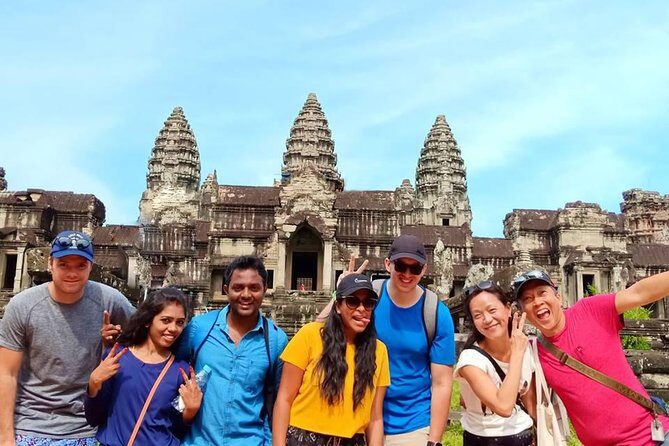
- Small group size (max 12) means you can actually hear your guide and still take photos
- Hotel pickup and drop-off keeps the day easy, especially if your hotel is outside the center
- Tuk-tuk or minivan transport based on group size saves energy compared with solo navigating
- Chilled bottled water is included, and cool towels show up often during temple stops
- You’ll see at least three top temples: Angkor Wat, Bayon, and Ta Prohm, plus Angkor Thom
- Dress code matters: long pants or knee-length skirts/dresses are required at the temples
Why this Angkor Wat day works when Siem Reap is hot
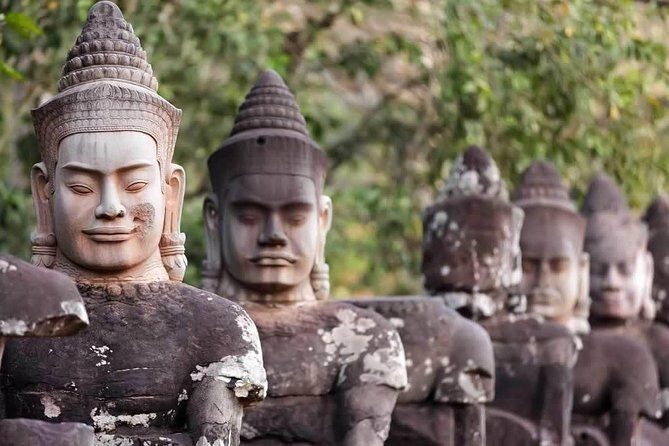
Angkor is famous for a reason, but it can also be exhausting. This tour is built for that reality. You don’t spend your morning figuring out routes or negotiating rides. You get picked up, put in a vehicle, and moved from temple to temple with a guide handling the “what am I looking at?” parts.
The small-group format is a practical win. With up to 12 people, the guide can pause when someone asks a question, and you’re less likely to feel like you’re just being herded. Guides on this route often adapt the pace to the group. In reviews, I saw examples like help on steep or uneven terrain and extra attention for guests who were older or had limits.
Still, keep expectations grounded. This is a full temple day, not a slow stroll in the shade. Even with transport between stops, you’ll do walking, climbing, and standing in sun or humidity.
Other Angkor Wat temple tours we've reviewed in Siem Reap
Price and tickets: what $18 really covers
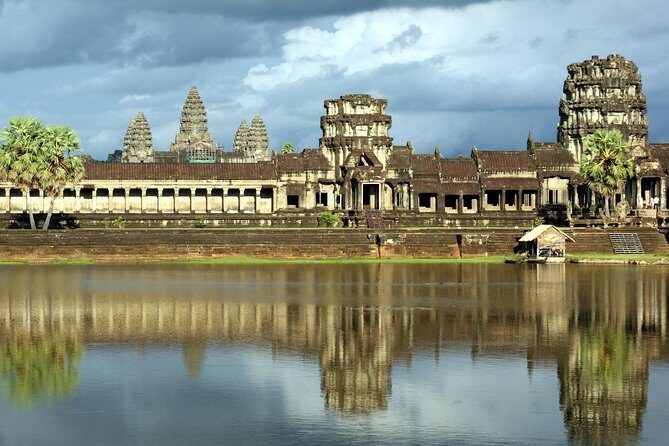
At $18 per person, you’re not paying for temple entry. You’re paying for the guide, the vehicle, and the “day logistics” piece—pickup/drop-off, transport, and the included bottled water. For most people, that’s a good deal because Angkor Wat and the surrounding sites are huge, and having someone explain the carvings and layout can make the visit feel way less confusing.
The key extra cost is the 1-Day Angkor National Park ticket ($37 per person), which is not included. If you’re budgeting, a realistic starting point is roughly $55 for the ticket plus tour fee, before any lunch or snacks.
Food is also not included. The tour typically includes a lunch stop at a local restaurant in the national park area during lunch time, and that can cost more than what you’d find back in town. So think of this as a guided temple day with a lunch option, not an all-inclusive meal plan.
Hotel pickup, tuk-tuk vs minivan, and the comfort details
Pickup and drop-off are one of the best “invisible” perks of this tour. You don’t waste time rallying your group for meeting points, and you don’t have to carry water and navigate tuk-tuk negotiations on temple roads.
Transport changes based on group size:
- 1–2 people: typically by tuk-tuk
- 3 or more people: typically by minivan
That matters because it affects comfort in the heat. A tuk-tuk feels fun and local, but a minivan gives you more cover when the sun is relentless. Either way, chilled bottled water is included during the tour. Many guides also arrange cool towels after temple visits—small touch, big relief when you’ve been in the sun.
One more practical note: this tour is built for a moderate fitness level. Reviews mention steps and safety attention, including help from guides to manage uneven areas and climbing.
Stop 1: Angkor Wat—where your day either clicks or drags
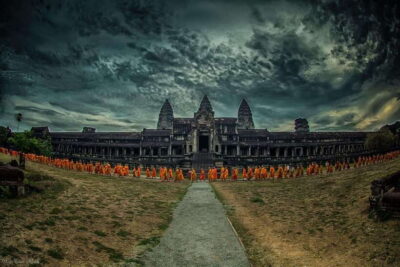
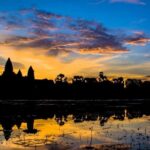
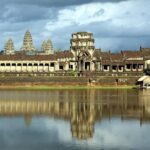
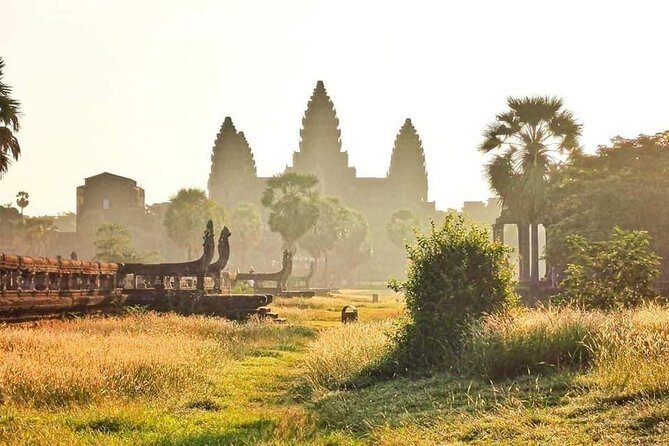
Angkor Wat is the main draw, and this tour starts there. It’s a temple complex at Angkor built for King Suryavarman II in the early 12th century as his state temple and capital city. It’s also described as the best-preserved temple at the site, which is exactly why it’s often scheduled first.
You’re there for about 2 hours, and the admission ticket is not included. That time window is important. Angkor Wat is large, and climbing to higher levels (plus stairs) can take more time than you expect. A good guide helps you pace it—so you see key carvings and viewpoints without burning out before the day even finishes.
If you’re the type who likes structure, you’ll likely appreciate this approach: learn what you’re looking at at Angkor Wat, then carry that understanding into the other temples later. Several guides on this route also help with photo stops, including directing where to stand for standard angles and better compositions.
The only “watch-outs” here are physical and heat-related. Expect steps. Wear shoes that grip. And don’t treat this as a quick photo sprint. The temple rewards slower looking.
Stop 2: Angkor Thom and Bayon—the Khmer Empire in a tighter loop

Next up is Angkor Thom, described as the capital city of the Khmer empire built at the end of the 12th century under King Jayavarman VII. Even if you don’t know the details ahead of time, visiting Angkor Thom after Angkor Wat helps you get the bigger picture: you’re seeing not just individual temples, but a royal city plan.
You’ll spend about 1 hour here. That can feel short, but it’s a good match for a day that also includes Bayon and Ta Prohm. A solid guide uses the time to point out architectural and symbolic details you might otherwise miss. In reviews, guests repeatedly praised guides for explaining carvings and temple meaning in a way that didn’t feel like a lecture.
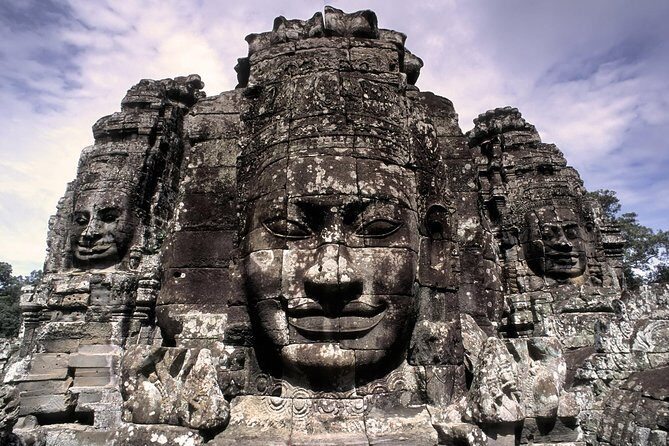
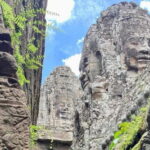
Then comes Bayon Temple. Bayon is another temple at Angkor built as the state temple of Mahayana Buddhist King Jayavarman VII, with construction dated to the late 12th or early 13th century. You get about 1 hour at Bayon as well.
Bayon is often where the tour becomes most engaging for first-timers. You’re moving from the scale of Angkor Wat into a more richly decorated experience. With a guide, you get the stories behind the style and religious symbolism, not just a list of names.
Other guided tours in Siem Reap


Stop 3: Ta Prohm—ruin, beauty, and time to look
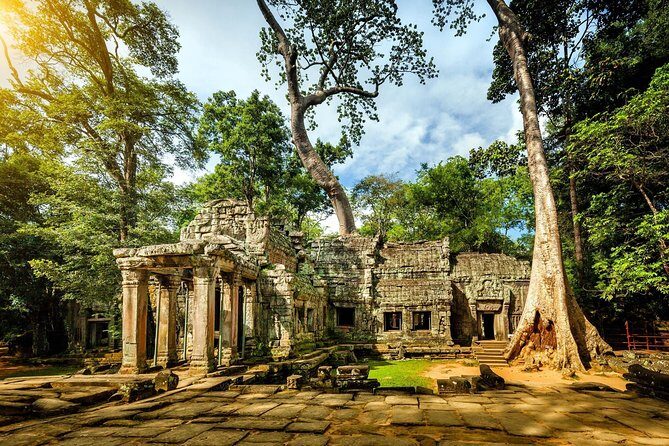
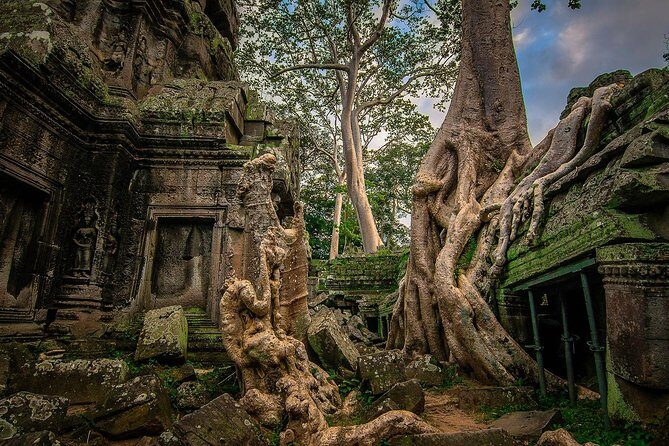
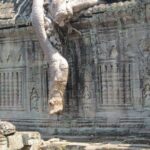
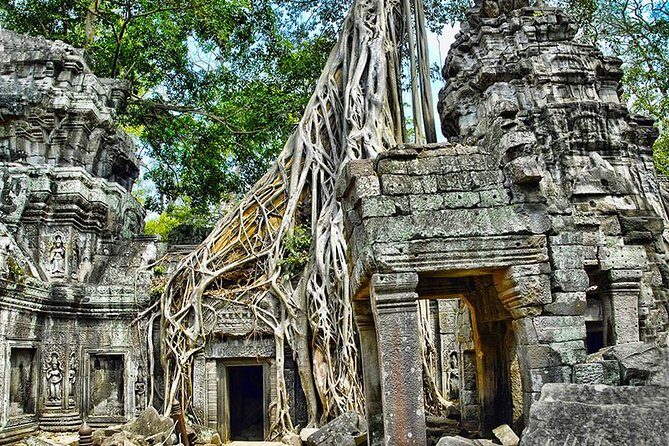
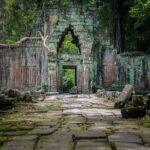
Ta Prohm is different from the earlier stops. The phrase used for it is that its state of ruin is a state of beauty. If you like watching how places change over time, Ta Prohm is where that theme lands.
This tour schedules about 1 hour here. That’s a useful chunk because Ta Prohm rewards careful looking: textures, framing, and the way the temple sits in its surroundings. Reviews also highlight guides who keep the experience paced so you don’t feel overwhelmed with too much information, which can happen on high-tempo temple days.
Ta Prohm is located southwest of the East Mebon and east of Angkor Thom, based on the tour’s description. Practically, that geographic placement matters less than the reality that you’re finishing the main temple loop. By now, you’ll understand what the earlier names mean, and you can compare how each temple communicates its purpose.
The main drawback here is simple: by this point, you’ve already climbed stairs and walked a lot. If you’re prone to foot pain, plan to slow down at Ta Prohm rather than rushing through.
The guide factor: what you gain beyond the ticket
This tour’s real value is the guide work. The temple complex can overwhelm you fast. A guide helps you make sense of what you see—especially carvings and architecture—so the day turns into understanding, not just sightseeing.
Across the reviews, the most praised guide traits were practical storytelling and helpful pacing. I kept seeing the same ideas:
- guides explain history and symbolism in a relaxed way
- they encourage questions
- they help with photos at the best points
- they adapt to the group’s pace and limits
- drivers support with cooling stops like cold towels and drinks
I also like that the tour tends to feel collaborative. In reviews, guests talked about getting enough time to ask questions and getting help navigating steps safely. One guest even described a guide holding their arm up and down steep or uneven terrain, and another mentioned extra respect for limits during a hot, stair-heavy visit.
If you’re traveling solo or as a couple and want a day that feels personal rather than mechanical, this is the sort of guide-led structure that makes the difference.
Lunch in or near the national park: expect extra cost
Lunch isn’t included as part of the package price. What you do get is a planned lunch stop during lunch time at a local restaurant in the national park area, described as the best choice for the tour.
That’s handy if you don’t want to hunt for food mid-day. But it also explains why lunch can cost more than what you’ll find back in town. If you’re the type who likes to control spending, bring along a snack for the in-between hours, and treat the sit-down meal as a convenience rather than a bargain.
The good news: the tour timeline accounts for lunch without leaving you stuck for hours searching for a place to eat. It’s one of those trade-offs—pay a bit more for simplicity.
Packing tips that match the real day
This tour has one strict rule you can’t ignore: long pants or knee-length skirts/dresses are required for the temples. That means no quick outfit workaround once you’re there.
Beyond that, think in terms of comfort. Expect:
- stairs and uneven footing at multiple sites
- bright sun and heat
- a full 6–7 hour day with walking
Wear shoes that grip and socks or insoles that can handle long standing. Bring something for sweat and sun control. The tour provides chilled bottled water, and many drivers add cool towels, but you still want to be comfortable for the walking parts.
Who should book this Angkor Wat small-group tour
This is a great fit if you’re:
- a first-timer to Angkor who wants a smart overview
- interested in temple meaning, not just photos
- the type who likes having time for questions
- traveling with one or two people (tuk-tuk can be fun) or a small group (minivan can feel calmer)
It’s also a good choice if you like a guide who can adapt. Reviews include examples of guests receiving extra help on steps and uneven areas.
If you want a slow, free-form day where you spend the whole morning at just one spot, you might feel boxed in by the time allocations. But if you want the key temples in one outing, this format makes sense.
Should you book this tour?
Yes—if your goal is to see the top Angkor temples with an English-speaking guide, comfortable pickup/drop-off, and real support in the heat, this is strong value at $18 plus the Angkor National Park ticket.
I’d book it if you want structure, you like learning as you go, and you don’t want to wrestle logistics while you’re in Siem Reap. Skip it only if you’re trying to travel on the cheap without adding the $37 park pass, or if you can’t handle steps and long walking days even with a careful guide.
If you go, plan for the extra ticket and wear temple-appropriate clothing. Then enjoy the best part: turning Angkor Wat from a famous name into something you can actually understand.
FAQ
Is hotel pickup and drop-off included?
Yes. The tour includes hotel pickup and drop-off, and it ends with a return transfer back to your hotel (or a requested drop-off within the city center).
How long is the tour?
It runs about 6 to 7 hours.
What temples are included?
You’ll visit Angkor Wat, Angkor Thom, Bayon, and Ta Prohm.
Are temple admission tickets included in the tour price?
No. Temple admission is not included. The 1-Day Angkor National Park ticket is listed separately at $37 per person.
What transportation do I get?
Transportation is included. For 1–2 people you’ll travel by tuk-tuk, and for 3 people and up you’ll travel by minivan. Cold bottled water is provided during the tour.
What should I wear to enter the temples?
You need long pants or knee-length skirts/dresses.
Is lunch included?
Food and drinks are not included in the price. The tour normally includes a lunch stop at a local restaurant in the national park during lunch time, which can be more expensive than restaurants in town.
Is there a cancellation window with a full refund?
Yes. Free cancellation is available, and you can cancel up to 24 hours in advance for a full refund.
Are there any limits for children?
Children must be accompanied by an adult.