REVIEW · SIEM REAP
2-Day Angkor Wat With Small, Big Circuit & Banteay Srei Tour
Book on GetYourGuide →Operated by Happy Angkor Tour Cambodia · Bookable on GetYourGuide
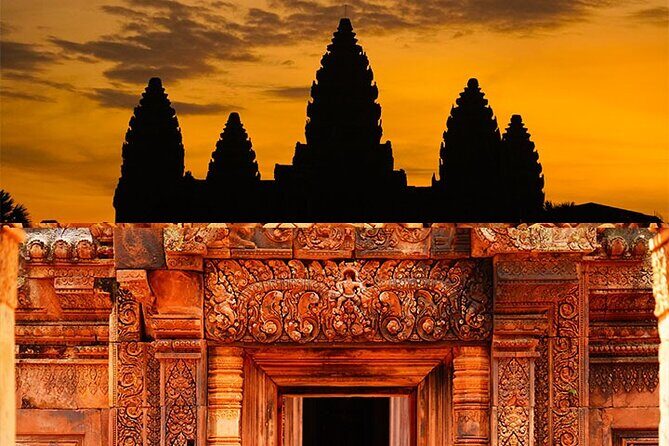
One of the best ways to see Angkor is with a private rhythm. This 2-day plan pairs Angkor Wat sunrise with the small and big circuits, then adds the pink-sandstone beauty of Banteay Srei without making the day feel like a race.
I love how the itinerary mixes the big icons with quieter stops and photo-friendly viewpoints. I also like that the guide work is hands-on, so you’re not just staring at stones—you’re getting context as you walk.
One drawback to think about: you still need to buy your temple pass (and pay for meals), so the $136 rate mainly covers the guiding and transport, not entry and food.
In This Review
- Key highlights at a glance
- Angkor Wat sunrise and the small circuit: why this tour works
- Angkor Wat: start with the causeways, not just the photos
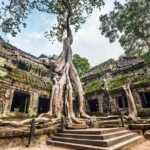
- Ta Prohm’s tree roots and the Tomb Raider factor
- Ta Nei and the transition into Angkor Thom
- Bayon, Baphoun, and the reclining Buddha
- The Royal Enclosure terraces: Elephant, Leper King, and more
- Phnom Bakheng sunset: plan for steps and big views
- Day 2 sunrise and the big circuit: temples with different moods
- Prah Khan: scale and atmosphere in the big circuit
- Neak Poan and Ta Saom: calmer moments between landmarks
- East Mebon and Pre Rup: dramatic viewpoints for an ending
- Banteay Srei and Banteay Samre: pink sandstone and a sharper finish
- Guide and driver quality: what the reviews hint at
- Transport, comfort, and how to pack for 2 days
- Temple pass and meals: what you should budget beyond $136
- Who this tour fits best
- Should you book this Angkor Wat small and big circuit tour?
- FAQ
- Do I need a temple pass for this tour?
- Is food included during the 2 days?
- What’s included in the tour price?
- How many people are on the tour?
- What temples are included across the two days?
- Is the guide language English?
Key highlights at a glance
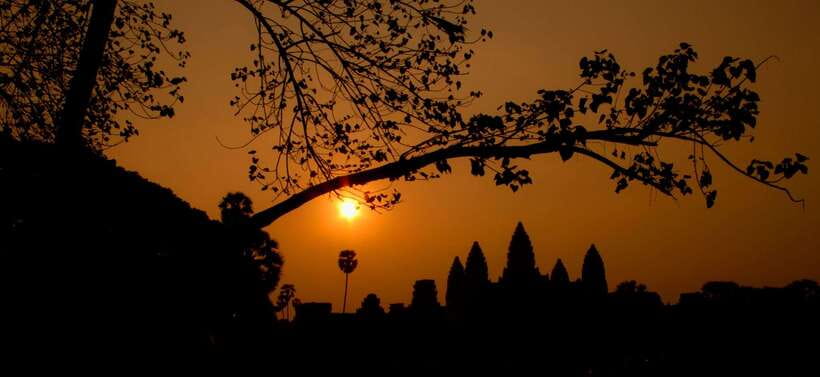
- Sunrise at Angkor Wat, with practical timing so you’re there before the crowds build.
- Ta Prohm’s giant tree roots show up in cinematic form, but you’ll see it up close and walk the paths at your pace.
- Angkor Thom’s major sights in one flow: Bayon’s towers, Baphoun, and the terraces around the Royal Enclosure.
- Big Circuit temples with classic variety: Prah Khan, Neak Poan, Ta Saom, East Mebon, and Pre Rup.
- Banteay Srei’s pink sandstone (Ladies Temple) finishes the trip with a different look and feel.
- Comfort touches like cold water and face towels at stops, plus a private air-conditioned van.
Angkor Wat sunrise and the small circuit: why this tour works
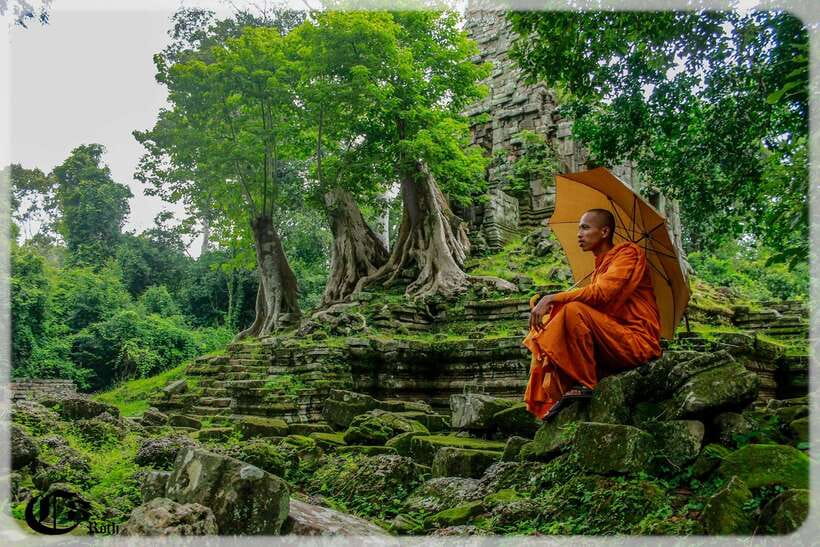
The whole feel of this tour comes down to timing and order. Day 1 is built around the big visual payoff first (Angkor Wat), then it moves through the small circuit with a logical sequence that reduces backtracking time. That matters at Angkor, where heat, stone steps, and long distances can wear you down fast.
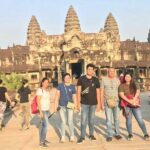
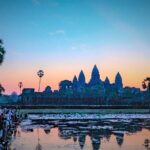
Angkor Wat is your Day 1 anchor. You’ll start with a few hours inside the huge temple complex, learning how it was designed and how people used it religiously. Even if you’ve seen photos, the scale hits differently when you’re standing on the causeways and looking back toward the moat and towers.
After that, the tour shifts into the small circuit. You’ll visit Ta Prohm, with its famous tree roots weaving through stone. This is one of those stops where a guide’s timing helps: you’ll see the temple’s mood without spending your whole day stuck in the most congested moments.
If you're still narrowing it down, here are other tours in Siem Reap we've reviewed.
Angkor Wat: start with the causeways, not just the photos
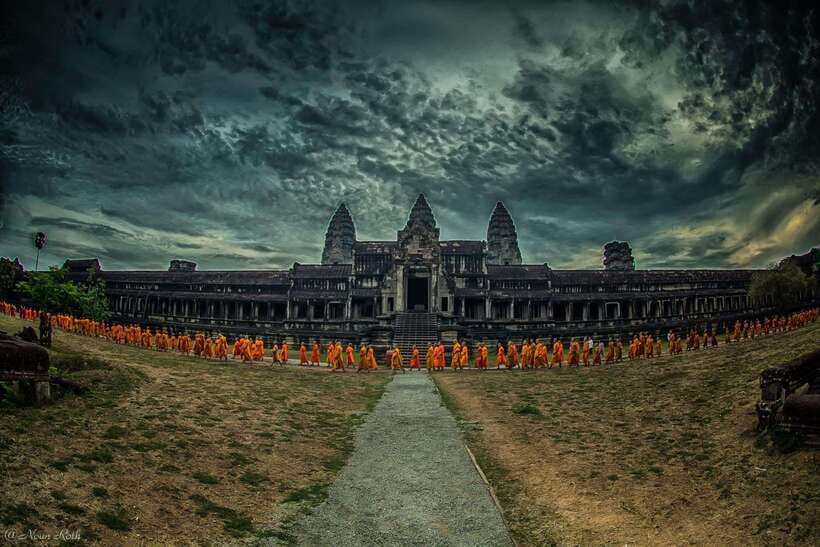
Angkor Wat Temple is often treated like a checklist item. On this tour, you get enough time to notice how the site is layered: gates, corridors, courtyards, and the major structures that guide your eye toward the center. That structure is part of why it still feels powerful.
Practical note: this is the kind of walking day where you’ll want comfortable shoes and a light layer for shade breaks. Temple visits mean uneven surfaces and steps, and you don’t want to spend the day thinking about blisters.
Ta Prohm’s tree roots and the Tomb Raider factor
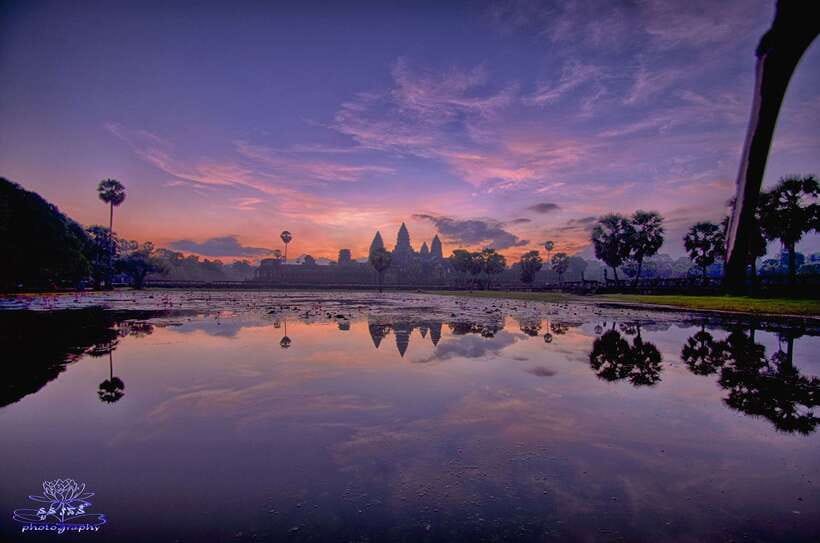
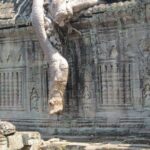
Ta Prohm is famous for a reason. The towering fig trees and the roots clinging to carvings make it feel less like a restored monument and more like a place nature is actively reclaiming. It’s also the temple many people associate with Tomb Raider, but your experience will be more than a pop-culture reference once you learn what you’re looking at.
A good guide here can change the experience. In the reviews, guides like Chhay are praised for finding strong picture spots, which often means standing in the right place for light and angles without wasting time walking in circles. If photography matters to you, this is one of the stops where it really shows.
Ta Nei and the transition into Angkor Thom
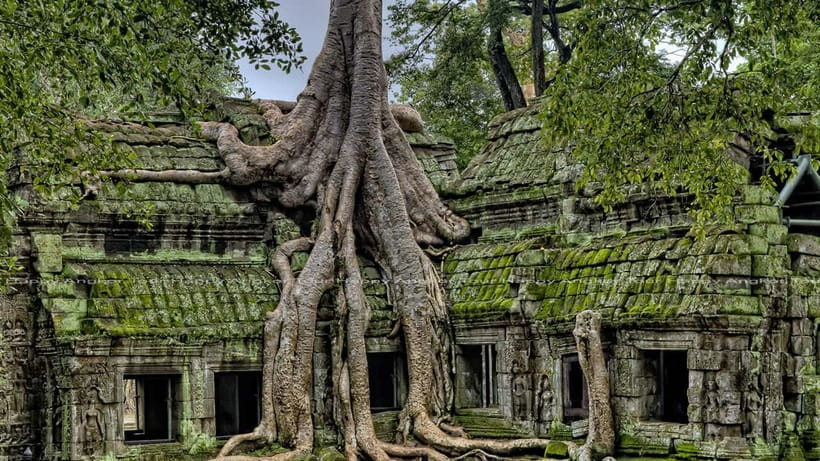
Once the small circuit ends, the tour carries you into the bigger story of Angkor Thom. You’ll stop at Ta Nei, then move into the walled city with entry starting from the Victory or Death Gate (your exact start point can vary). Either way, you’re walking into the core with a sense of arrival.
From there, you’ll reach Bayon, famous for its 49 smiling towers. This part isn’t only about the faces. It’s also about the layout—corridors, levels, and terraces that create a slow-moving feel as you follow the flow of the city.
Bayon, Baphoun, and the reclining Buddha
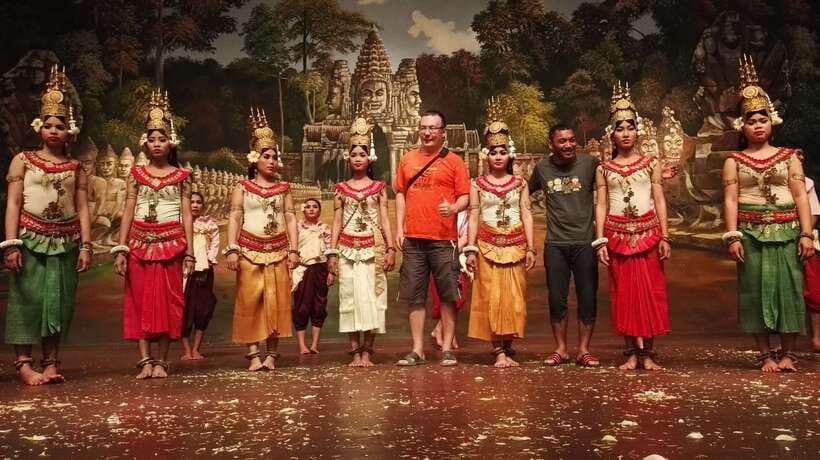
Bayon can be intense. The towers sit close enough that you feel surrounded, not like you’re viewing a distant skyline. With a guide, you’ll understand what the carvings and positioning suggest about the temple’s religious purpose and how the site communicates power.
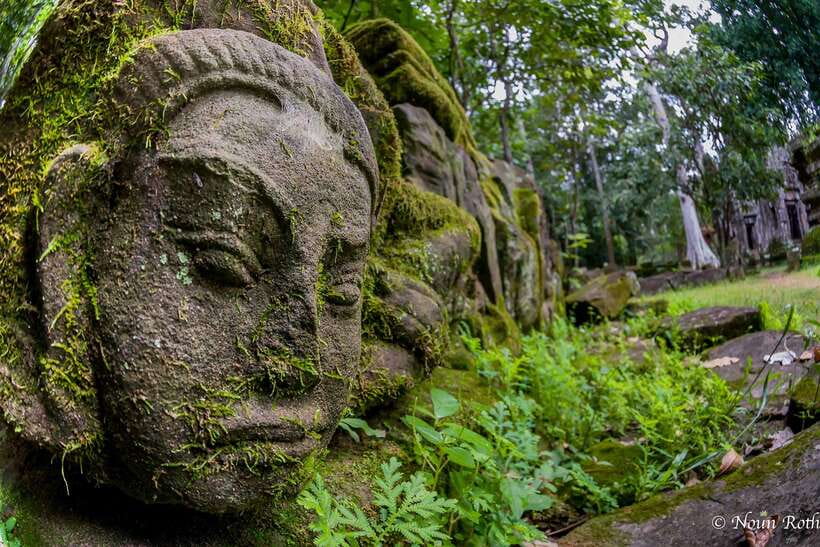
Nearby, you’ll visit the Hindu Baphoun temple. Behind it, you’ll see the immense Reclining Buddha. This stop gives you a change in tone from the stern geometric layout of some structures, and it helps break up the day so you’re not just stacking one temple photo after another.

The Royal Enclosure terraces: Elephant, Leper King, and more
Angkor Thom doesn’t end at Bayon and Baphoun. The tour continues through the Royal Enclosure area and key terraces, including the Royal Enclosure Wall, Phimeanakas, Elephant Terrace, Leper King Terrace, and Palilay.
This is where your guide really earns their fee. Without context, terraces can blur together as stone platforms and carvings. With explanations, you can start connecting what you’re seeing to the culture and myth inside the site.
Phnom Bakheng sunset: plan for steps and big views
You’ll finish Day 1 with sunset from the hill of Phnom Bakheng. The view is the payoff: you look out over Angkor’s wider temple zone with the light softening on stone. It’s also a moment where timing and pacing matter, because getting up and back from the hill is physically demanding.
If you don’t love climbing, wear something that lets you move quickly and safely. Bring water, and listen to your guide’s advice about where to stand for the best view and photo angle.
Day 2 sunrise and the big circuit: temples with different moods
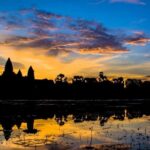
Day 2 starts bright and early for sunrise at Angkor Wat. Seeing Angkor Wat again after a full Day 1 visit can sound repetitive, but it’s not, because sunrise changes everything—shadows, reflections, and the overall atmosphere.
After sunrise, you’ll return for breakfast (or you can grab food at a restaurant, which isn’t included). Then it’s time for the Big Circuit temples: Prah Khan, Neak Poan, Ta Saom, East Mebon, and Pre Rup.
This is a great setup if you want range. The small circuit gives you the famous hits. The big circuit gives you more variation in architecture and setting, plus fewer chances to feel like you’re repeating the same exact visual pattern.
Prah Khan: scale and atmosphere in the big circuit
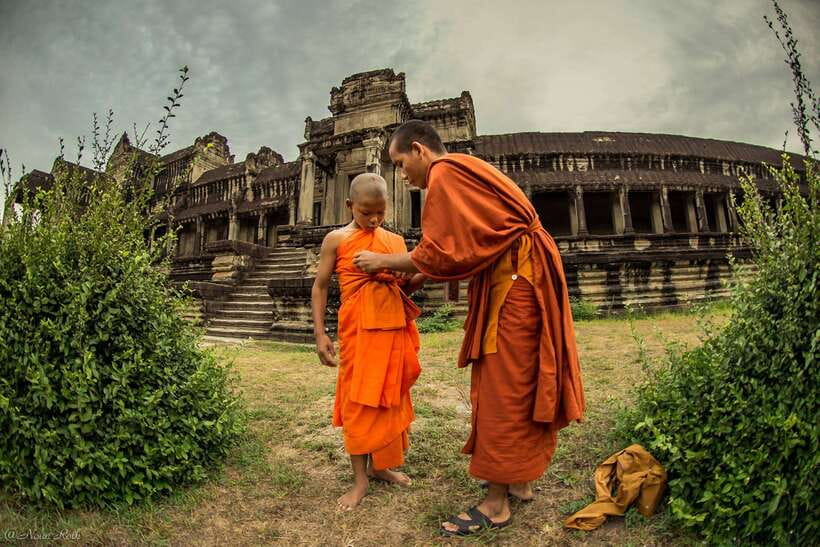
Prah Khan is one of the more interesting stops because it feels like a living temple complex rather than a single showpiece. You’ll see structures laid out across a larger site, and there’s more room to wander compared to some of the tighter areas.
A private guide helps here because you can move with purpose. You’re not just following the crowd. You’re getting pointed toward what matters and then allowed to spend time looking.
Neak Poan and Ta Saom: calmer moments between landmarks
Neak Poan adds variety. It has a distinct look and gives you a break from the heavier temple zones. Ta Saom is another highlight, often less crowded than the most famous names, which means it can feel more relaxed when you’re inside.
If you like temples that feel slightly off the main route, these are good bets. And if you get tired, your guide can adjust the pace—this comes up in reviews as a big strength, with guides tailoring the speed to the group.
East Mebon and Pre Rup: dramatic viewpoints for an ending
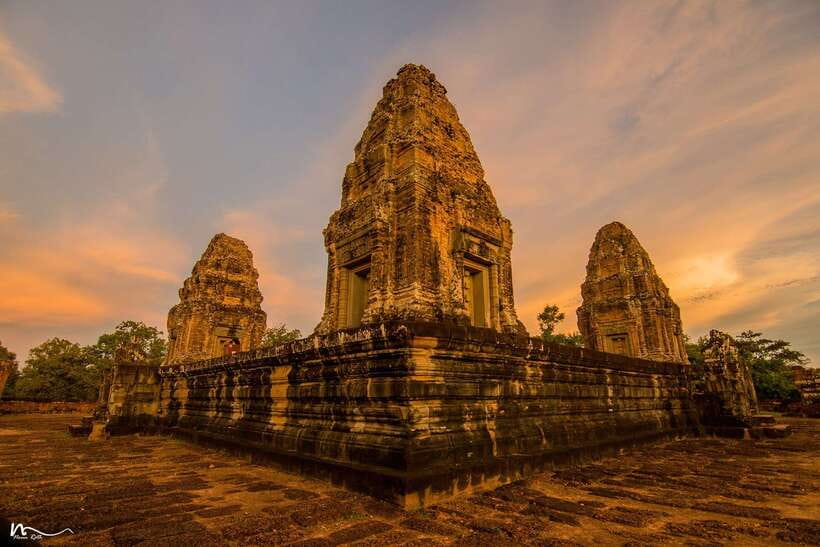
East Mebon offers a different architectural feel before Pre Rup. Pre Rup is especially popular for viewpoints, because you’re usually moving through raised areas with open lines of sight back across the temple zone.
This final stretch is where you start noticing temple design as a system: where walls sit, where you climb, and how the views are meant to frame the sacred space. With a guide explaining what you’re seeing, it clicks.
Banteay Srei and Banteay Samre: pink sandstone and a sharper finish
After lunch (not included), the tour drives you out into villages and rice-paddy fields, and then you reach Banteay Srei, also known as Ladies Temple. This is the temple most people talk about for its pink sandstone.
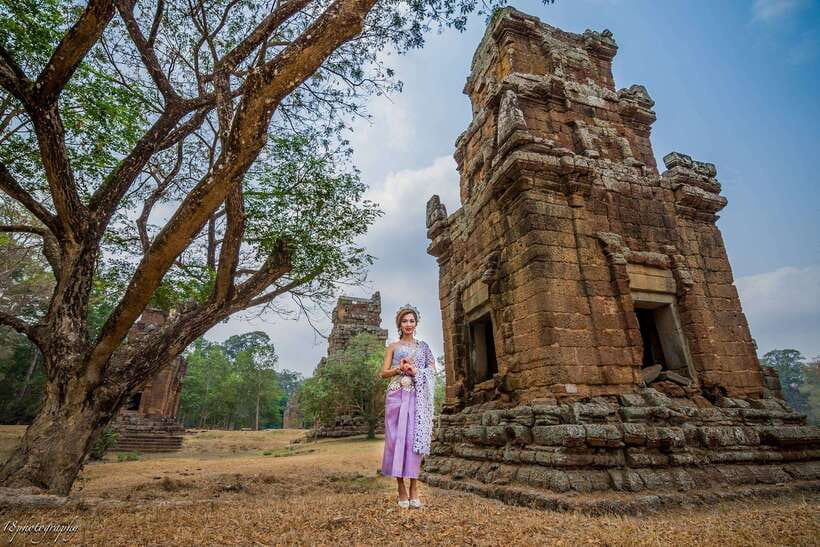
Banteay Srei is a different experience from the main Angkor zone. The stone color changes the mood instantly, and the carvings feel more intimate. It’s a good choice as a late-day or Day 2 stop because it helps the tour end on something visually distinct rather than repeating the same stone structures you’ve been seeing since sunrise.
You’ll also visit Banteay Samre and then continue to Banteay Kdei. Those stops keep the journey varied, so your last day feels like a set of discoveries rather than a single long finale.
Guide and driver quality: what the reviews hint at
The strongest feedback centers on the guide-and-driver pairing. Names that come up include Bunhak and Chhay, with drivers such as Sreang and That noted for being friendly and responsive. The key theme is simple: you get someone who knows how to manage time and viewpoints.
In practical terms, that can mean:
- you avoid unnecessary walking back to the parking area
- you enter and exit temples in ways that reduce congestion
- you get cold water and face towels at stops, not just at the start
It also shows up in the way some guides find picture spots. If you care about photos, this matters because a good angle often takes you five minutes. A bad angle can take an hour.
Transport, comfort, and how to pack for 2 days
This is a private tour with hotel pickup and drop-off, and you travel in an air-conditioned van. You also get cool drinking water and face towels, which helps a lot in Siem Reap heat.
Even with a comfortable vehicle, you’ll still walk temple ground and climb stairs. Bring:
- sunscreen and a hat
- water bottle if you like to sip between stops (you’re provided water, but having your own can help)
- comfortable shoes with grip
- a light layer for morning and evening air
If you’re prone to heat fatigue, Day 1’s big schedule and Day 2’s early start are worth planning around. This tour’s pacing can be adjusted, but you’ll still be outdoors.
Temple pass and meals: what you should budget beyond $136
The price is $136 per person for 2 days, and it covers pickup/drop-off, a private air-conditioned vehicle, your guide, and in-tour comfort items like cool water and face towels. It does not include the temple pass or food.
For entry, you can purchase a 2–3 day temple pass for $62 per person. Children under 12 have free entrance. Meals are available for purchase at local restaurants during breaks.
So the real value question is: does it save you time and hassle? For most people, yes. A temple pass plus meals could add up fast if you’re trying to piece everything together yourself. Here, the guide organizes the day so you can focus on the temples rather than logistics.
Who this tour fits best
This tour fits best if you want:
- two full days without splitting your plans across multiple tour companies
- a private guide who can explain what you see in English
- a mix of iconic and less-expected temple stops
- a sunrise experience that’s more than just showing up at random
It’s also a good match if you like photos. The tour order and guide approach seem to prioritize viewpoints and timing. If you want to learn while you walk, you’ll get more out of the carvings and layout than you would on a purely self-guided visit.
Should you book this Angkor Wat small and big circuit tour?
I’d book it if you want the Angkor essentials but also care about understanding them. The combination of Angkor Wat, Ta Prohm, Angkor Thom, Big Circuit temples, and Banteay Srei gives you a full Angkor snapshot with a strong end note.
Skip it or reconsider if you hate early mornings. Day 2 sunrise is part of the core plan, and Day 1 ends with a sunset climb. If you’d rather sleep in and take things very slowly, you might prefer a more flexible daytime-only itinerary.
Finally, if value matters, look at what’s included: private transport, guide time, hotel pickup/drop-off, and comfort items. Add the temple pass and your meals, and you’ll have a predictable budget for a two-day Angkor visit that’s built to keep you moving intelligently.
FAQ
Do I need a temple pass for this tour?
Yes. The tour does not include the temple pass. You can purchase a 2–3 day temple pass for $62 per person, and children under 12 have free entrance.
Is food included during the 2 days?
No. Lunch breaks are part of the schedule, but food is not included. You’ll have opportunities to buy lunch at local restaurants.
What’s included in the tour price?
Hotel pickup and drop-off, private air-conditioned transportation, a guide (English), cool drinking water, and face towels are included.
How many people are on the tour?
It’s a private group, so you’ll tour with just your party rather than mixing with a large group.
What temples are included across the two days?
You’ll cover Angkor Wat, Ta Prohm, Ta Nei, Angkor Thom (including Bayon and more sites inside the city), and the Big Circuit temples like Prah Khan, Neak Poan, Ta Saom, East Mebon, and Pre Rup. You’ll also visit Banteay Srei, plus Banteay Samre and Banteay Kdei.
Is the guide language English?
Yes. The live tour guide is listed as English.
If you want, tell me your travel month and your top priority (sunrise photos, carvings, or avoiding crowds), and I’ll suggest the best day-by-day approach within this exact route.