REVIEW · SIEM REAP
Full-Day Guided Sunset Tour of Angkor Wat
Book on Viator →Operated by Angkor Wat Travel Tour · Bookable on Viator
Sunset at Angkor Wat is a timing game. This guided day strings together the big temples—Angkor Wat, Banteay Kdei, Ta Prohm, Bayon—then finishes at Phnom Bakheng so you’re in position for the light without spending hours figuring out routes.
I especially like the comfort touches: cold water and cold towels from the vehicle team, which matters fast in Siem Reap heat. And I like the pacing. Guides such as David and Rith are repeatedly praised for keeping a tight schedule while still giving you time to look closely and ask questions.
One thing to factor in: the $19 tour price excludes the Angkor entrance ticket and meals. So your real budget is higher than the headline price, even though the guided structure is still good value.
In This Review
- Quick Takeaways
- Why Angkor Wat Sunset Works Best With a Route
- Price and Logistics: What $19 Really Covers
- Pickup, Group Size, and the Pace You’ll Feel
- Stop-by-Stop: Angkor Wat to Banteay Kdei
- Angkor Wat (Morning anchor)
- Banteay Kdei (A quieter kind of classic)
- Ta Prohm and Bayon: The Temple Contrast That Makes the Day Click
- Ta Prohm (The fig tree temple)
- Bayon Temple (faces and religious layers)
- Phnom Bakheng Sunset: The Final Climb and Best-Guess Planning
- Meals, Tickets, and Dress Rules That Keep the Day Smooth
- Guides, Drivers, and the Little Comforts That Actually Matter
- Who This Tour Fits Best (and Who Might Want Something Different)
- Should You Book This Full-Day Guided Sunset Tour?
- FAQ
- How long is the full-day guided sunset tour?
- What time is pickup in Siem Reap?
- What is included in the tour price?
- Are temple entrance tickets included?
- Which temples are included in the itinerary?
- Are meals included?
- How many people are in the group?
- What is the cancellation policy?
Quick Takeaways
- Small-group max of 15: easier to move and ask questions than big bus crowds.
- Cold water and cold towels: a serious upgrade on a hot day.
- Five key temple stops: Angkor Wat plus Ta Prohm, Bayon, and Banteay Kdei in one run.
- Sunset finish at Phnom Bakheng: the day is built around getting you there in time.
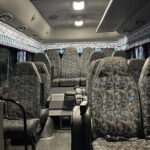
- Air-conditioned transport: you get breaks from the heat between sites.
Why Angkor Wat Sunset Works Best With a Route
Angkor is huge, and the difference between a good day and a frustrating day is simple: you need timing. This tour treats the day like a plan, not a guess. You start late morning, work through the main temples in a sensible order, then shift focus to sunset as the day winds down.
The other big win is that you’re not doing the “walk, stop, wrong turn, panic” routine inside the Angkor complex. A guide does the sequencing for you. That’s not just convenience. It also helps you see the temples in an order that makes historical sense.
And yes, sunset is the headline. But the real payoff is that the tour sets you up so you can enjoy the temples first, then relax into the evening light rather than sprinting through stone structures while crowds swirl.
Other Angkor Wat sunset tours we've reviewed in Siem Reap
Price and Logistics: What $19 Really Covers
The tour is listed at $19 per person, which is a strong starting point for guided transport and an English guide for most of a day. Your additional costs are clearly marked: the entrance ticket is $37 per person, and meals (breakfast, lunch, dinner) are not included.
So what’s the real value?
- You’re paying for an organized day with an air-conditioned vehicle, a guide, and the cold-water comfort extras.
- You’re paying an extra amount for the actual temple access.
- You’re still responsible for food, so plan on budgeting for lunch.
If you’re the type who hates wasting daylight on logistics, this price structure can feel fair. If you’re trying to go as cheap as possible and you already know your way around, you might prefer a self-guided route. But if you want a smooth, guided flow that ends at sunset, this setup is the kind that saves time and energy.
Pickup, Group Size, and the Pace You’ll Feel
Pickup runs between 8:30 AM and 9:00 AM from your hotel. From there, the day follows a standard temple circuit: timed stops, guided explanations, and enough time at each site to actually look instead of just passing through.
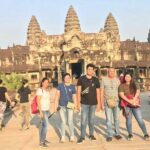
This is not a huge group day. The max is 15 travelers, which is one reason people keep praising how the tour doesn’t feel rushed. With a smaller group, you’re less likely to get separated, and it’s easier for the guide to manage everyone’s timing when they want photos or extra viewing time.
Also, the vehicle being air-conditioned is a practical detail that matters more than you’d think. You’ll do a lot of walking on uneven surfaces and in bright sun. The breaks between temples keep the day from turning into pure exhaustion.
Stop-by-Stop: Angkor Wat to Banteay Kdei
Angkor Wat (Morning anchor)
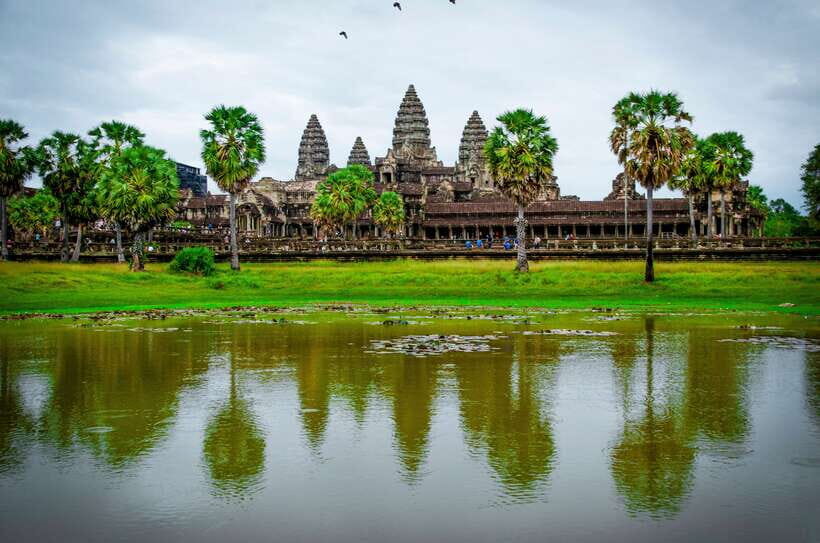
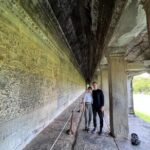
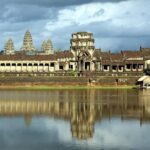
Angkor Wat is the heart of the day. You get about 2 hours here, which is enough time to see the main spaces without feeling like you’re on a conveyor belt. You’ll also learn what you’re looking at—where the layout matters, what the carvings suggest, and why this temple became such a symbol of the Khmer world.
A good guide changes Angkor Wat from stone to story. It’s still awe-inspiring on its own, but the explanations give you something to “read” while you walk.
Other Angkor Wat temple tours we've reviewed in Siem Reap
Banteay Kdei (A quieter kind of classic)
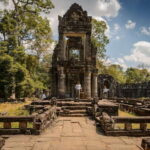
Next is Banteay Kdei, with about 45 minutes on the site. This one is built by King Jayavarman VII in the late 12th century, and it’s known for being largely unrenovated. That matters because you get a more lived-in texture—less polished, more weathered, and often more atmospheric.
Potential drawback: because it’s less polished, you may spend more time just figuring out what you’re seeing. A guide helps here by pointing out the structural features that you might otherwise miss in quick photos.
Ta Prohm and Bayon: The Temple Contrast That Makes the Day Click
Ta Prohm (The fig tree temple)
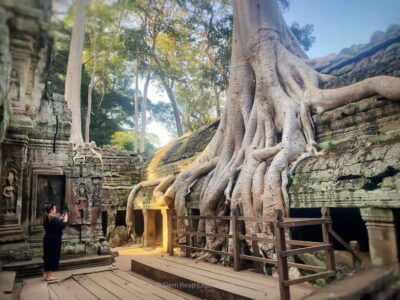
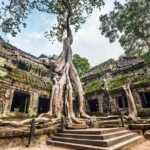
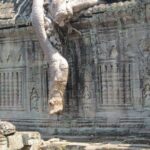
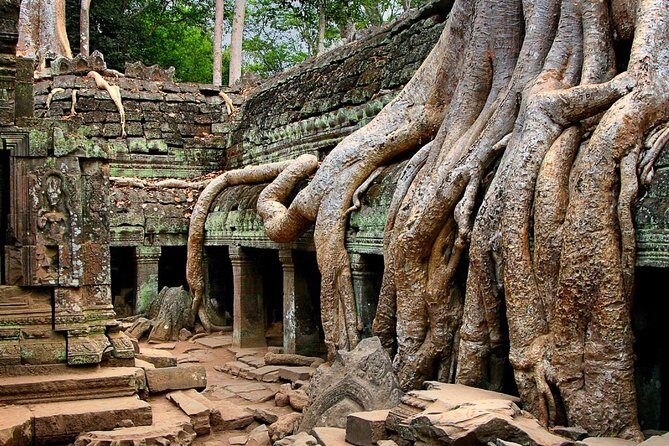
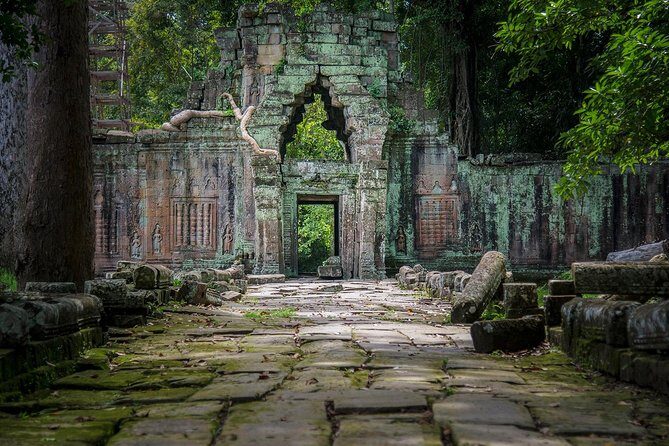
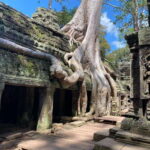
Ta Prohm is the dramatic one for photos: gigantic fig trees wrapped around temple structures, with roots and stone locked together like a long-term sculpture project. You’ll have about 1 hour here.
This stop can feel slightly different from the others because the trees steal attention. That’s not a bad thing. It’s one of the ways Angkor surprises you. Instead of one big “look at me” moment, you get detail, texture, and a sense of time—nature growing into an ancient site.
Bayon Temple (faces and religious layers)
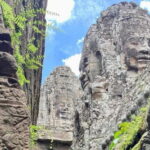
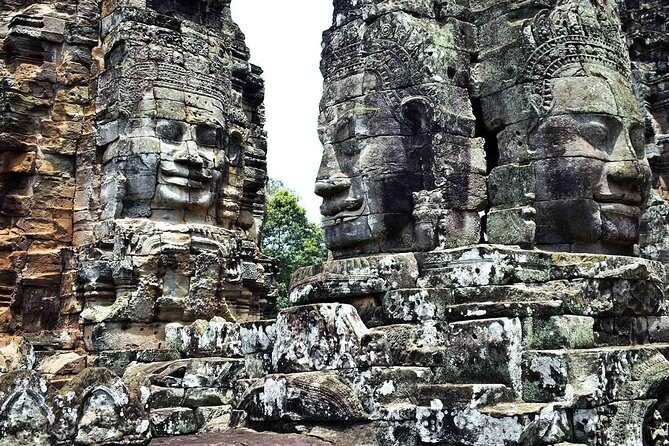
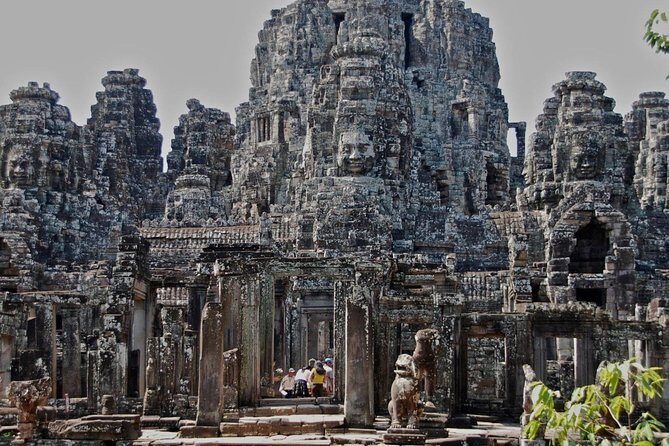
Then you’ll head to Bayon Temple, about 1 hour. Bayon is famous for its Buddhist architecture and the hundreds of stone faces, which pop out even when you’re tired from the morning heat.
This is a good mental pivot after Ta Prohm. The vibe shifts from nature-over-stone drama to structured, human-faced symbolism. If you like understanding how Khmer religion and politics overlap in architecture, Bayon is where that story starts to feel very real.
One practical note: this is a popular area. Give yourself permission to slow down and look up. The faces and carvings are hard to appreciate if you’re only focused on moving.
Phnom Bakheng Sunset: The Final Climb and Best-Guess Planning
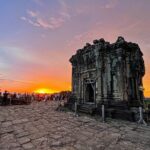
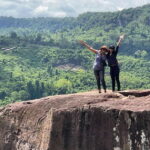
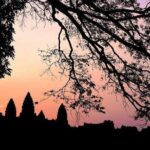
Phnom Bakheng is the finish line, with about 1 hour set aside for sunset views. It’s also the state temple tied to the first Khmer capital, so it’s not just a random hill stop. The timing is the point: you come here as the day cools and the sky shifts.
What can you expect? A climb up steps to a viewpoint. That means:
- Wear footwear with good grip.
- Expect stairs and uneven footing.
- If you’re sensitive to heat or crowds, take water seriously earlier in the day.
Guides often help with photo timing and placement. You’ll likely get advice on where to stand so you can see the sun’s movement rather than only chasing the perfect camera angle.
Practical tip: sunrise and sunset at Angkor are popular for a reason. If you want calm photos, choose moments carefully—watch how the crowd flows and take your shots in short windows rather than locking yourself into one spot for too long.
Meals, Tickets, and Dress Rules That Keep the Day Smooth
Meals are not included. You’ll have a lunch break, but it’s not guaranteed to be a quick, friction-free reset. If you’re building a day around precise timing, accept that the lunch stop can affect how much “wiggle room” you have later.
For tickets, budget for the $37 entrance fee per person. This tour doesn’t include that cost, so plan ahead. A big practical detail: make sure you don’t lose your temple ticket for the day, because it’s the key to entry across the Angkor sites.
Dress matters. Angkor temples require respectful clothing, and it’s smart to wear something that covers knees and shoulders. If you show up dressed too casually, you can end up spending time fixing it right when you’d rather be starting the temple circuit.
Also bring sun protection. You’ll be outside most of the day. Even with air-conditioned travel between stops, the temple walks are exposed.
Guides, Drivers, and the Little Comforts That Actually Matter
The most consistently praised part of the experience is the human rhythm: guides keeping the day moving while still making time for questions and photos. Names that show up often include David, Rith, Paul, Mare, Huot, and Chhun. The common thread is that they manage timing and explain what you’re seeing in a way that makes the temples feel clearer, not just louder.
The driver support also gets real credit. People talk about getting cold water and cold towels whenever they return to the minibus. That doesn’t sound “touristy,” but it changes how you experience a hot, long day.
If you want a classic temple day without the stress, this is the type of tour where that comes through. The guide’s job isn’t just pointing. It’s helping you pace yourself—so you’re not wrecked by mid-afternoon and rushing the sunset.
Who This Tour Fits Best (and Who Might Want Something Different)
This is a great fit if you:
- Want to see the core Angkor sites in one day without navigating on your own.
- Prefer a structured route ending in a sunset viewpoint.
- Appreciate small-group comfort (max 15) and clear timing.
You might consider another option if:
- You’re traveling extremely budget-only and don’t want to add guided costs on top of tickets and meals.
- You want maximum flexibility to linger at each temple longer than the set durations.
- You don’t like stair climbs near sunset.
For most people, though, this strikes a strong balance: big sights, guided context, and a sunset finale planned into the schedule.
Should You Book This Full-Day Guided Sunset Tour?
Book it if you want a guided, small-group Angkor day that ends in sunset mode at Phnom Bakheng. The value is strongest when you factor in what you’re paying for: the guide, air-conditioned transport, and the day-structure that prevents time-wasting inside a complex.
Skip it or plan carefully if $19 is all you’re budgeting for. Once you add the $37 entrance ticket and meals, your spend becomes meaningfully higher. Also plan for a long, hot day with stairs, so bring sun protection and respectful temple clothing.
If that sounds like your kind of day, you’ll likely come away with the best of Angkor in one shot: classic temples in daylight, then the sunset payoff without the logistical headache.
FAQ
How long is the full-day guided sunset tour?
The tour runs about 8 hours (approx.).
What time is pickup in Siem Reap?
Hotel pickup is offered between 8:30 AM and 9:00 AM.
What is included in the tour price?
It includes an air-conditioned vehicle, an English tour guide, and cold water plus a cold towel.
Are temple entrance tickets included?
No. The entrance ticket fee is $37.00 per person and is not included.
Which temples are included in the itinerary?
You’ll visit Angkor Wat, Banteay Kdei, Ta Prohm, Bayon Temple, and Phnom Bakheng.
Are meals included?
No. Breakfast, lunch, and dinner are not included.
How many people are in the group?
The tour has a maximum of 15 travelers.
What is the cancellation policy?
You can cancel for free up to 24 hours in advance for a full refund. Changes made less than 24 hours before the experience start time aren’t accepted.