REVIEW · SIEM REAP
Siem Reap, Tonle Sap Lake, Kompong Phluk, Floating Village Tour
Book on Viator →Operated by Hellobird Tour · Bookable on Viator
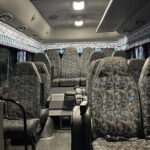
A sunset boat ride with real village life. This 5-hour Kompong Phluk trip on Tonle Sap is built around stilt-house living and how the community shifts with the seasons, not just photo stops. What I like most is the chance to learn about daily life from an English-speaking guide and the guaranteed feel-good payoff of a Tonle Sap sunset on the water. One thing to plan for: pickups can feel slow, and the bus may not be the newest, so bring patience and wear grippy shoes for a bumpy road.
You’ll also get the small-group advantage, capped at 20 people, so questions actually get answered. Guides like Nan (often praised for clear logistics and friendly explanations) can make the whole trip feel practical, not scripted. If you’re the type who enjoys asking how water levels change work and school schedules, you’ll be in the right place.
The route moves by boat and then on foot, with stops that usually include a floating village area, floating forest scenery, a school viewpoint, and a pagoda moment before sunset. You’ll finish back at your hotel in the evening, which makes this a smart day-plan when mornings feel too packed. Come ready for sun and bugs, because even a fun afternoon can be physically demanding.
In This Review
- Key points to know before you go
- Tonle Sap and Kompong Phluk: why this afternoon tour makes sense
- Getting there and taking in the lake views
- Floating forest, stilt houses, and how dry vs wet season life shows up
- Walking the village: school stop and pagoda moments
- Sunset on Tonle Sap: the payoff (and how to enjoy it without stress)
- The guide makes the difference: what you should look for
- Price and value for $39: what’s covered and what to plan for
- Comfort, crowds, and practical packing checklist
- Who should book this Kompong Phluk tour, and who should think twice
- Should you book this floating village tour?
- FAQ
- FAQ
- How long is the Kompong Phluk floating village tour?
- What time does the tour start?
- Do I get pickup and drop-off in Siem Reap?
- Is an English-speaking guide included?
- What’s included in the $39 price?
- What should I bring for the tour?
- What if the weather is poor or I need to cancel?
Key points to know before you go

- Small-group cap (20 people) keeps the experience from feeling chaotic.
- English-speaking guidance helps you understand dry vs wet season life on Tonle Sap.
- Big boat + open-air time means comfort for the ride and great sky views for sunset.
- School and pagoda stops add context beyond stilt houses and boats.
- Water is included, but you’ll still want a plan for food and drinks.
- Timing starts at 2:30 pm, which is perfect for that late-day light.
Tonle Sap and Kompong Phluk: why this afternoon tour makes sense
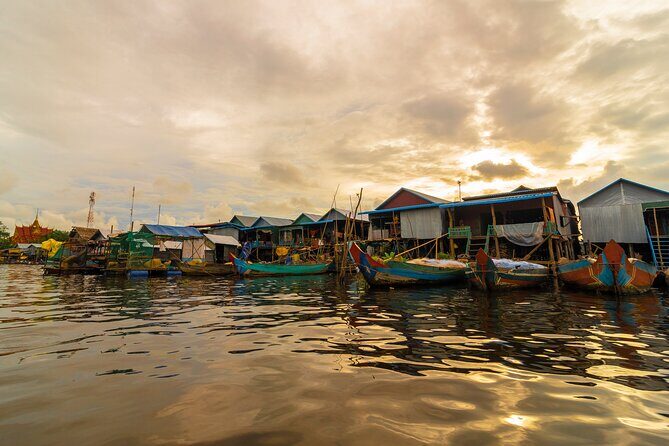
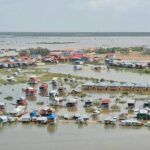
Tonle Sap is one of Cambodia’s most dramatic water stories. In the dry season, the lake contracts; when the wet season swells, villages and routines stretch with it. That seasonal rhythm is the whole point of going to Kompong Phluk, since stilt houses and daily movement are directly tied to changing water levels.
This tour is also well-timed. Starting around 2:30 pm gives you the late-day light for photos, plus enough time to reach the scenic spots and still catch sunset. If you’re staying in Siem Reap and want a day trip that doesn’t eat your whole schedule, this half-day format is a practical fit.
I like that it’s a small-group setup. When a trip is capped around 20 people, your guide can manage the walking parts better and you’re less likely to feel like you’re being herded. That matters here, because part of the experience is listening and then stepping into the village environment on foot.
Other Tonle Sap and floating village tours we've reviewed in Siem Reap
Getting there and taking in the lake views
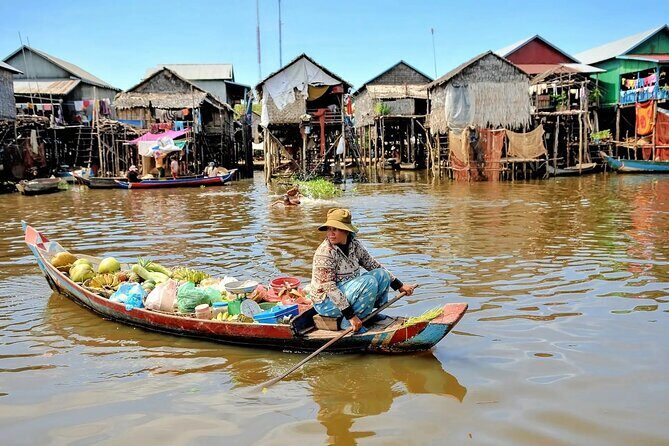
The day begins with hotel pickup and ends with drop-off, so you don’t have to figure out timing or transport. You’ll ride in a modern vehicle with air-conditioning for the road portion, which is a relief in Cambodia’s heat. Then the tour transitions to boat time for the lake and village areas.
On the water, you’re set up for broad views: Tonle Sap, Kompong Phluk, and the surrounding floating scenery. The boat portion uses a big boat, which usually means more space and less rubbing elbows during the ride. The boat experience is also a mix of comfort and open-air viewing, so you can actually enjoy the horizon instead of staring at a ceiling the whole time.
The guide’s role is important during this phase. The better guides explain how people work around the water, and why life looks so different when the lake expands. If you pay attention during the ride, the later walking stops make more sense, because you’ll understand what you’re seeing instead of just taking pictures.
Floating forest, stilt houses, and how dry vs wet season life shows up
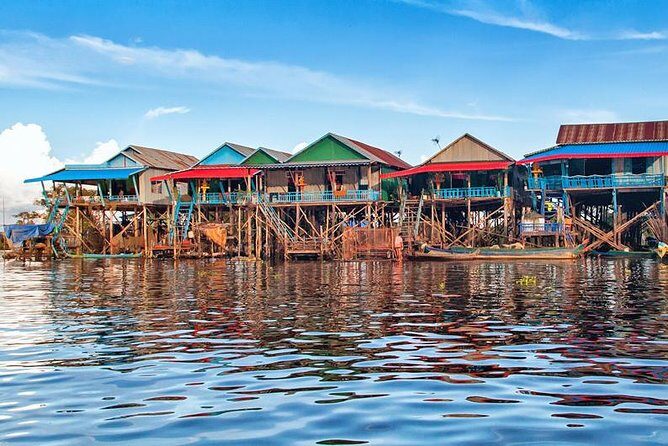
Kompong Phluk is known for floating forests and mangrove-style environments that feel like a living boundary between land and water. When you move through these areas, you’re not just seeing scenery. You’re seeing a system that controls travel routes, livelihoods, and where people can build and move safely.
A big value of this kind of tour is learning the logic behind the movement. In the wet season, boats become the main way to reach work and school. In the dry season, the patterns shift again, and routines adapt to a smaller lake footprint. A good guide ties this to what you’ll notice on land—where people live, how they travel, and why certain structures are set up for water-level changes.
You’ll often have a guided component while you look around, including chances to ask questions about local customs and daily life. This is the part that turns a sightseeing trip into something more meaningful.
Walking the village: school stop and pagoda moments
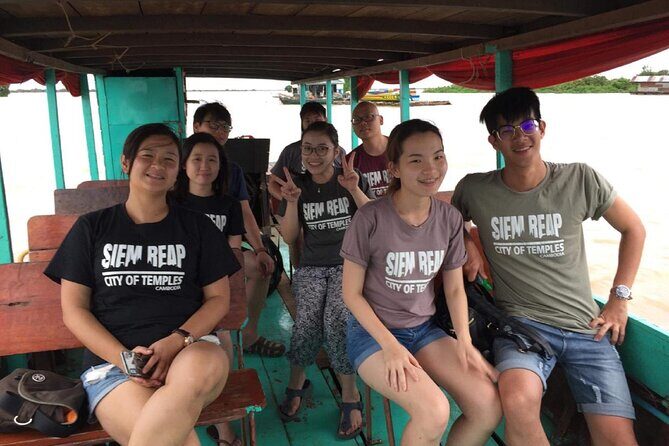
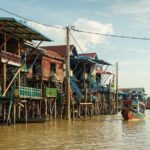
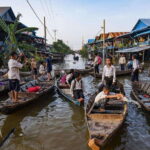
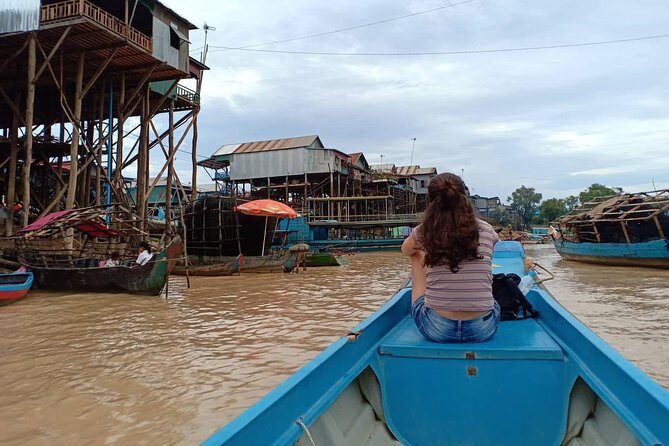
The tour typically includes a walk in the floating village area, where you can see stilt houses up close and observe how the community lives around the waterline. Stilt houses here aren’t just a quirky photo background. They’re practical, because they’re designed for a landscape that changes size with the seasons.
The school stop (often part of the route) is one of the most helpful moments for context. Even when you’re not watching a class, seeing where education fits into life on the lake helps you understand the stakes of seasonal travel and daily routine. It also gives your guide a natural chance to explain how work and school schedules shift as water rises and falls.
Then there’s usually a pagoda component in the schedule. That religious landmark moment matters because it adds a layer beyond “tourist village.” It reminds you this is a community with its own spiritual life, not a set built only for visitors.
One practical tip: keep an eye on your footing during the walking sections. You’ll be moving in areas that can feel uneven or close to water edges. Comfortable shoes help more than you’d think.
Sunset on Tonle Sap: the payoff (and how to enjoy it without stress)
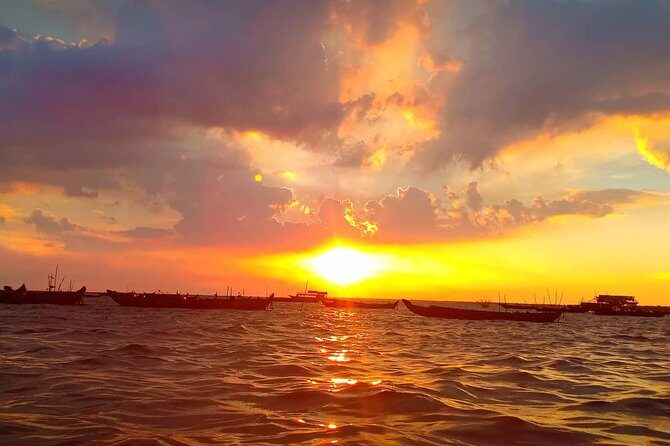
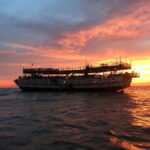
Most people remember the sunset. You’re on the lake during the golden hour, and the water light does its magic over boats and stilt homes. The tour is structured so you’re not just rushing past the scenery. You get to slow down and experience the moment.
To get the most out of it, come prepared for comfort. Reviews commonly recommend simple basics: bug spray, sunscreen, and light layers. Even if you’re leaving midday heat behind, the sun can still be strong, especially when you’re on open-air boat time.
Also, give yourself a mindset shift. This is a living area, and it can feel busy. If you’re very sensitive to crowds or exhaust from boats, you might find the experience less peaceful than you imagined. The trick is to focus on the guide’s explanations and the way the shoreline and houses change as the light fades.
Other Siem Reap city and countryside tours we've reviewed in Siem Reap


The guide makes the difference: what you should look for
A tour like this succeeds or fails based on how well the guide handles the story. In the feedback for this experience, Nan stands out for communication and logistics, while Richard is praised for friendly guidance and helping make sense of the fishing village life.
Here’s what you should do during the trip to get more value:
- Ask at least one question about how dry-season and wet-season routines differ.
- Pay attention to the small customs your guide points out, not just the buildings.
- Use the walking stops to ask how education and work fit into daily movement.
If your guide is strong, the whole trip feels like you learned something specific, not just that you saw stilt houses. And with English-speaking support, you’re not stuck guessing.
Price and value for $39: what’s covered and what to plan for
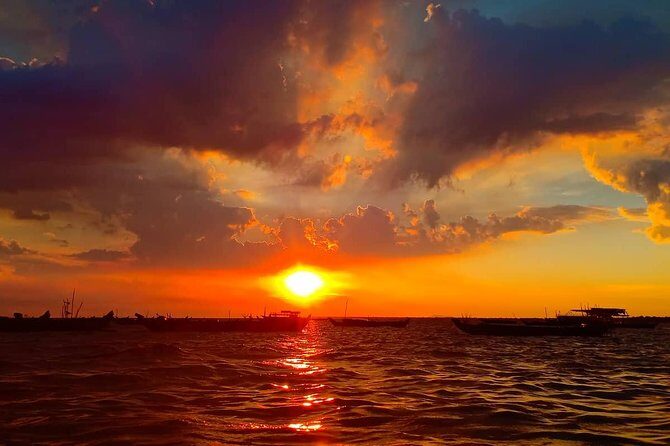
For about $39, this tour includes the big-ticket basics: pickup and drop-off, an English-speaking guide, transportation, a big boat, entrance fees, and drinking water. That’s the core value—someone handles the logistics and you get guided time on the lake.
What’s not included is food and drinks, which you should budget for if you plan a snack during the afternoon. Also, the boat schedule can include transfer moments, and some passengers have reported needing to pay extra at a specific transfer point. The safest move is to ask your operator what additional costs could come up during the day, so you’re not surprised when you reach the water.
If you’re comparing costs, think about this: arranging transport and entrance on your own can easily eat up time and money. A guided package at this price can be a smart shortcut, especially if you want sunset and guided context.
Comfort, crowds, and practical packing checklist
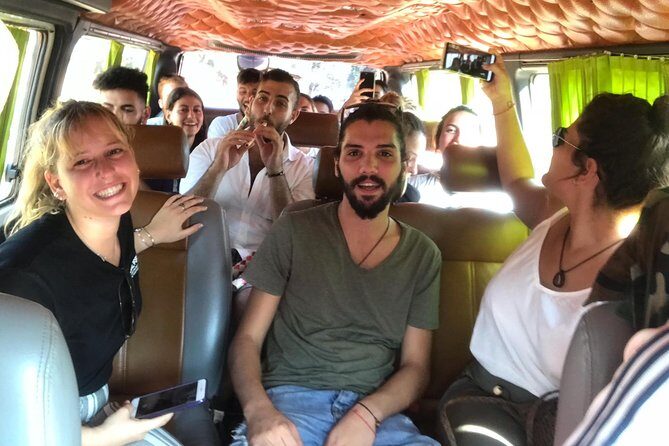
This is an outdoor trip with a mix of road and water. Even when the ride starts in air-conditioned comfort, you’ll still be outdoors for the lake time and walking segments. That makes a small packing checklist worth it.
I’d bring:
- Bug spray and sunscreen
- Comfortable clothes for warm weather
- A hat or sunglasses for sun glare off the water
- Closed-toe shoes for uneven ground during walking
- A small bottle of water if you like to sip constantly, even though drinking water is provided
Also consider crowd behavior. The lake and village areas can get busy, especially around sunset. If you don’t like shoulder-to-shoulder situations, position yourself early when you reach the best viewing spots, and be ready to stand for a while.
And one more reality check: some people may notice children asking for things. If that makes you uncomfortable, treat it with care. Decide beforehand whether you want to engage, and remember that people’s needs can be complicated here.
Who should book this Kompong Phluk tour, and who should think twice
Book it if you want:
- A guided floating-village visit with explanations about seasonal life
- A sunset-focused afternoon without managing transport on your own
- A small-group tour with time to walk and ask questions
Think twice if:
- You’re hoping for a quiet, low-crowd nature experience. This area can feel busy.
- You’re very sensitive to boat traffic or exhaust. You’ll be on the water with other craft.
- You dislike the idea that this is a working community, not a staged attraction.
This tour is best for travelers who enjoy people-based travel: understanding daily routines, listening to local explanations, and making the most of a limited afternoon window.
Should you book this floating village tour?
If your goal is a practical Siem Reap day trip with real village context, this is a strong pick. The price is reasonable for a guided boat day with entrance fees and hotel transfers, and the structure around sunset gives you a satisfying finish.
I’d book it when you:
- Want to spend your afternoon outdoors in a meaningful way
- Like guided interpretation more than pure sightseeing
- Appreciate small-group attention
If you’re ultra-sensitive to crowds or you dislike any chance of extra costs during transfers, do a quick check with the operator before you go. Then you’ll have a smoother trip and a better sunset.
FAQ
FAQ
How long is the Kompong Phluk floating village tour?
It runs for about 5 hours.
What time does the tour start?
The start time is 2:30 pm.
Do I get pickup and drop-off in Siem Reap?
Yes. Pickup and drop-off are included, and the tour starts near public transportation.
Is an English-speaking guide included?
Yes. The tour includes an English-speaking tour guide.
What’s included in the $39 price?
Included are pickup, drop-off, drinking water, transportation, a big boat, entrance fee, and an admission ticket. A mobile ticket is also used.
What should I bring for the tour?
Bring bug spray and sunscreen, and wear comfortable clothes. Good shoes help for the walking parts.
What if the weather is poor or I need to cancel?
The experience requires good weather. If it’s canceled due to poor weather, you’ll be offered a different date or a full refund. You can cancel up to 24 hours in advance for a full refund; if you cancel within 24 hours, you won’t get a refund.