REVIEW · SIEM REAP
Siem Reap Countryside Vespa Tour / Tuk Tuk Available
Book on Viator →Operated by Vespa Backstreet · Bookable on Viator
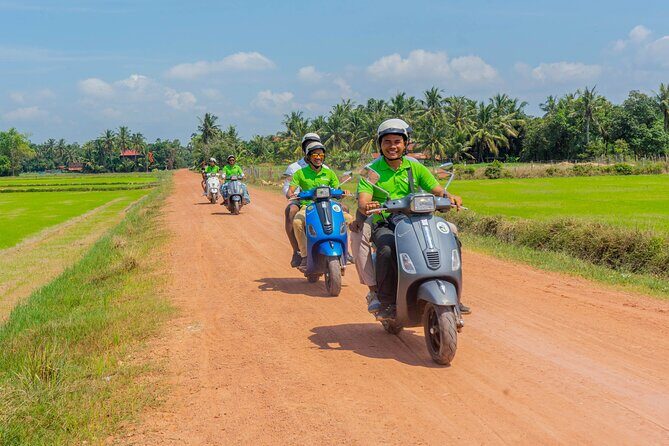
Kick off with a morning Vespa out of town. This half-day countryside tour gives you the scenery you came for, plus real human stuff like monk blessings, basket-making, and a small family rice wine stop. You leave early from your hotel and spend about 5 hours riding with a guide and driver team built for this route.
I like two things a lot. First, the setup feels safe and well-run: Vespas are described as comfortable for longer stretches, and the driver-guide pairing keeps the ride steady. Second, the day has hands-on culture instead of just photo stops, from learning basket weaving with local ladies to tasting food along the way.
One drawback to consider is simple: you’ll sit on a Vespa for much of the morning. The tour asks for moderate physical fitness, so if you’re sensitive to bumps or long sitting, you’ll want to plan for that.
In This Review
- Key highlights worth the hype
- 7:45 a.m. pickup and how the Vespa day is paced
- West Baray temple and the monk blessing (what you’re really there for)
- Krabei Riel basket village: watch first, then make something
- Rice wine distillation in Krabei Riel: family process and local tastes
- What you see between stops: countryside calm, not city rush
- Price and value: why $30 can make sense here
- Safety, comfort, and who the Vespa ride fits best
- Food, donations, and the “why” behind the stops
- Should you book this Siem Reap countryside Vespa tour?
- FAQ
- How long is the Siem Reap countryside Vespa tour?
- What time does pickup happen, and where do we meet?
- Is this a small-group tour?
- Will I drive the Vespa myself?
- What stops are included during the tour?
- Are food and drinks included?
- Is there an English-speaking guide?
- Are temple or admission tickets included?
- What if weather is bad?
- Cancellation and rescheduling (quick guide)
Key highlights worth the hype
- Max 8 travelers keeps the group calm and questions easier
- English-speaking guide + experienced driver makes the ride feel manageable
- West Baray temple with monk blessing connects you to Khmer Buddhist practice
- Krabei Riel basket village turns watching into making
- Rice wine distillation in Krabei Riel shows a small family process
- Hotel pickup, snacks, and water help the morning run smoothly
7:45 a.m. pickup and how the Vespa day is paced
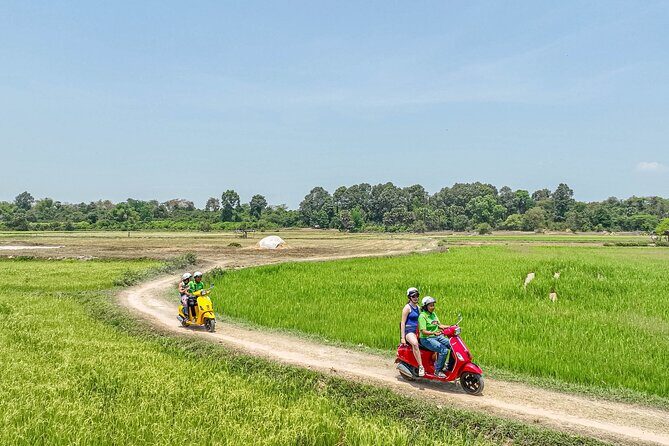
This tour is built around an early start. You meet your guide at your hotel lobby at 7:45 am, so you’re out of Siem Reap before roads get busy and before the heat climbs too high. If you’re the type who hates wasting time in traffic, that timing is a win.
What makes the morning work is the pacing. You’re not rushed from one stop to the next like a checklist. There’s time to arrive, listen, and participate. The tour also includes private transportation elements, plus the Vespa and driver, so you aren’t coordinating a ride while you’re trying to understand what you’re seeing.
A number of guide-driver teams have been praised for being on time and for explaining the plan clearly before you go. Names that have shown up include Solyna and Ravy, Solena, Son, Thanut Kean, Kim, Hong, Tinan and Bunleng, Mouen and Samatra, and Chum. That pattern matters because this kind of day runs smoother when the handoff is calm and the English is solid.
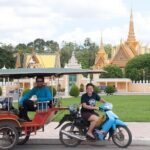
Other tuk-tuk tours we've reviewed in Siem Reap
West Baray temple and the monk blessing (what you’re really there for)
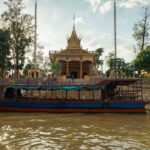
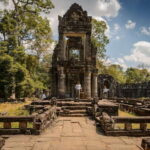
West Baray is where the tour starts to explain the spiritual side of Khmer life. You ride out from town and reach an old Buddhist temple where you learn how Buddhist practice shows up in the Khmer community. This isn’t just walking through ruins. You’re there to understand the meaning behind what you’re seeing.
A major moment is the chance to receive a spiritual blessing from a monk. Even if you’re not a religion-history person, it’s a direct cultural interaction, and it tends to make the visit feel more personal than a typical temple photo stop. The stop is listed for about 2 hours, which gives you time to soak it in without feeling like you’re constantly being shooed along.
You should expect a peaceful, respectful atmosphere. Dress and behavior matter at temples anywhere in Cambodia, so keep it simple: cover up enough to feel appropriate, and move quietly while people are praying or listening. The tour also includes a village donation, which fits the spirit of temple visits here: you’re not just taking images, you’re supporting local community connections.
Krabei Riel basket village: watch first, then make something
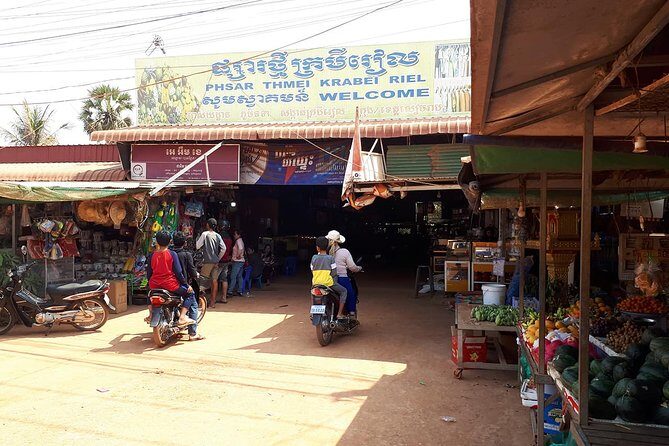
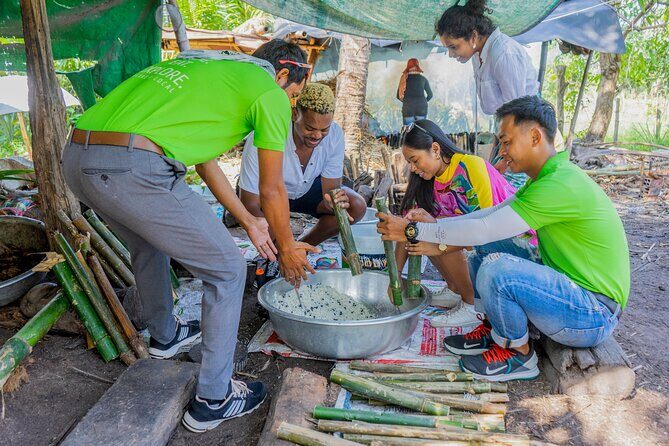
Then the day turns practical. In Krabei Riel, you go to a basket village to see how baskets are made by hand. You’ll meet local makers and learn what goes into the craft—materials, technique, and the small decisions that shape the final basket.
Here’s the part I’d call the value-builder: you don’t just observe. Guides take you into the learning portion with local ladies, and you spend a chunk of time trying your own basket weaving. It’s one of those rare activities where your hands get involved, and that changes the way you understand the culture. When you’ve struggled a bit to get the weave even, you stop thinking of the basket as a souvenir and start thinking of it as labor, skill, and tradition.
This is also where the tour’s size matters. With a group capped at 8, you’re more likely to get help when you need it. That’s especially important for hands-on crafts, where one quick correction can save your whole project.
You’ll typically move at a village pace—slow enough to learn, but still active enough that the morning doesn’t drag. If you’re the type who likes making things rather than only watching them, this stop is your center of gravity.
Rice wine distillation in Krabei Riel: family process and local tastes
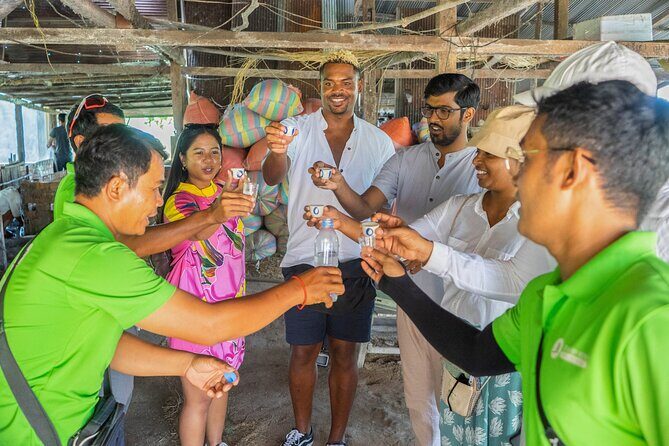
The final stop keeps it grounded in everyday Khmer life. You visit a local rice wine distillation run as a small-scale family business. The focus is how the technique works—how rice is processed and transformed into rice wine using methods kept within the family.
This stop is shorter, around 45 minutes, but it can be memorable because it’s very tangible. You’re not reading about fermentation in a book; you’re seeing a real operation and hearing how it’s done. Rice wine is described as a popular drink in Cambodia, and connecting that idea to a working producer makes it click.
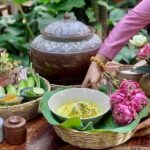
Food testing is included in the tour overall, and several people have highlighted tastings tied to the countryside stops. That can mean sampling things like bamboo sticky rice, rice-based noodles, and rice wine. Some have also mentioned more adventurous snack experiences (including insect snacks), so go in with a flexible mind. If you’re not into unusual tastes, you can still enjoy the process and the storytelling without forcing yourself to try everything.
What you see between stops: countryside calm, not city rush
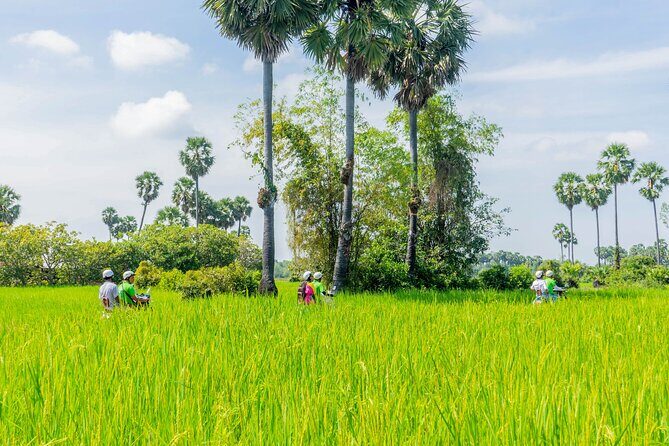
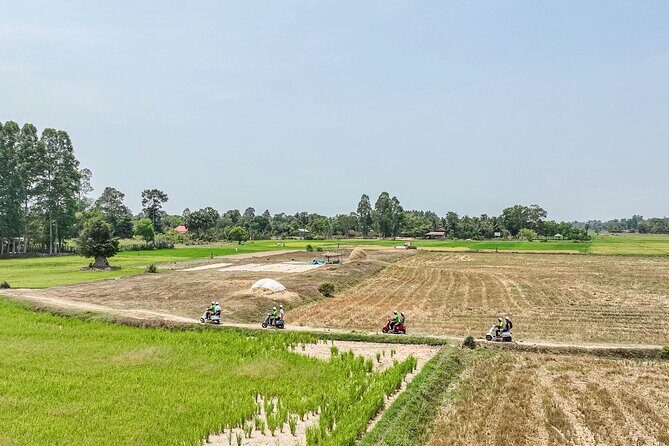
The countryside piece isn’t just a marketing line. The ride itself is part of the experience: you’re traveling beyond the main Angkor-area roads, and you get the feel of places where life moves at a different tempo.
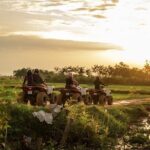
One reason this tour is often recommended is that it tends to feel away from traffic. People talk about riding where wind hits your face and the roads open up enough to feel like you’re really leaving town behind. You might also catch small visual moments that you’d otherwise miss on a car tour, like community activity or school kids cycling home in uniforms.
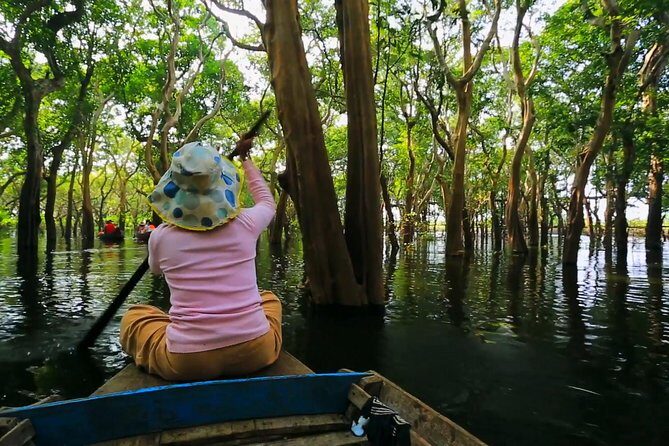
Depending on the exact route that morning, you may also pass features like lotus ponds or a reservoir. The point isn’t to hunt scenery like a checklist. The point is to see the daily landscape around Siem Reap, not just the monuments.
Other Vespa and scooter tours we've reviewed in Siem Reap
Price and value: why $30 can make sense here
At $30 per person for about 5 hours, this tour competes on value because it bundles the big expenses you’d otherwise juggle: pickup and drop-off, an English-speaking guide, a Vespa and experience driver, water and snacks, and stops that involve hands-on learning and local family businesses. It’s not just “transport plus entrance.” You’re paying for guided access to places that are harder to reach on your own without language and local connections.
The best way to judge value is to ask: do you want to spend a morning riding and learning, with food testing and craft time? If yes, the price feels fair. If your priority is comfort without any motorbike ride, you might prefer a car-based half day where you don’t sit in scooter traffic conditions. But if you’re comfortable on a Vespa and you want authentic interactions, this price is in the practical sweet spot.
Also, there’s mention of group discounts and a mobile ticket, which can help if you’re traveling with friends or family and trying to keep logistics simple.
Safety, comfort, and who the Vespa ride fits best
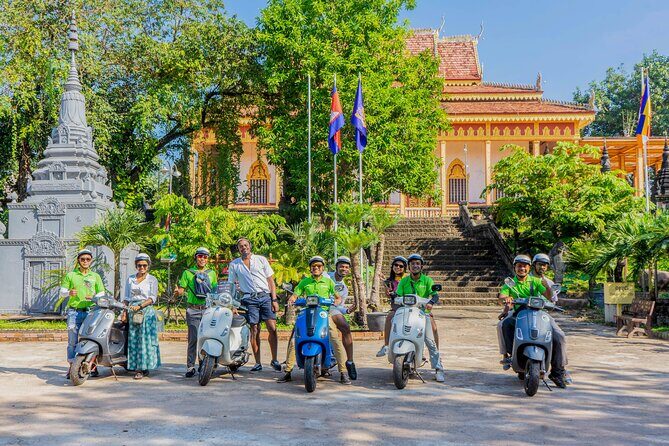
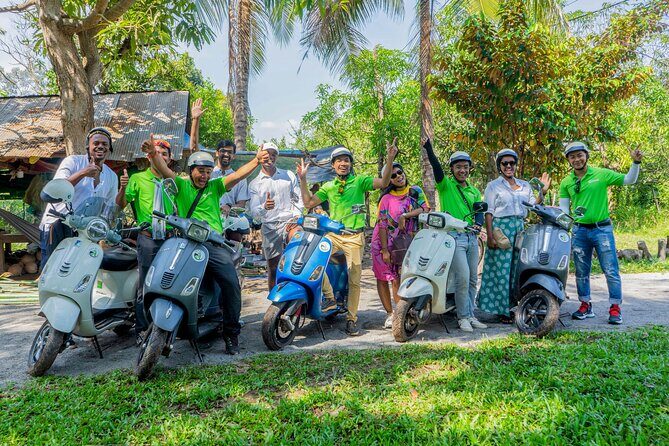
This tour runs on a driver-guided Vespa model, and the safety theme comes up often. People describe feeling safe with the guides and drivers’ riding expertise, and they specifically note comfort improvements like back support on the Vespas for a longer ride. That matters on a 5-hour outing because comfort isn’t a luxury here; it affects how much you can enjoy the stops.
Still, you should be honest with yourself about physical fit. The tour calls for moderate physical fitness. Practically, that means being able to sit upright for long stretches and handle the motion of riding. If you’ve got mobility limitations or back issues, scooters may not be your best plan.
It also works best for travelers who like interaction. If you want a quiet ride with minimal talking, you’ll still learn a lot, but you may not use the full benefit of the guide. On the other hand, if you enjoy asking questions and watching people at work, the day has a natural flow for curiosity.
Food, donations, and the “why” behind the stops
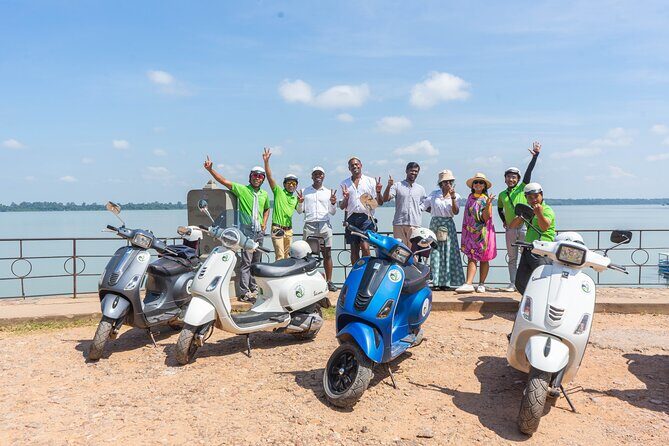
What I like about this tour is that it points you toward the local economy. Village donation is included, and the stops are tied to community craft and family production. That means your morning supports more than just tourism buildings.
Food tasting is also part of the experience. You’ll get water and snacks, and you’ll likely try foods connected to the areas you visit—things like sticky rice, noodles made from rice, and rice wine made by local producers. The tour doesn’t force you into a single flavor lane. It’s more about showing you how the food is made and why it matters locally.
If you’re a food person, you’ll appreciate the order of it. You see the process (or at least the production context) and then taste. That makes the flavors stick in your mind, instead of tasting like random bites during a ride.
Should you book this Siem Reap countryside Vespa tour?
Book it if you want a half-day that goes beyond temple sightseeing. If you like learning by doing—basket weaving, tasting local foods, and hearing the story behind Khmer Buddhist practice—this is a strong match. The small group size (max 8) and the guide-driver focus on safety and English make it feel smooth.
Pass or switch plans if you’re worried about the Vespa ride. The tour asks for moderate physical fitness, and you’ll be on the bike for much of the morning. Also, since it depends on good weather, you might want flexibility in your schedule.
If you’re traveling as a couple or small group and you want real countryside contact without a full-day commitment, this tour is easy to justify.
FAQ
How long is the Siem Reap countryside Vespa tour?
It’s about 5 hours long.
What time does pickup happen, and where do we meet?
Pickup is at 7:45 am from your hotel lobby in Siem Reap.
Is this a small-group tour?
Yes. The maximum group size is 8 travelers.
Will I drive the Vespa myself?
No. The tour includes a Vespa experience driver, and you ride on the Vespa.
What stops are included during the tour?
You visit West Baray (including a Buddhist temple experience), Krabei Riel (basket village), and Krabei Riel again (rice wine distillation).
Are food and drinks included?
Yes. The tour includes village food testing, water supplies, and snacks.
Is there an English-speaking guide?
Yes, the tour includes an English speaking tour guide.
Are temple or admission tickets included?
The itinerary lists admission ticket free at the stops shown.
What if weather is bad?
This experience requires good weather. If it’s canceled due to poor weather, you’ll be offered a different date or a full refund.
Cancellation and rescheduling (quick guide)
If you want to cancel, it’s free if you cancel at least 24 hours before the experience start time for a full refund.