REVIEW · SIEM REAP
3-Day Angkor Wat & All Interesting Major Temples & Kulen Mount Waterfall
Book on Viator →Operated by Happy Angkor Tour · Bookable on Viator
Sunrise at Angkor does something to you. This 3-day private tour strings together the big names, from Angkor Wat and Ta Prohm tree roots to Phnom Kulen’s waterfall time. You get a steady rhythm with a private A/C vehicle and an English-speaking licensed guide, so you’re not stuck figuring things out while the heat climbs.
I love that the day plan mixes icons with quieter stops. Ta Nei is smaller and less restored, which means you can see temple carvings without the same crush, and the loop through Angkor Thom hits the Victory Gate, Bayon, Phimeanakas, and the two elephant-and-king terraces. Those are the sights you came for, but paced so you can actually look.
One thing to think about: the headline price doesn’t include temple and park fees. You’ll plan for the Angkor Wat + all temples fee ($62/person) plus the Kulen mountain entrance ($20/person), and Day 3 starts early for sunrise. It’s worth it, but it helps to budget and sleep accordingly.
In This Review
- Key highlights worth your attention
- Price and logistics: what this tour really costs you
- Day 1: Angkor Wat and the Angkor Thom powerhouse loop
- Angkor Wat: your anchor point
- Ta Prohm: tree roots meet movie fame
- Ta Nei: a quieter pause on a small-circuit road
- Victory Gate and Bayon: the face towers of Angkor Thom
- Baphuon and Phimeanakas: layers of religious meaning
- Terrace of the Elephants and Terrace of the Leper King
- Phnom Bakheng: optional sunset climb and a crowd-limit reality
- Day 2: Phnom Kulen National Park, then Banteay Srei and Pre Rup
- Phnom Kulen: the 1000 Lingas and the Shiva connection
- The Kulen waterfall swim: fun, but plan for practical reality
- Banteay Srei: pink sandstone and tight details
- Banteay Samre: quieter architecture and a sister feel
- Pre Rup: funerary beliefs shown through temple design
- Day 3: sunrise at Angkor Wat, Preah Khan, and the Rolous Group temples
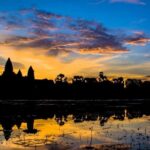
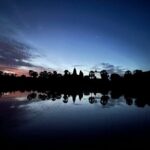
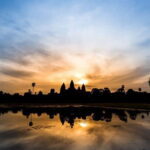
- Sunrise Angkor Wat: worth the early wake-up
- Preah Khan: King Jayavarman VII’s influence
- Neak Pean and Ta Som: water, islands, and quiet corners
- Eastern Mebon: temple-mountain, three levels, five towers
- Rolous Group: Lolei, Preah Ko, and Bakong
- Lunch and the last stretch: Artisans Angkor and Psar Chaa
- The guide experience: why the right pacing matters
- Should you book this 3-day Angkor Wat and Kulen tour?
- FAQ
- Do I need to buy Angkor temple tickets separately?
- Is lunch included?
- What are the Kulen mountain costs?
- What time does the tour start on each day?
- What does the tour include between temples?
- Are Artisans Angkor and the Old Market required?
- Is this a private tour or a group tour?
Key highlights worth your attention
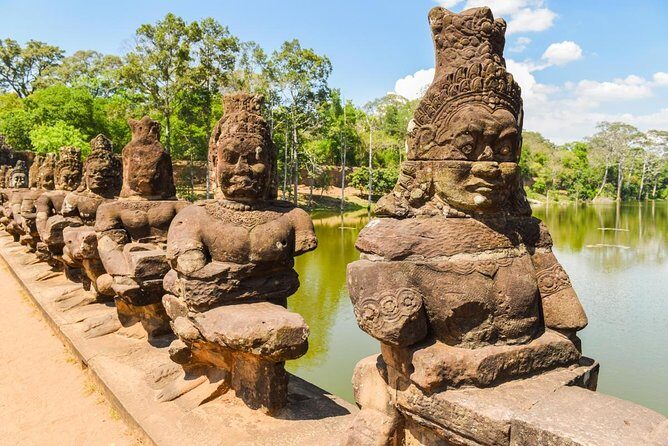
- Angkor Thom’s Eastern Gate lineup: Victory Gate, Bayon, and the Royal Enclosure area in one tight flow
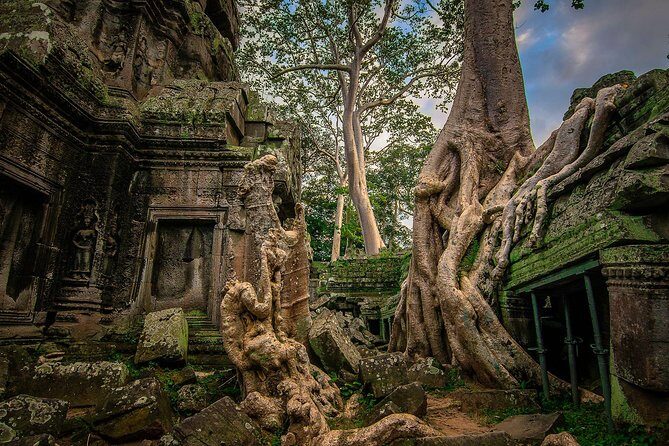
- Ta Prohm’s Tomb Raider look: giant tree roots and photo-friendly angles
- Phnom Kulen’s 1000 Lingas: a sculpted riverbed tied to Shiva symbolism
- Reclining Buddha rock moment: included in the Kulen park route
- Phimeanakas and the elephant terraces: royal-era temples plus views of the carved stories
- Artisans Angkor and Psar Chaa are optional: you can skip if shopping isn’t your thing
Price and logistics: what this tour really costs you
This is priced at $248.50 per person for about 3 days from Siem Reap, and it’s a private tour in the sense that it’s just your group with your own vehicle and guide. That matters at Angkor because travel time between sites can eat up your morning, and in the dry season the wrong plan can turn your day into a sweaty blur.
Then there’s the money you pay at the gate. Temple fees are $62/person for Angkor Wat plus all temples, and Kulen mountain has an additional $20/person entrance fee. Meals aren’t included as a fixed package; lunch is listed as USD $5 per person depending on the menu.
What you do get baked in is the part that usually saves energy and stress:
- Pickup from your hotel and drop-off back at your place
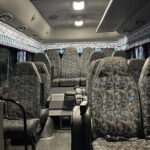
- A private A/C vehicle with a driver
- English speaking guide (licensed)
- Cool drinking water and wet towels
- Parking fees and road tolls
- A mobile ticket feature (useful for not carrying extra paperwork)
The value equation here is simple. If you want sunrise logistics handled, and you’d rather not fight tuk-tuk timing between sunrise, Bayon, and Kulen, the private setup is the payoff. If you’re the type who enjoys doing everything on your own, you might compare savings versus the hassle. But most people come to Angkor because they want their mornings and photo stops to be timed right, not improvised.
Other Angkor Wat temple tours we've reviewed in Siem Reap
Day 1: Angkor Wat and the Angkor Thom powerhouse loop
Day 1 is built for momentum. You’ll start with an 8:00am hotel pickup and move toward the Angkor temple passes along the way. The early start helps you beat the harsh light and gives you a better shot at calmer viewing windows before tour groups stack up.
Angkor Wat: your anchor point
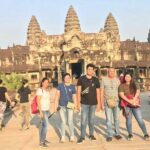
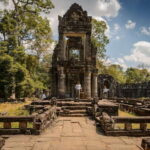
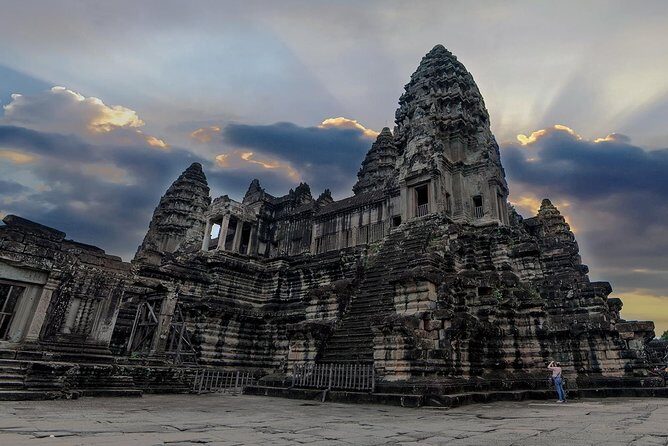
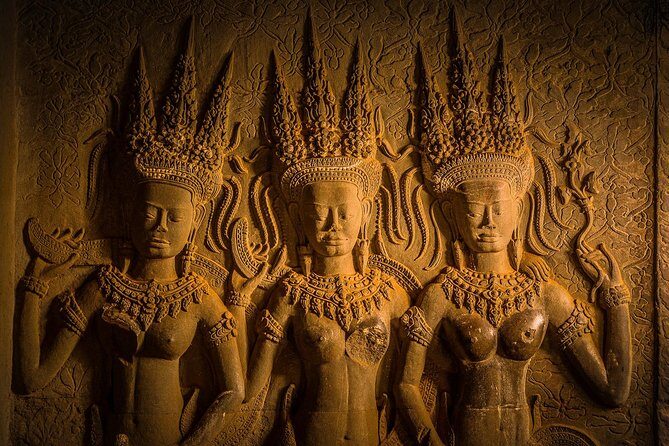
You begin at Angkor Wat, with about 2.5 hours allotted there, though admission isn’t included in that time block. This isn’t just the biggest temple in the area; it’s also your orientation tool. After you’ve seen the main layout and scale, the next temples in Angkor Thom feel like pieces of the same story rather than separate ruins.
Practical note: Angkor Wat rewards slow walking. Give yourself a few pauses for symmetry shots and for just staring at carvings up close. If you rush, you’ll miss how detailed the stone work looks once you stop being dazzled by the size.
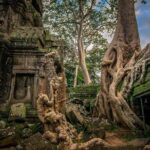
Ta Prohm: tree roots meet movie fame
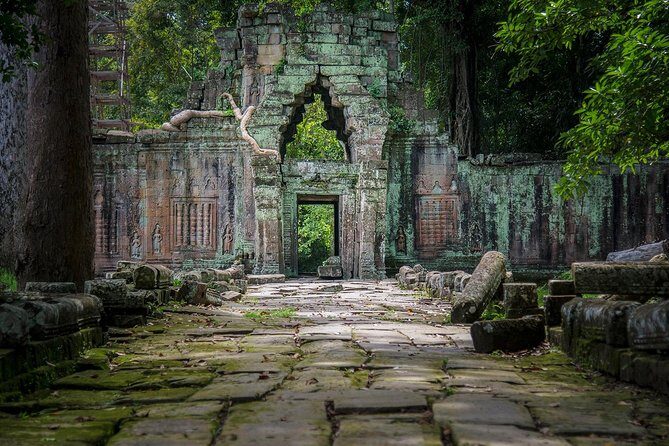
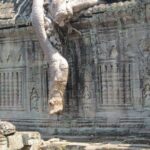
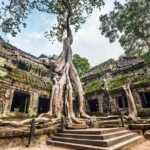
Next comes Ta Prohm, the one with those massive roots twisting through the structures, and yes, it’s tied to the Tomb Raider filming set. You’ll get about 2 hours here, which is plenty if your group isn’t trying to snap one picture per second.
Drawback to know: the roots and tight angles can mean a bit of crowd movement. This is still worth it, but go in knowing you might have to wait for your best angle rather than sprinting forward.
Ta Nei: a quieter pause on a small-circuit road
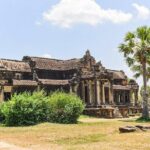
Then the route shifts to Ta Nei, a smaller and less restored temple. The benefit is the tone changes. The temple sits among big trees and feels calmer, which gives your eyes a break from the busiest sights. You’ll have about 45 minutes, and that length works well for a stop like this: enough time to look closely without turning it into a full afternoon.
Other multi-temple archeological tours we've reviewed in Siem Reap
Victory Gate and Bayon: the face towers of Angkor Thom
You’ll stop at the Victory Gate on the east side of Angkor Thom for a quick photo and orientation moment, then continue onward to Bayon in the center of Angkor Thom.
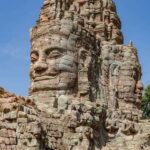
Bayon is described as having 49 towers, each with four faces, for a total of 196 faces tied to the Avalokitesvara idea. That number sounds like trivia until you’re standing there and realize how the faces seem to watch from multiple directions.
You get about 45 minutes here, which feels about right. Too long and you’ll repeat yourself; too short and you’ll miss details in the stone work and the sightline from different sides of the towers.
Baphuon and Phimeanakas: layers of religious meaning
After Bayon, you continue to Baphuon, a Hindu temple built earlier than Angkor Wat (11th century), with a Reclining Buddha added later (16th century). Then you move to Phimeanakas, a 10th-century pyramid temple in the former Royal Palace area.
These two stops give you a key theme for Cambodia’s temple history: the same stone complex can shift meaning across centuries. You’re not just seeing architecture; you’re seeing religion changing forms over time.
Terrace of the Elephants and Terrace of the Leper King
You’ll pass Terrace of the Elephants, a viewing platform used by kings to watch returning victories, with carved elephants along the walls. Then there’s the Terrace of the Leper King, another platform nearby.
These terraces are short, but they’re useful because they help you picture court life and power display. It’s easier to understand the temple city when you see spaces built for people to gather, watch, and show status.
Phnom Bakheng: optional sunset climb and a crowd-limit reality
Day 1 ends at Phnom Bakheng, where you can climb for sunset views. The plan notes that you can skip waiting for sunset if you don’t want the long wait. It also says there are limited numbers of tourists allowed, which is a big practical warning.
If sunset is your goal, this is the place, but go with patience. The stairs take effort, the crowd flow can be slow, and the timing rules can change what your ideal view looks like. If you’re not set on sunset, you may prefer coming earlier in the window and enjoying the ruins without the scramble.
Day 2: Phnom Kulen National Park, then Banteay Srei and Pre Rup
Day 2 takes you out past the Angkor zone into Phnom Kulen National Park, and that shift is the reason this tour doesn’t feel like 3 days of the same stone cities.
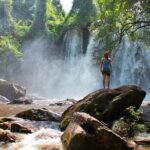
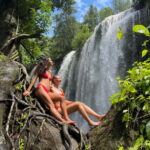
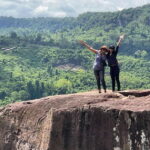
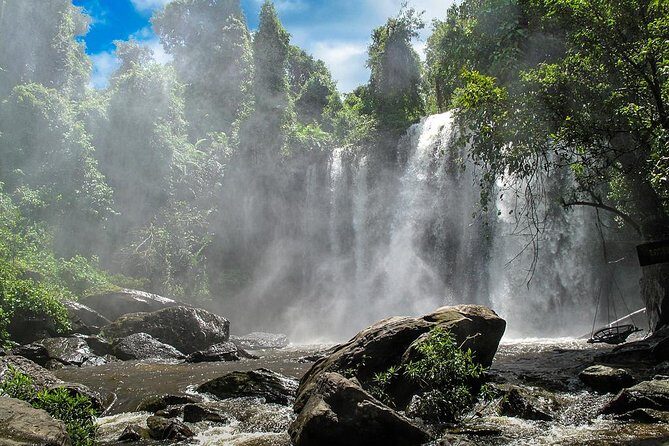
You’ll have about 5 hours at Phnom Kulen, and the route includes things beyond temple walls: a sculpted riverbed area, a reclining Buddha rock moment, and time at the waterfall where the plan includes swimming.
Phnom Kulen: the 1000 Lingas and the Shiva connection
You’ll find a river bed covered with sculptures of Lingas, called the 1000 Lingas area. The tour frames these Lingas as a symbol tied to Shiva, described as Shiva’s supreme essence. Whether you think in religious terms or just appreciate symbolism, this is a unique stop because it’s not a standard temple façade. It’s stone art embedded into the natural terrain.
Then there’s the rock Reclining Buddha element, which adds a different visual style to the day. If Day 1 made your brain think in temple layouts, Kulen makes it think in carvings, rock form, and how faith interacts with nature.
The Kulen waterfall swim: fun, but plan for practical reality
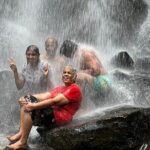
The overview says you’ll swim in the gorgeous waterfall in Phnom Kulen National Park. For your packing list, that means you should bring swimwear and something to rinse and dry off with. The tour also provides wet towels, which helps after muddy paths or for post-waterfall comfort, but it’s still smart to bring your own basics.
One consideration: time is limited inside a park day. If you want photos and a swim, move efficiently and don’t let a long lunch break steal your best light.
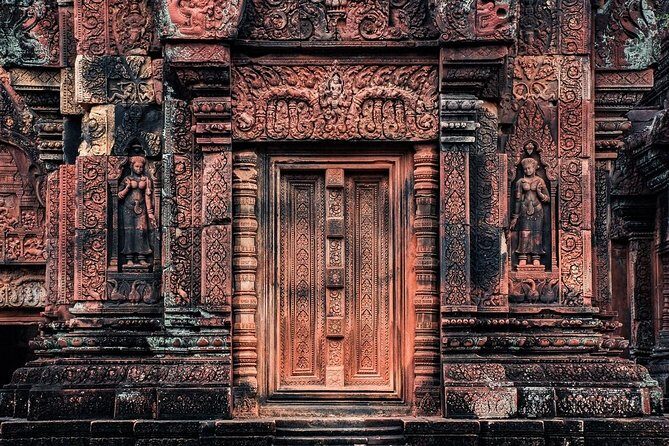
Banteay Srei: pink sandstone and tight details
After Kulen, you head back toward temples and visit Banteay Srei, often called the Ladies temple. It’s built from pink sandstone and dedicated to the trinity gods, with a Hindu king link (Rajendravarman II) mentioned in the description. You’ll have about 1 hour here.
Why this one is worth your time: pink sandstone carvings tend to look extra crisp when the sun hits them right. The smaller scale means you can actually see the fine work instead of just staring at the overall mass.
Banteay Samre: quieter architecture and a sister feel
Next is Banteay Samre, a 12th-century Hindu temple. The notes say the architecture isn’t obvious at first glance, but people believe it follows a model similar to Angkor Wat. You’ll have about 45 minutes.
If you like temples that reward careful looking, this stop can be satisfying. If you only want the biggest wow-factor visuals, this might feel more subtle. Either way, it works as a rest point from the heaviest crowds.
Pre Rup: funerary beliefs shown through temple design
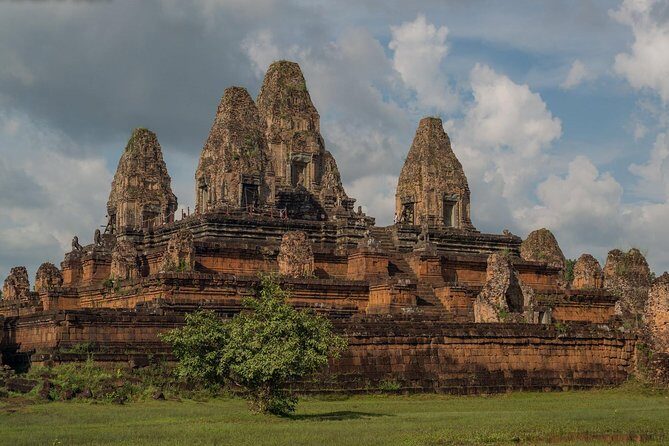
Then you’ll visit Pre Rup, built in the late 10th century and dedicated to Hindu gods. The name is explained as meaning turn the body, and the description ties it to local belief about funerals being conducted at the temple on a distant juncture.
That’s a lot of meaning for a site you might otherwise treat as just another ruin. Here, the value is that it changes how you look: instead of asking only what’s beautiful, you ask what people believed, practiced, and built for.
Day 3: sunrise at Angkor Wat, Preah Khan, and the Rolous Group temples
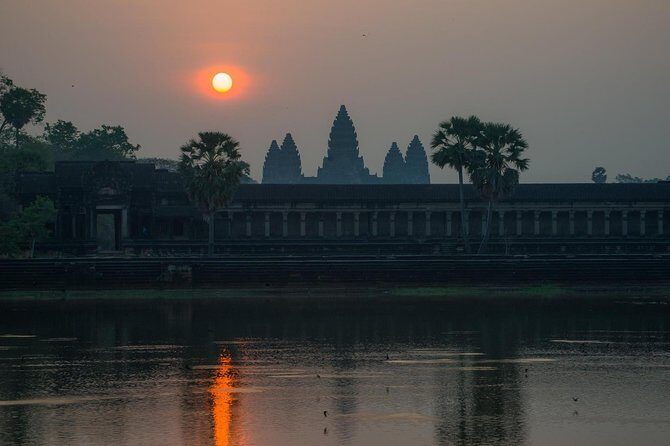
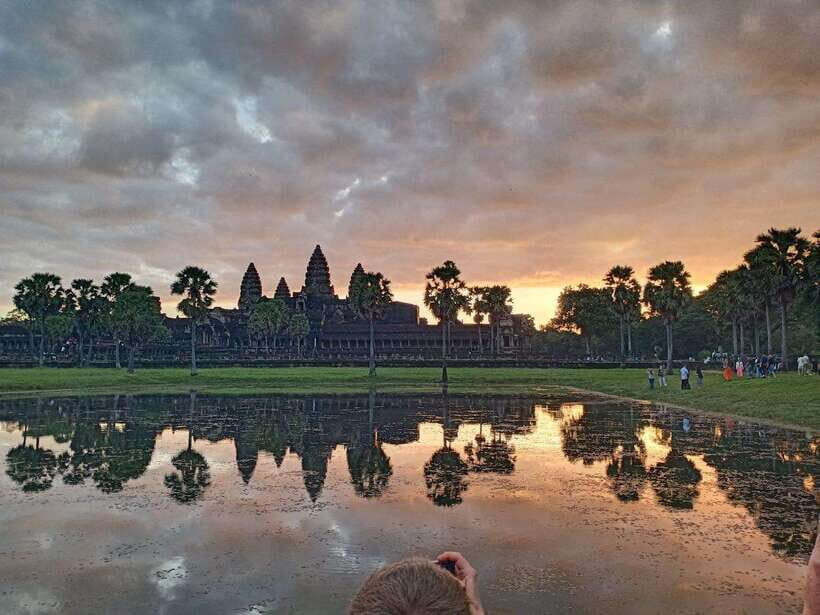
Day 3 is where the tour really leans into variety. The day starts early: your guide meets you at 5:00am for sunrise at Angkor Wat, with the pickup happening at your accommodation.
That early start is a trade. You lose sleep. You gain the temple complex in softer light, when the atmosphere feels different and you can move without constant glare.
Sunrise Angkor Wat: worth the early wake-up
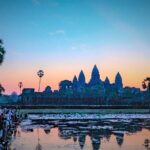
You’ll have about 1 hour 45 minutes on the morning viewing. Sunrise at Angkor Wat can be a lot more forgiving for photos than midday. The stone looks less harsh; shadows help define the carvings and levels.
Practical tip: bring something warm enough for early hours. Even when days are hot, mornings can feel chilly before the sun fully warms things up.
Preah Khan: King Jayavarman VII’s influence
After sunrise and breakfast, you’ll head to Preah Khan, described as a Buddhist temple built by King Jayavarman VII, dedicated to his father. The description also calls it a former Buddhist monastery and notes it as huge and highly extensive.
This stop broadens your understanding of Angkor’s religious shifts, since you go from Hindu-associated sites to Buddhist ones within the same overall tour arc. It makes the history feel less like a textbook timeline and more like a lived transformation.
Neak Pean and Ta Som: water, islands, and quiet corners
Next is Neak Pean, a small island temple located in the middle of the last baray. Then you go to Ta Som, a small Buddhist temple on the east side of Neak Pean.
These aren’t the headline giants, but that’s the point. They slow you down in a good way. You get a more “pause and look” feel rather than a “cross the courtyard at full speed” feel.
Eastern Mebon: temple-mountain, three levels, five towers
Then it’s Eastern Mebon, described as a large temple-mountain ruin rising three levels with five towers. The corners have big elephant statues, which helps you orient when you’re surrounded by stone shapes that all look similar at first glance.
Rolous Group: Lolei, Preah Ko, and Bakong
After Eastern Mebon, you drive to the Rolous temples:
- Lolei (small Hindu temple, 9th century)
- Preah Ko (first temple built in the ancient city of Hariharalaya)
- Bakong (first temple-mountain of sandstone; the biggest temple in the Rolous Group)
These sites work well if you like seeing the “early Khmer” building style and how later Angkor architecture evolved. They’re also a nice reset from the busiest temple zones.
Lunch and the last stretch: Artisans Angkor and Psar Chaa
There’s a lunch break at a good restaurant along the way. Then your tour includes two optional stops at the end:
- Artisans Angkor for traditional crafts like stone carving, wood carving, lacquering, gilding, and silk processing
- Psar Chaa (Old Market) in central Siem Reap
Both are listed with an option to skip, which is smart. If you’d rather spend that time walking, resting, or grabbing a cold drink, you can. If you do stop, treat it as a cultural add-on rather than a must-do shopping expedition.
One practical note: craft demonstration stops can turn into time sinks if you’re shopping hard. If you’re only curious, go for a short look, ask questions, then move on before the day runs out.
The guide experience: why the right pacing matters
What makes this tour feel good in practice is that it isn’t just a checklist. The schedule includes enough time at each place to actually see stonework and not just tick names off a map.
The guides on this experience have been praised for being devoted and setting up good photo moments, including people like Mr Chhay, Pal Saruon, Em Somuch, Chandri, and Small Mony. You can use that as a simple strategy: if you have any preference for photography timing, history focus, or slower temple time, tell your guide early.
Also, the private A/C vehicle changes your day more than you might expect. Angkor is hot, and Temple Day is a lot of walking. A cool ride between stops helps you keep your energy for looking, not just surviving.
Should you book this 3-day Angkor Wat and Kulen tour?
Book it if you want:
- Sunrise at Angkor Wat without figuring out logistics
- A private plan that controls travel time between major sites
- A balance of big-name temples plus quieter corners like Ta Nei, Banteay Samre, and the Rolous Group
- A full day outside Angkor with Phnom Kulen, including the 1000 Lingas area and a waterfall swim
Consider skipping if:
- You hate early mornings and long driving days.
- You’re extremely price-sensitive and plan to do temple fees on your own to cut costs.
- You don’t want shopping or market stops, even if they’re optional.
If your goal is to see the highlights with good pacing and a guide who can connect the Hindu and Buddhist threads across the ruins, this is a strong fit.
FAQ
Do I need to buy Angkor temple tickets separately?
Yes. The Angkor Wat + all temples admission fee is listed as $62 per person and is not included in the base price.
Is lunch included?
Meals aren’t included as part of the package. Lunch is USD $5 per person, and it’s described as depending on the food in the menu.
What are the Kulen mountain costs?
Entrance fee for Kulen mountain is listed as $20 per person, and it’s not included.
What time does the tour start on each day?
On Day 1, pickup is set for 8:00am. On Day 3, the sunrise plan requires an early pickup at 5:00am to watch sunrise at Angkor Wat.
What does the tour include between temples?
You get a private A/C vehicle with a driver, plus cool drinking water and wet towels, and the guide handles transport between stops with pickup and drop-off at your hotel.
Are Artisans Angkor and the Old Market required?
No. You can skip both Artisans Angkor and Psar Chaa (Old Market) if you don’t want to do those stops.
Is this a private tour or a group tour?
It’s described as a private tour/activity, meaning only your group will participate.