REVIEW · SIEM REAP
Cycle the Angkor Backroads with lunch / E-Bike or Tuk Tuk
Book on Viator →Operated by Siem Reaper Travel - Phnom Penh Day Tours · Bookable on Viator
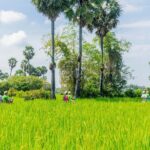
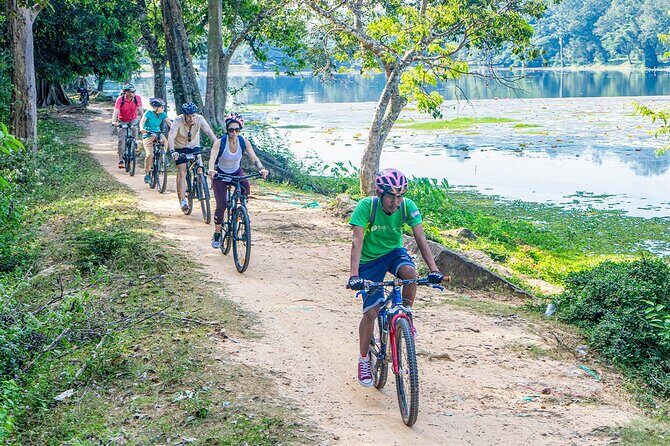
Angkor feels different at bike speed. This small group ride through Angkor backroads swaps tour buses for dirt lanes and paved roads, so you get up close to the UNESCO World Heritage Site without the crush.
I love the way Son keeps the temple explanations clear and easy to follow as you ride. Lunch at Srah Srang, plus bottled water and snacks, breaks the day at just the right moment. The main catch is the effort: plan on 20–30 km of riding and a moderate fitness level, and go only if you’re comfortable on a bike.
In This Review
- Key things to know before you pedal
- Getting your bike set at Siem Reaper Travel
- Bayon and Angkor Thom through the gate with giant faces
- Ta Prohm’s jungle look: where the bike pace actually helps
- Srah Srang lunch break: the pause that keeps the day enjoyable
- Angkor Wat after lunch: iconic views with better timing
- Price and effort: is $55 good value for this kind of day?
- What’s included, what’s extra, and how to prep quickly
- Should you book Cycle the Angkor Backroads?
- FAQ
- What time does the tour start and how long is it?
- Is the bike and helmet included?
- Are entrance fees to Angkor temples included in the $55 price?
- Which main temples are visited?
- How far do you ride during the day?
- Is lunch included, and is there a vegetarian option?
Key things to know before you pedal
- Small-group cap (max 12) means less waiting and a calmer feel at the temples.
- Hotel pickup plus fitted mountain bike and helmet keeps you from spending the morning figuring out logistics.
- A smart temple mix covers the big names and also slows down at Ta Prohm’s jungle setting.
- Lunch at Srah Srang gives you a proper rest with a pond view and a tropical garden vibe.
- Temple entrance fees are not included, so budget ahead to avoid delays.
- 20–30 km over about 7 hours can feel long in the heat, even if the ride is fun.
Getting your bike set at Siem Reaper Travel
The day starts with pickup from your hotel, then a short ride to the Siem Reaper Travel office area in Siem Reap. You’ll get fitted with your bicycle and a helmet, which matters more than you’d think—being the right bike size helps you enjoy the day instead of fight it.
After fitting up, you’re ready to roll toward the Angkor Archaeological Park. The early start (8:00 am) is also a quiet win. In this part of Cambodia, mornings tend to feel more manageable than late afternoon, and this tour is designed to move while the light and crowds are still in your favor.
This first stretch also sets expectations. The tour isn’t a casual roll-around-the-block. You’re doing real cycling between temple areas, on a mix of dirt lanes and paved roads, so you’ll want to feel comfortable in the saddle before you reach the first major stop.
One practical detail: admission tickets aren’t the same for every stop. The fitting/location segment is straightforward, but the big temples later in the day require entry fees that aren’t included in the tour price. I’d treat the morning as part logistics, part warm-up—then use the first long temple visit to settle into the rhythm.
Other tuk-tuk tours we've reviewed in Siem Reap
Bayon and Angkor Thom through the gate with giant faces
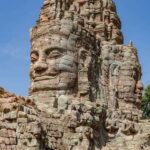
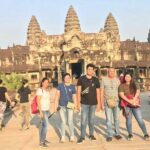
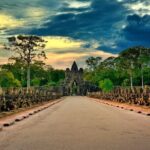
Once you enter the Angkor Archaeological Park, the tour heads to Bayon and the larger Angkor Thom area. You start by entering the ancient city through the gate carved with elephants and those famous giant face carvings. Even if you’ve seen photos before, it’s the scale that hits first.
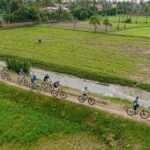
This stop is built for time, not rushing. You’ll spend about three hours around Bayon, which is enough to walk, look closely, and still take breaks when the heat rises. A bike tour changes the feel here because you’re not waiting in the same traffic patterns that bigger vehicles deal with. You can usually keep moving at a steady pace.
The biggest value, though, is the guide’s commentary. At Bayon and through Angkor Thom, the stories focus on what you’re actually looking at—face towers, layout, and the symbolism the site is known for. You’re riding with an English speaking cycle guide, and the best part of Son’s style is that it stays practical: he connects the temple details to what it means in context, rather than turning the day into pure lecture mode.
One note for your own planning: the tour’s flow depends on you being able to handle the biking portions. If you’re the type who stops every few minutes and insists on perfect photo angles (totally fair), you may slow the group down. When that happens, you’ll want to communicate calmly and stay flexible—this tour works best when everyone keeps a shared pace.
Ta Prohm’s jungle look: where the bike pace actually helps
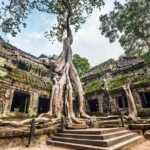
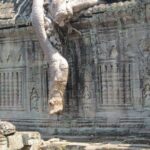
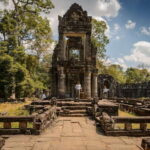
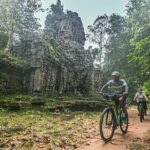
Next comes Ta Prohm, the temple most people recognize for the way nature takes over. You’ll continue the ride to this jungle-enveloped site, and you’ll spend about two hours exploring. It’s the kind of place where your eyes keep moving because roots, trees, and stone structures all share the frame.
Ta Prohm is also tied to pop culture in the way people expect—this is the temple that was featured in the Tomb Raider film. That connection draws crowds, but the bike tour format still helps you experience it differently. You arrive as part of a small group ride rather than as a packed bus drop-off situation.
Because the day includes multiple temple stops, you don’t just get one big look and then leave. You get time to step back, spot details, and understand the site’s setting. The guide’s commentary adds another layer: you’re not just admiring the famous overgrown look, you’re learning how Ta Prohm fits into the broader Angkor complex and why its current appearance matters.
Still, this is where you should calibrate expectations. One awkward moment I can see happening on a tour like this is photo coaching. If you’re hoping for very specific guidance for temple photography—exact camera positions, settings, and shot-by-shot directions—you might need to ask directly. The ride is strong for sightseeing and story, but not marketed as a dedicated photo workshop.
Srah Srang lunch break: the pause that keeps the day enjoyable
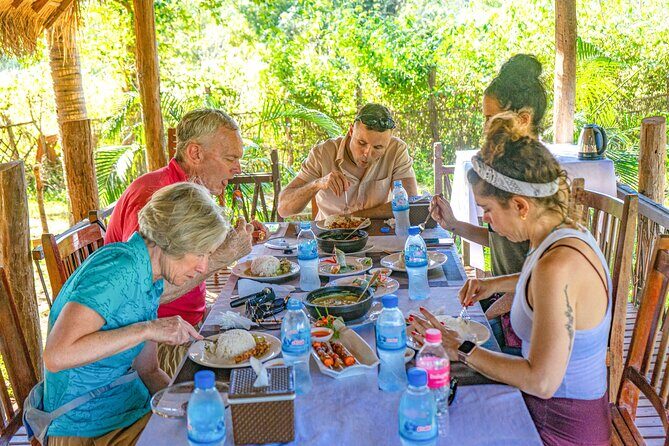
Midday, the tour stops at Srah Srang for a lunch break. You’re given about one hour here, and it’s not just a place to eat. Srah Srang has a tropical garden setting with a view over the pond, so the atmosphere is a real reset from the intense stone-and-crowd energy around the biggest temples.
This matters because the day isn’t short. You’re cycling roughly 20–30 km total, and even with planned stops, your legs will appreciate an intentional break. Lunch included with the tour is also one of the best value points. You don’t need to hunt for food or navigate local options while trying to stay on schedule.
The lunch portion is vegetarian-option friendly if you requested it at booking. That’s a practical detail because many temple days can feel tricky for dietary needs once you’re already out in the middle of the action.
Also, bottled water and snacks are included, which helps you avoid the low-energy slump that can hit after the first long temple stretch. In Cambodia heat and humidity, you want to keep yourself steady. This stop gives you a natural moment to cool down, refill your rhythm, and head to the final temple visit with less fatigue.
One small caution: don’t treat this as a full free-for-all hour. You’ll still want to eat at a reasonable pace and be ready to meet back up when it’s time to ride again. The tour works as a sequence, and the timing of Angkor Wat later depends on you not lingering too far behind.
Angkor Wat after lunch: iconic views with better timing
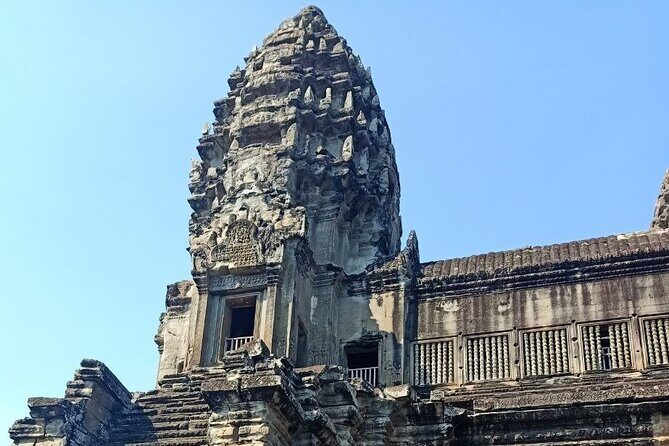
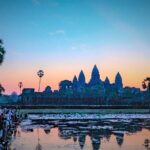
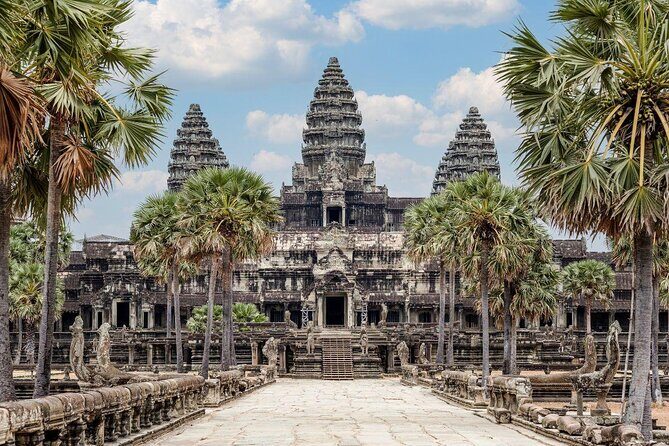
After lunch and a rest period, the tour sets out for Angkor Wat, the main star of the show. You’ll spend about two hours here, and for many people this is the first time the day feels like it’s truly clicking. The earlier stops give you context, so Angkor Wat doesn’t feel like a standalone photo target. It feels like a culmination.
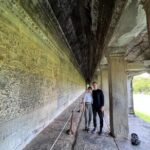
Angkor Wat is the largest religious monument in the world, and it’s also the finest example of what you’ll see across the site’s religious architecture and symbolism. The guide’s commentary tends to focus on what you’re looking at right now, which makes the visit easier to process. Instead of getting lost in random details, you’ll usually have a thread to follow: layout, meaning, and why the place is so famous.
Biking into Angkor Wat also changes the vibe. You’re not just walking from a parking lot and fighting every crowd wave. The smaller-group format helps you keep momentum, and the dirt-lane/paved-road mix gives you subtle breaks in the rhythm as you move between viewpoints.
Still, dress code matters here. Cambodia is conservative, especially at major temple sites, so you’ll want clothing that covers shoulders and knees. This isn’t just a rule to avoid hassle. It also makes the visit more comfortable, since you’re in sun-heavy conditions and you’ll want fabric that keeps your skin covered without being miserable.
If you’re hoping for that perfect sunrise-style stillness, this might not match that expectation because the tour is a daytime schedule. But if you want a strong Angkor Wat experience with less stress and a more personal pacing, the structure works.
Other cycling tours in Siem Reap
Price and effort: is $55 good value for this kind of day?
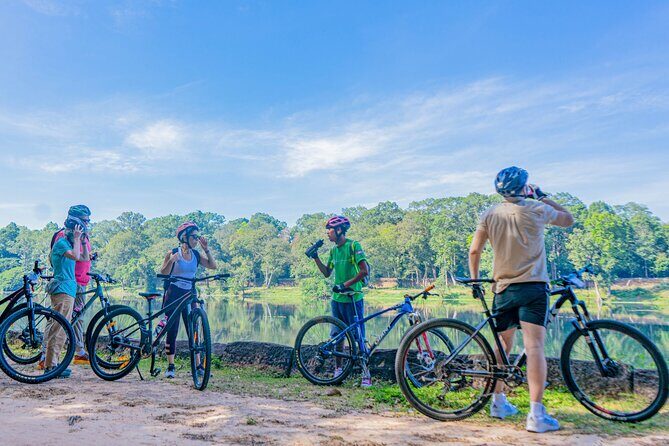
At $55 per person, this tour lands in the affordable-but-not-cheap category. The value comes from what’s bundled: hotel pickup and drop-off, your bike and helmet, an English speaking cycle guide, bottled water and snacks, and lunch.
That’s not just convenience. It reduces decision fatigue. Temple tickets are extra, but the rest is handled—so you can focus on the experience rather than logistics.
Here’s how to judge the real trade-off: you’re paying for time and guidance, not for comfort-level luxury. You’re riding a mountain bike (fitted at the start), covering 20–30 km total, and spending most of the day outdoors. If you’re expecting a totally passive sightseeing day, you may feel the effort more than you planned.
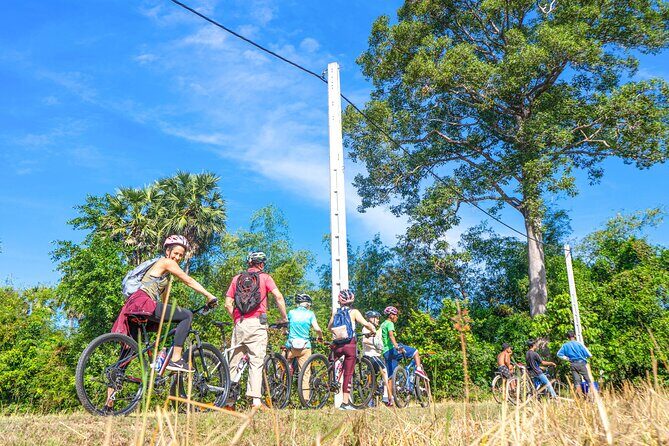
But if you like active travel and you want a different angle on Angkor, this bike format is the point. The tour specifically aims to escape crowds while wheeling around with a small group, and the route includes lanes that are more bike-friendly than vehicle-friendly. That’s how you get that fresh-air feeling and the intimate access that buses can’t replicate.
My advice: choose this tour if you can comfortably ride a chunk of distance and you’re okay with the heat. I’d skip it if biking is new for you or if you expect your schedule to be super flexible. This is a structured temple circuit, just on two wheels instead of four.
What’s included, what’s extra, and how to prep quickly
Here’s the straightforward breakdown based on the tour details:
Included:
- Hotel pickup and drop-off
- Bike rental and helmet
- English speaking cycle guide
- Bottled water and snacks
- Lunch (vegetarian option available if requested)
Not included:
- Entrance fees to Angkor temple complex sites (you’ll pay these separately)
- Personal expenses
What you can prepare for today-of-life:
- Dress code: cover shoulders and knees, especially for Angkor Wat
- Bike comfort: the tour is for people with moderate physical fitness who are comfortable cycling
- Weather reality: it can be hot and humid, so plan clothing and hydration habits around that
Also, the tour runs with a maximum of 12 travelers, so you’re not part of a giant moving crowd. That small group size is a practical advantage for getting attention from your guide, hearing commentary, and staying together without constant stop-and-go.
If you have questions about your lunch diet or want a kid-sized bike or child seat, those options are available when requested. Tag-alongs are also listed as possible, which can make the day more workable for families with mixed ages.
Should you book Cycle the Angkor Backroads?
Book it if you want Angkor with a more personal feel—small group, fresh air, and a route that feels like you’re seeing the area from the inside. The included lunch, snacks, and bottled water are real comfort value, and the commentary helps you make sense of what you’re looking at instead of just scanning for the next famous angle.
Skip it if you’re not comfortable biking or if 20–30 km sounds like a chore. This is a cycling day, not a slow walking tour, and the effort adds up in the heat.
If you’re deciding between transport styles (bike versus something easier), check what options are available when you book and choose based on your comfort level. The most important factor isn’t the temple list. It’s whether you’ll enjoy the ride.
FAQ
What time does the tour start and how long is it?
The tour starts at 8:00 am and runs for about 7 hours.
Is the bike and helmet included?
Yes. You’ll be fitted with a bicycle and helmet at the start of the tour.
Are entrance fees to Angkor temples included in the $55 price?
No. Entrance fees to Angkor temple complex sites are not included.
Which main temples are visited?
The tour includes Bayon, Ta Prohm, and Angkor Wat. There is also a lunch stop at Srah Srang.
How far do you ride during the day?
The distance is about 20 km to 30 km.
Is lunch included, and is there a vegetarian option?
Lunch is included, and a vegetarian option is available if you request it at booking.