REVIEW · SIEM REAP
3-Day ‘Temples & Tonle Sap’ Tour
Book on Viator →Operated by Asia Voyage Tour · Bookable on Viator
Angkor in three days can feel like a sprint—this tour turns that sprint into a plan. You get hotel transfers plus an English-speaking guide, and you’re not stuck figuring out how to move between major sites. I like that it includes both the big names (Angkor Wat and Bayon) and quieter stops like the Roluos temples. One thing to consider: you’ll spend a lot of the day on your feet, so this isn’t a great match if walking normally is difficult.
What you’re really buying here is time and sanity. The schedule is packed, but the smart part is that it groups nearby temples, routes you efficiently, and handles the motorized boat ride so you can focus on seeing Cambodias story in temples and on the water.
In This Review
- Key Things I’d Pay Attention To
- Price and Value: What Your $250 Really Buys
- Transfers and Timing: Getting Started at 8:30am (and Why It Matters)
- Day 1: Angkor Archaeological Park and the Angkor Thom Core
- Angkor Archaeological Park (Pass Required)
- Bayon Temple: Faces and Symbolism at Angkor Thom
- Baphuon and Ta Prohm: Hindu Roots, Then the Film-Set Feel
- Terrace of the Elephants: Palace-Procession Energy
- Angkor Wat: The Big One After Lunch
- Phnom Bakheng: The Hilltop Finish
- Day 2: Sunrise Angkor Wat Plus a Temple Cluster Route
- Sunrise at Angkor Wat: Same Place, Different Feeling
- Preah Khan, Neak Poan, Ta Som, and East Mebon: Close Together Makes Sense
- Banteay Srei and Banteay Samre: Art and Scale, With a Side of Variety
- Banteay Kdei: The Monks’ Cells Angle
- Day 3: Tonle Sap on a Motorized Boat + Roluos Temples
- Kampong Phluk: Villages on Stilts at Tonle Sap
- Roluos Temples: Early Khmer Classics
- Markets and Artisans d Angkor: Finish With Local Life
- Walking, Heat, and Comfort: Plan for a Temple-Heavy Day
- Why the Guide Matters Here (Not Just for Facts)
- Who Should Book This 3-Day Plan?
- Should You Book This Tour?
- FAQ
- Is hotel pickup and drop-off included?
- What does the $250 price include?
- Do I need to buy temple passes for Angkor?
- Are meals included?
- Is there an included boat ride on Tonle Sap?
- What time does the tour start?
- Is the tour okay for children?
- Is the tour suitable for people with limited mobility?
Key Things I’d Pay Attention To
- Pickup + A/C vehicle: You start at 8:30am and ride comfortably between clusters of temples.
- Angkor pass timing: You’ll need a 3-day Angkor pass (the tour doesn’t include it).
- One included boat ride: Tonle Sap villages feel like a separate world, and you don’t have to arrange transport.
- Both famous and lesser-visited temples: Angkor Thom highlights sit alongside sites many people skip.
- Long days, not slow travel: Expect a lot of walking and temple stairs.
Price and Value: What Your $250 Really Buys
The tour price is $250 for about three days, which is pretty good value in Siem Reap when you compare it to arranging a driver, admissions, and a boat yourself. The big reason this works for many people is simple: you’re paying for an all-in-one format—transportation, guide, and an included motorized boat fee—so you’re not making ten small decisions every day.
That said, it’s not fully “all costs covered.” Temple passes are not included, and meals aren’t included. The Angkor pass is sold as a separate ticket: USD 62 for 3 days (or USD 72 for 7 days), and it’s one pass per person. Plan your budget accordingly.
If you’re the kind of traveler who hates logistics—especially sunrise timing, site entry rules, and coordinating multiple locations—this package style can be worth it even if you’d personally prefer to move slower.
Other multi-temple archeological tours we've reviewed in Siem Reap


Transfers and Timing: Getting Started at 8:30am (and Why It Matters)
This tour starts at 8:30am, with the vehicle departing from your hotel. That matters because Angkor is a place where timing affects the experience. For example, you’ll revisit Angkor Wat for sunrise, which is easier when your pickup is organized and the day is structured around the light.
You also get:
- Hotel pickup and drop-off
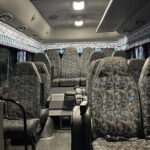
- An air-conditioned vehicle for the drive between stops
- Bottled water and cold towels
- A professional English-speaking guide
In plain terms: you spend less time waiting, less time negotiating, and more time inside the temples before the crowds and heat build.
Day 1: Angkor Archaeological Park and the Angkor Thom Core
Day 1 is built around the densest “classic Angkor” zone, so it’s the day where the scale hits you first. You’ll go into the Angkor Archaeological Park area, where you’ll need to have your Angkor pass to enter.
Angkor Archaeological Park (Pass Required)
The pass is key. You buy it at the Angkor Enterprise ticket office, and you’ll want the 3-day pass if you’re doing a three-day plan. Since it’s not included, you should treat that as a budget item before you go.
Bayon Temple: Faces and Symbolism at Angkor Thom
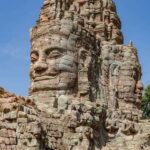
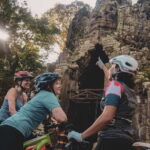
Next up is Bayon Temple, the decorative heart of Angkor Thom. Bayon is known for its richly decorated style and it’s tied to King Jayavarman VII as the state temple of his era. You’ll typically spend around an hour here.
What I like about starting with Bayon is that it gives you a sense of the “Khmer power center” before you move into the large open spaces and major monuments. It’s the kind of stop that helps you read the rest of the day.
Other Tonle Sap and floating village tours we've reviewed in Siem Reap

Baphuon and Ta Prohm: Hindu Roots, Then the Film-Set Feel
After Bayon, you move to:
- Baphuon, a three-tiered temple mountain linked to Shiva and built in the mid-11th century.
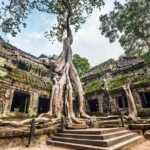
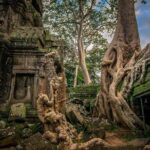
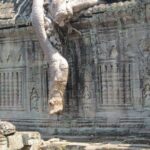
- Ta Prohm, originally called Rajavihara, built in the late 12th and early 13th centuries, and now famous for the way the jungle presence makes the stones feel alive.
Both are worth it, but in different ways. Baphuon helps you understand the older layers; Ta Prohm is the stop where the atmosphere can feel unreal (in a good way).
Terrace of the Elephants: Palace-Procession Energy
The Terrace of the Elephants sits along the royal palace grounds and looks out toward areas connected with processions and ceremonial movements. You’ll likely spend about 30 minutes here, which is the right time for a stop like this: long enough to notice the details, short enough to keep momentum.
Angkor Wat: The Big One After Lunch
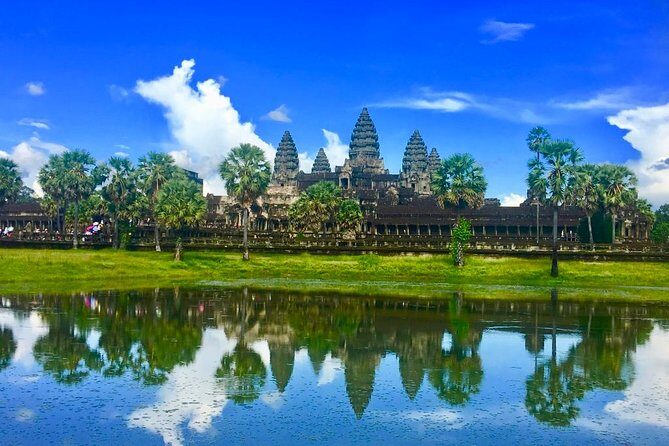
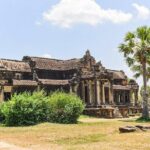
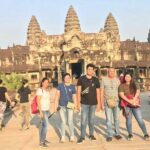
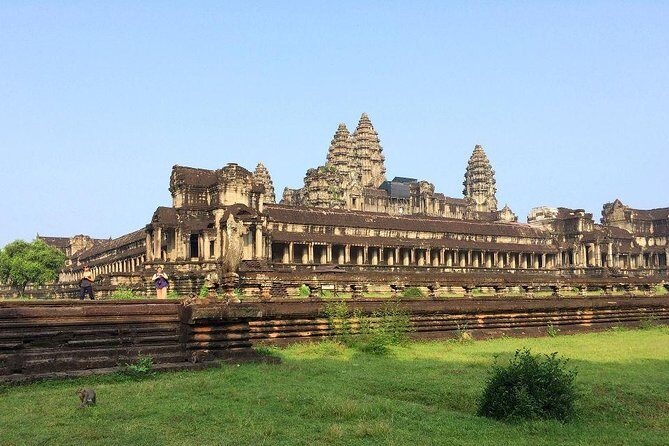
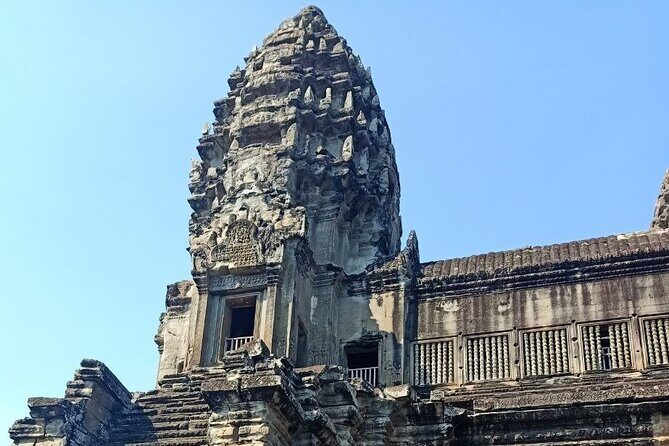
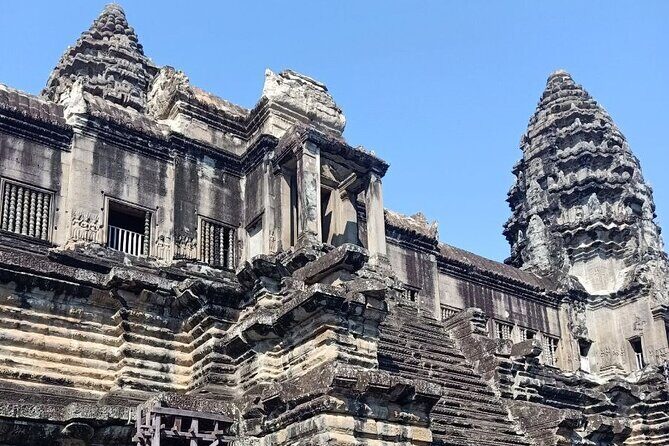
After lunch, you hit Angkor Wat. It’s the largest religious monument in the world (on a huge site measuring 162.6 hectares) and it’s a major reason people plan a Cambodia trip at all.
A practical note: with Angkor Wat on Day 1, you’re seeing it with daytime lighting and crowds likely in full swing. That’s exactly why the tour comes back at sunrise the next morning—Day 2 helps you catch the monument’s mood shift.
Phnom Bakheng: The Hilltop Finish
To wrap the day, you’ll head to Phnom Bakheng, a Hindu and Buddhist temple mountain dedicated to Shiva, built at the end of the 9th century. This stop is a long one (about 3 hours on the schedule), and it’s also the kind of place where you’ll want to pace yourself because it’s atop a hill and the walking can add up.
If you’re prone to fatigue, Day 1 is where it shows first.
Day 2: Sunrise Angkor Wat Plus a Temple Cluster Route
Day 2 starts strong and early with a revisit to Angkor Wat for sunrise. You return to your guest hotel afterward for breakfast, which is a smart move because you’ll likely be tired from the early start.
Sunrise at Angkor Wat: Same Place, Different Feeling
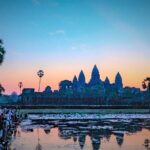
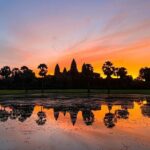
Seeing Angkor Wat again is not redundant. Sunrise changes the look of stone, the shadows in doorways and corridors, and the overall vibe of the complex. Instead of just ticking it off, you experience a major monument twice—once as a daytime landmark and once as a morning ritual.
Preah Khan, Neak Poan, Ta Som, and East Mebon: Close Together Makes Sense
After breakfast, the tour shifts to a clustered zone: Preah Khan, Neak Poan, Ta Som, and East Mebon. These are all grouped, so the routing saves you time compared to hopping across the map.
This cluster day is also your chance to slow down your “main monument only” mindset. Smaller temples can be more rewarding when you’re not constantly relocating. You’ll spend about:
- 2 hours total across the group cluster
Banteay Srei and Banteay Samre: Art and Scale, With a Side of Variety
After lunch, the tour heads to Banteay Srei, often called the ladies temple, a 10th-century Cambodian temple dedicated to Shiva. It’s described as located near the hill of Phnom Dei and around 25 km northeast of the main area, which signals that you’re getting distance and a change of scenery.
Then you’ll visit Banteay Samre (built in the early 12th century in the Angkor Wat style) before moving toward additional temple stops.
Banteay Kdei: The Monks’ Cells Angle
Finally, Banteay Kdei rounds out Day 2. It’s a Buddhist temple built in the mid-12th to early 13th centuries and is also known as the “Citadel of Monks’ cells.”
This is a good place to end the day because it’s a slower, more enclosed feeling than some of the open platforms. Even when you’re temple-fatigued, you can still feel the place working as architecture.
Day 3: Tonle Sap on a Motorized Boat + Roluos Temples
Day 3 is where the tour stops feeling like only Angkor, and starts feeling like Cambodia beyond temples.
Kampong Phluk: Villages on Stilts at Tonle Sap
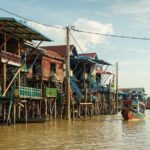
The main water stop is Kompong Phluk (often spelled Kampong Phluk). It’s a collection of villages largely built on stilts on the Tonle Sap—its name means Harbor of the Tusks. The community depends a lot on fishing, especially during the wet season (May to October).
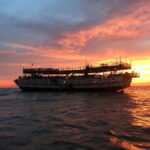
You’ll spend about 3 hours here, and the tour includes the motorized boat ride, which is a big deal. Without the boat, you miss what makes this place feel like Tonle Sap, not just a waterfront village.
What I like about Kampong Phluk as a final day is that it gives you a contrast. Temples are about stone and time. Tonle Sap is about livelihood and seasonal change. Together, it makes the trip feel bigger than one monument.
Roluos Temples: Early Khmer Classics
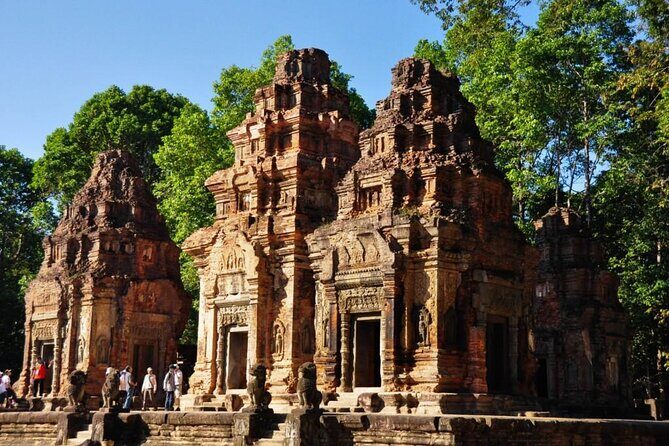
Next come the Roluos Temples. This group includes some of the earliest permanent structures built by the Khmer, marking the beginning of the classical period (late 9th century). You’ll spend about 3 hours here.
If you’ve done Angkor Wat and Angkor Thom, Roluos can feel quieter and more readable. It’s a nice way to understand that Angkor wasn’t a one-off miracle—it grew from an earlier foundation.
Markets and Artisans d Angkor: Finish With Local Life
On the way back, you’ll check out Phsar Leu (the top market), Phsar Chas (the old market), and Artisans d Angkor. That’s a practical way to end because it helps you reset your brain from temple detail and still do something that feels local.
Walking, Heat, and Comfort: Plan for a Temple-Heavy Day
This tour is designed for people who can walk normally. It’s listed as not suitable for those who have less than average fitness or cannot walk normally, and you should take that seriously. Even if each stop doesn’t sound extreme on paper, Angkor sites stack up stairs, uneven stone, and lots of sun exposure.
To make the tour easier:
- Wear shoes you can move in for uneven ground.
- Expect temple steps at multiple stops, including hilltop sites like Phnom Bakheng.
- Use the provided cold towels and bottled water as part of your pacing, not as an afterthought.
You’ll feel tired after 3 days like this. The payoff is you’ll see major temples without spending your vacation time figuring out logistics.
Why the Guide Matters Here (Not Just for Facts)
The tour includes a professional English-speaking guide, and that changes how you experience Angkor. When you get historical and cultural context as you move from Bayon to Ta Prohm to Angkor Wat, the stones stop being just beautiful shapes. You start noticing patterns: the political meaning of temple sites, why certain areas connect to royal spaces, and how Hindu and Buddhist elements show up across different monuments.
The practical side matters too. When the day is structured tightly and you’re visiting major sites, a guide helps you keep moving and not lose time to confusion.
Who Should Book This 3-Day Plan?
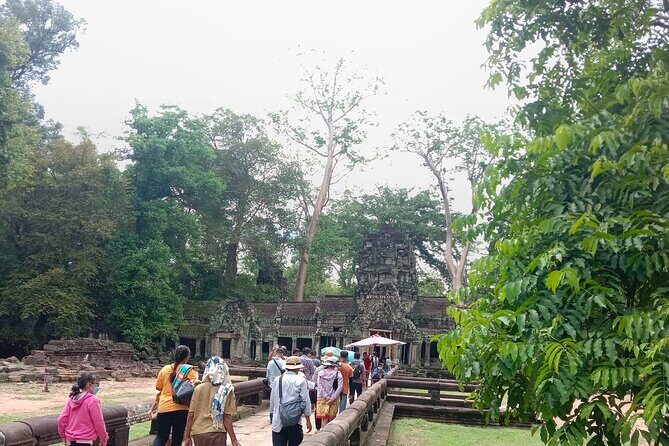
This is a great fit if:
- You’re short on time in Siem Reap and want a lot of major sights covered.
- You prefer a structured route rather than DIY driving.
- You want Angkor Wat plus a Tonle Sap day that includes a motorized boat ride.
- You like mixing big monuments with temples that many people skip.
It’s not ideal if:
- You want a slow, uncrowded style of travel.
- Your walking is limited or you struggle with sustained temple hopping.
- You’d rather spend extra time exploring fewer sites in depth.
Should You Book This Tour?
If you’re trying to cover Angkor highlights and Tonle Sap life in a single short visit, I’d say yes, book it. The strongest value is the combo: hotel transfers + guide + included boat ride, plus a route that hits both the headliners and the early Khmer layer at Roluos.
The main “don’t get surprised” point is cost planning. Add the Angkor pass to your budget (USD 62 for 3 days) and remember meals aren’t included. If you’re good with a packed schedule and you can walk normally, this tour is one of the more efficient ways to experience Siem Reap without turning your trip into a logistics project.
FAQ
Is hotel pickup and drop-off included?
Yes. The tour includes hotel pickups and drop-offs. The vehicle leaves your hotel at 8:30am.
What does the $250 price include?
It includes the English-speaking guide, an air-conditioned vehicle, fee for the motorized boat, bottled water, and cold towels, plus the hotel transfers.
Do I need to buy temple passes for Angkor?
Yes. Temple passes (3-day) are not included. The tour information notes buying Angkor passes at the Angkor Enterprise ticket office, with pricing listed as USD 62 for 3 days.
Are meals included?
No. Meals, soft drinks, and alcohol are not included.
Is there an included boat ride on Tonle Sap?
Yes. A motorized boat ride is included as part of the Tonle Sap experience.
What time does the tour start?
The start time is 8:30am.
Is the tour okay for children?
It is not available for children under 3 years old.
Is the tour suitable for people with limited mobility?
No. It is listed as not suitable for those who have less than average fitness or cannot walk normally.