REVIEW · SIEM REAP
3-Day Tour of Siem Reap, Angkor Temples & Phnom Kulen Waterfall
Book on Viator →Operated by Hok Cambodia Journeys · Bookable on Viator
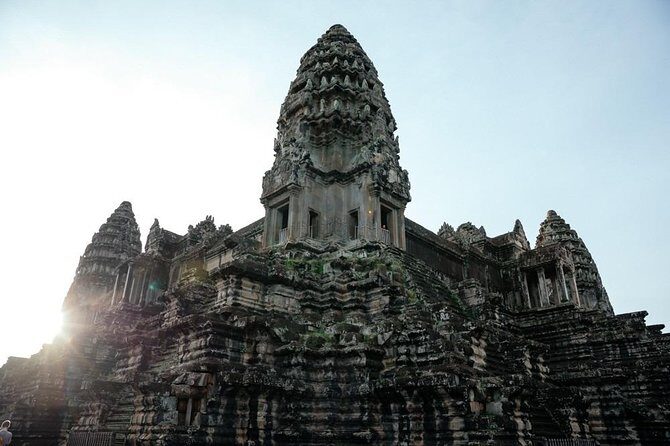
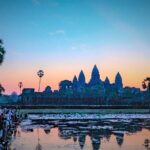
Angkor at sunrise changes your whole mood. On this 3-day Siem Reap plan, you get a private guide (Hok Cambodia Journeys) and a tight route that hits the big Angkor highlights plus Phnom Kulen and Tonle Sap life. You’ll see both the famous early glow at Angkor Wat and a sunset temple viewpoint, with plenty of time to understand what you’re looking at rather than just snapping photos.
What I like most is the way Hok brings the sites to life. His explanations come with clarity and humor, but he also turns serious when the story needs it, so the temples actually start to make sense as you move through them. I also love that the schedule is built around practical timing: a very early pickup for sunrise, then a second day that focuses on the smaller circuits, so you’re not just repeating the same scenes over and over.
One thing to consider: temple and park tickets are not included, and you’ll also need to arrange your own accommodation. That doesn’t make the tour bad—it just means your real all-in budget is more than the $250 price tag.
In This Review
- Key highlights worth planning for
- Private guide Hok and the rhythm of a 3-day Angkor run
- Day 1: Angkor Wat to Ta Prohm, then Pre Rup and Phnom Bakheng sunset views
- Day 2: A 4:30am Angkor Wat sunrise, then Banteay Srei and the quieter circuits
- Day 3: Phnom Kulen National Park, Beng Mealea, and Tonle Sap’s floating life
- What’s included (and why it helps on hot, long temple days)
- Price and value: where the $250 fits, and what to budget beyond it
- Hok Cambodia Journeys: why the guide can make or break Angkor
- Who should book this 3-day Angkor and Phnom Kulen tour
- Should you book this 3-day Siem Reap tour?
- FAQ
- What’s the tour price and duration?
- Does this tour include hotel pickup?
- Is accommodation included?
- Are Angkor temple tickets included?
- Is Phnom Kulen admission included?
- What’s included for meals during the tour?
- What comfort items are included during travel?
- Is there an English-speaking guide?
- Is this tour private or group-based?
- Can I cancel for a full refund?
Key highlights worth planning for
- Sunrise and sunset timing: two different Angkor experiences, not one
- Guide Hok’s storytelling style: history and religion explained with energy and humor
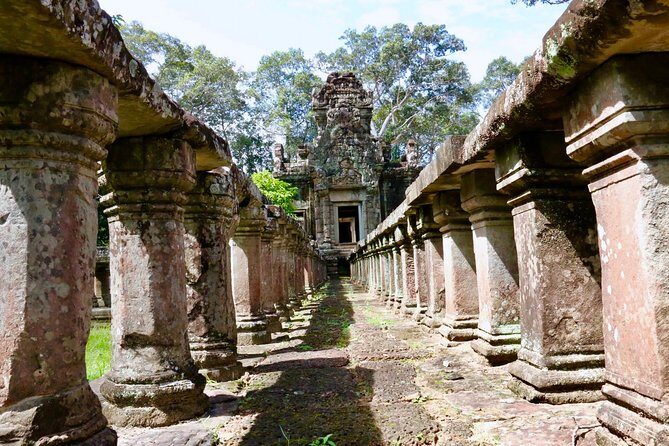
- Tight Angkor loop on Day 1: Angkor Wat through Ta Prohm and Pre Rup, then Phnom Bakheng for views
- Day 2 small-circuit focus: Banteay Srei plus a chain of less-crowded temple stops
- Phnom Kulen variety: waterfalls, a reclining Buddha, and the sacred river with thousand Lingas
- Tonle Sap lake visit: a chance to see the region’s everyday water-based life
Private guide Hok and the rhythm of a 3-day Angkor run
This tour works because it’s not trying to cram everything into one day. You start with the biggest power hitters in Angkor, then you come back with an early morning plan that’s more about flow and perspective. The pacing matters at Angkor, where walking, heat, and crowds can drain you fast.
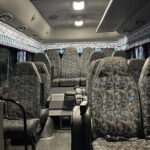
You’re not stuck buying tickets and figuring out routes. You travel in an air-conditioned vehicle with cool water and towels, and you get an English-speaking guide. That’s a real value in Siem Reap because traffic and temple logistics can turn a “simple day out” into a stressful day out.
Also, this is set up as a private tour for your group. That usually means your guide can work around your pace—especially helpful on longer temple days where you want time to pause, look closely, and catch the light.
Other multi-temple archeological tours we've reviewed in Siem Reap

Day 1: Angkor Wat to Ta Prohm, then Pre Rup and Phnom Bakheng sunset views
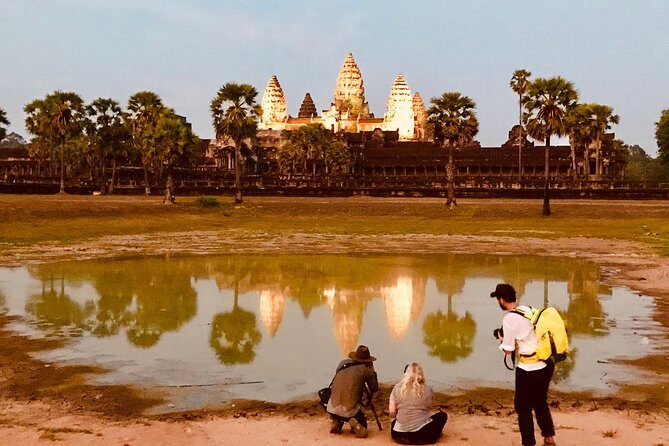
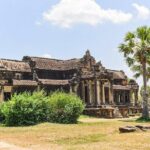
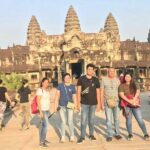
Day 1 starts with Angkor Wat in the morning, with about two hours set aside for exploring temple grounds. What makes this stop feel more than standard sightseeing is that your day includes time around the area beyond the main complex—local villages and the forest near Angkor Wat. That context helps you remember that Angkor wasn’t an isolated monument; it was built into a living landscape.
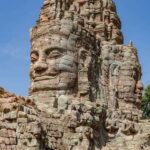
From there you move into Angkor Thom, the fortified capital-era city that’s packed with symbolism. Even with a shorter stop, it’s a strong introduction: you’ll see the key structures that define how the Khmer Empire organized power in stone. You then spend time at Bayon in the center of Angkor Thom, known for the faces that look out from the towers. The guide’s job here is huge: he can explain why these images matter and how they connect to the religious story of the era.
Next comes Baphuon and the Terrace of the Elephants. The names sound dramatic—because they are—but the real payoff is how these spaces connect to royal life. Even if you’ve only seen photos before, you start noticing patterns: the way the temple “thinks,” visually and spiritually, not just architecturally. The Terrace of the Elephants is especially interesting because it sits right in front of the royal palace area, so your eye gets pulled toward the idea of movement between politics and ceremony.
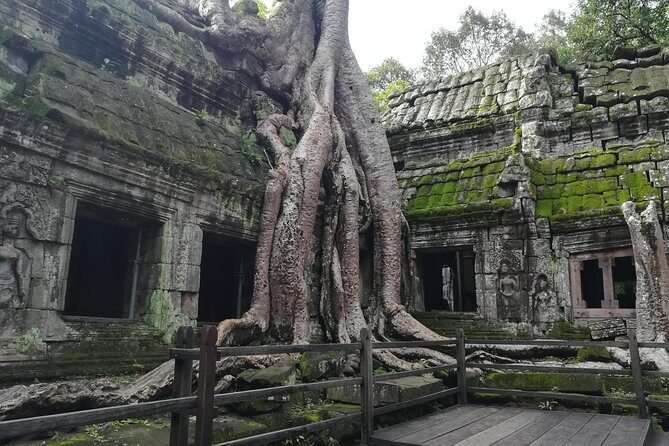
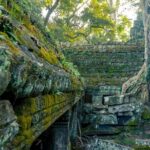
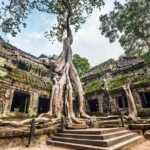
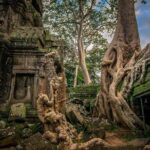
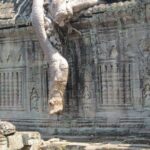
Then you hit Ta Prohm, the jungle temple most associated with movie memories. This is where the setting really steals the show: roots and stone sit in the same frame, and the temple looks like it’s mid-decay but still very alive. This is a great time to slow down. If you rush, you miss the feeling of scale—how big the structures are compared to the vegetation swallowing them.
You finish Day 1 with Pre Rup and Phnom Bakheng. Pre Rup is one of those temples where the “turn” in the name fits: you get to pivot from the grandeur of the main Angkor Wat area into the emotional, spiritual mood of later state temples. After that, Phnom Bakheng is a classic sunset viewpoint. It can be busy at this hour, but the goal here is clear: use the day’s final light to see Angkor’s geometry glow rather than just stare at it in bright midday.
Tip if you hate heat: wear light layers for morning temple time, then plan for a warmer walk near sunset. Evenings can feel cooler, but you’ll still be moving.
Day 2: A 4:30am Angkor Wat sunrise, then Banteay Srei and the quieter circuits
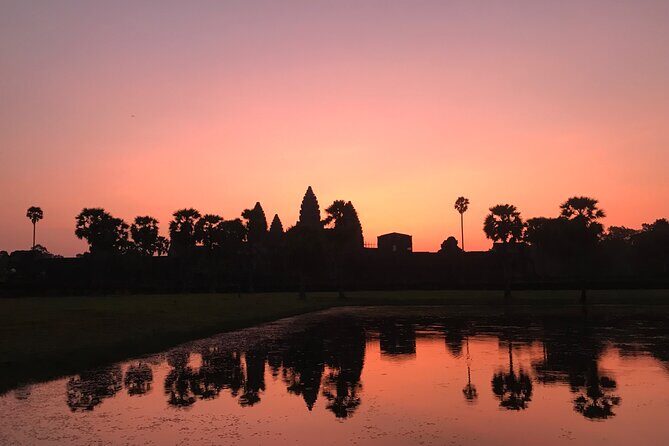
If Day 1 is about building your base, Day 2 is about catching Angkor Wat the way most people only dream about. Pickup is early—around 4:30am—so you don’t miss your sunrise window. That timing is the whole point. At this hour the temple feels less like a backdrop and more like a living object. The light shifts fast, and the guide’s interpretation helps you notice details you’d otherwise overlook.
This sunrise slot is about 1.5 hours at Angkor Wat, and it’s a good duration. Long enough to get a few angles without turning it into a full-on all-night vigil. If you’re someone who needs a lot of sleep, this is still doable, but you should treat it like a day-trip for serious temple lovers, not a “lie in until lunch” vacation.
After sunrise, the tour shifts toward Banteay Srei, which is often praised for its delicate carved stonework. It’s about 37 km from Angkor Wat, and the distance matters because it breaks up the Angkor intensity. You’re not just re-entering the same crowd clusters; you’re getting a different temple mood—more fine detail, more intricate carvings, and a softer feel overall.
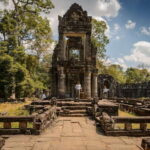
Then comes Preah Khan, followed by Ta Som, Neak Pean, and Banteay Samre. This is the heart of the “smaller circuit” approach. The stops are shorter, so you get variety without exhausting yourself with constant long climbs. What I like about this structure is that it teaches you how Angkor wasn’t one temple—it was a whole network of religious and administrative sites.
Neak Pean is particularly interesting because it’s surrounded by water. That changes how you experience the place. Instead of thinking only in terms of stone, you start noticing how water was part of the design and the symbolism. It’s a reminder that this culture engineered the landscape, not just temples.
Practical note: bring something for dust and sun. Even with an air-conditioned vehicle between stops, your temple time is spent outdoors.
Day 3: Phnom Kulen National Park, Beng Mealea, and Tonle Sap’s floating life
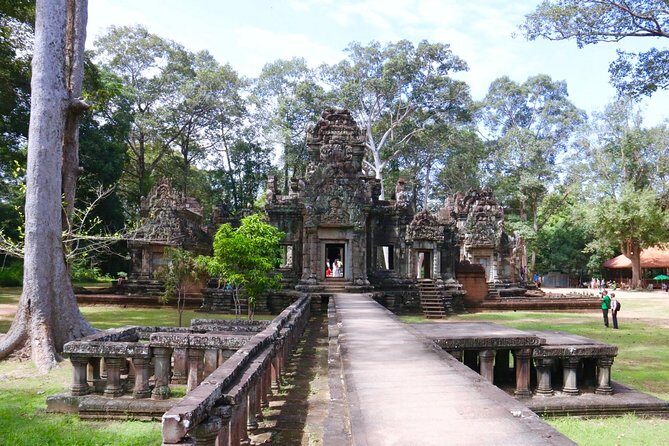
Day 3 is where the trip leaves the Angkor “temple zone” feel and turns more scenic and spiritual.
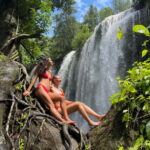
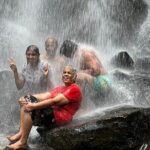
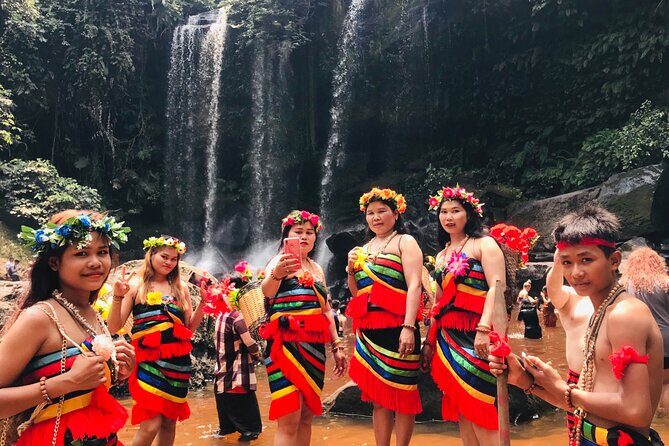
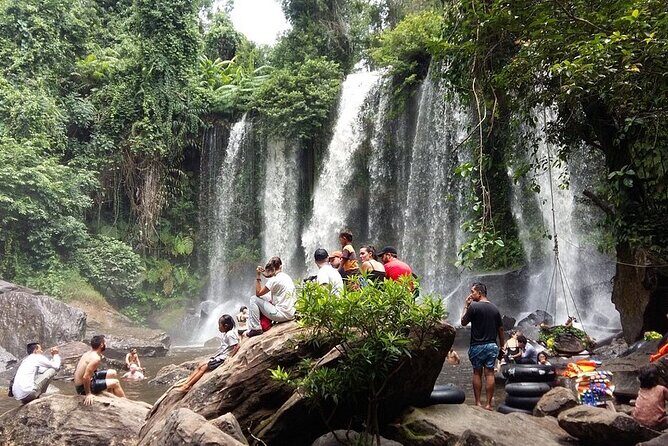
The day begins at Phnom Kulen National Park. Expect about two hours here, and plan for a mix of viewpoints and religious features. The highlights you’ll be walking toward include holy waterfalls, a reclining Buddha, and a sacred river said to feature thousand Lingas. The guide’s storytelling matters a lot in this stop because these items connect to how the mountain was viewed, not just how it looks in a photo.
Phnom Kulen is also listed as having Srash Damrei and Bat Cave as part of the experience. I’d treat this as a “choose your energy” day. If you want the full effect, you’ll be moving a fair bit between points, and you’ll likely want to take breaks in the shade or at easier viewing spots.
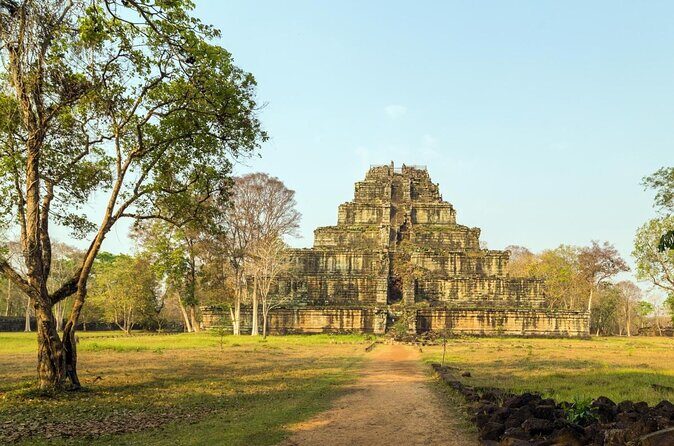
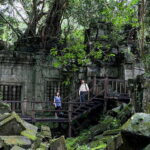
Next comes Prasat Beng Mealea, a remote jungle temple about 66 km from Siem Reap. The key word in this kind of stop is remoteness. At Beng Mealea, the feeling is less like polished tourism and more like a site you stumble into as part of the landscape. It’s a nice counterweight to the grand main-temple symmetry elsewhere on the itinerary.
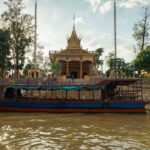
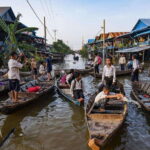
Finally, you end with Tonle Sap Lake. This is the largest freshwater lake in the region, and it frames Cambodia’s water-based life. The tour description also includes the floating village experience on Tonle Sap, which is one of the most direct ways to understand how people live around the lake rather than only reading about it. The vibe here is more everyday than ceremonial, and that balance makes the 3-day arc feel complete.
What’s included (and why it helps on hot, long temple days)
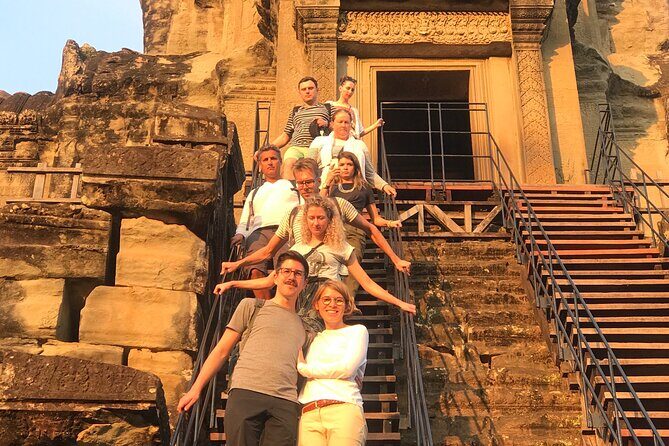
The included basics are exactly what you want when you’re doing multiple days of temples. You’re getting an air-conditioned vehicle plus cool water and towels. That sounds simple, but it changes your stamina. On temple days, the difference between enjoying the route and rushing through it often comes down to hydration and quick cooldown breaks.
Meals are also included: two lunches and drinks. That helps you avoid the common “guess the schedule, guess the food cost” problem in Siem Reap. I like that this is handled for you, because temple time doesn’t care about your hunger schedule.
One more small thing: the experience includes an English-speaking guide. For Angkor especially, you really want language support. The carvings and layout are dense, and it helps to have someone explain how the Khmer Empire connected religion, power, and architecture.
Other Kulen Mountain and waterfall tours we've reviewed in Siem Reap
Price and value: where the $250 fits, and what to budget beyond it
At $250 per person for about three days, the value is mostly in what’s covered: transport, a private English guide, and your daily logistics across a big geographic spread. You’re not just booking “a driver,” and you’re not only visiting Angkor Wat in one blur.
What’s not included is just as important: Angkor temple admission tickets and the Phnom Kulen ticket are extra. That means the true all-in cost depends on the ticket prices during your visit. The same goes for accommodation. Since lodging isn’t included, you’ll want to make sure your hotel location supports an easy morning pickup.
Still, if you’re the kind of traveler who wants your time to feel structured—sunrise timing, a second-day circuit strategy, and a third-day change of scenery—this price can be fair. You’re paying for fewer decision headaches and more guided interpretation across multiple sites.
Hok Cambodia Journeys: why the guide can make or break Angkor
The best feedback here is about the guide. Hok is repeatedly described as dedicated and passionate, with a way of telling stories that feels clear and organized. That matters because Angkor can be confusing if you only focus on what looks similar in photos.
Hok’s style comes through in the balance: he can keep things fun and humorous during travel, then turn focused when explaining what you’re seeing. That rhythm is ideal on a tour like this, where you’ll spend hours walking and you’ll also need quick mental resets between stops.
There’s also a sense that Hok takes care of planning and coordination. Some people appreciated how the itinerary was organized and how transportation was handled. If you’re traveling with a partner or you just want extra confidence in a first visit to Cambodia, that kind of guidance can feel like part of the value, not just a nice-to-have.
Who should book this 3-day Angkor and Phnom Kulen tour
This one fits best if you want:
- A private guide with English explanations
- Both sunrise and sunset Angkor experiences
- A mix of big landmarks and smaller-circuit temple stops
- A third day that goes beyond Angkor into Phnom Kulen and Tonle Sap
You might want to think twice if you:
- Hate early wakeups. Day 2 starts around 4:30am.
- Don’t want to handle extra budgeting for temple admissions and Phnom Kulen entry.
- Prefer fully independent travel with no set route.
If you’re a first-timer to Siem Reap, this tour has a strong “get your bearings fast” structure. It’s also a good choice if you’re traveling with someone who cares about understanding the sites, not only ticking them off.
Should you book this 3-day Siem Reap tour?
If you can handle early mornings and you’re okay paying for tickets separately, I think this tour is worth serious consideration. You’re getting a tight Angkor plan with sunrise and sunset, plus the variety of Phnom Kulen and Tonle Sap so the trip doesn’t feel like one long temple loop.
The biggest “go” signal for me is Hok’s storytelling approach. For Angkor, that’s not fluff—it’s what turns stone from decoration into meaning. Pair that with included water, towels, air-conditioned transport, and two lunches, and you’ve got a setup that keeps the day moving without leaving you cooked.
FAQ
What’s the tour price and duration?
It costs $250 per person and runs for about 3 days.
Does this tour include hotel pickup?
Yes. Pickup is offered from your hotel, including a morning pickup for Angkor Wat.
Is accommodation included?
No. Hotel accommodation is not included, so you’ll need to arrange lodging separately.
Are Angkor temple tickets included?
No. Angkor temple tickets are not included.
Is Phnom Kulen admission included?
No. The Phnom Kulen ticket is not included.
What’s included for meals during the tour?
The tour includes 2 lunches and drinks.
What comfort items are included during travel?
The tour includes an air-conditioned vehicle, plus cool water and towels.
Is there an English-speaking guide?
Yes. An English-speaking guide is included.
Is this tour private or group-based?
It’s set up as a private tour/activity, so only your group participates.
Can I cancel for a full refund?
You can cancel up to 3 days in advance of the experience for a full refund (local time rules apply).