REVIEW · SIEM REAP
Sunrise at Angkor Wat and Small Tour with Tours Guide
Book on GetYourGuide →Operated by Etrip Asia · Bookable on GetYourGuide
A 4:30 a.m. sunrise can change your whole day. This Sunrise at Angkor Wat tour is interesting because you start in the dark, then watch the sky open up over the temple complex while your guide keeps the story moving from monument to monument. What I like most is the sunrise viewpoint at Angkor Wat and the focused temple route that includes Bayon and Ta Prohm. One drawback to plan for: Angkor passes are not included, so your real cost depends on whether you buy a 1-, 3-, or 7-day pass.
You’ll do this with an air-conditioned vehicle, a hotel round-trip transfer, and an English-speaking guide who explains Cambodian art and history as you walk. The full circuit is eight hours, so it feels like a complete highlights day without trying to cram in everything.
Key highlights in plain terms
- Angkor Wat sunrise timing with a guided walk at the main entrance
- South Gate to Bayon/Baphoun with 54 towers and 216 face imagery explained
- Royal terraces at the Elephant Terrace and Terrace of the Leper King
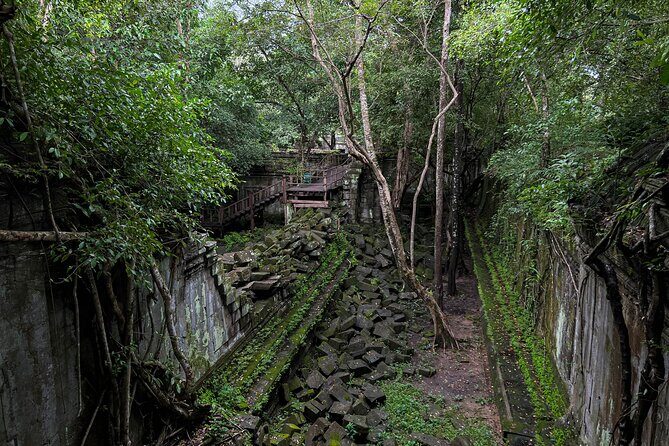
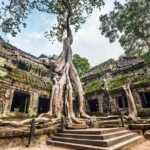
- Ta Prohm’s jungle setting where trees grow around the stonework
- Banteay Kdei finish in a calmer, less frantic stretch of the route
- Shared group or private tour so you can match your comfort level and schedule
In This Review
- Sunrise at Angkor Wat: the real payoff of leaving at 4:30 AM
- The Angkor Pass cost: budget math you should do before you go
- Angkor Wat temple walk: guided meaning, not just photos
- South Gate to Bayon and Baphoun: the faces, the towers, and the story
- Terrace of the Elephant and Terrace of the Leper King: royal platforms you can picture
- Ta Prohm: when trees stop being scenery and become part of the ruin
- Banteay Kdei: a calmer finish with a 12th-century link
- The guide + driver combo: what makes a small tour feel smooth
- Shared group or private tour: which fits your style
- Timing, comfort, and what rules matter
- Who should book this sunrise and small Angkor circuit?
- Should you book this sunrise tour?
- FAQ
- What time is pickup?
- Does the tour include temple entry tickets?
- What Angkor Pass options are available?
- What temples are included?
- Is lunch included?
- Is there an English-speaking guide?
- Can I arrange pickup, and what details are needed?
Sunrise at Angkor Wat: the real payoff of leaving at 4:30 AM
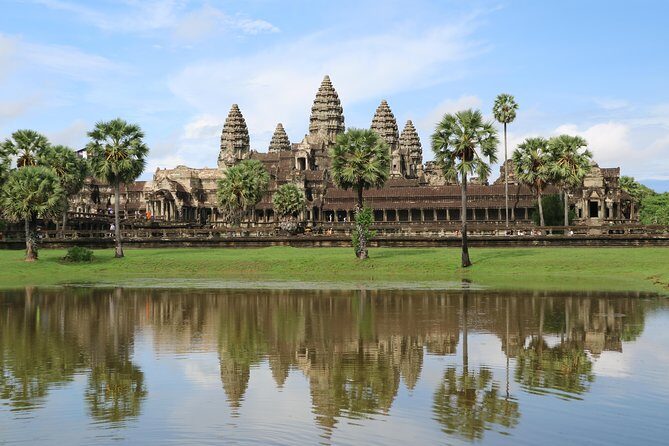
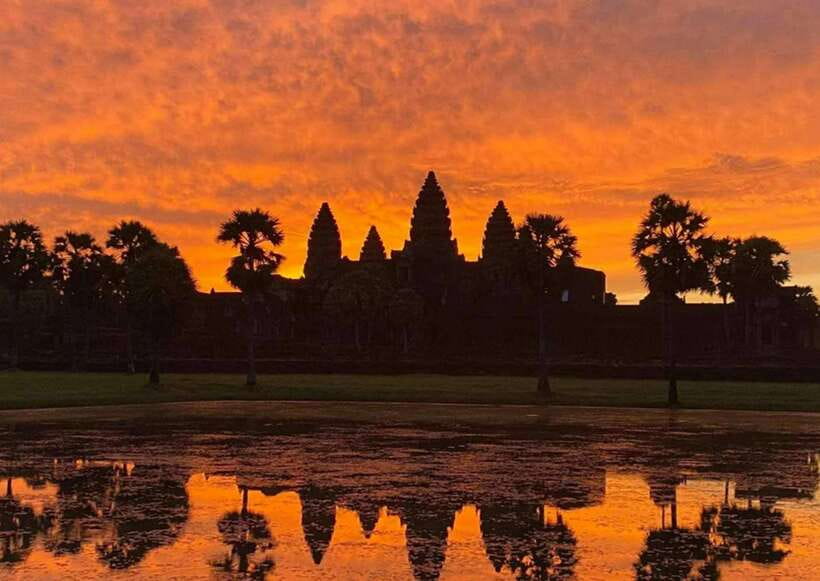
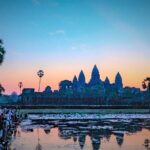
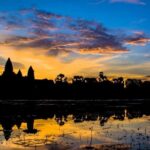
This tour’s schedule is built around one simple idea: the best Angkor Wat moments happen early. Your day starts with hotel pickup at 4:30 AM in an air-conditioned vehicle. Then you head to the main entrance area to watch the sunrise over the temple complex.
The value here is not just the view. It’s the way your guide shapes the timing. When you’re there early, you spend less time fighting crowds and more time actually looking—at symmetry, stone details, and how light changes the mood of the towers and moat area. Sunrise also gives you a different feel for Angkor Wat than the midday version. Everything looks sharper, and the whole place feels more mysterious, even if you’ve seen photos before.
Practical note: sunrise days can be cold and quiet at first, then quickly become hot as the sun climbs. You’ll be outdoors for a while, and you’ll likely do a good amount of walking and standing to get photos.
The Angkor Pass cost: budget math you should do before you go
One reason this tour feels like great value on paper is the listed price is very low—$6 per person—but Angkor temple entry is a separate layer. You need an Angkor Pass to enter the temples.
Here’s the cost you need to factor in:
- 1-day pass: USD 37
- 3-day pass: USD 62
- 7-day pass: USD 72
And there’s an important catch: the pass needs to be used on consecutive days.
So what’s the smartest play? If you’re only planning one Angkor day, a 1-day pass is usually simplest. If you know you’ll do multiple temple days (many people in Siem Reap do), you may get better value by choosing a longer pass—especially if you’ll return for another circuit. This tour alone won’t tell you which pass is best for your whole trip, but it definitely affects your total budget.
Also remember: temple admission is not included, and meals and beverages are not included. That means you’ll want a plan for lunch and water/refreshments beyond what the tour provides.
If you're still narrowing it down, here are other tours in Siem Reap we've reviewed.
Angkor Wat temple walk: guided meaning, not just photos
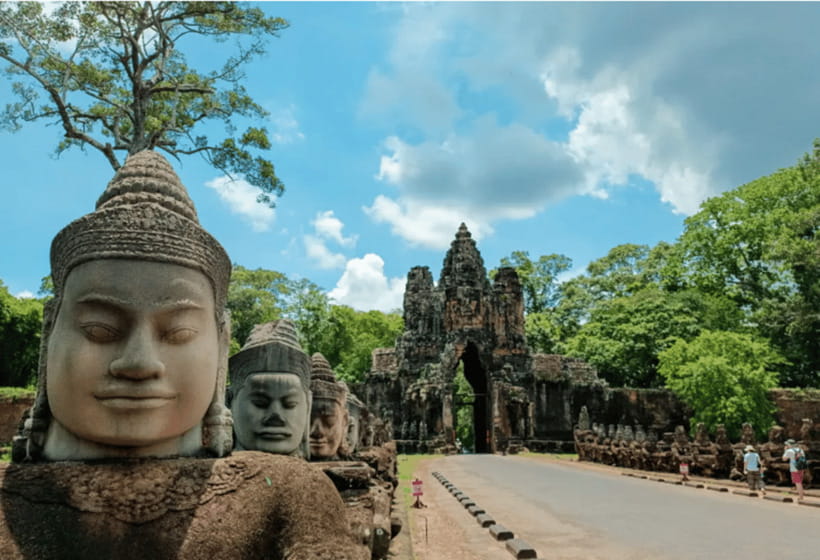
After sunrise, the morning doesn’t just become stand-still sightseeing. You get a guided tour and walking time around Angkor Wat, plus a break for breakfast and short downtime. The idea is to balance early-morning energy with a realistic pace.
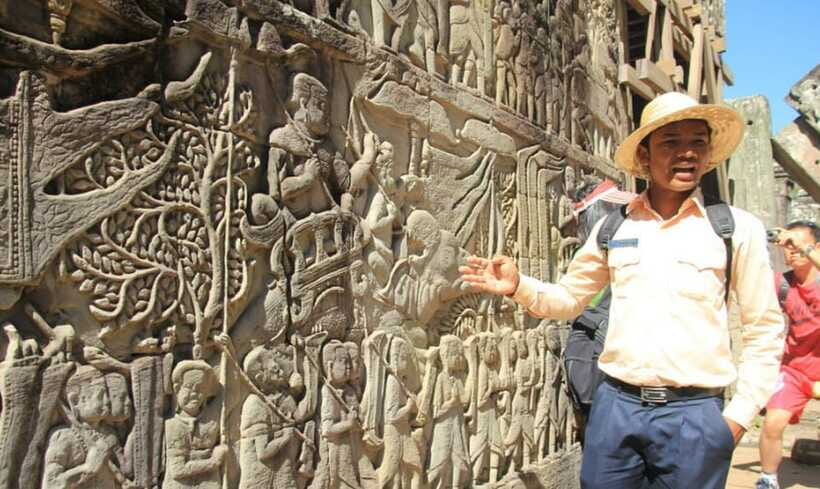
What makes the guide part valuable is that you’re not only walking from one viewpoint to the next. You’re learning how Cambodian culture and Khmer-era history show up in design—what the temples represent, and how the complex fits into the larger Khmer empire story. That kind of context can turn a “wow, that’s big” moment into “now I get why it’s built like this.”
If you care about photos, you’ll also benefit from having someone who knows where to stand. In one booking, the guide was specifically praised for knowing the perfect spots of view and even being a strong photographer, which matters because angles at Angkor Wat can make or break your results. If your guide is the type to help with angles and timing, you’ll feel it quickly.
South Gate to Bayon and Baphoun: the faces, the towers, and the story
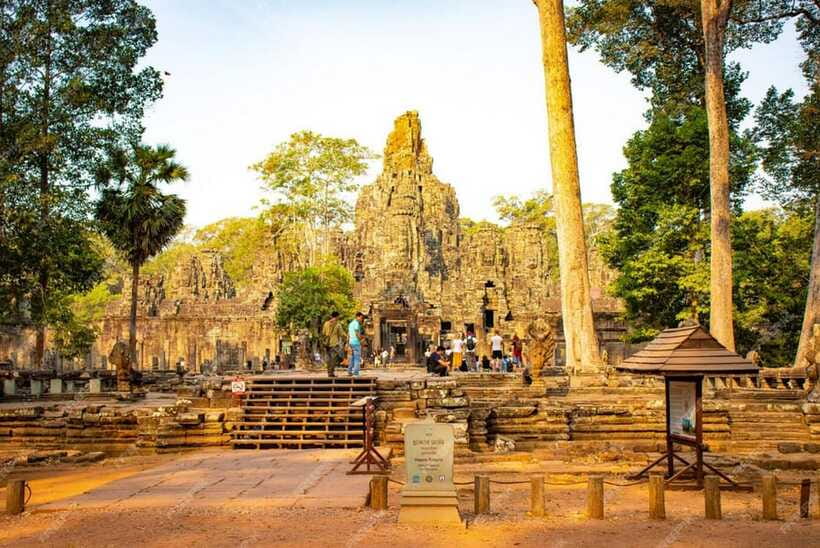
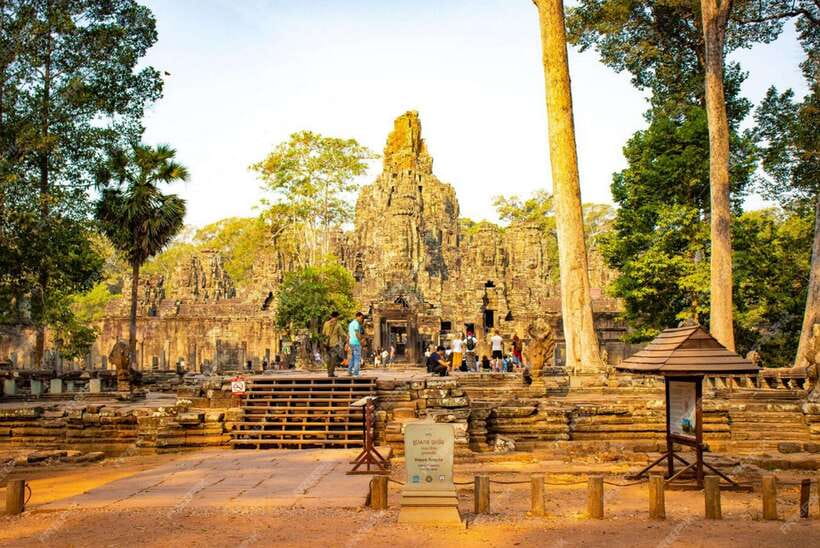
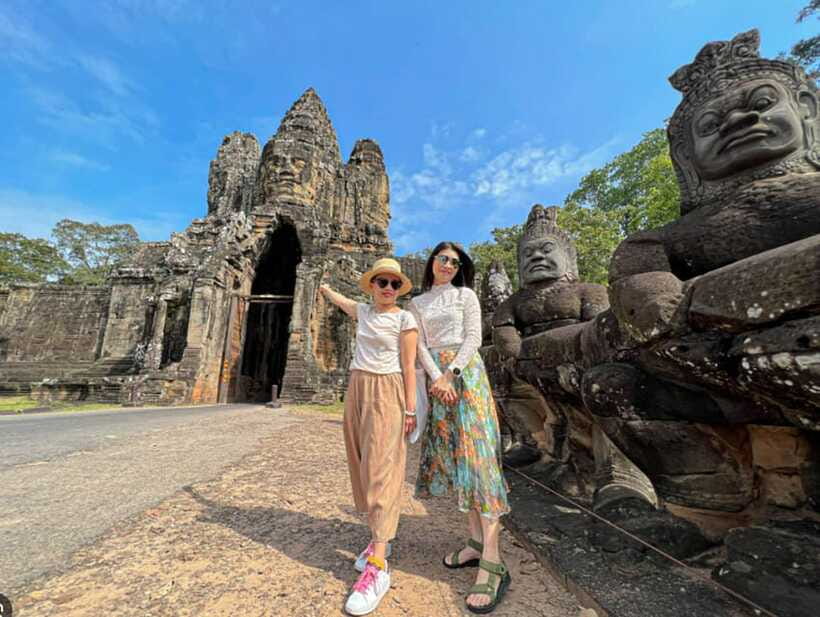
Your next major stop shifts from Angkor Wat to South Gate of Angkor Thom. This is where the temple vibe changes. Angkor Wat is all about grandeur and symmetry; Angkor Thom feels more intense, like it’s pulling you into a different mood.
From there you go to Bayon and Baphoun, guided through the key sights. The tour highlights two very specific details you should mentally lock in:
- 54 towers
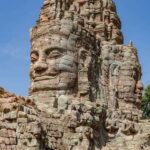
- 216 faces of Buddhisatva Avalokesvara
That’s the kind of information that sounds like a trivia line until you’re standing there and noticing how the faces repeat from angle to angle. Your guide’s job here is to connect what you’re seeing with Khmer historical context, so you’re not just counting faces—you’re understanding the temple’s meaning and how it fits into the empire’s worldview.
Timing helps, too. Sunrise has already set your day up, and this mid-morning stretch usually isn’t quite as chaotic as the late-afternoon rush. You’ll still want to keep moving and not get stuck in one spot for too long, because there are multiple terraces and temples still ahead.
Terrace of the Elephant and Terrace of the Leper King: royal platforms you can picture
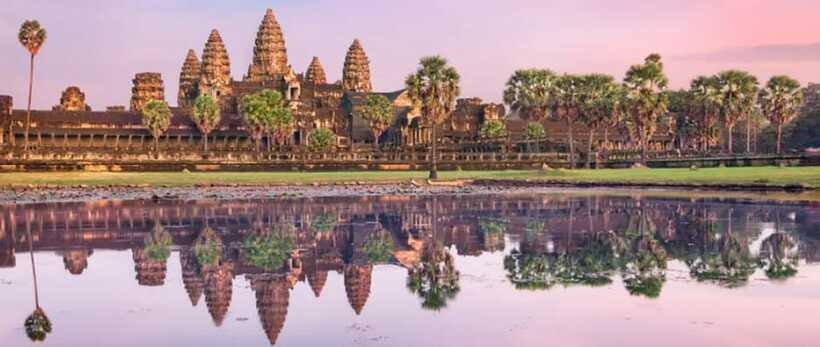
After Bayon/Baphoun, the tour moves into two terraces that act like stone backdrops for imagined scenes.
You’ll see:
- Terrace of the Elephant
- Terrace of the Leper King (described as a royal viewing platform and the stage of the king’s great audience hall)
Even if you don’t know Khmer-era court life, the terraces help you understand how these sites worked socially. These weren’t just places for worship. They were built to frame ceremony, viewing, and authority.
Here’s the practical benefit: terraces give you natural “rest points” for your body while still feeling meaningful. You can take photos, catch your breath, and let the guide’s explanation make sense of the surrounding temple layout.
Ta Prohm: when trees stop being scenery and become part of the ruin
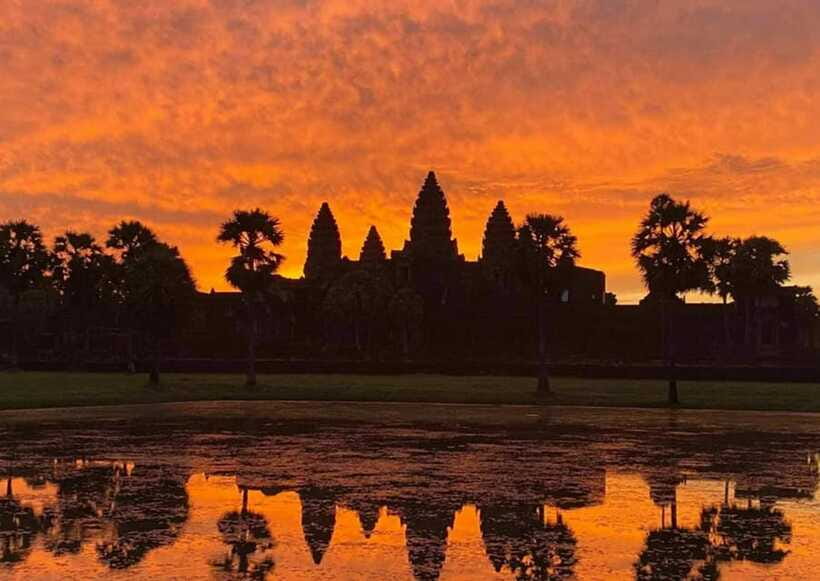
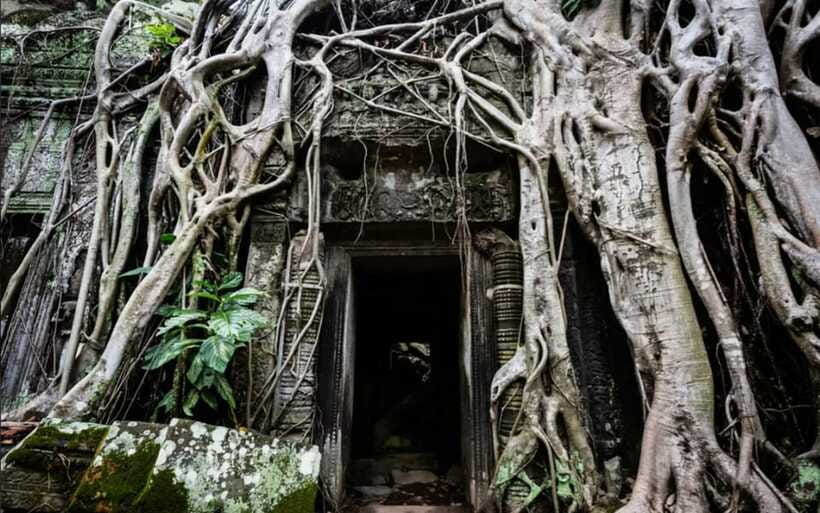
Then comes Ta Prohm, the jungle-temple stretch people talk about for a reason. You’ll enter Ta Prohm Temple and see the lush trees surrounding the stones. This is one of the best stops on this type of tour because it makes the architecture feel alive, even though it’s clearly ancient.
What you’ll likely notice quickly is that Ta Prohm isn’t about clean lines. It’s about the visual tension between carved stone and growing roots. That’s why it works so well for first-time visitors: it makes you slow down and look at details you might miss at perfectly restored sites.
If you’re the type who likes photos, this is also where your guide’s photo-help can shine. One booking praised a guide for helping with pictures throughout the day, and Ta Prohm is the kind of place where a little coaching on angle and timing can seriously help.

Banteay Kdei: a calmer finish with a 12th-century link
The day doesn’t end right after Ta Prohm. You also visit Banteay Kdei, built by King Jayavarman VII in the late of the 12th century.
This is a useful final stop because it changes the pace. By the time you reach Banteay Kdei, you’ve already seen the biggest wow moments of the circuit. Now the focus becomes a more grounded temple experience with history built into the structure.
That late-day history detail matters because you get a clearer sense of continuity. The temples aren’t random stops; they’re connected by era, rulers, and evolving temple styles. Your guide’s explanations help keep it from becoming a blur of stone.
The guide + driver combo: what makes a small tour feel smooth
This tour includes an English-speaking guide, bottled water, and a cold towel, plus round-trip hotel transfers.
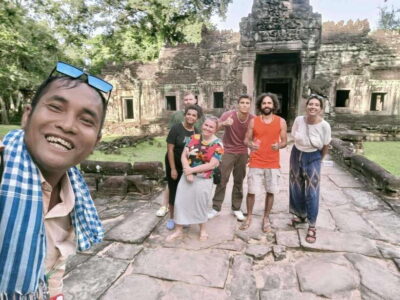
The guide is the engine of the day. In one booking, the guide Ounra was praised for arriving at Angkor Wat at 5:00 AM, taking people to the best sunrise viewpoints, and helping with photos. Another detail worth noting: the best guides help you avoid the worst crowd moments, so you’re not just watching other people’s camera screens.
The day is also about logistics, especially at sunrise. Your driver being on time and helpful makes a huge difference when you’re leaving very early.
One caution from a booking: a traveler reported that cold water and a cold towel weren’t provided as expected. That doesn’t mean it always happens, but it’s worth knowing that if something feels off, ask directly and politely when you’re picked up.
Shared group or private tour: which fits your style
You can choose between:
- a shared group option, or
- a private group option
A shared group can be a good value if you’re comfortable moving with others and you’re okay with the pace of a small crowd. One booking even mentioned a big group size (22 people), and that can affect how personalized the experience feels, especially for photos and Q&A.
A private tour is the better match if you want:
- more flexibility with stops and photo angles
- quieter pacing
- a more conversational history lesson
Either way, the core sights stay the same. Your choice mainly changes how much attention you get and how smoothly you can control timing.
Timing, comfort, and what rules matter
This is an 8-hour tour, and you’ll start at 4:30 AM. That makes it perfect for people who like early starts and hate waking up late and missing the main event.
A few practical notes based on what’s specified:
- Alcohol and drugs are not allowed.
- It’s not suitable for people over 70 years.
Because you’ll be walking and standing in and around multiple temples, you’ll want to think about your comfort level that morning. If you’re someone who needs frequent breaks, a private option may feel easier.
Also, because meals and beverages aren’t included, plan for lunch on your own or follow whatever restaurant stop is used during the day. One booking noted the lunch restaurant can be pricey, which isn’t surprising given its location near the temple area.
Who should book this sunrise and small Angkor circuit?
Book this if you:
- want one efficient day covering Angkor Wat sunrise plus major Angkor Thom highlights
- like having a guide explain what you’re seeing, not just taking photos
- want a tour that can be shared or private depending on your comfort level
Consider a different plan if:
- you dread extreme early wake-up times
- you’re expecting meals and entrance fees to be fully covered
- you prefer a very flexible day where you choose every stop yourself
Should you book this sunrise tour?
For most people in Siem Reap, I think it’s worth booking—especially if you care about sunrise and you want a guided route that hits the temples most visitors actually wish they had time for.
Here’s the decision rule I’d use:
- If you’re going to buy an Angkor Pass anyway and you can handle a long morning, this tour gives strong value for the sightseeing and guide time.
- If you’re on a tight budget, do the math: the tour price is cheap, but the pass and meals add up.
If you can, choose the option that fits your energy. Private is great when you want more photo help and less crowd pressure. Shared is a smart way to go when you’re flexible and happy to roll with the group.
FAQ
What time is pickup?
Hotel pickup starts at 4.30 AM, and you’ll travel to Angkor Wat to watch the sunrise.
Does the tour include temple entry tickets?
No. Angkor Pass tickets are required and not included. You can choose a 1-day, 3-day, or 7-day pass.
What Angkor Pass options are available?
The tour information lists these options: 1-day (USD37), 3-day (USD62), or 7-day (USD72), and the days must be consecutive.
What temples are included?
The route includes Angkor Wat (sunrise and guided visit), South Gate of Angkor Thom, Bayon, Baphoun, Terrace of the Elephant, Terrace of the Leper King, Ta Prohm, and Banteay Kdei.
Is lunch included?
No. Meals and beverages are not included.
Is there an English-speaking guide?
Yes. The tour includes a live English-speaking guide.
Can I arrange pickup, and what details are needed?
Pickup is available via transfers, and you should advise your hotel name and room number for pickup. The meeting point is based on your hotel.