REVIEW · SIEM REAP
2 Days Guided Historical Tour in Angkor
Book on Viator →Operated by Angkor Wat Shared Tours · Bookable on Viator
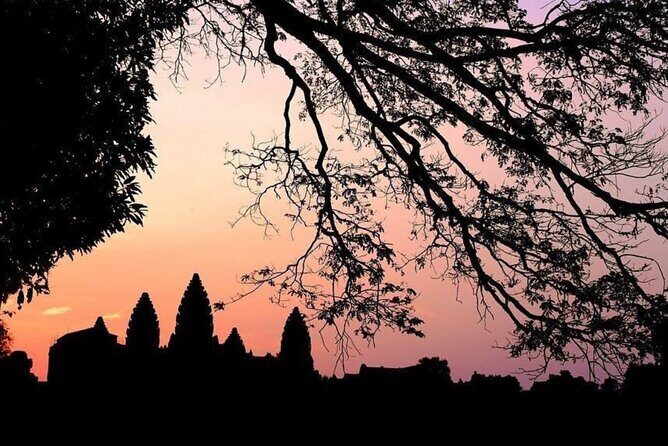
Angkor Wat is bigger than your photos. This two-day guided plan hits sunrise and then strings together 11 temples with clear explanations.
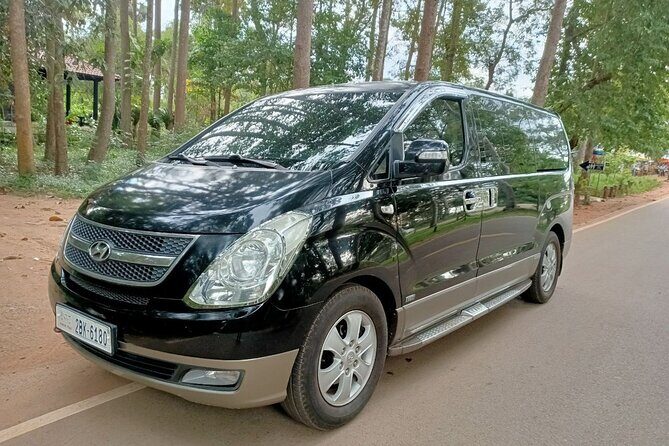
What makes it practical is the early start, tight routing, and the fact you’re not stuck figuring out logistics in the heat—pickup, vehicle, and a guide are built in.
I especially like the small-group limit (max 15)—it keeps the day from feeling like cattle herding. I also love the comfort basics that actually matter at Angkor: cold water, a wet towel, and hotel pickup/drop-off so you spend less energy on getting organized.
One consideration: the $35 tour price doesn’t include temple entry, listed as $62 per person, and day one kicks off at 4:30 a.m. If either of those is a dealbreaker, plan accordingly.
In This Review
- Key points at a glance
- How this Angkor tour squeezes 11 temples into two days
- 4:30 a.m. pickup and why the early start feels worth it
- Day 1: Angkor Wat sunrise, Angkor Thom, Bayon, Ta Keo, Ta Prohm
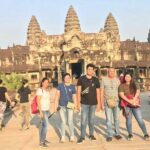
- Angkor Wat: sunrise plus guided entry
- South Gate of Angkor Thom: faces and a causeway
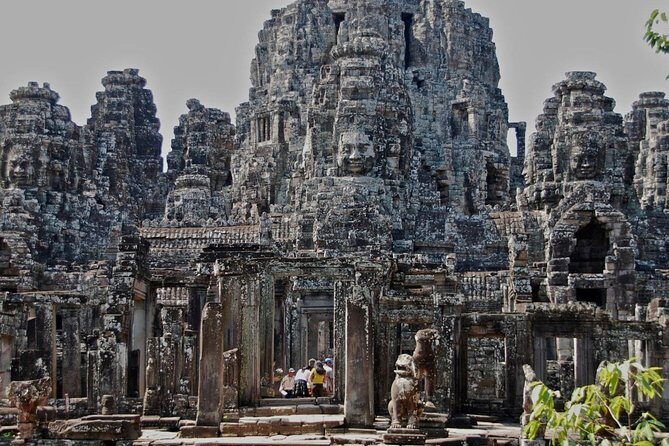
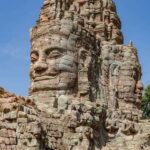
- Bayon: the four smiling faces
- Ta Keo: temple-mountain in sandstone
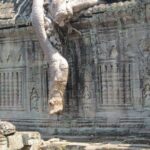
- Ta Prohm: the jungle-root temple effect
- Day 2: Pre Rup, Ta Som, Neak Pean, Preah Khan, Phnom Bakheng for sunset
- Pre Rup: a state temple with a time-stamped feel
- Ta Som: small temple, big context
- Neak Pean: an artificial island and a circular design
- Preah Khan: built to honor a father
- Phnom Bakheng: final stop timed for sunset
- Guides, group size, and the comfort that saves the day
- Price and what you should budget beyond the $35
- What to bring for Angkor heat, early mornings, and lots of walking
- Who this tour is best for (and who might prefer DIY)
- Should you book this 2-day guided Angkor Wat tour?
- FAQ
- FAQ
- What time does the tour start on day one?
- How many temples are included in the two days?
- Is hotel pickup included?
- Is the temple entrance fee included in the $35 price?
- Are meals included?
- What group size should I expect?
- Does the tour use a mobile ticket?
- What’s the duration of the experience?
- Does the tour provide comfort items during the day?
Key points at a glance
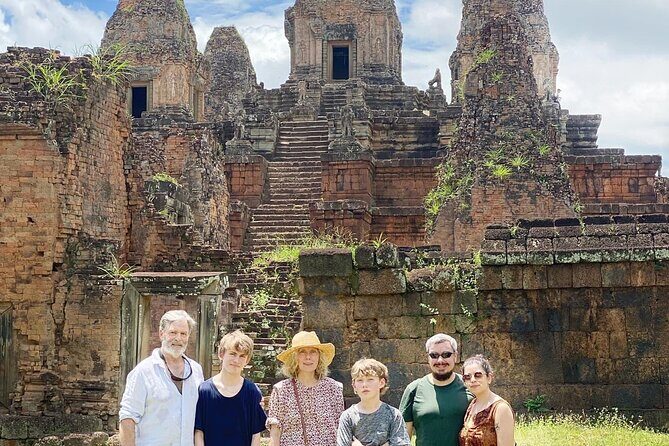
- Small group (15 max) for easier questions and a calmer pace through crowds
- Sunrise and sunset timing across two days so you catch both mood swings of Angkor
- 11 temples in 2 days with a mix of headline sites and lesser-visited ones
- Comfort add-ons like cold water, a wet towel, and air-conditioned transport
- Hotel pickup (and a central meeting point near Pub Street) to reduce morning stress
How this Angkor tour squeezes 11 temples into two days
This is a logistics-first Angkor Wat experience. Instead of picking one temple and hoping you’ll manage the rest, you’re led through a themed route over two full days—sunrise on day one, and sunset built into day two. That structure is what makes it feel like more than a “check the box” tour.
The itinerary mixes the famous, high-demand stops (Angkor Wat, Bayon) with supporting temples that many first-timers skip. That matters because Angkor isn’t just about one iconic view—it’s a whole system of architecture, waterworks, and Khmer-era religious ideas spread across a vast area.
For me, the value is less about seeing 11 things and more about seeing them in a way that helps you connect the dots: why the temples look the way they do, how the Khmer kingdom organized worship, and how the different sites relate to each other.
Other guided tours in Siem Reap
4:30 a.m. pickup and why the early start feels worth it
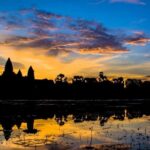
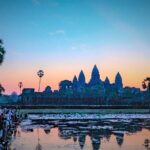
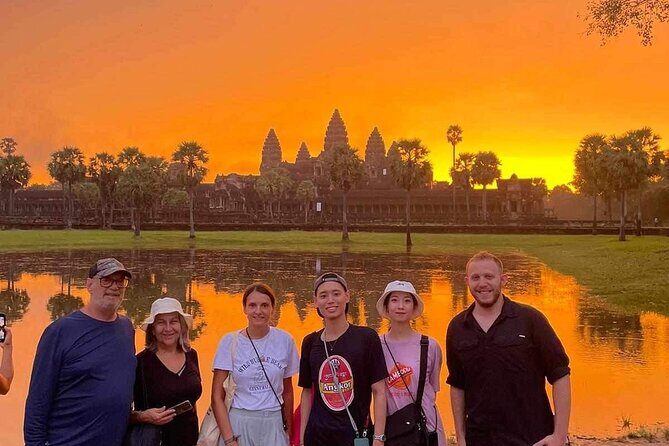
Your day begins at 4:30 a.m., with pickup from a hotel area around Pub Street (the meeting point is Siem Reap Pub Hostel behind Angkor Night Market). That’s extremely early, but the payoff is simple: cooler air, fewer later crowds, and a sunrise window at Angkor Wat.
You’re not just dropped at the gate. The schedule includes time to reach Angkor Wat at sunrise, then get inside with the guide explaining what you’re looking at. Some guests also mention getting a flashlight for the dark start, which makes the pre-dawn walking easier.
Real talk: sunrise tours can feel rushed if the tour doesn’t manage the crowd flow well. Here, the routing is built around that first-day momentum, so you’re using the early hours for what you came for.
Day 1: Angkor Wat sunrise, Angkor Thom, Bayon, Ta Keo, Ta Prohm
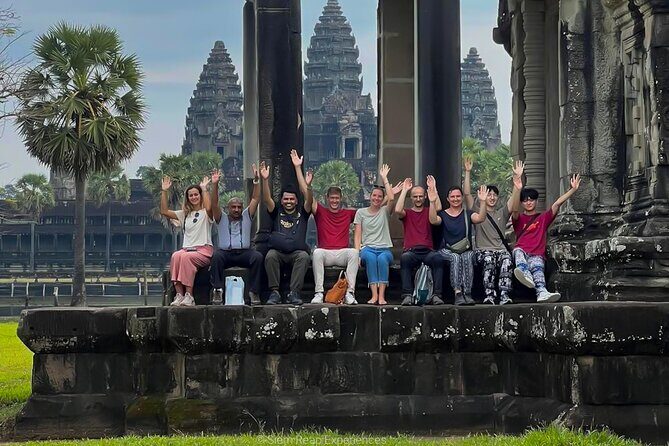
Day one is your “big monuments” arc. You’ll see the headline sites in a sequence that keeps you moving through the core Angkor story.
Angkor Wat: sunrise plus guided entry
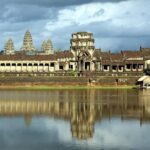
You start with Angkor Wat at sunrise, including a guided walk inside the complex and explanations of the temple. The guide time is the point here. Without context, a lot of what you see can feel like the same stone carvings repeated. With a guide, you’re more likely to notice the symbolism and layout choices that make Angkor Wat so influential.
South Gate of Angkor Thom: faces and a causeway
Next up is the South Gate of Angkor Thom. This is a great “reset” stop after the sunrise intensity: carved faces, stone figures along the causeway, and a sense of entering a major fortified city. You’ll get a quick orientation that helps Bayon and the surrounding temples make more sense later.
Other historical tours in Siem Reap
Bayon: the four smiling faces
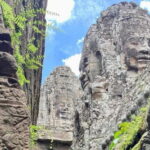
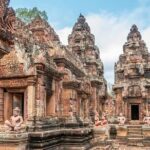
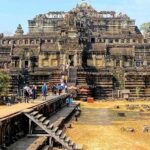
Bayon is where the Khmer city feel becomes unforgettable. The temple is described as richly decorated and tied to Buddhism in the Angkor period, built in the late 12th or early 13th century as a state temple. The famous faces are the visual hook, but the guide’s job is to connect the carvings to the temple’s purpose and the era that produced it.
Ta Keo: temple-mountain in sandstone
Ta Keo is a different vibe—temple-mountain energy. It’s noted as possibly the first Angkor temple built entirely of sandstone by the Khmer. This stop is a good place to slow down and look closely, especially if you like architectural details rather than only “postcard views.”
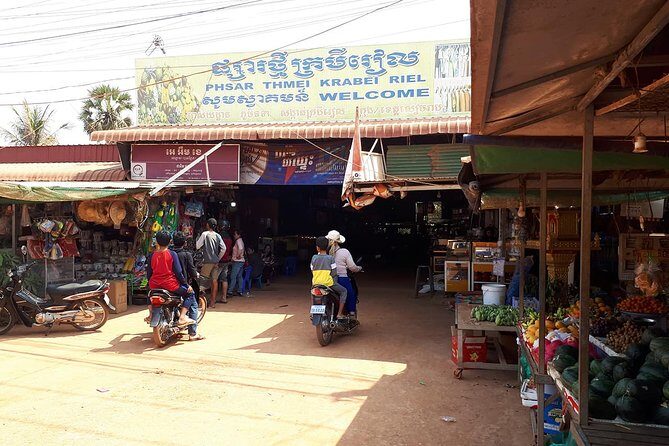
The schedule includes a breakfast break before Ta Keo. Meals aren’t included in the tour price, so you’ll need to treat breakfast as extra spending or plan something before the tour.
Ta Prohm: the jungle-root temple effect
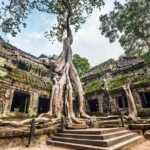
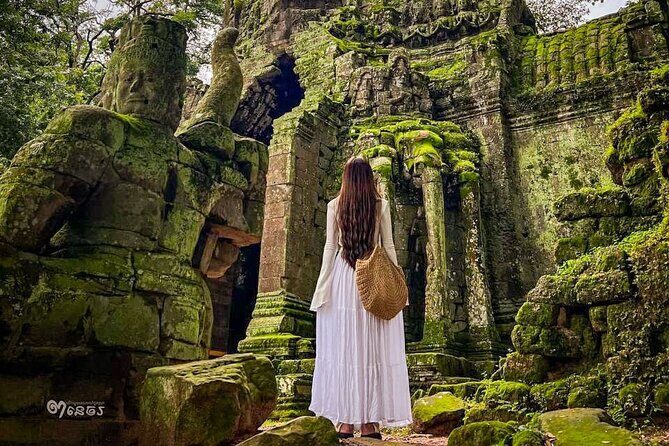
Ta Prohm is the one you likely pictured before you came. It’s known by its modern name and sits near Angkor Thom, along the edge of the East Baray. Expect plenty of photo angles and that unmistakable “stones meeting trees” look.
The value of having this on day one: you’re still fresh enough to appreciate it. By midday, it’s often hot and tiring, so it helps to have the most visually dramatic stops earlier.
Day 2: Pre Rup, Ta Som, Neak Pean, Preah Khan, Phnom Bakheng for sunset
Day two is the “keep going, but slower” half. The overview calls out lesser-visited temples, and the itinerary reflects that: fewer peak crowds, more chance for photos, and more time to absorb the setting.
Pre Rup: a state temple with a time-stamped feel
Pre Rup is described as a Hindu temple-mountain built as the state temple of Khmer king Rajendravarman, dedicated around 961 or early 962. That’s the kind of detail a good guide can turn into something memorable—why this site exists when it does, and how state religion shaped architecture.
Ta Som: small temple, big context
Ta Som is a smaller temple built at the end of the 12th century for King Jayavarman VII. Because it’s less of a headline stop than Angkor Wat, it can feel more personal. You’ll likely walk away feeling like you saw a more complete “map” of Angkor instead of only the best-known landmarks.
Neak Pean: an artificial island and a circular design
Neak Pean is described as an artificial island with a Hindu temple on a circular island in Jayatataka Baray. There’s also a connection to Preah Khan temple’s reign period. Even if you’re not hunting religious meaning, the water-and-island setting makes the temple feel distinct.
Preah Khan: built to honor a father
Preah Khan was built in the 12th century for King Jayavarman VII to honor his father. It’s located northeast of Angkor Thom and tied to the Jayatataka baray area. This is another stop where guidance matters. A temple like this can look like “more ruins” until you understand the purpose behind its construction.
Phnom Bakheng: final stop timed for sunset
Your last stop is Phnom Bakheng, described as a Hindu temple mountain dedicated to Shiva and built at the end of the 9th century during Yasovarman’s reign. The day is designed so you stay to watch the sunset—so by the time you reach the end of the route, you’re not just touring stone. You’re also watching light change over the Angkor zone.
Even if you don’t obsess over the best exact vantage point, sunset at Angkor is a major emotional payoff. It turns the whole place from museum to living atmosphere.
Guides, group size, and the comfort that saves the day
The tour caps at 15 travelers, which is a big deal at Angkor. Large groups can mean you spend your time waiting for everyone to catch up. With a smaller group, you get quicker answers, better pacing, and more time at each temple to actually look.
Comfort is also handled like adults should handle it. You get air-conditioned transport, plus cold water and a wet towel on the day’s hottest stretches. Those are tiny details that turn into big comfort when your timing is sunrise-to-sunset.
The reviews you provided strongly point to guide quality. Names that came up include Sok, Vone, Sam, Ho Heang, Sary, and Sem—and the common thread is that they explain history and Khmer-era context in a way that feels usable, not just a recital of dates. One stand-out theme: guides also help with pacing and keep the group moving without making it feel like you’re being dragged.
If you’re the type who loves asking questions, a small group plus an involved guide is exactly the right mix.
Price and what you should budget beyond the $35
The tour price is listed as $35 per person, and it includes guide service, an air-conditioned vehicle, cool water and wet towel, hotel pickup/drop-off, and 11 temples over two days.
But you’ll also need to budget for temple entry. The temple ticket is not included and is listed as $62 per person. Meals aren’t included either, with breakfast mentioned as not included during the day.
So the real comparison isn’t just $35 versus another tour. It’s: how much you value guided routing, timed sunrise/sunset, and comfort logistics—plus how easily you can handle the total spend once the entry tickets are added.
In my view, this tour is good value if you want fewer headaches and more context. If you’re the DIY type with your own plan, tickets, and transport already figured out, you might spend less on paper. But you’ll give up the “someone else solved the order” advantage.
What to bring for Angkor heat, early mornings, and lots of walking
Even with a vehicle and guide, this is still a serious walking day. The schedule includes multiple temples across two days and lots of moving between sites.
I’d plan with these essentials:
- A hat, sunscreen, and sunglasses (morning can still be bright fast)
- Light layers you can tolerate in humid heat
- Comfortable shoes with decent grip
- A small daypack for water, snacks, and your phone charger
- Cash or card for meals (breakfast is noted as not included)
Also, wear something breathable. The heat in Siem Reap can be intense, and several guides are described as keeping people comfortable with water and pacing. Still, you’ll enjoy the day more if you’re physically set up to handle it.
If you’re doing sunrise, bring a light layer. Early mornings near Angkor can feel cooler at first, then shift quickly once the sun climbs.
Who this tour is best for (and who might prefer DIY)
This guided two-day route is ideal if:
- You’re visiting Angkor for the first time and want order and context
- You want both headline temples and some of the quieter ones
- You prefer small-group pacing (15 max)
- You don’t want to spend your vacation solving transport between sites at 4:30 a.m.
It may not fit as well if:
- You strongly prefer total independence and don’t want to follow a fixed route
- Sunrise departures feel stressful to you
- You’re very sensitive to very early mornings and lots of walking
The tour strikes a nice middle ground: guided enough to learn, flexible enough to take photos and explore each stop.
Should you book this 2-day guided Angkor Wat tour?
I’d book it if you want an Angkor experience that feels organized and meaningful rather than chaotic. The combination of sunrise, sunset, a small group, and on-the-ground guidance is the big win.
Think twice only if the early start at 4:30 a.m. or the extra $62 temple ticket isn’t something you can work with. If those fit your trip, this tour is a smart way to see a lot of Angkor without turning your vacation into a transportation project.
FAQ
FAQ
What time does the tour start on day one?
The start time is listed as 4:30 a.m.
How many temples are included in the two days?
The tour includes 11 temples over the two-day experience.
Is hotel pickup included?
Yes. Pickup and drop-off are included, and drop-off is arranged at your hotel or around the Pub Street area.
Is the temple entrance fee included in the $35 price?
No. Temple entry is not included, and the ticket price is listed as $62 per person.
Are meals included?
No. Meals are not included.
What group size should I expect?
The tour has a maximum of 15 travelers.
Does the tour use a mobile ticket?
Yes. Mobile ticket is listed as a feature.
What’s the duration of the experience?
The duration is approximately 2 days.
Does the tour provide comfort items during the day?
Yes. You’ll get cool water and a wet towel, plus an air-conditioned vehicle.