REVIEW · SIEM REAP
3-Day Tour (The Historical of Khmer Empire)
Book on Viator →Operated by Hidden Angkor Tour · Bookable on Viator
Angkor feels huge until someone organizes it. This private 3-day route focuses on the big icons and the lesser-visited temples that make the story of the Khmer Empire click.
I like that it’s built around real time on site (roughly 8am–5pm each day) instead of frantic stop-and-sprint. I also like the mix: classic heavy hitters like Bayon and Angkor Wat, plus jungle-and-ruins detours like Ta Prohm, Koh Ker, and Beng Mealea.
One consideration: the Angkor entrance pass is not included, and meals are on your own, so your total trip cost will be a bit higher than the headline price.
In This Review
- Key highlights worth booking
- Price and the Angkor pass reality
- Pickup, AC driving, and how the day actually feels
- Day 1 in Angkor Thom: Bayon faces and carved terraces
- Bayon, Baphuon, and the Angkor Thom walls
- Preah Palilay to Banteay Srei and Banteay Samre
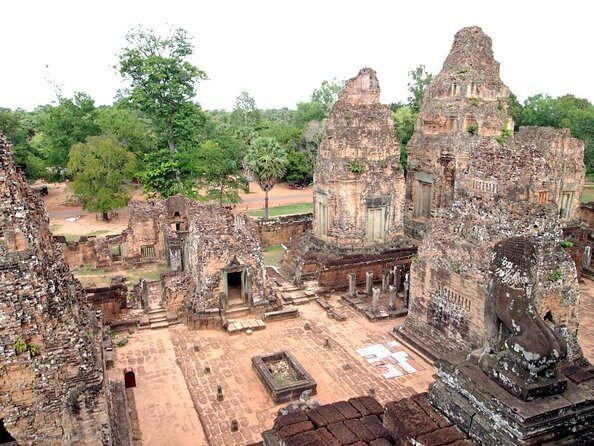
- Optional sunset at Pre Rup
- Day 2 at Angkor Wat: sunrise vibes, Ta Prohm, and Roluos-side calm
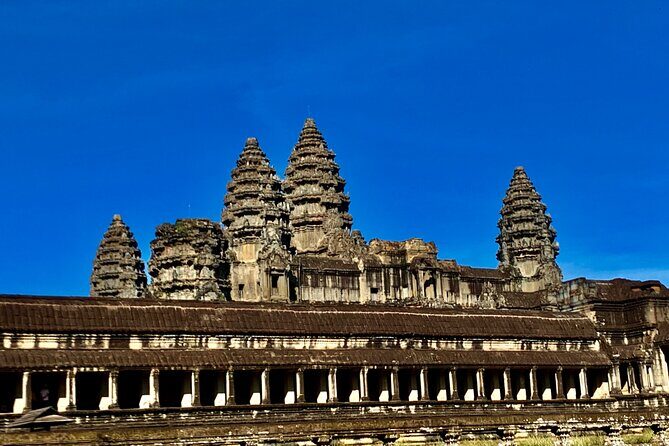
- Angkor Wat first: the iconic anchor
- Ta Prohm and the tree-temple effect
- Roluos Group: Bakong, Lolei, and early capitals
- Old Market and Artisan d’Angkor time
- Day 3: Koh Ker’s 113 km detour and Beng Mealea’s wild maze
- Koh Ker: an alternate Khmer capital in turmoil times
- Beng Mealea: jungle covering a huge temple area
- Optional Pre Rup sunset again
- Your guide and driver: why the names matter
- Dress code and etiquette that can save you from a dead-end
- Food breaks, heat management, and simple tech habits
- Who this 3-day Khmer Empire tour fits best
- Should you book the Historical of Khmer Empire tour?
- FAQ
- Is the Angkor entrance pass included?
- What’s included in the tour price besides the guide?
- Are meals included?
- What should I wear to visit the temples?
- What time does each day run, and where do you return to?
- Does the tour have cancellation flexibility?
Key highlights worth booking
- Private, full-day format: your group only, with a professional English-speaking guide and air-conditioned vehicle
- Skip some crowd pressure by using a curated route and staying on schedule each day
- Strong temple variety across Day 1 (Angkor Thom + Banteay Srei), Day 2 (Angkor Wat + Ta Prohm), and Day 3 (Koh Ker + Beng Mealea)
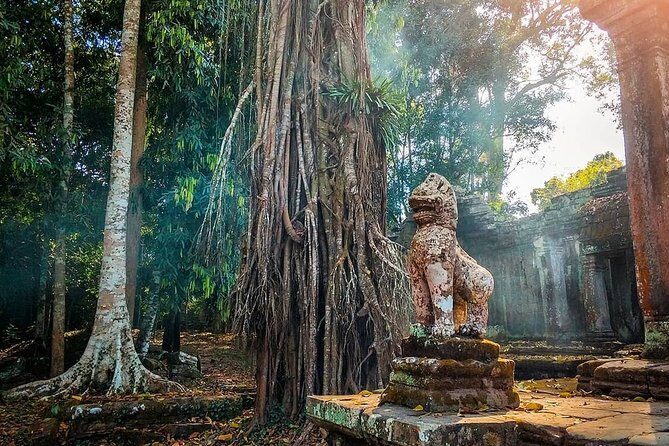
- Photo-friendly stops such as Ta Prohm’s tree-root scenes and the carved terraces inside Angkor Thom
- Built-in comfort: cool water and a cool wet towel during the day
- Good customization potential since it’s described as fully customizable within the tour plan
Price and the Angkor pass reality
The tour price is $250.50 per person for 3 days, and that cost is mostly for logistics: a full-day guide, an air-conditioned vehicle with driver, transfers for Siem Reap stays, and small comforts like cool water and a cool wet towel.
The part that can surprise people is the entrance pass. You must buy the Angkor Archaeological site pass at the main gate, and it’s not included. The pass covers access to sights in and around Angkor, and it’s charged in US dollars. Children under 12 are free of charge, but for everyone else, you should treat the pass as a required add-on.
Value-wise, this becomes a decent deal if you want (1) a private setup, (2) multiple temple days, and (3) someone handling the sequencing. If you’re traveling with just one or two people and you hate waiting around, private can save time that you’d otherwise spend figuring out routes, ticket counters, and logistics.
Other historical tours in Siem Reap
Pickup, AC driving, and how the day actually feels
You’ll start at about 8:00am each day and run until around 5:00pm. That long window matters because Angkor isn’t a “quick photos and done” place. Heat, walking distances, and temple staircases take time.
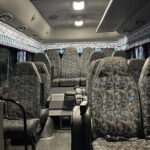
The tour includes pickup and uses an air-conditioned vehicle, which is a big deal in Siem Reap. You also get cool water and a cool wet towel—small perks that help you keep moving instead of melting mid-afternoon.
Return transfers are included only if you’re staying in or inside Siem Reap. If your hotel is outside that zone, you’ll want to confirm how the pickup/return plan works. The operator also says they try to confirm the exact pickup time after reservation, and if they can’t lock it in, they’ll message you the day before.
Day 1 in Angkor Thom: Bayon faces and carved terraces
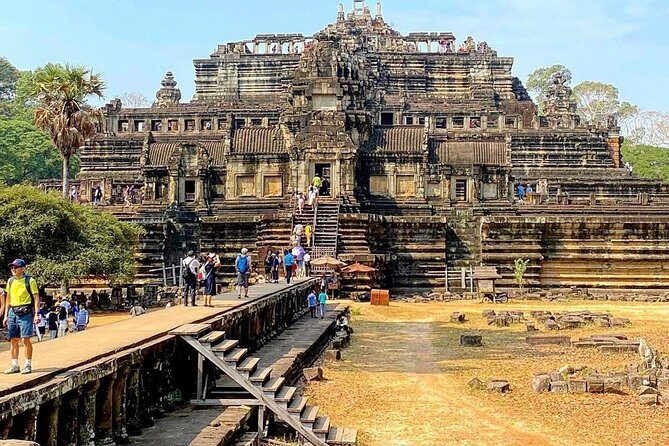
Day 1 leans into the heart of Angkor Thom, starting with Bayon, then adding a string of high-impact structures and carvings. The idea is smart: you get the most recognizable Khmer imagery early, while your legs are still fresh.
Bayon, Baphuon, and the Angkor Thom walls
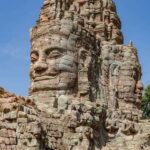
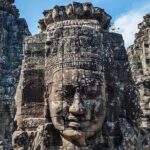
- Bayon (Bayon Temple) is the giant stone-face landmark. Expect about 1 hour here. This is classic Khmer art and architecture, with many towers and that repeating face motif that people associate with Angkor.
- Baphuon follows for about 30 minutes. It’s a three-tier temple-mountain built as the state temple of Udayadityavarman II and dedicated to Shiva.
- Then you’ll walk the Terrace of the Elephants (about 30 minutes). It’s long, carved, and built with the kind of detail that makes you slow down without realizing it.
- Terrace of the Leper King is another 30 minutes. The name comes from a structure above that was associated with a leper king, and the terraces are packed with mythological carving scenes.
These terraces are the day’s “don’t rush” section. The temptation is to treat them as backdrops for photos. Instead, take a little time to look at the carved storytelling on the walls; that’s where the Khmer imagination shows up.
Preah Palilay to Banteay Srei and Banteay Samre
After the core Angkor Thom pieces, you head into a calmer temple pace:
- Preah Palilay (about 30 minutes) sits in a shaded forest setting. It includes Buddhist-themed carvings, and it’s a nice contrast after the busier stone complexes.
- Lunch is set as a break where you eat at a local restaurant in the Angkor area, but meals are not included, so you’ll pay on your own.
In the afternoon you go to two temples that many first-timers love for their carving work:
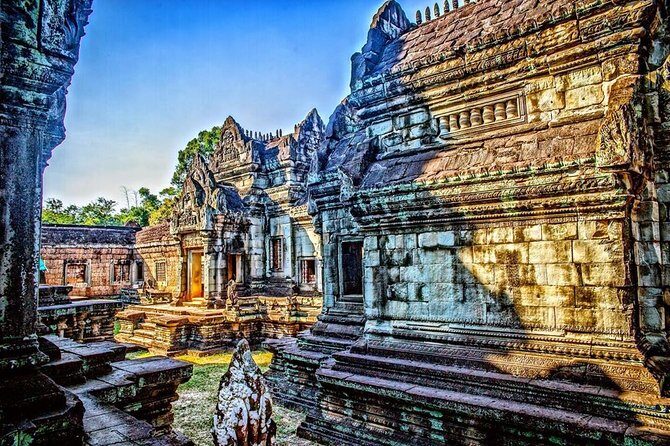
- Banteay Srei takes about 2 hours. It’s often translated as Citadel of Women, and the big draw is the delicate carvings.
- Banteay Samre for about 1 hour. It’s a flatter temple using Angkor Wat–style artistry, plus a naming legend tied to a farmer.
A few more Angkor & Siem Reap tours and experiences worth a look
Optional sunset at Pre Rup
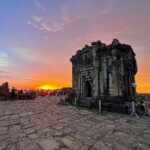
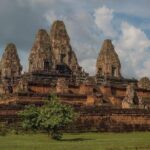
There’s an optional Pre Rup sunset slot (about 1 hour). This matters because Pre Rup is one of those places where evening light changes the feel of the whole complex. The temple-mountain design also offers good views of the countryside around.
Tip: if you’re coming from a busy day, this optional stop is a good test of your energy level. You can treat it as a reward if you’re feeling strong, or skip it if you need to recharge.
Day 2 at Angkor Wat: sunrise vibes, Ta Prohm, and Roluos-side calm
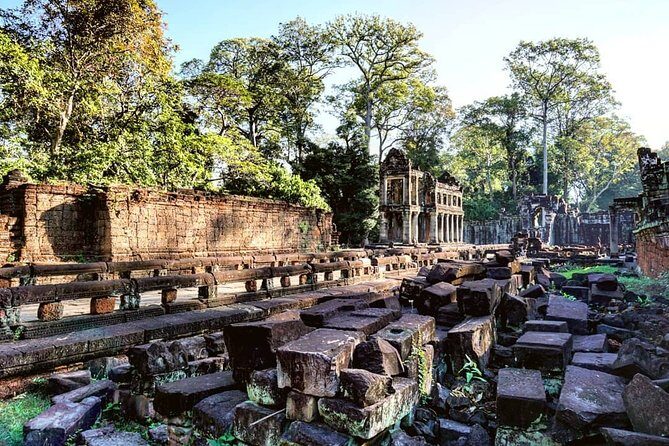
Day 2 starts with Angkor Wat and then moves through Ta Prohm and several additional temples. The route feels balanced: the big famous site, then the “jungle + stone” scenes, then older capital-era temples.
Angkor Wat first: the iconic anchor
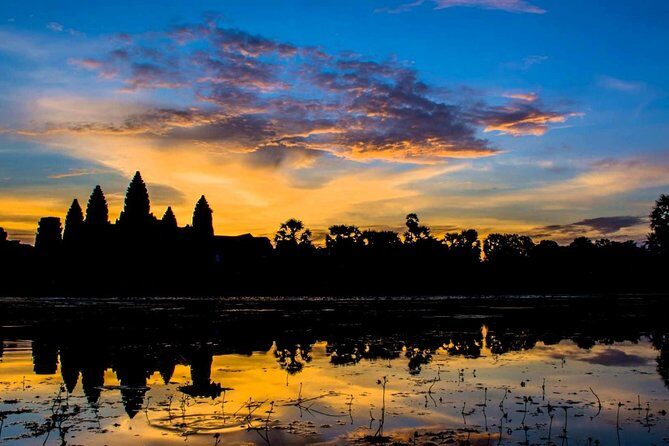
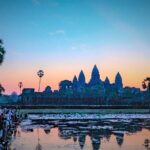
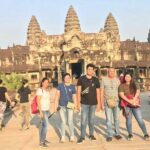
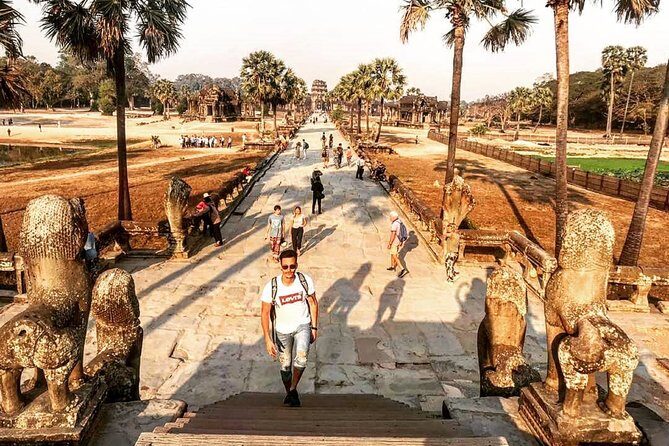
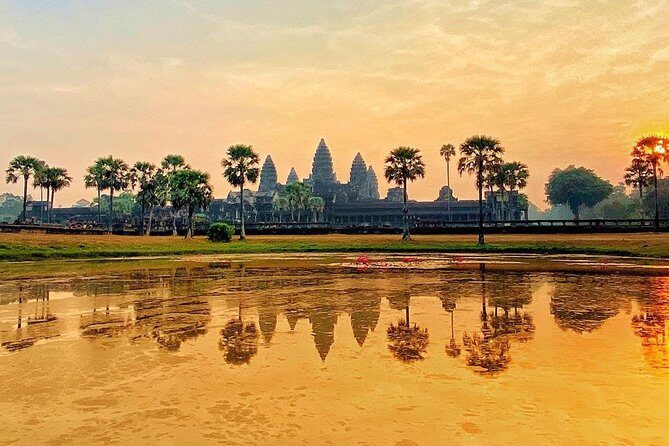
You’ll visit Angkor Wat in the morning for about 2 hours. It’s described as Cambodia’s ancient temple city and is famous for decorative details and architectural style. Because it’s the headline stop, give yourself enough time to slow down and actually look.
If you rush here, you lose what makes it special: the combination of scale and precision.
Ta Prohm and the tree-temple effect
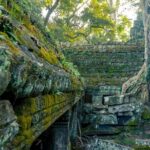
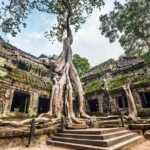
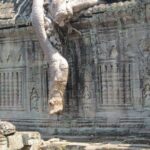
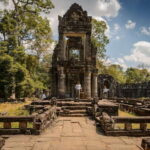
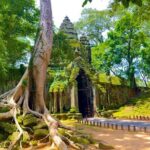
Next up is Ta Prohm (about 1 hour 30 minutes). This is where you get those classic tree-in-temple views and photo angles that most people remember. The complex is only partially cleared of jungle overgrowth, which creates that eerie, grounded-in-nature look.
After Ta Prohm, you go to:
- Ta Nei Temple (about 30 minutes), described as a jungle temple with classic Jayavarman VII artistry and visible Apsara and lintel carvings.
Roluos Group: Bakong, Lolei, and early capitals
The afternoon shifts to the Roluos Group area:
- Bakong (about 45 minutes) is the most impressive member of the Roluos Group and sits in the center of the first Angkorian capital.
- Then Preah Ko (about 40 minutes) at Hariharalaya, the early Khmer capital, is one of the first major temples of the empire.
- Lolei (about 40 minutes) is described as an island-temple ruin built in the middle of a now-dry baray. It’s a quieter stop that helps you connect how water systems fit into Khmer planning.
Old Market and Artisan d’Angkor time
Finally, there’s a Psar Chaa (Old Market) stop for about 2 hours, and it’s said to be a strong place for souvenirs and curios. If you want to buy something practical (postcards, small gifts, local items) rather than just browse, this is the window.
Day 3: Koh Ker’s 113 km detour and Beng Mealea’s wild maze
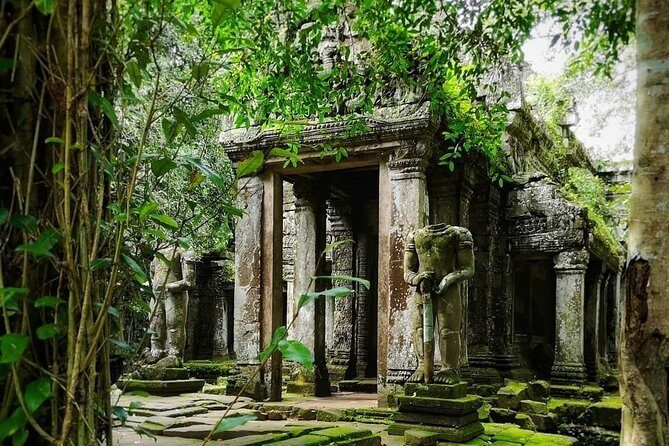
Day 3 is the day for distance and drama. You’re leaving Siem Reap more than once, and that’s part of the appeal: Koh Ker is about 113 km from Siem Reap, and Beng Mealea is about 60 km from town.
Koh Ker: an alternate Khmer capital in turmoil times
You’ll go to Koh Ker Temple in the morning (about 2 hours). The big story point here is that it was constructed during internecine strife and became the temporary capital of King Jayavarman IV. In other words, you’re not just seeing temples—you’re seeing a political moment expressed in stone.
Beng Mealea: jungle covering a huge temple area
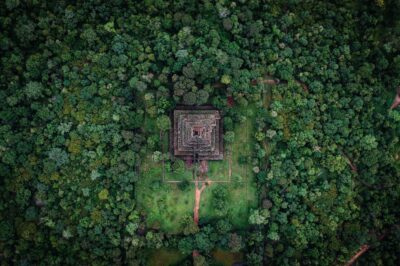
In the afternoon, it’s Beng Mealea for about 2 hours. It’s a Hindu temple in a jungle-covered area of about 1 square kilometer, built toward the end of the 11th century. The setting is the draw: this is temple archaeology in a more untamed form, so expect uneven ground and longer walks than some other sites.
Optional Pre Rup sunset again
There’s also an optional sunset at Pre Rup slot on Day 3 for about 1 hour. Since you already have an optional Pre Rup chance on Day 1, treat Day 3’s option as a second shot if weather or timing didn’t cooperate earlier.
Your guide and driver: why the names matter
This tour is run as a full private tour with a professional English-speaking guide and a driver. That sounds generic until you think about what you’re actually doing: you’re visiting multiple temple styles, across multiple centuries, on a tight schedule.
The guide function is practical:
- helping you understand what you’re looking at without turning it into a lecture
- choosing when to pause for photos versus when to move
- keeping you organized so you don’t spend time guessing what matters next
In the feedback, Mr. Veasna, Mr. Sophia/Sophea, Mr. Vandy, and Mr. Vutha/Vuthay are names that show up in connection with great experiences and smooth pacing. You shouldn’t count on a specific guide, but it’s a useful signal that the operator staffs experienced English guides who can handle families and different age ranges.
Also, the tour is described as fully customizable. That’s meaningful if you have any must-sees, need more time for photos, or want to reduce temple walking on one of the longer-distance days.
Dress code and etiquette that can save you from a dead-end
This is one rule you want to get right before you arrive at the ticket gate. You should wear light clothes that cover your shoulders and keep your knees covered. Some temples and palaces have strict enforcement, and Baphuon is explicitly mentioned as having a strict dress code.
The operator also warns that shirts with obscene and disrespectful prints and pictures, plus brightly colored clothing, may lead to refusal of entrance. That’s not a small detail. If you show up underdressed, your schedule can get messy fast.
Practical move: bring a light scarf or shawl you can use quickly for shoulder coverage, and wear pants or skirts that fall below the knee.
Food breaks, heat management, and simple tech habits
Meals are not included, even though lunch stops are built into the day. So plan for a lunch budget on your own, and use the guide’s timing to avoid being stuck hungry at the wrong time.
The tour provides cool water and cool wet towels, which helps you cope with humidity and sun. Still, you’ll be walking and climbing. If you’re sensitive to heat, build your day around water intake and frequent pauses rather than trying to power through everything.
One unusual but useful note: natural elements can damage electronics. The tour says it’s your responsibility to wrap and protect cameras, phones, and other devices from weather exposure. It’s a simple reminder that you’ll be around mist, humidity, and outdoor surfaces.
Who this 3-day Khmer Empire tour fits best
This works especially well if you:
- want a private plan rather than squeezing into a crowd schedule
- like a structured itinerary that hits Angkor’s major sites and also adds variety
- travel as a couple or family and want the pacing adjusted to your comfort
- care about connecting temple locations to Khmer-era history and rulers, not just snapping pictures
If you prefer completely free wandering every day with no fixed route, this may feel like too much structure. But if you want to reduce decision fatigue and maximize time at the places that matter, the format is a good fit.
Should you book the Historical of Khmer Empire tour?
I’d book it if you want an organized, private 3-day plan that balances the famous temples with less-crowded stops, all backed by an English-speaking guide and air-conditioned driving. The price is fair for the private time you get, as long as you budget for the Angkor pass and plan for meals.
I’d think twice if you’re traveling without flexibility on dress code, or if you’re hoping the ticket price includes everything at Angkor. It doesn’t. You’ll buy the pass at the gate, and you’ll handle your own lunch.
For the right traveler, this is a strong way to see the Khmer Empire without spending the whole trip playing logistics Tetris.
FAQ
Is the Angkor entrance pass included?
No. The tour price does not include the entrance pass to the Angkor Archaeological site. You buy it at the main gate, and the fee is charged in US dollars only.
What’s included in the tour price besides the guide?
You get a full day with a professional English-speaking guide, air-conditioned transportation with a driver, all applicable taxes and service charges, and cool water plus a cool wet towel.
Are meals included?
Meals are not included. Lunch is excluded, so you’ll need to pay for your own meals during the day.
What should I wear to visit the temples?
Plan on light clothing that covers your shoulders and keeps your knees covered. Some sites have strict dress code enforcement, and you may be refused entrance if you’re not dressed appropriately. Avoid shirts with obscene or disrespectful prints and avoid brightly colored clothing.
What time does each day run, and where do you return to?
Each day runs approximately 8:00am–5:00pm. Return transfers are inclusive only for customers staying in and inside Siem Reap.
Does the tour have cancellation flexibility?
Yes. You can cancel up to 24 hours in advance for a full refund, and weather can affect operation, with an offer of a different date or a full refund if it’s canceled due to poor weather.