REVIEW · SIEM REAP
Private Tours Angkor Wat For 3 Days
Book on Viator →Operated by Private Angkor Wat Tour · Bookable on Viator
Angkor at sunrise is hard to beat, and this private 3-day plan is built around the best moments in the Angkor area. You’ll follow a tight route through the big icons like Angkor Wat, plus major second-tier temples with great carvings and fewer headaches. I also like that your guide (including Rain, and often guides like Kheng or Chek) focuses on context, not just dates.
What I like most: you get real one-on-one attention, and the guiding style tends to be personal and detailed. In my experience with tours like this, you also benefit from a clean, well-kept vehicle and smoother pacing through crowded sites—something Rain’s team is specifically known for. You’ll also see how temples connect visually and spiritually, from Bayon’s faces to Ta Prohm’s jungle frame.
One drawback to plan for: temple entry costs (the temple pass) aren’t included, and you’ll be doing lots of walking and standing, especially for sunrise and sunset timing. Also, with so many sites, it helps if you’re okay with a schedule that stays moving most days.
In This Review
- Quick Highlights Before You Go
- Why This Private 3-Day Route Works for Angkor
- Day 1: Sunrise at Angkor Wat, then South Gate to Ta Prohm
- Day 2: Banteay Srei’s carvings and the quieter temples around Preah Khan
- Day 3: Bakong and Preah Ko, then Kompong Phluk by boat and boardwalk
- Price and What You’re Actually Buying With $240
- The Service Quality Details That Make or Break Angkor Days
- How to Prepare: Shoes, Sun, and a Smart Rhythm
- Should You Book This Private 3-Day Angkor Wat Tour?
- FAQ
- Is this a private tour or a group tour?
- What time does the tour start?
- What’s included in the price?
- Do I need a temple pass for these sites?
- Is lunch or dinner included?
- Will the tour guide speak English?
- Is the tour only for people who have special fitness?
- What if weather affects the tour?
Quick Highlights Before You Go
- Private guide and private transportation: English-speaking, with attention to your pace and interests.
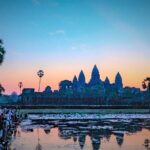
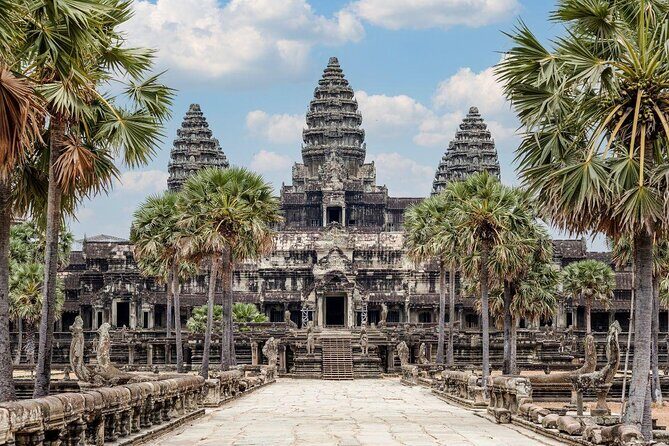
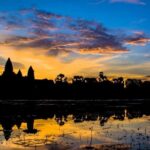
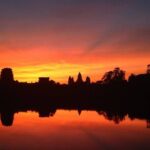
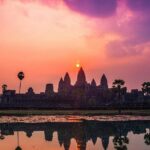
- Sunrise at Angkor Wat: Early timing for the golden light that makes Angkor Wat feel like a movie set.
- Day 2’s mix of classic and quieter temples: Banteay Srei plus Preah Khan, Neak Pean, and Pre Rup in one run.
- Sunset at Phnom Bakheng: A classic end-of-day view that makes the whole day feel complete.
- Kompong Phluk floating village: A water-and-stilt-house change of pace after temples.
- Strong service touches: Clean car, punctual driving, and thoughtful extras like cold drinks and refreshing towels noted in feedback.
Why This Private 3-Day Route Works for Angkor
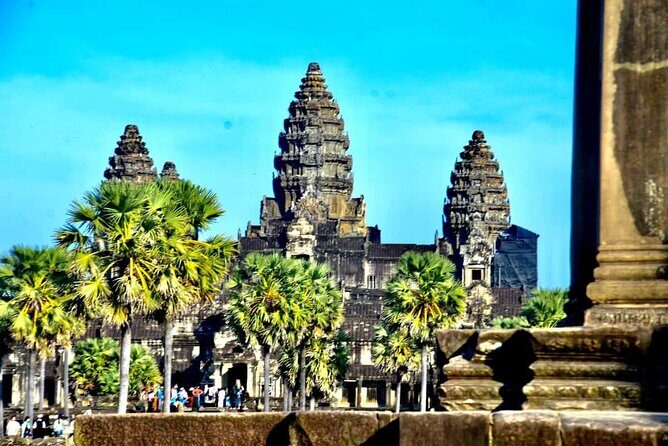
Angkor is huge. The common mistake is trying to see everything with no plan, then spending half your time locating entrances, fighting crowds, and rechecking maps. This itinerary is designed to keep you moving in a logical loop across the major temple zone, so you spend more time looking and less time negotiating logistics.
The private format matters here. With a private guide, you can ask questions in real time, adjust when a site feels too crowded, and get help reading what you’re seeing. Guides such as Rain are repeatedly described as professional, personable, and strong on cultural context, while other team members named in feedback—like Kheng, Chek, Sopheak, and Khan—are praised for attentiveness, patience, and explanations that make Khmer art easier to understand.
At $240 for three days, the value comes from the combo: a guide plus private transport, multiple major sites, and service that keeps the day comfortable. You’re not just paying for tickets you still have to buy—you’re paying for time saved and a better experience at each stop.
Other Angkor Wat temple tours we've reviewed in Siem Reap
Day 1: Sunrise at Angkor Wat, then South Gate to Ta Prohm
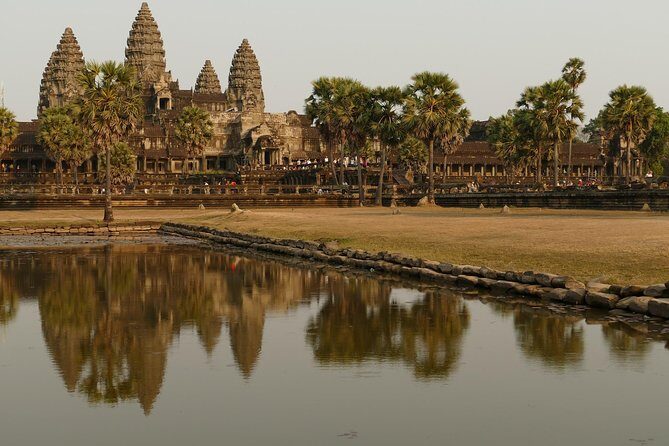
Day 1 is all about impact. You start with Angkor Wat at sunrise, when the light turns the stone warm and the whole scene feels calmer before the day crowds arrive. Angkor Wat isn’t only famous because it’s big—it’s famous because the architecture reads like a master plan. In the early hours, you can actually take it in without constantly dodging tour groups.
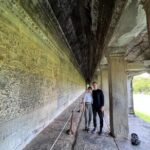
You’ll typically spend around two hours at Angkor Wat, which is just enough time to do a meaningful circuit and still feel like you didn’t rush. Admission isn’t included, so plan for the temple pass cost separately.
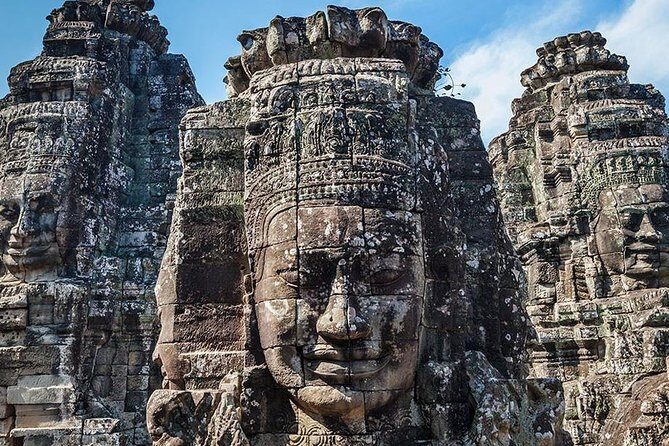
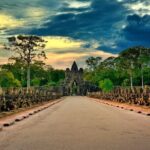
Next comes Angkor Thom South Gate, considered one of the best-preserved and most popular entry gateways. This gate is a fast way to reset your eyes after Angkor Wat because the style shifts in a way that helps you spot Khmer symbolism quickly. From there, you head to Bayon Temple, known for its serene, smiling stone faces. Expect a solid block of time here—about an hour—so you can view different angles and catch how the faces change with your position and the light.
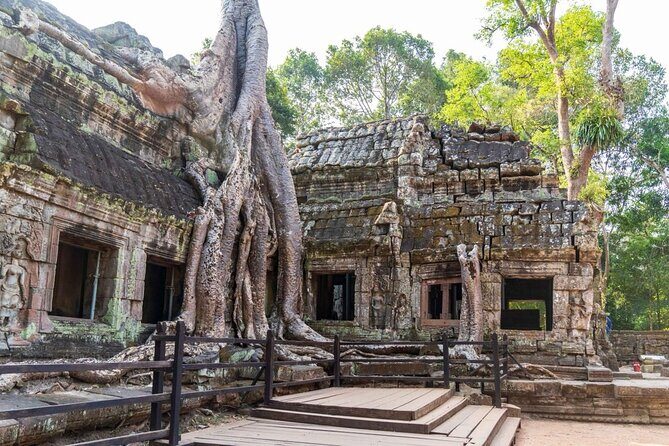
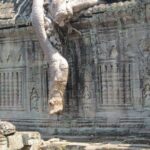
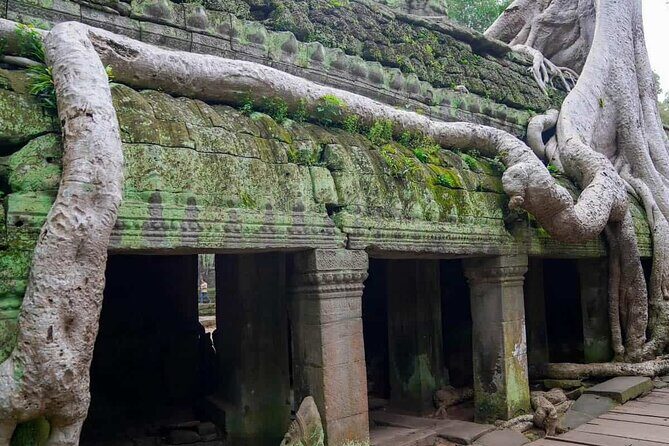
Then comes Ta Prohm, the famous jungle-reclaimed temple people recognize from movie culture. It’s popular for a reason: large tree roots and dense vegetation make the temple feel alive, almost suspended between civilization and nature. You’ll usually have around an hour, which works well—enough to walk, find photo spots, and experience the atmosphere without losing your energy.
A practical note: the tour lists a 8:00am start time, but sunrise at Angkor Wat requires an early morning. If timing matters to you, ask the operator the exact pickup time when you book, so you’re not scrambling.
Day 2: Banteay Srei’s carvings and the quieter temples around Preah Khan
Day 2 is the day for detail lovers. Banteay Srei is often described as the jewel of classical Khmer art, and that makes sense once you’re there: the pink sandstone surfaces and carved decoration feel delicate compared to the larger, more monumental temples. Plan to slow down. If you rush here, you’ll miss why people talk about its craftsmanship so much.
You’ll spend about an hour at Banteay Srei. That’s a good length because you can focus on the carvings, then take in the layout without being overly rushed.
After that, you move into the Preah Khan / Neak Pean / Pre Rup cluster. What I like about this part of the route is the variety of settings:
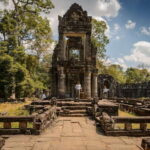
- Preah Khan gives you a temple complex that feels less like a postcard and more like a lived-in sacred place in stone.
- Neak Pean is a smaller stop but memorable because it sits on an island in a lake. Even if you’re not a wildlife person, the setting adds calm.
- Pre Rup is a pyramid-shaped temple dedicated to Shiva, and the structure is built for viewpoints. It’s also a good place to look at the countryside beyond the walls, which helps you understand Angkor as more than just monuments.
You’ll typically have roughly 2 hours across this area, with another hour carved out for Neak Pean and about an hour for Pre Rup. Admission is still not included, so keep your temple pass ready.
Day 2 closes with Phnom Bakheng for sunset. This is one of the classic temple viewpoints in the area, and the timing is perfect: you’ll get a day’s worth of stone and meaning, then end with sky color and a sense of scale. The tour timing shows about two hours for this segment, and that’s exactly what you want for sunset where you’ll likely adjust your position as the light changes.
Day 3: Bakong and Preah Ko, then Kompong Phluk by boat and boardwalk
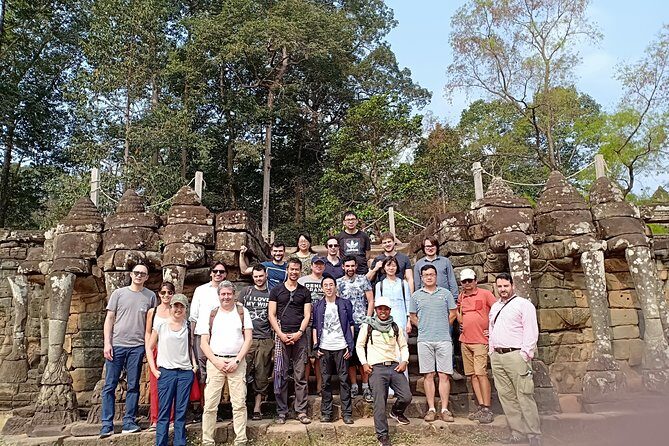
Day 3 starts at Bakong, one of the older temples in the Angkor region. It’s not just for history buffs, either. Older temples give you a different feel for Khmer temple evolution, especially when you’ve already seen the more iconic Angkor Wat/Angkor Thom styles earlier.
Next is Preah Ko, often remembered for being peaceful compared with the biggest-name sites. That matters. After two days of high attention and lots of stone, a calmer temple makes the experience feel more balanced instead of nonstop.
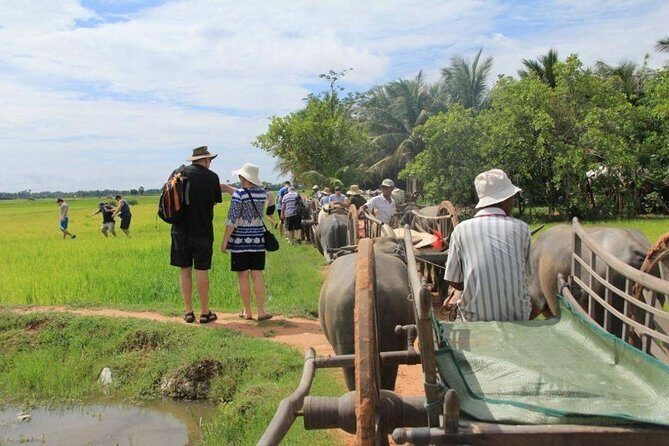
Then you shift from temple stone to daily life and water with Kompong Phluk, the floating village area with stilt houses and lake views. This stop is a welcome palate cleanser. Even if you don’t know much about how fishing villages work, you’ll likely appreciate the setting: you’re seeing Cambodia as a living landscape, not only an archaeological park.
The route suggests about two hours here. That’s enough time to experience the lake environment, walk around where you can, and take in the contrast with the Angkor ruins you’ve been seeing for two days.
Price and What You’re Actually Buying With $240
Let’s talk value in plain terms. This tour is listed at $240 for a 3-day private experience in Siem Reap. For that money, you’re getting:
- English-speaking tour guide
- Private transportation
- Bottled water
What you need to budget for separately:
- Temple pass (not included)
- Lunch and dinner (not included)
- Personal spending
- Any extra transportation costs not covered in the plan (the information list is a little unclear on car vs. transportation, so I recommend confirming what’s included in your exact confirmation)
So your total trip cost will be tour price plus temple pass plus meals. That’s normal for Angkor. The real question is whether you’ll benefit from private guiding more than you would with cheaper group options.
Here’s when I think this tour is a strong buy:
- You want sunrise and sunset timing without stress.
- You want the meaning behind what you’re seeing, not only photos.
- You prefer not to spend your day solving logistics.
And here’s when to pause:
- If you’re the type who loves wandering alone and doesn’t care about explanations.
- If you’re traveling super light and don’t want early mornings and lots of walking.
Other private tours in Siem Reap

The Service Quality Details That Make or Break Angkor Days
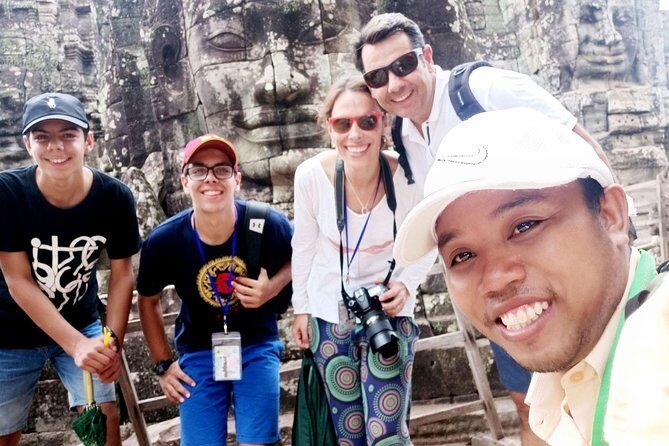
Angkor days can become exhausting fast. That’s why I pay attention to the “small” service signals, because they add up.
Based on feedback tied to this provider, the big strengths are:
- Attentive, friendly guides like Kheng and Chek, described as personable and attentive to details.
- Punctual driving and patience, which matters when temples get crowded and timing slips.
- A clean, well-maintained vehicle, so you’re not arriving sweaty and cranky.
- Thoughtful comfort items mentioned in feedback such as cold drinks, refreshing towels, and small treats.
Even if your guide has a slightly different style than someone else’s, the consistent theme is care. That makes a difference at Angkor, where you can’t control heat, crowds, or the fact that you’re staring at stone carvings for hours.
How to Prepare: Shoes, Sun, and a Smart Rhythm
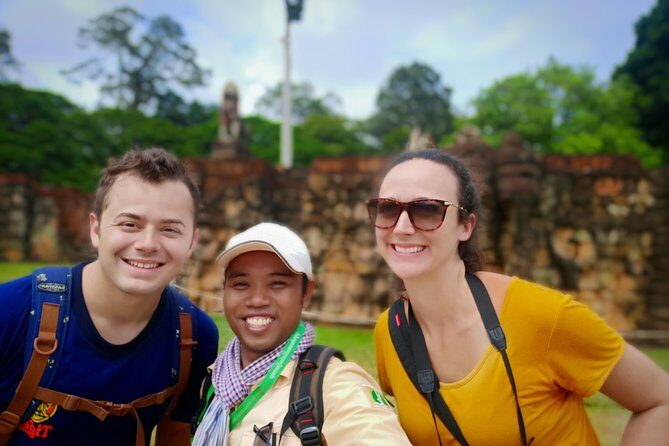
This tour covers several major and secondary temple sites in three days. That means you’ll be walking on uneven stone, climbing steps, and spending time outside.
Here’s how I’d prep so you don’t regret your outfit choice:
- Wear comfortable shoes with good grip.
- Bring sun protection; sunscreen is strongly recommended.
- Consider a hat or cap for sunrise and sunset when the light hits directly.
- Pack water-friendly habits: the tour includes bottled water, but you’ll still want to pace yourself.
Also, when a site is popular, you can’t fully escape crowds at Angkor. The practical win from private guiding is that your guide can help you choose viewpoints, adjust timing within your schedule, and find angles that feel less mobbed.
Should You Book This Private 3-Day Angkor Wat Tour?
I’d book it if you want an easy-to-follow plan with a guide who can explain what you’re seeing and keep you comfortable from sunrise through sunset. The combination of private transport, a named guide team (including Rain, and guides like Kheng or Chek mentioned in feedback), and the route’s focus on major highlights plus classic second-tier temples is a good fit for first-timers and repeat visitors alike.
I wouldn’t book if you’re on a super tight budget or if you don’t want early mornings. Also, remember: you’ll still pay for the temple pass and you’ll need to plan meals yourself.
If you want Angkor to feel meaningful instead of just overwhelming, this is the kind of tour that turns your time into something you’ll remember longer than your photo roll.
FAQ
Is this a private tour or a group tour?
It’s listed as a private tour/activity, which means only your group will participate.
What time does the tour start?
The activity start time is listed as 8:00am, but sunrise at Angkor Wat requires an early start, so I recommend confirming the exact pickup time when you book.
What’s included in the price?
Included items are an English speaking tour guide, private transportation, and bottled water.
Do I need a temple pass for these sites?
Yes. A temple pass is not included, so you’ll need to arrange entry for the Angkor temples on your own.
Is lunch or dinner included?
No. Food and drinks, including lunch and dinner, are not included.
Will the tour guide speak English?
Yes. The tour includes an English speaking tour guide.
Is the tour only for people who have special fitness?
Most travelers can participate, and the main advice is to wear comfortable shoes because you’ll be walking.
What if weather affects the tour?
The experience requires good weather. If it’s canceled due to poor weather, you’ll be offered a different date or a full refund.