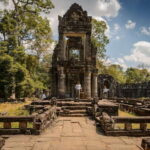
Angkor Wat at sunrise is a time machine. This private two-day plan is built around the sunrise-first start, then it strings together classic hits like Angkor Thom and Ta Prohm with quieter sites that most people skip. My favorite part is the mix of headline temples and lesser-visited stops, because you get both the wow factor and the context. The one consideration: the day starts very early and you’ll be on your feet for long stretches, so moderate fitness helps.
I also like that you can steer the route a bit. You can ask for late pick-up, lunch at a local restaurant, or even a plan designed to reduce crowds, and your guide can adjust while still hitting the right sequence. Guides such as Mr. Sokky, Mr. Ram, and Mr. Raksmey (plus drivers like Mr. T and Mr. Long in past groups) show up consistently in guest feedback for clear history and good logistics.
In This Review
- Key Highlights You’ll Care About
- Sunrise at Angkor Wat: Why This Tour Starts So Early
- Day 1 Through Angkor Thom: South Gate, Bayon, and the Stone Terraces
- Ta Nei and Ta Prohm: The Jungle Temple Goes on the Same Day
- Day 2’s Off-the-Main-Route Temples: Banteay Samre, Banteay Srei, and Kbal Spean
- Srah Srang and Pre Rup Sunset: The Best Ending Moves
- Price, Tickets, and the Real Value of a $375 Group Tour
- Private Guide Energy: What Makes This Tour Feel Different
- Timing, Pace, and What to Pack for Two Busy Days
- Who Should Book This Two-Day Angkor Highlights Tour
- Should You Book Royal Angkor Tours’ Two-Day Angkor Wat Highlights?
- FAQ
- Is hotel pickup included?
- What is the tour price and group size?
- How long is the tour?
- Are temple entrance fees included?
- Does the tour include sunrise?
- Is the guide language covered?
- Is there a mobile ticket?
- Is food included?
- Is this a private tour?
- When can I cancel for a full refund?
Key Highlights You’ll Care About
- Front-row sunrise timing at Angkor Wat with early departure from your hotel
- Private, English-speaking guide and an experienced driver who keep the schedule flowing
- A smarter Angkor Thom circuit: South Gate, Bayon, and the elephant and leper king terraces
- Extra temples beyond the postcard set, like Banteay Samre and Banteay Srei
- River-and-jungle stop on Day 2 at Kbal Spean, with flexible lunch planning
- Sunset options in the main area around Srah Srang and Pre Rup
Sunrise at Angkor Wat: Why This Tour Starts So Early
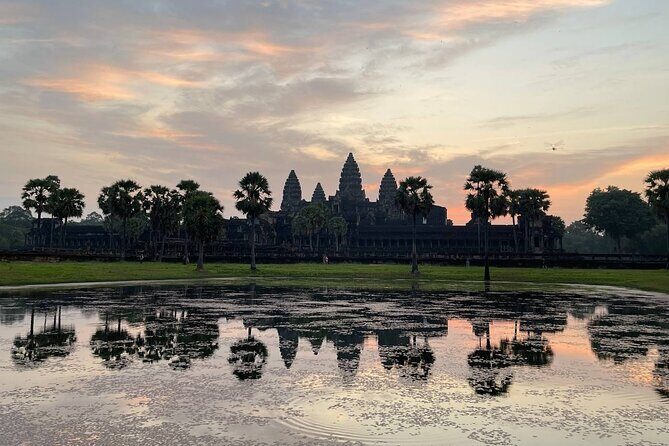
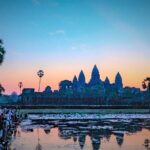
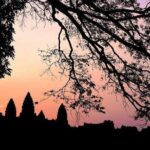
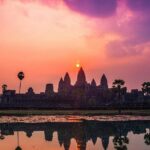
The whole tone of this tour is set before most people in Siem Reap have finished breakfast. On Day 1, you get early pickup and head out specifically to admire sunrise over Angkor Wat, the most famous complex in the Angkor Archaeological Park. If you’ve ever tried to see Angkor Wat during mid-morning crowds, sunrise is the antidote: quieter atmosphere, softer light for photos, and that first moment where the scale finally sinks in.
You’ll spend about an hour at Angkor Wat on the first pass, and that timing matters. It’s long enough to take in the scene, but not so long that you burn daylight before the rest of Angkor Thom. If you want to climb, the tour includes time at Angkor Wat again later in the day, so you’re not forced to sprint up and down steep steps right at the start.
One practical note: sunrise tours require you to plan your energy. Bring water, wear comfortable shoes, and expect a brisk start. It’s not a luxury lie-in type of outing, but it pays off.
Other Angkor Wat temple tours we've reviewed in Siem Reap
Day 1 Through Angkor Thom: South Gate, Bayon, and the Stone Terraces
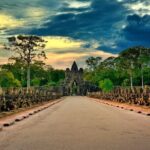
After sunrise, the plan pivots to Angkor Thom, the walled city that anchors many of the park’s most iconic images. The sequence is deliberate: South Gate first, then Bayon and the royal terraces nearby, so you build a clear mental map of the place instead of bouncing randomly between far-flung ruins.
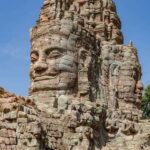
You’ll hit the South Gate of Angkor Thom and then Bayon Temple, the main temple of King Jayavarman VII. Bayon is famous for its 37 towers and the sculptural rock faces, and the time allocation supports a real look rather than a rushed photo stop. With around an hour at Bayon, you can walk the key areas, slow down for carvings, and let the faces do their job.
From there, the tour moves through three short but meaningful terraces:
- Terrace of the Elephants (about 15 minutes): three platforms with elephants carved in stone, tied to an elephant-hunt theme. Even with limited time, you get a strong sense of how grand ceremonies must have felt.
- Terrace of the Leper King (about 20 minutes): one of the most beautiful Khmer reliefs, extremely well preserved. The name comes from King Yasovarman I and his death from leprosy, which adds weight to what you’re seeing.
- Phimeanakas (about 45 minutes): a smaller royal temple on a pyramid, with a view over Angkor Thom from the top area.
Here’s the value of this portion: it’s not just a checklist. You see how Angkor Thom was staged for power—gates as arrivals, Bayon as authority, and the terraces as visual storytelling. And because the tour is private, your guide can pace you based on how you’re feeling rather than moving you along like luggage.
Ta Nei and Ta Prohm: The Jungle Temple Goes on the Same Day
Most people think Ta Prohm is a one-stop, one-photo temple. This plan treats it better. After lunch (you choose from food stalls or restaurants around the park area, or you can return to your hotel with your driver and guide), you visit Ta Nei first, a smaller temple about 4.5 km from Angkor Wat. Even though it’s not the headline everyone posts online, it’s a good palate cleanser before Ta Prohm.
Ta Nei takes about an hour, which gives you room to notice details that vanish if you only sprint through major attractions. It also helps you understand the broader Angkor scene: not every building was designed to be the main stage, but many were part of the same cultural machine.
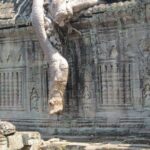
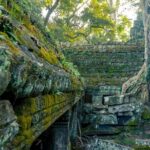
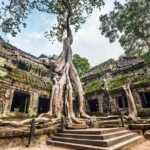
Then comes Ta Prohm, the “Jungle Temple,” built by Jayavarman VII in honor of his mother. The tour sets aside about an hour here, and that’s smart. Ta Prohm is famous because nature and stone are forced into the same frame: tree roots, carved surfaces, and a maze-like layout. A full half hour would feel too short, but two hours can drag once you’ve found your best angles. Around an hour tends to be the sweet spot.
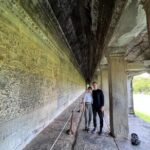
Finally, the day ends with a second visit to Angkor Wat itself (about two hours). This is where you balance out the earlier sunrise timing. Instead of only chasing the dawn spectacle, you get more time to walk, look closely at details, and climb if you want the views from the steep steps.
Day 2’s Off-the-Main-Route Temples: Banteay Samre, Banteay Srei, and Kbal Spean
Day 2 starts with a major advantage. Because Day 1 is the early morning-heavy day, you can sleep in a bit. You’ll have breakfast at your hotel, then pickup for the more distant temples.
You’ll begin with Banteay Samre (about 1.5 hours). It’s farther out and less rushed, and the timing suggests you’re meant to actually see the structure rather than treat it like a quick stop.
Next up is Banteay Srei (about 1.5 hours), located roughly 20 km from the main complex of Angkor. This is the temple stop that pairs well with the drive time: the route through small villages and rice fields can help you see Cambodia outside the Angkor bubble. It’s also a reminder that Angkor isn’t isolated; it sits in a living region.
Then comes Kbal Spean, about 60 km from the main complex. This is the tour’s wild card stop: it’s on a river in the jungle and is referred to as the river of a thousand lingas. The itinerary gives you about 1.5 hours, and it also gives you a useful decision point: you can decide where to have lunch on the way. That flexibility is handy because you’re not forced into one pre-set meal plan.
A practical consideration with Day 2: the farther sites can mean more time spent traveling in the car, even with an air-conditioned vehicle. You’ll still get plenty of temple time, but this is a “ride plus ruins” day. The payoff is you’re less trapped inside peak congestion zones.
Srah Srang and Pre Rup Sunset: The Best Ending Moves
The tour doesn’t end with one last temple photo dump. It builds toward a sunset moment in the main Angkor area.
You’ll visit Srah Srang first (about 30 minutes), which translates to Royal bath. This water reservoir sits south of the East Baray and close to Pre Rup, so it’s a good anchor for the final portion of your day.
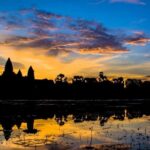
Then you’ll move to Pre Rup (about 1.5 hours) for sunset. You get an option built into the schedule: you can watch the sun settle in the water reservoir of Srah Srang or stay focused on the sunset at Pre Rup. This choice is practical. If the light at one viewpoint is better for you in that moment, you can adapt without feeling like you missed the plan.
This ending sequence matters for two reasons. One, it changes your pace after long walking days. Two, it gives context to the ruins as part of an environment—water, sky, stone—rather than just isolated monuments.
Other private tours in Siem Reap

Price, Tickets, and the Real Value of a $375 Group Tour
The price is $375 per group, up to 3 people. That means the cost makes the most sense when you travel with one or two companions rather than as a solo traveler. For most people, the value isn’t only the vehicle and guide—it’s the efficiency of getting the right sights in the right order with a driver who understands how to keep you moving between far-flung sites.
There’s also the ticket issue you need to plan for. Entrance to Angkor Wat is not included, and the itinerary calls for an Angkor 3-day ticket priced at $62.00 per person. So your true total cost depends on how many people you have and whether you already have the pass. Still, because this tour focuses on multiple key areas across two days, the ticket cost generally feels justified.
Included in the tour price are:
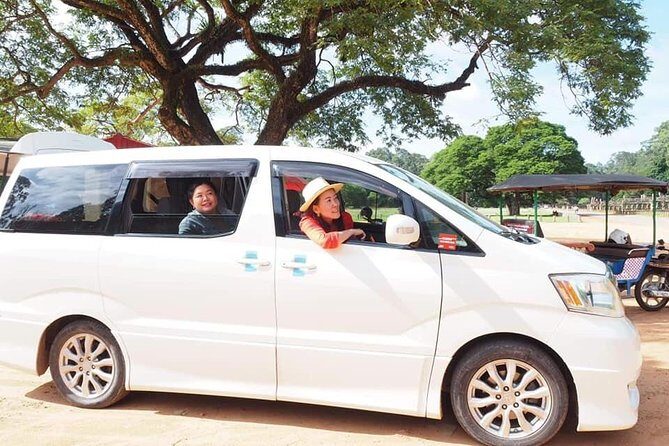
- Air-conditioned vehicle
- Private transportation
- Experienced driver
- Certified English-speaking guide
- Guide and driver costs (including entrance etc.)
- Pickup and drop-off from your hotel or meeting point
One subtle value point: the tour mentions a mobile ticket. That’s a small convenience, but in Angkor, where logistics can turn into chaos fast, fewer loose ends helps.
Private Guide Energy: What Makes This Tour Feel Different
This kind of tour lives or dies on the person running the show. In feedback for Royal Angkor Tours, the guide names keep popping up for a reason: guests mention guides like Mr. Sokky and Mr. Ram for history-heavy explanations, and also note a sense of humor and flexibility. Drivers are often highlighted too, including Mr. T and Mr. Long, for keeping things smooth.
In plain English, here’s what that means for you:
- You’ll get explanations tied to what you’re seeing, like the meaning behind terrace names and royal temples.
- Your guide can adjust the flow if your group wants more time at a stop or prefers a different lunch option.
- You can ask for a least-crowded route through Angkor, and your guide can work toward that goal.
The tour is private, so you’re not stuck behind a slow group. And because it’s a two-day plan, you’re also less likely to feel like you’re being dragged from one landmark to the next with zero chance to absorb anything.
Timing, Pace, and What to Pack for Two Busy Days
You should expect a full schedule across two days with significant temple walking. The tour notes you need moderate physical fitness. That matters because you’ll be climbing stairs at some points, moving between temple areas, and spending time standing around for views at sunrise and sunset.
What I’d bring:
- Comfortable walking shoes (temple steps are not sneaker-friendly)
- Water and sun protection for the morning and late afternoon
- A light layer for early hours, since sunrise starts can feel cooler
- A small rain plan in case weather shifts
Also plan your meals. Food and beverages are not included, but the tour is set up with plenty of options around the park area on Day 1. On Day 2, lunch timing is flexible as you head toward Kbal Spean.
Finally, keep expectations realistic: the tour can be tailored, but it still has a fixed sequence and set time windows at each stop. If you hate mornings, you’ll need to accept that Day 1 is early.
Who Should Book This Two-Day Angkor Highlights Tour
This tour is a great fit if you:
- Want a structured itinerary that includes both major temples and quieter sites
- Prefer a private guide who can explain what you’re seeing and adjust pacing
- Care about getting sunrise and a real sunset instead of trading them for extra temple hours
It might not be your best match if:
- You want a fully relaxed, late-start vacation.
- You dislike long car rides to more distant temples like Banteay Srei and Kbal Spean.
- Your group needs everything wheelchair-accessible or low-stair. The tour says moderate fitness is recommended, and it includes climbing at points in the complex.
Should You Book Royal Angkor Tours’ Two-Day Angkor Wat Highlights?
If you want the best of Angkor without losing days to guesswork, I’d say book it. The $375 group price works especially well when you’re traveling with up to two people, and the itinerary design balances headline wow (Angkor Wat, Angkor Thom, Ta Prohm) with the more distant, less overcrowded stops like Banteay Samre and Kbal Spean.
My biggest “yes” reasons are simple: sunrise timing at Angkor Wat, smart sequencing inside Angkor Thom, and a sunset ending that gives your brain a chance to reset. My biggest “wait” reason is also simple: it’s not a sleep-in tour, and you’ll walk more than you think.
If you go, do this: tell your guide what matters most to you (crowd levels, lunch preferences, extra time at a specific temple), then trust the route. This is the kind of plan where the effort up front pays you back with calmer viewing and better context.
FAQ
Is hotel pickup included?
Yes. Pickup and drop-off from your hotel (or meeting point) are included.
What is the tour price and group size?
It’s $375.00 per group, up to 3 people.
How long is the tour?
The duration is approximately 2 days.
Are temple entrance fees included?
No. Entrance fees are not included. The Angkor Wat 3-day ticket is listed as $62.00 per person.
Does the tour include sunrise?
Yes. Day 1 starts early so you can see sunrise over Angkor Wat.
Is the guide language covered?
Yes. The tour includes a certified English-speaking guide.
Is there a mobile ticket?
Yes. A mobile ticket is offered.
Is food included?
No. Food and beverages are not included, though there are plenty of restaurants and food stalls in the Angkor Park area.
Is this a private tour?
Yes. This is a private tour/activity, and only your group participates.
When can I cancel for a full refund?
You can cancel up to 24 hours in advance for a full refund. If you cancel within 24 hours of the start time, the amount paid is not refunded.