REVIEW · PHNOM PENH
4-Day Cambodia Highlights Tour from Phnom Penh with Angkor Wat
Book on Viator →Operated by Bravo Indochina Tours · Bookable on Viator
Four days, and Cambodia clicks into focus. This private tour strings together Phnom Penh, Angkor’s headline temples, and the Tonle Sap lake area with an English-speaking guide plus an A/C minivan, so the big sights don’t feel rushed or confusing. You also get airport transfers and a mobile ticket, which helps when schedules get tight.
I especially like how the Phnom Penh day mixes stunning royal sights with the sobering weight of Tuol Sleng Genocide Museum. On the Siem Reap side, you hit the key Angkor landmarks—Angkor Wat, Angkor Thom, and Ta Prohm—without you having to wrestle with timing or ticket windows.
One thing to think about: the Angkor Temple Pass is not included, so you’ll want to budget for it and plan your day around it. Also, a couple practical reviews noted organization gaps at pickup, so it’s smart to confirm meeting details before your start time.
In This Review
- Key highlights
- Royal Phnom Penh, Silver Pagoda, and Tuol Sleng in one packed first day
- Flying to Siem Reap and hitting Angkor Wat before the crowds pressure you
- Angkor’s checklist done right: flexible pacing with a private guide
- Tonle Sap and Kompong Phluk: rural Cambodia with real daily life
- Day 4 in Siem Reap: airport transfer without drama
- Price, value, and what you’re really paying for
- Small group, real private pacing, and the role of the guide
- Tickets, timing, and how to make Angkor day feel manageable
- Who this tour is best for (and who might want edits)
- Should you book this Cambodia highlights tour from Phnom Penh?
- FAQ
- How long is the Cambodia highlights tour?
- Where does the tour start and what time?
- Is this tour private?
- What’s included in the tour price?
- Is airfare included?
- Do I need to buy the Angkor Temple Pass?
- Does the tour include a guide and tickets?
- Are drinks included?
- Is a gala dinner included?
- What if weather is bad?
Key highlights
- Private guide and driver for just your group (maximum 7 travelers)
- Time-saving flight from Phnom Penh to Siem Reap
- Angkor Wat + Angkor Thom + Ta Prohm in a focused 2-day temple run
- Phnom Penh’s major stops, from Silver Pagoda to National Museum to Tuol Sleng
- Tonle Sap area visit to Kompong Phluk and a local workshop stop
- Most fees and meals covered, with key exceptions like the Angkor Temple Pass
Royal Phnom Penh, Silver Pagoda, and Tuol Sleng in one packed first day
Your day starts early, with a 7:00 am start and a driver meeting you at Phnom Penh International Airport. From there, you’re taken straight to your hotel, which is a great way to avoid the “where do I stand?” stress right after arrival.
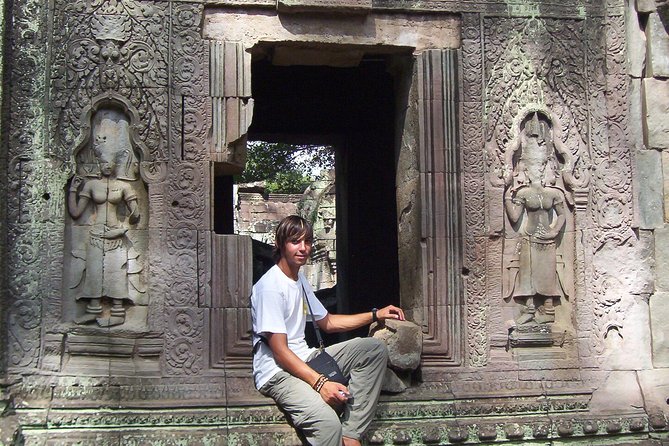
Then you’re in the Royal Palace compound for Silver Pagoda. It’s famous for its floor that’s covered with silver, and standing there gives you a quick snapshot of how ornate Khmer royal spaces can be. It’s also a low-effort stop for jet-lag days because it’s timed like a classic sightseeing window rather than a long hike.
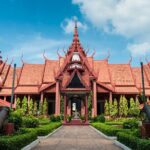
Right next door, the National Museum is housed in a terracotta building built from 1917 to 1920. You get a courtyard garden feel, and the museum layout makes it easier to connect what you’ll see later at Angkor with the broader Khmer art and culture story. Even if you only have a short museum session, this is a solid way to “get your bearings” before temple days.
And then comes Tuol Sleng Genocide Museum. This former high school—Security Prison 21—tracks what happened from 1975 to 1979, including torture and executions. If you do this stop with a guide who explains clearly, it lands differently than reading signs on your own. Expect a heavier, slower pace than the pagoda and palace stops.
Practical tip: wear something comfortable and keep water handy for the day’s mix of palace brightness and serious indoor museum time. You’ll want to be present here, not multitasking.
If you're still narrowing it down, here are other tours in Phnom Penh we've reviewed.
Flying to Siem Reap and hitting Angkor Wat before the crowds pressure you
Breakfast sets you up for the flight from Phnom Penh to Siem Reap. The payoff is simple: you spend less time in transit and more time at sites that need clear heads and early starts.
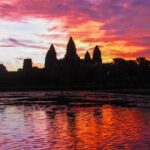
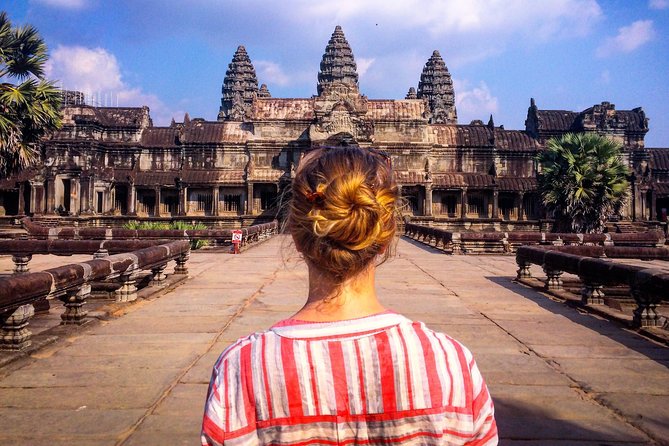
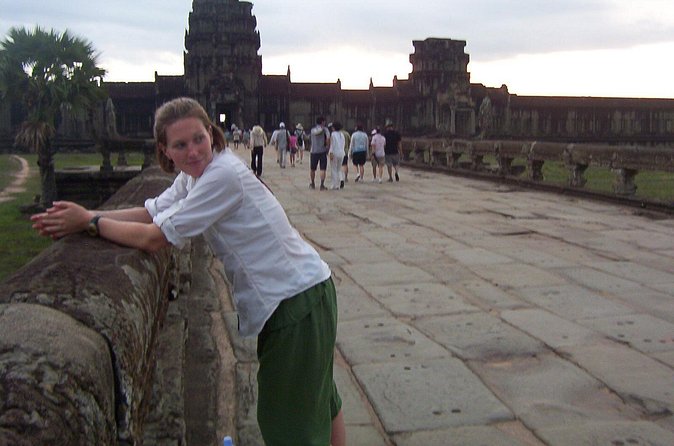
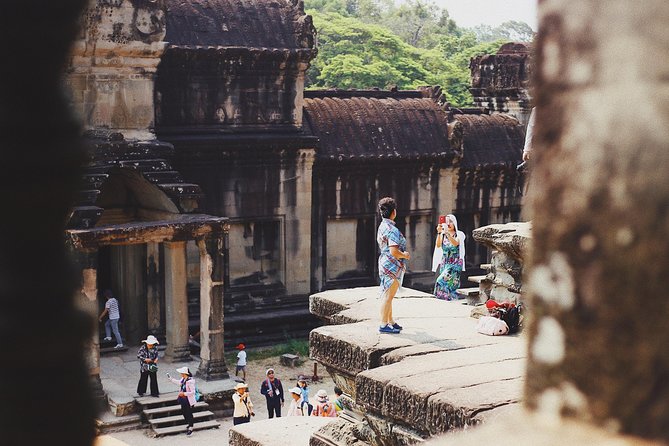
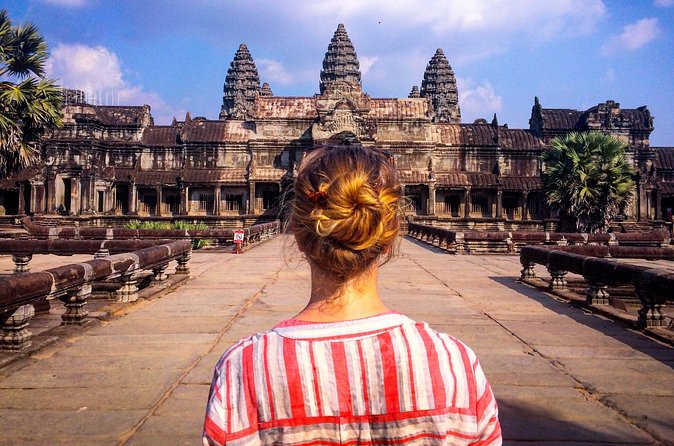
In Siem Reap, Angkor Wat is the big first temple moment. This is the ultimate expression of Khmer genius in sheer scale and detail, and it works whether you love architecture or just want something that feels almost unreal. Your visit is about 2 hours, which is enough time to see the highlights without feeling like you’re herded through.
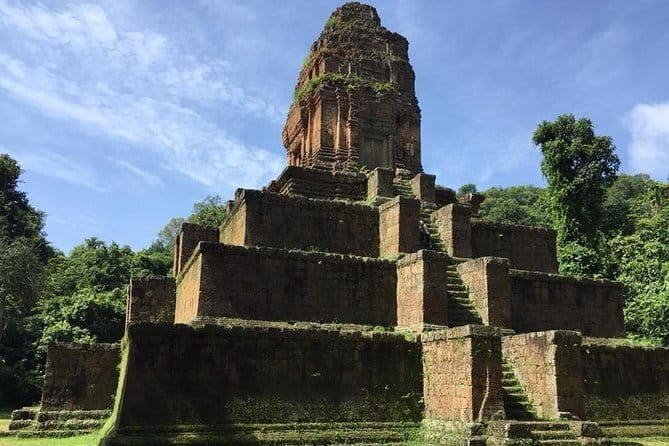
After Angkor Wat, you move to Angkor Thom, the Great City. It covers about 10 square kilometers, and the point of the stop is scale—how many impressive structures and sightlines pack into one area. Your time here is around 1 hour, so you’ll want to use your guide to pick the most important elements to prioritize.
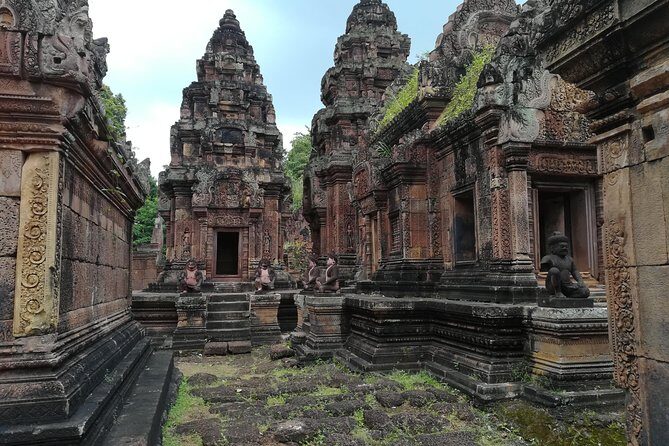
Then Ta Prohm is the contrast act. This is the so-called Tomb Raider Temple, with crumbling towers and walls “held” by root systems. It’s one of those places where your photos won’t capture what’s in front of you: the angle of the roots, the texture of the stone, and the way the whole complex feels partially preserved by nature’s grip. Your time is around 45 minutes, which is quick but workable if you plan your walking route.
Practical tip: bring a light layer. Even when the forecast looks fine, temples can feel cooler or hotter depending on shade and stone. Also, keep an eye on where you’re meant to start so you don’t lose time once everyone is moving.
Angkor’s checklist done right: flexible pacing with a private guide
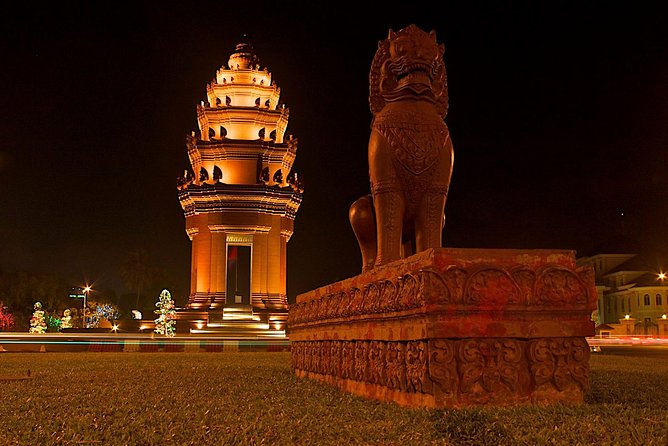
This tour’s “private” format matters more than you might think. With just your party and a guide/driver, you can actually ask, in plain terms, what you should focus on and what you can skip. It also helps for families and mixed-age groups, since the pacing can be adjusted without derailing the day.
The temple sequence you get here is smart. You start with the main icon (Angkor Wat), then shift to Angkor Thom for the larger city context, then land on Ta Prohm for the most dramatic, photo-friendly ruins. That order keeps you from getting temple-fatigue too early, because each stop hits a different kind of wow.
There is one caution though: the Angkor Temple Pass is not included. That means your day might hinge on when you buy and when you enter. If you want everything to feel smooth, plan your pass timing ahead of your first Angkor entry day and keep the ticket process straightforward for your group.
Tonle Sap and Kompong Phluk: rural Cambodia with real daily life
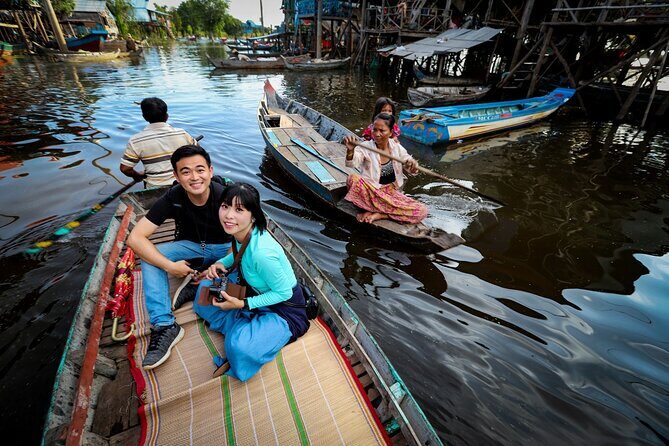
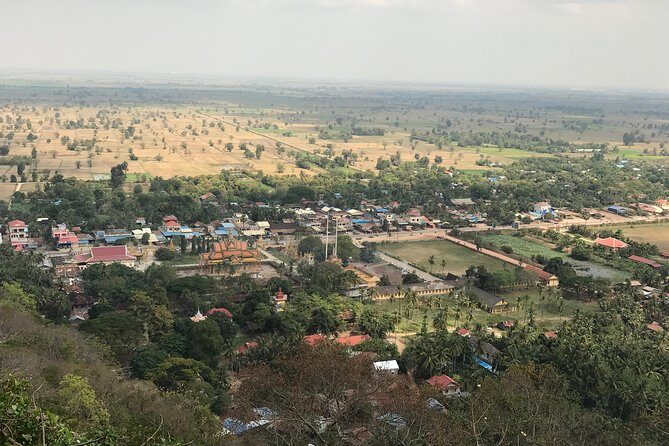
Day 3 turns away from temples and heads toward the Tonle Sap lake area. After breakfast, you travel through rural villages and rice fields toward Kompong Phluk, and the drive time is about 8 hours for the day’s big picture.
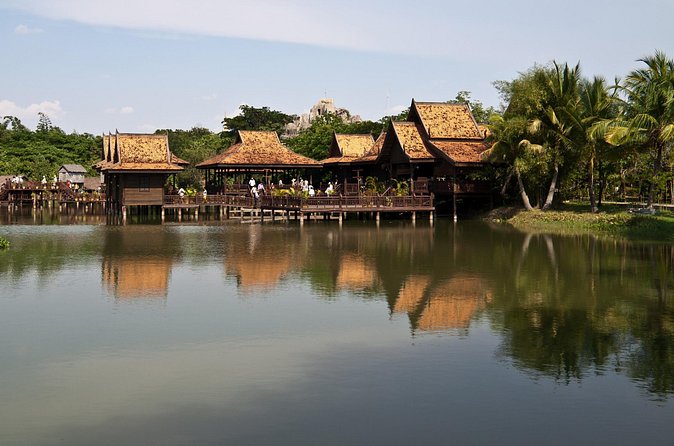
Kompong Phluk is a cluster of three villages of stilted houses built within the floodplain, about 16 km southeast of Siem Reap. The villages are mostly Khmer, and the stop is about local living in a landscape shaped by flooding and seasons. Your visit is about 1 hour, so it’s more of an overview than a long sit-down experience.
This is also where you’ll likely understand why water and timing matter in this region. The tour overview references cruising the Mekong River, and the Tonle Sap area is strongly tied to water-level realities. If you’re the type who hates extra “water time,” it’s worth asking your guide how to make the schedule work for your interests on the day.
Then you add a workshop stop: Senteurs D’angkor. The visit is about 1 hour, and it’s described as a social and ecological business created in 1999. This kind of stop is useful because it breaks the day up from just “seeing” and gives you a chance to learn how products and local business connect with conservation and community goals.
Practical tip: this day can feel long because it combines travel plus short stops. Pack snacks, keep expectations realistic for a 1-hour village window, and don’t plan anything stressful right after.
Day 4 in Siem Reap: airport transfer without drama
After breakfast, you’re transferred to the Siem Reap airport for your departure. Return airfare is not included, so you’ll plan your own flight timing. The nice part is that you’re not left trying to figure out transport at the last minute.
This final day is intentionally light on sightseeing. It’s a good fit if you want to avoid “last-day sprint” energy after three days of strong visuals and early starts.
Price, value, and what you’re really paying for
The price is listed at $465.65 per person for about 4 days. That sounds like a single figure, but the value comes from what’s bundled: three nights accommodation, an A/C minivan for transport, an English-speaking guide, sightseeing fees (with one major exception), and meals (three breakfasts and two lunches).
What’s included also reduces friction. You’re not booking each museum ticket, each transfer, and each guiding hour separately. For a trip built around Phnom Penh and Angkor, that coordination is half the battle.
The big cost to plan for is the Angkor Temple Pass. Since it’s not included, it’s the one line item that can change your total budget depending on how you purchase it and what’s required for your dates. Drinks are also not included, so plan to pay for water and soft drinks on the go.
You should also know about a possible compulsory gala dinner on holiday dates. If your travel dates line up with that kind of schedule, the tour notes this as applicable and not included—so check before you lock in your plans.
Small group, real private pacing, and the role of the guide
This is operated as a private tour with just your party and a guide/driver, and the maximum is 7 travelers. That size is big enough for a small-group comfort level but small enough that your guide can actually steer the day.
The best part is how it affects your decision-making. Instead of walking into major sites with only a map, you can ask direct questions: what’s essential here, what takes longer than it looks, and what you can safely skip if time is tight. On tough days, that can save energy and reduce the feeling of being rushed.
One practical consideration: some organization issues showed up in reviews, including needing to call to figure out where guides were. That doesn’t mean the tour will fail you, but it does mean you should treat meeting points like important dates. Double-check driver contact details before you start so nobody wastes time at the beginning.
Tickets, timing, and how to make Angkor day feel manageable
Angkor is a big target, and the pass is a key piece of that puzzle. Since the Angkor Temple Pass is not included, your best move is to plan around it before your first temple entry. Ask your guide how they expect you to handle the pass process so your day doesn’t turn into a scramble.
Also note the visit lengths. Angkor Wat gets about 2 hours, Angkor Thom about 1 hour, and Ta Prohm about 45 minutes. That’s a structured sweep, not a slow wandering trip. If you love photography, you’ll want to choose a few “must-do” shots rather than trying to capture everything.
If your group has different interests (architecture lovers, history focus, family with shorter attention spans), the private guide format is your advantage. You can agree on the top priorities before you step inside, then let the guide steer you.
Who this tour is best for (and who might want edits)
This tour is described as perfect for all ages and all skill levels, and that makes sense given the structured stop lengths and the private transport. Families often like the A/C minivan and short museum and temple windows.
It also fits travelers who want both sides of Cambodia. You get palace-era beauty and museum context in Phnom Penh, then the headline temples of Angkor, then a real village area around Tonle Sap. If you only want temples, you might feel the Phnom Penh museum day is a heavier emotional chapter than expected, but it’s still an important one.
If you’re a hardcore temple person, Day 3 might feel like the “wrong direction” because it’s village-focused and includes a workshop stop. And if you dislike water-related time, ask your guide how the Tonle Sap portion is handled. The tour’s flexibility is listed as a feature, so make your preferences known early.
Should you book this Cambodia highlights tour from Phnom Penh?
I’d book it if you want a tidy, guide-led way to hit Phnom Penh and Angkor without doing a lot of research and ticket wrangling yourself. The mix of sites is strong: royal Phnom Penh sights, the hard truth of Tuol Sleng, and the three major Angkor stops that most first-time visitors think about immediately.
I’d hesitate if you’re highly sensitive to scheduling hiccups at pickup or if you hate any chance of time spent around water. Also, because the Angkor Temple Pass is extra, pencil that into your budget and plan for it so your first temple day stays calm.
If your goal is “see the big Cambodian classics with someone who can explain what you’re looking at,” this is a solid value for the money and the effort.
FAQ
How long is the Cambodia highlights tour?
It runs for 4 days on average.
Where does the tour start and what time?
The start time is 7:00 am, and you meet a driver at Phnom Penh International Airport for transfer to your hotel.
Is this tour private?
Yes. It’s a private tour operated with just your party and a guide/driver, with a maximum of 7 travelers.
What’s included in the tour price?
The tour includes 3 nights accommodation, an A/C minivan, an English-speaking guide, sightseeing fees except the Angkor Temple Pass, and meals: 3 breakfasts and 2 lunches.
Is airfare included?
The tour includes a time-saving flight from Phnom Penh to Siem Reap as part of the schedule. Return airfare is not included.
Do I need to buy the Angkor Temple Pass?
Yes. All sightseeing fees are included except the Angkor Temple Pass.
Does the tour include a guide and tickets?
You’ll have an English-speaking guide. The tour also offers a mobile ticket, and most sightseeing fees are covered except the Angkor Temple Pass.
Are drinks included?
No. Drinks are not included.
Is a gala dinner included?
A compulsory gala dinner may apply on holiday dates, and it is not included.
What if weather is bad?
The tour requires good weather. If it’s canceled due to poor weather, you’ll be offered a different date or a full refund.