REVIEW · PHNOM PENH
One Day Trip to Phnom Da, Ta Prohm Bati, Neang Khmao & Chiso
Book on GetYourGuide →Operated by Tour Guide Team in Siem Reap · Bookable on GetYourGuide
Five temples, one smooth day circuit. This private tour takes you out of Phnom Penh to explore Khmer sites that span centuries, with a licensed English guide doing the storytelling. I like how the route is built around real structure and location, not just checkboxes.
The day shines on two fronts for me. First, you get a small-group setup (max 6) with hotel pickup and drop-off, plus a punctual driver, so you’re not stuck negotiating transport. Second, the experience includes time-saving logistics like skip-the-line access via a separate entrance, which helps when you’re trying to fit a lot into one day.
One thing to plan for: meals and temple tickets aren’t included, so you’ll want to budget for entry fees and bring snacks if you get hungry between stops.
In This Review
- Key Things I’d Plan Around
- One Day Temple Circuit From Phnom Penh City
- Phnom Da: 100 Steps, Early Chenla Clues, and Sacred Caves
- Ta Prohm Bati (Tonle Bati): Lingams, Tree Roots, and the Main Sanctuary Layout
- Neang Khmao Pagoda and Yeay Peau Temple: The Black Virgin and a Mother’s Name
- Phnom Chisor: The Hilltop Temple, Long Staircase, and Monastery Life
- How the Private Transport Keeps the Day Moving
- Skipping the Line and Saving Your Energy for the Stones
- No Meals Included: The One Planning Detail That Changes Everything
- Price and Value: What $143 Buys You (and What It Doesn’t)
- Who This Tour Fits Best
- Should You Book This Tour?
- FAQ
- How long is this trip?
- Where does pickup happen?
- Is this a private tour or a group tour?
- What sites are included in the route?
- Is temple entry included?
- Are meals included?
- What language is the guide?
- Is there a wait-time advantage at the temples?
- What if my plans change and I need to cancel?
Key Things I’d Plan Around
- Private full-day for your group with a licensed driver and licensed guide
- Five major temple stops in the southern Phnom Penh area, each with time for photos and guided context
- Skip-line entry via a separate entrance to reduce waiting
- Walking + safety briefings at sites with stairs, uneven ground, and cave areas
- Good comfort touches: air-conditioned vehicle, cold waters, and wipes
- Long but manageable day with about an hour of transfer each way and set visiting blocks
One Day Temple Circuit From Phnom Penh City
This is the kind of day trip that works best when you want depth without stress. You start with hotel pickup in Phnom Penh and ride in an air-conditioned van to the temples south and southwest of the city. The pacing is realistic: you get guided time at each stop, plus room to look around and take photos.
The private format matters here. Even with a small-group limit, the tour is described as 100% private for the number of people you book, so you can move at a human pace. If you like asking questions (or need a moment to catch your breath before stairs), a good guide will adjust instead of rushing you.
And you’re not just seeing stone. You’re seeing how Khmer sacred space evolved, from early roots in the Chenla period through later Khmer royal building programs. That context turns a “temple visit” into a timeline you can actually walk through.
Other Ta Prohm tours we've reviewed in Phnom Penh
Phnom Da: 100 Steps, Early Chenla Clues, and Sacred Caves
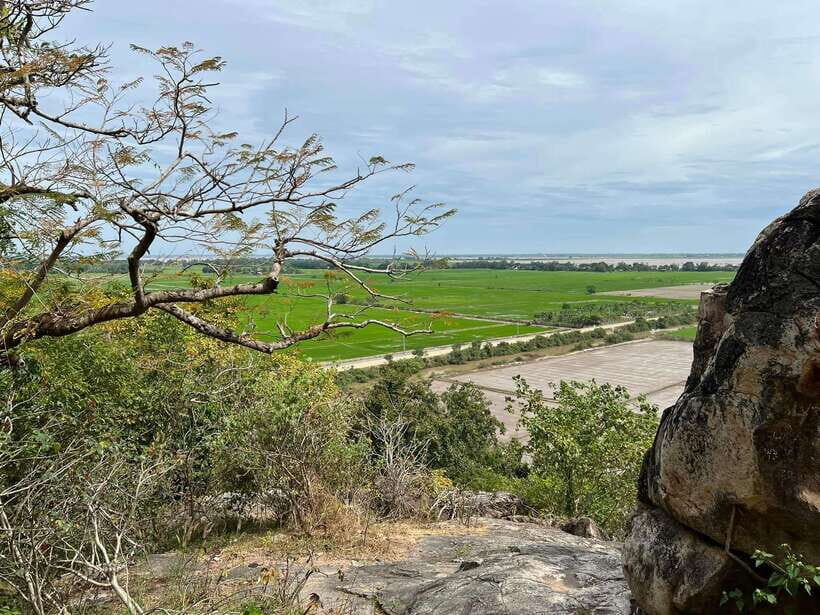
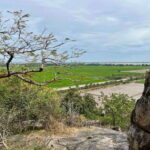
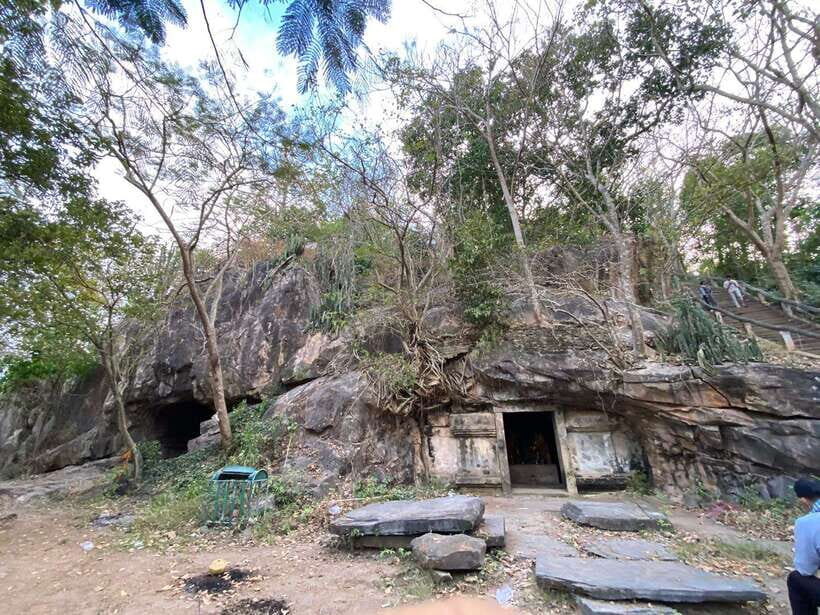
Phnom Da is your first stop, and it sets the tone fast. You’ll transfer from Phnom Penh (about an hour by van) and then head up toward a hilltop temple site reached by roughly 100 steps. That climb alone helps you understand why these places were chosen: elevation gives you visibility and makes the whole site feel set apart.
Here’s what makes Phnom Da more than an attractive viewpoint. The site is tied to the early Khmer capital period and the reign of King Rutravarman during the Norkor Phnom era. Later, capital power shifted to different higher-ground locations in Chenla Teuk Lich (Lower Chenla), then moved again over time toward places like Kompong Thom and later Siem Reap.
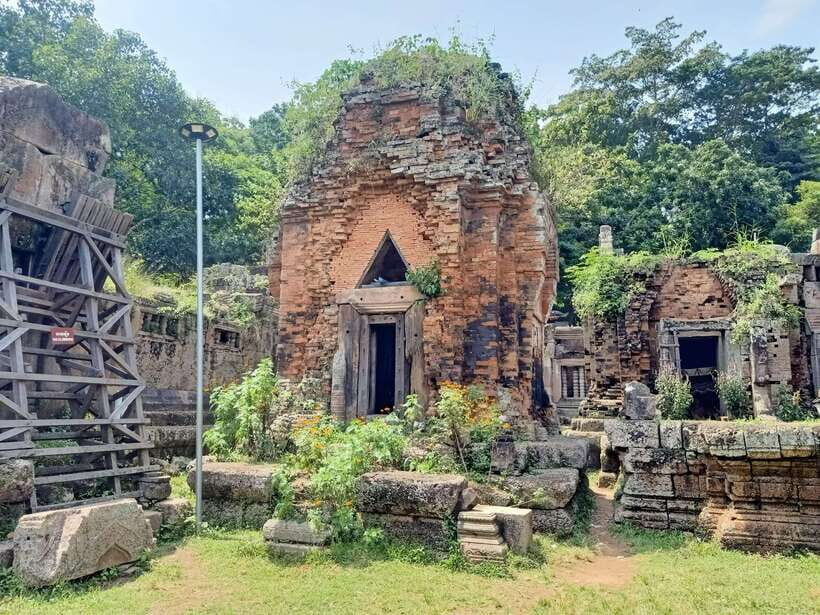
Then the story gets even more layered. There’s evidence of human habitation from at least 400 BCE, and the temple you see today—listed as 11th century—sits on the footprint of an earlier 5th–6th century temple. So your guide isn’t just pointing at carvings. You’re standing in a spot where sacred space was renewed, reused, and reinterpreted across centuries.
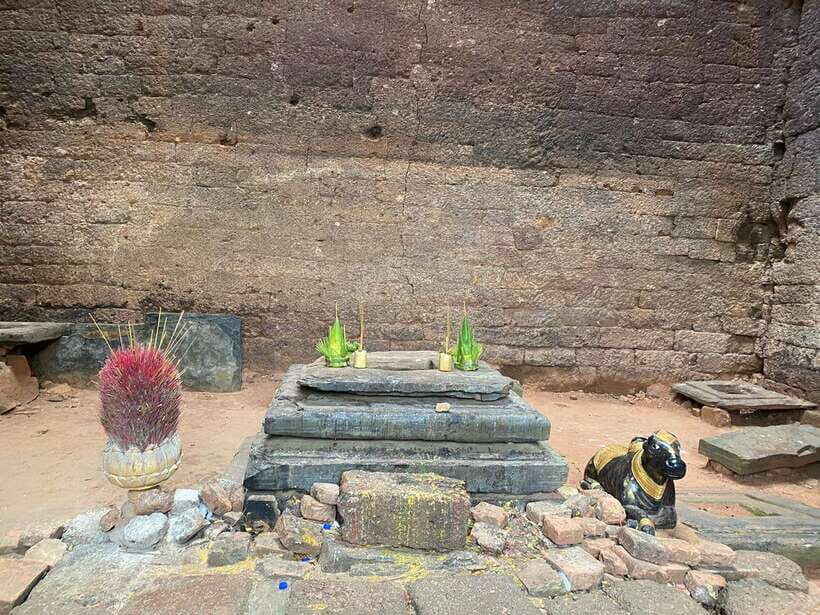
One of the most intriguing details at Phnom Da is the cave area. You’ll encounter caves including one that includes a yoni pedestal connected to a missing Shivalingam. Even if you’re not a specialist, your guide can connect this to how Hindu-Brahmanic worship shaped Khmer temple layouts, and what changes happened when the original deities were gone.
There’s also the Asram Maharishi on the other side of the hill. The original deity is long gone, but it’s still venerated as a shrine in memory of a great sage. That’s a recurring Khmer theme: sites evolve, but devotion doesn’t disappear.
Practical note: since you’re climbing and walking uneven terrain, wear shoes you trust on stairs and dirt. Your tour also includes a safety briefing, which is helpful here.
Ta Prohm Bati (Tonle Bati): Lingams, Tree Roots, and the Main Sanctuary Layout
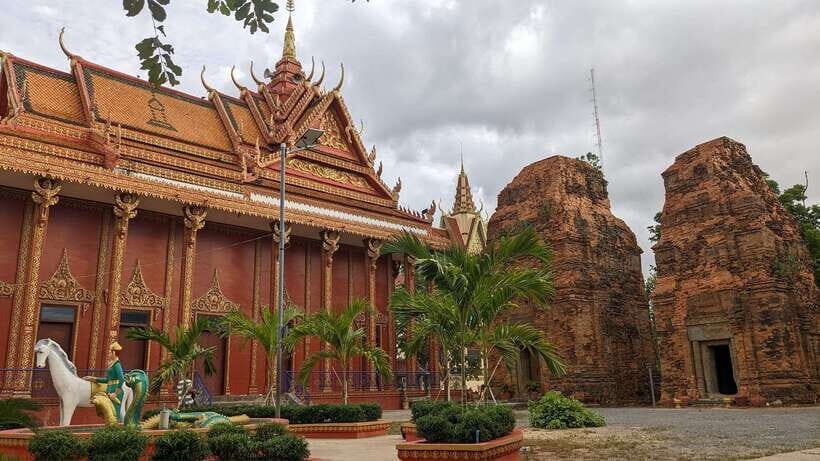
After Phnom Da, you’ll head to Ta Prohm Bati (often referred to alongside Tonle Bati). This is where Khmer temple design becomes visually theatrical.
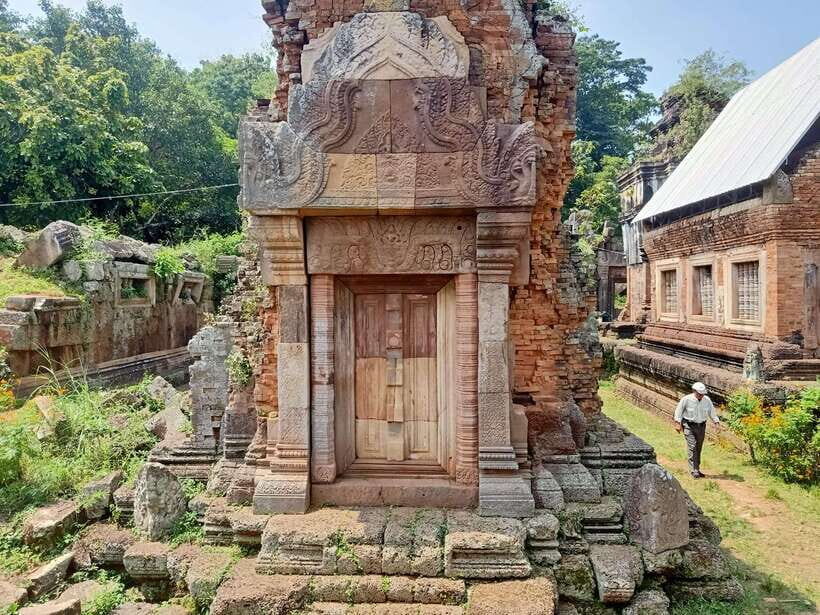
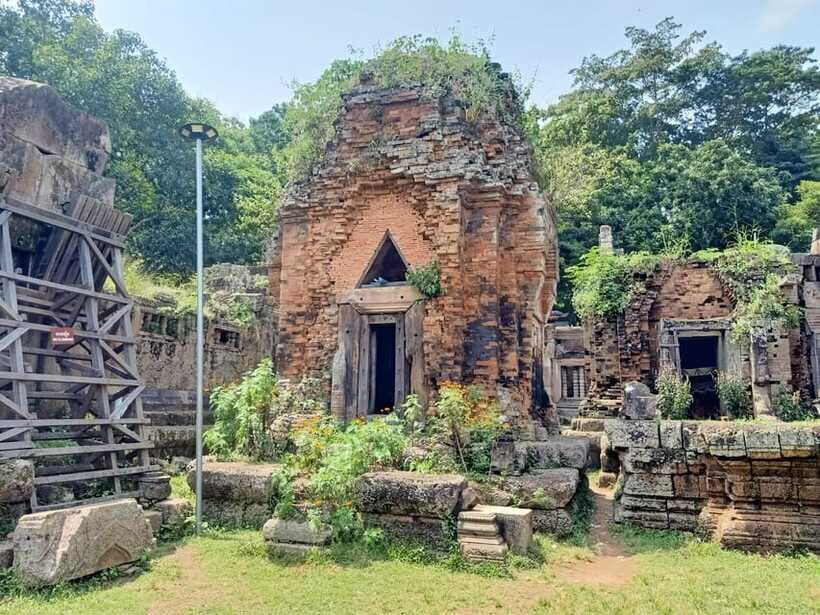
Ta Prohm was built by King Jayavarman VII on the site of an earlier 6th century Khmer shrine. That means you’re not just looking at one building phase—you’re seeing a later royal project placed over an older sacred anchor point.
What you’ll focus on is the main sanctuary made of five chambers, each housing a lingam. Even if you’ve seen lingams before, it’s striking to see a full sanctuary plan described clearly in a guided visit. The layout helps you understand how worship worked: not one “spot,” but a structured experience.
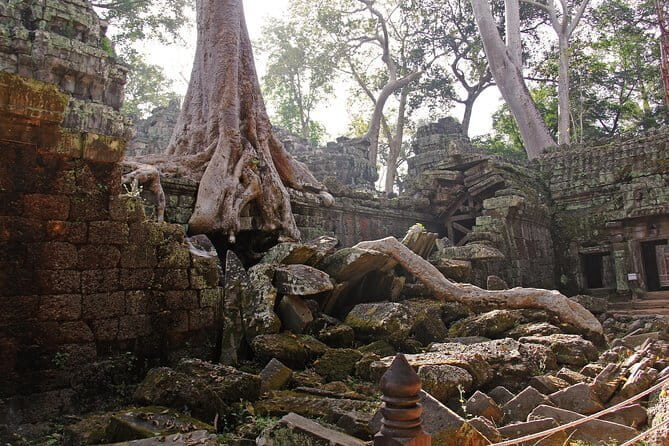
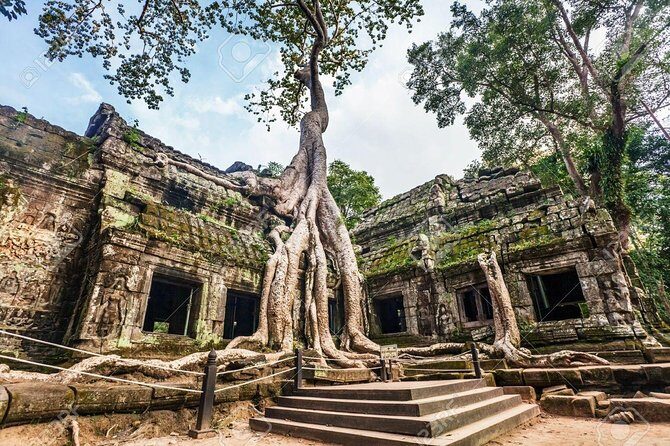
Then there’s the famous visual contrast: the tree growing on and around the temple structure. This is the kind of thing you can photograph forever, but the guide’s value is in explaining what you’re actually looking at—how roots and growth interact with stone, and why these ruins feel alive instead of frozen.
A real-world consideration: this stop can have street-side presence. At least one earlier experience noted beggars around Ta Prohm, so if you’re sensitive to that, keep a calm, respectful distance and don’t feel pressured. This isn’t a safety problem in the description you’re following, but it’s something to mentally prepare for while you’re there.
Neang Khmao Pagoda and Yeay Peau Temple: The Black Virgin and a Mother’s Name
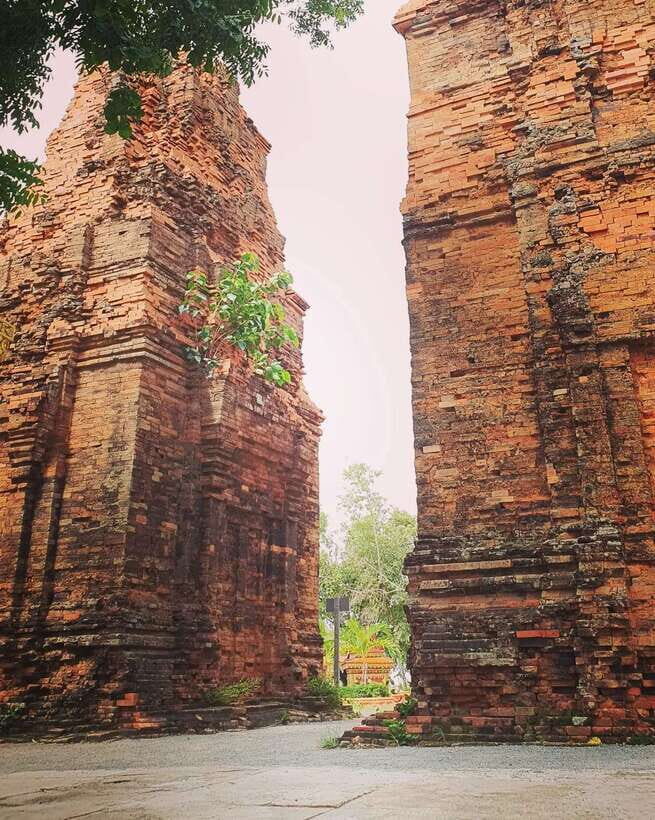
Next comes a more intimate pair of spiritual stops: Prasat Neang Khmao and Yeay Peau (Yeay Pow) Temple.
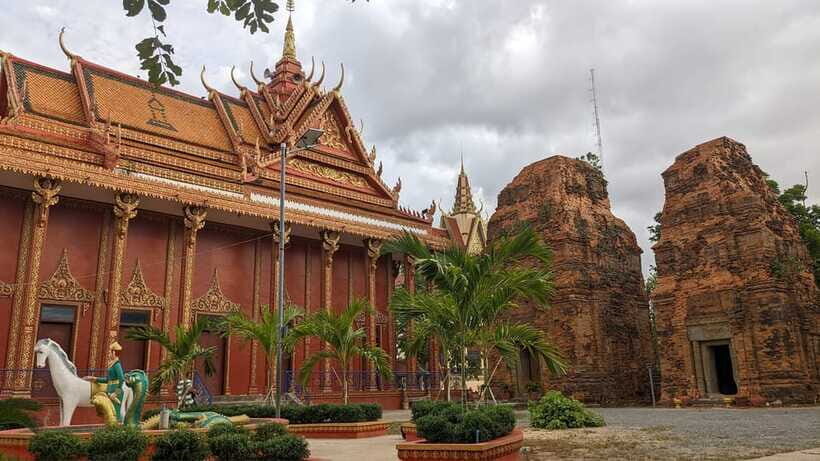
Prasat Neang Khmao is presented as the temple of the Black Virgin. Even without getting overly technical, this label tells you what to pay attention to when you arrive: the space is connected to devotion and memory, and your guide can help you read the site as lived religion, not just archaeology.
Then you’ll visit Yeay Peau Temple, named after Ta Prohm’s mother (a legend-linked detail that makes the stop feel personal). This is the part of the day where the guide’s interpretation can really change your experience. You’re not just walking between ruins; you’re learning how stories attach to places and how those stories get preserved through names.
Both sites are shorter on the clock than the big hilltop and big sanctuary areas, so the tone becomes more focused. You’ll still get guided time and photo stops, but it’s a good chance to slow down and absorb smaller carvings and layout choices. If you tend to rush at ruins, this segment helps reset your pace.
Phnom Chisor: The Hilltop Temple, Long Staircase, and Monastery Life
Your final major anchor is Phnom Chisor, about 50 km south of Phnom and known as both an ancient temple and a contemporary monastery site.
This place is famous for its vertical design. The ancient temple is built on a hillside with a spectacular staircase that leads down to two entrance pavilions on the plains below. One important detail: the outer pavilion is about 700 m away to the east, and it’s preceded by an ancient basin. Even if you don’t measure distances like an engineer, your guide can help you see the geometry—how the approach funnels your movement through layered thresholds.
Phnom Chisor also offers the special mix you want on a one-day run: you get history, but you also see why Cambodians still care about these spaces. Since it’s a contemporary monastery location, the atmosphere is not purely museum-quiet. That can be a plus if you prefer authenticity over empty-photo sets.
Comfort-wise, treat this as your last big walking segment. Wear grippy shoes and pace your water intake. Your tour includes cold waters and wipes, which helps a lot after stairs.


How the Private Transport Keeps the Day Moving
Time matters in a one-day tour, and this schedule is built around efficient movement. After pickup, you’ll have about one hour by van to the first site area. Each temple stop has a planned block that includes photo time, guided time, walking, and a short safety briefing.
What I like is that the tour doesn’t act like you’re sprinting between ruins. Instead, it treats each site as a mini lesson with enough time to look carefully. Your guide can also tie things together across stops, which is where a licensed guide earns their fee.
Driver quality matters too. One earlier experience praised a punctual driver and smooth driving, and that’s exactly what you need when you’re leaving Phnom Penh and returning after a full day. Long-distance legs plus stone steps can wear you out, so stress-free transport is part of the value.
Language is English, and the tour is described as live guided, which matters because temple symbols are easy to miss on your own.
Skipping the Line and Saving Your Energy for the Stones
You’ll get skip-the-line access via a separate entrance. That’s one of the quiet wins in Cambodia travel: it’s not glamorous, but it helps you spend energy where it counts—inside temple spaces—rather than waiting at entrances.
On a one-day plan with multiple sites, even 20–30 minutes saved can change your comfort. Less waiting means less fatigue, and less fatigue means you take better photos and actually enjoy your walking.
No Meals Included: The One Planning Detail That Changes Everything
Here’s the part you should not ignore: meals aren’t included, and temple tickets are also not included.
If you want an easy day, do this:
- Bring snacks just in case you get hungry between stops.
- Carry cash/card for temple ticket entry if required.
- Drink water steadily. Cold water is provided, but you’ll still benefit from small, frequent sips.
One earlier experience made this point directly: there isn’t a lunch stop on the itinerary. If you’re the kind of traveler who needs lunch to function, plan snacks like you’re on a hiking day.
Price and Value: What $143 Buys You (and What It Doesn’t)
At $143 per person for a one-day private tour, the price is really about what’s included: private air-conditioned transport, a private licensed driver, and a licensed English guide. You’re also covered by travel insurance, plus small comfort items like cold waters and wipes. The tour includes toll roads and parking, along with gasoline and hotel pickup/drop-off.
That matters because Cambodia day trips can get weird quickly if you have to arrange transport yourself. When the van, driver, and guide are already handled, you can focus on the temples and the stories.
What it does not include is meals and temple tickets. So the true cost is your entry fees plus whatever you eat. If you compare, think of it like this: you’re paying to remove friction. A guided private loop to five sites in one day is hard to assemble on your own without losing time.
Also, the small group limit (up to 6) gives you a better chance of personal attention than large buses. And since it’s described as private for your group, you’re not sitting around waiting for other parties to finish photos.
Who This Tour Fits Best
This works especially well if you:
- Want a one-day temple circuit without coordinating tuk-tuks or rides between sites.
- Like your archaeology with a guide who can connect dates, names, and temple functions.
- Prefer private or small-group comfort, with hotel pickup and drop-off.
It might feel like a lot if you want a super slow, linger-all-day vibe. This is structured. You’ll walk, you’ll climb, and you’ll move between sites on a schedule. But the trade-off is that you’ll see a lot of Khmer sacred space in one day.
Should You Book This Tour?
I’d book it if you want the best “temple learning per day” from Phnom Penh. The combination of Phnom Da’s hilltop Chenla roots, Ta Prohm Bati’s sanctuary layout and tree growth, Neang Khmao’s Black Virgin devotion, Yeay Peau’s story-linked naming, and Phnom Chisor’s staircase geometry gives you a strong, varied day.
Skip it only if you:
- Need an included lunch and hate planning snacks.
- Know you’ll be uncomfortable with street-level presence near at least one site like Ta Prohm.
- Don’t want to pay extra for temple tickets.
If you’re flexible on food, wear good shoes, and you’re excited to get context from a licensed guide (including guides like Silong, who’s been described as friendly and very informative), this one-day private tour is a solid way to experience Cambodia’s temple world without the hassle.
FAQ
How long is this trip?
It’s a one-day tour with scheduled visits at each temple. The total duration is listed as 1 day.
Where does pickup happen?
Pickup is from your location in Phnom Penh, and you’re also dropped back in Phnom Penh at the end.
Is this a private tour or a group tour?
It’s a private full-day tour with only your group. It’s also described as a small group with a limit of up to 6 participants.
What sites are included in the route?
The tour includes Phnom Da, Ta Prohm Bati, Neang Khmao Pagoda, Yeay Peau (Yeay Pow) Temple, and Phnom Chisor.
Is temple entry included?
No. Temple tickets are not included.
Are meals included?
No. Meals are not included.
What language is the guide?
The live tour guide is in English.
Is there a wait-time advantage at the temples?
Yes. You get skip-the-line access through a separate entrance.
What if my plans change and I need to cancel?
Free cancellation is available up to 24 hours in advance for a full refund.